WPC Fence Supplier & Company in Japan

Leading the Sustainable Revolution in Japanese Architecture with High-Performance Wood Plastic Composites

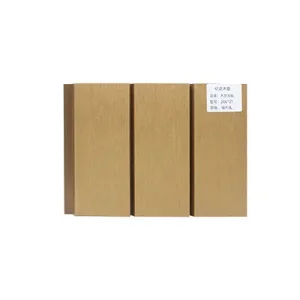
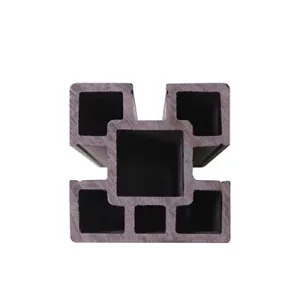
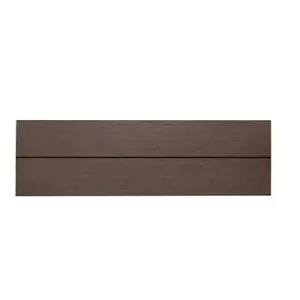
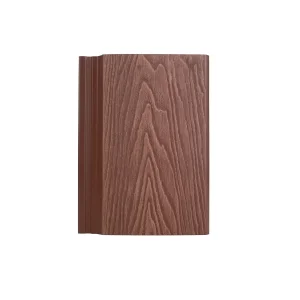
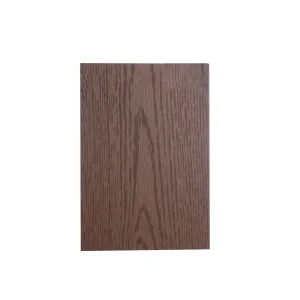
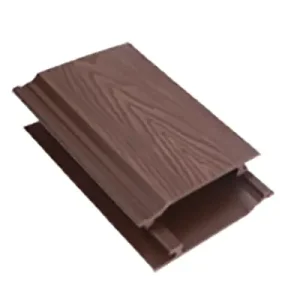
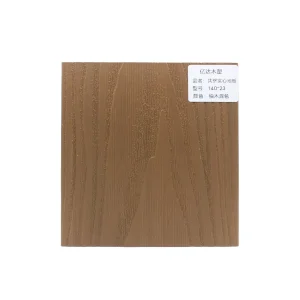
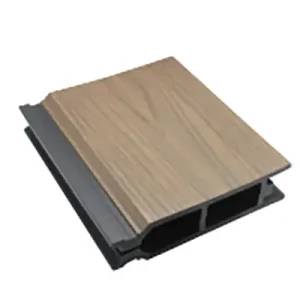
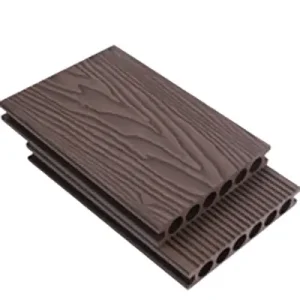
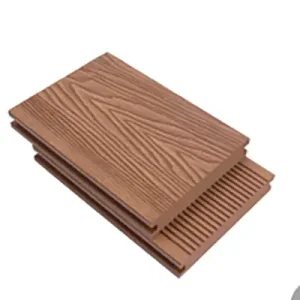
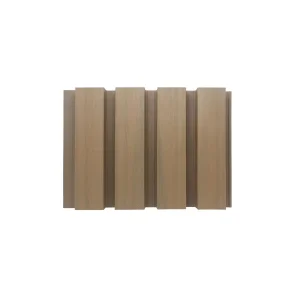
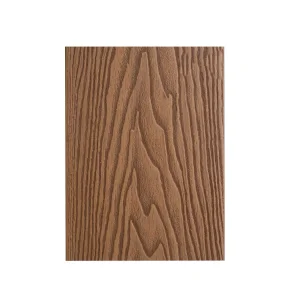
Featured WPC Solutions for the Japanese Market

Engineered for Japan's unique climate, from Hokkaido's snow to Okinawa's coastal humidity.

Japan's WPC Industry: Status & Trends

Japan is at the forefront of the global movement towards sustainable building materials. As a nation that deeply values the harmony between nature and technology, Wood Plastic Composite (WPC) has become a preferred choice for urban developers and homeowners alike.

Industrial Status: With Japan's strict environmental regulations and the nationwide push for SDGs (Sustainable Development Goals), the demand for timber alternatives that don't contribute to deforestation is skyrocketing. WPC fences and decking are now standard in public infrastructure projects across Tokyo and Osaka.

Development Trends: The industry is shifting towards "Co-extrusion" technology, which provides a protective polymer layer for superior UV resistance—critical for Japan's high-exposure coastal regions. Furthermore, the aging population in Japan has increased the demand for "zero-maintenance" solutions, where WPC outperforms traditional cedar or cypress.
Japan WPC Industrial Layout
💠

Climate Resilience

Specifically engineered to withstand the extreme humidity of Japanese summers and the heavy snowfall of northern regions without warping.

🌿

Eco-Harmony

Made from 95% recycled materials, aligning with Japan's "Mottainai" culture and circular economy principles.

🛡️

Low Maintenance

Eliminates the need for annual staining or chemical treatments, perfect for Japan's busy urban lifestyle.

Localized Application Scenarios

In Japan, WPC applications go beyond mere fencing. We provide tailored solutions for:
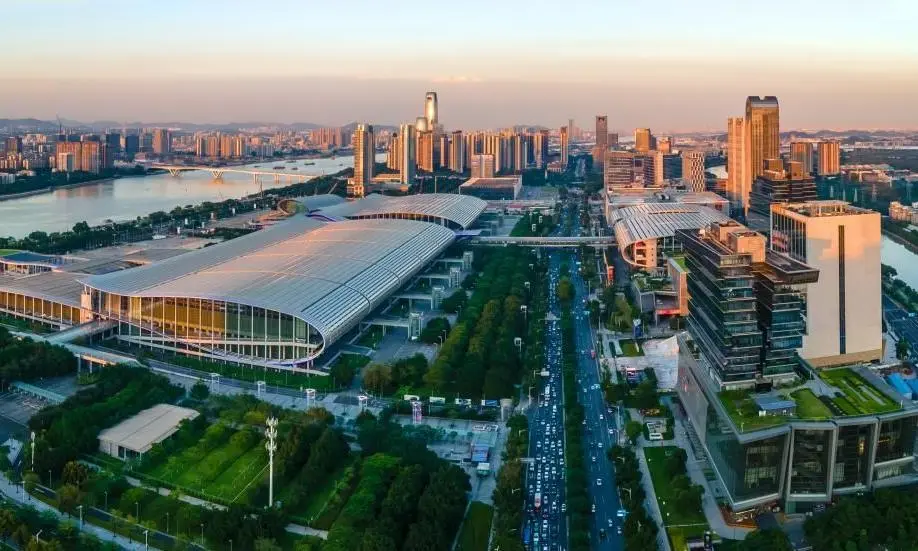
  • Zen Garden Boundaries: Our textures mimic traditional Japanese wood grains, providing a serene backdrop for Kyoto-style rock gardens.
  • Rooftop Terraces (Tokyo/Shinjuku): Lightweight WPC profiles are ideal for skyscraper balconies where weight and fire resistance are critical.
  • Public Boardwalks: Applied in parks across Yokohama, our slip-resistant WPC ensures safety for families and the elderly.
  • Seaside Resorts (Okinawa): Salt-water resistant technology ensures that our fences don't rot or corrode in maritime environments.
Japan Local Applications

About Ningbo Yida Wood Plastic Technology

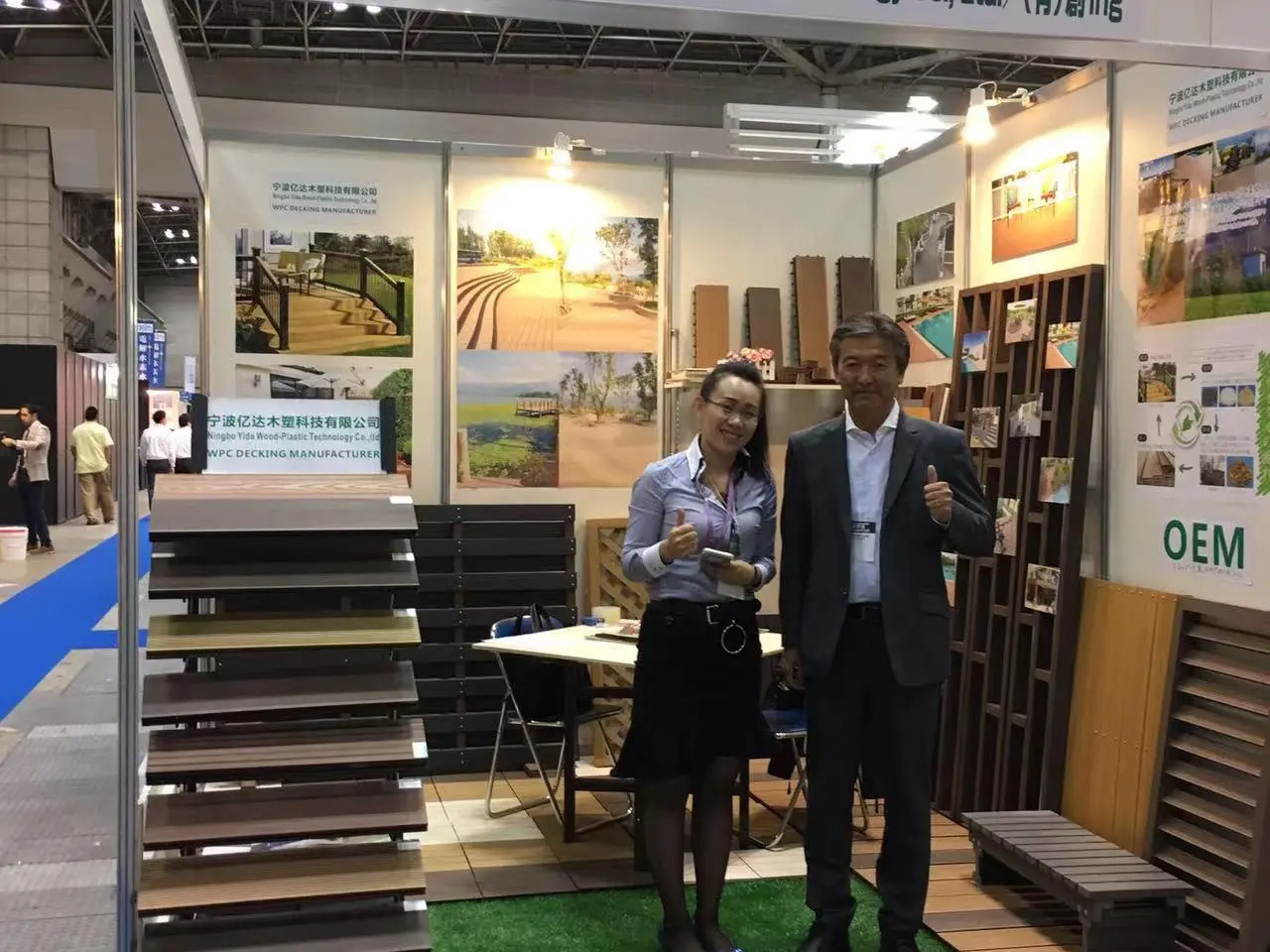
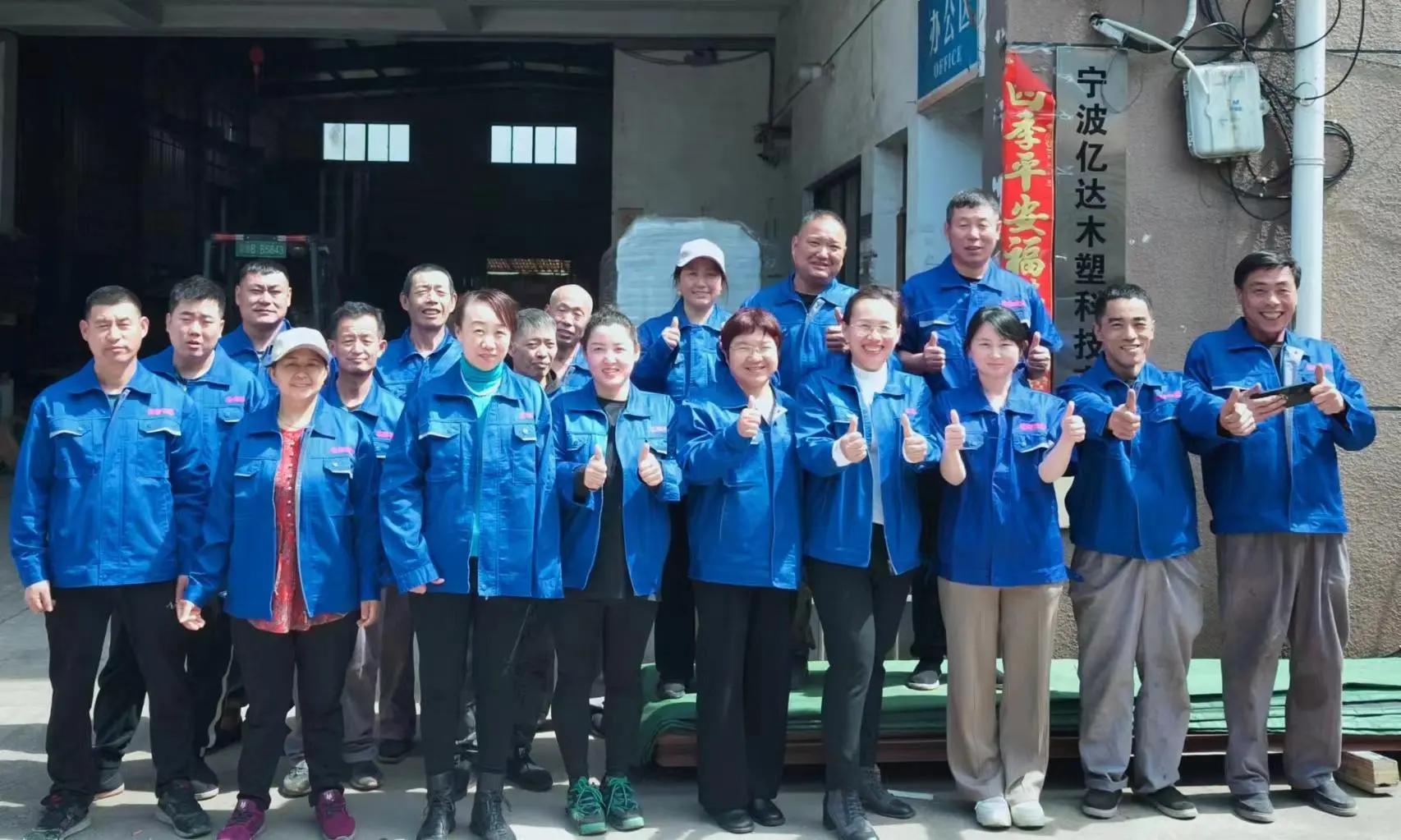
Ningbo Yida Wood Plastic Technology Co., Ltd. is a global pioneer in the R&D and manufacturing of high-grade wood plastic composite materials. With nearly a decade of specialized experience, we have bridge the gap between aesthetic natural beauty and industrial-grade durability. Our Yida brand is synonymous with innovation, offering products that are waterproof, insect-proof, and highly resistant to the cracking often seen in traditional timber.

Our commitment to the Japanese market is unwavering. We understand the high standards of quality (Monozukuri) expected by Japanese clients. From our state-of-the-art production lines, we export precision-engineered WPC profiles that meet international environmental standards. Our service team is trained to assist in large-scale municipal projects, medical institutions, and private residential developments, ensuring that every project perfectly blends modern technology with natural appeal.
10+ Years Experience
500+ Global Projects
100% Eco-Friendly
25Y Warranty

Project Gallery: Japan Installations

Japan Project 1 Japan Project 2 Japan Project 3 Japan Project 4

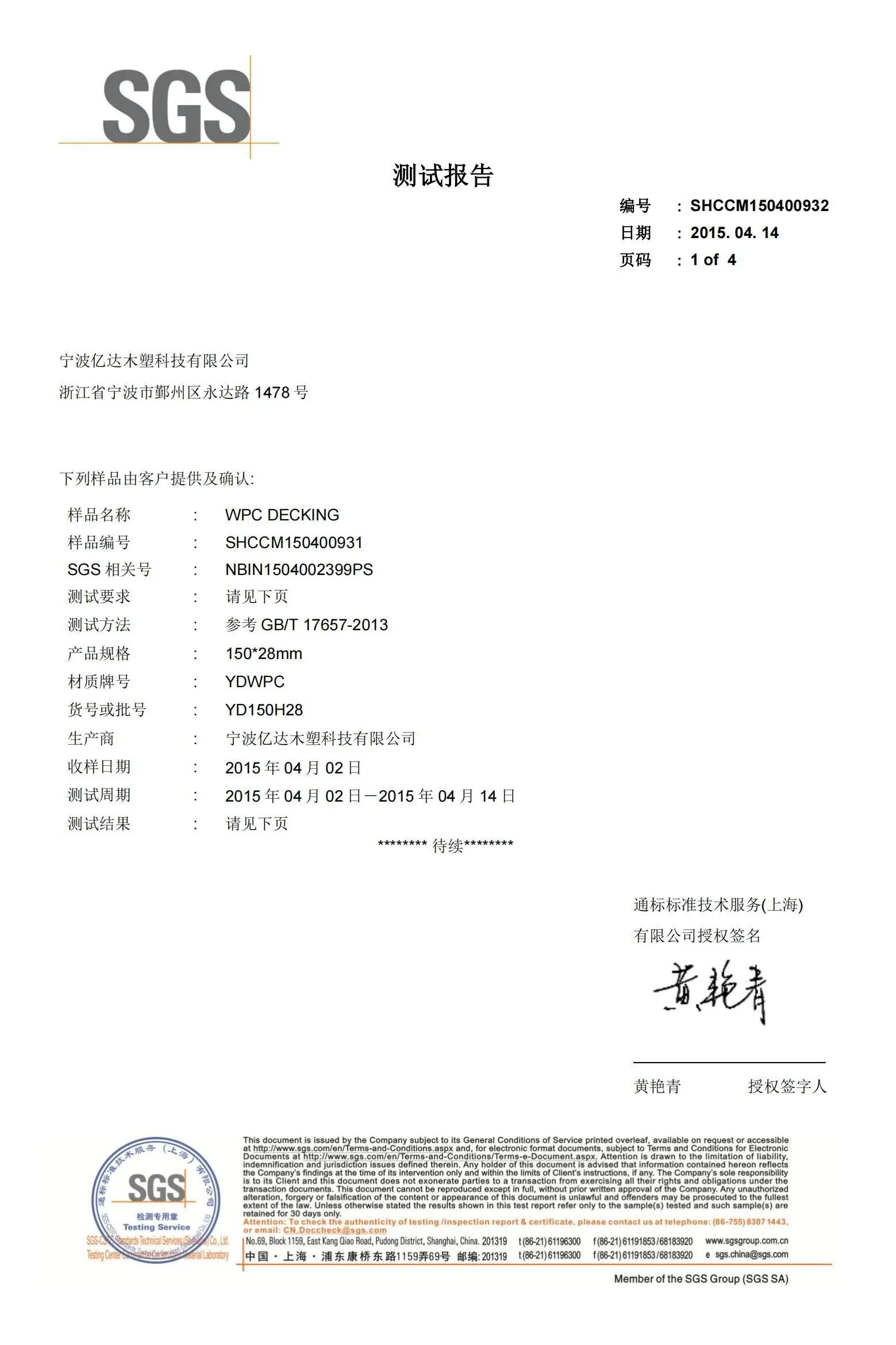
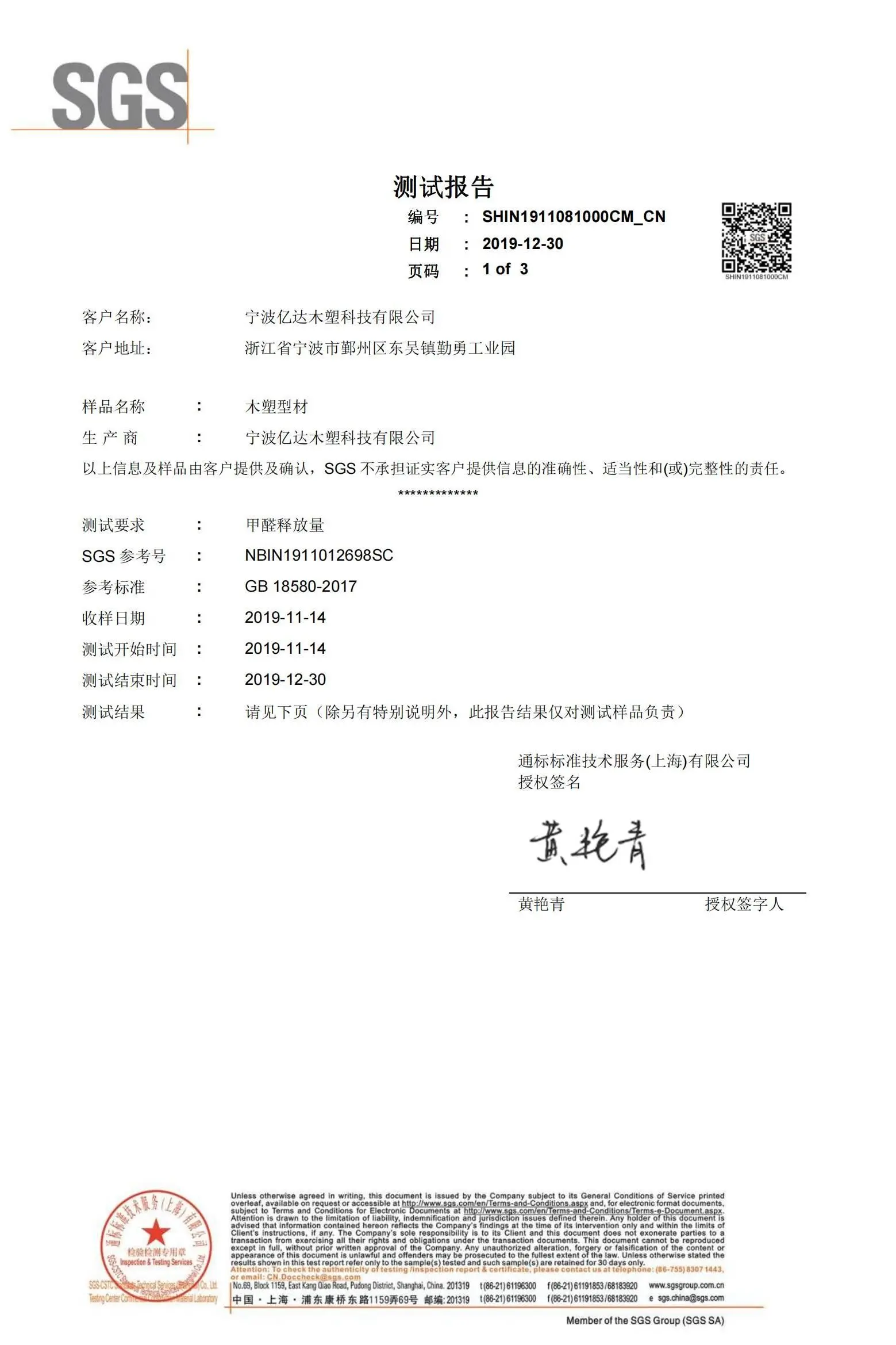
Certified Authority

Our products undergo rigorous testing to ensure compliance with global and Japanese safety standards.
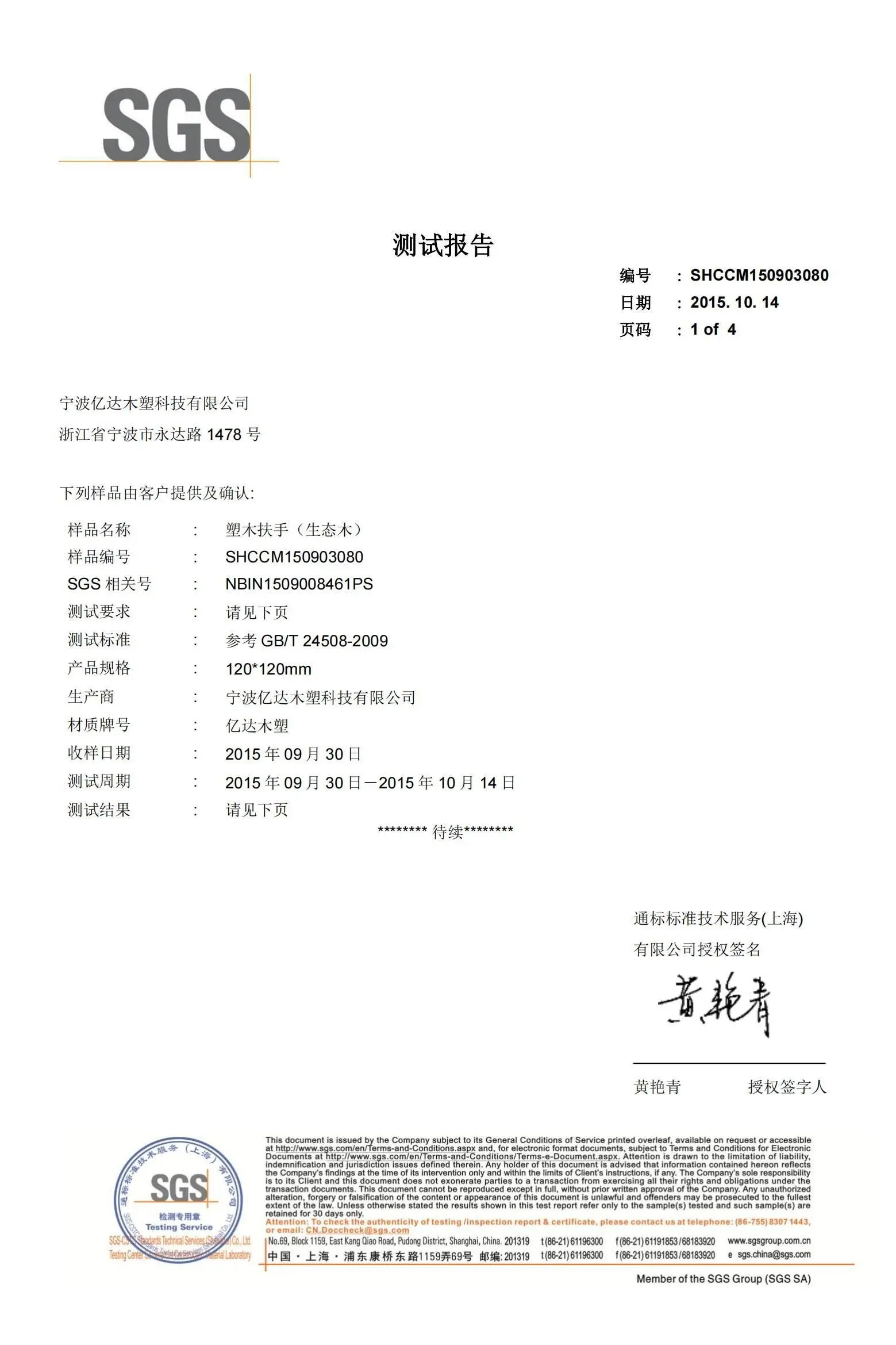
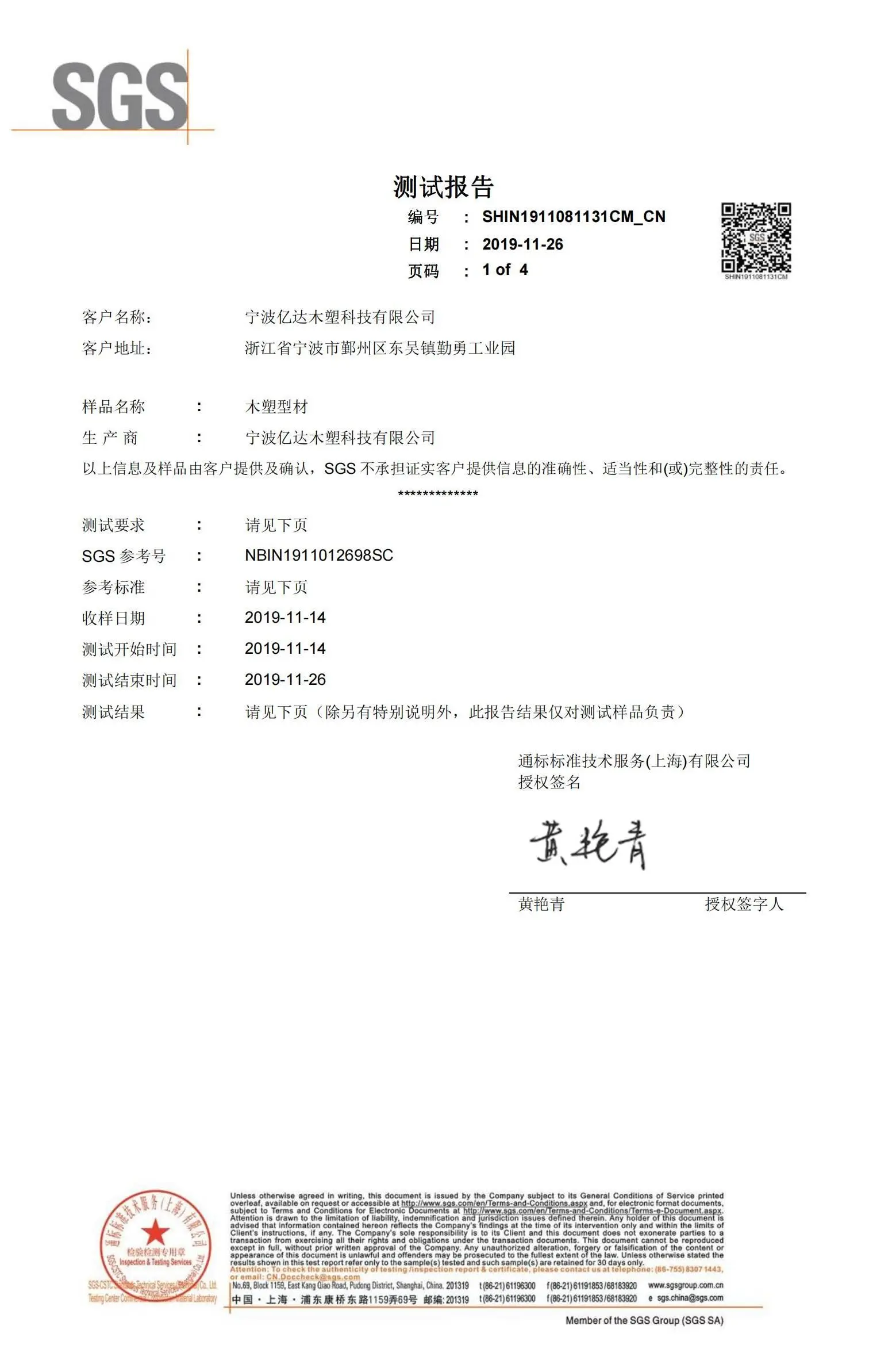
ISO Certification CE Certification ASTM Testing Environmental Cert

Expert FAQ: WPC in Japan

Q How does WPC handle Japan's high humidity?
Unlike natural wood which absorbs moisture and rots, WPC contains thermoplastics that create a waterproof barrier, making it ideal for the rainy seasons (Tsuyu) across Japan.
Q Is it resistant to earthquakes?
WPC materials have a degree of flexibility and a high strength-to-weight ratio. When installed with our recommended clip systems, they offer better resilience during seismic activity compared to brittle masonry walls.
Q Is the color fading a concern under the Japanese sun?
Our Japan-Series products use advanced UV-inhibitors. While all outdoor materials experience slight weathering, our Co-extrusion technology limits fading to a negligible level over 25 years.
Q Can we customize the grain to match traditional Sukiya-style architecture?
Yes! We offer 3D embossed textures that replicate the deep grain of Cedar (Sugi) and Cypress (Hinoki), maintaining a traditional aesthetic with modern performance.