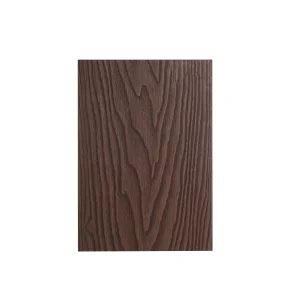
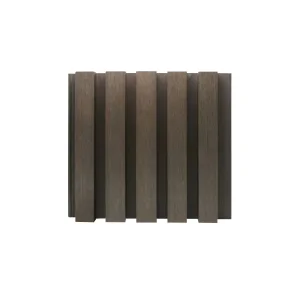
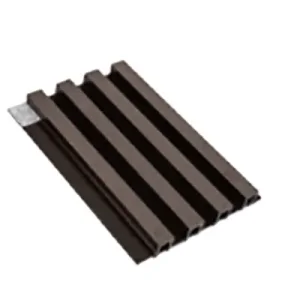
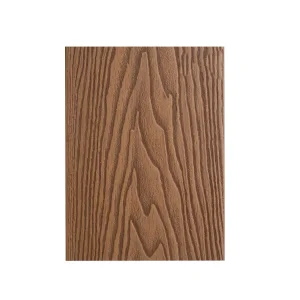
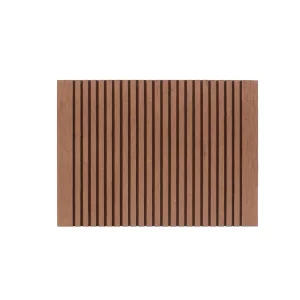
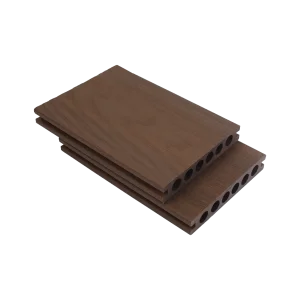
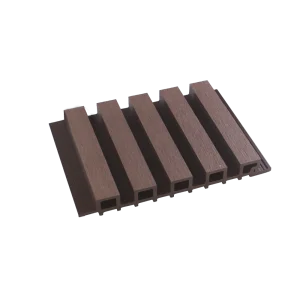
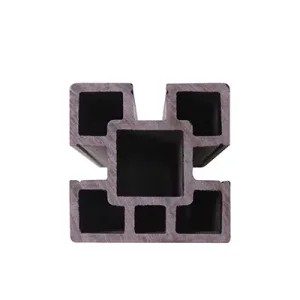
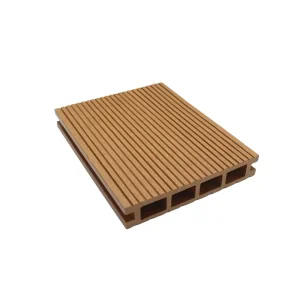
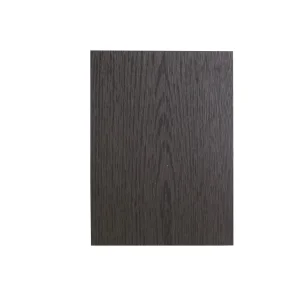
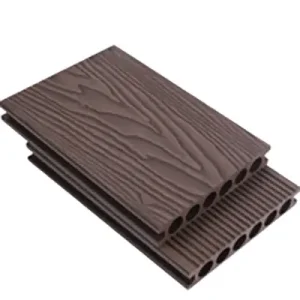
Our premier high-density capped WPC decking solutions specifically engineered to resist extreme UV radiation, moisture ingress, and thermal stress in coastal Grenada.
As the second-largest urban center in Grenada and the primary commercial hub of St. Andrew Parish, Grenville represents a unique architectural paradigm. Positioned along the eastern windward coast, real estate developments, public infrastructure, and luxury hospitality venues in Grenville face extreme tropical marine conditions. High ambient relative humidity, relentless salt-spray aerosol, intense ultraviolet radiation (UV index frequently exceeding 11+), and torrential seasonal precipitation create a punishing environment for traditional building materials.
Historically, commercial builders and residential developers in Grenville relied on pressure-treated timber or imported hardwoods such as Greenheart and Teak. However, traditional timber rapidly degrades in this environment—succumbing to dry rot, termite invasion (specifically subterranean species prevalent across the West Indies), warping due to thermal expansion, and structural failure caused by water absorption. Maintenance cycles requiring chemical staining every 6 to 12 months present prohibitive long-term operational costs for resort operators and municipal authorities alike.
To address these macro challenges, Ningbo Yida Wood Plastic Technology Co., Ltd. supplies advanced WPC Co-extrusion Decking systems designed specifically to eliminate timber degradation while elevating exterior aesthetics to world-class architectural standards.
Why standard composite decking fails in marine environments—and how Yida’s dual-extrusion shield technology guarantees multi-decadal performance.
Unlike traditional first-generation uncapped WPC which exposes raw wood fibers to ambient moisture, Yida Co-extrusion utilizes an outer polymer armor layer that co-extrudes simultaneously around the inner core matrix. This protective shield completely encapsulates the board, creating an impenetrable barrier against moisture, mold spores, and staining agents.
Grenville’s equatorial solar exposure degrades standard plastics through photo-oxidation. Our outer shield incorporates advanced UV stabilizers and high-grade inorganic color pigments. This micro-engineered matrix reflects thermal radiation, keeping surface temperatures cooler while preventing color bleaching, chalking, or structural degradation.
The structural core consists of 60% processed hardwood flour combined with 30% high-density polyethylene (HDPE) and 10% chemical coupling agents. Extruded under extreme hydraulic pressure and heat, this dense core exhibits superior flexural strength, high modulus of elasticity, and minimal linear thermal expansion.
| Performance Metric | Yida Co-extrusion WPC Decking | 1st-Gen Uncapped WPC | Pressure-Treated Pine | Natural Hardwood (Ipe/Teak) |
|---|---|---|---|---|
| Moisture Absorption | < 0.5% (Impermeable) | 3.0% – 5.0% (Absorbent) | > 15% (High Swelling) | 5.0% – 8.0% (Variable) |
| Termite & Marine Borer Resistance | 100% Immune (No Cellulose Exposure) | Moderate Risk | Vulnerable Over Time | Naturally Resistant / High Cost |
| Maintenance Requirements | Zero Staining / Soap & Water Clean | Requires Bi-annual Scrubbing | Annual Sealing & Staining | Bi-annual Oil Application |
| UV Fade & Discoloration | Delta E < 3 over 10 Years | Noticeable Fading (3-6 Mos) | Grays & Splinters Rapidly | Weathers to Silver Gray |
| Splinter & Crack Resistance | Guaranteed Zero Splintering | Low Splinter Risk | High Splinter Hazard | Prone to Surface Checking |
From commercial waterfront promenades to residential hillside villas, our co-extruded WPC profiles deliver tailormade architectural solutions.
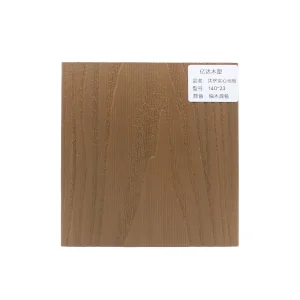
Grenville’s coastal frontage demands decking materials capable of handling continuous salt spray, high foot traffic, and tidal splashing. Yida’s co-extrusion decking profiles (such as YD140S23 and YD140RH23) offer slip-resistant 3D wood-grain textures (R11 safety rating), ensuring public safety even when drenched by seawater.
As eco-tourism expands across Grenada, luxury boutique hotels in St. Andrew require outdoor surfaces that combine organic aesthetic warmth with zero maintenance downtime. Our capped composite decking provides authentic timber aesthetics without requiring harsh chemical sealants, aligning perfectly with eco-certification standards.
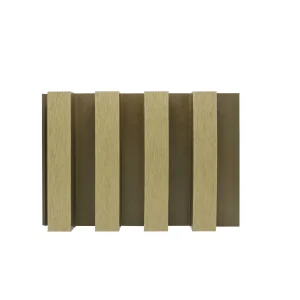
Building facades in Grenville suffer from intense thermal cycles. Incorporating Yida WPC Cladding profiles (such as YD219Y26 and YD148S21) creates a thermal buffer around building envelopes, reducing solar heat gain, improving indoor energy efficiency, and modernizing commercial elevations.
Ningbo Yida Wood Plastic Technology Co., Ltd. is proud to introduce our innovative wood plastic composite material that combines the natural beauty of wood with the durability of plastic profiles. With nearly ten years of R&D, production, and sales experience, we have become a leading manufacturer and supplier of new wood-plastic composite materials globally.
Our Yida brand wood-plastic composite materials have excellent properties such as waterproof, moisture-proof, mildew-proof, insect-proof, rot-proof, and crack-proof performance. This makes them ideal for a variety of applications, including outdoor architectural design, landscaping, and municipal engineering projects across international markets including Grenville.
As an environmentally friendly material manufacturer, our production philosophies strictly align with global sustainable development imperatives, utilizing 100% recycled polymer matrices and reclaimed timber flour.
End-to-end quality control, institutional project credentials, and continuous scientific innovation.
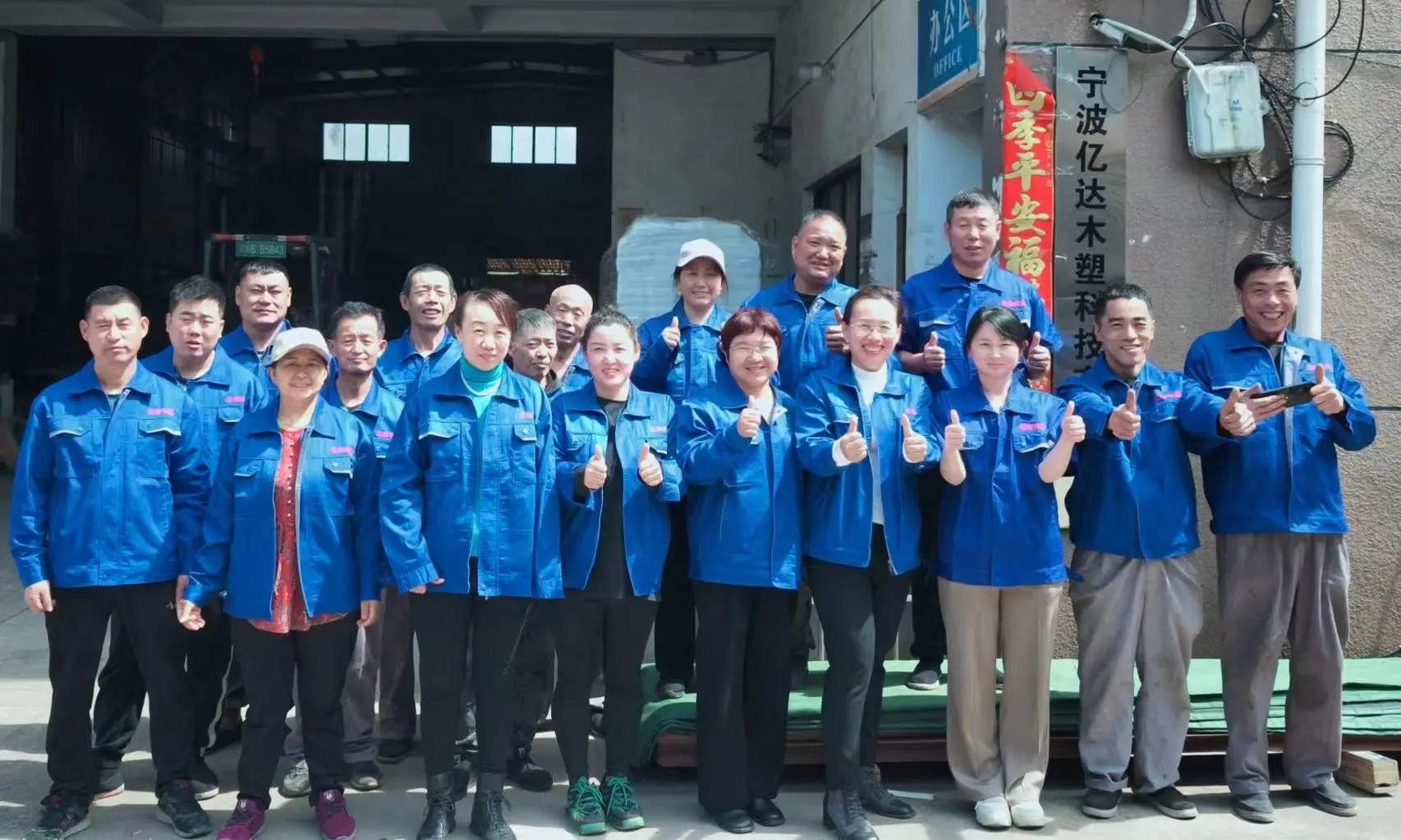
At Ningbo Yida, we have invested in advanced automated co-extrusion production technology and established a professional team dedicated to product research and development, manufacturing, sales, after-sales service, and construction technical support. This ensures that our wood plastic composites meet the highest global quality and performance standards.
In addition to servicing commercial and residential developments in key markets like Grenville, we have established dedicated service teams to support educational and medical institutions. Our commitment to providing professional services and technical guidance to major universities and hospitals reflects our capability to contribute to vital public infrastructure projects worldwide.
We are proud to have successfully completed numerous large-scale engineering projects worldwide, demonstrating the reliability, structural integrity, and versatility of our wood plastic composite materials. Our products are globally recognized for their superior performance and aesthetic appeal under challenging outdoor climates.
As we continue to innovate and expand our product range—incorporating 3D embossing, ultra-light core profiles, and flame-retardant composites—we remain committed to providing our customers in Grenville with sustainable, high-quality architectural solutions. With Yida Wood Plastic Composite, you can be confident that your next project will perfectly blend natural organic beauty with modern industrial durability.
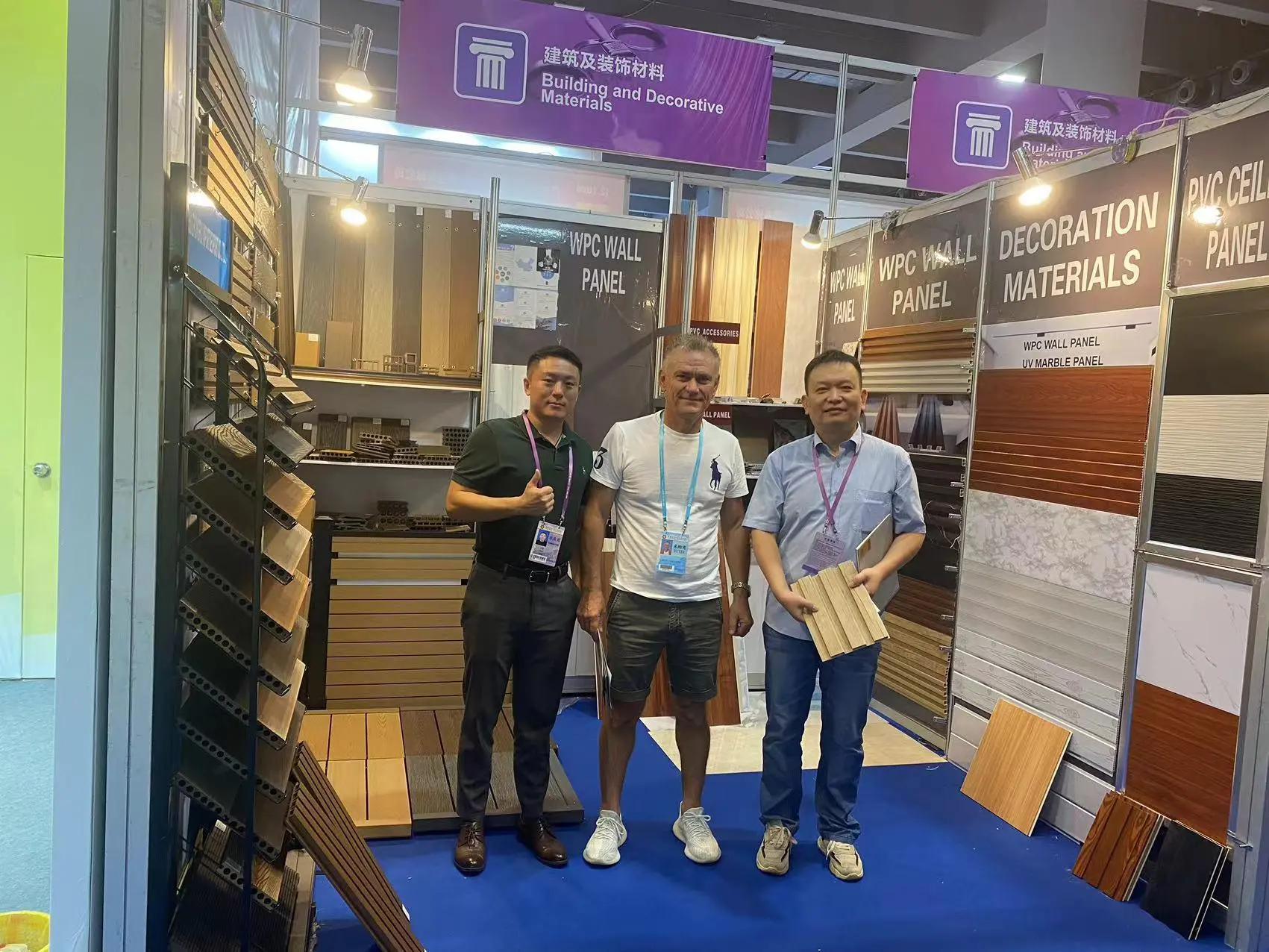
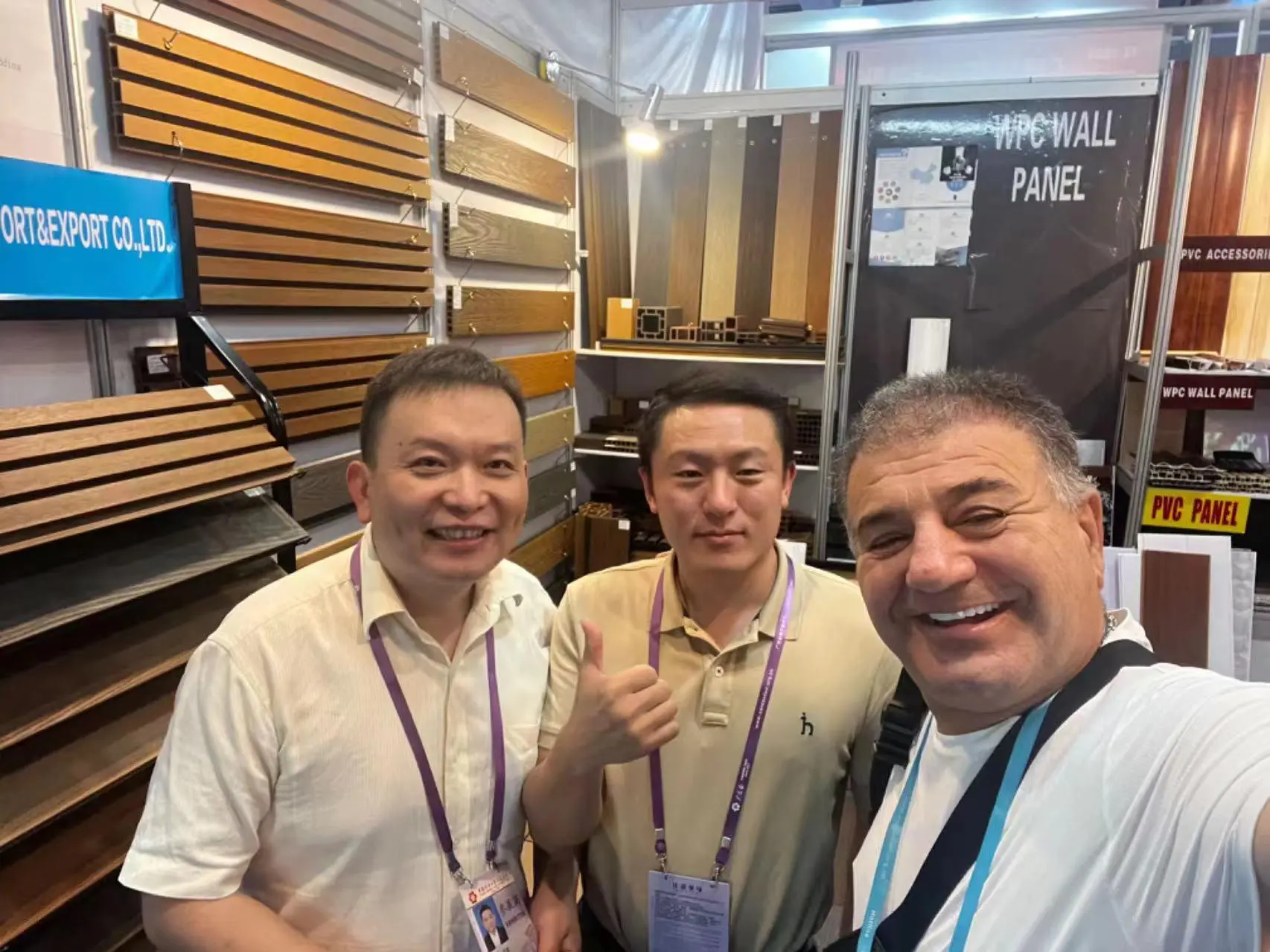
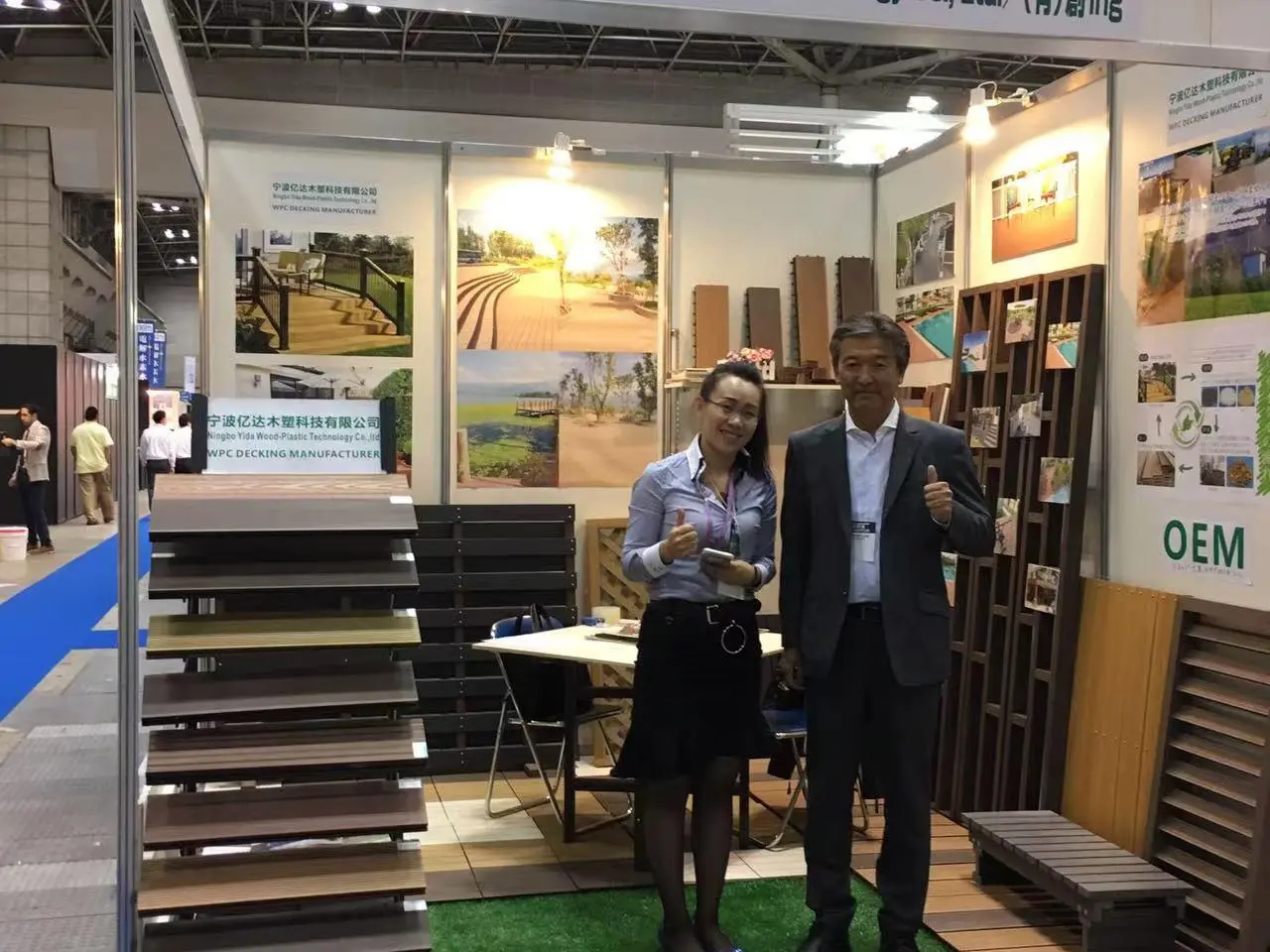
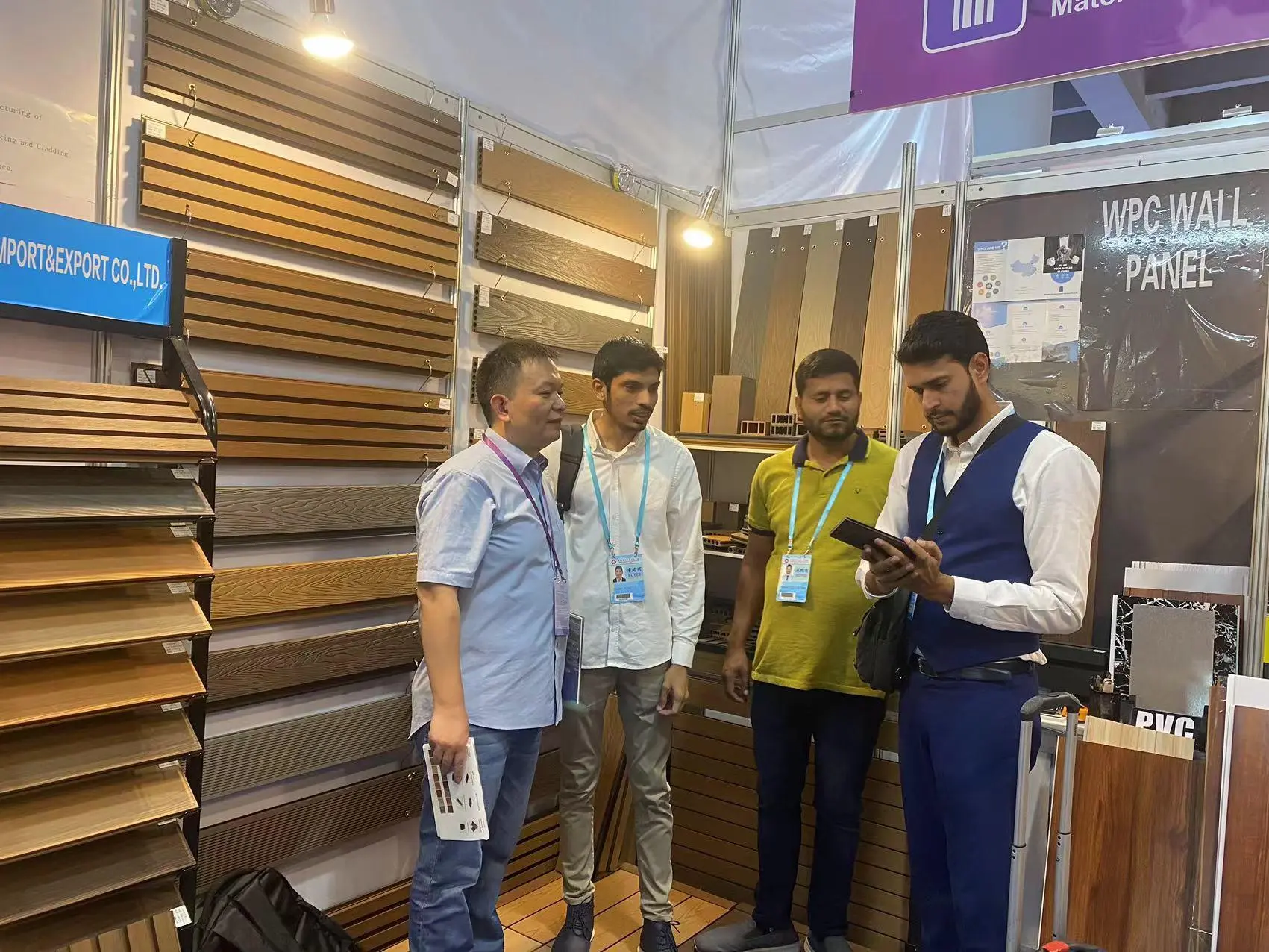
We provide end-to-end B2B supply chain solutions, ensuring seamlessly certified products delivered straight to Grenada ports.
Our products comply with ASTM D7031/D7032 standards for composite decking and EN 15534 European standard guidelines. Each batch undergoes rigorous testing for flexural load capacity, thermal expansion coefficients, slip resistance (BS 7976-2), and flame spread ratings (EN 13501-1 Class B).
Shipping to Grenville (via Port St. George's) requires meticulous export packing, moisture-barrier wrapping, and optimized FCL (Full Container Load) palletization. Yida handles complete export documentation, Certificate of Origin paperwork, and tariff optimization to ensure hassle-free customs clearance.
To safeguard warranty validity, Yida provides localized engineering installation blueprints. We specify exact joist spacing (300mm–400mm centers), expansion gap ratios for Caribbean thermal ranges, hidden clip fastening systems, and joist ventilation practices tailored to Grenville’s high rainfall.
Independently verified by global testing agencies (ISO, CE, FSC, Intertek, SGS) guaranteeing material purity, eco-friendliness, and structural resilience.
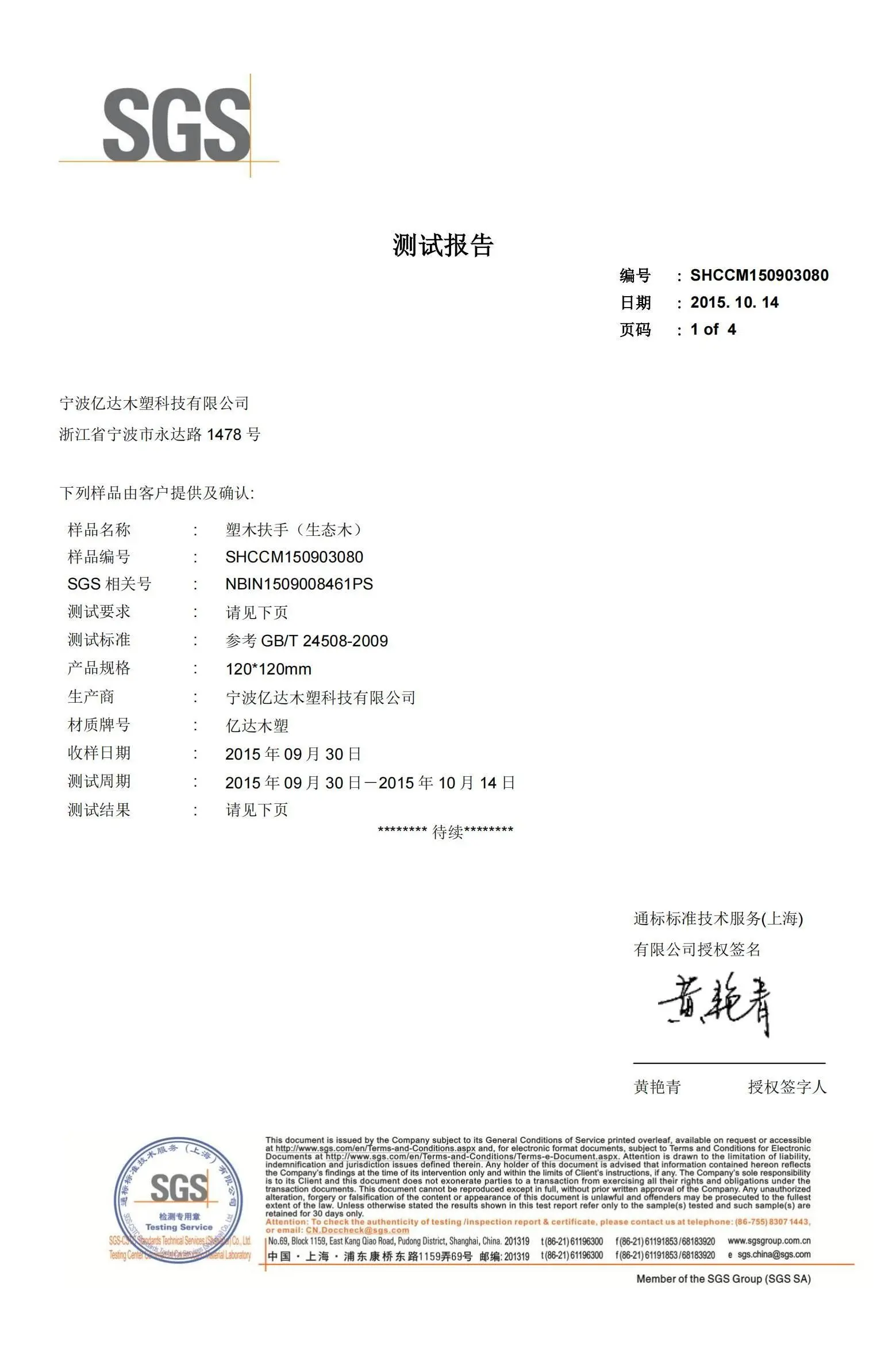
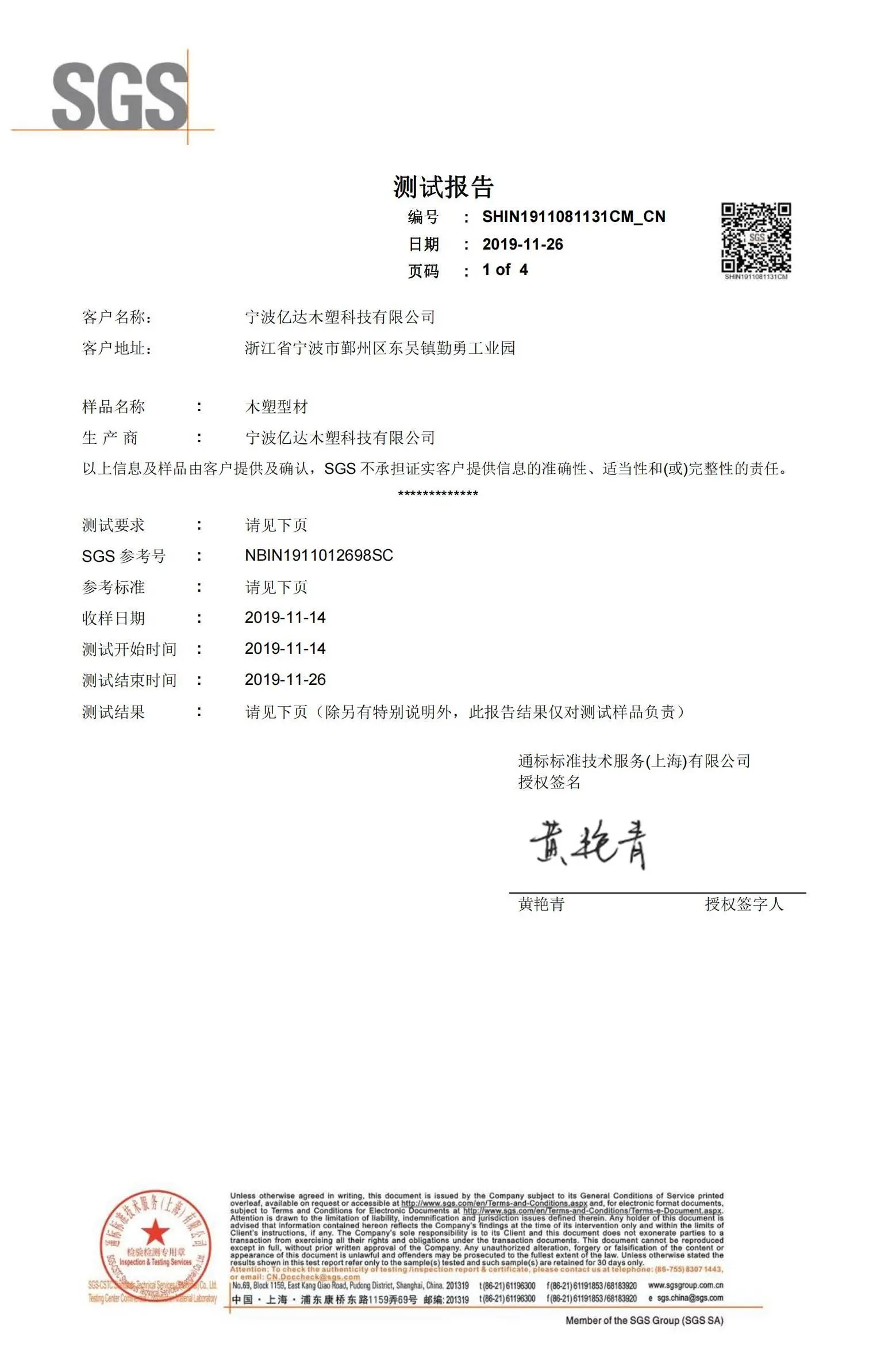
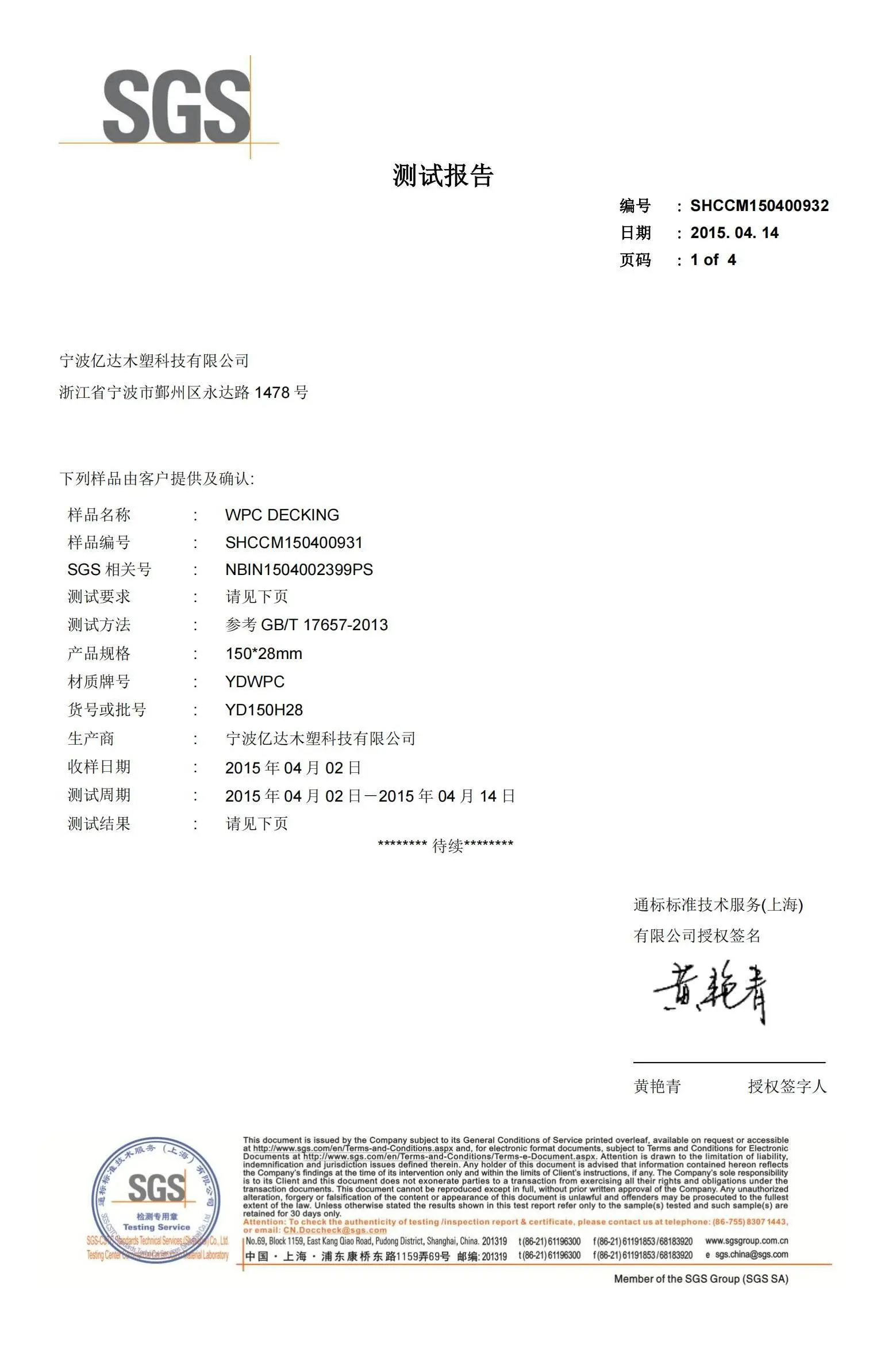
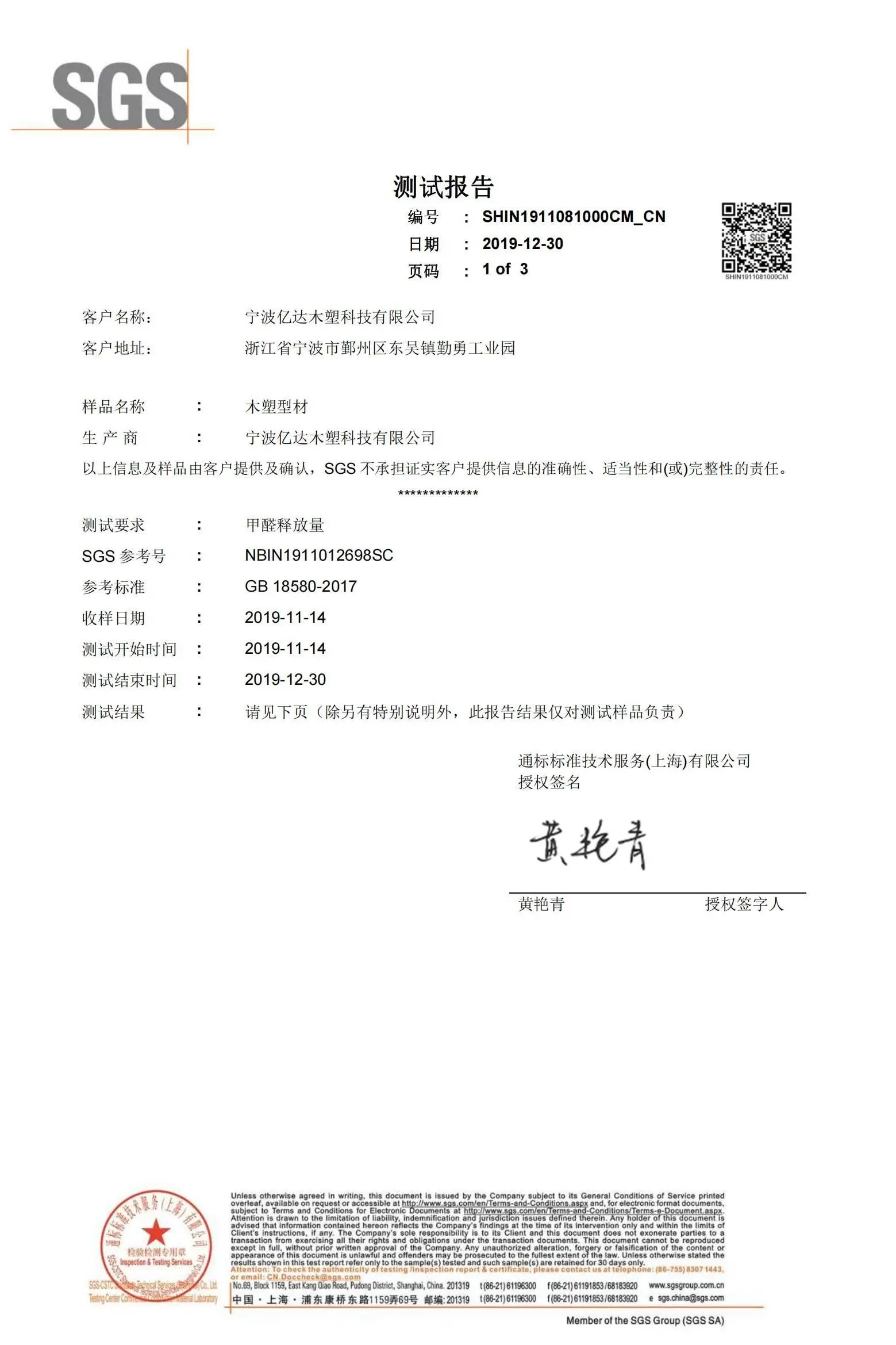
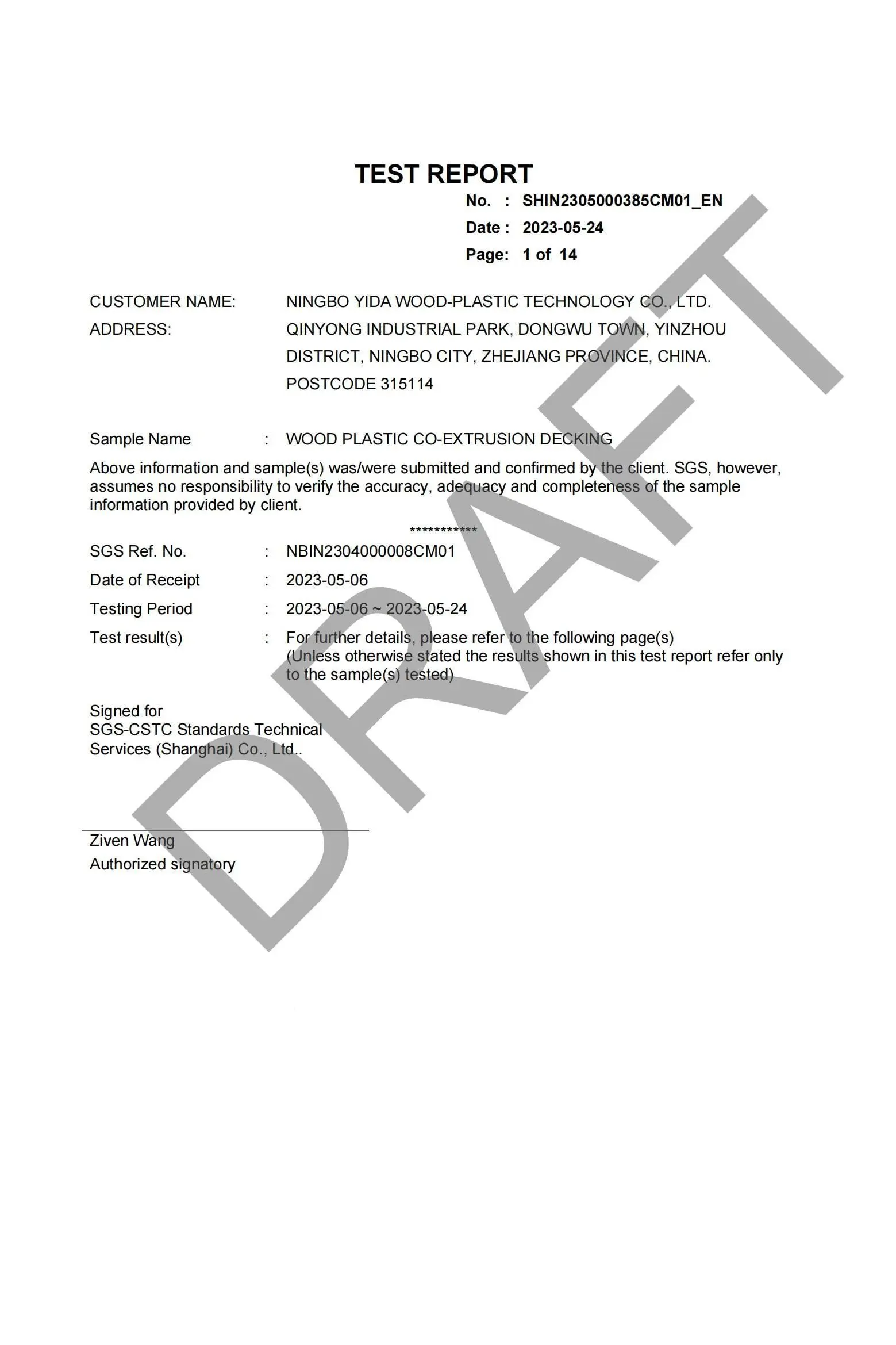
Pioneering next-generation composite engineering to meet evolving climate challenges and green architecture mandates.
Yida R&D is actively developing 100% bio-based polymer matrices derived from agricultural bio-mass. This technological transition will further reduce embodied carbon footprints by 45%, fulfilling stringent net-zero building standards for future Caribbean eco-resorts.
To combat barefoot thermal discomfort on sunny tropical decks, our next generation capped layers integrate micro-encapsulated phase-change materials (PCMs) that absorb surface heat energy, maintaining comfortable surface temperatures even under direct tropical noon sunlight.
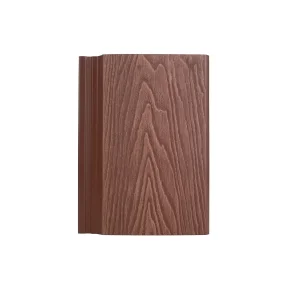
Moving beyond conventional embossing rollers, our innovative 3D digital inline printing technology maps natural exotic wood grains (Teak, Rosewood, Ipe) with zero visual pattern repetition, offering unmatched aesthetic elegance for luxury commercial developments.
Comprehensive expert guidance on WPC materials, engineering specifications, maintenance, and commercial purchasing.
A: WPC stands for Wood Plastic Composite—a engineered material made from recycled wood flour and high-density polyethylene (HDPE). Co-extrusion (capped composite) is the 2nd-generation technology where a 360-degree protective fluorocarbon-polymer shield is co-extruded around the inner core matrix. In Grenville's tropical marine environment, standard uncapped composite can absorb humidity and swell. Capped WPC prevents all water penetration, resists extreme UV radiation, and stops salt spray degradation completely.
A: Yes. Our WPC products are eco-friendly because they are primarily manufactured from recycled materials—reclaimed wood fiber/flour and recycled thermoplastics. This diverts industrial waste from landfills and prevents tropical timber deforestation. Additionally, zero toxic chemical sealants or oil stains are ever required during its 25+ year lifespan.
A: While both require low maintenance, WPC contains a significant volume of natural wood fibers (60%), giving it superior flexural rigidity, a authentic matte timber texture, and natural feel underfoot. Pure PVC decking often has a shiny synthetic plastic appearance, expands significantly under heat, and becomes slick when wet. WPC provides far greater dimensional stability and heat dissipation in Caribbean sunshine.
A: Many of our WPC products feature intuitive hidden clip-fastening systems designed for straightforward installation by local contractors or experienced DIY builders in Grenville. However, for large commercial resorts, public boardwalks, or complex multi-level decks, professional installation is recommended to guarantee proper joist ventilation, correct expansion thermal gaps, and structural warranty validation.
A: All outdoor building surfaces (concrete pavers, natural timber, composite) retain heat under direct equatorial sun. However, Yida Co-extrusion boards utilize engineered light-reflecting color pigments and heat-dissipating core formulations. Opting for lighter color palettes (such as Teak, Oak, or Light Gray) ensures comfortable underfoot walking conditions around pool decks and patios.
A: Yes. Our co-extruded decking profiles feature deep 3D wood-grain embossing and wood-textured grooves designed to maintain wet slip resistance (tested to Class 3 / R11 standards). This makes them exceptionally safe for Grenville’s poolside decks, marine docks, and public beachfront paths.
A: WPC is completely impervious to rot, decay, and marine mold growth caused by heavy Caribbean rainy seasons. Its closed-cell capped polymer shield ensures zero moisture saturation, preventing post-storm cupping, twisting, or structural degradation.
A: No. Dimensional stability is one of WPC’s greatest engineering advantages. Unlike natural timber boards that crack, check, and splinter as they dry in high humidity and sun, capped WPC retains its structural form with zero dangerous splinters—making it 100% barefoot friendly.
A: Maintenance is remarkably effortless. Simply sweep away loose sand or debris, and periodically wash the deck with mild household dish soap, water, and a soft-bristle brush. Avoid harsh industrial acid chemicals or abrasive metal scouring pads.
A: Never. Unlike natural hardwood or pine decking, WPC products never require sanding, staining, sealing, or oil treatments. The color is integrated into the polymer matrix during manufacturing and protected by the UV shield layer.
A: Our co-extrusion product lines are engineered for long-life performance, backed by a **15 to 25-Year Commercial/Residential Structural Warranty** against fading, staining, rot, termite damage, and material defects.
A: Yes. Because the wood fibers are fully encapsulated in high-density polyethylene polymer resins, termites and wood-boring insects cannot digest or penetrate the material, providing complete peace of mind in tropical zones like St. Andrew Parish.
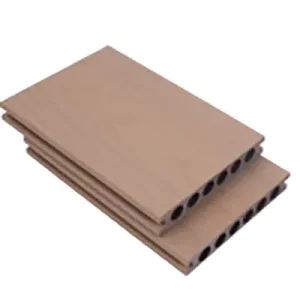
A: We manufacture a comprehensive architectural portfolio—including solid and hollow decking profiles, 3D embossed finishes, exterior wall cladding, grooved posts, pergolas, and fencing. Color selections range from classic timber tones (Teak, Ipe, Walnut, Mahogany) to modern architectural Grays and Carbon Black.
A: Yes. You can cut, drill, and route WPC using standard woodworking saws and tools. For clean, precise edge cuts, we recommend using carbide-tipped saw blades (40-tooth to 60-tooth).
Explore our full lineup of OEM/ODM co-extrusion decking boards, 3D printed flooring, classic wall cladding, and structural columns.
Contact our B2B engineering sales team today for factory-direct wholesale pricing, physical material sample kits, and comprehensive containerized freight quotes to Grenada.
Send Inquiry Now Yida Wood