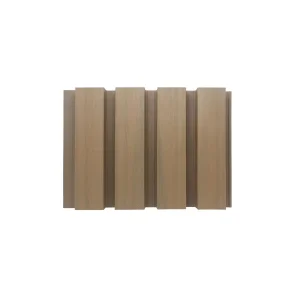
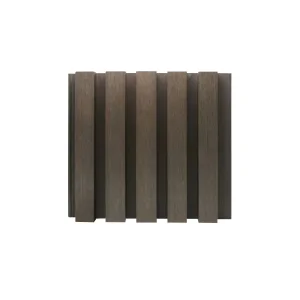
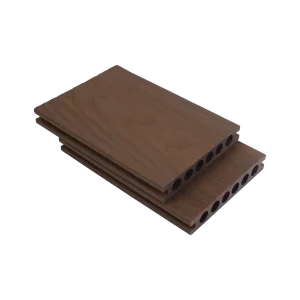
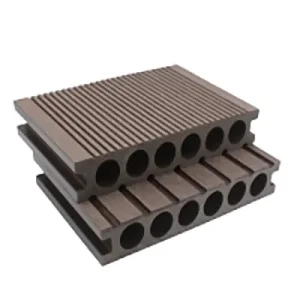
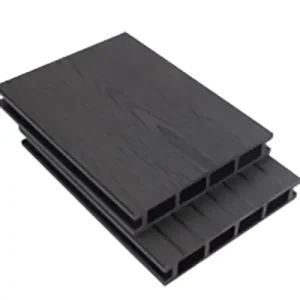
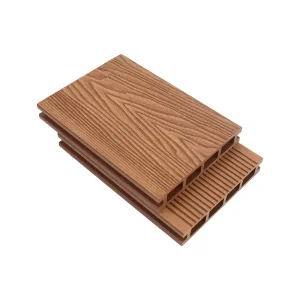
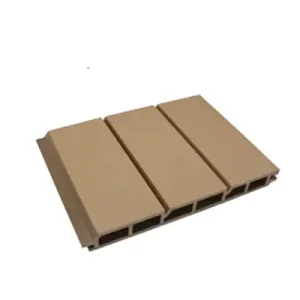
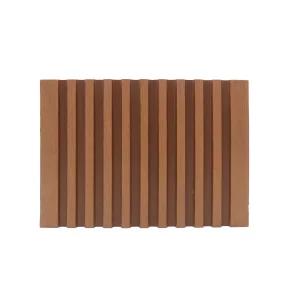
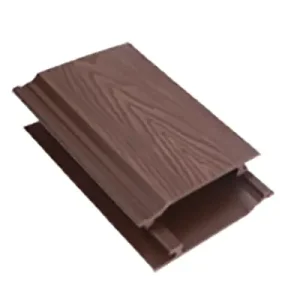
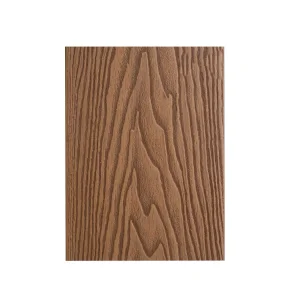
Romania's construction sector is currently undergoing a significant transformation, driven by the European Green Deal and a growing national emphasis on sustainable urban development. From the bustling residential hubs of Bucharest to the historic renovations in Sibiu and the coastal developments in Mamaia, architects and developers are increasingly turning away from traditional timber—which requires high maintenance in Romania's varied climate—towards WPC (Wood Plastic Composite) Co-extrusion Cladding.
The Romanian market demands materials that can withstand extreme temperature fluctuations: from scorching summers reaching 40°C to freezing winters with heavy snowfall. Co-extrusion technology, with its 360-degree protective shield, offers the perfect solution, preventing the warping and moisture absorption common in standard materials. Our factory serves as a primary supplier for Romanian distributors, providing the durability of plastic with the aesthetic warmth of Transylvanian oak.
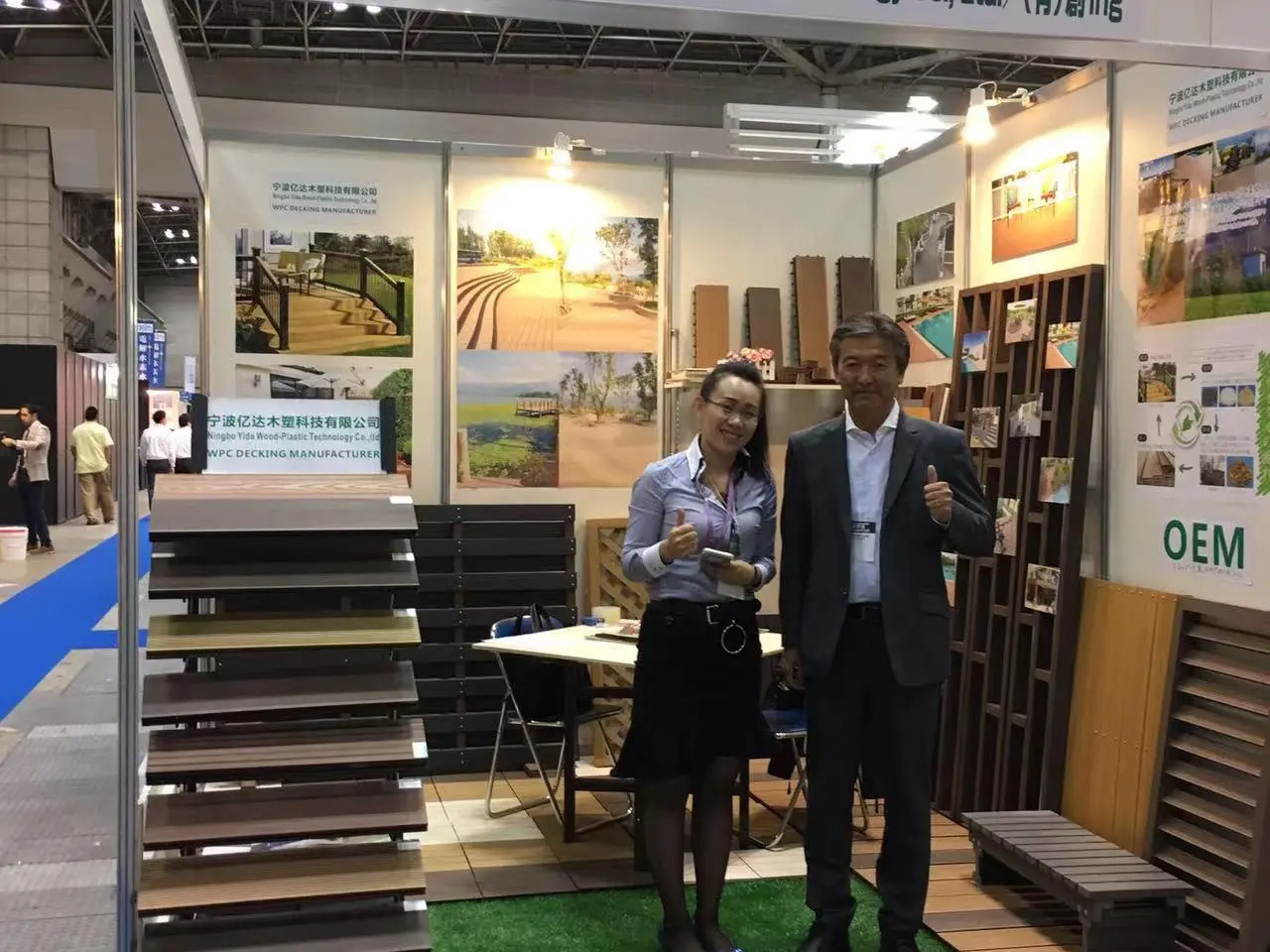
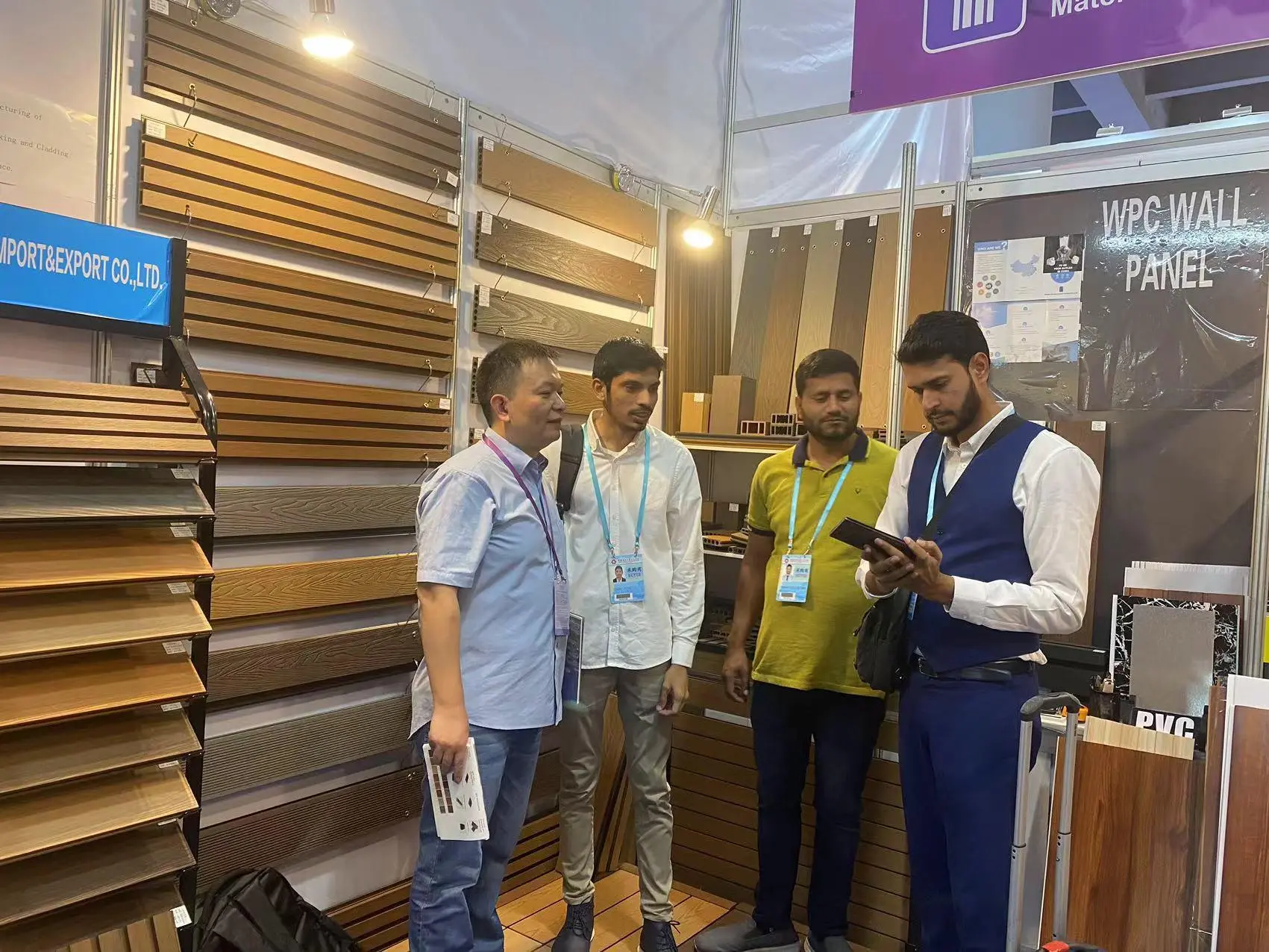
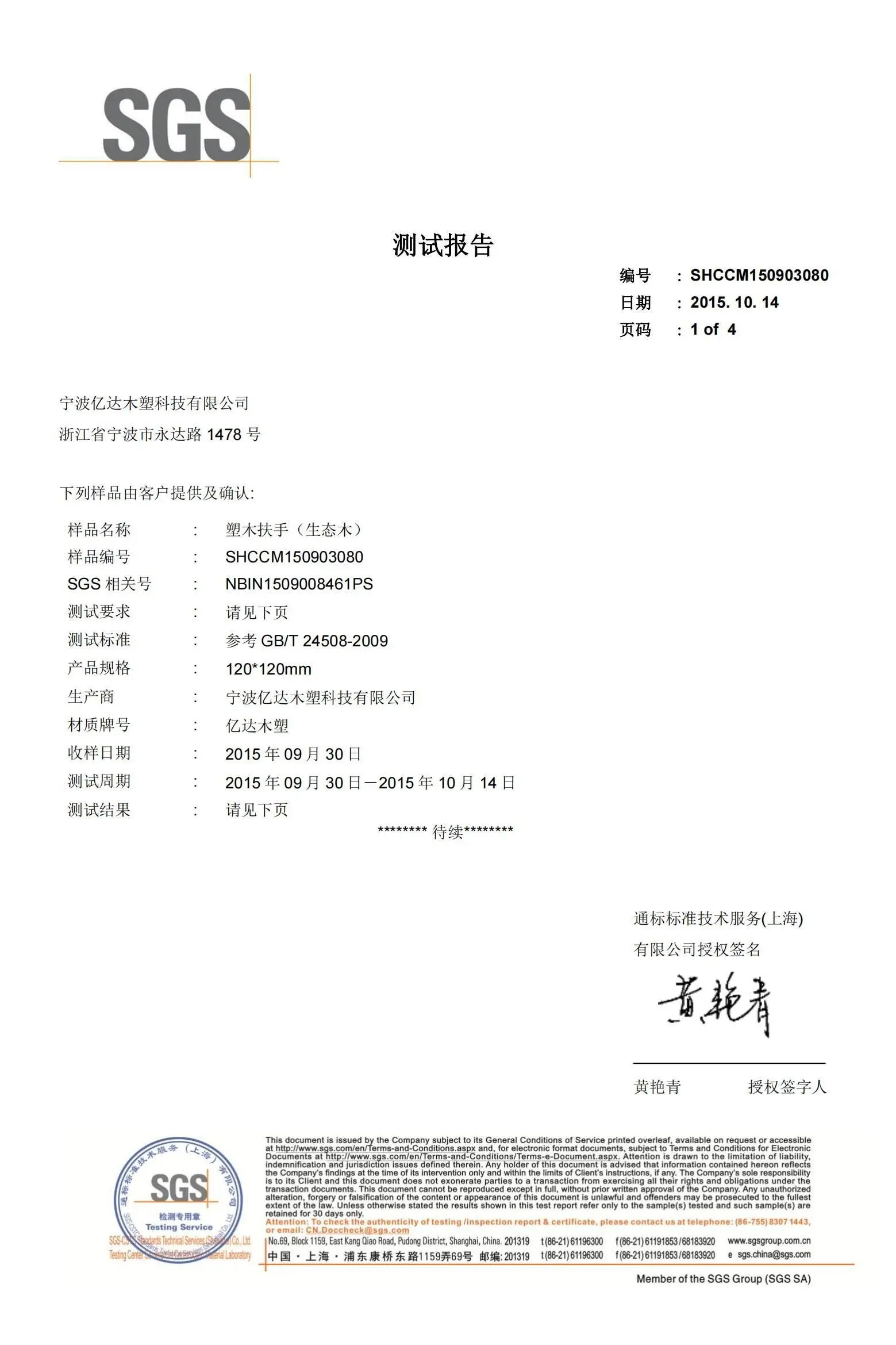
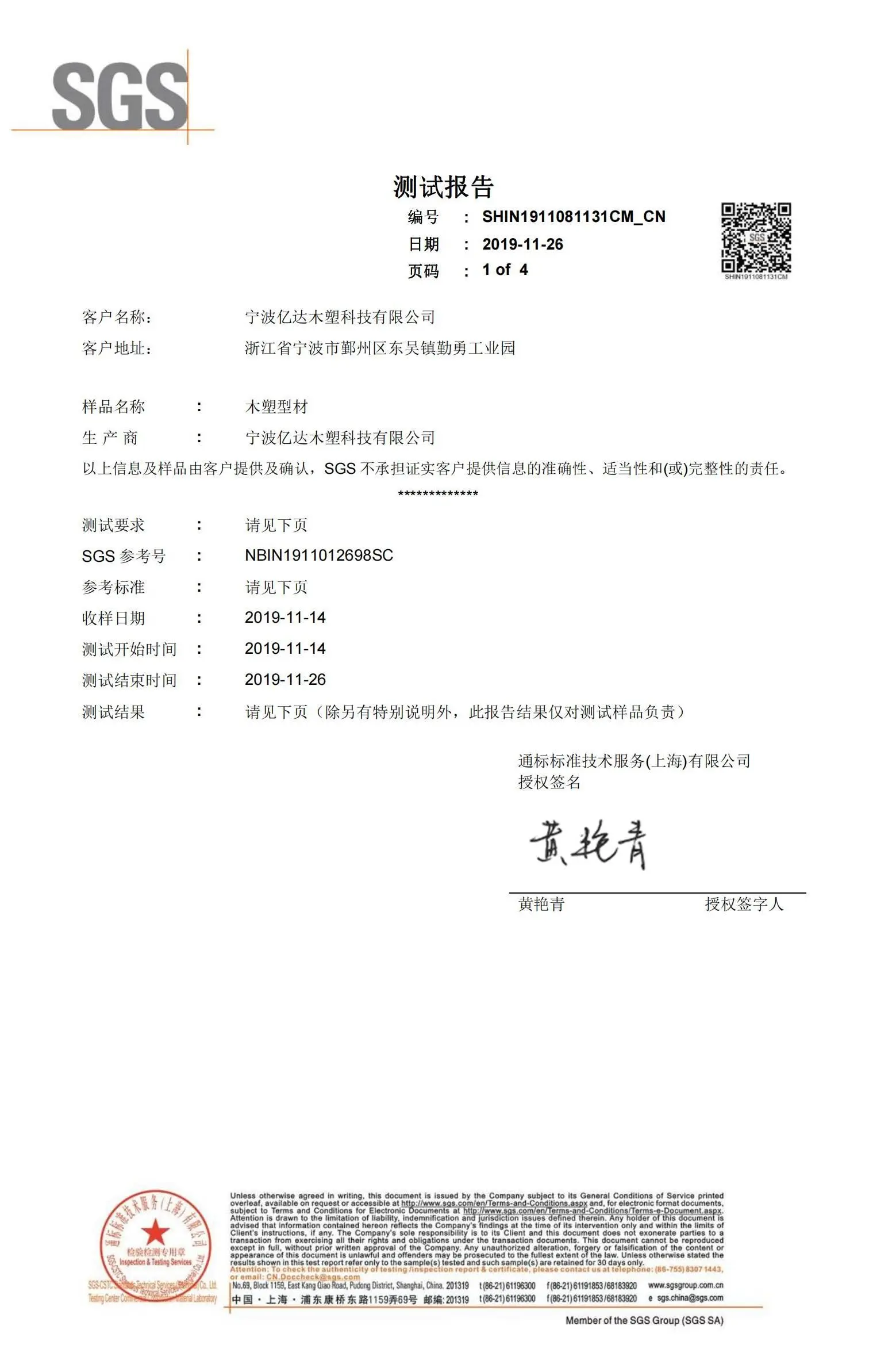
Ningbo Yida Wood Plastic Technology Co., Ltd. is proud to introduce our innovative wood plastic composite material that combines the natural beauty of wood with the durability of plastic profiles. With nearly ten years of R&D, production and sales experience, we have become a leading manufacturer and supplier of new wood-plastic composite materials.
Our Yida brand wood-plastic composite materials have excellent properties such as waterproof, moisture-proof, mildew-proof, insect-proof, black-proof, and crack-proof. This makes it ideal for a variety of applications, including outdoor architectural design, landscaping and municipal engineering projects. As an environmentally friendly material, it is in line with the country’s strong encouragement of sustainable development.

Unlike traditional WPC, our co-extrusion cladding features an outer layer that wraps the core entirely. This polymer shell is engineered to resist UV rays, scratches, and stains, making it perfect for high-traffic areas in Romanian commercial plazas.
Romania's climate can be harsh. Our co-extrusion process ensures low expansion and contraction rates, maintaining the structural integrity of your building facade from the Carpathian mountains to the Black Sea coast.
We use advanced 3D embossing to replicate the deep grains of natural wood. This provides the luxury look required for high-end villas in residential districts like Pipera or Voluntari.
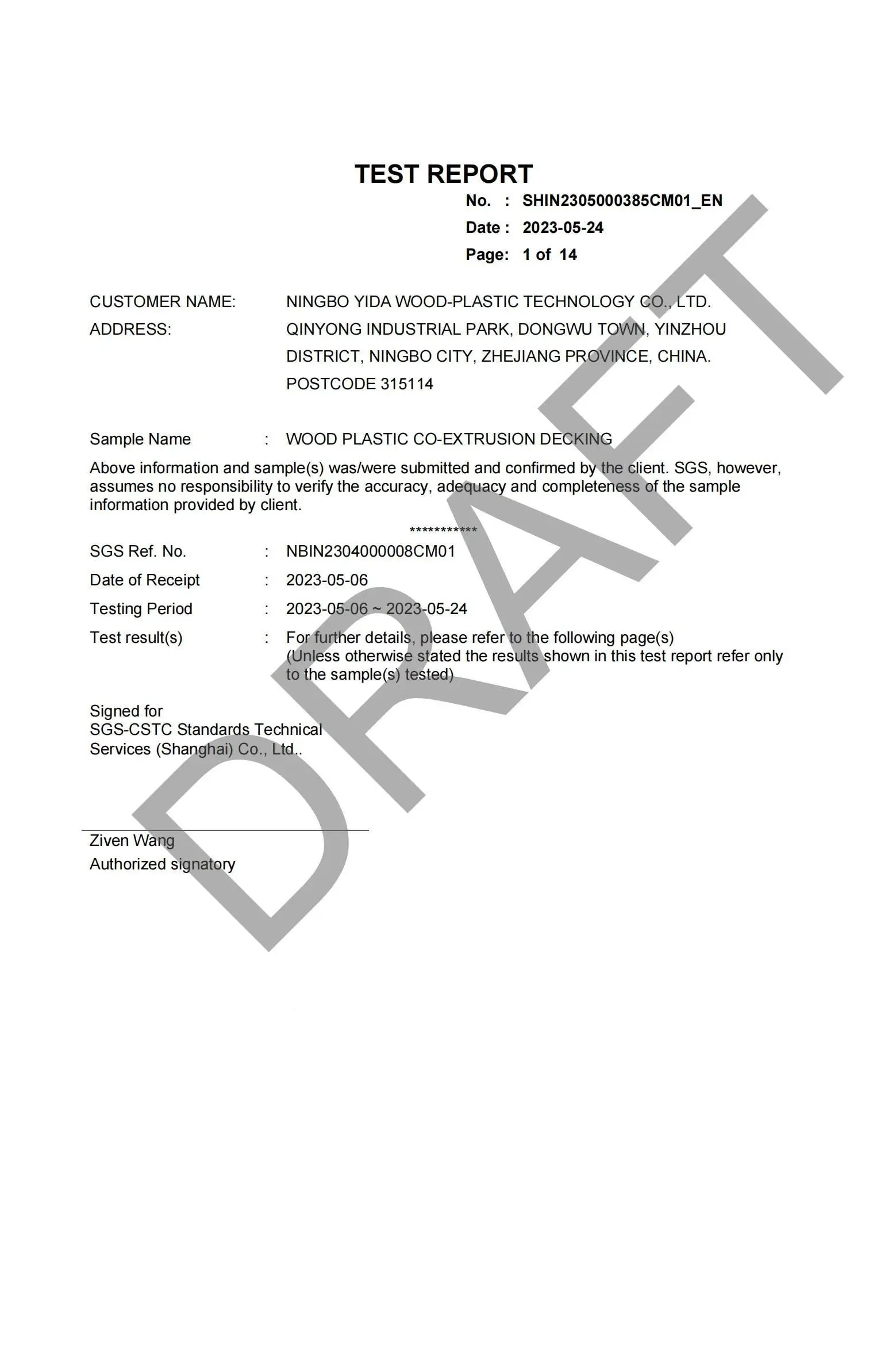
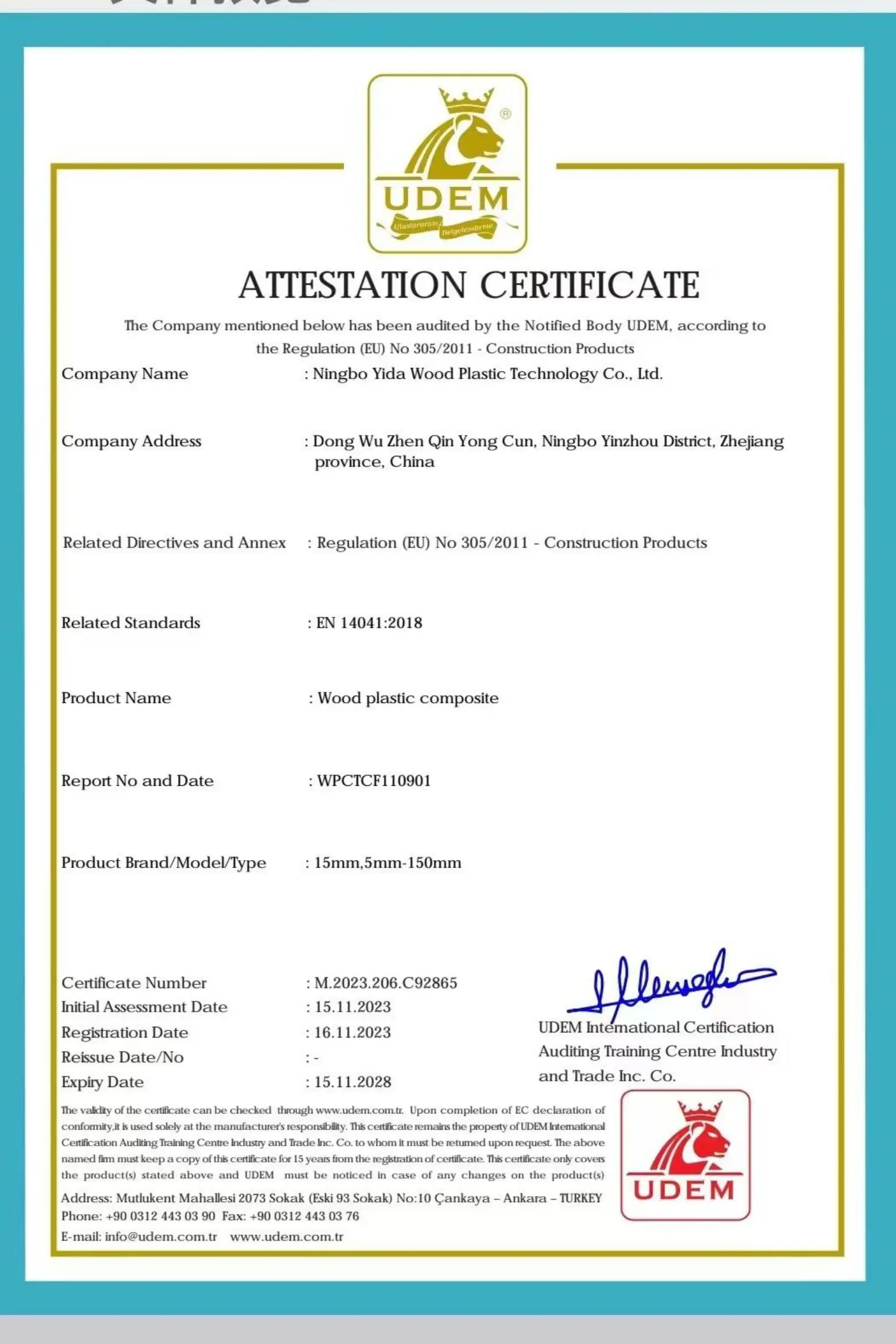
At Ningbo Yida, we have invested in advanced production technology and established a professional team dedicated to product research and development, manufacturing, sales, after-sales service and construction. This ensures that our wood plastic composites meet the highest quality and performance standards.
In addition to servicing commercial and residential projects, we have established dedicated service teams to support educational and medical institutions across the country. Our commitment to providing professional services and construction to major universities and hospitals reflects our commitment to contributing to important public infrastructure.
WPC stands for Wood Plastic Composite. It is an innovative material made from a blend of recycled wood fibers/flour and thermoplastics (like PE). This creates a product that has the natural beauty of wood with enhanced durability and minimal maintenance.
Yes. Our WPC products are eco-friendly because they are primarily made from recycled materials—reclaimed wood waste and recycled plastics. This reduces landfill waste and the need for virgin timber, aligning with Romania's sustainable development goals.
WPC is highly resistant to moisture, rot, and decay, making it ideal for rainy and humid climates like the Danube Delta. It is also resistant to freezing and thawing cycles, so it won't crack or splinter in the harsh winters of the Carpathian Mountains.
No. Unlike natural wood, WPC products never require sanding, staining, or sealing. Their color is consistent throughout the material and is designed to last for years with minimal fading, saving significant maintenance costs for Romanian property owners.
Yes. You can use standard woodworking tools (saws, drills) to cut and shape WPC. We recommend using carbide-tipped blades for the cleanest cut.
 Yida Wood