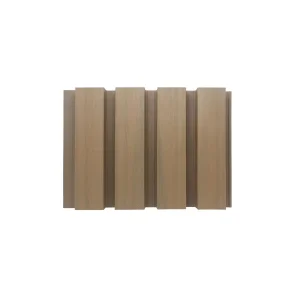
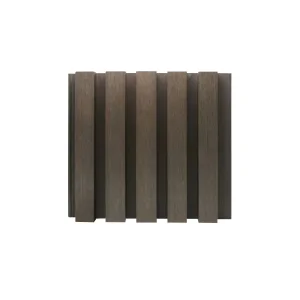
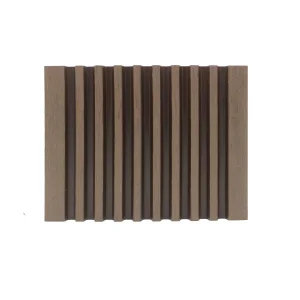
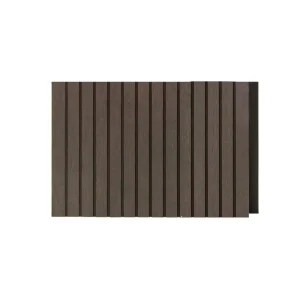
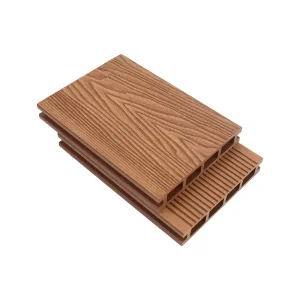
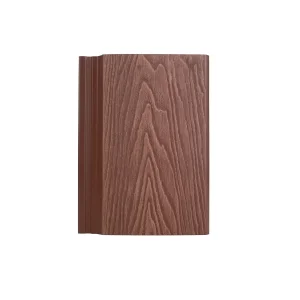
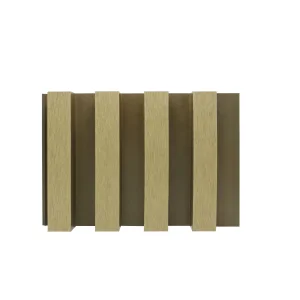
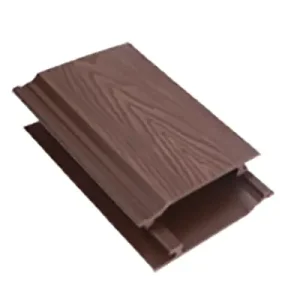
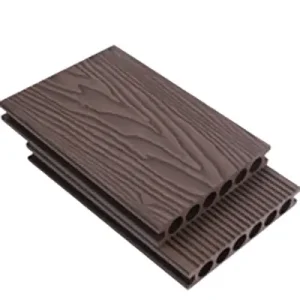
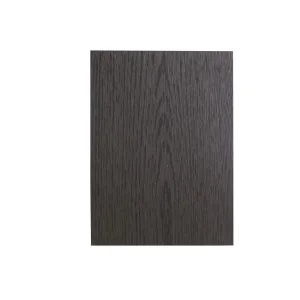
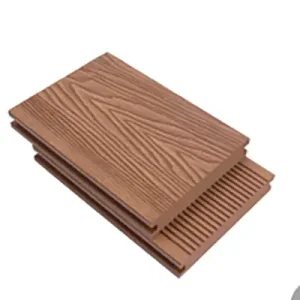
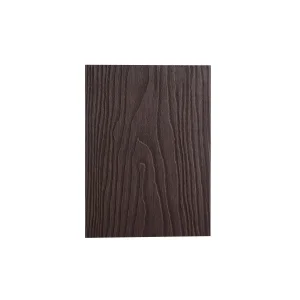
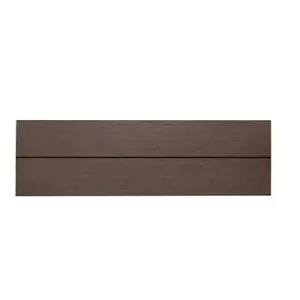
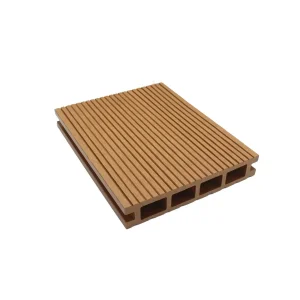
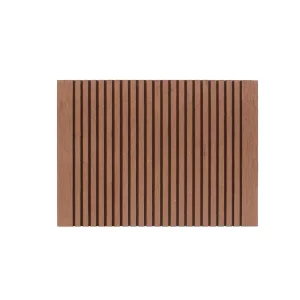
WPC Co-extrusion Cladding Manufacturers & Companies in the Namibia market

Premium Shielded Capped Wood-Plastic Composites Engineered for the Ultimate Namibian Climate Performance - Resisting Intense UV Desert Sun & Saline Coastal Spray

Send Inquiry Now

Industrial Whitepaper: WPC Architecture in Namibia

Analyzing climate factors, physical limits, and sustainable construction mandates within Southern Africa.

Namibia's Macro-Economic Construction Landscape

Namibia is undergoing a significant architectural transition. From the rapid commercial expansions in Windhoek to the high-end coastal eco-tourism developments in Walvis Bay, Swakopmund, and the edge of the Namib Desert, developers are searching for sustainable alternatives to traditional materials. Historically, heavy timber was imported from neighboring SADC countries or Europe, leading to exorbitant supply chain costs and severe maintenance challenges under local weather extremes.

The Namibian market is characterized by structural investment in public infrastructure, luxury desert lodges, and coastal residential complexes. Consequently, material selection must meet high-performance standards to survive the intense sun, wind-blown silica sand, and rapid temperature fluctuations (which can exceed 30°C in a single day in regions such as the Erongo district).

Key Climate Challenge: Extreme Diurnal Temperature Ranges

In Namibia, day-to-night thermal variance puts massive structural stress on building skins. Unshielded composite materials crack, warp, or fade. Ningbo Yida's 360-degree co-extrusion capped layer is specifically designed with cross-linked polymers that resist thermal shock, maintaining tensile integrity under constant cycling between scorching midday desert heat and freezing night temperatures.

Technical Blueprint: Why Co-Extrusion Outperforms Standard WPC

Co-extrusion technology represents the pinnacle of wood-plastic composite evolution. Unlike traditional monofilament WPC, where wood fibers are exposed directly to the atmosphere, co-extrusion features an advanced high-density polyethylene (HDPE) shield that envelopes the inner core profile entirely. This protective cap is extruded concurrently under extreme heat and pressure, forming a molecular bond that cannot delaminate.

95%
Recycled Content Rate
0.1%
Moisture Absorption Rate
ΔE < 4
High UV Color Stability
25 Yr
Residential Warranty Life

The formulation combines 60% wood fiber (reclaimed hardwood sawdust), 30% HDPE polymers, and 10% performance additives (including UV stabilizers, light coupling agents, and anti-oxidants). The outer shell layer is fortified with specialized UV absorbers to block radiation, protecting the internal wood fibers from the breakdown typically caused by high UV indices (reaching 11+ in Windhoek).

Company Profile

ABOUT NINGBO YIDA

Ningbo Yida Wood Plastic Technology Co., Ltd. is proud to introduce our innovative wood plastic composite material that combines the natural beauty of wood with the durability of plastic profiles. With nearly ten years of R&D, production and sales experience, we have become a leading manufacturer and supplier of new wood-plastic composite materials.

Our Yida brand wood-plastic composite materials have excellent properties such as waterproof, moisture-proof, mildew-proof, insect-proof, black-proof, and crack-proof. This makes it ideal for a variety of applications, including outdoor architectural design, landscaping and municipal engineering projects. As an environmentally friendly material, it is in line with the country’s strong encouragement of sustainable development.

Connect with Our Technical Director
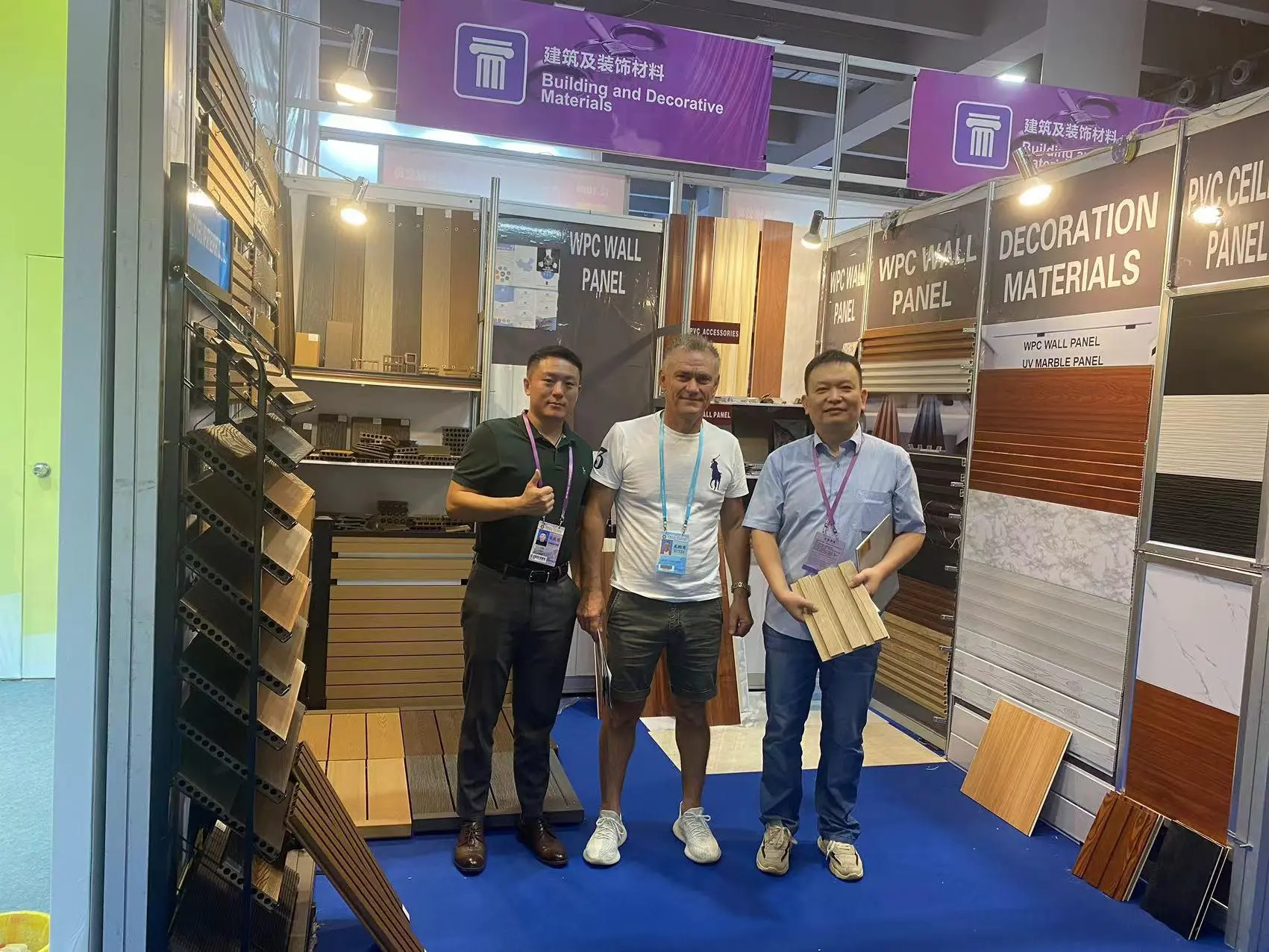
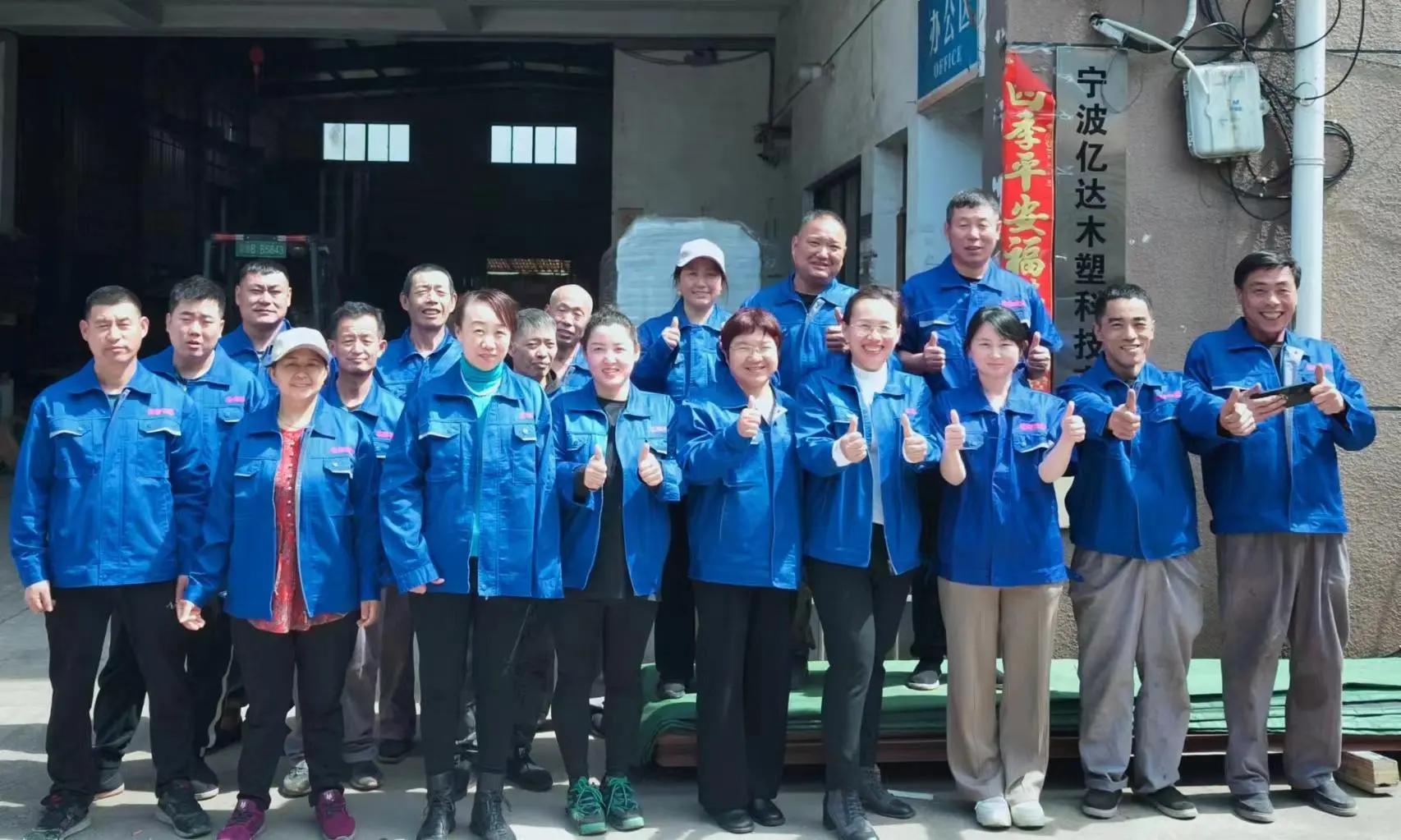
Ningbo Yida Wood Plastic Technology Co., Ltd. Factory Floor & WPC production

Global Manufacturing Strength & Quality Guarantees

Explore our industrial capabilities, advanced production tooling, and technical research facilities.

Ningbo Yida advanced production technology and professional team

Advanced Production Tooling & Professional Support

  • At Ningbo Yida, we have invested in advanced production technology and established a professional team dedicated to product research and development, manufacturing, sales, after-sales service and construction.
  • This ensures that our wood plastic composites meet the highest quality and performance standards.
  • In addition to servicing commercial and residential projects, we have established dedicated service teams to support educational and medical institutions across the country.
  • Our commitment to providing professional services and construction to major universities and hospitals in the country reflects our commitment to contributing to important public infrastructure.

Proven Large-Scale Infrastructure Engineering

  • We are proud to have successfully completed numerous large-scale engineering projects, demonstrating the reliability and versatility of our wood plastic composite materials.
  • Our products are widely recognized for their superior performance and aesthetic appeal.
  • As we continue to innovate and expand our product range, we remain committed to providing our customers with sustainable, high-quality solutions.
  • With Yida Wood Plastic Composite, you can be confident that your next project will perfectly blend natural beauty with modern durability.
Successful large-scale engineering projects of wood plastic composites
WPC Cladding raw material mixing
Co-extrusion cladding profiles processing line
Quality inspection of finished WPC panels

Local Support, SADC Logistics & Compliance

Facilitating seamless import procedures, technical compliance, and structural design support for Namibia.

Logistical Corridor to Walvis Bay Port

For Namibian contractors and importers, logistics are key to project timelines. Ningbo Yida maintains a reliable shipping route from Ningbo Port directly to the Port of Walvis Bay. Under standard shipping conditions, container transit times range between 35 to 45 days. We provide complete commercial documentation, packing lists, and customs clearance certificates compliant with Namibian import standards.

Additionally, because Namibia is a SADC member state, our logistics team assists in certifying origin documents to streamline regional tariff procedures. We pack all WPC co-extrusion cladding products in export-safe, steel-reinforced pallets wrapped in heavy-duty waterproof PE film to avoid humidity or physical damage during sea transit.

Architectural Customization and OEM Options

We work directly with Namibian architectural practices to offer bespoke color matching, textured embossing, and structural length customization. In local eco-lodge designs where visual blending into desert dunes or savannah landscapes is required, our OEM department can formulate custom color tones (such as Kalahari Sand or Deep Charcoal) that retain color fastness under extreme light exposure conditions.

Certificate Display & Environmental Compliance

Accredited globally, ensuring strict adherence to international building and safety codes.
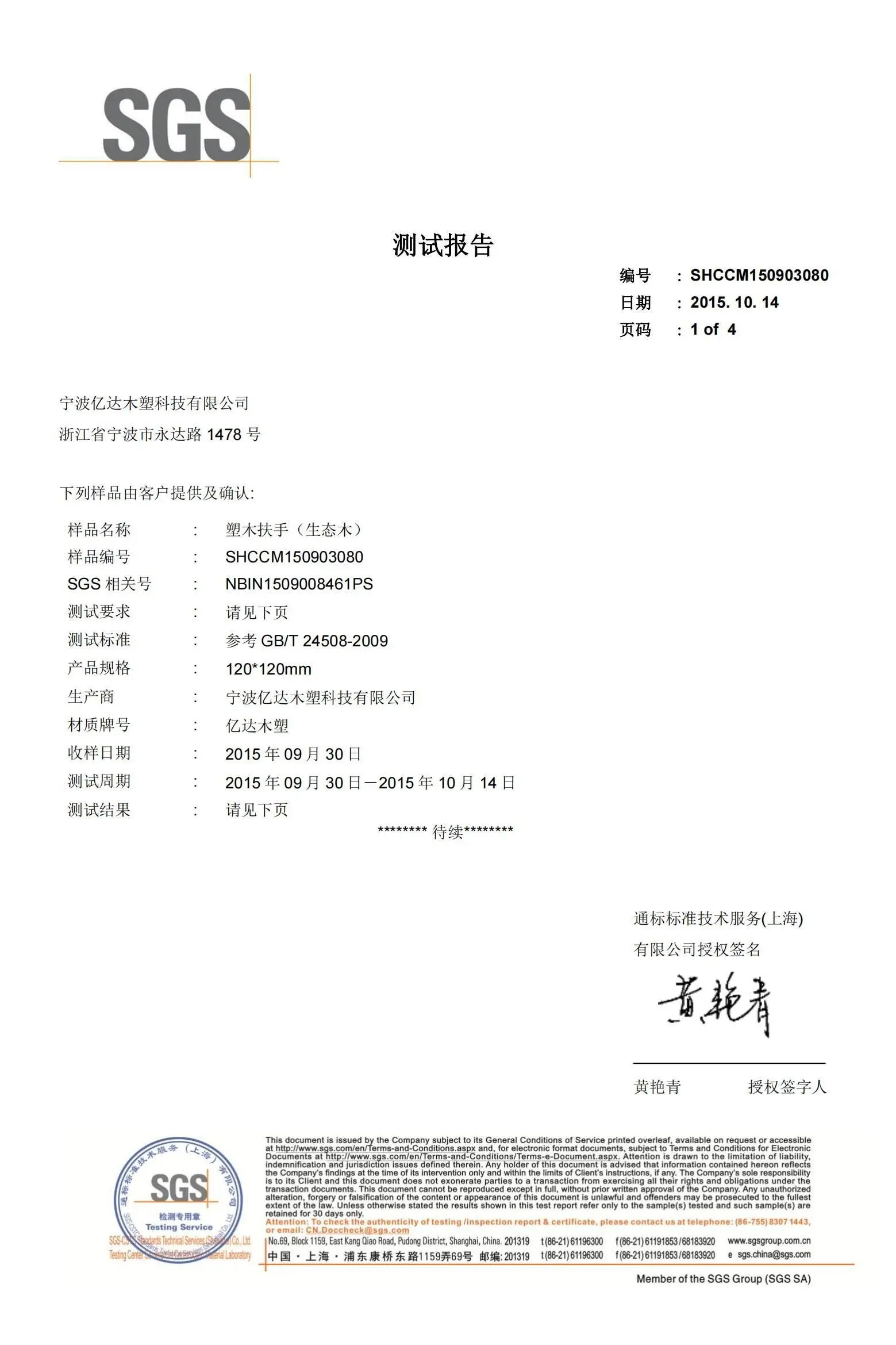
Ningbo Yida WPC ISO 9001 Certificate
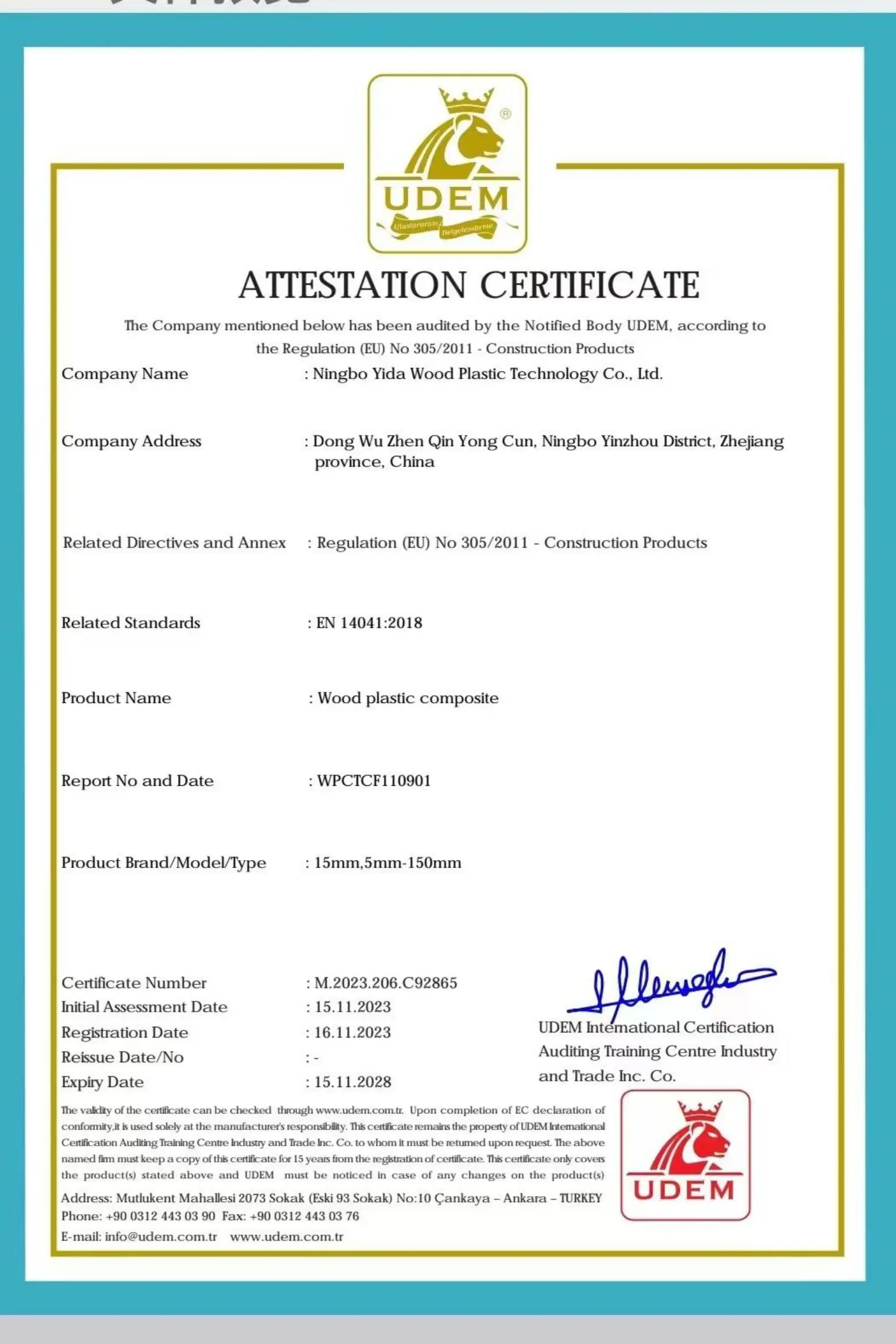
CE Certified WPC Cladding Production Certificate
Ningbo Yida ISO 14001 Environmental Standard
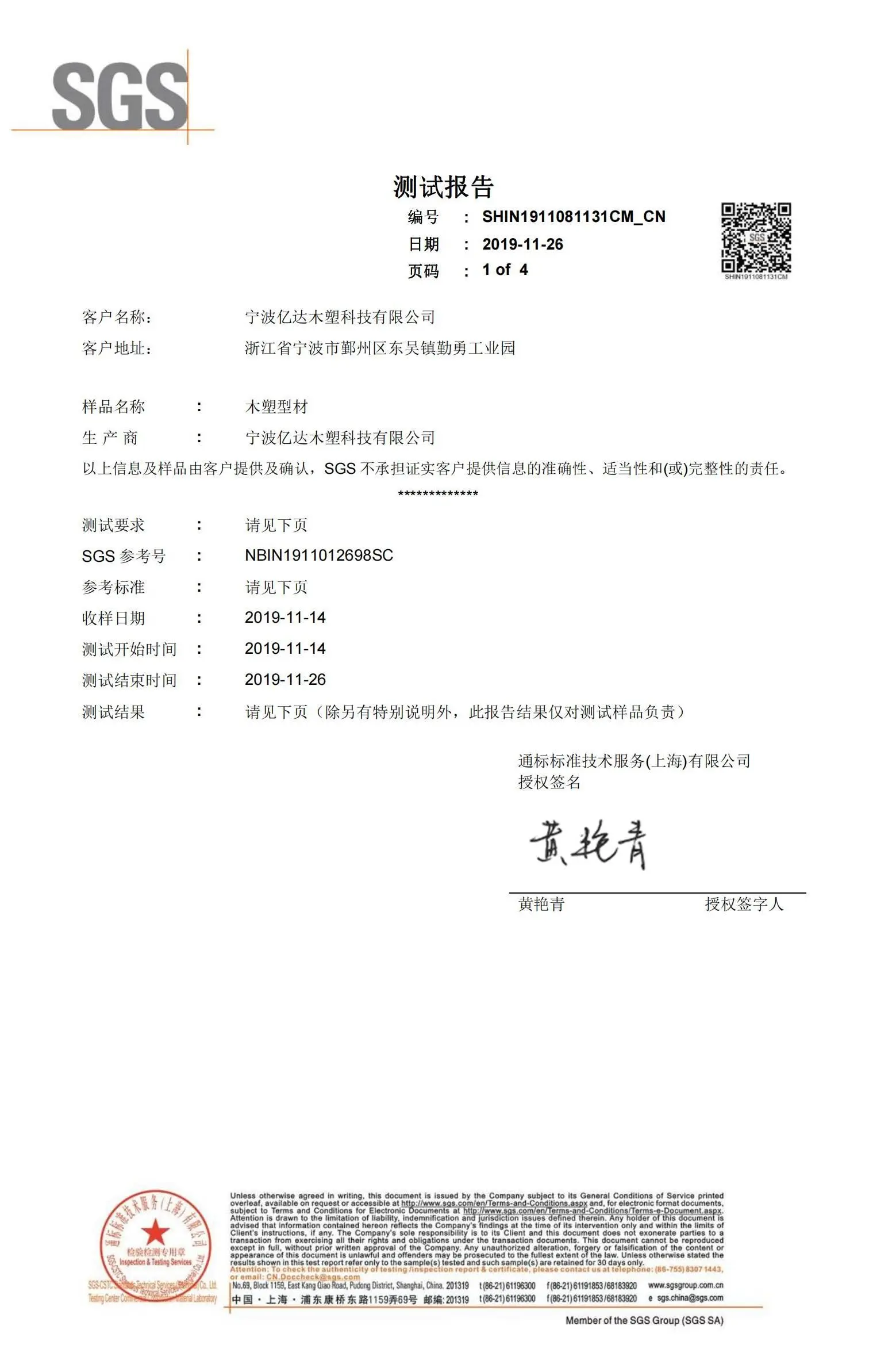
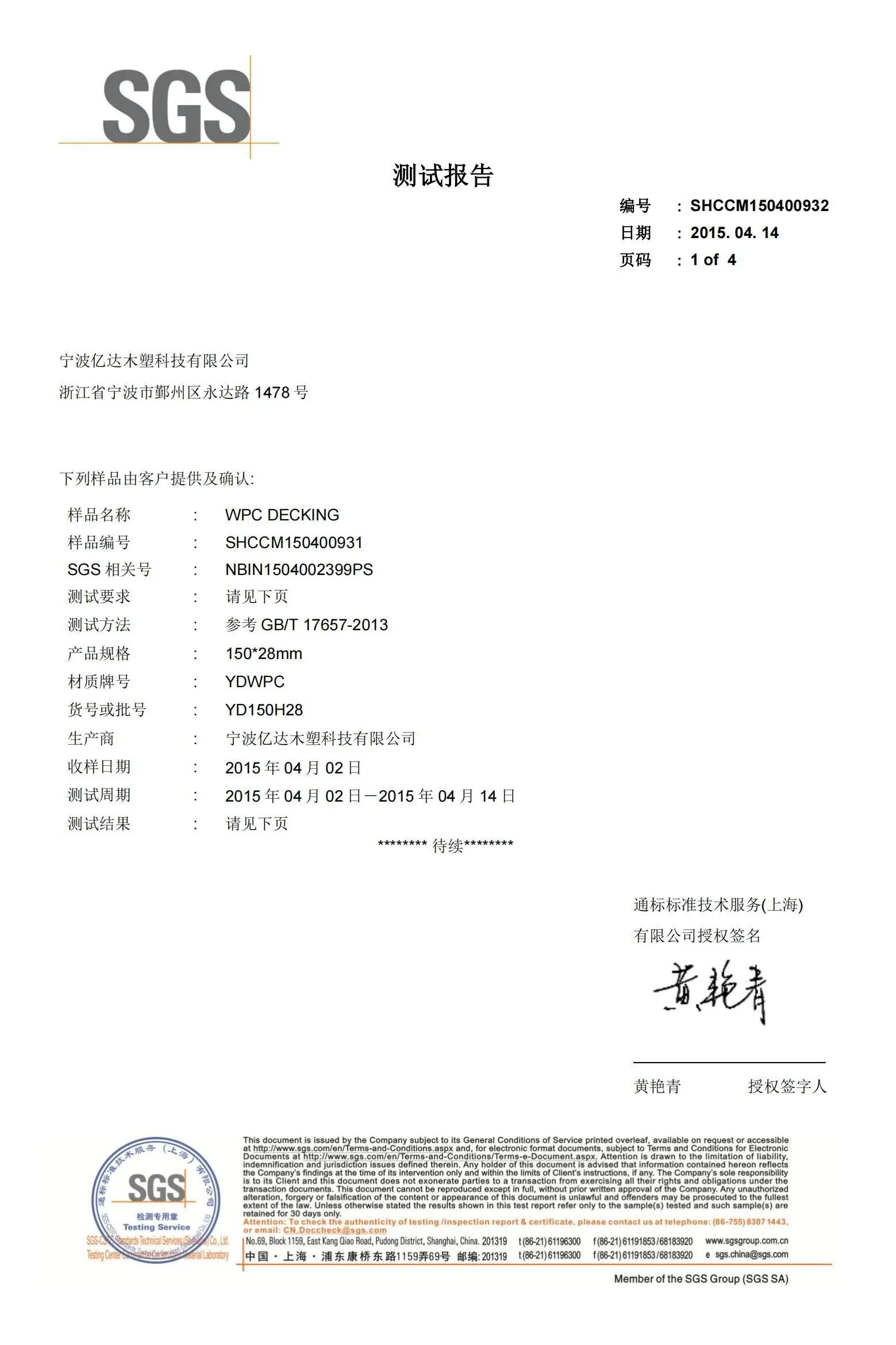
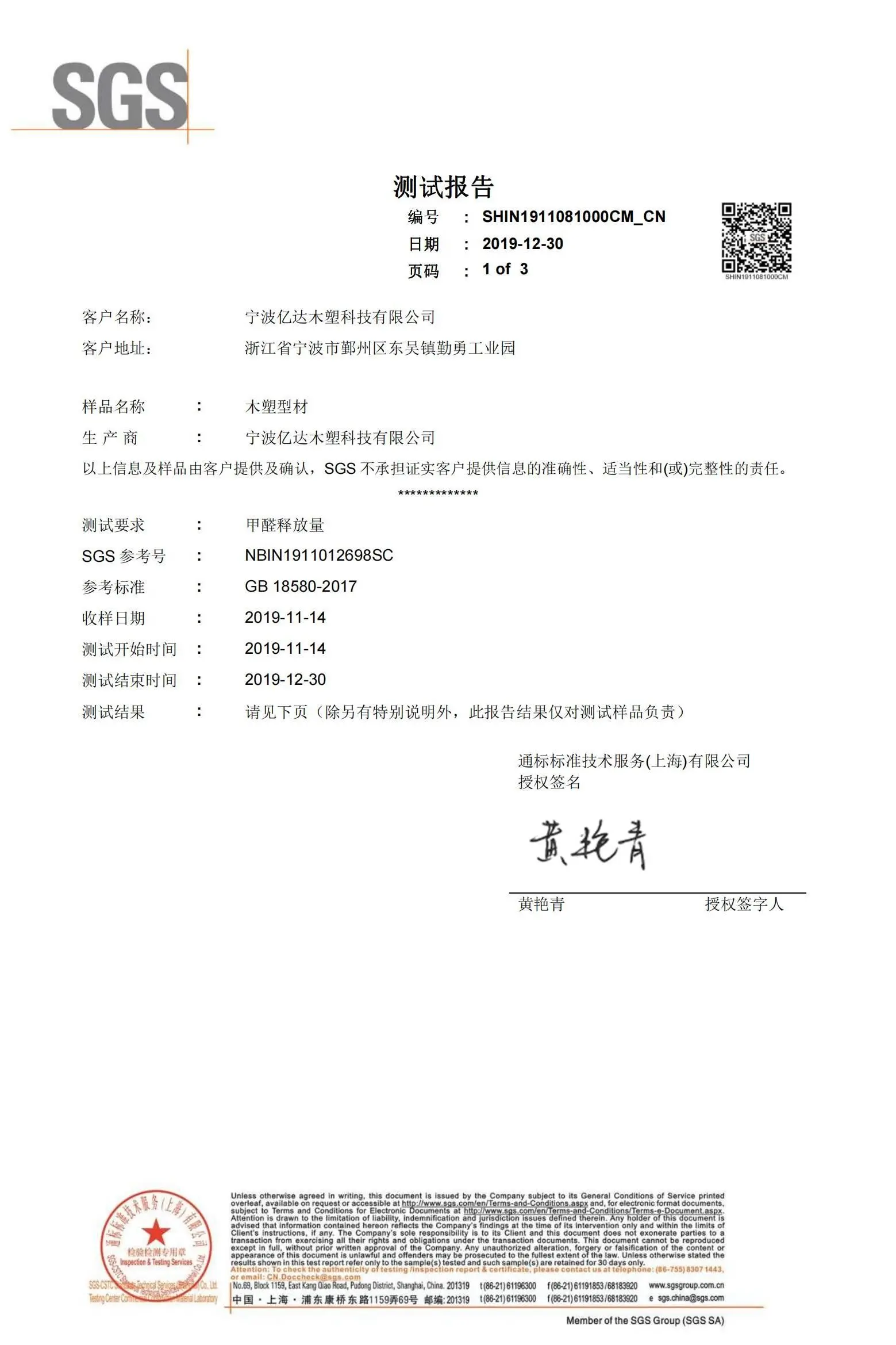
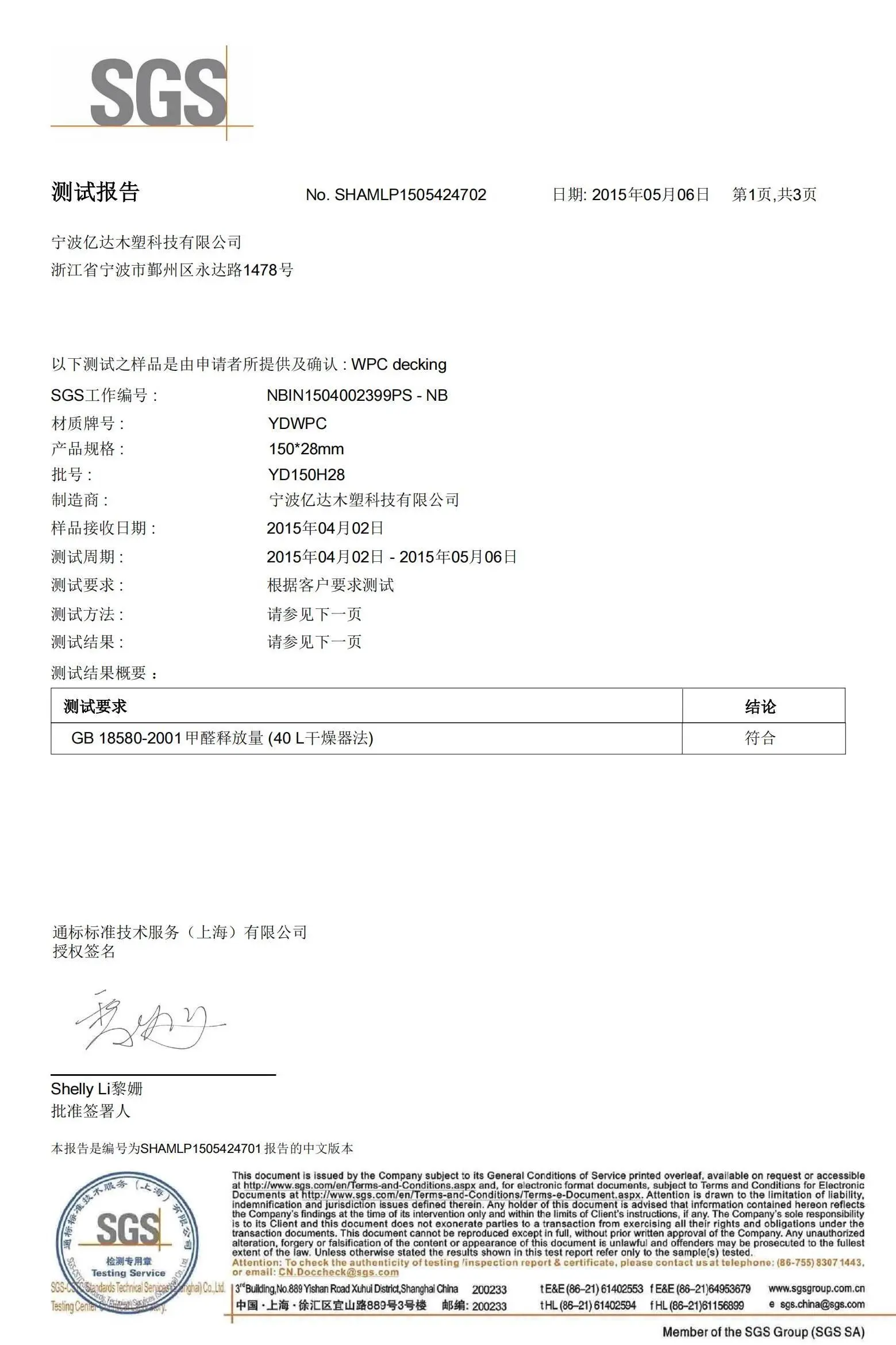
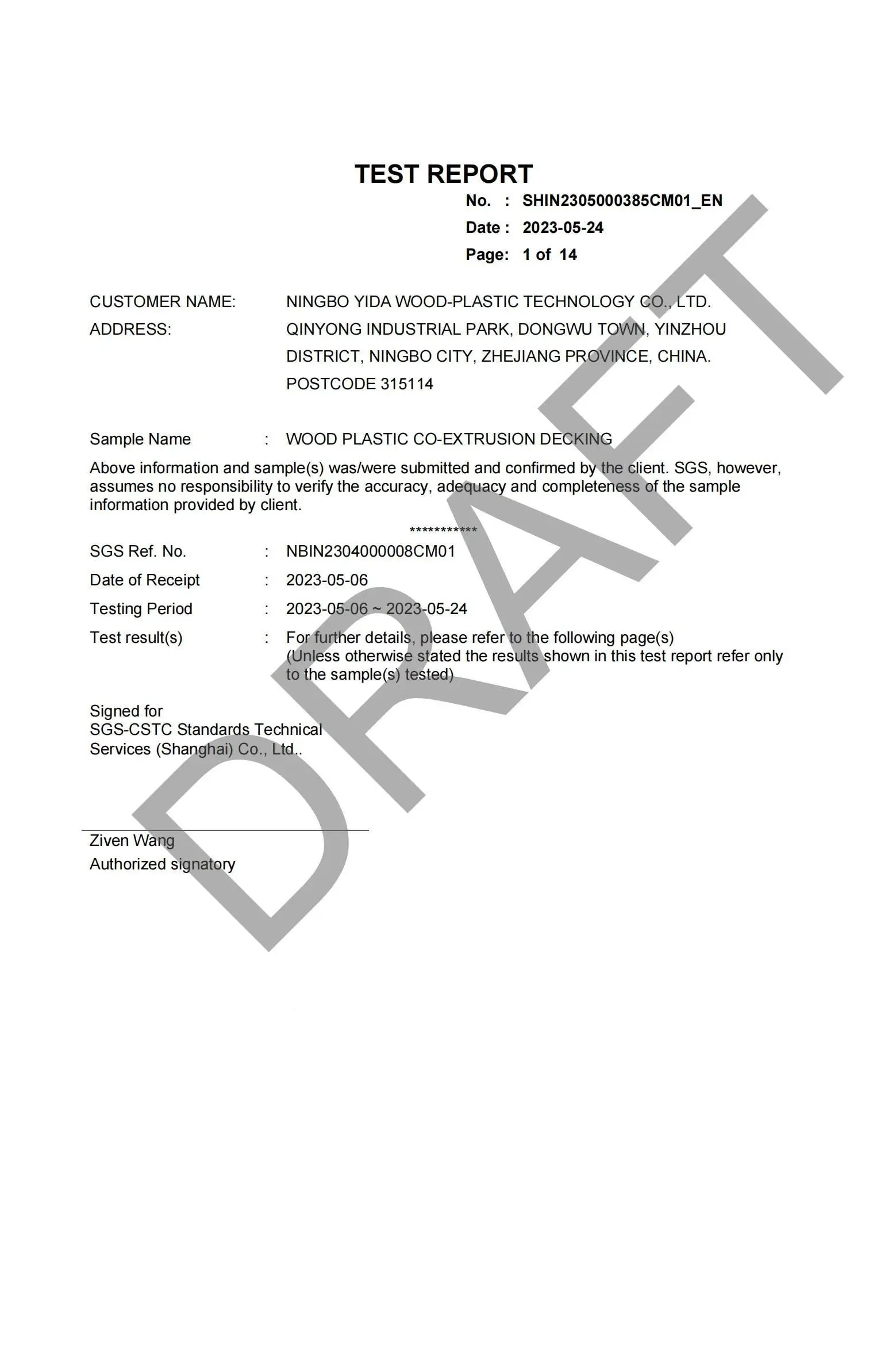
Heavy Metal Free Test Report SGS
FSC Forest Stewardship Council Certificate
Ningbo Yida Fire Rating Safety Certificate
WPC Co-extrusion Weathering Test Certificate
Quality Management System Audited by SGS

Frequently Asked Questions & Technical Resource Guide

Detailed insights on wood plastic composites, structural installation, and maintenance requirements.

1. About WPC Material

Q: What is WPC? +
A: WPC stands for Wood Plastic Composite. It is an innovative material made from a blend of recycled wood fibers/flour and thermoplastics (like PE). This creates a product that has the natural beauty of wood with enhanced durability and minimal maintenance.
Q: Is WPC environmentally friendly? +
A: Yes. Our WPC products are considered eco-friendly because they are primarily made from recycled materials—reclaimed wood waste and recycled plastics. This reduces landfill waste and the need for virgin timber. Additionally, their long lifespan and low maintenance requirements (no chemical staining or sealing) further reduce their environmental impact.
Q: What's the difference between WPC and pure plastic (PVC) decking? +
A: While both are low-maintenance, WPC contains a significant amount of wood fiber, giving it a more authentic, textured look and feel closer to real wood. Pure plastic decking often has a synthetic appearance. WPC also tends to be more rigid and has better heat dissipation properties than some pure plastic alternatives.

2. Installation & Performance

Q: Can I install WPC decking/materials myself? +
A: Yes, many of our WPC products are designed for DIY installation with hidden or clip-fastening systems. However, for large, complex projects or to ensure a perfect finish and warranty validation, we recommend professional installation. Always follow our specific installation guide.
Q: Does WPC decking get hot in the sun? +
A: Like any outdoor surface (wood, pavers, vinyl), WPC can get warm in direct sunlight. However, our products are formulated with advanced technology and often feature lighter colors or capped coatings that reflect more heat than traditional wood or darker composites, making them more comfortable underfoot.
Q: Is WPC slip-resistant? +
A: Yes. Our WPC decking and fencing profiles are designed with textured surfaces that provide excellent slip resistance, even when wet. This makes them a safer choice for areas around pools, patios, and walkways.
Q: How does WPC perform in extreme weather (frost, snow, rain)? +
A: WPC is highly resistant to moisture, rot, and decay, making it ideal for rainy and humid climates. It is also resistant to freezing and thawing cycles, so it won't crack or splinter in frosty conditions. Proper installation with adequate drainage is key to long-term performance.
Q: Will WPC warp, crack, or splinter? +
A: No. One of the key benefits of WPC is its high dimensional stability. It is highly resistant to warping, cracking, splitting, and splintering, which are common problems with natural timber.

3. Maintenance & Durability

Q: How do I clean and maintain my WPC products? +
A: Maintenance is incredibly easy. For routine cleaning, simply sweep away debris and occasionally wash with a mild soap solution and a soft brush or hose. This is all that's needed to keep your WPC looking new. Avoid using harsh chemicals, abrasive cleaners, or high-pressure washers.
Q: Is staining or sealing required? +
A: No. Unlike natural wood, WPC products never require sanding, staining, or sealing. Their color is consistent throughout the material and is designed to last for years with minimal fading.
Q: How long does WPC last? +
A: Our WPC products are engineered for long-life performance. They typically come with warranties ranging from 10 to 25 years against fading, staining, and structural defects, depending on the product line.
Q: Are WPC products resistant to mold, mildew, and insects? +
A: Yes. The composition of WPC makes it highly resistant to mold, mildew, and insect damage, including termites. This is a significant advantage over natural wood.

4. Product Range & Customization

Q: What colors and styles are available? +
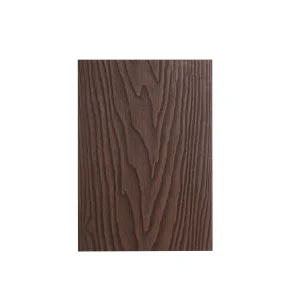
A: We offer a wide range of colors and wood-grain textures, from classic woods like Ipe and Teak to contemporary greys and whites. Our collection includes decking boards, fencing, cladding, pergolas, and outdoor furniture.
Q: Can WPC be cut and drilled like wood? +
A: Yes. You can use standard woodworking tools (saws, drills) to cut and shape WPC. We recommend using carbide-tipped blades for the cleanest cut.

5. Regional & Namibian Custom Inquiries

Q: How does Ningbo Yida WPC perform against Namibia's intense UV radiation? +
A: Our Co-extrusion series is engineered with a specialized polymer outer shell containing chemical UV absorbers and thermal stabilizers. This ensures the boards retain their mechanical and aesthetic properties even when exposed to Windhoek's UV levels that frequently peak at 11 or higher. Color fading is minimalized compared to non-coextruded products.
Q: Is it possible to clear customs at Walvis Bay and transport inland to Windhoek? +
A: Yes. We work closely with leading SADC shipping agents who manage customs clearance at Walvis Bay. From there, cargo can be easily transported via the Trans-Kalahari Corridor to Windhoek or other destinations. We supply all required commercial invoices, certificates of origin, and bill of lading documents.

Have More Questions?

Our technical experts are ready to assist you with specifications, drawings, and custom logistics planning.

Contact Our Technical Team Now

Ready to Elevate Your Namibian Construction Project?

Get in touch with Ningbo Yida Wood Plastic Technology Co., Ltd. for factory direct pricing, product customization profiles, and fast shipping coordinates to Walvis Bay Port.

Send Inquiry Now