Premium Architectural Grade Profiles Tailored for High Humidity and Intense UV Microclimates in Kié-Ntem Province
Navigating Architectural Durability Challenges in Central Africa's Rapidly Growing Cross-Border Trade & Municipal Hub
Located in the northeastern region of Equatorial Guinea, adjacent to the borders of Cameroon and Gabon, Ebebiyin serves as the second-largest urban center in the continental region and the primary economic powerhouse of Kié-Ntem Province. As cross-border trade, commercial infrastructure development, and municipal modernization accelerate across Central Africa, the demand for sustainable, resilient, and aesthetically sophisticated building materials has surged to unprecedented levels.
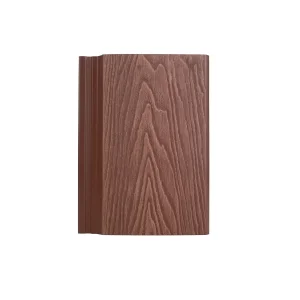
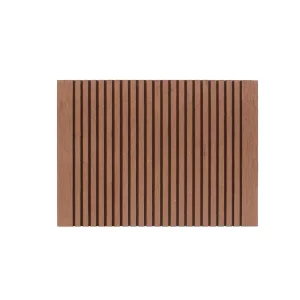
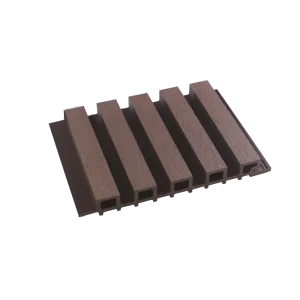
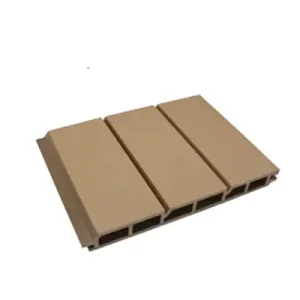
Architects, commercial project planners, and municipal contractors in Ebebiyin are rapidly shifting from high-maintenance traditional timber towards 2nd Generation 360-degree Capped WPC Co-extrusion Cladding. Co-extrusion wood-plastic composite material solves the fundamental engineering trade-off: providing the natural warm aesthetic of tropical hardwoods without succumbing to biological degradation, warpage, or recurring maintenance costs.
How 2nd Generation Polymer Capping Outperforms Traditional Wood and First-Generation WPC
Our co-extrusion technology wraps the core profile in a complete 360-degree protective shield made of modified engineering polymer. This impermeable layer prevents moisture ingress, oil staining, scratching, and intense sunlight degradation.
The core combines 60% select recycled hardwood fibers, 30% recycled High-Density Polyethylene (HDPE), and 10% structural additives (anti-UV stabilizers, antioxidants, coupling agents) processed via twin-screw extrusion.
Unlike natural teak or cedar cladding common in Central Africa, Ningbo Yida WPC co-extrusion cladding never requires oiling, painting, sanding, or chemical sealing over its entire multi-decade lifecycle.
| Performance Metric | 2nd Gen Capped Co-Extrusion (Yida) | 1st Gen Uncapped WPC | Natural Hardwood (Teak/Iroko) |
|---|---|---|---|
| Water Absorption Rate (24h immersion) | < 0.4% (Impermeable Barrier) | 1.5% - 3.0% | 8.0% - 18.0% (Swells/Warps) |
| UV Weathering Index (Delta E, 3000h ASTM G154) | ΔE < 2.0 (Negligible Fading) | ΔE > 6.0 (Visible Fading) | Requires Annual Re-staining |
| Termite & Mold Resistance | Rating 10 / ISO 16869 Passed | Moderate Resistance | High Vulnerability |
| Linear Thermal Expansion Co-efficient | 0.035 mm/m/°C | 0.055 mm/m/°C | Anisotropic Volumetric Swelling |
| Expected Service Life (Equatorial Zone) | 25+ Years Guarantee | 8-10 Years | 3-5 Years (Without heavy upkeep) |
China's Premier WPC Manufacturing Powerhouse Backing Ebebiyin Infrastructure Development
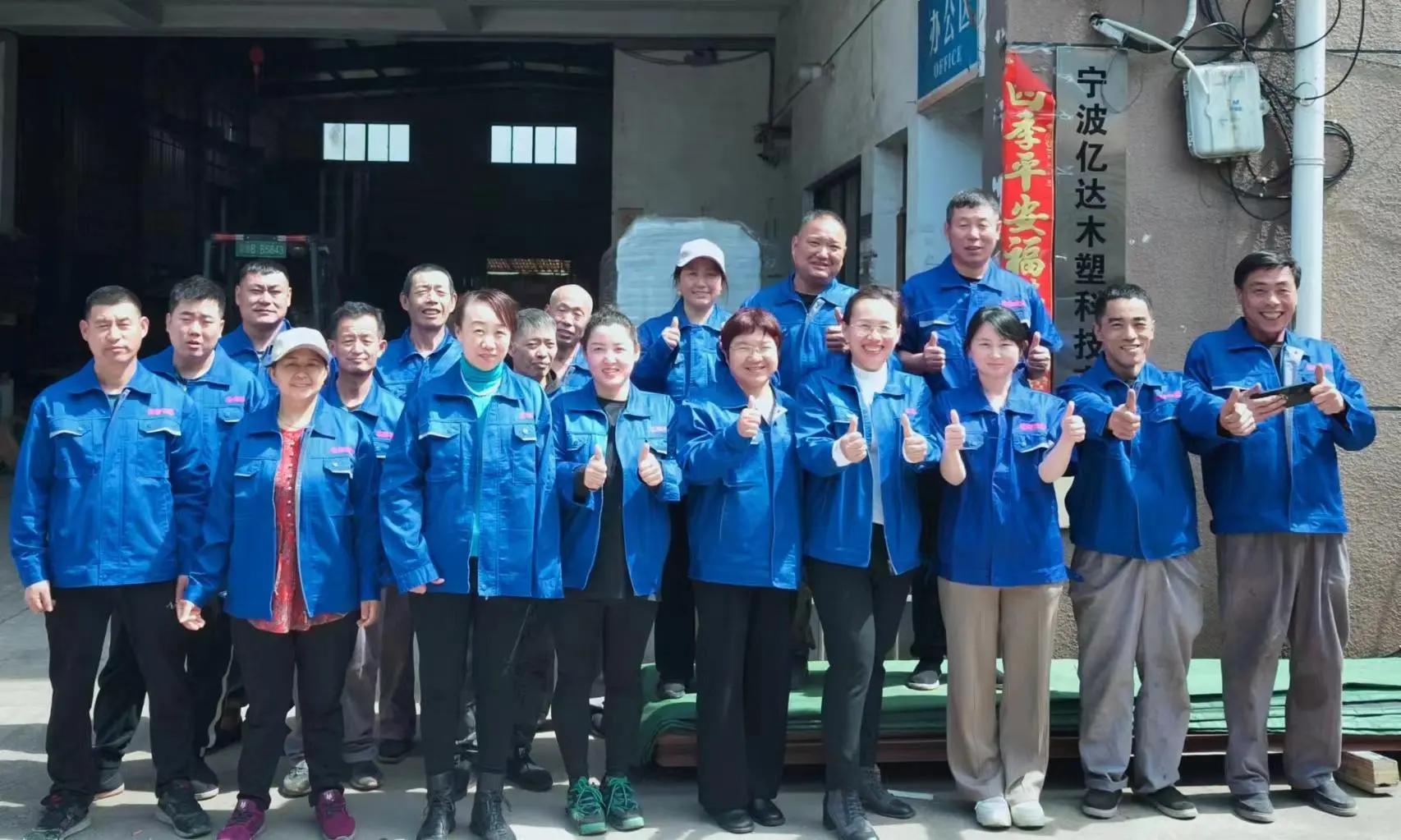
Ningbo Yida Wood Plastic Technology Co., Ltd. is proud to introduce our innovative wood plastic composite material that combines the natural beauty of wood with the durability of plastic profiles. With nearly ten years of dedicated R&D, continuous production optimization, and global sales experience, we have established ourselves as a premier manufacturer and supplier of engineered wood-plastic composite materials.
Our Yida brand wood-plastic composite materials feature superior performance metrics including waterproof, moisture-proof, mildew-proof, insect-proof, non-blackening, and crack-proof characteristics. This makes our product lines ideal for demanding outdoor architectural design, municipal engineering projects, and landscape enhancements across Equatorial Guinea and Central Africa.
At Ningbo Yida, we have invested heavily in state-of-the-art dual-screw co-extrusion technology, automated compounding lines, and established a dedicated international team across R&D, quality control, logistics, and after-sales construction support. Situated near Ningbo-Zhoushan Port—one of the largest deep-water shipping hubs in the world—we guarantee seamless containerized shipping routes to the Port of Bata and Malabo, backed by efficient inland trucking connections to Ebebiyin.
In addition to serving high-end commercial and residential masterplans, we have deployed dedicated project teams to support educational and medical institutions nationwide, ensuring public infrastructure receives sustainable materials engineered to last.
Transforming Public Infrastructure, Commercial Facilities, and Private Estates
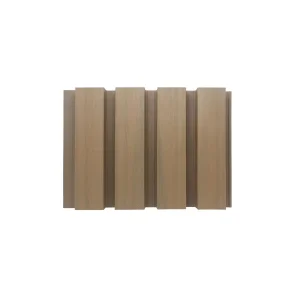
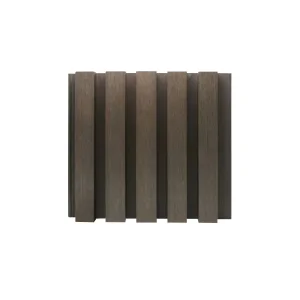
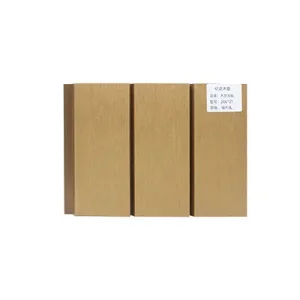
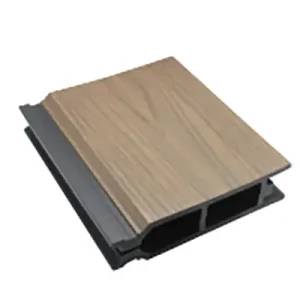
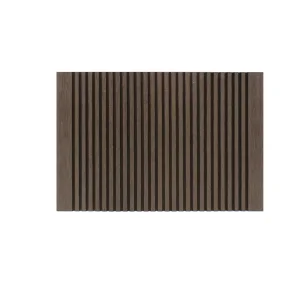
Ebebiyin's vibrant trade sector requires durable, modern building facades that project professionalism while enduring heavy daily traffic and vehicle exhaust exposure. Co-extrusion wall cladding YD219H26 and YD216H25 deliver impact-resistant, stain-resistant exterior skins for commercial complexes and customs administrative buildings.
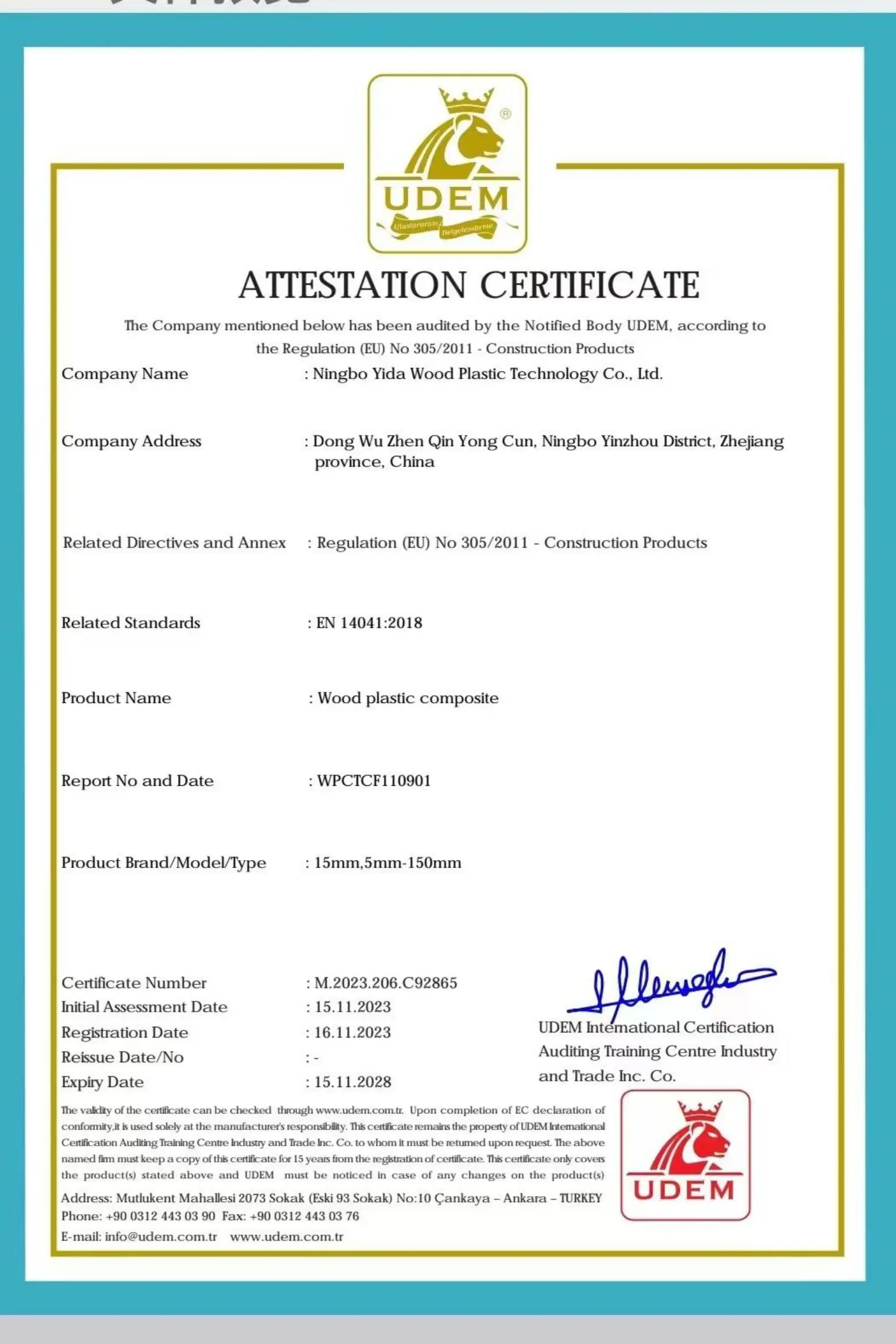
As part of Kié-Ntem's public infrastructure initiatives, public school campuses and regional health centers demand low-emission, non-toxic, anti-microbial exterior cladding and decking walkways. Yida WPC products carry CE, ISO14001, and REACH certifications ensuring healthy environments for occupants.
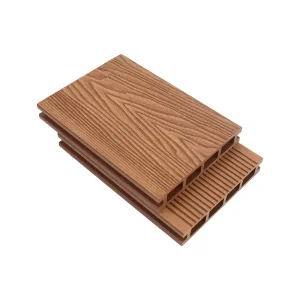
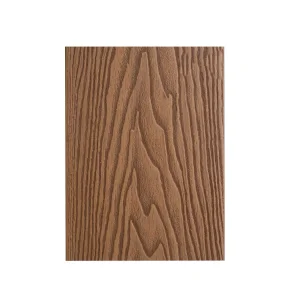
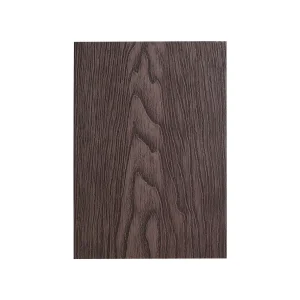
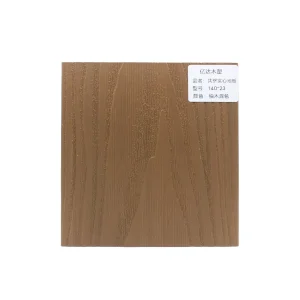
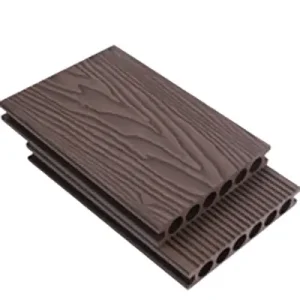
With 3D embossed wood-grain textures (e.g., YD140Sh25 and YD150RH23), private estate developers can achieve the timeless aesthetic of authentic Central African timber while safeguarding structures against termite infestation, fungal rot, and sun warping.
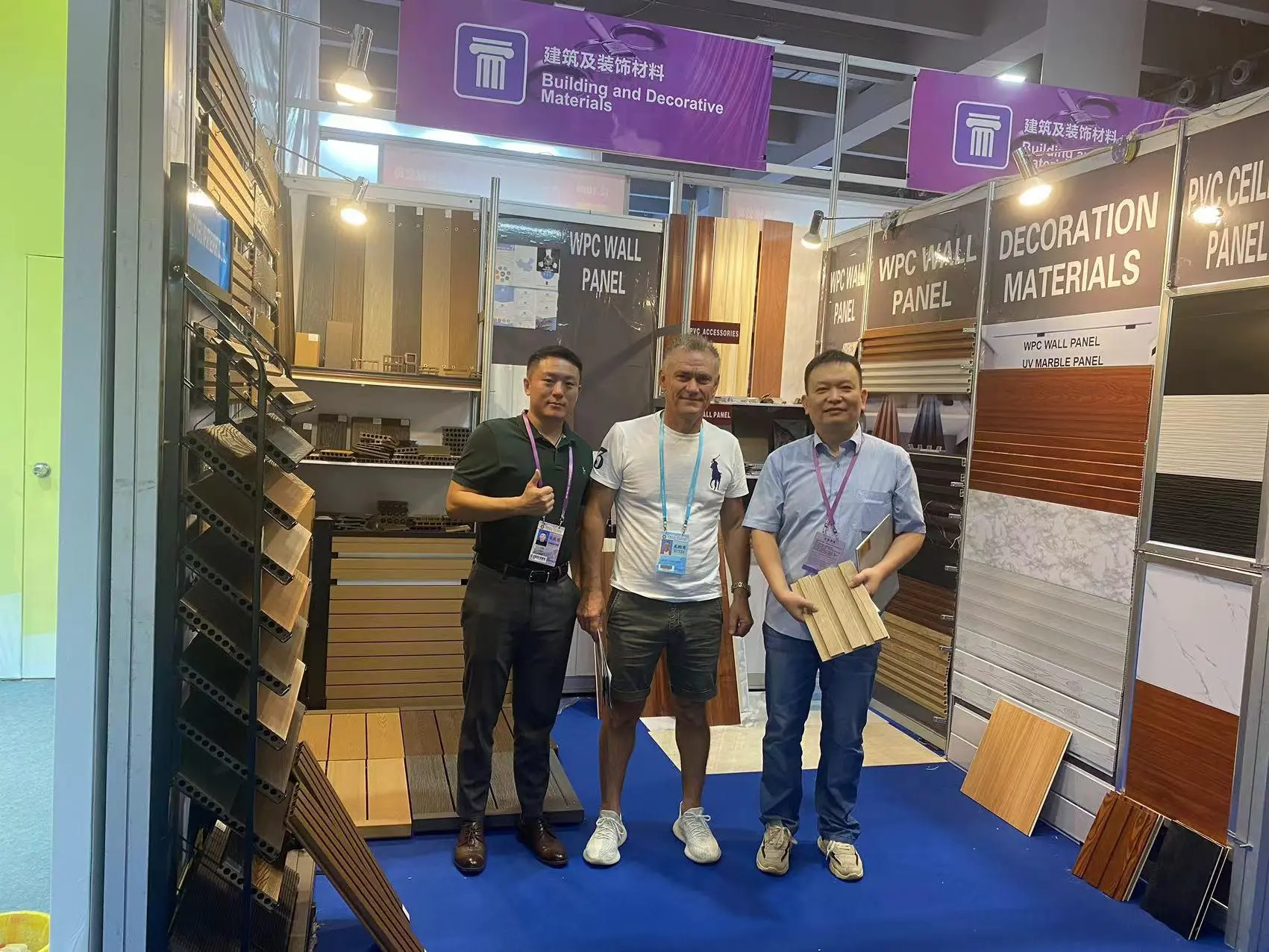
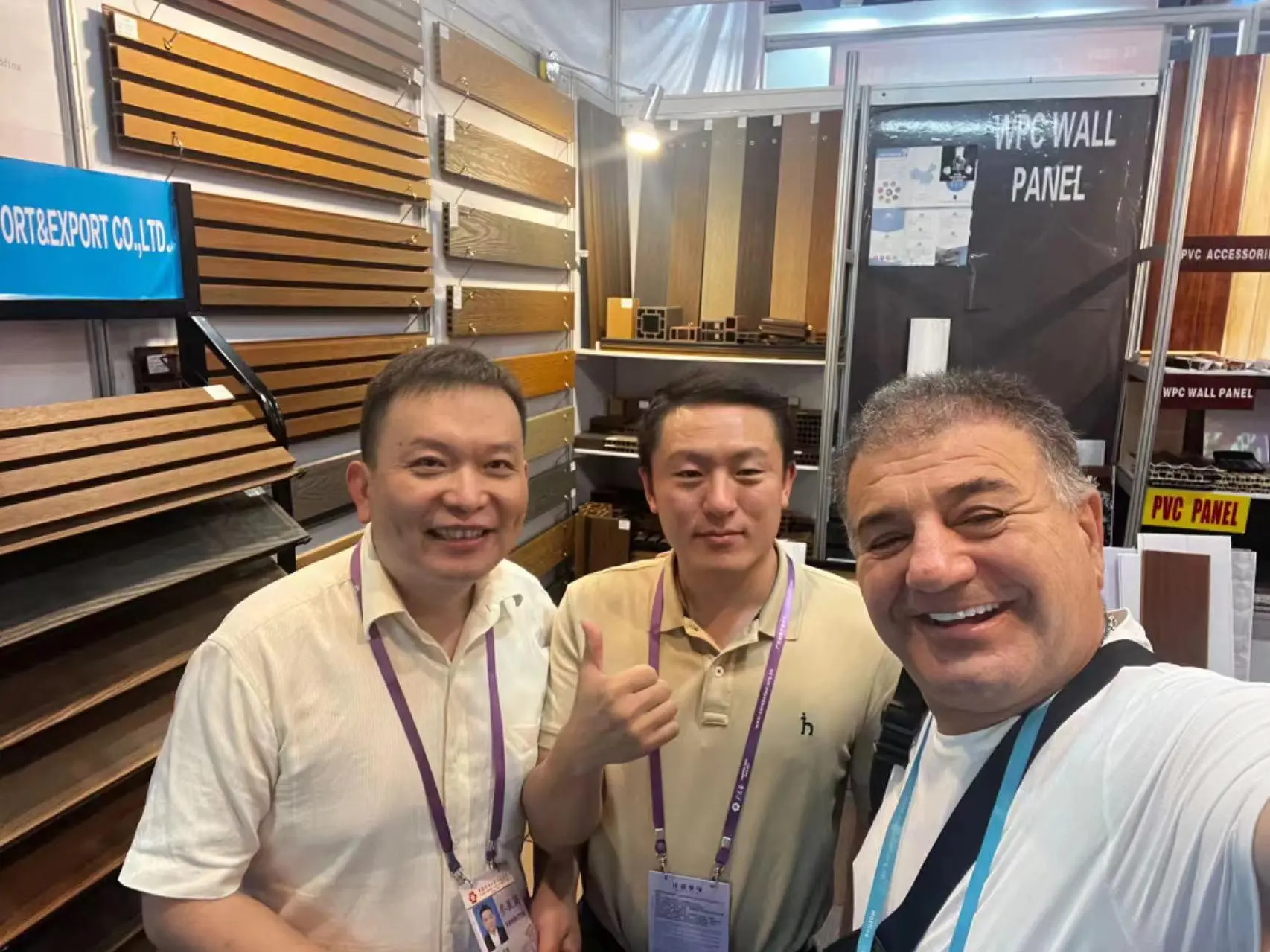
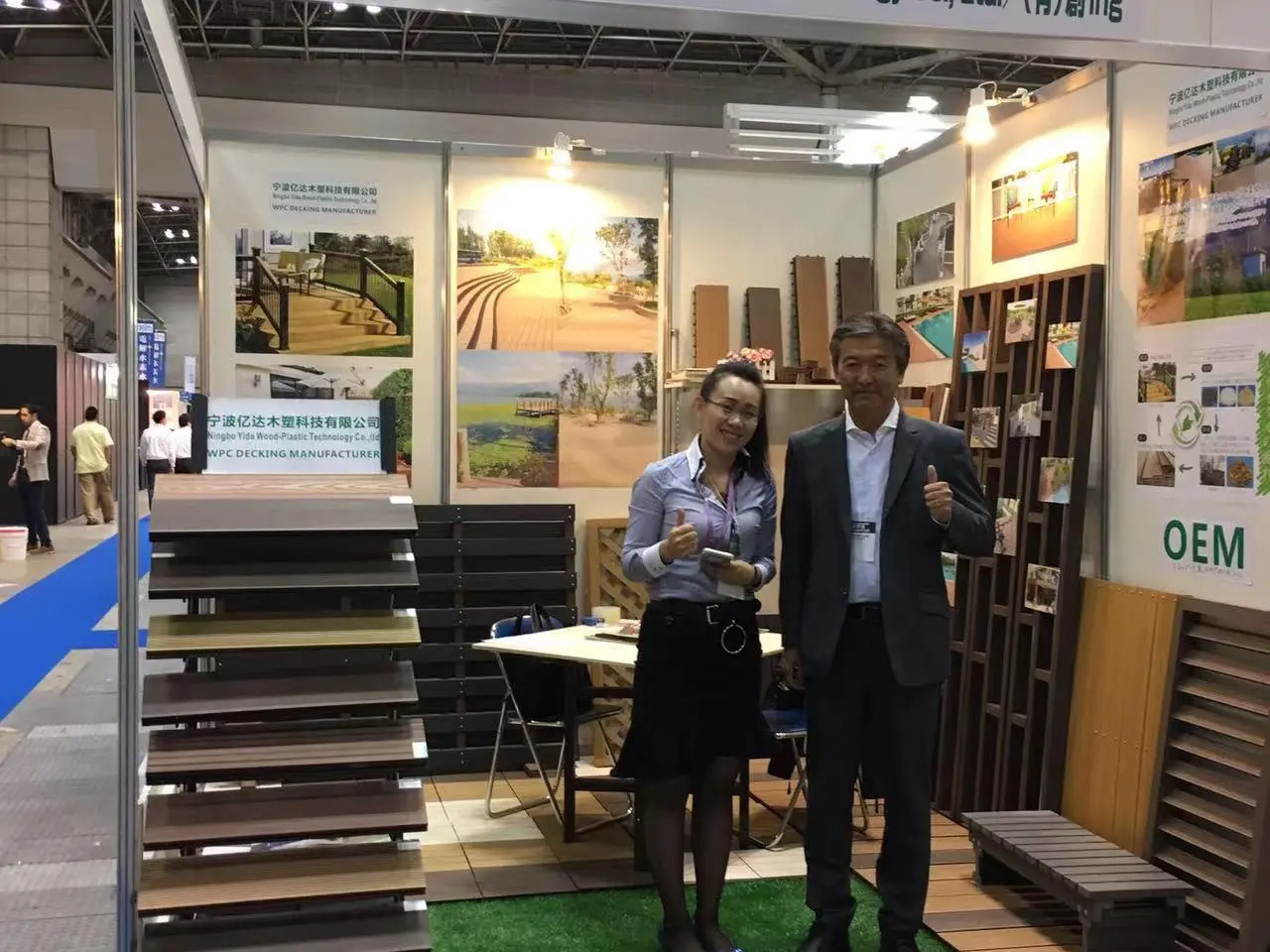
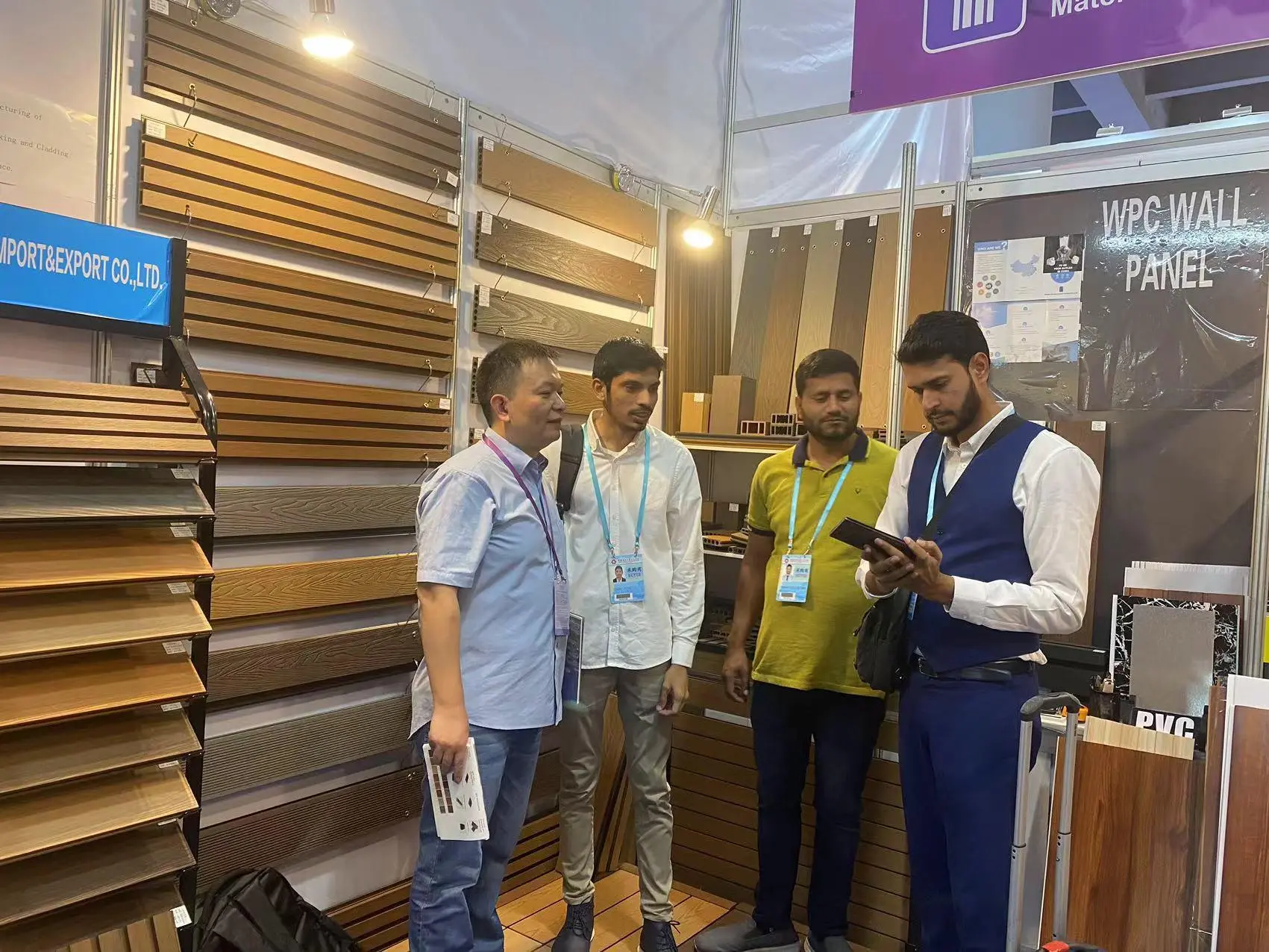
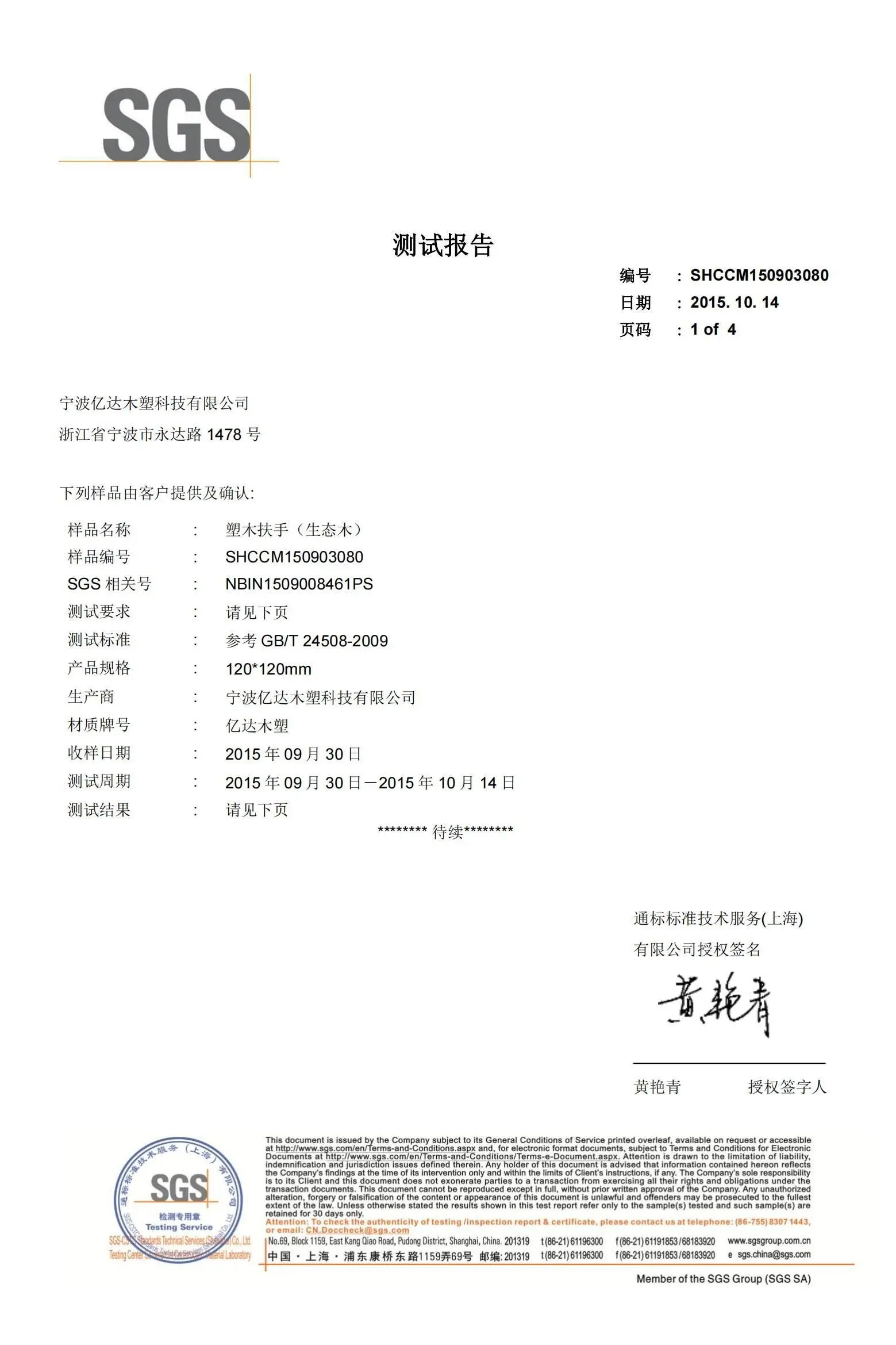
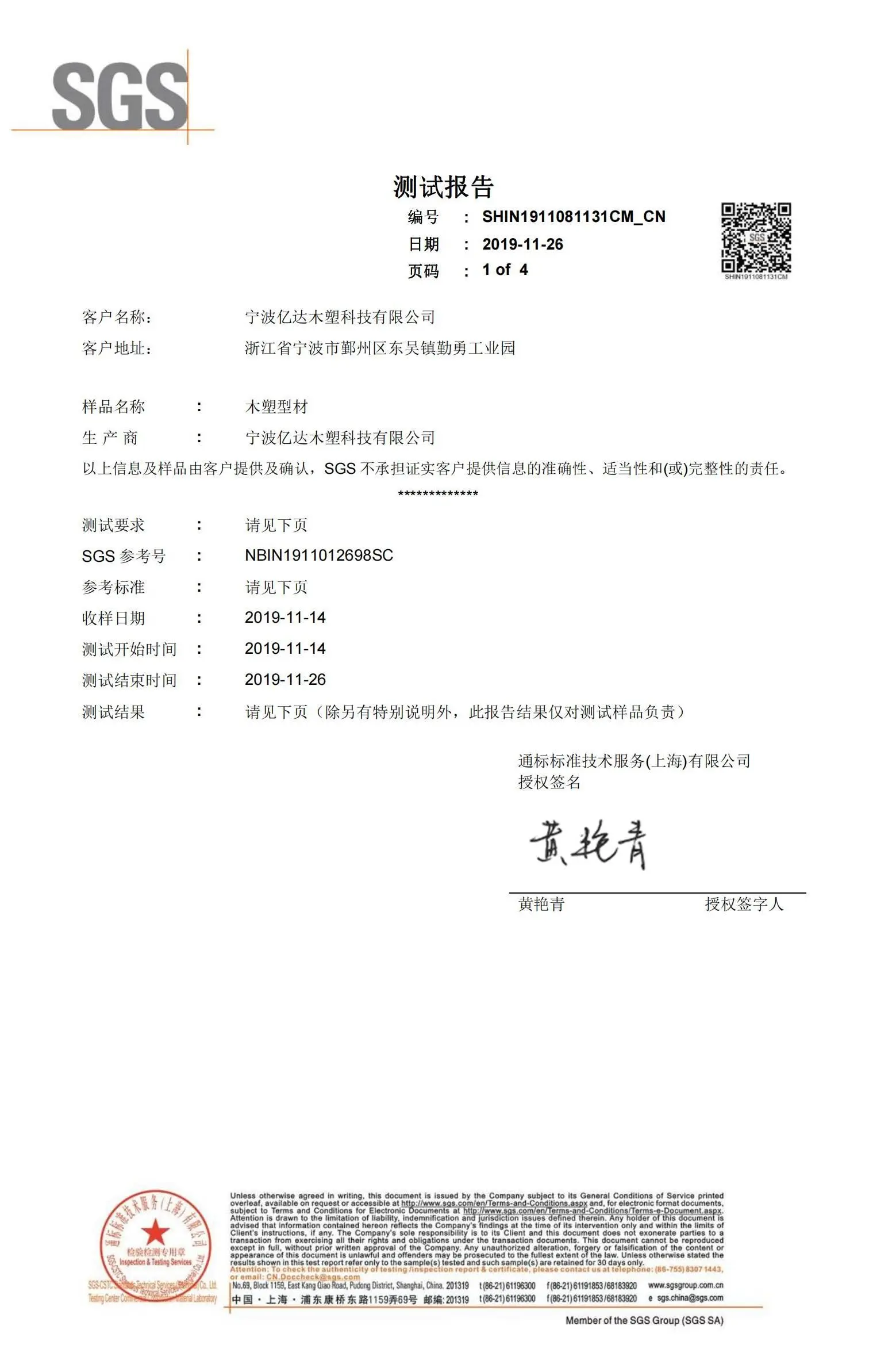
Rigorous Quality Assurance Validated by Global Testing Authorities (SGS, CE, ISO9001, FSC)
To meet import compliance for Equatorial Guinea and ensure structural safety under African international standards, Ningbo Yida products undergo rigorous batch testing. Our composite profiles conform to European standard EN 13501-1 for fire behavior, ISO 4892 for accelerated UV aging, and ASTM mechanical strength standards.
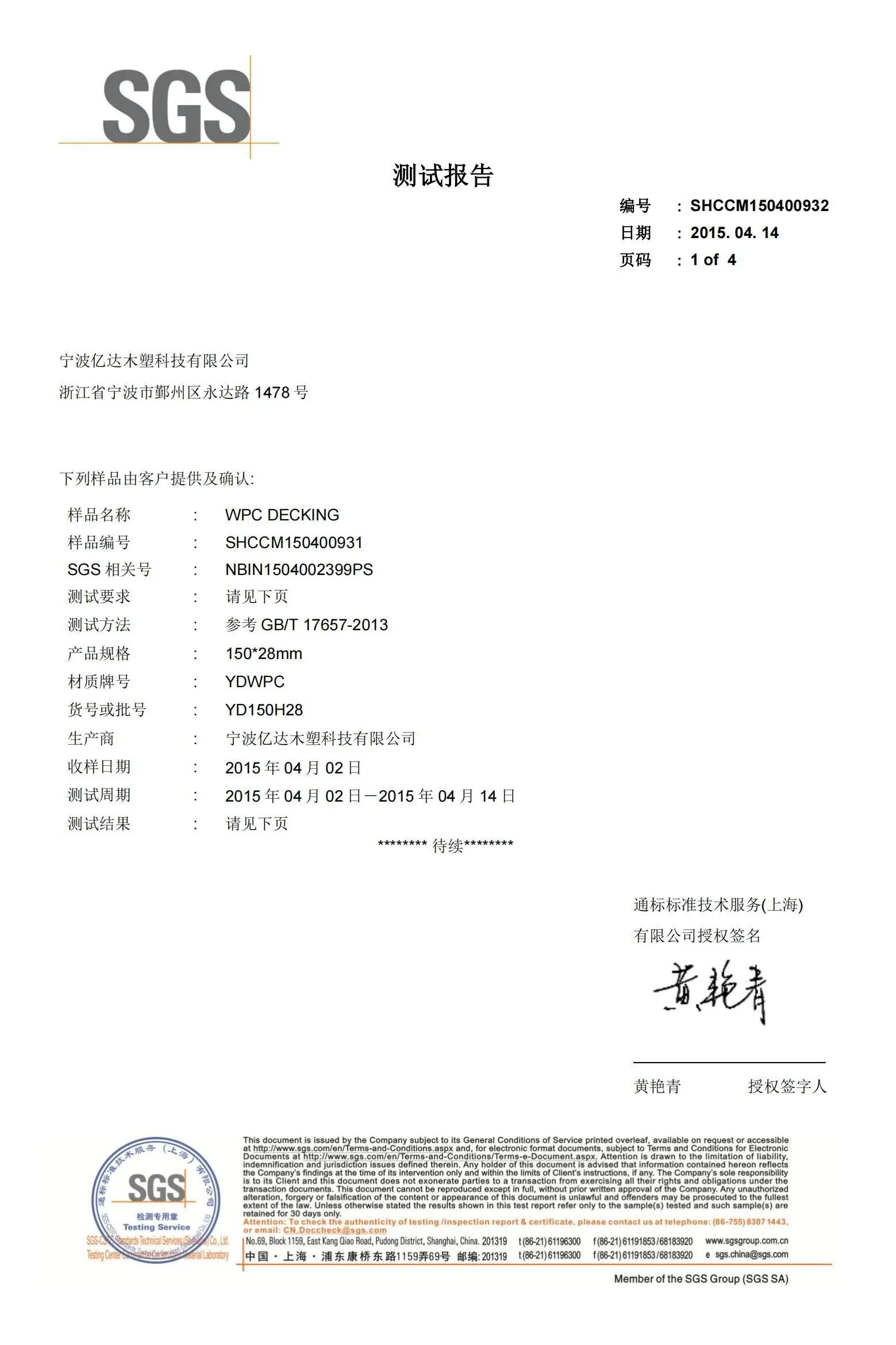
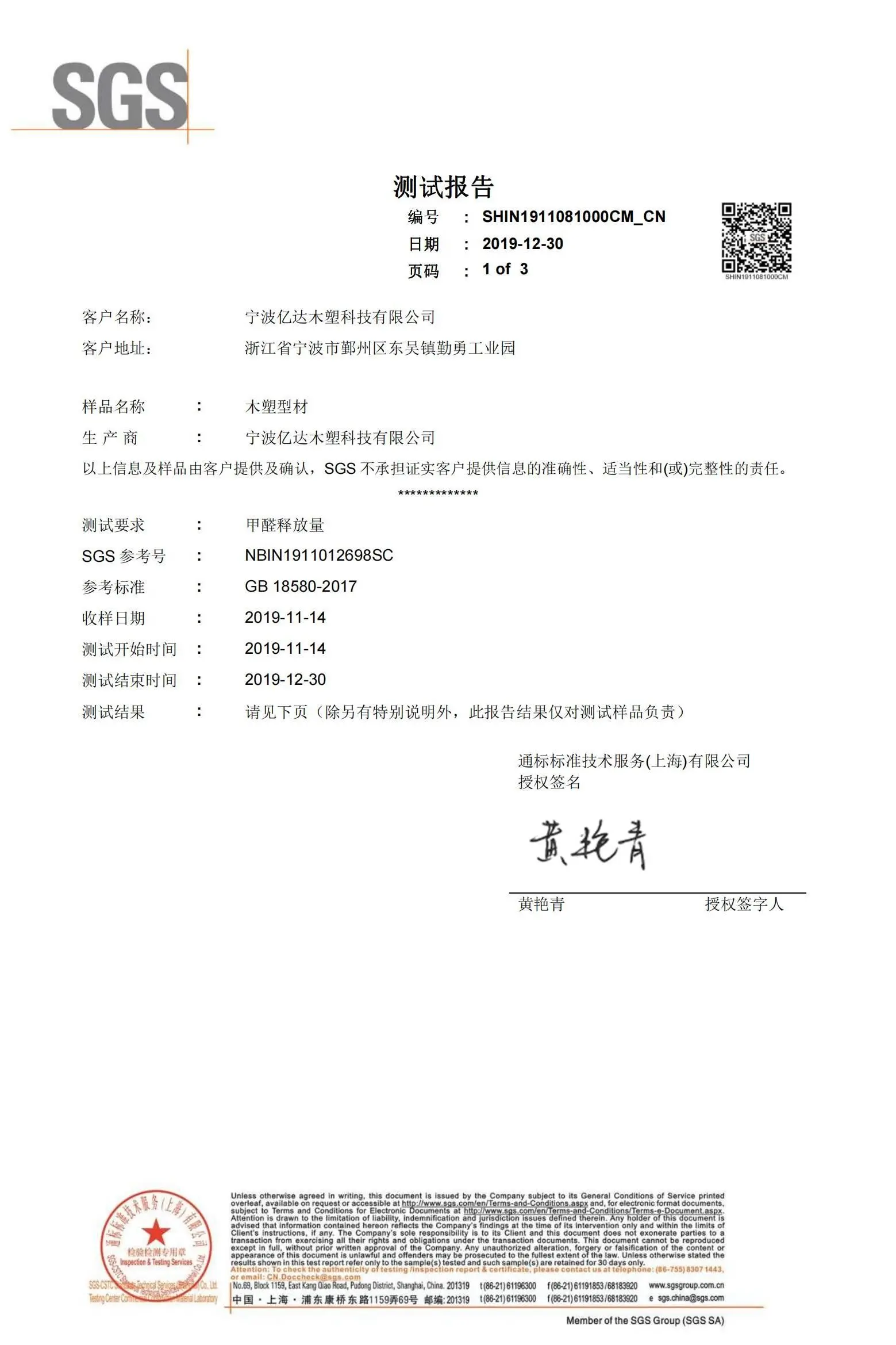
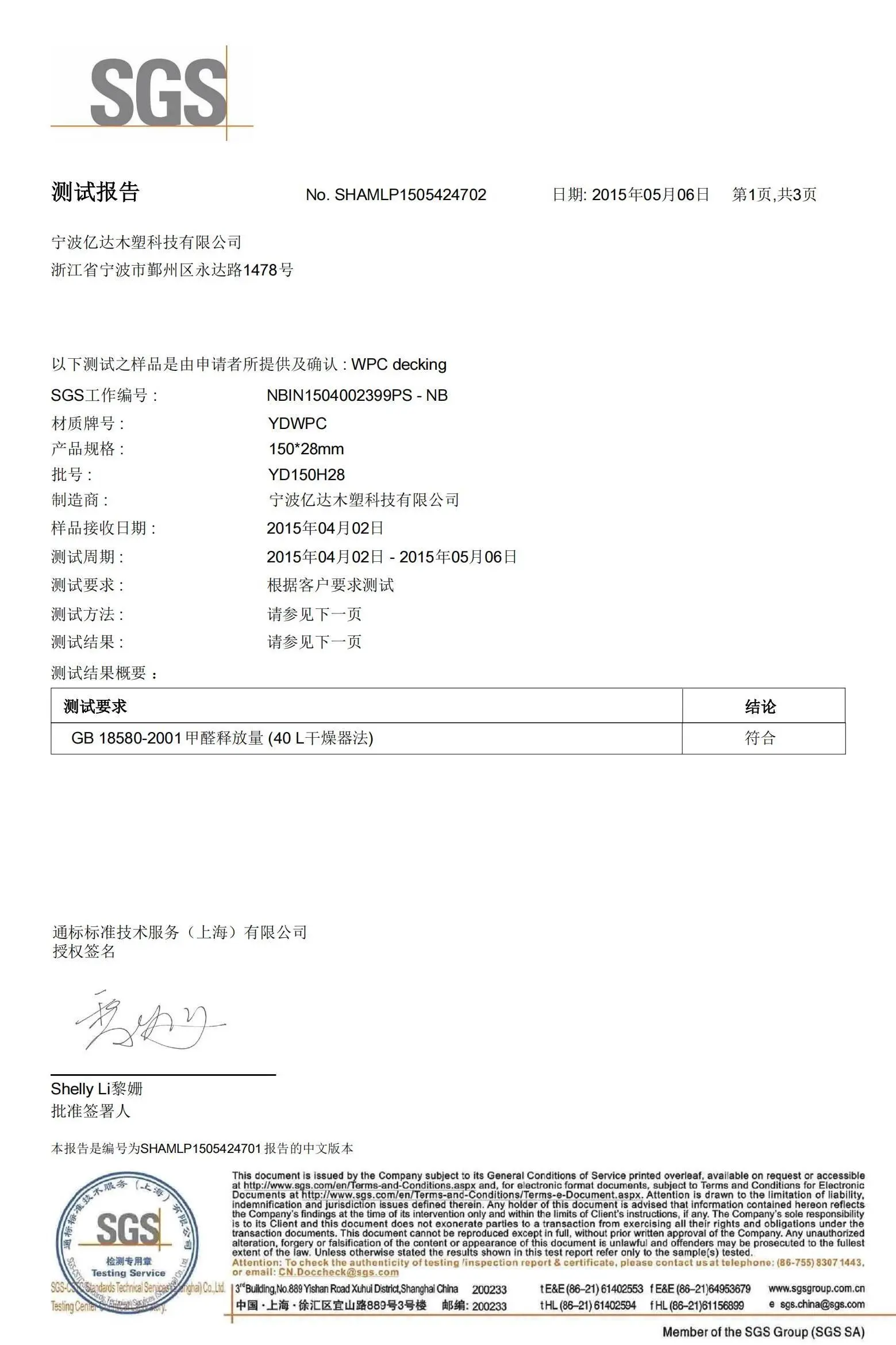
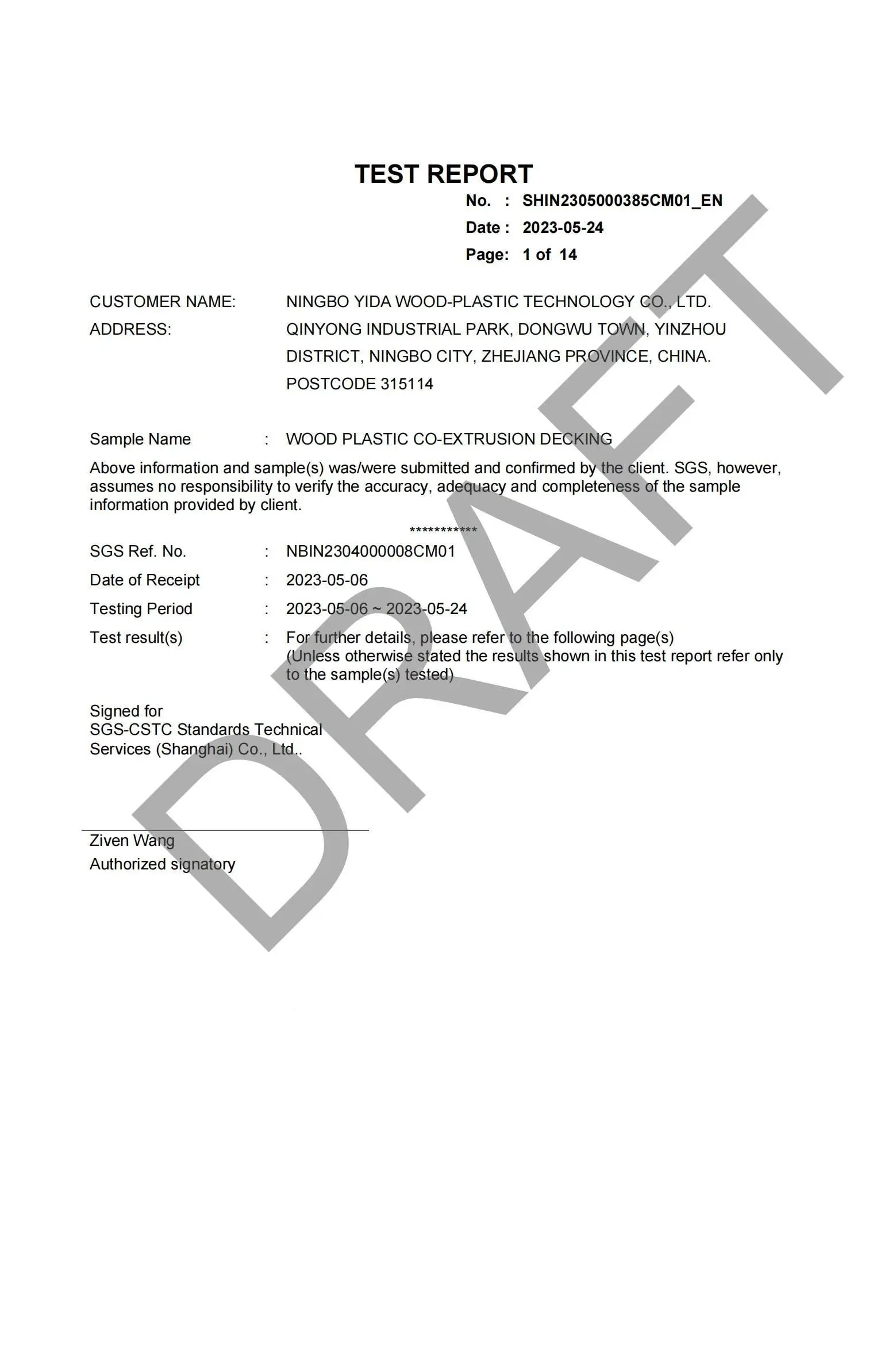
Explore Our Comprehensive Catalog of Co-extrusion Cladding, Classic Cladding, 3D Decking, and Architectural Columns
Expert Answers on WPC Material Science, Equatorial Installation Protocols, and Direct Supply to Ebebiyin
Q: What is WPC?
A: WPC stands for Wood Plastic Composite. It is an innovative composite material made from a precise blend of recycled natural wood fibers/flour and thermoplastics (such as high-density polyethylene, HDPE). This creates a finished profile that maintains the warm appearance and feel of real timber while providing superior physical durability, zero splintering, and minimal lifetime maintenance.
Q: What is the main structural benefit of 360° Co-Extrusion Cladding for Ebebiyin's climate?
A: Second-generation co-extrusion cladding features an outer polymer cap engineered with advanced UV absorbers and hydrophobic fluorocarbon compounds. In Ebebiyin's high-humidity equatorial rainforest environment, this cap completely seals the inner core, eliminating water penetration, surface mold growth, termite attack, and rapid color bleaching caused by intense solar radiation.
Q: Is WPC environmentally friendly?
A: Yes. Our WPC products are eco-friendly because they utilize reclaimed wood waste and high-grade recycled plastics, preventing deforestation of regional African timber reserves. Furthermore, because WPC requires no toxic chemical staining or petroleum-based sealers throughout its life, its long-term carbon footprint is dramatically lower than traditional softwoods.
Q: What is the difference between WPC and pure plastic (PVC) cladding or decking?
A: While both are low-maintenance, WPC contains a high proportion of dense wood fibers (60%), giving it superior flexural modulus, lower thermal expansion, and an authentic wood grain texture. Pure plastic/PVC decking often looks synthetic, softens excessively under intense tropical direct heat, and exhibits higher coefficient of thermal expansion.
Q: How does WPC cladding perform during Ebebiyin's heavy monsoon seasons?
A: WPC co-extrusion cladding has a water absorption rate under 0.4% (over 20x lower than solid timber). Rainwater simply sheets off without penetrating the profile, preventing rot, fungal decay, and structural swelling even during months of continuous tropical rain.
Q: Does WPC cladding get hot under intense African direct sunlight?
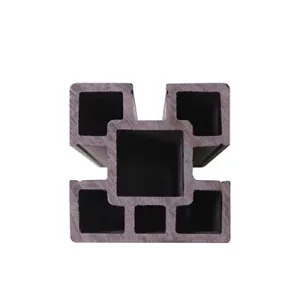
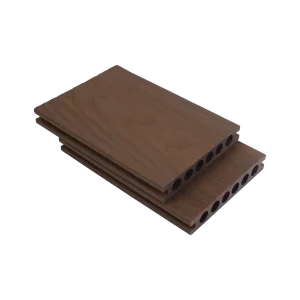
A: Exterior surfaces absorb thermal energy under sunlight. However, Ningbo Yida WPC co-extrusion profiles incorporate thermal-reflective inorganic pigments and hollow core geometry (in profiles like YD219H26) that accelerate heat dissipation, keeping building interiors cooler and reducing air-conditioning loads.
Q: Can local contractors in Ebebiyin install WPC cladding easily?
A: Yes. WPC co-extrusion profiles install using standard woodworking tools (carbide-tipped circular saws, drills) and hidden stainless steel clip systems. Our engineering team provides detailed joist spacing and thermal expansion expansion gap guidelines for seamless installation by local construction crews.
Q: Will WPC cladding or decking warp or splinter over time?
A: No. One of the core engineering benefits of our composite technology is dimensional stability. It is immune to splintering, cracking, and structural cupping, eliminating safety hazards for occupants.
Q: How are products shipped from Ningbo Yida's factory to Ebebiyin?
A: Goods are loaded into 20ft or 40ft High Cube sea containers at our Ningbo facility, shipped via direct ocean routes to the Port of Bata (or Malabo), and transported via overland freight routes directly to project sites in Ebebiyin and Kié-Ntem Province.
Q: What colors, textures, and custom lengths are available for OEM orders?
A: We offer a comprehensive suite of wood-grain textures—from deep Teak, Walnut, and Ipe to modern Charcoal Grey and Off-White. Lengths can be custom extruded up to 5.8 meters to optimize sea container loading and minimize on-site cutting waste.
Q: What warranty does Ningbo Yida provide on co-extrusion cladding?
A: Our 2nd Generation Co-extrusion cladding ranges carry a 15 to 25-year limited commercial warranty against structural defects, excessive color fading (ΔE > 3), termite attack, and material delamination.
 Yida Wood