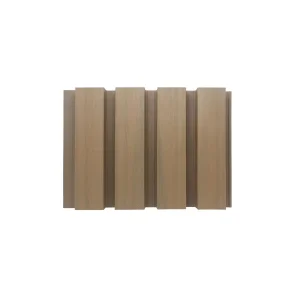
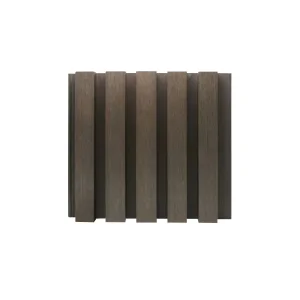
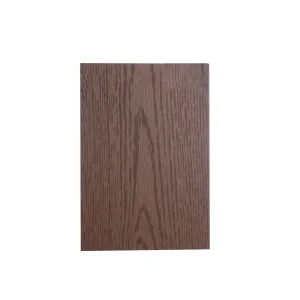
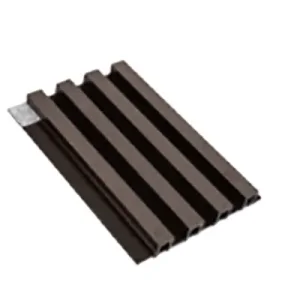
Ningbo Yida Wood Plastic Technology Co., Ltd. is a pioneer in the global wood-plastic composite industry, specializing in high-performance materials that thrive in tropical environments like Indonesia. For over a decade, we have combined the aesthetic warmth of natural timber with the indestructible resilience of polymer science.
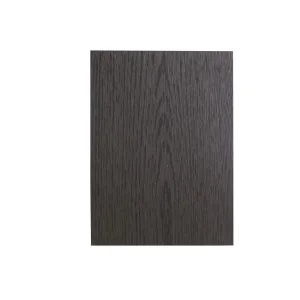
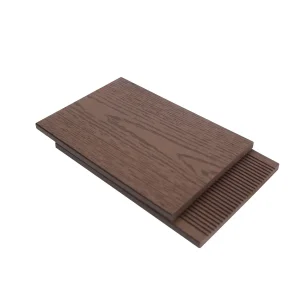
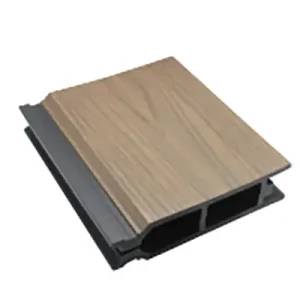
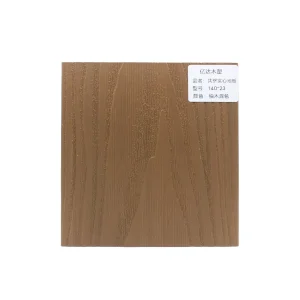
Our flagship Co-extrusion Cladding represents the pinnacle of WPC technology. Featuring a 360-degree protective shield, our products are specifically engineered to withstand Indonesia's high humidity, intense UV radiation, and termite pressure, making them the preferred choice for architects in Jakarta, Bali, and Surabaya.
As Southeast Asia's largest economy, Indonesia is undergoing a massive infrastructure transformation. From the development of the New Capital City (IKN) in East Kalimantan to the luxury resort booms in Lombok and Labuan Bajo, the demand for sustainable, low-maintenance building materials has reached an all-time high. Traditional wood, while beautiful, often fails within years due to the relentless humidity and aggressive tropical termites. This is where WPC Co-extrusion Cladding becomes the definitive solution.
The industrial landscape in Indonesia is shifting towards "Green Architecture." Major developers in BSD City and Alam Sutera are now prioritizing materials that offer LEED certification potential. Ningbo Yida's products are designed with recycled fibers and HDPE, aligning perfectly with Indonesia's national commitment to carbon reduction and sustainable development (SDGs).
Furthermore, the hospitality sector in Bali has pioneered the use of Co-extrusion technology. Beachfront properties require materials that can resist salt-spray corrosion and constant sun exposure without fading or warping. Our co-extruded outer layer provides a non-porous surface that prevents mold growth—a common headache for property managers in Ubud and Seminyak.
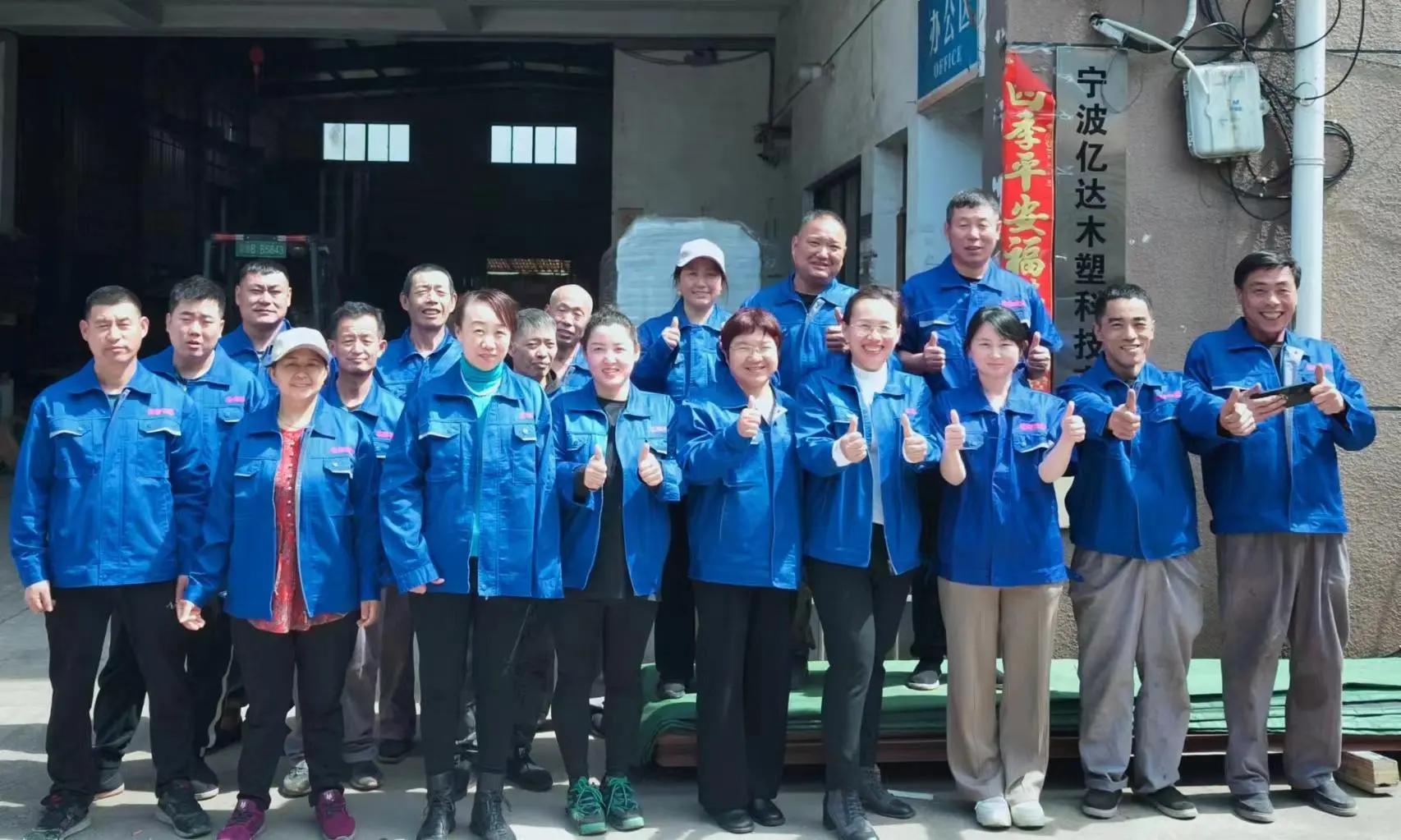
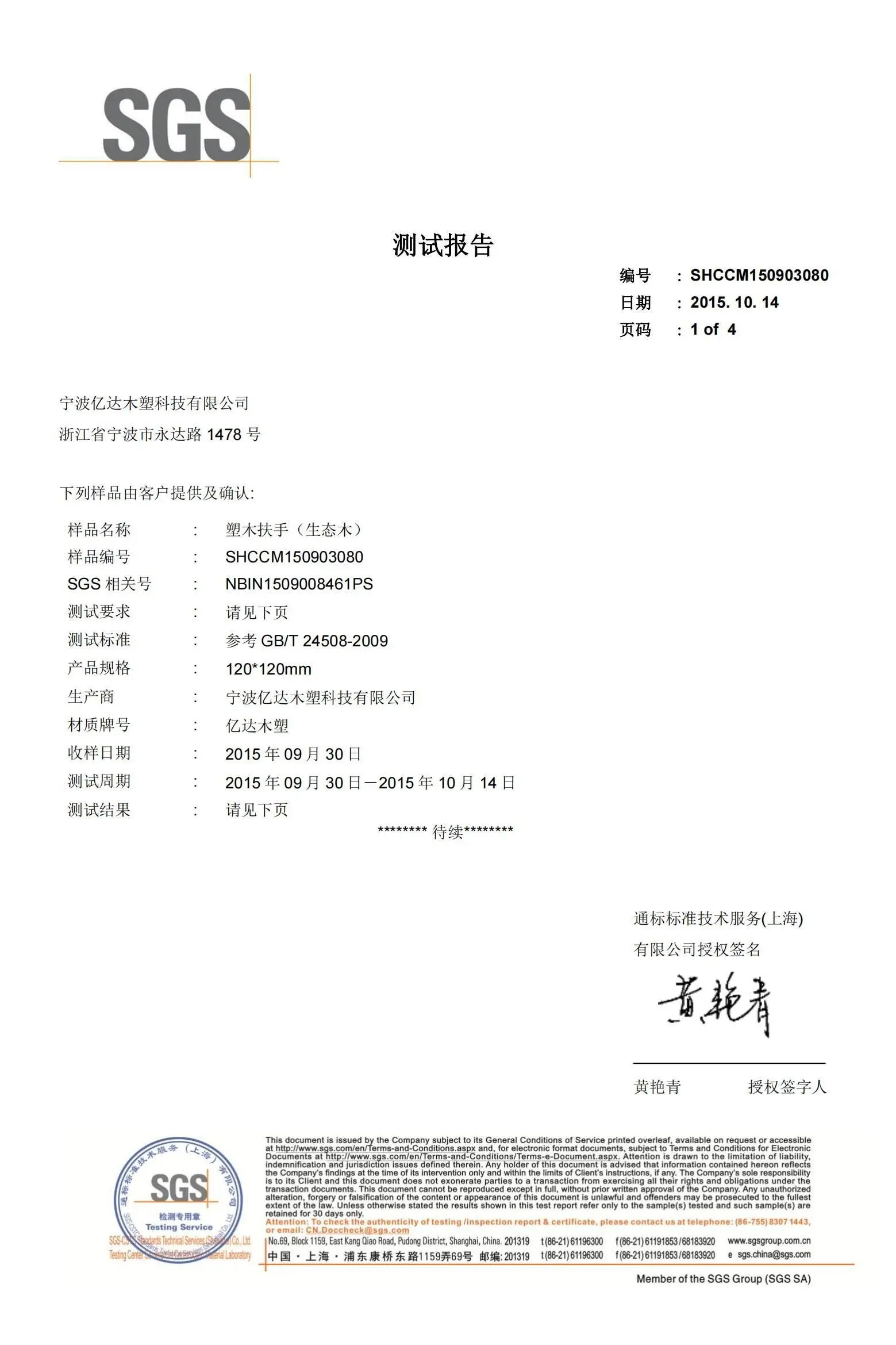
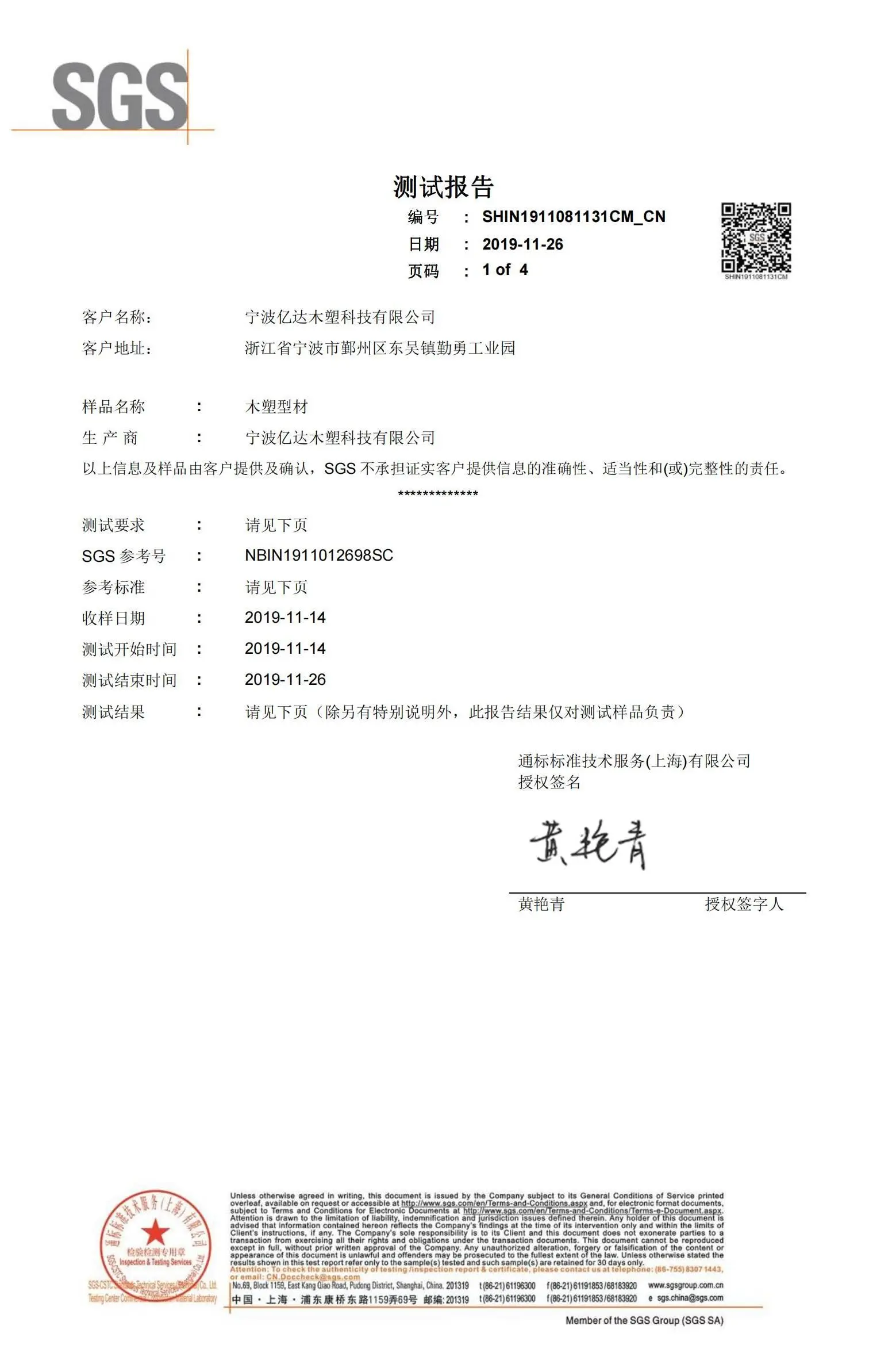
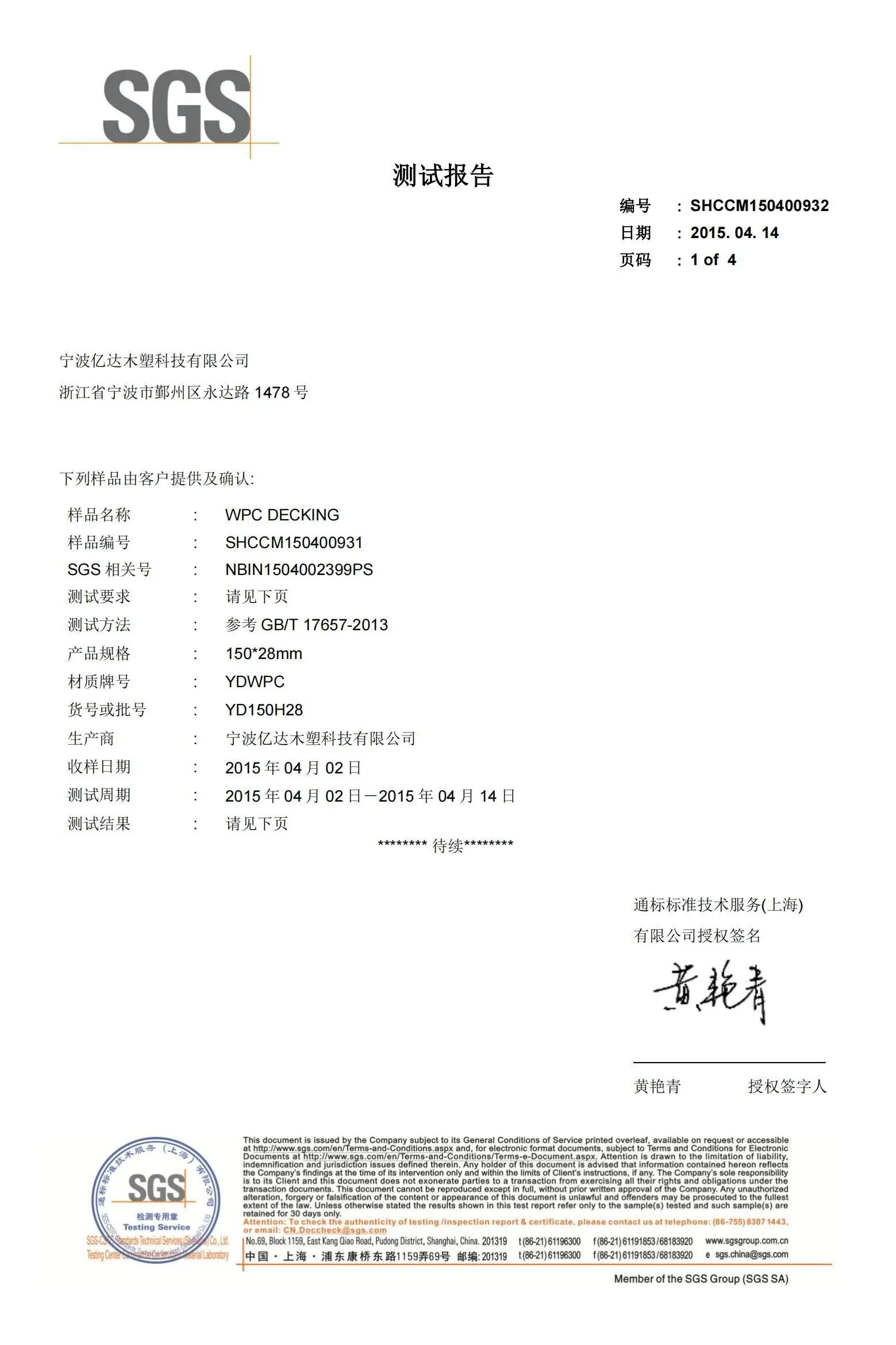
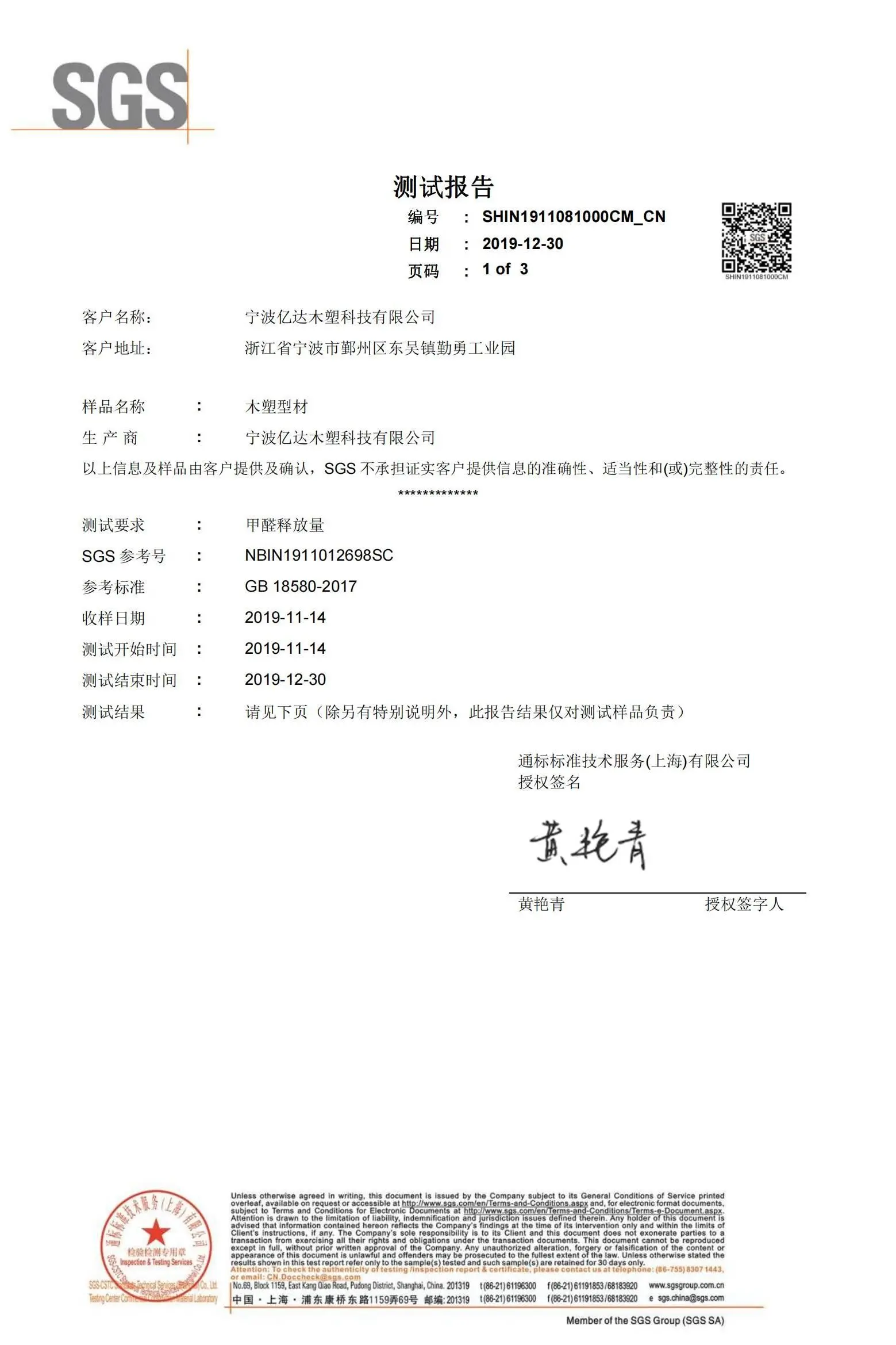
Our dedicated service teams now support local Indonesian distributors and contractors, providing technical guidance for large-scale municipal projects, including public boardwalks and educational facility facades. By choosing Yida, Indonesian partners gain access to international quality standards (CE, ISO, SGS) tailored for local climatic demands.
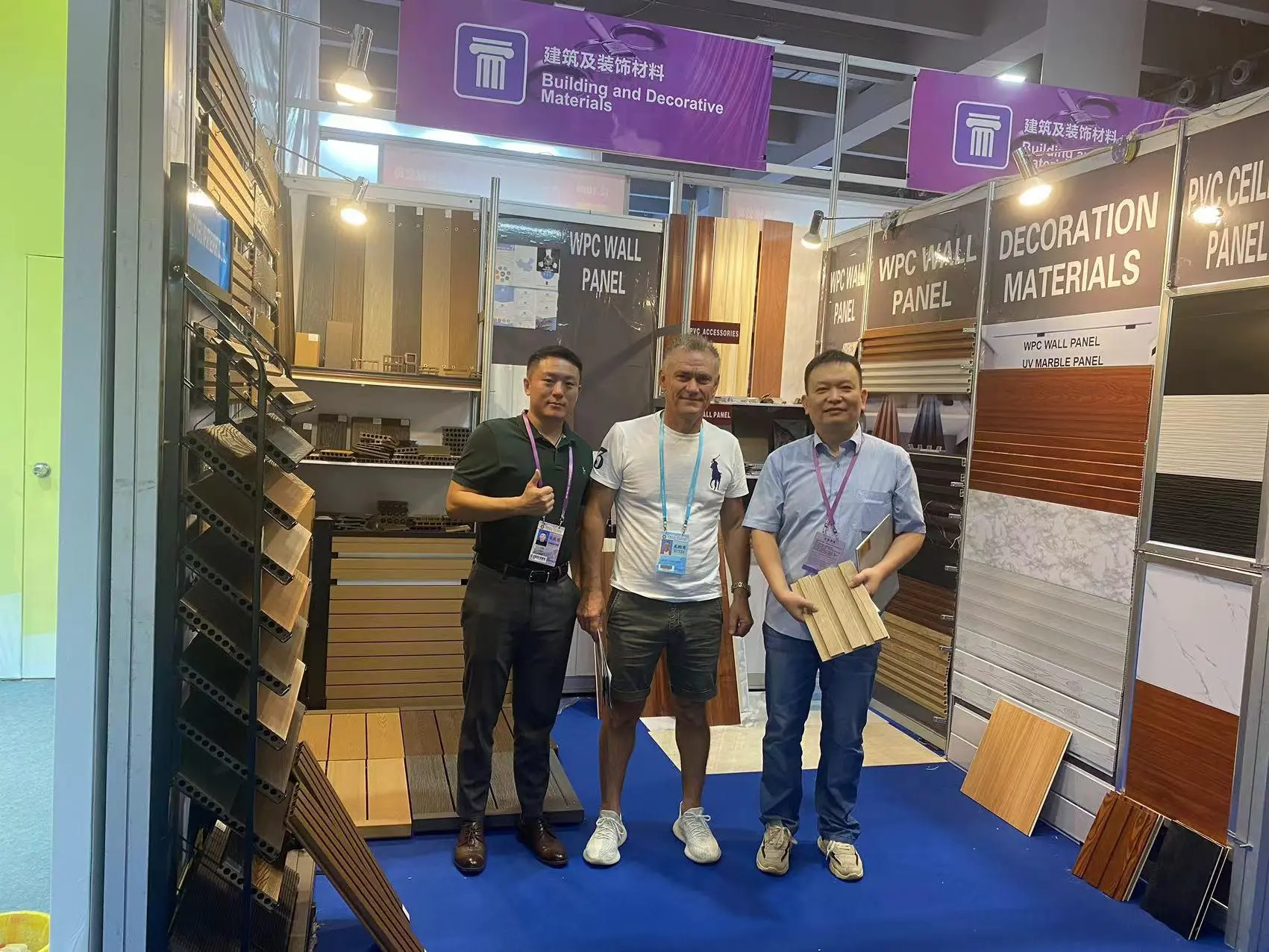
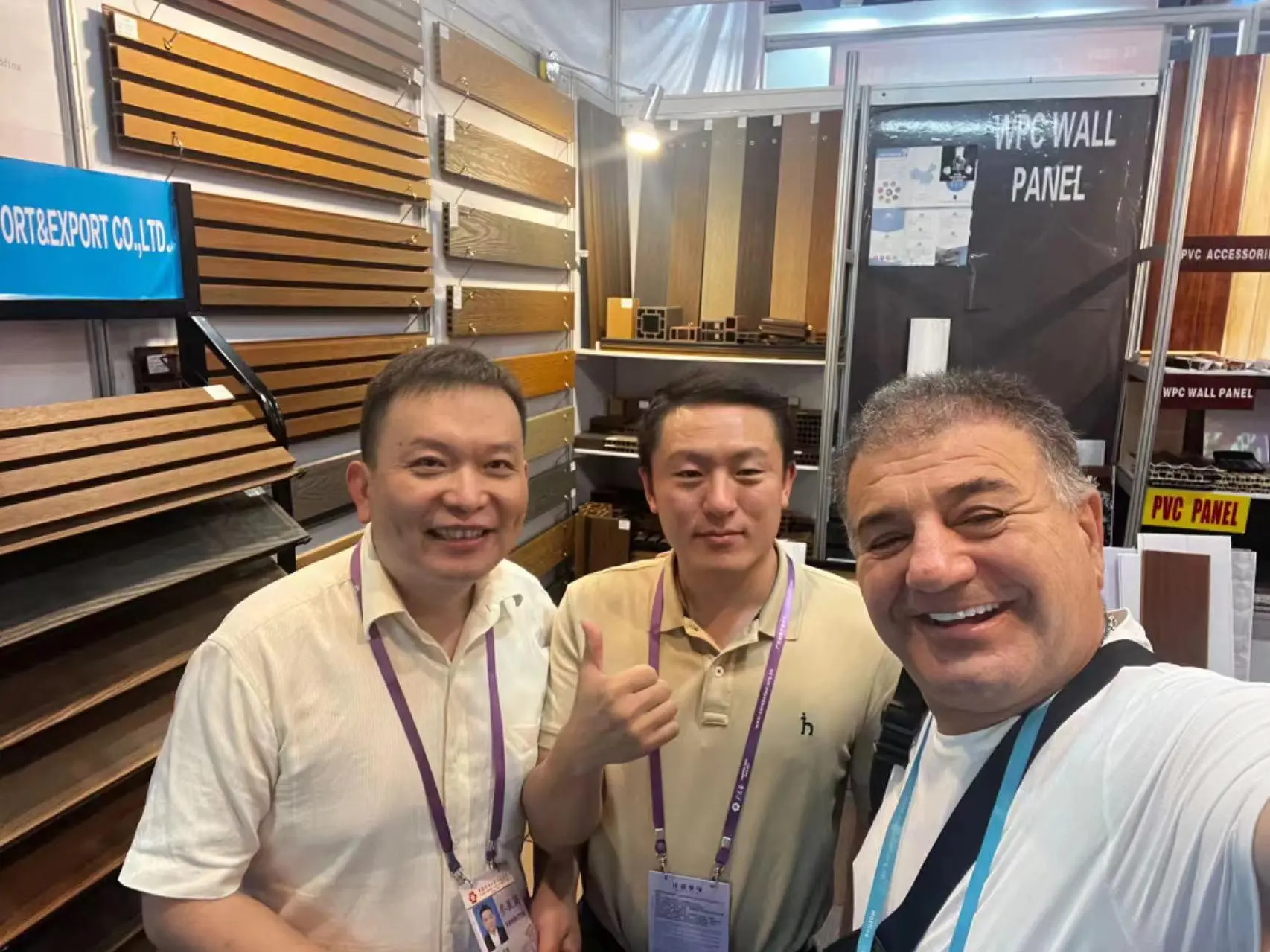
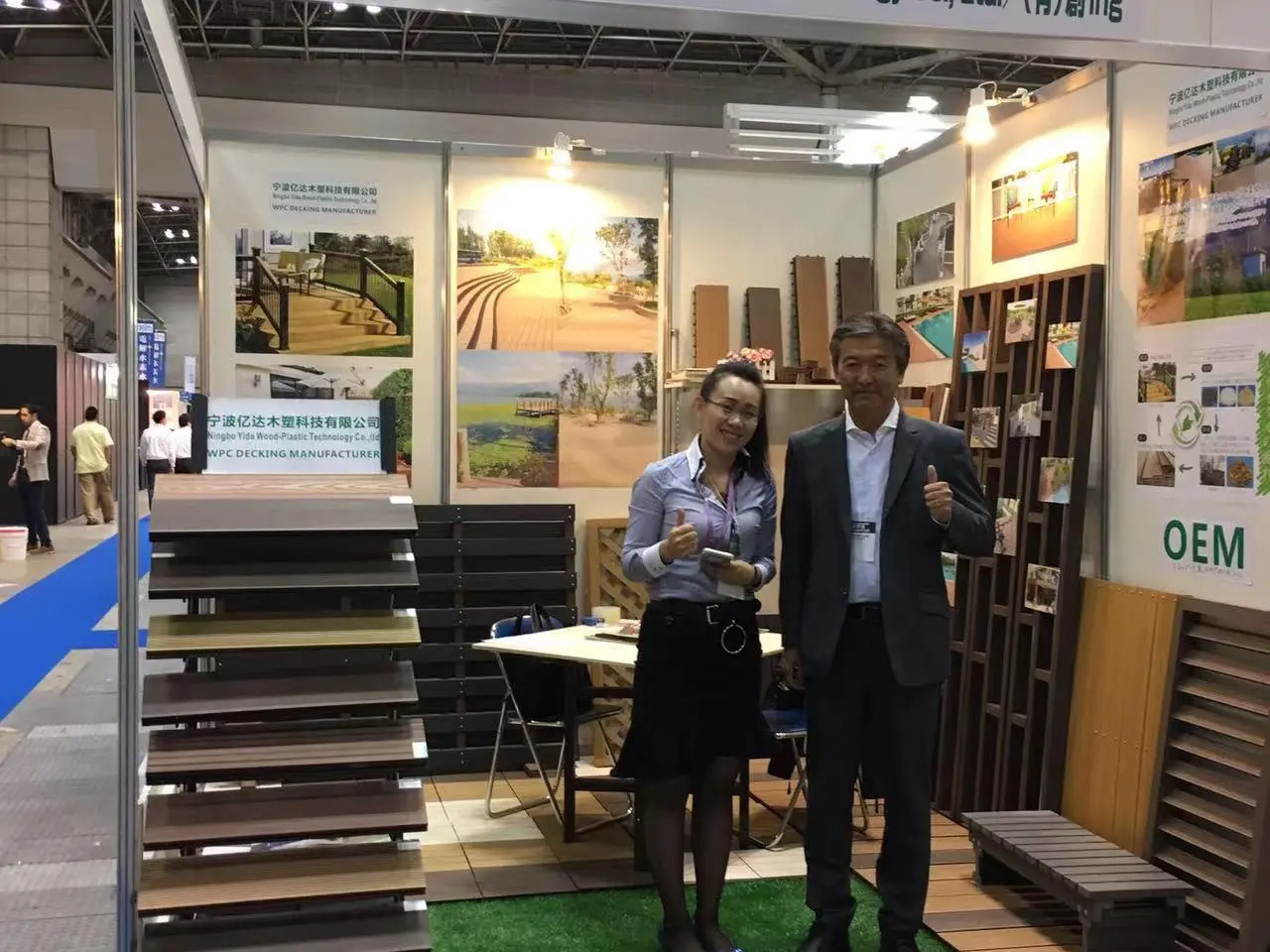
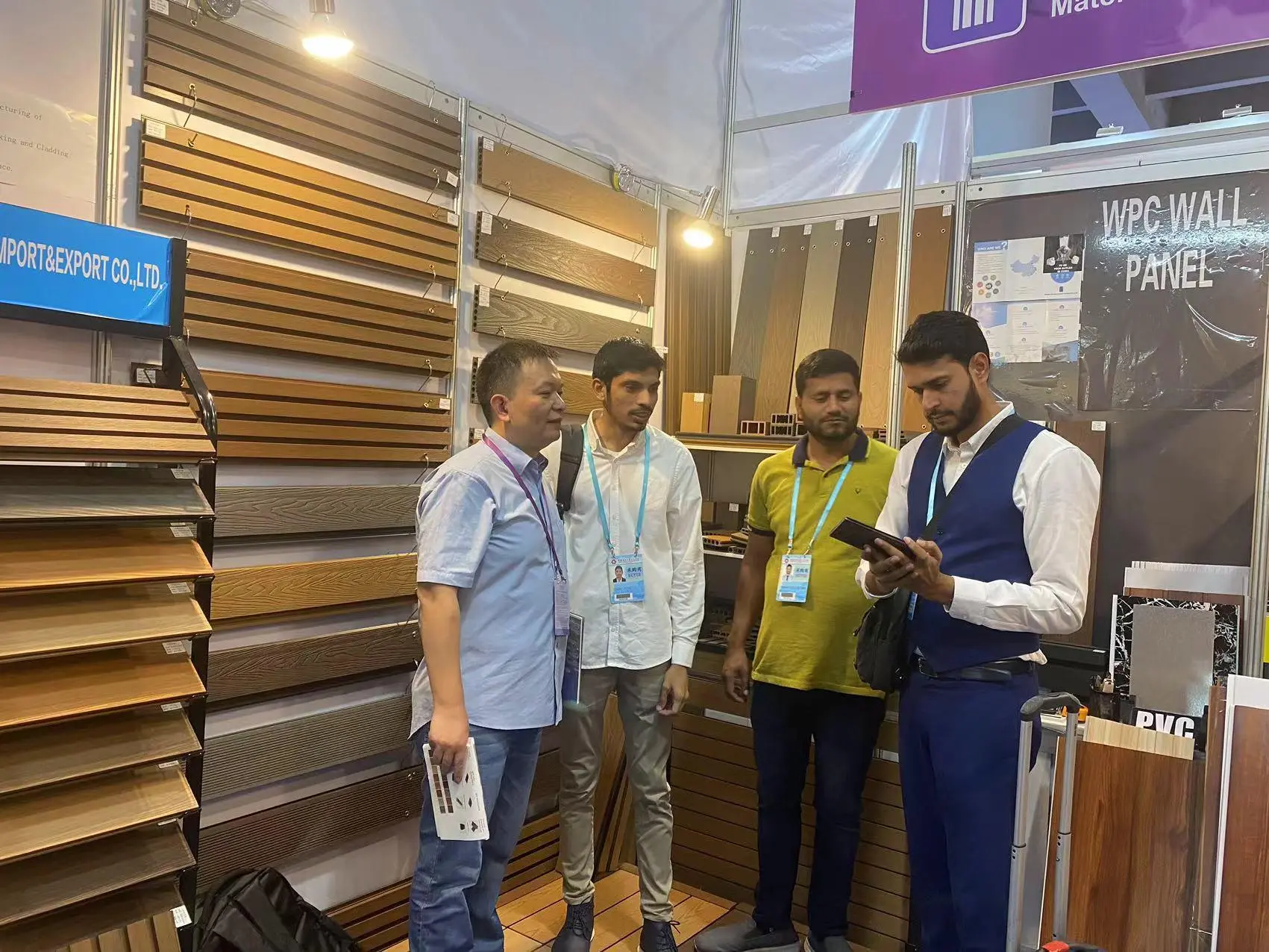
At Ningbo Yida, we don't just manufacture products; we engineer long-term solutions. Our facility is equipped with state-of-the-art extrusion lines that ensure consistent density and color matching across thousands of square meters. This industrial capacity is vital for large-scale Indonesian projects like hospital expansions and university campus developments.
Our professional R&D team continuously tests our materials against "Accelerated Weathering" standards, simulating decades of tropical sun and rain in weeks. This ensures that every plank delivered to Surabaya, Medan, or Makassar performs as promised.
A: Indonesia's high UV index and humidity can cause standard WPC to fade or absorb moisture over time. Co-extrusion features an outer "shield" that is 100% waterproof and UV-resistant, ensuring the color stays vibrant for 25+ years even in direct Jakarta sun.
A: Yes. Unlike natural wood, WPC (Wood Plastic Composite) contains HDPE which is not a food source for termites. It is an ideal replacement for timber in tropical regions where termite infestation is common.
A: Not at all. Our WPC can be cut, drilled, and sanded using standard woodworking tools. We provide hidden clip systems that allow for fast, aesthetic installation on aluminum or galvanized steel joists.
A: Due to the non-porous shield of our co-extruded cladding, dust and grime don't stick easily. A simple wash with water and mild soap is enough to keep it looking new—no staining or oiling required.
A: While all outdoor materials absorb heat, our advanced formulas include heat-reflective pigments that keep the surface temperature lower than traditional dark wood or pure plastic alternatives.
 Yida Wood