Ningbo Yida Wood Plastic Technology Co., Ltd.
UV Resistant for NZ Sun
Structural Warranty
Recycled Materials
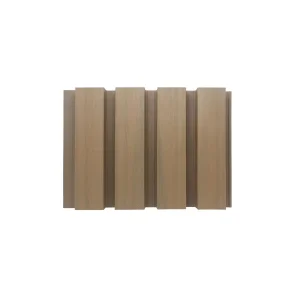
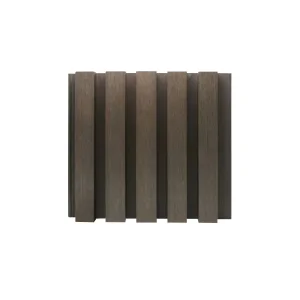
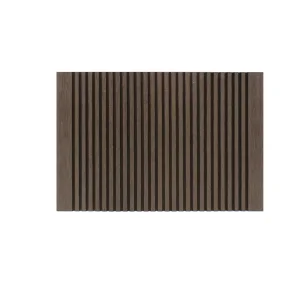
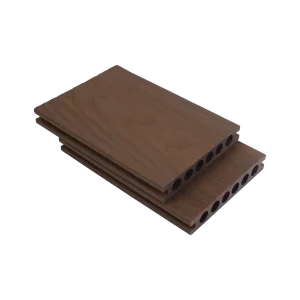
New Zealand presents one of the most challenging environments for building materials globally. With extreme UV levels, high salt content in coastal regions like Auckland and Tauranga, and significant moisture levels in the South Island, traditional timber cladding often requires intensive maintenance. This is where WPC Co-extrusion Cladding has emerged as the premier choice for Kiwi homeowners and commercial developers.
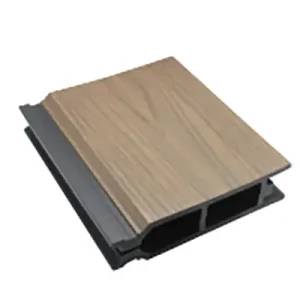
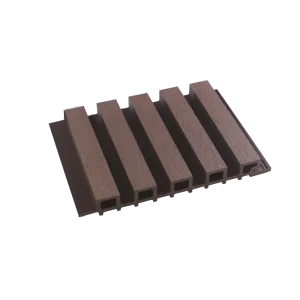
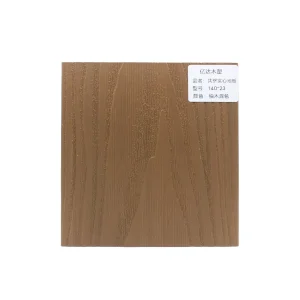
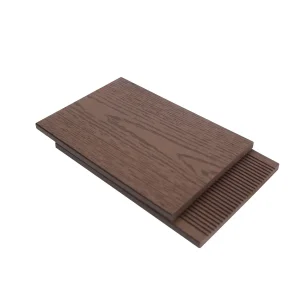
Unlike first-generation composites, our Co-extrusion (or "capped") technology features a 360-degree protective shield. This high-tech outer layer is engineered to resist the harsh Southern Hemisphere sun, preventing the fading and "chalking" often seen in inferior products. In the New Zealand industrial context, this means lower lifecycle costs for municipal projects and high-end residential builds.
As New Zealand moves towards more sustainable building practices, architects are increasingly specifying WPC. Our materials align with the country’s strong encouragement of sustainable development by utilizing recycled wood fibers and high-density polyethylene. This reduces the reliance on chemically treated timber (like H3.2 or H5 radiata pine), which can leach toxins into the pristine NZ soil.
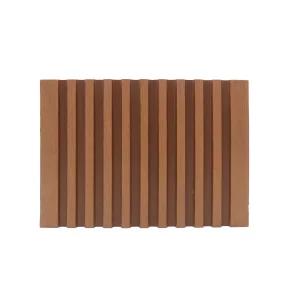
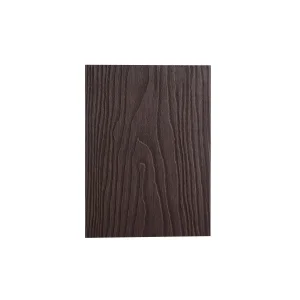
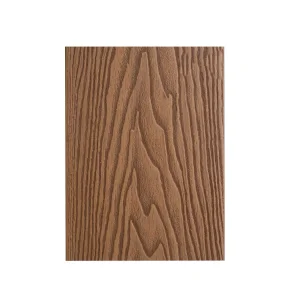
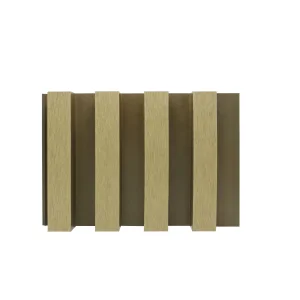
From the modern baches of the Coromandel to the urban apartments in Wellington, WPC Co-extrusion Cladding provides the aesthetic of natural timber without the risk of rot or warping. In commercial sectors, such as medical institutions and educational facilities in Christchurch and Dunedin, the slip-resistant and splinter-free nature of our WPC decking and cladding ensures public safety and long-term durability.
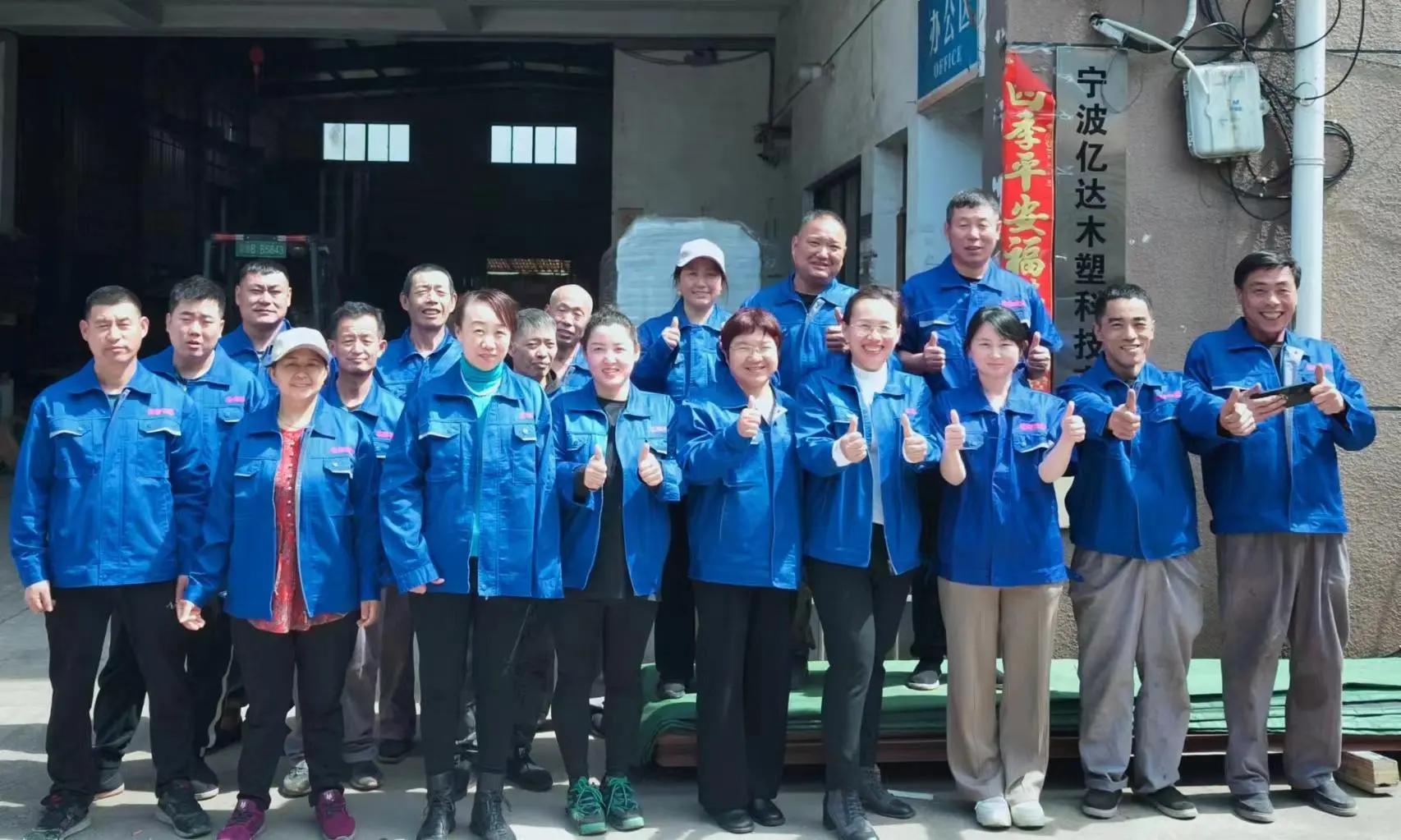
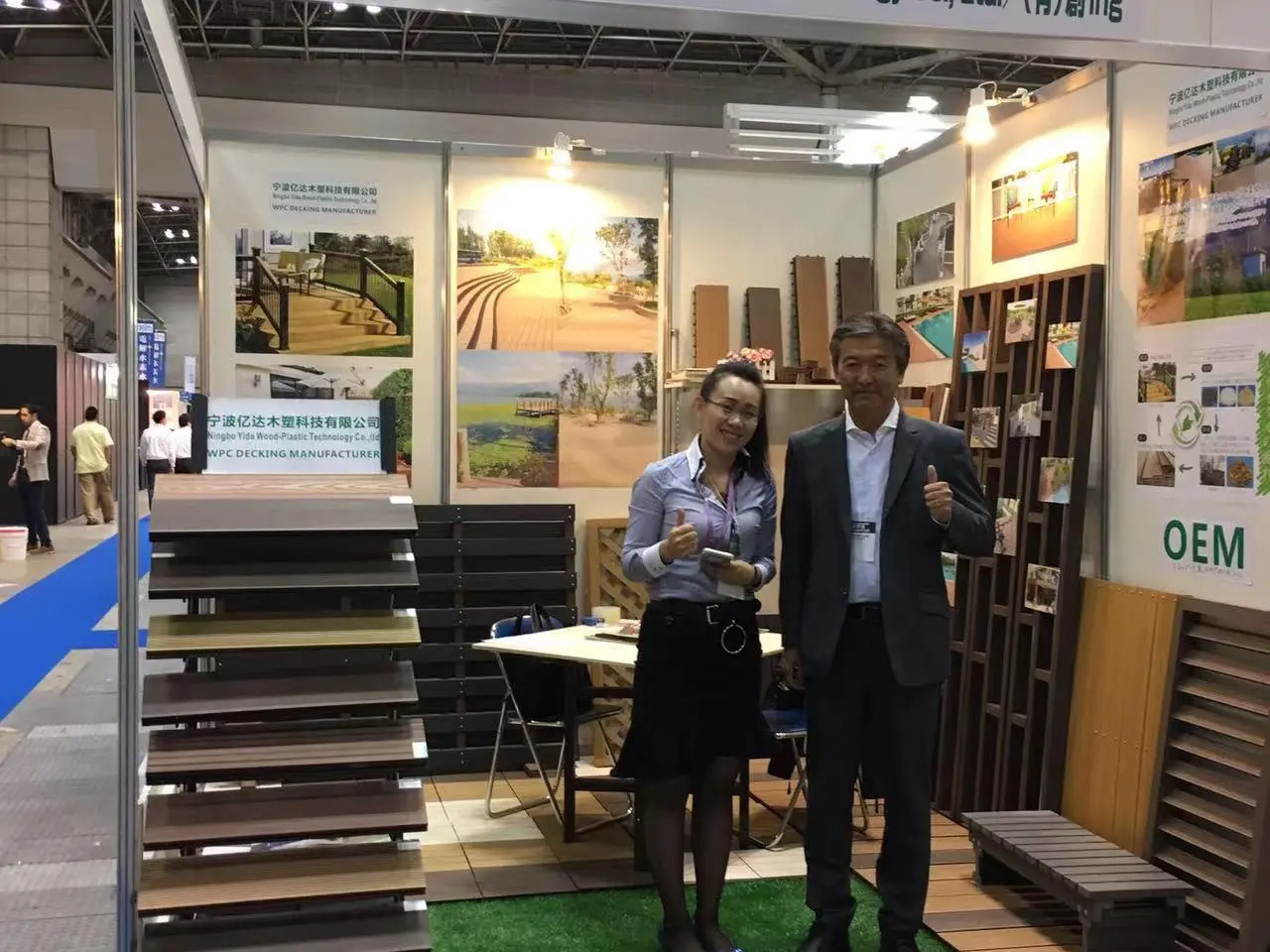
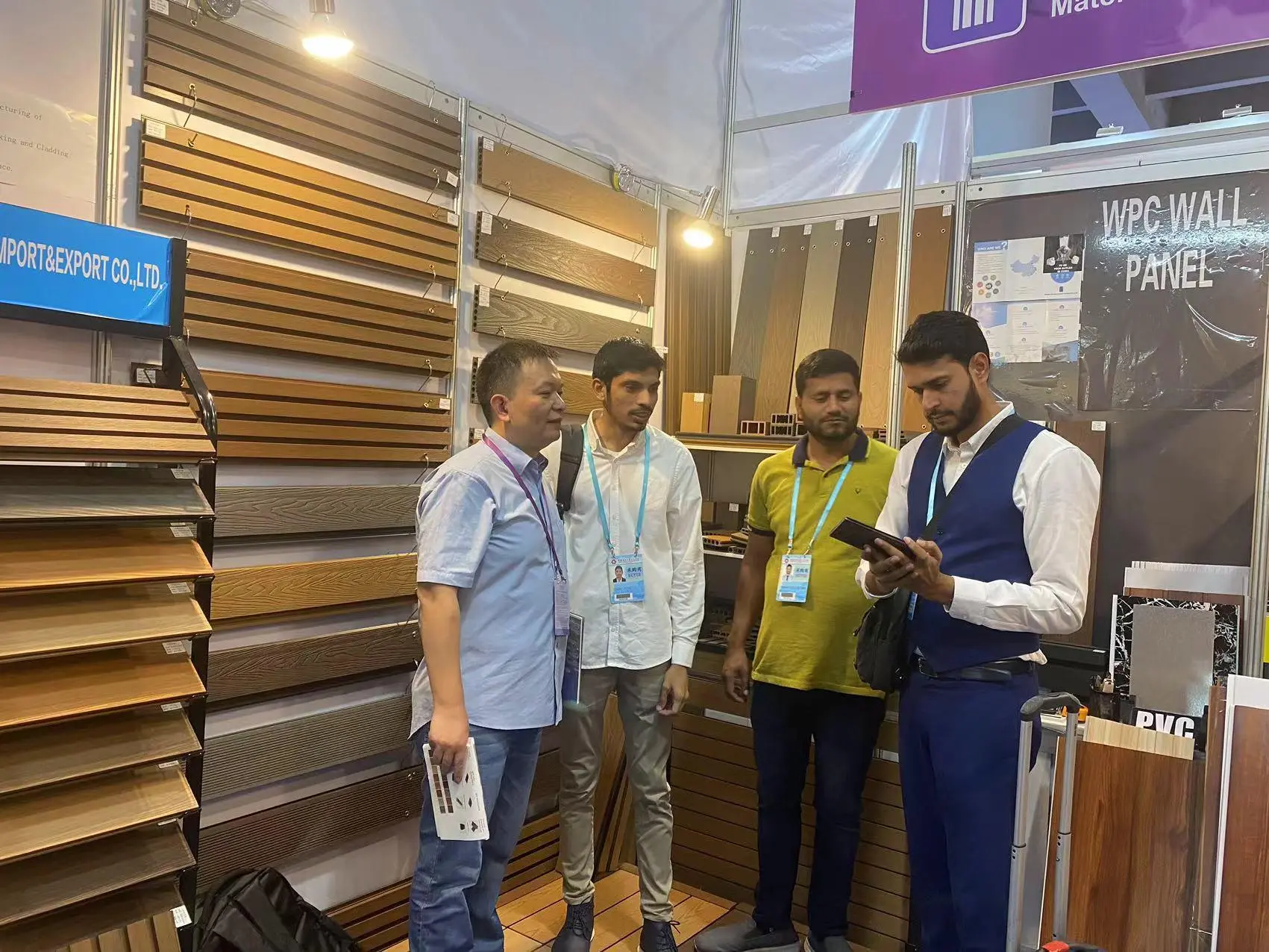
At Ningbo Yida, we have invested in advanced production technology and established a professional team dedicated to product research and development, manufacturing, sales, after-sales service and construction.
Our commitment to providing professional services and construction to major universities and hospitals reflects our commitment to contributing to important public infrastructure.
We have successfully completed numerous large-scale engineering projects, demonstrating the reliability and versatility of our wood plastic composite materials.
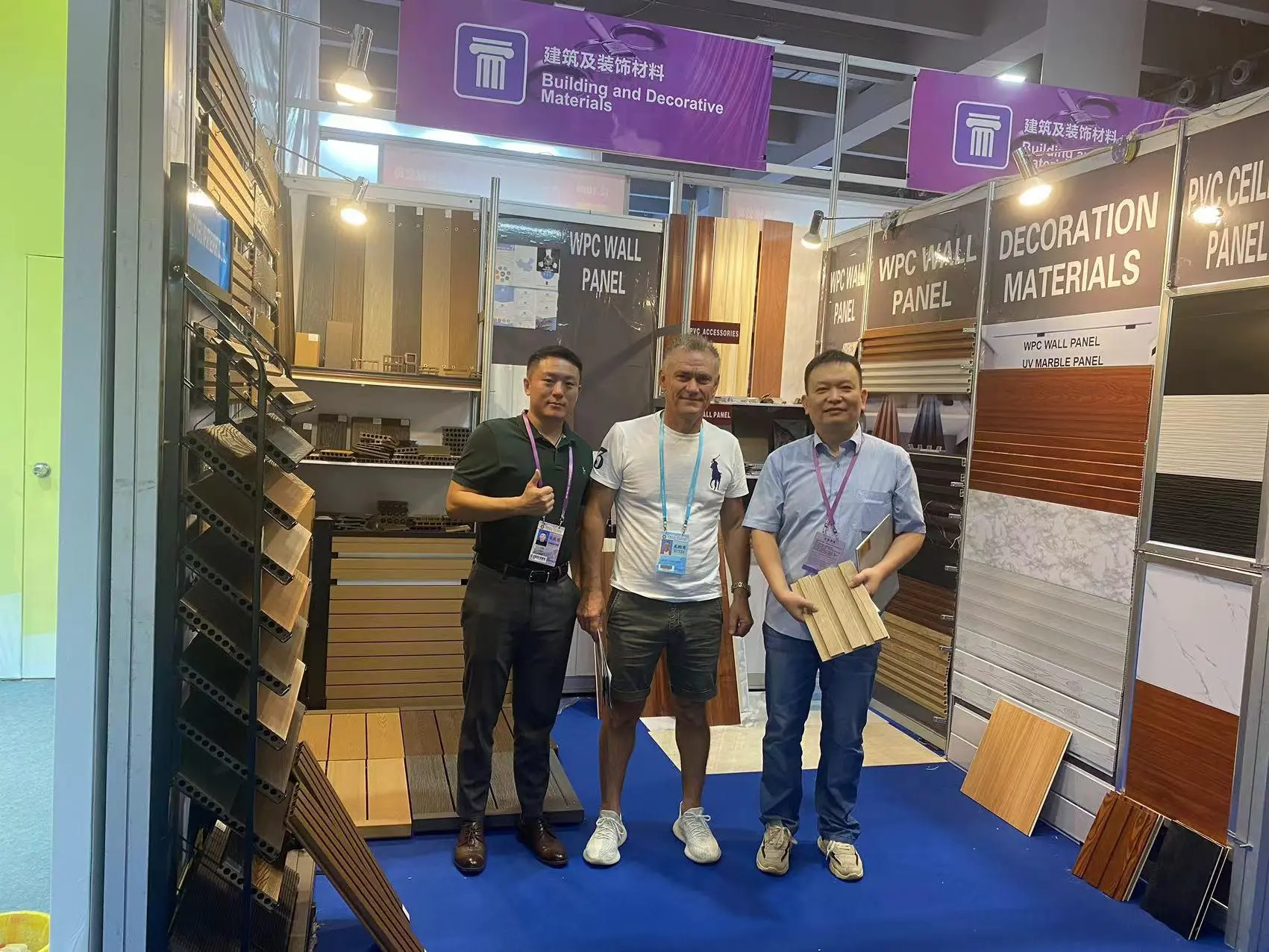
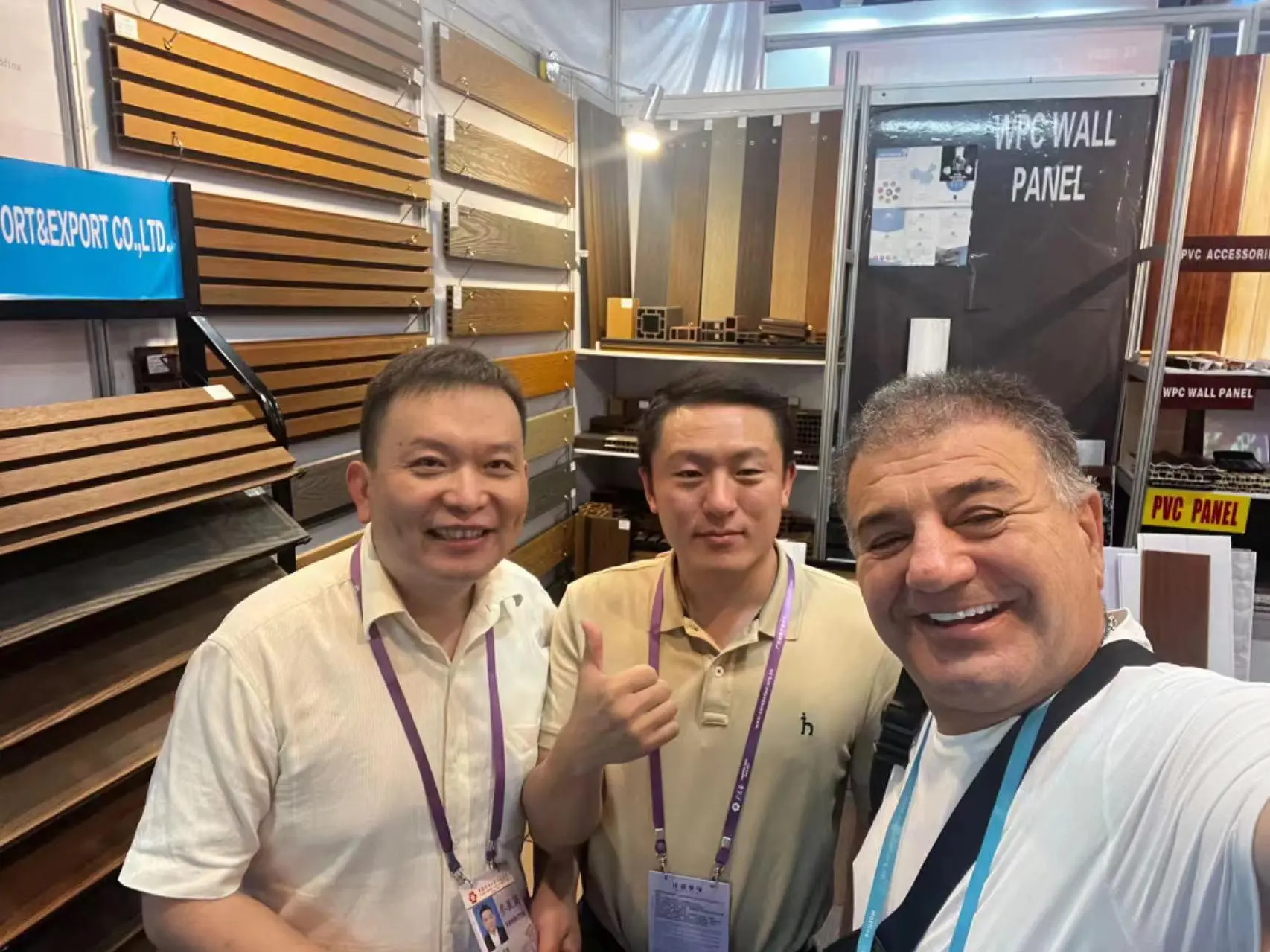
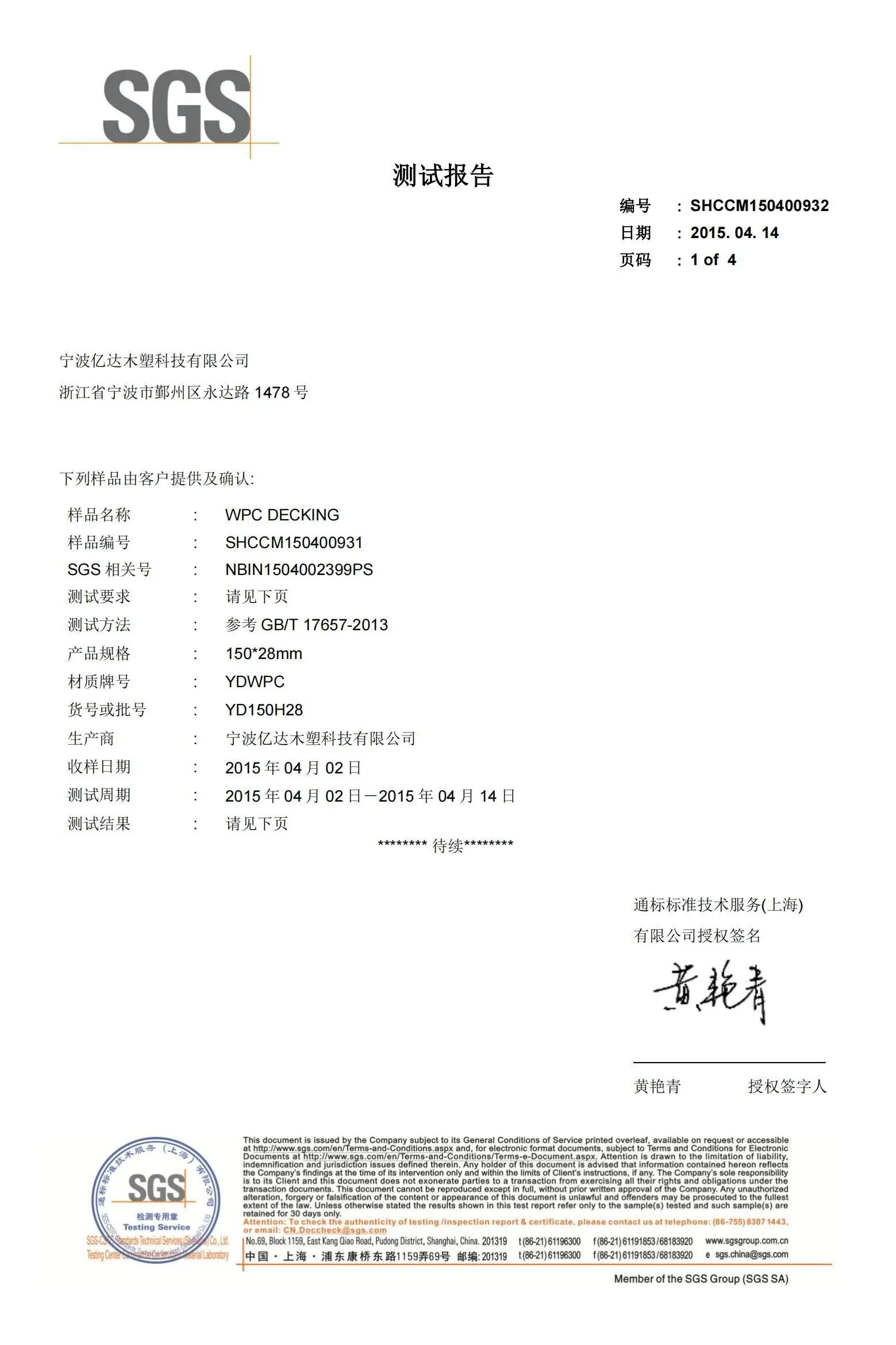
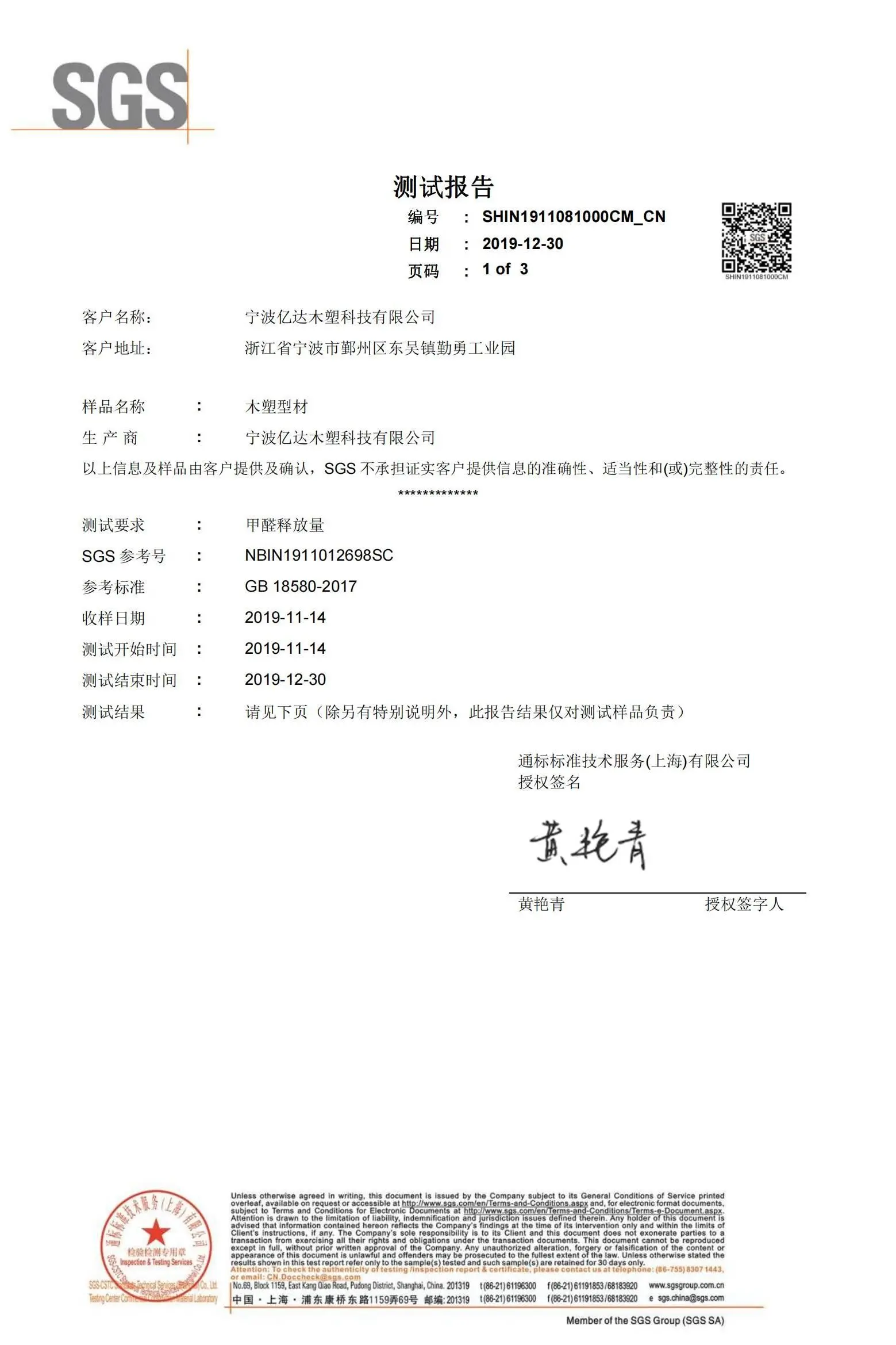
WPC stands for Wood Plastic Composite. In NZ, where UV and moisture are high, WPC offers the look of timber but won't rot, warp, or require annual staining. It's an innovative material made from a blend of recycled wood fibers and thermoplastics.
Yes. Our products are eco-friendly, made from reclaimed wood waste and recycled plastics, reducing landfill waste and the need for virgin timber—perfect for NZ's clean, green image.
WPC is highly resistant to moisture and decay. It is also resistant to freezing and thawing cycles, so it won't crack or splinter in frosty conditions like those in Queenstown or Central Otago.
Maintenance is incredibly easy. Simply sweep away debris and occasionally wash with mild soap. Unlike natural wood, WPC never requires sanding, staining, or sealing.
Contact our expert team today for a customized quote and technical consultation.
 Yida Wood