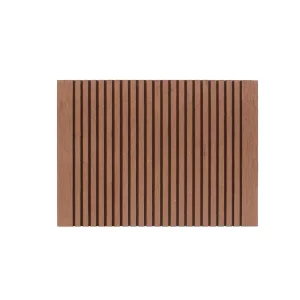
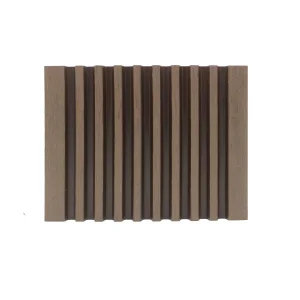
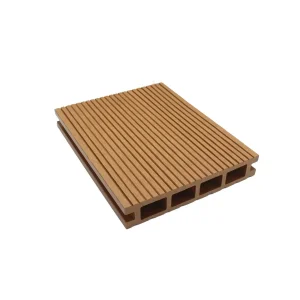
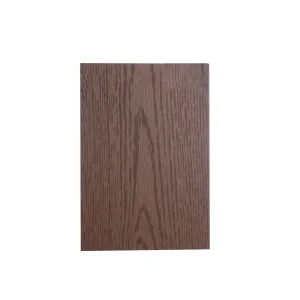
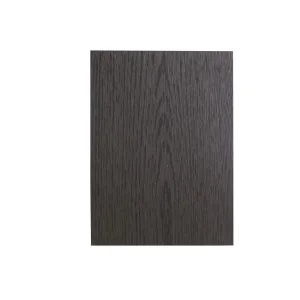
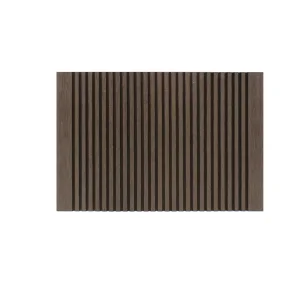
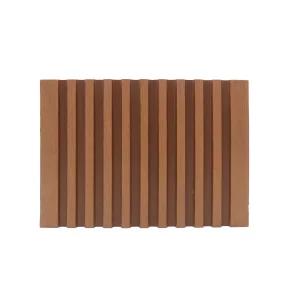
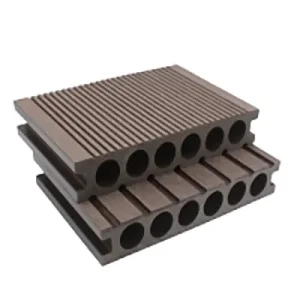
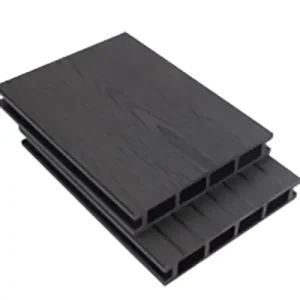
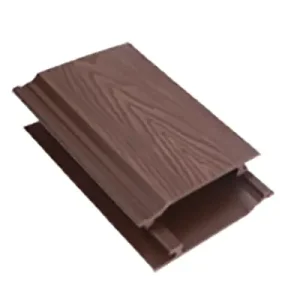
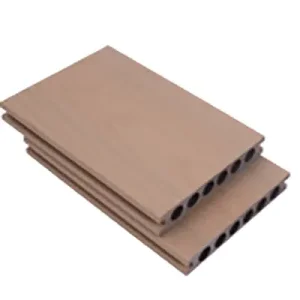
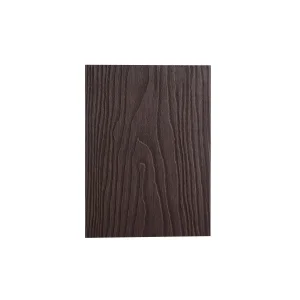
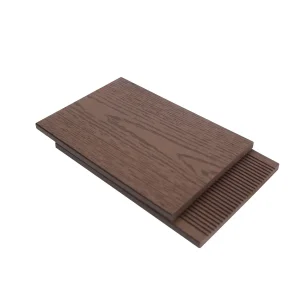
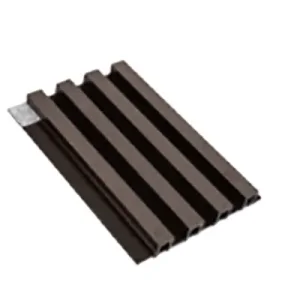
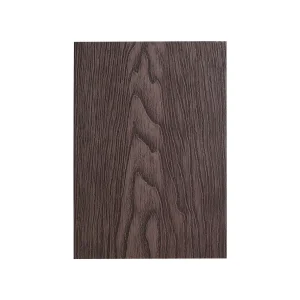
High-integrity classic WPC decking profiles optimized for severe UV exposure and structural loading.
In the architectural and civil construction sectors of Western Australia, material selection is dictated by the realities of a unique, demanding climate. Perth, characterized by its extreme UV radiation indexes, saline sea winds, and drastic seasonal shifting, presents a challenging environment for traditional timber construction. Historically, jarrah and imported hardwood species were the regional standard for deck construction. However, rising maintenance costs, rapid degradation, and structural instability under thermal stress have pushed Perth builders, commercial developers, and public project planners toward engineered composite solutions.
Classic Wood-Plastic Composite (WPC) decking represents a major technology in this transition. By fusing refined wood fibers with recycled high-density polyethylene (HDPE) resins and structural additives, classic WPC decking profiles provide a durable barrier against rot, splintering, and structural breakdown. This whitepaper analyzes the local factors driving WPC adoption across Perth's residential, commercial, and municipal projects, outlining how modern manufacturing supply chains connect direct-to-factory Chinese engineering with Australia's building codes and compliance framework.
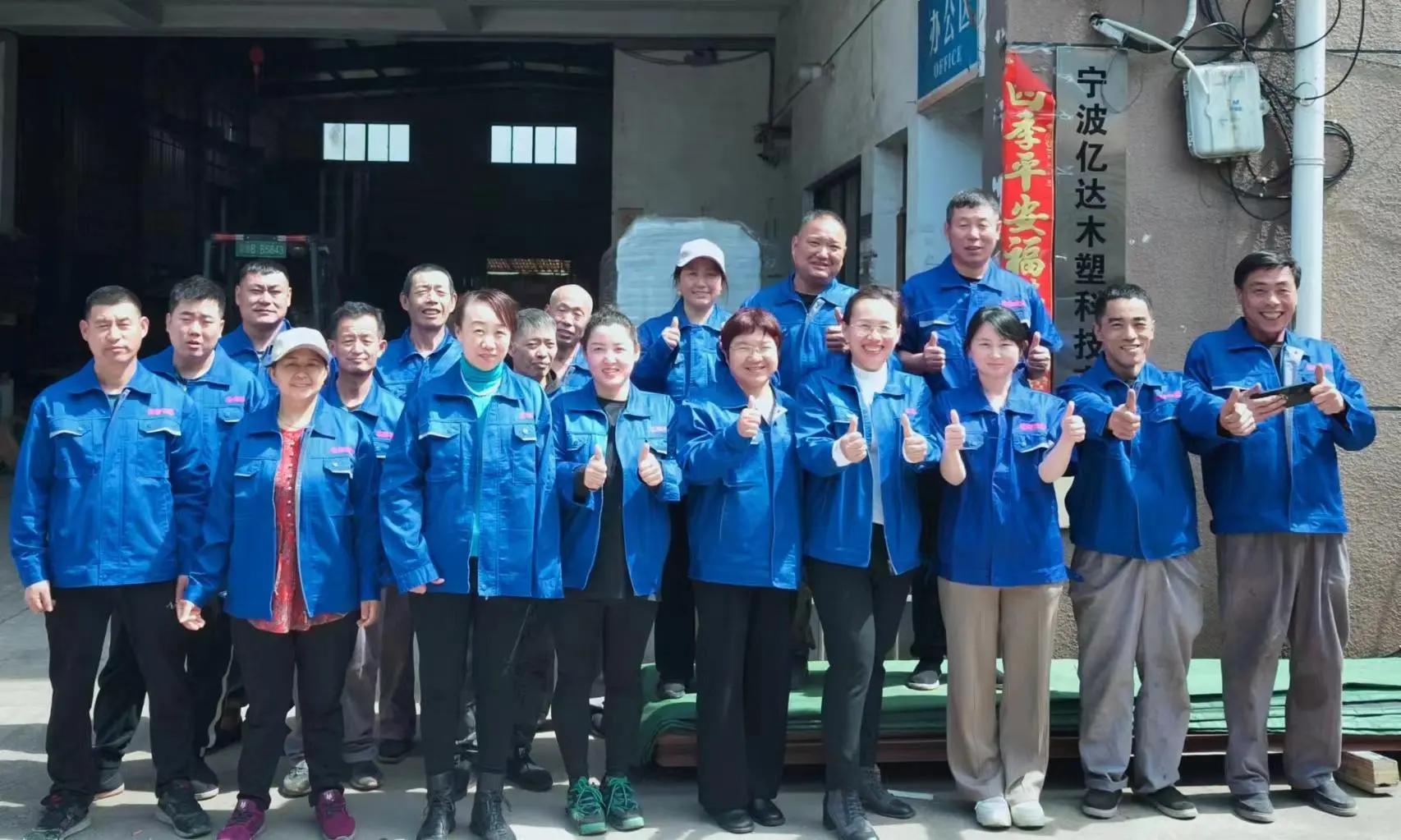
Company Profile
Ningbo Yida Wood Plastic Technology Co., Ltd. is proud to introduce our innovative wood plastic composite material that combines the natural beauty of wood with the durability of plastic profiles. With nearly ten years of R&D, production and sales experience, we have become a leading manufacturer and supplier of new wood-plastic composite materials.
Our Yida brand wood-plastic composite materials have excellent properties such as waterproof, moisture-proof, mildew-proof, insect-proof, black-proof, and crack-proof. This makes it ideal for a variety of applications, including outdoor architectural design, landscaping and municipal engineering projects. As an environmentally friendly material, it is in line with the country’s strong encouragement of sustainable development.
"At Ningbo Yida, we have invested in advanced production technology and established a professional team dedicated to product research and development, manufacturing, sales, after-sales service and construction. This ensures that our wood plastic composites meet the highest quality and performance standards."
In addition to servicing commercial and residential projects, we have established dedicated service teams to support educational and medical institutions across the country. Our commitment to providing professional services and construction to major universities and hospitals in the country reflects our commitment to contributing to important public infrastructure.
Providing end-to-end quality control and supply chain transparency for large-scale developments.
We are proud to have successfully completed numerous large-scale engineering projects, demonstrating the reliability and versatility of our wood plastic composite materials. Our products are widely recognized for their superior performance and aesthetic appeal.
As we continue to innovate and expand our product range, we remain committed to providing our customers with sustainable, high-quality solutions. With Yida Wood Plastic Composite, you can be confident that your next project will perfectly blend natural beauty with modern durability.
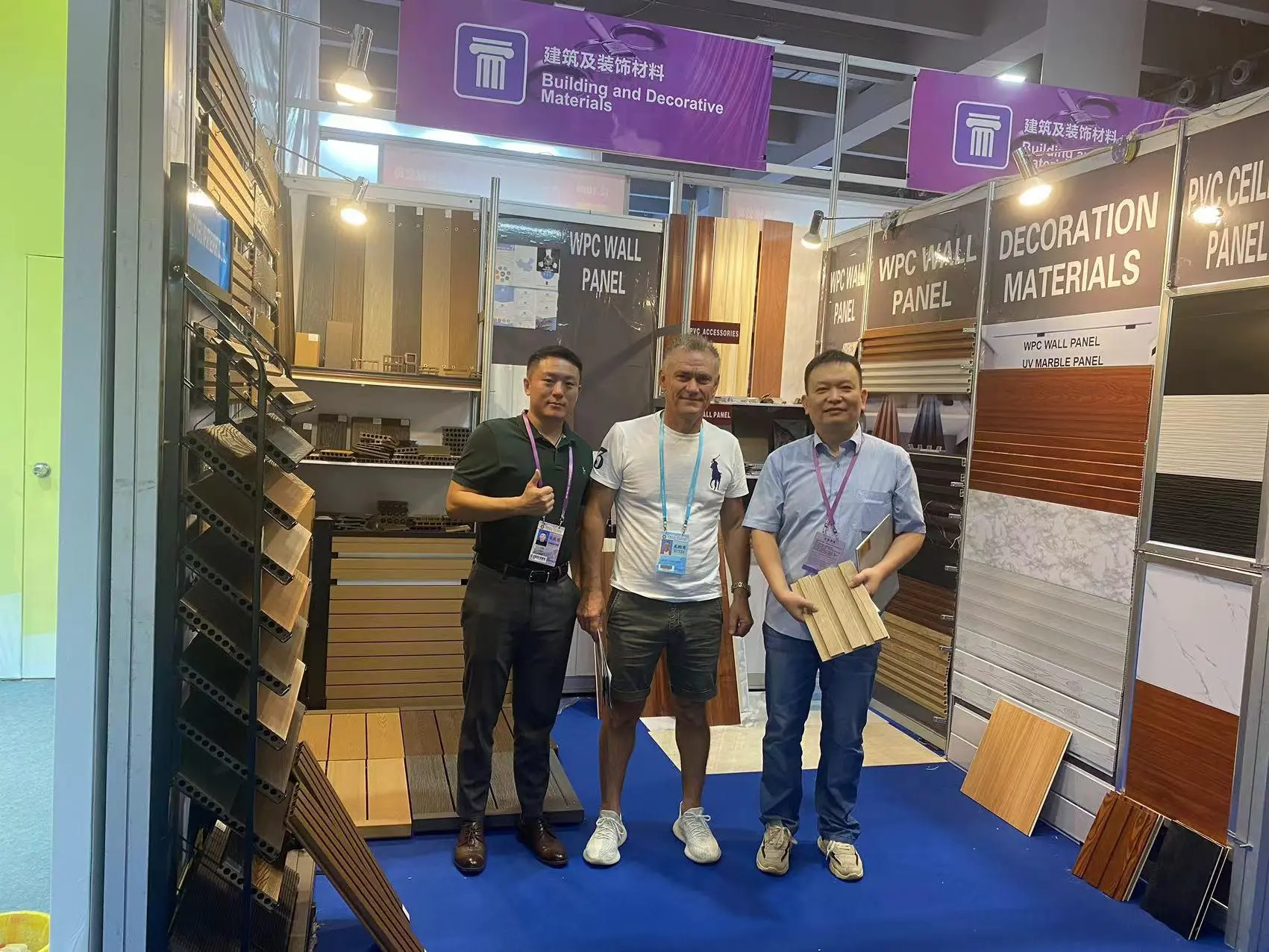
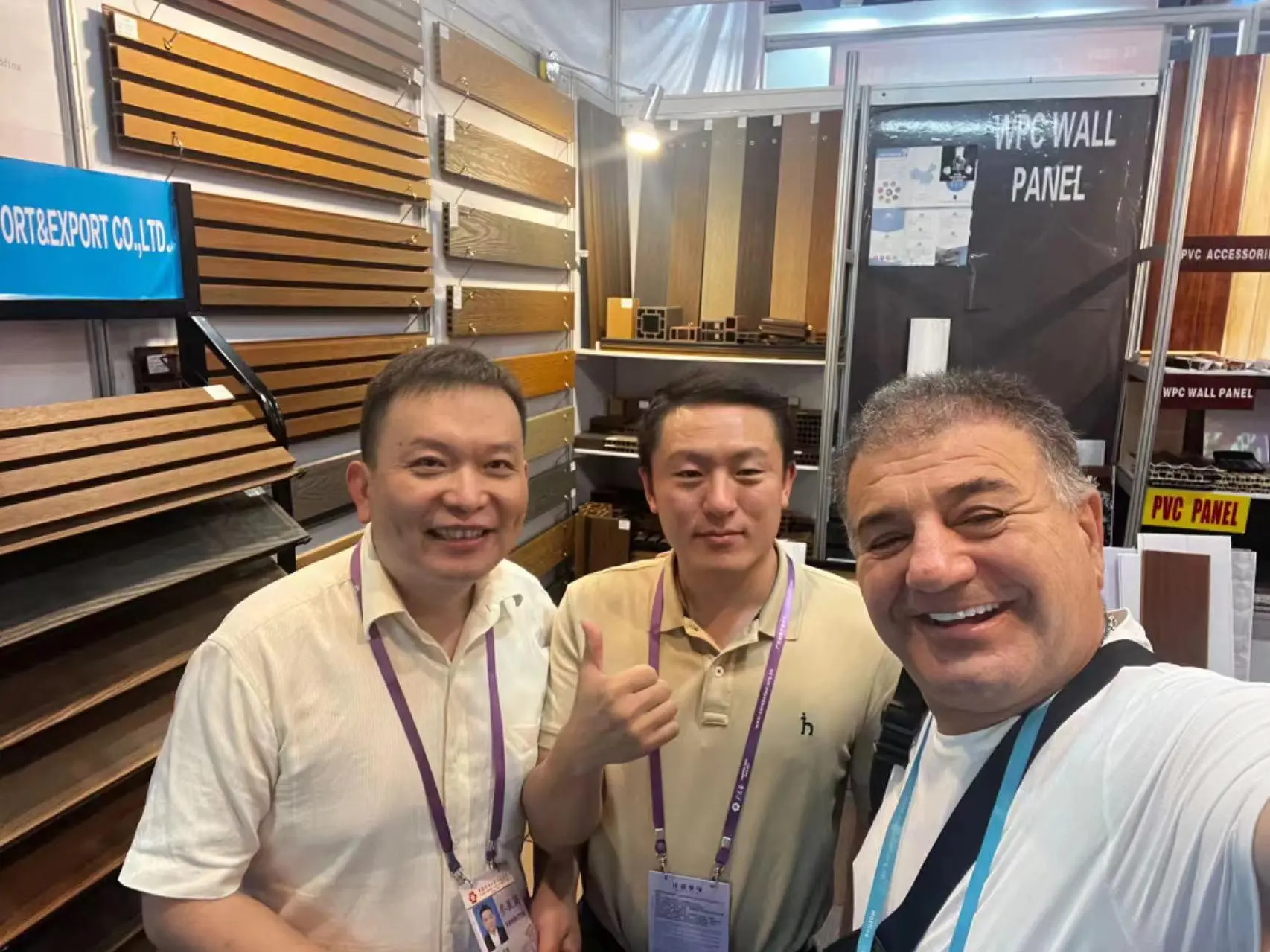
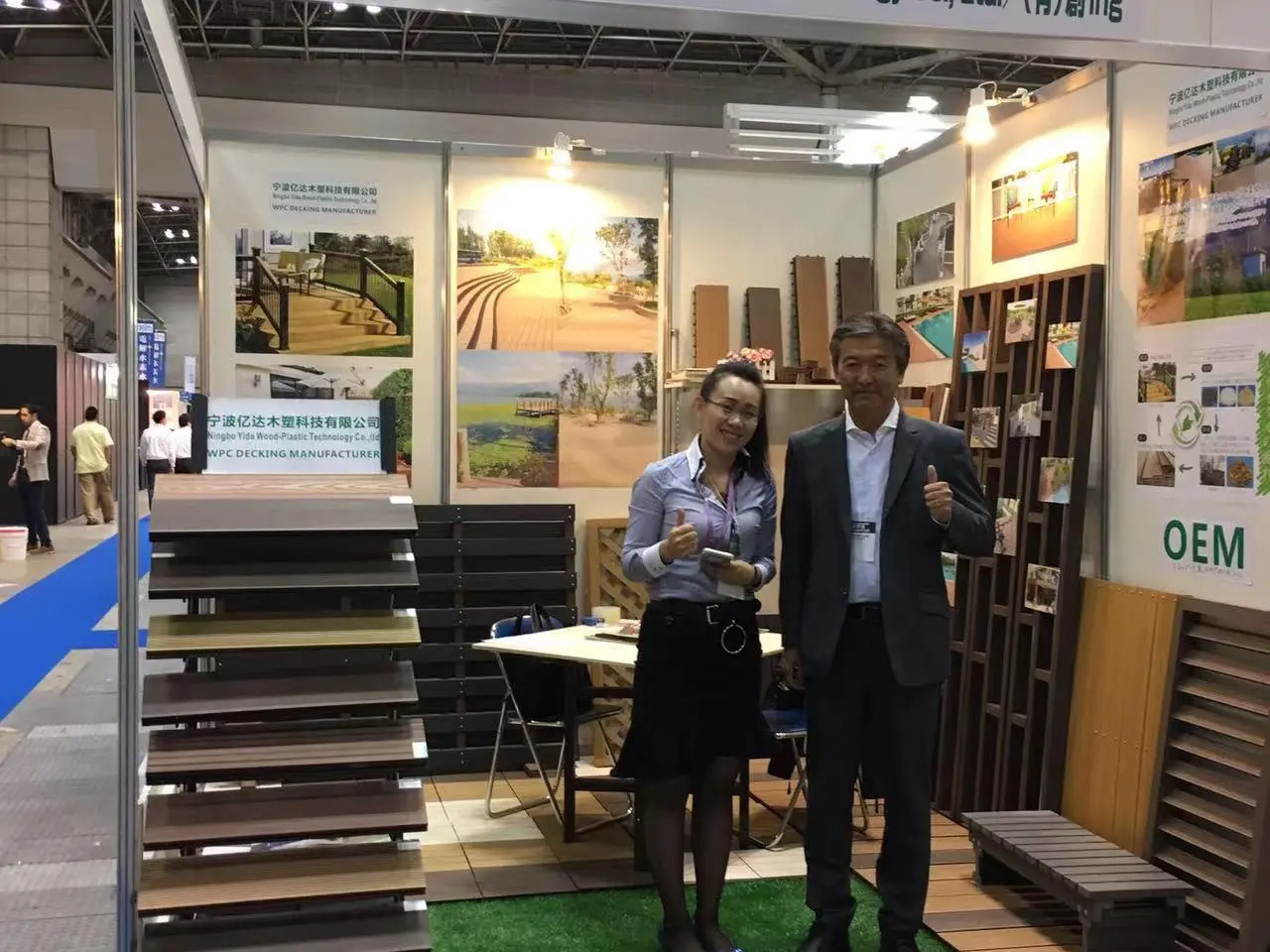
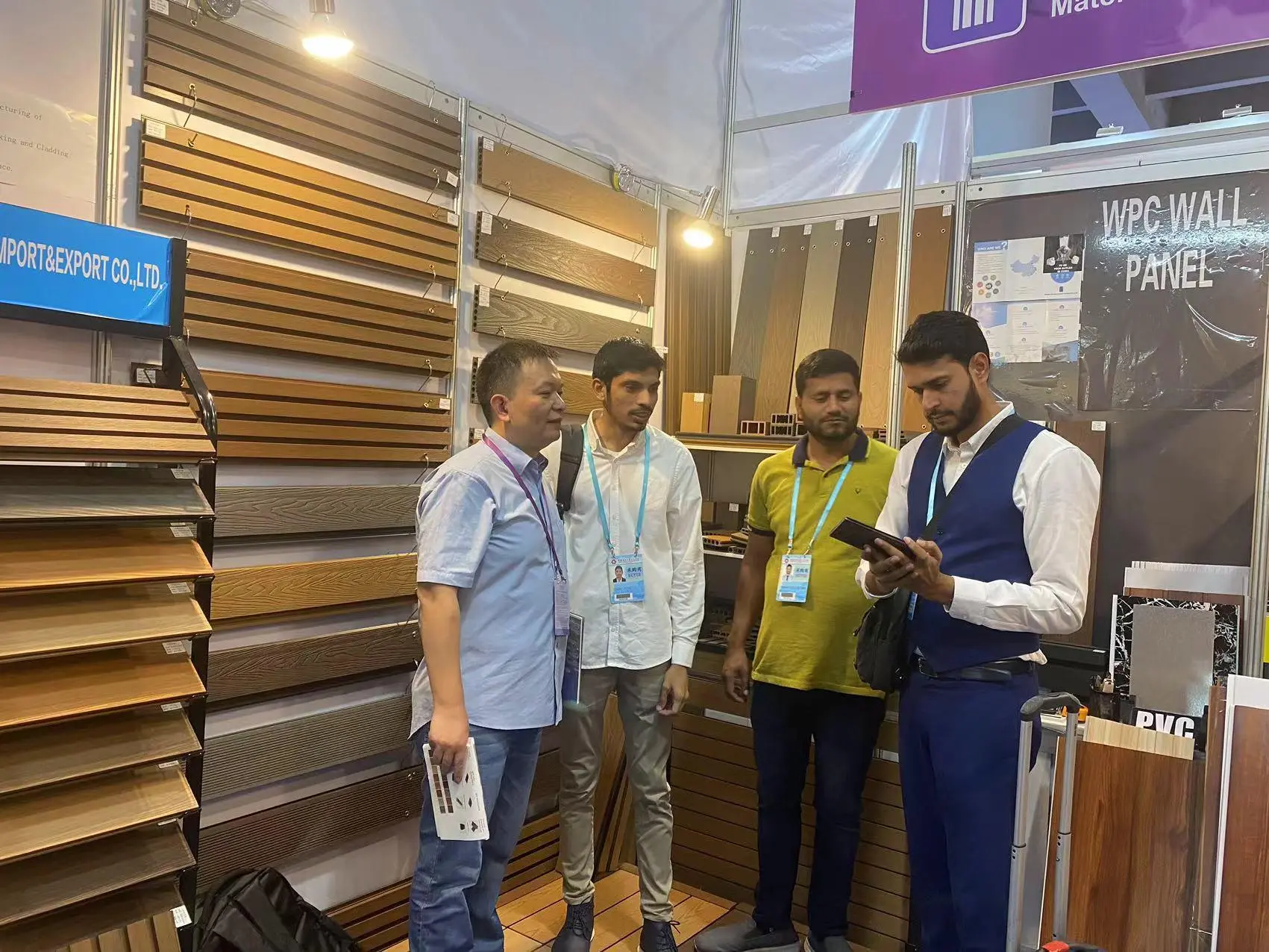
Understanding Western Australia's strict climatic demands for engineered decking materials.
Perth's peak UV index frequently reaches 11-12+. Standard composite decking can degrade without stabilizer systems. Our classic WPC features specialized co-extruded polymers that resist fading and thermal cracking under direct sunlight.
Perth's coastal fringe, stretching from Mandurah to Joondalup, is exposed to high atmospheric salinity. Unlike traditional timber or metal fixtures, HDPE-wood matrix blends are inert, preventing corrosion, rust, and salt-induced swelling.
Western Australia hosts aggressive native subterranean termites that threaten structural pine and hardwoods. WPC contains zero consumable starch or cellose-derived attractants, serving as a reliable barrier against insect infestation.
Commercial developers in Perth are increasingly tasked with meeting strict building codes under the National Construction Code (NCC). Infrastructure projects, school courtyards, and health sector outdoor zones demand materials that offer clear compliance. The shift toward WPC is also driven by long-term asset management. The cost of labor in Western Australia is high; eliminating the recurring cycle of sanding, staining, oiling, and replacing cracked boards makes a strong case for classic wood plastic composites.
For mid-to-large-scale developments in Western Australia, sourcing directly from Ningbo Yida Wood Plastic Technology Co., Ltd. bypasses intermediate distribution costs and ensures direct control over product quality. Based in Ningbo, a global shipping hub, our manufacturing facility coordinates cargo logistics to Fremantle Port, Perth. This route helps maintain consistent timelines and cost efficiency for regional projects.
Our direct-to-factory model allows developers to request customized profile lengths, specific core densities, and customized colors to fit their projects. In a market where supply chain blockages can delay projects, having a direct relationship with a major manufacturer ensures reliable stock levels, consistent extrusion runs, and clear technical support.
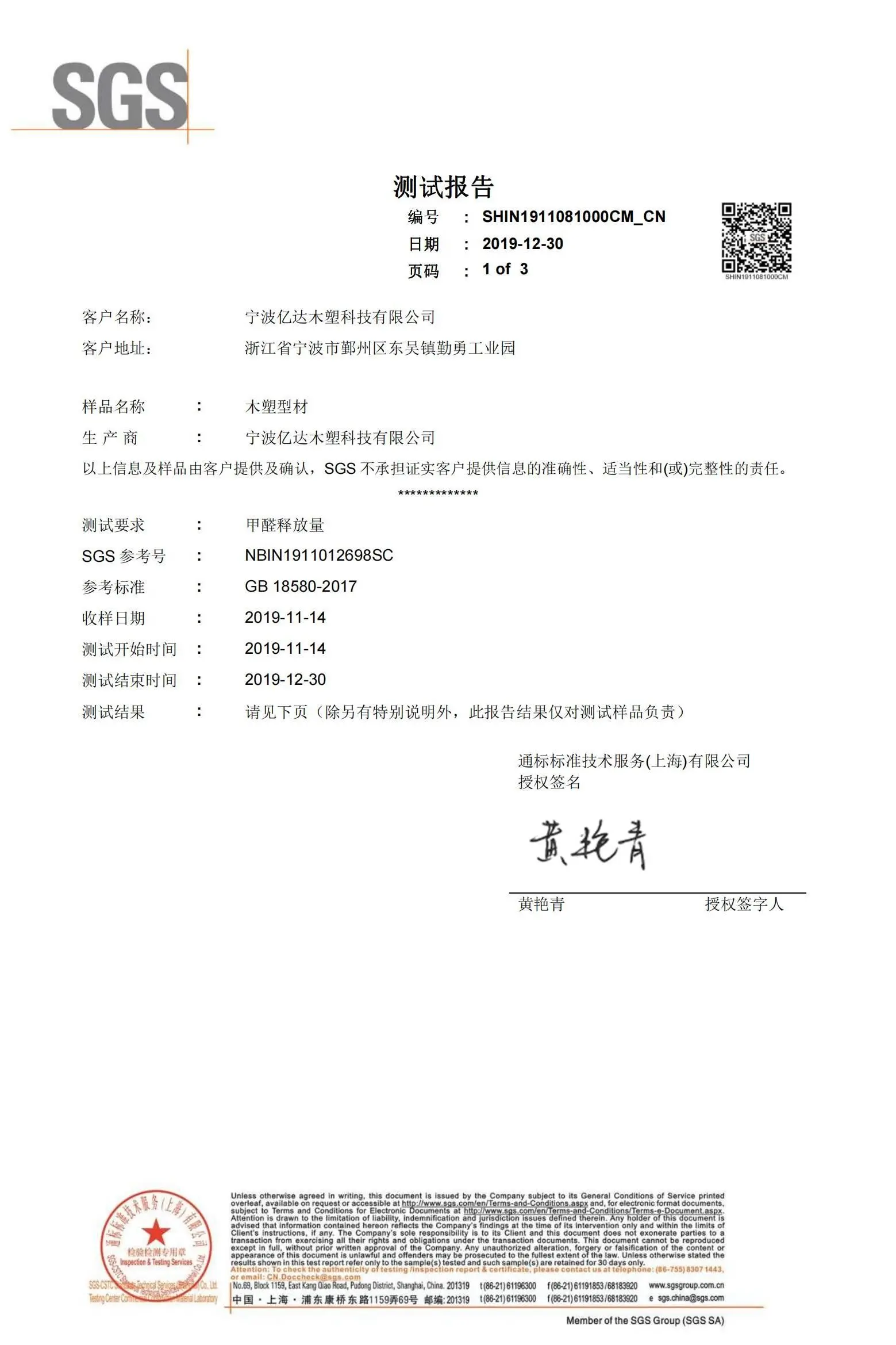
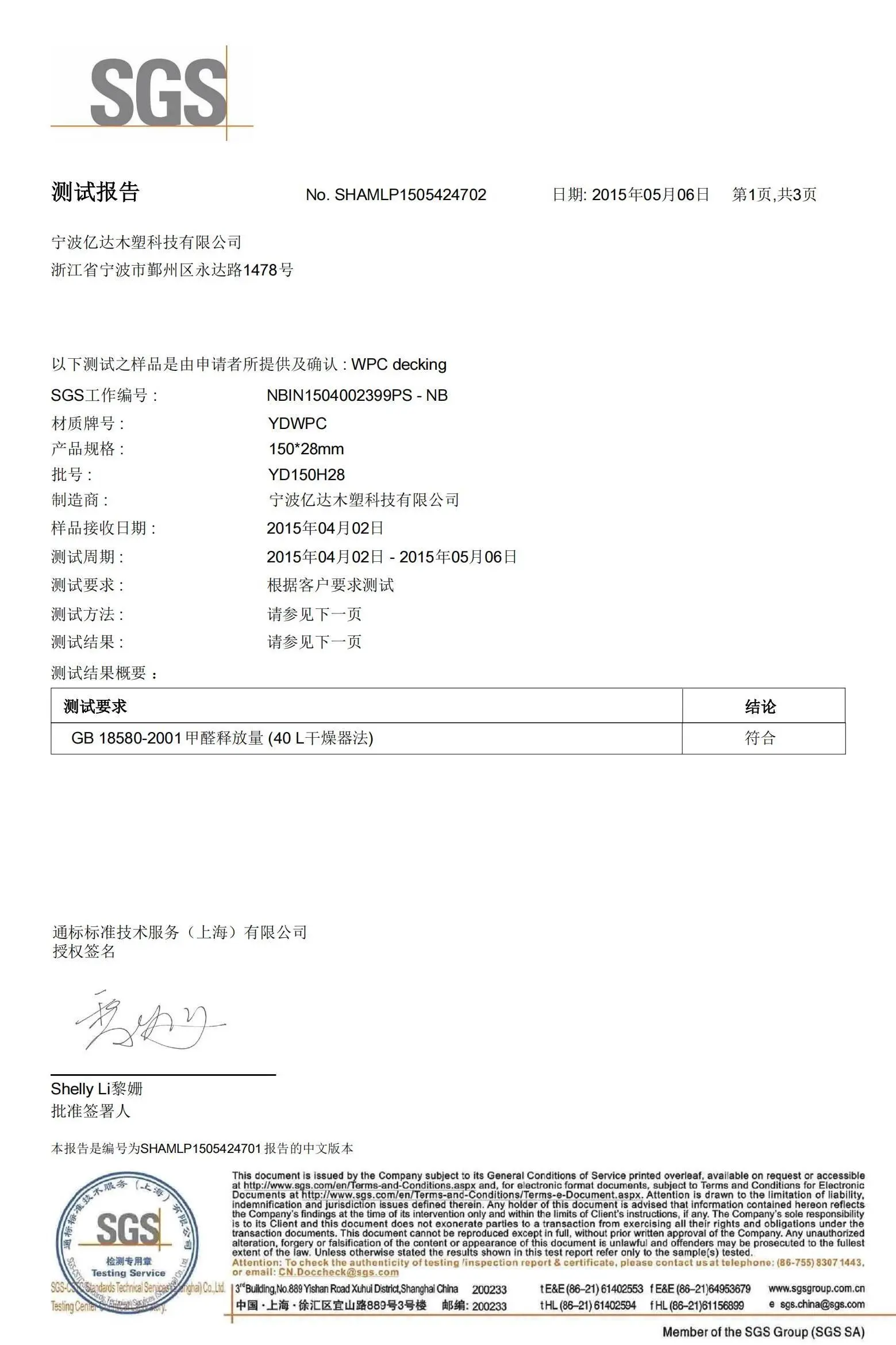
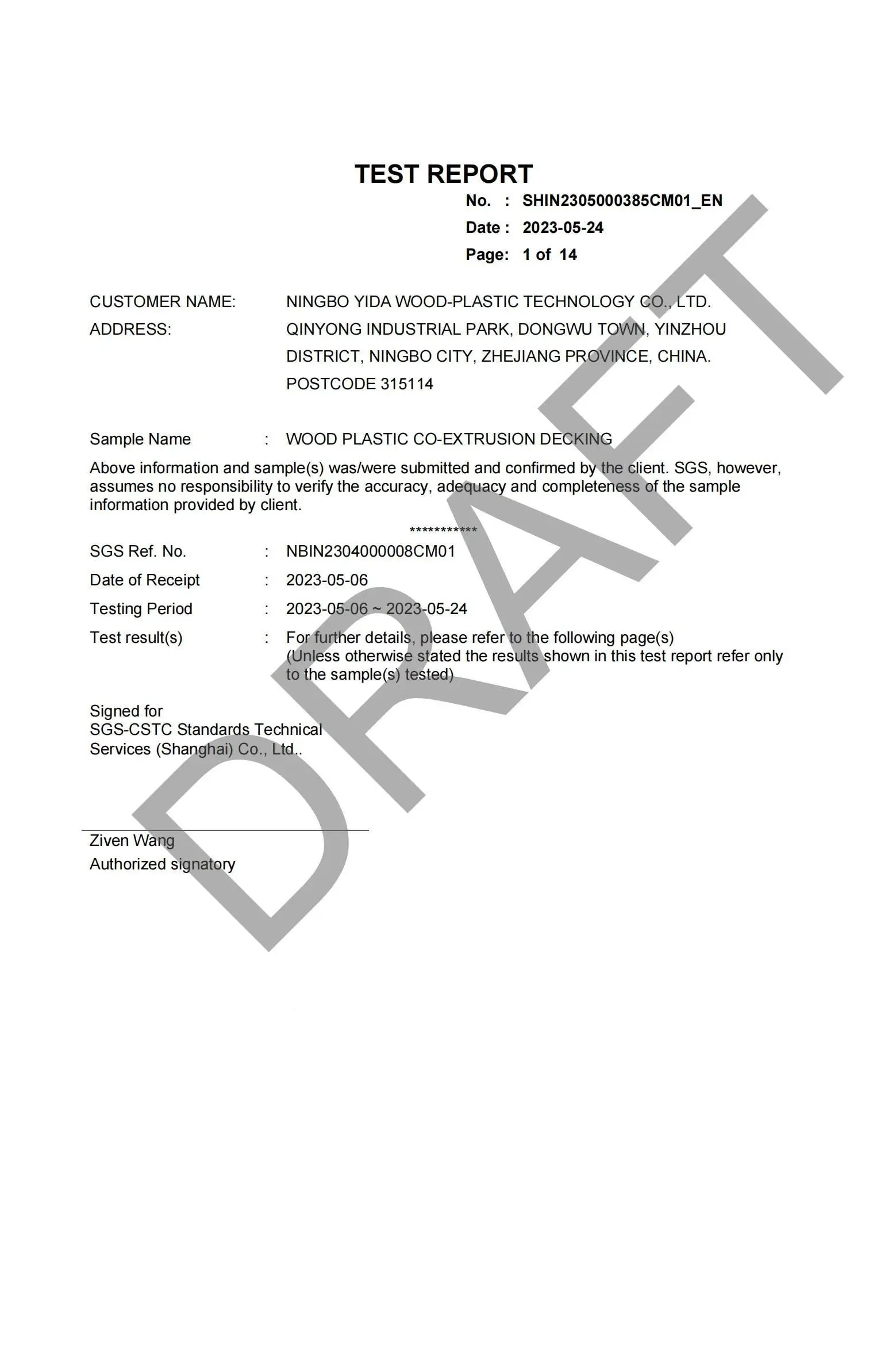
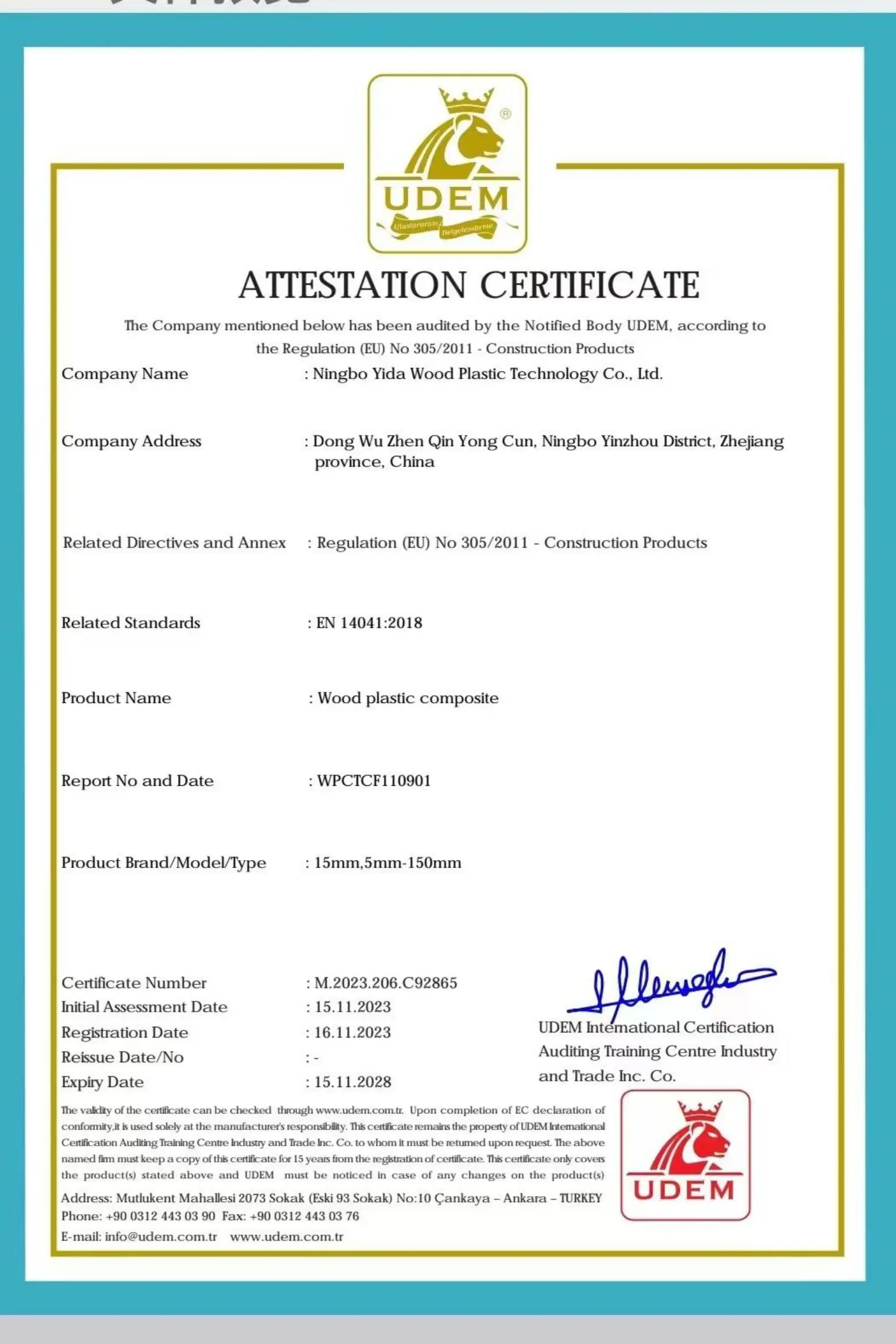
Importing materials for commercial use in Western Australia requires meeting local performance benchmarks. Our WPC decking is engineered to support the following standards:
Certified international compliance ensuring product safety, performance, and durability.
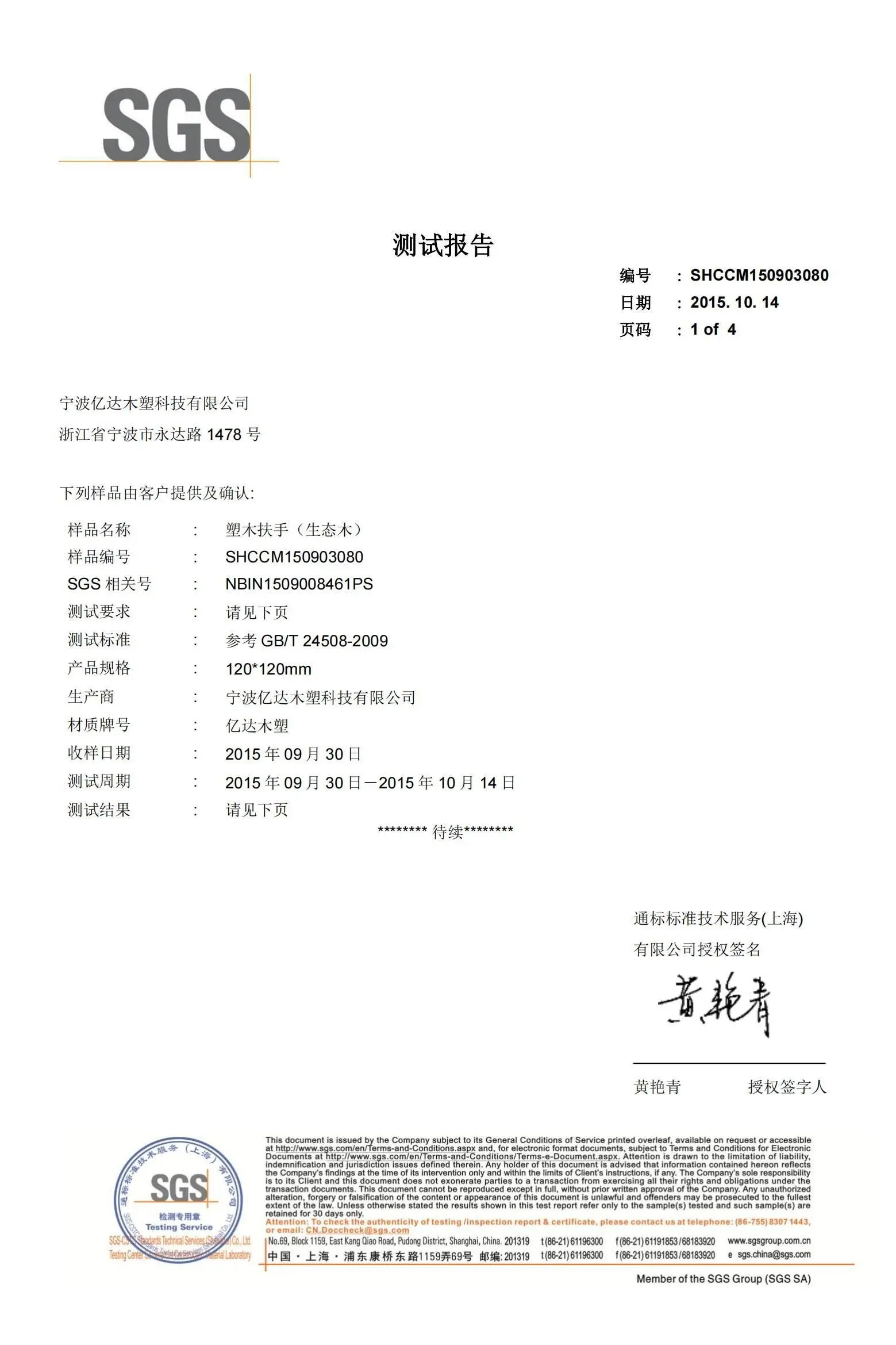
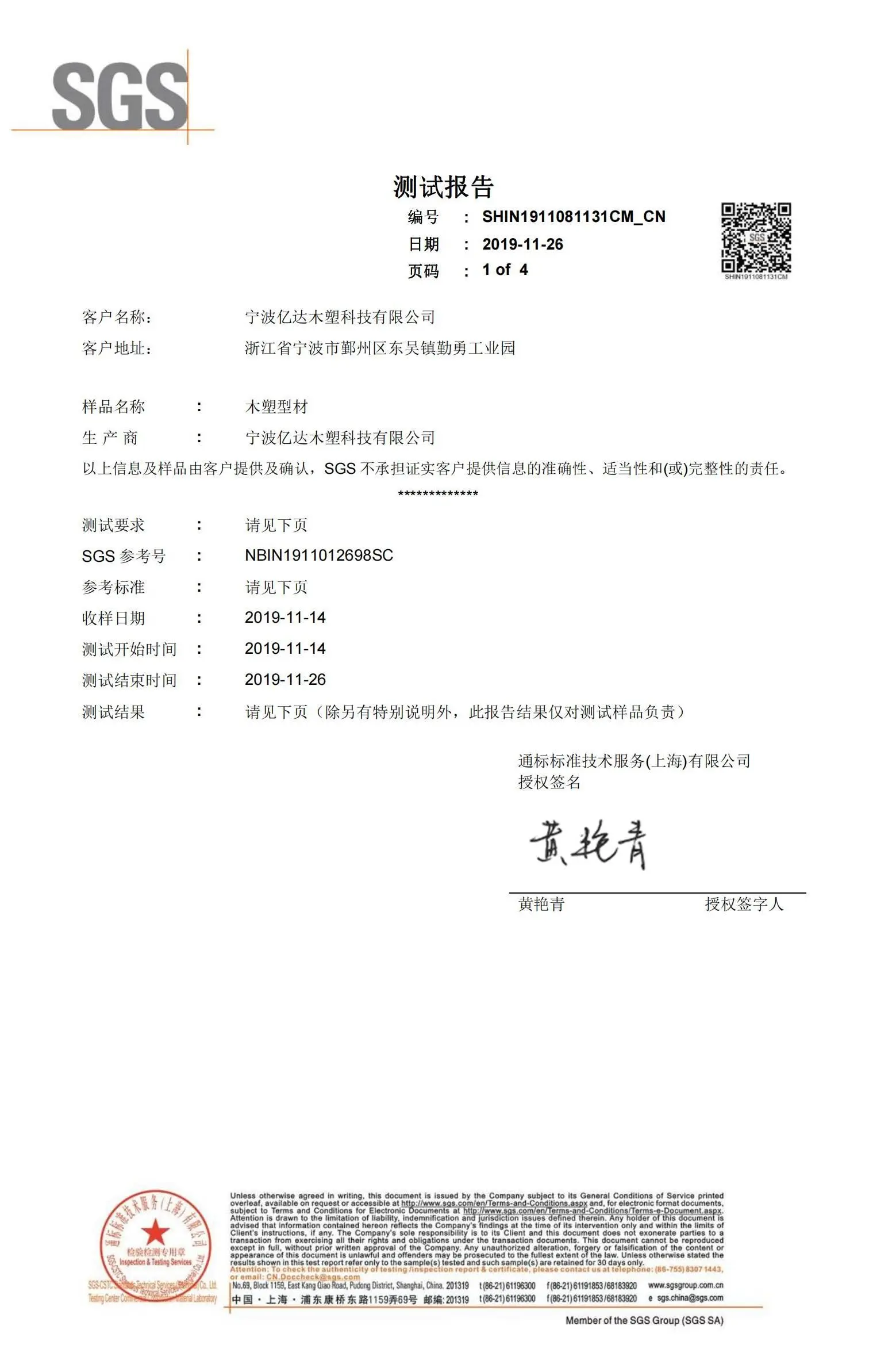
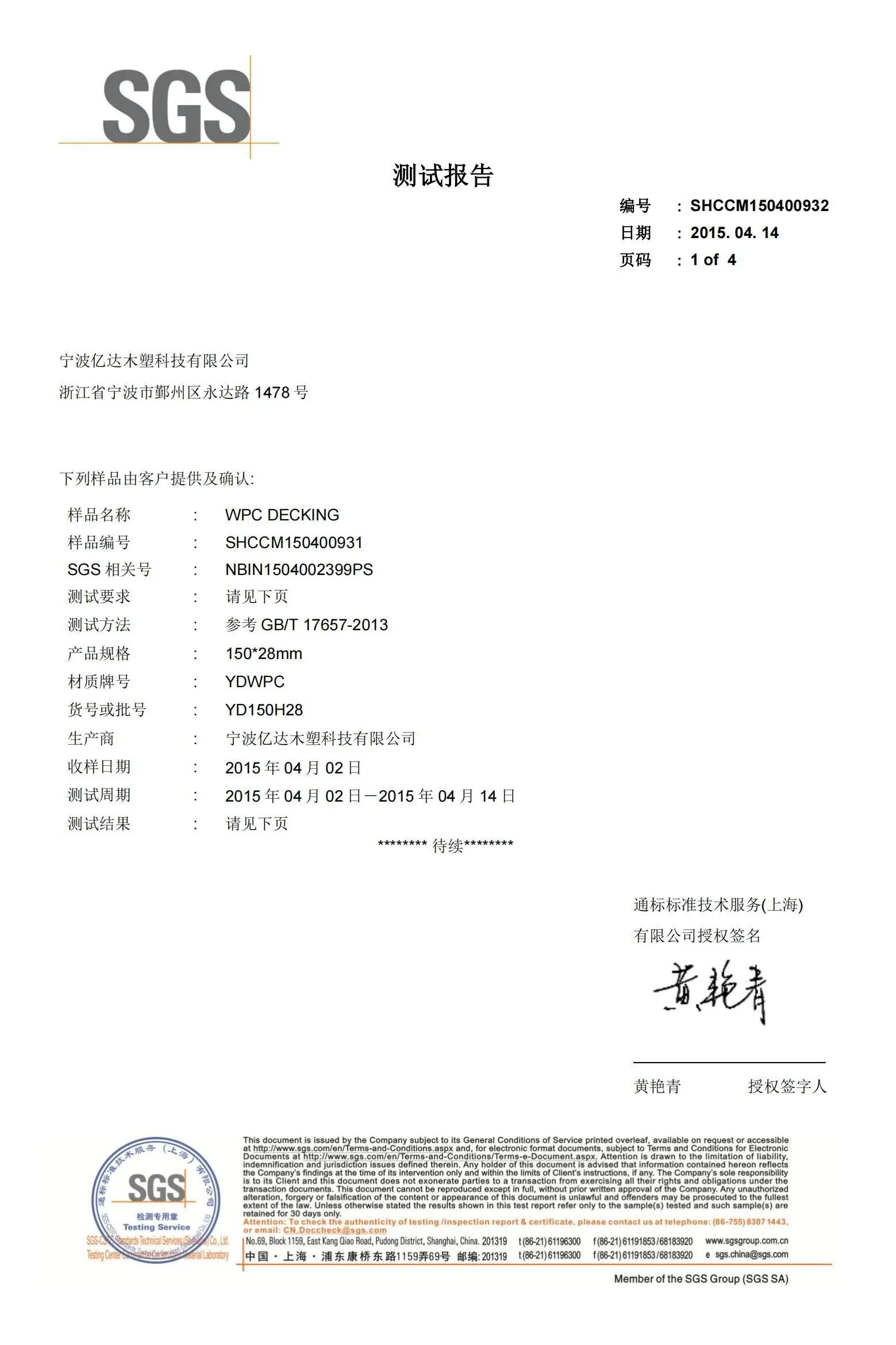
Where high durability, low maintenance, and design flexibility meet Perth's architectural requirements.
Designed for public infrastructure exposed to maritime spray, including boardwalks in Fremantle, Cottesloe, and Hillarys Boat Harbour. The non-porous polymer shell prevents saline crusting and water intrusion.
Ideal for high-traffic zones in regional schools and public institutions. The splinter-free surface and high impact resistance protect students and staff, while lowering maintenance budgets.
Suited for modern suburban properties in Swan Valley, Subiaco, and Joondalup. WPC maintains its dimensional stability despite pool water splashing and direct sun exposure.
The global WPC sector is moving toward next-generation co-extrusion technologies. While first-generation classic decking offered a uniform blend of plastic and wood throughout the board, modern co-extrusion surrounds the core with a highly durable, 360-degree protective polymer cap. This cap layer enhances resistance to staining, scratching, and UV exposure while maintaining structural integrity.
Sustainability is also key to this industry shift. Major infrastructure projects increasingly specify materials that contribute to a circular economy. Utilizing recycled HDPE sourced from domestic plastic waste, combined with wood flour reclaimed from manufacturing offcuts, keeps tons of material out of landfills each year. For Perth project managers focusing on carbon reduction, classic and co-extruded WPC options support their green building initiatives.
Find answers to common questions about WPC materials, installation, maintenance, and ordering details.
A: WPC stands for Wood Plastic Composite. It is an innovative material made from a blend of recycled wood fibers/flour and thermoplastics (like PE). This creates a product that has the natural beauty of wood with enhanced durability and minimal maintenance.
A: Yes. Our WPC products are considered eco-friendly because they are primarily made from recycled materials—reclaimed wood waste and recycled plastics. This reduces landfill waste and the need for virgin timber. Additionally, their long lifespan and low maintenance requirements (no chemical staining or sealing) further reduce their environmental impact.
A: While both are low-maintenance, WPC contains a significant amount of wood fiber, giving it a more authentic, textured look and feel closer to real wood. Pure plastic decking often has a synthetic appearance. WPC also tends to be more rigid and has better heat dissipation properties than some pure plastic alternatives.
A: Yes, many of our WPC products are designed for DIY installation with hidden or clip-fastening systems. However, for large, complex projects or to ensure a perfect finish and warranty validation, we recommend professional installation. Always follow our specific installation guide.
A: Like any outdoor surface (wood, pavers, vinyl), WPC can get warm in direct sunlight. However, our products are formulated with advanced technology and often feature lighter colors or capped coatings that reflect more heat than traditional wood or darker composites, making them more comfortable underfoot.
A: Yes. Our WPC decking and fencing profiles are designed with textured surfaces that provide excellent slip resistance, even when wet. This makes them a safer choice for areas around pools, patios, and walkways.
A: WPC is highly resistant to moisture, rot, and decay, making it ideal for rainy and humid climates. It is also resistant to freezing and thawing cycles, so it won't crack or splinter in frosty conditions. Proper installation with adequate drainage is key to long-term performance.
A: No. One of the key benefits of WPC is its high dimensional stability. It is highly resistant to warping, cracking, splitting, and splintering, which are common problems with natural timber.
A: Maintenance is incredibly easy. For routine cleaning, simply sweep away debris and occasionally wash with a mild soap solution and a soft brush or hose. This is all that's needed to keep your WPC looking new. Avoid using harsh chemicals, abrasive cleaners, or high-pressure washers.
A: No. Unlike natural wood, WPC products never require sanding, staining, or sealing. Their color is consistent throughout the material and is designed to last for years with minimal fading.
A: Our WPC products are engineered for long-life performance. They typically come with warranties ranging from 10 to 25 years against fading, staining, and structural defects, depending on the product line.
A: Yes. The composition of WPC makes it highly resistant to mold, mildew, and insect damage, including termites. This is a significant advantage over natural wood.
A: We offer a wide range of colors and wood-grain textures, from classic woods like Ipe and Teak to contemporary greys and whites. Our collection includes decking boards, fencing, cladding, pergolas, and outdoor furniture.
A: Yes. You can use standard woodworking tools (saws, drills) to cut and shape WPC. We recommend using carbide-tipped blades for the cleanest cut.
Contact Us! Our experts are happy to help you with your project.
Explore our full range of classic and co-extruded profiles engineered for commercial and residential applications.
 Yida Wood