Industrial Specification Matrix
Regional Market & Climate Adaptation Analysis
Samara, as one of the largest industrial, transportation, and commercial hubs in the Volga Federal District of Russia, presents a unique set of microclimatic and structural demands for outdoor construction materials. Situated along the expansive Volga River, Samara experiences a humid continental climate characterized by severe winter freezing (with temperatures dropping below -30°C), rapid spring thaws, and hot, UV-intensive summer months (exceeding +35°C). Traditional timber decking—such as Siberian Larch or pine—suffers from rapid degradation, internal cracking, fungal decay, and high maintenance costs when exposed to these extreme freeze-thaw cycles and high humidity along the riverfront promenades of the Samara Embankment (Samarskaya Naberezhnaya).
As urban expansion and commercial development accelerate across districts like Kirovsky, Leninsky, and Samarsky, municipal developers, engineering firms, and commercial contractors are systematically phasing out conventional wood in favor of high-performance Wood-Plastic Composites (WPC). Ningbo Yida Wood Plastic Technology Co., Ltd. serves the Samara market as a premier manufacturer and direct OEM supplier, delivering Classic WPC decking profiles specifically formulated to withstand the thermal expansion, ice accretion, and high mechanical loads inherent to the Volga industrial region.
Global Supply Chain & Technical Superiority
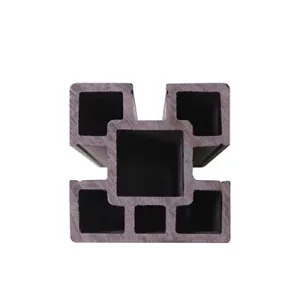
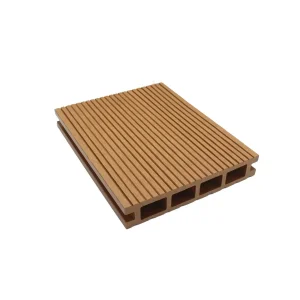
Engineered with zero internal capillary pores. Moisture ingress is prevented, eliminating micro-fractures caused by ice expansion during Samara's sub-zero winter freeze cycles.
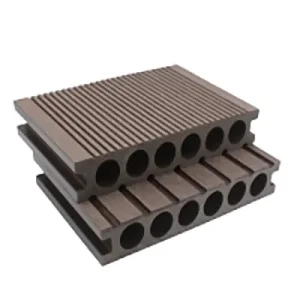
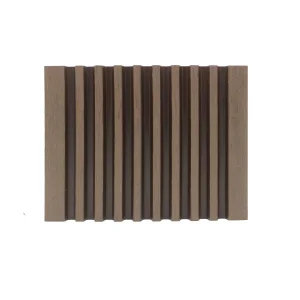
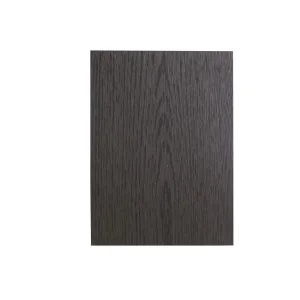
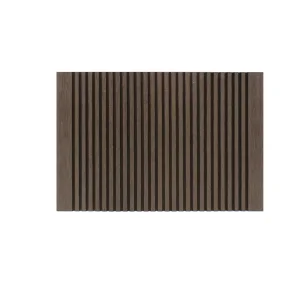
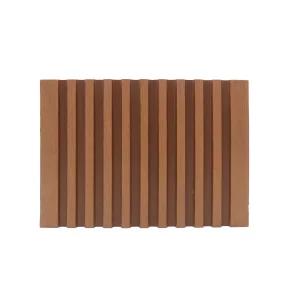
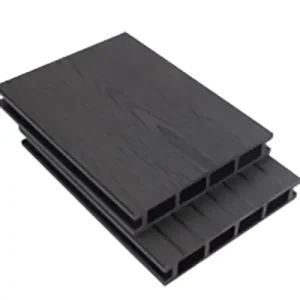
Designed for public municipal boardwalks, commercial parks, and dining terraces. Profile options include hollow round-hole structure and ultra-solid load-bearing decking.
Impervious to wood-boring insects, white rot, black mold, and fungal spores common in humid riparian environments surrounding the Volga and Samara rivers.
| Performance Parameter | Ningbo Yida WPC Classic Decking | Siberian Larch (Natural Timber) | Standard PVC Decking |
|---|---|---|---|
| Moisture Absorption | < 0.5% (Non-porous encapsulation) | 15% - 25% (High water uptake) | < 0.1% (Pure synthetic) |
| Thermal Expansion Coeff. | Low (Stabilized via coupling agent) | High directional warping | High risk of thermal sagging |
| Maintenance Requirements | Zero staining/sealing needed | Annual sanding, staining, & oiling | Occasional washing required |
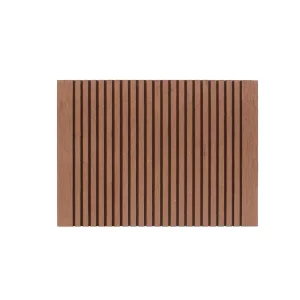
| Surface Slip Resistance | R11 Class (Anti-slip deep groove) | Slippery when wet or frozen | Smooth surface can be hazardous |
| Environmental Footprint | 100% Recyclable, Zero Formaldehyde | Deforestation impact | Petrochemical dominant |
Manufacturing Excellence & Corporate Profile
Ningbo Yida Wood Plastic Technology Co., Ltd. is proud to introduce our innovative wood plastic composite material that combines the natural beauty of wood with the durability of plastic profiles. With nearly ten years of R&D, production and sales experience, we have become a leading manufacturer and supplier of new wood-plastic composite materials.
Our Yida brand wood-plastic composite materials have excellent properties such as waterproof, moisture-proof, mildew-proof, insect-proof, black-proof, and crack-proof. This makes it ideal for a variety of applications, including outdoor architectural design, landscaping and municipal engineering projects. As an environmentally friendly material, it is in line with the country’s strong encouragement of sustainable development.
At Ningbo Yida, we have invested in advanced production technology and established a professional team dedicated to product research and development, manufacturing, sales, after-sales service and construction. This ensures that our wood plastic composites meet the highest quality and performance standards.
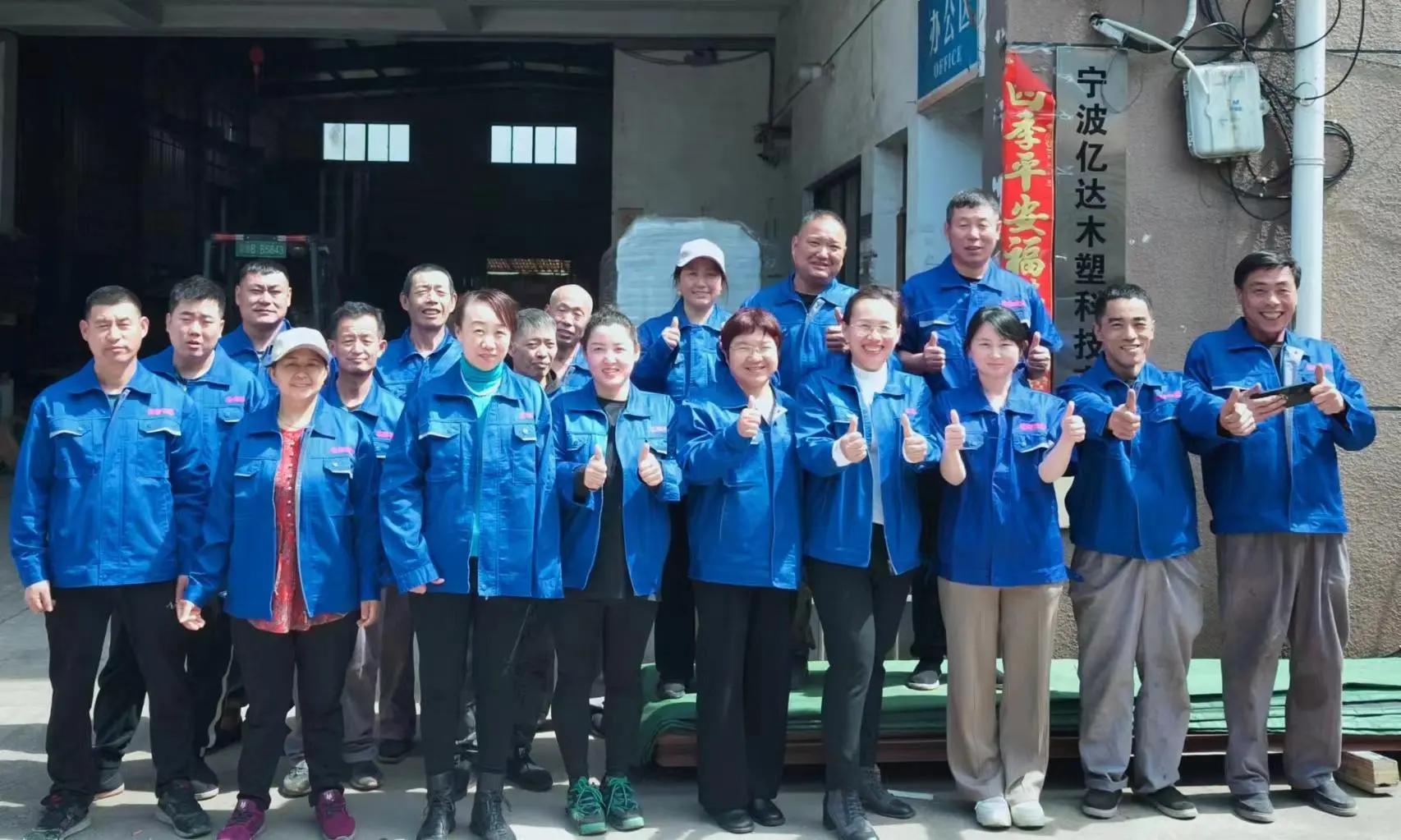
In addition to servicing commercial and residential projects, we have established dedicated service teams to support educational and medical institutions across the country. Our commitment to providing professional services and construction to major universities and hospitals in the country reflects our commitment to contributing to important public infrastructure.
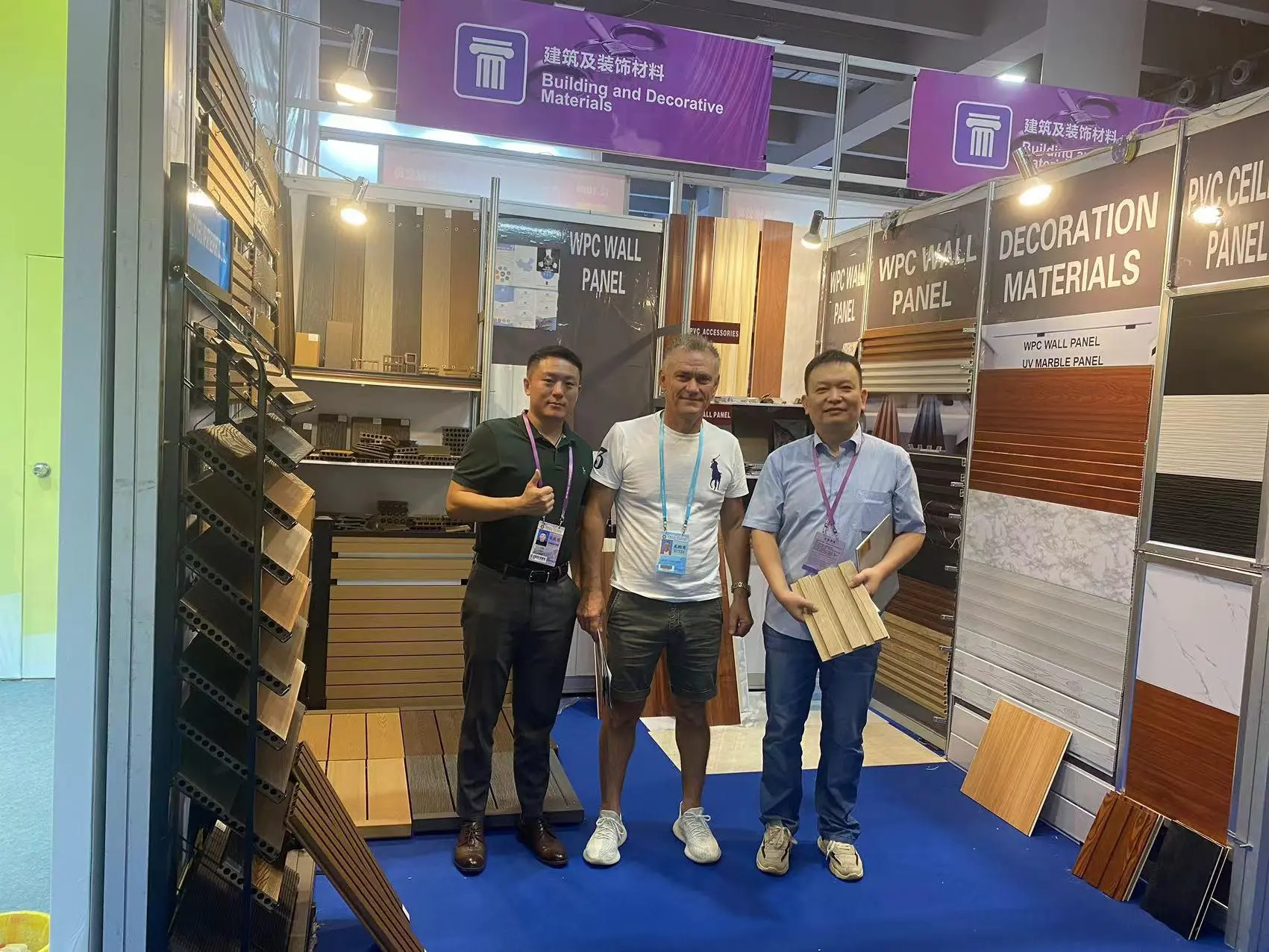
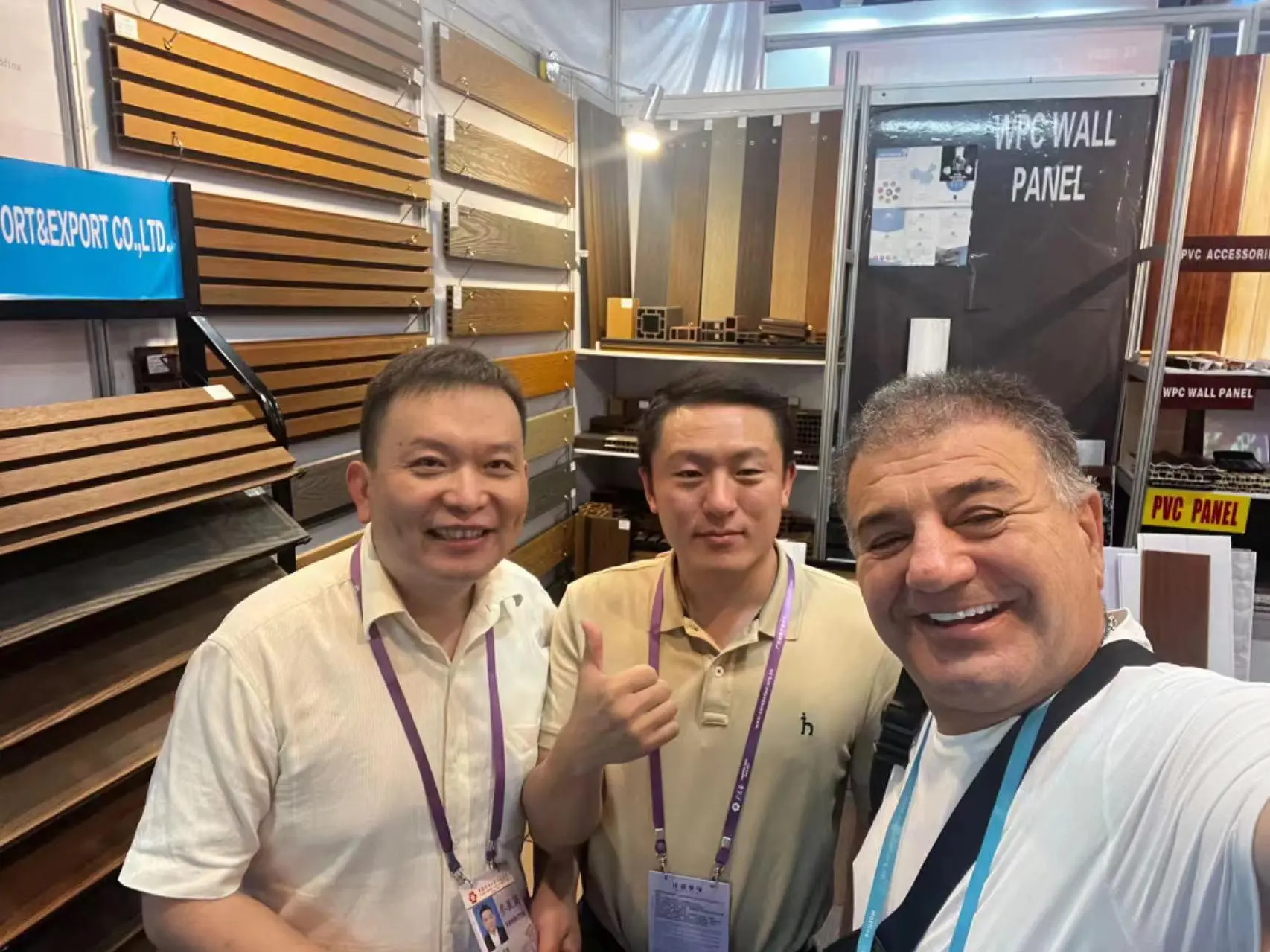
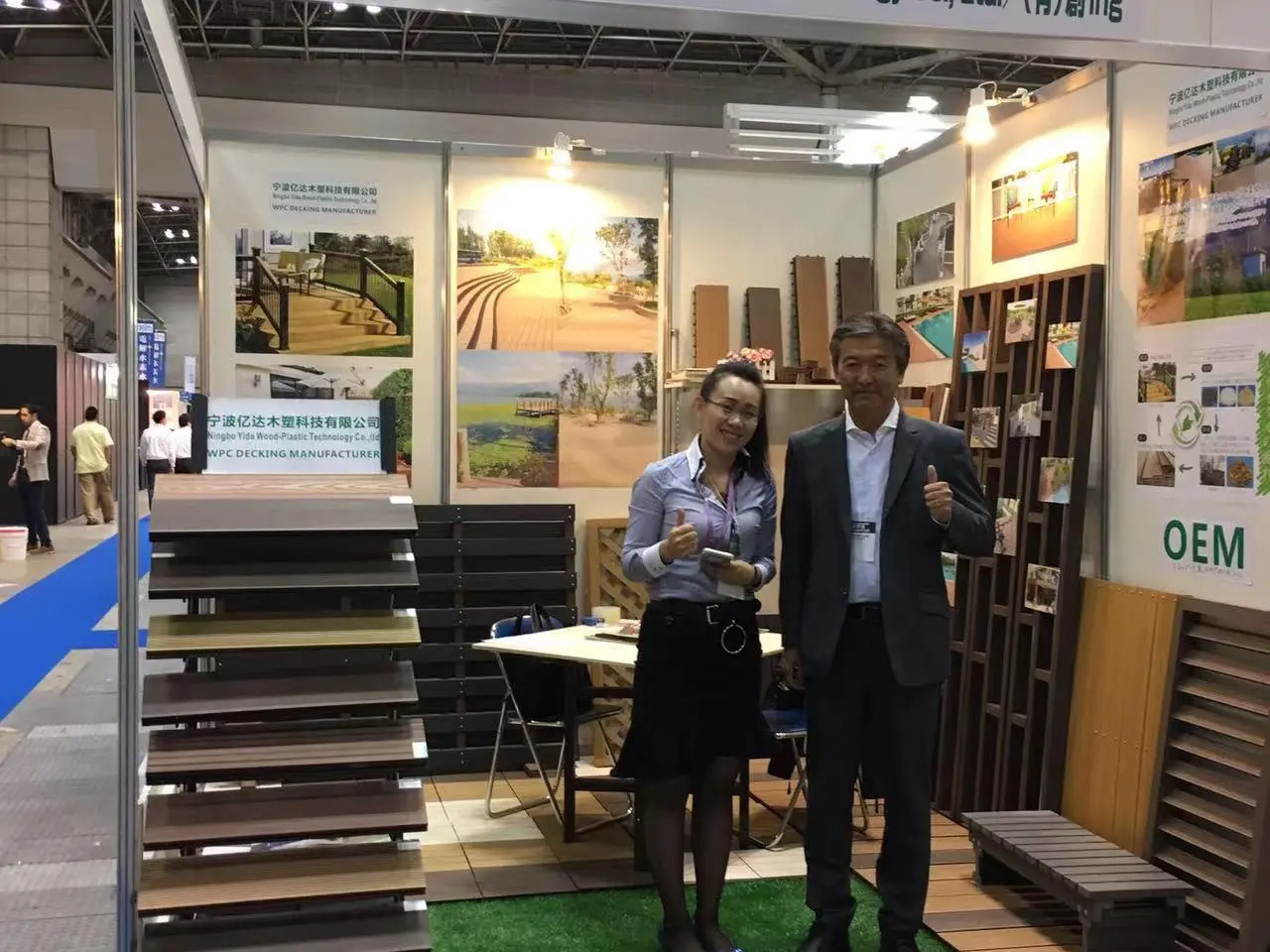
We are proud to have successfully completed numerous large-scale engineering projects, demonstrating the reliability and versatility of our wood plastic composite materials. Our products are widely recognized for their superior performance and aesthetic appeal. As we continue to innovate and expand our product range, we remain committed to providing our customers with sustainable, high-quality solutions serving Samara and international clients.
Engineering Portfolio in Action
International Quality & Compliance Standards
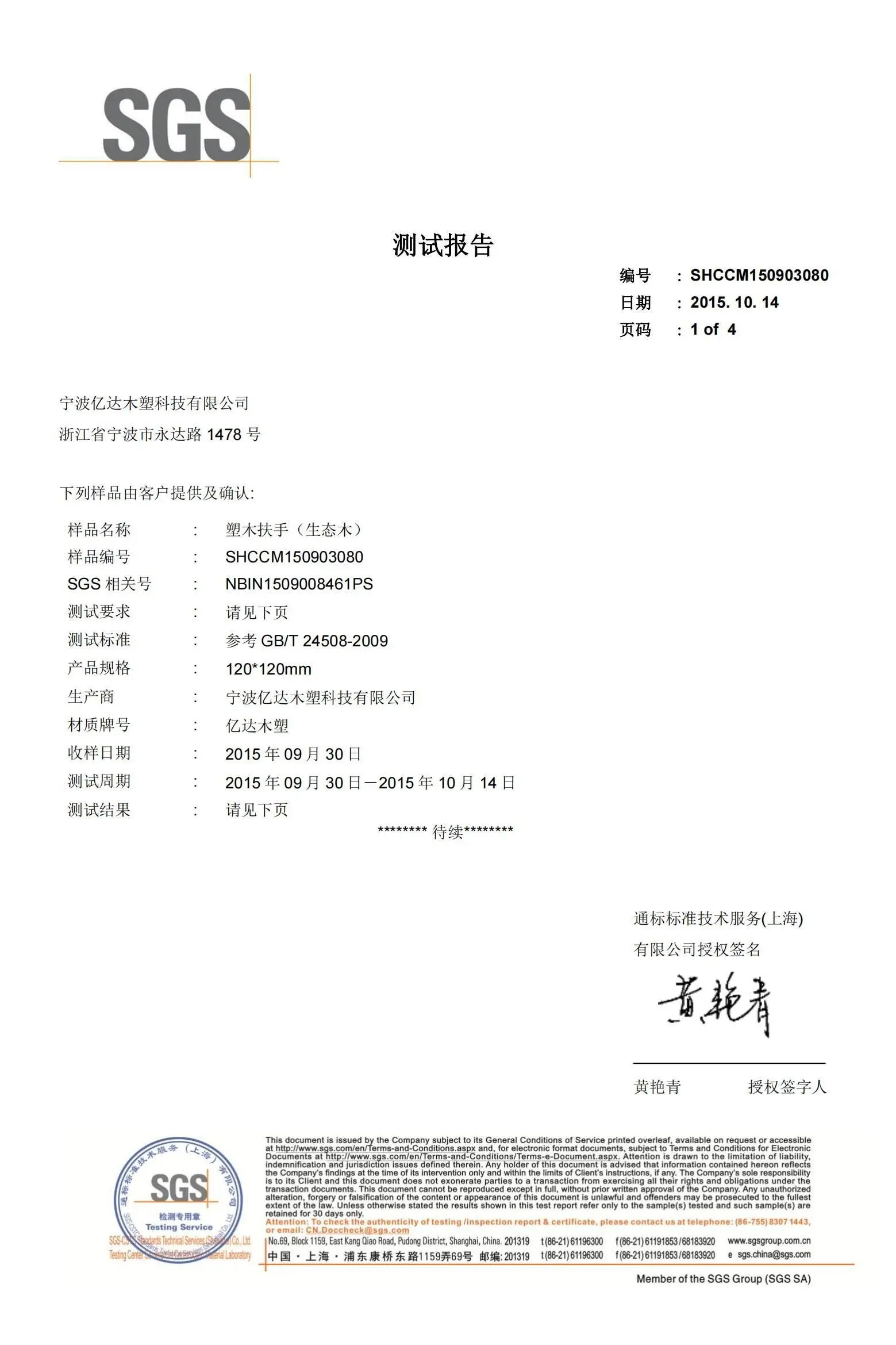
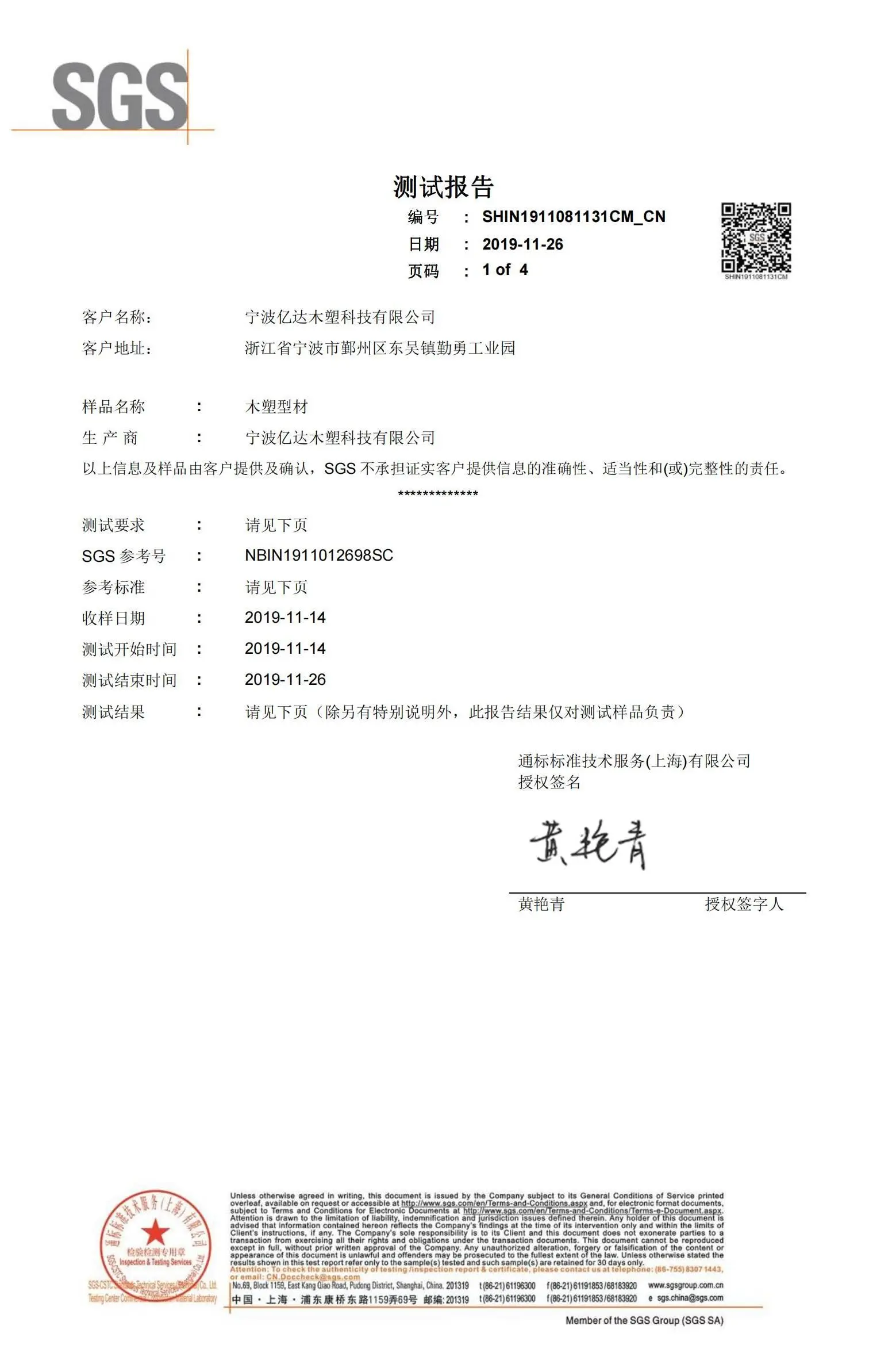
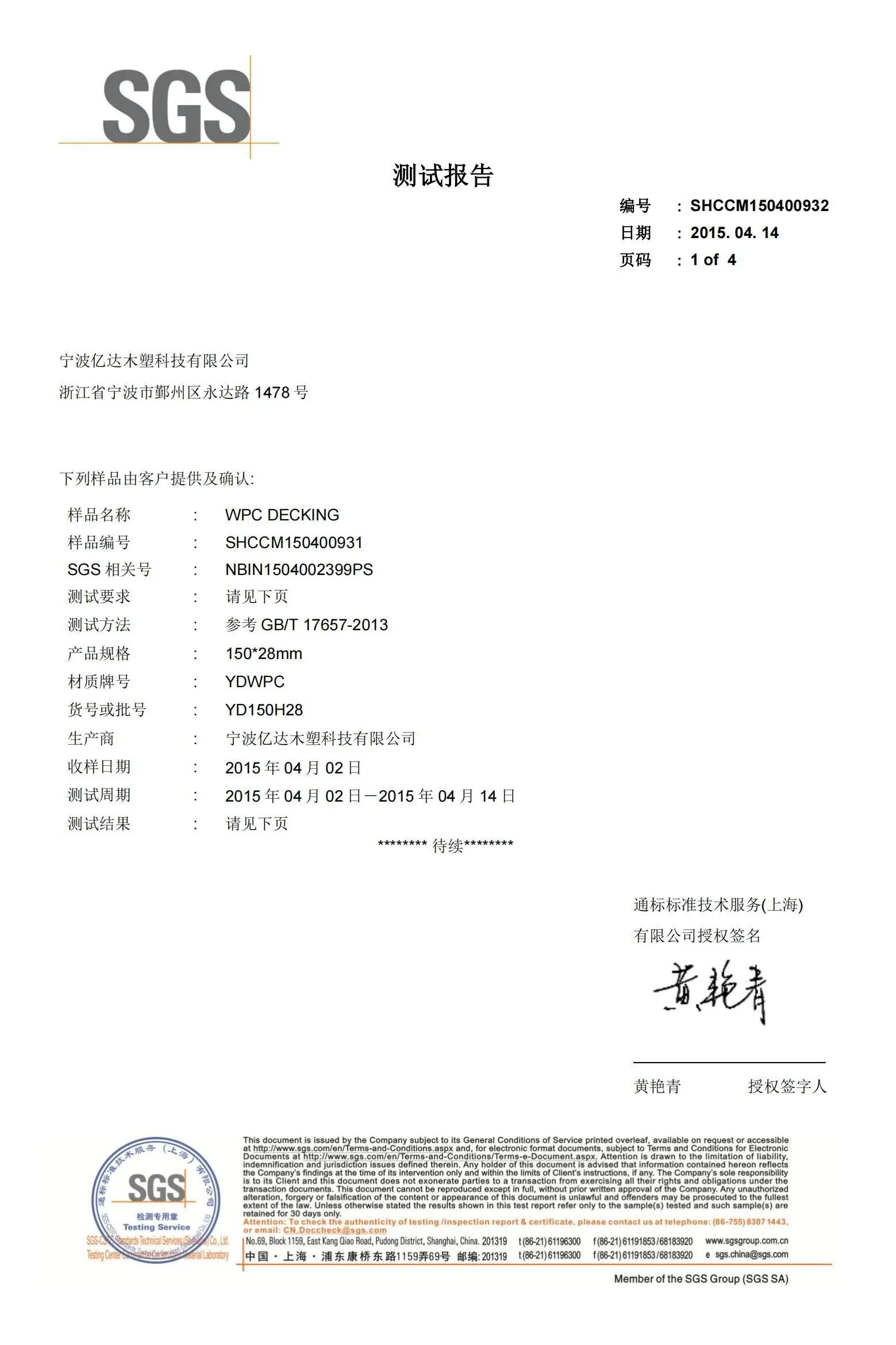
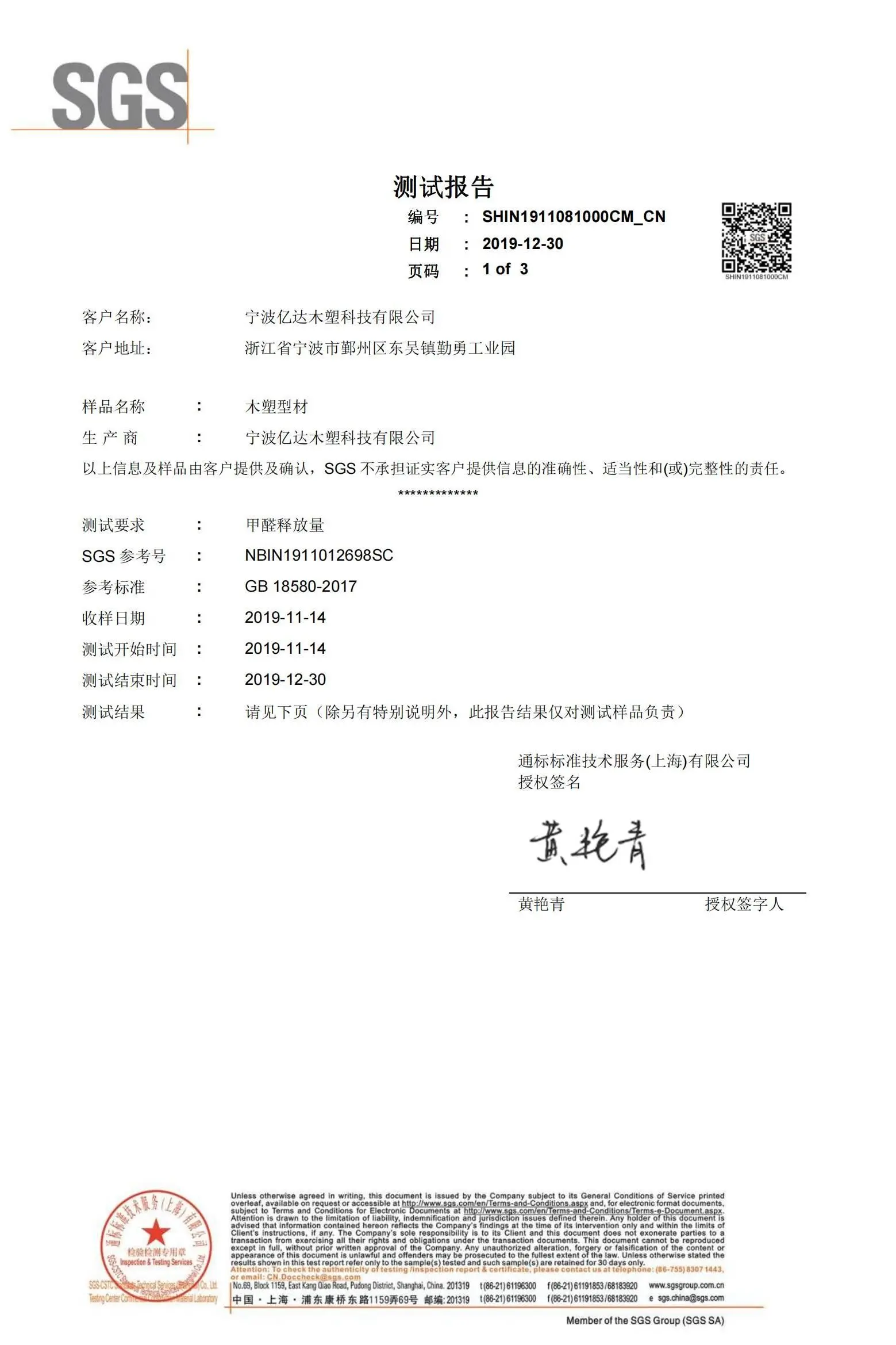
To ensure strict compliance with regional Russian GOST safety norms and European CE directives, Ningbo Yida WPC profiles undergo rigorous third-party laboratory evaluations for mechanical tensile strength, flexural modulus, slip resistance, and eco-toxicity.
Next-Gen Bio-Composite Innovation
Advancing multi-layer co-extrusion technology featuring an impenetrable fluoropolymer outer shell that enhances scratch protection, UV reflectance, and stain immunity.
Replacing traditional petroleum-based polyolefins with fully circular bio-resins to minimize carbon intensity in sustainable urban infrastructure developments.
Incorporating micro-encapsulated heat-reflective pigments to maintain low deck surface temperatures during peak solar irradiance along Samara riverfronts.
Full Profile Catalog
Frequently Asked Questions & Technical Support
Q: What is WPC?
A: WPC stands for Wood Plastic Composite. It is an innovative material made from a blend of recycled wood fibers/flour and thermoplastics (like PE). This creates a product that has the natural beauty of wood with enhanced durability and minimal maintenance.
Q: Is WPC environmentally friendly?
A: Yes. Our WPC products are considered eco-friendly because they are primarily made from recycled materials—reclaimed wood waste and recycled plastics. This reduces landfill waste and the need for virgin timber. Additionally, their long lifespan and low maintenance requirements (no chemical staining or sealing) further reduce their environmental impact.
Q: What's the difference between WPC and pure plastic (PVC) decking?
A: While both are low-maintenance, WPC contains a significant amount of wood fiber, giving it a more authentic, textured look and feel closer to real wood. Pure plastic decking often has a synthetic appearance. WPC also tends to be more rigid and has better heat dissipation properties than some pure plastic alternatives.
Q: Can I install WPC decking/materials myself?
A: Yes, many of our WPC products are designed for DIY installation with hidden or clip-fastening systems. However, for large, complex commercial projects in Samara or to ensure a perfect finish and warranty validation, we recommend professional installation. Always follow our specific installation guide.
Q: Does WPC decking get hot in the sun?
A: Like any outdoor surface (wood, pavers, vinyl), WPC can get warm in direct sunlight. However, our products are formulated with advanced technology and often feature lighter colors or capped coatings that reflect more heat than traditional wood or darker composites, making them more comfortable underfoot.
Q: Is WPC slip-resistant?
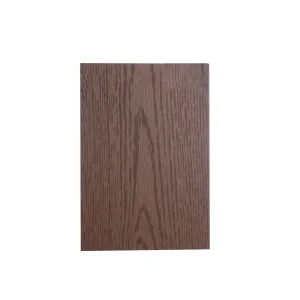
A: Yes. Our WPC decking and fencing profiles are designed with textured surfaces that provide excellent slip resistance (R11 Rating), even when wet. This makes them a safer choice for areas around pools, patios, riverfront walkways, and municipal plazas.
Q: How does WPC perform in extreme weather (frost, snow, rain)?
A: WPC is highly resistant to moisture, rot, and decay, making it ideal for rainy and humid climates like the Samara river basin. It is also resistant to freezing and thawing cycles, so it won't crack or splinter in frosty sub-zero winter conditions (-30°C). Proper installation with adequate drainage clearance is key to long-term performance.
Q: Will WPC warp, crack, or splinter?
A: No. One of the key benefits of WPC is its high dimensional stability. It is highly resistant to warping, cracking, splitting, and splintering, which are common problems with natural timber under fluctuating temperatures.
Q: How do I clean and maintain my WPC products?
A: Maintenance is incredibly easy. For routine cleaning, simply sweep away debris and occasionally wash with a mild soap solution and a soft brush or hose. This is all that's needed to keep your WPC looking new. Avoid using harsh chemical solvents or abrasive wire brushes.
Q: Is staining or sealing required?
A: No. Unlike natural wood, WPC products never require sanding, staining, or sealing. Their color is consistent throughout the material and is designed to last for years with minimal fading.
Q: How long does WPC last?
A: Our WPC products are engineered for long-life performance. They typically come with warranties ranging from 10 to 25 years against fading, staining, structural defects, and fungal rot.
Q: Are WPC products resistant to mold, mildew, and insects?
A: Yes. The high-density thermoplastic encapsulation makes it highly resistant to mold, mildew, and insect damage, including wood termites. This is a decisive advantage over untreated wood.
Q: What colors and styles are available?
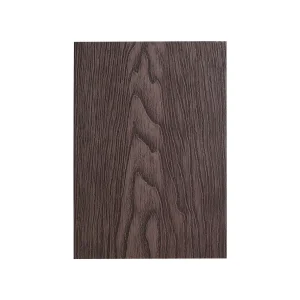
A: We offer a wide range of colors and wood-grain textures, from classic woods like Ipe, Teak, and Walnut to contemporary greys and whites. Our collection includes decking boards, fencing, wall cladding, pergolas, and outdoor architectural furniture.
Q: Can WPC be cut and drilled like wood?
A: Yes. You can use standard woodworking tools (circular saws, power drills) to cut and shape WPC. We recommend using carbide-tipped blades for the cleanest cuts.
Contact our technical experts today! We offer comprehensive technical assistance, CAD layout planning, custom sample shipments, and bulk factory-direct pricing for contractors and distributors across Samara.
Send Inquiry Now Yida Wood