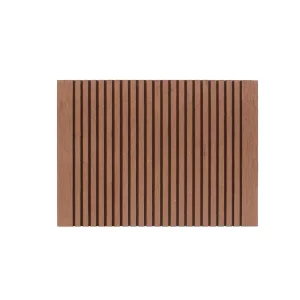
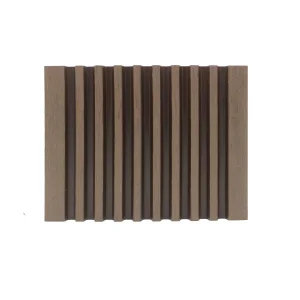
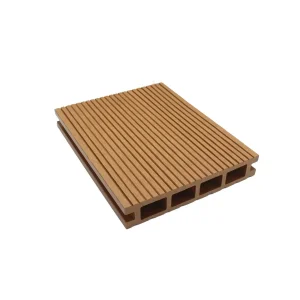
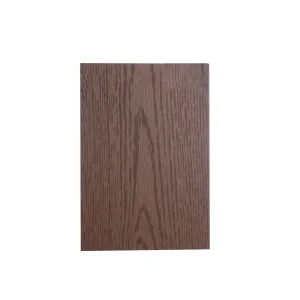
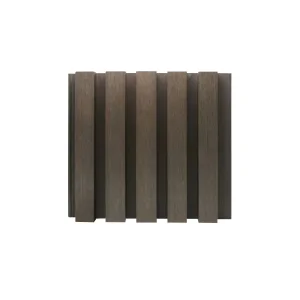
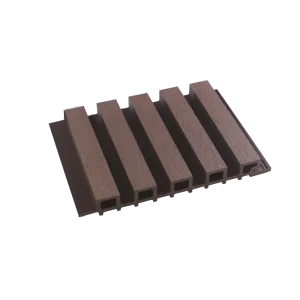
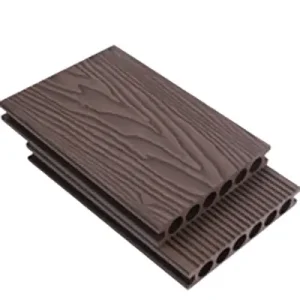
Sudan, particularly the Khartoum metropolitan area, is experiencing a significant shift in architectural preferences. Traditional timber, while aesthetically pleasing, suffers from rapid degradation due to the intense Saharan UV radiation and extreme temperature fluctuations (often exceeding 45°C). The Sudanese construction sector is increasingly pivoting towards high-performance composites like WPC to ensure longevity in municipal parks, Nile riverfront developments, and luxury residential projects.
With rising imports of expensive hardwoods, the industrial demand for cost-effective, durable, and low-maintenance materials has surged. WPC Classic Decking provides a superior Return on Investment (ROI) by eliminating the need for annual staining, oiling, and pest treatment, which are significant labor and cost burdens in the local economy.
The global Wood-Plastic Composite market is projected to reach USD 12.5 billion by 2030. As a leading manufacturer, Ningbo Yida Wood Plastic Technology Co., Ltd. is at the forefront of this evolution, integrating "Circular Economy" principles. We utilize recycled high-density polyethylene (HDPE) and reclaimed wood fibers to create products that exceed international standards for sustainability and structural integrity.
Our R&D team has specifically optimized the thermal expansion coefficient for the African market. By utilizing a proprietary blend of UV inhibitors and antioxidant additives, Yida WPC maintains dimensional stability even when exposed to the harsh sunlight of Port Sudan and the dry heat of the interior provinces.
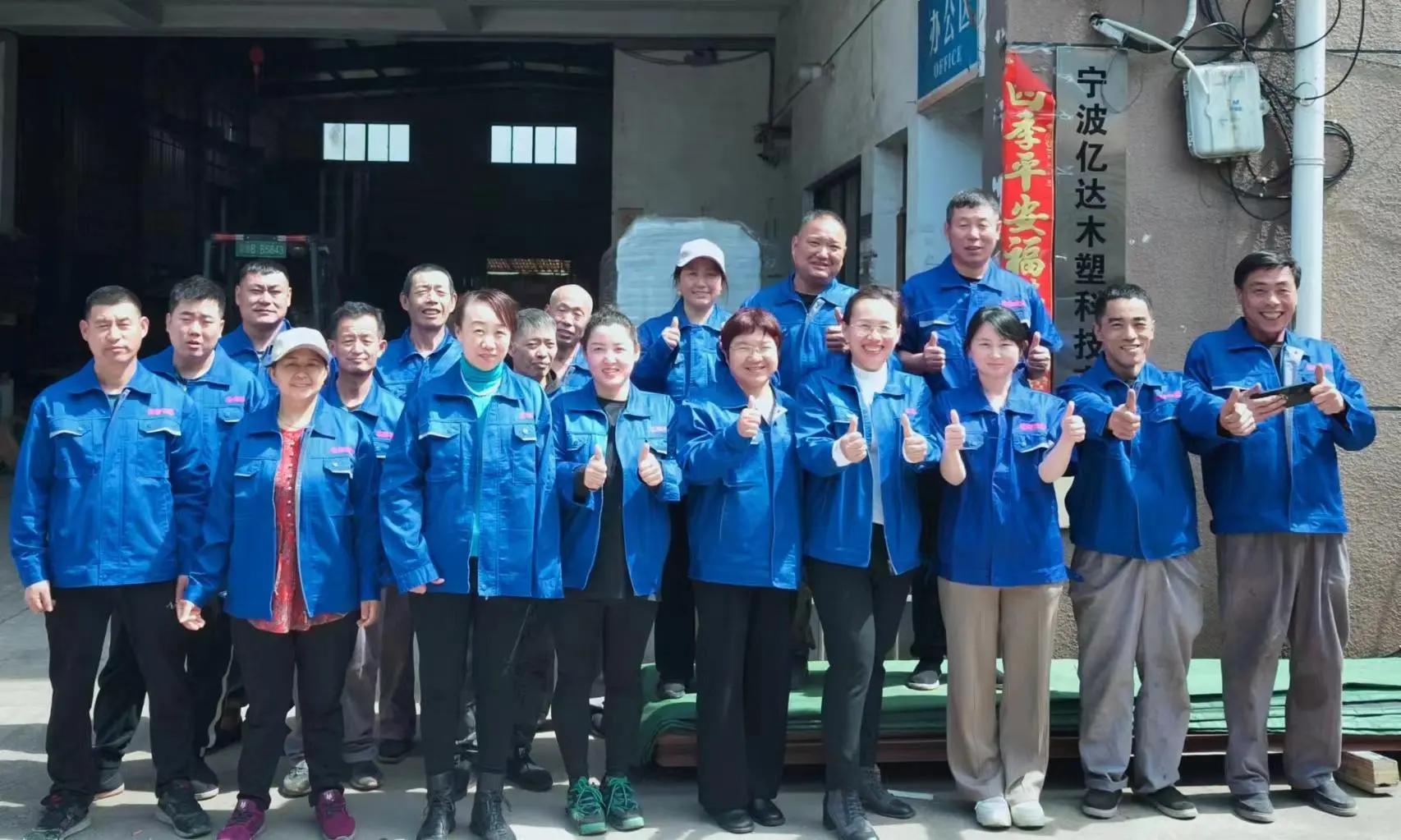
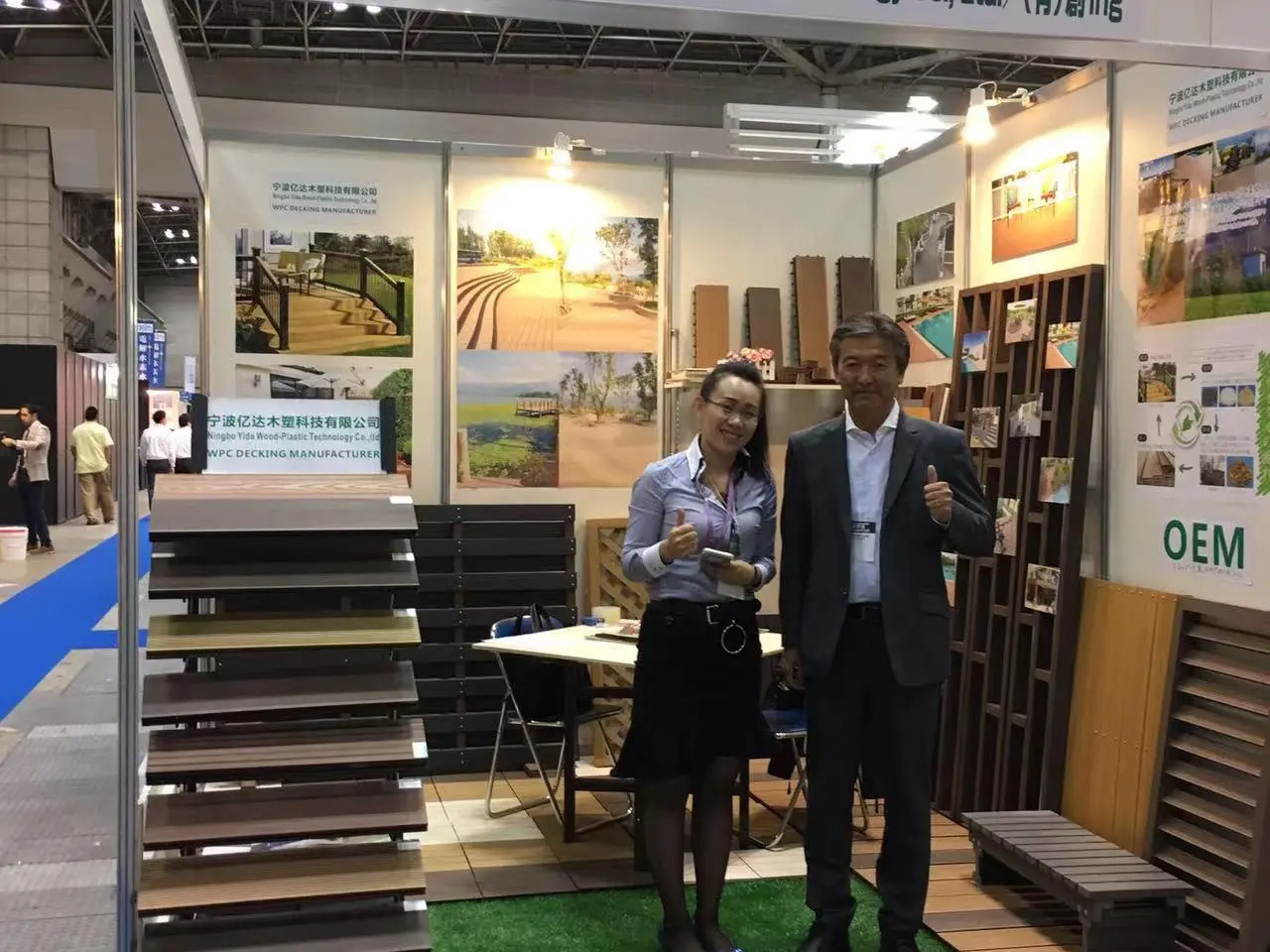
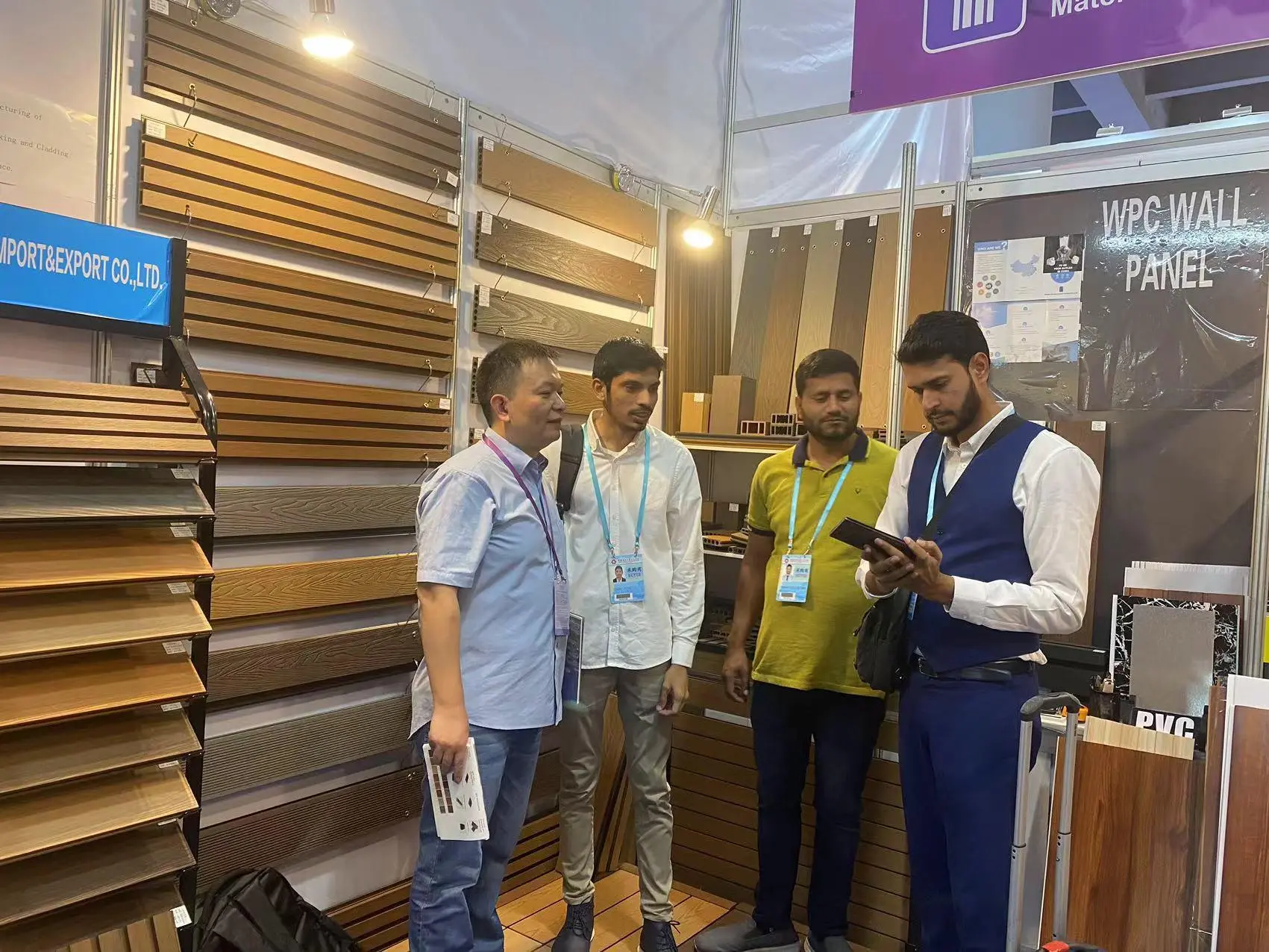
Ningbo Yida Wood Plastic Technology Co., Ltd. is proud to introduce our innovative wood plastic composite material that combines the natural beauty of wood with the durability of plastic profiles. With nearly ten years of R&D, production and sales experience, we have become a leading manufacturer and supplier of new wood-plastic composite materials.
Our Yida brand wood-plastic composite materials have excellent properties such as waterproof, moisture-proof, mildew-proof, insect-proof, black-proof, and crack-proof. This makes it ideal for a variety of applications, including outdoor architectural design, landscaping and municipal engineering projects. As an environmentally friendly material, it is in line with the country’s strong encouragement of sustainable development.
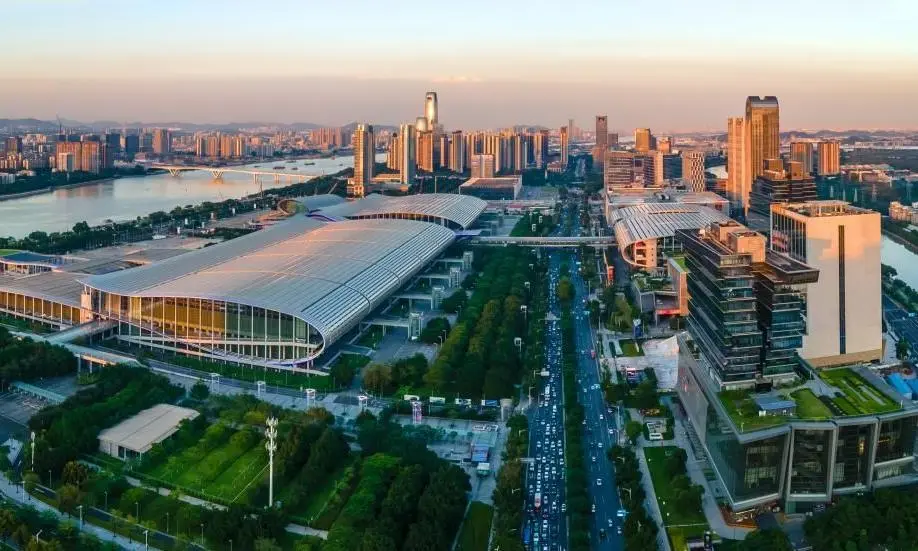
We have invested in advanced production technology and established a professional team dedicated to product research and development, manufacturing, sales, after-sales service and construction. This ensures that our wood plastic composites meet the highest quality and performance standards.
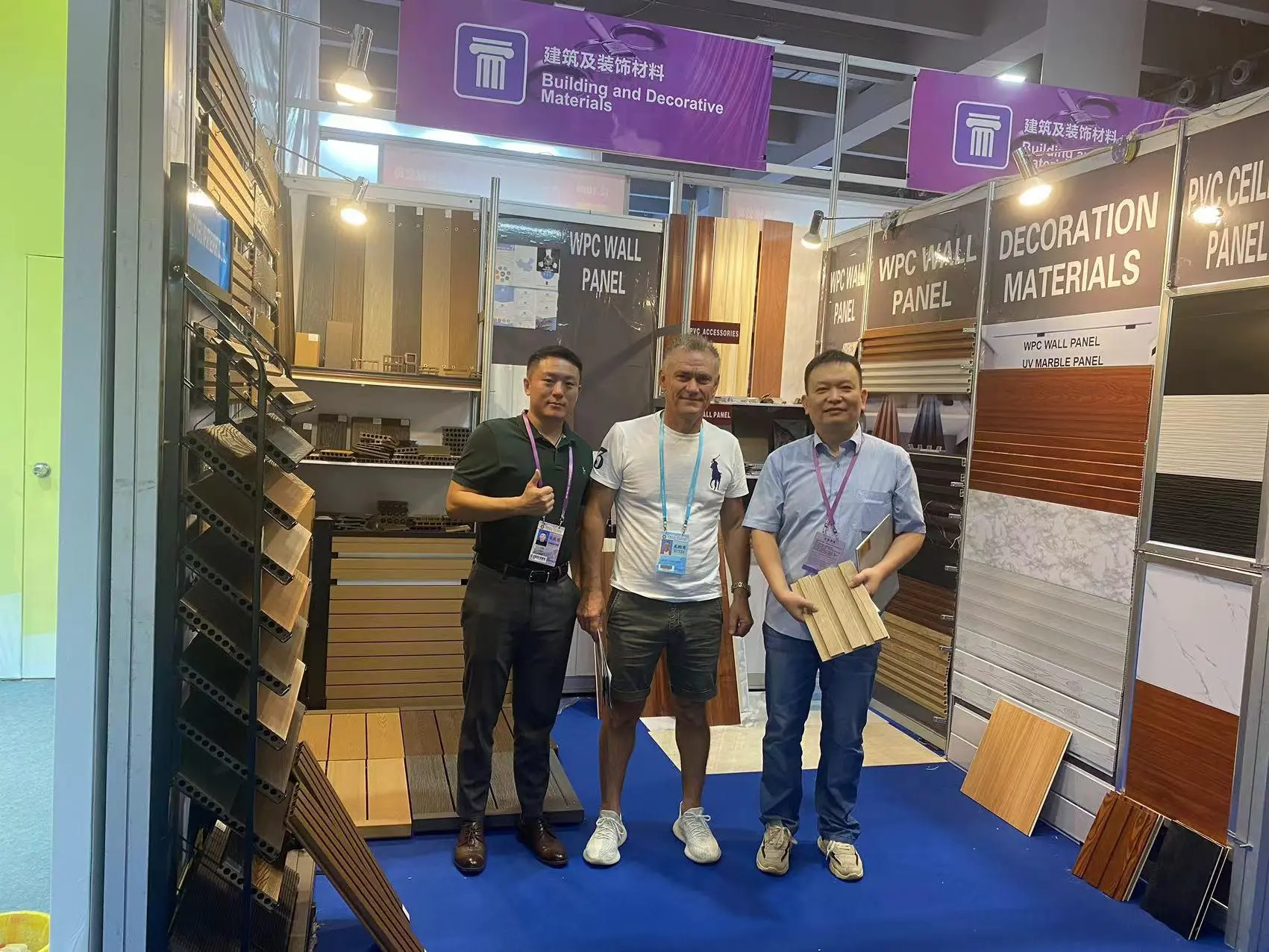
In addition to servicing commercial and residential projects, we have established dedicated service teams to support educational and medical institutions across the country. Our commitment to contributing to important public infrastructure is unwavering.
Traditional wood rots quickly near the humid banks of the Blue and White Nile. Our Yida WPC decking provides a moisture-proof solution for boardwalks, cafes, and observation decks that remain cool underfoot and aesthetically consistent for decades.
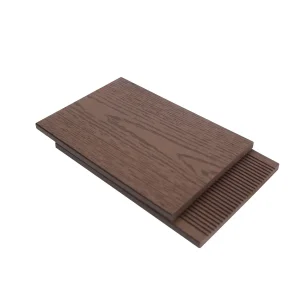
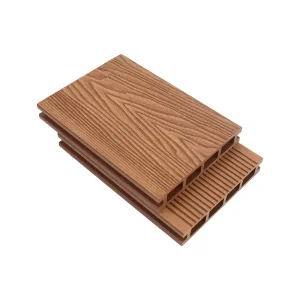
High-traffic areas require slip-resistant and crack-proof surfaces. Our YD140 series is engineered to handle heavy pedestrian flow while maintaining a premium "natural wood" look that complements modern Sudanese architecture.
For high-end villas in areas like Al-Riyadh or Manshiya, WPC cladding and decking offer a sophisticated finish that withstands the dust storms (Habobs) and requires only a simple water wash to look brand new.
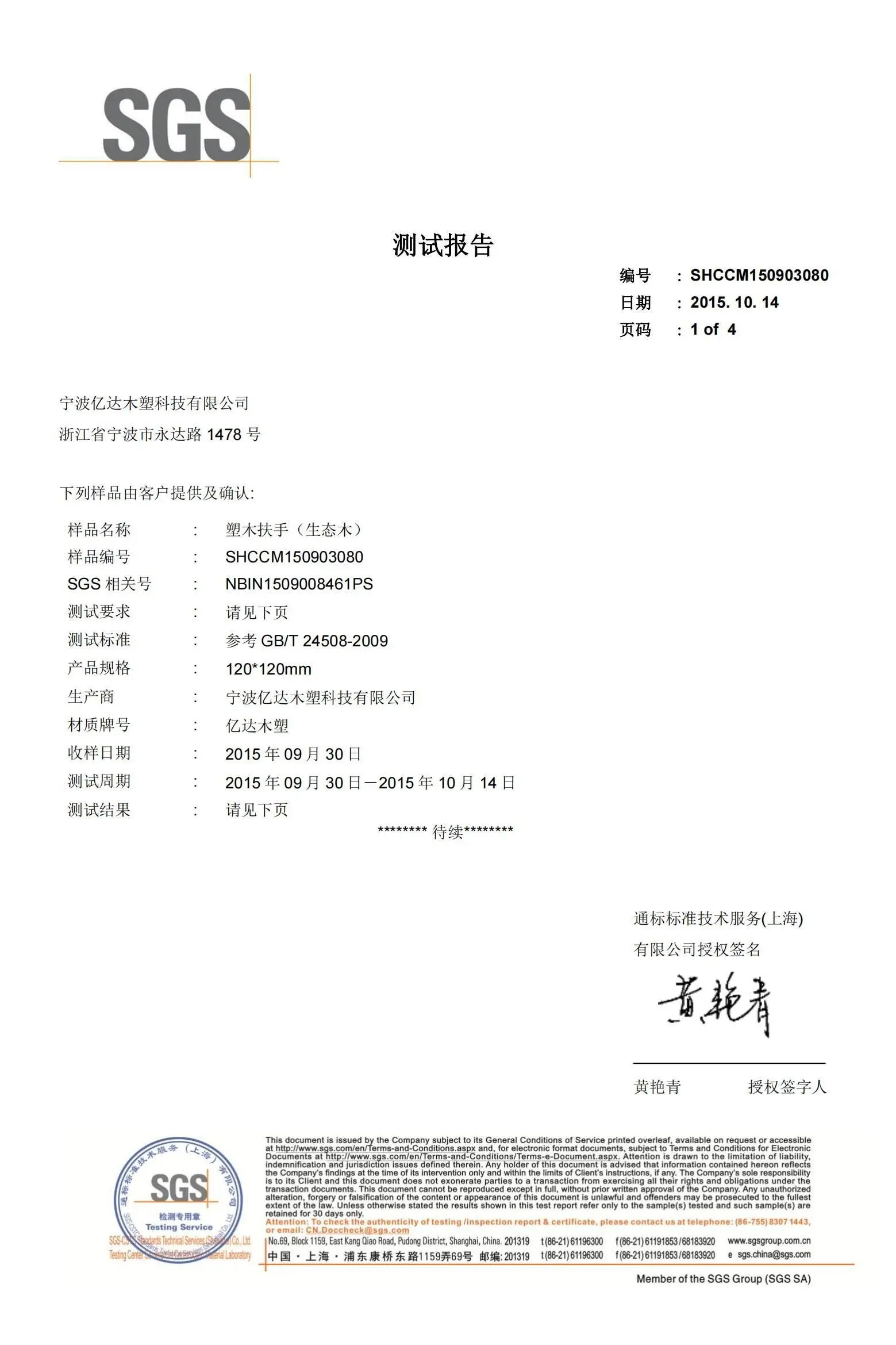
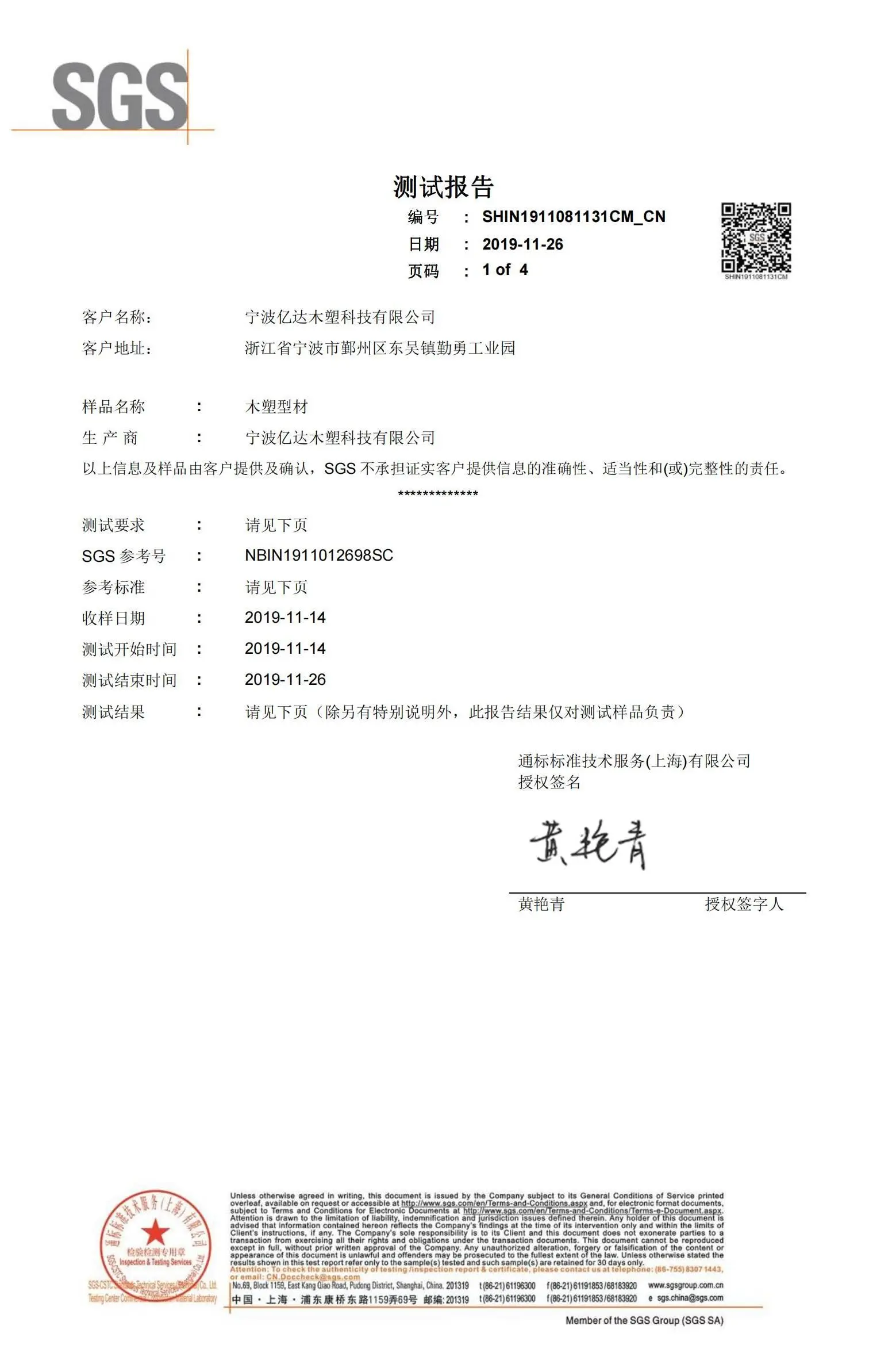
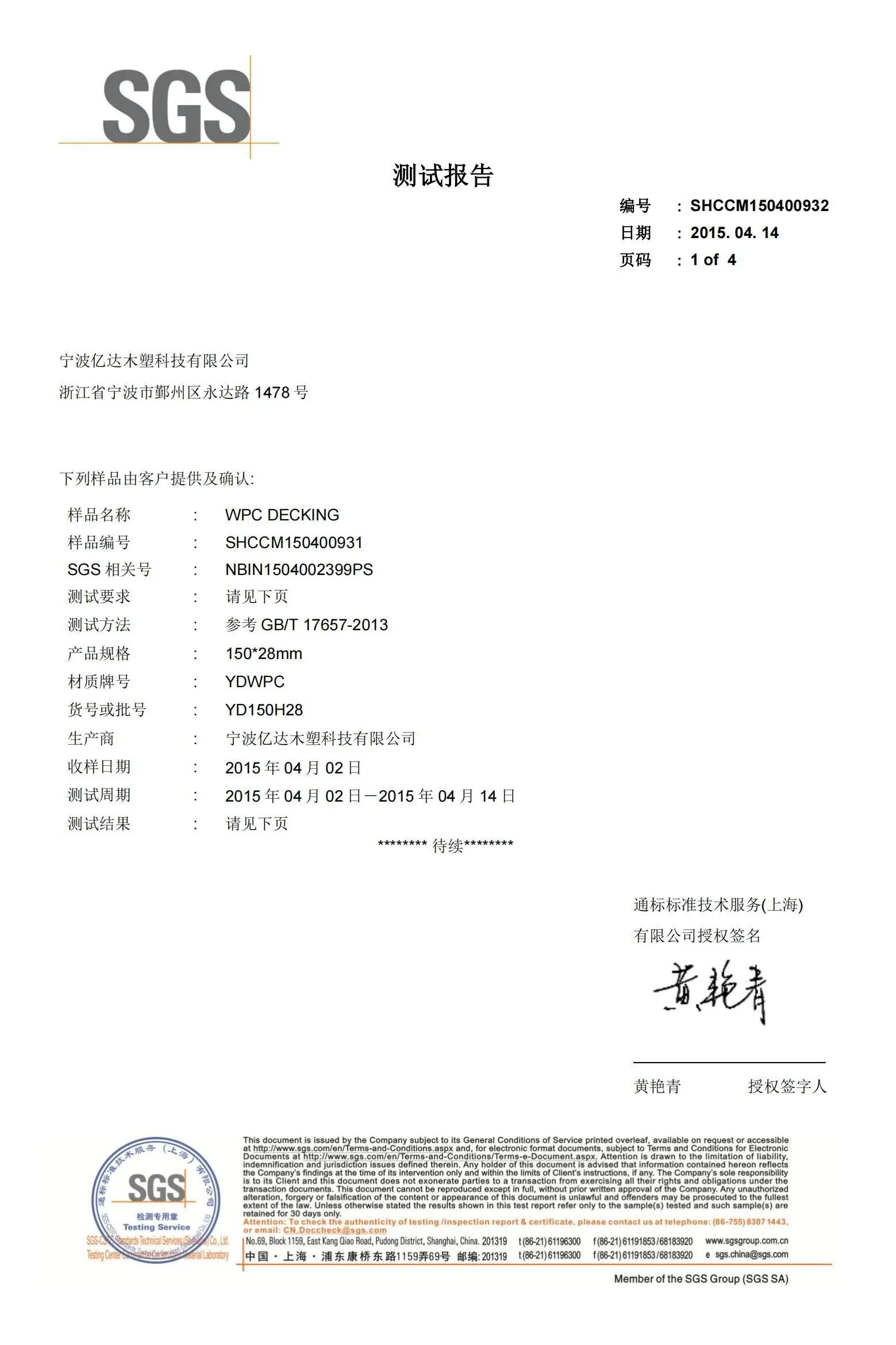
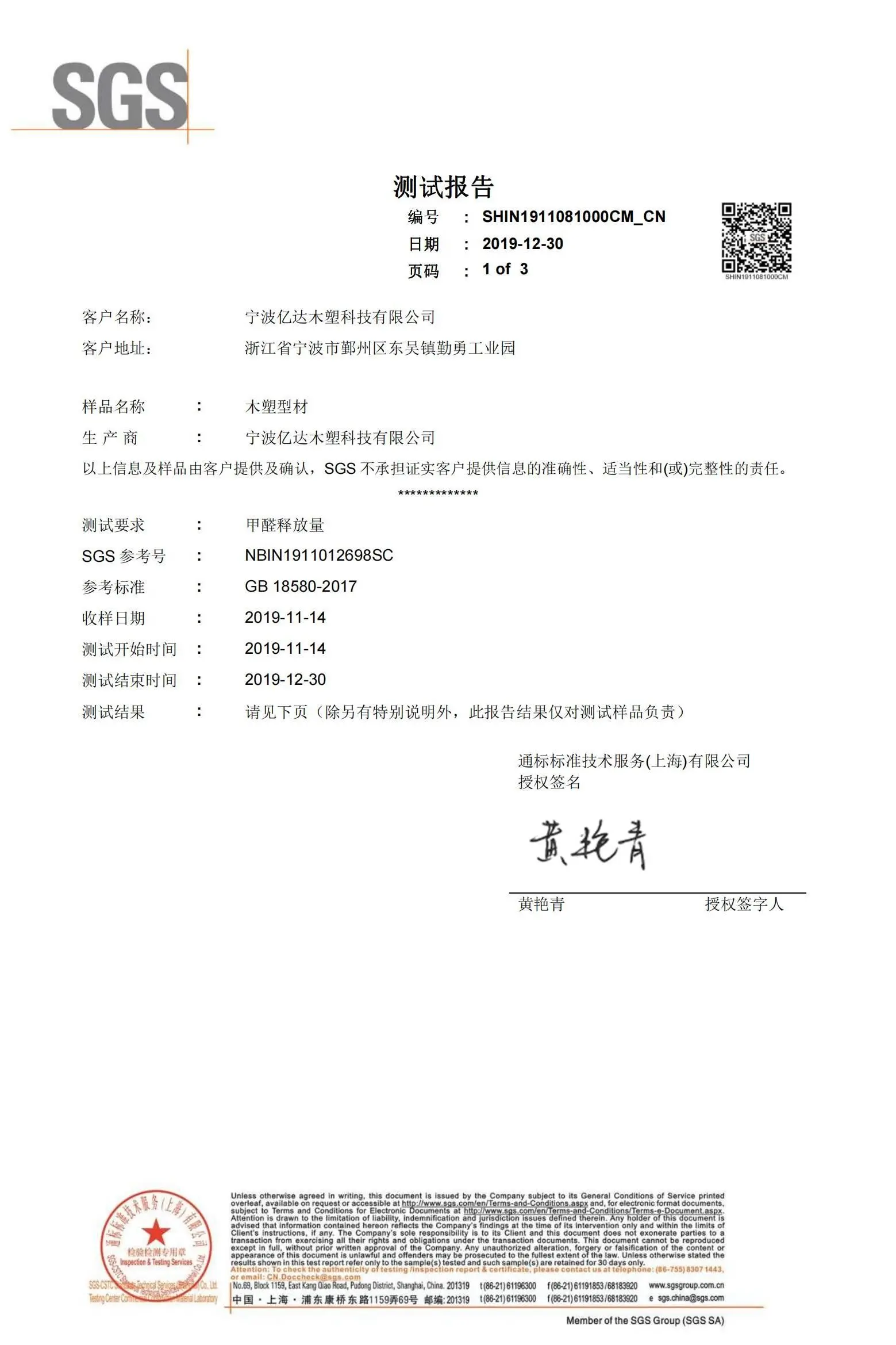
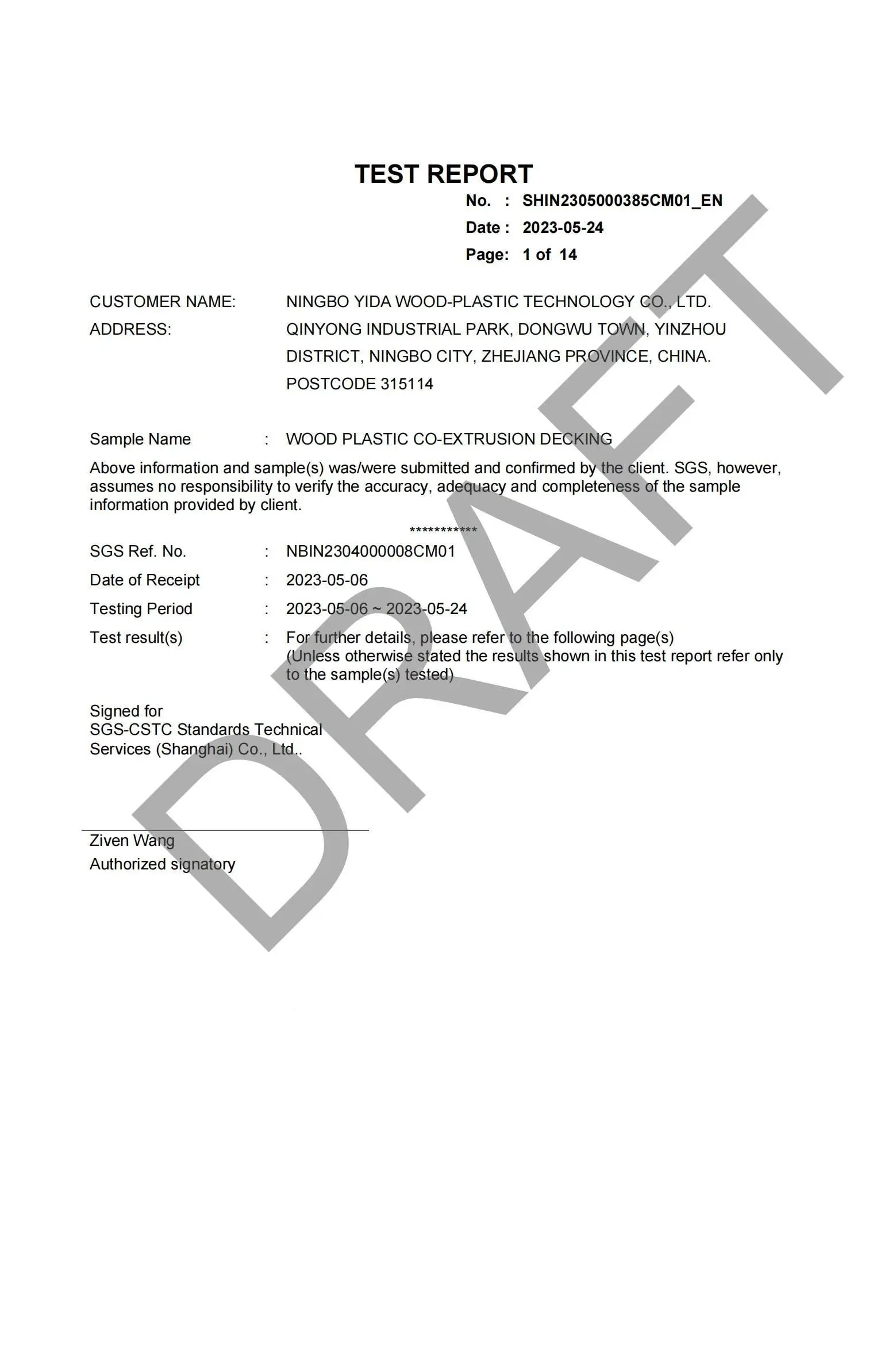
From conceptual design to on-site construction support, we provide end-to-end solutions for major infrastructure developers in East Africa.
A: Yes. Like any outdoor surface, WPC can get warm, but our products are formulated with advanced polymers that dissipate heat more effectively than traditional wood or dark plastics. Our lighter color ranges are specifically recommended for the Sudan market to minimize heat absorption.
A: Unlike natural wood which has open pores where dust can settle and cause decay, WPC has a dense, non-porous surface. A simple pressure wash or rinse with a hose is all that's required to remove desert sand and restore the deck's original appearance.
A: Our products typically come with warranties ranging from 10 to 25 years against fading, staining, and structural defects, even under the intense African sun.
A: Yes, our WPC products are designed for DIY installation with hidden clip-fastening systems. However, for large commercial projects in Sudan, we recommend professional installation to ensure warranty validation and perfect drainage.
A: Absolutely. The composition of wood fiber and plastic makes the material unappealing and indigestible to termites and other wood-boring insects common in the region.
 Yida Wood