As the Philadelphia metropolitan area experiences a renaissance in both commercial developments (spanning Center City, University City, and the Navy Yard) and residential retrofits in neighborhoods like Fishtown and Northern Liberties, the demand for high-performance exterior materials has escalated. Traditional timber cladding, while visually appealing, struggles to cope with the extreme climatic variations of the Mid-Atlantic region. In Philadelphia, hot, humid summers are followed by sub-freezing, damp winters, presenting significant freeze-thaw cycles that severely compromise conventional wood cladding through warping, splitting, and biological rot.
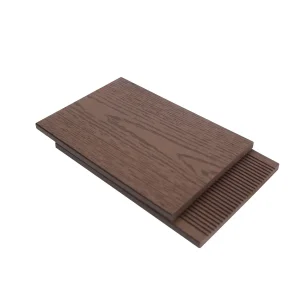
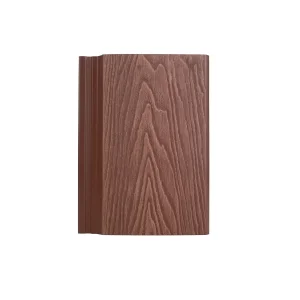
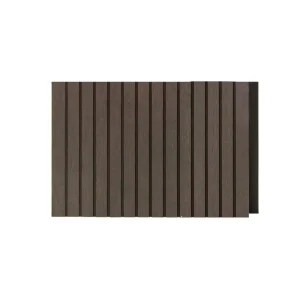
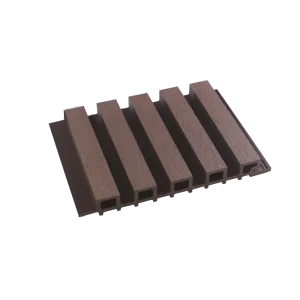
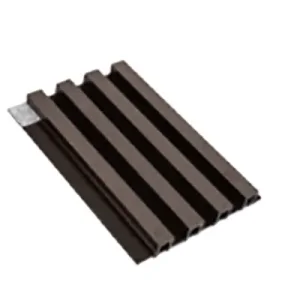
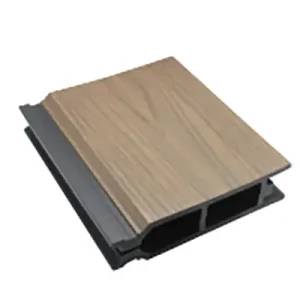
Modern developers and architectural engineering firms are increasingly specifying Wood-Plastic Composite (WPC) Classic Cladding to solve these structural issues. Engineered with advanced thermoplastic matrices and industrial wood fibers, WPC cladding delivers the warmth of natural wood finishes combined with the impervious structural qualities of synthetic polymers. This whitepaper analyzes the mechanical properties, localized installation advantages, supply chain systems, and environmental performance of WPC materials within the Philadelphia regional market.
In accordance with Philadelphia Building Subcode (Title 14) and regional environmental initiatives, green building practices require envelopes with high thermal efficiency and low lifecycle maintenance. WPC classic cladding serves as an ideal rainscreen mechanism, generating a ventilated air cavity that significantly reduces building heat gain in summer and protects structural walls from moisture intrusion during heavy snowmelt phases.
Ningbo Yida Wood Plastic Technology Co., Ltd. / Company Profile
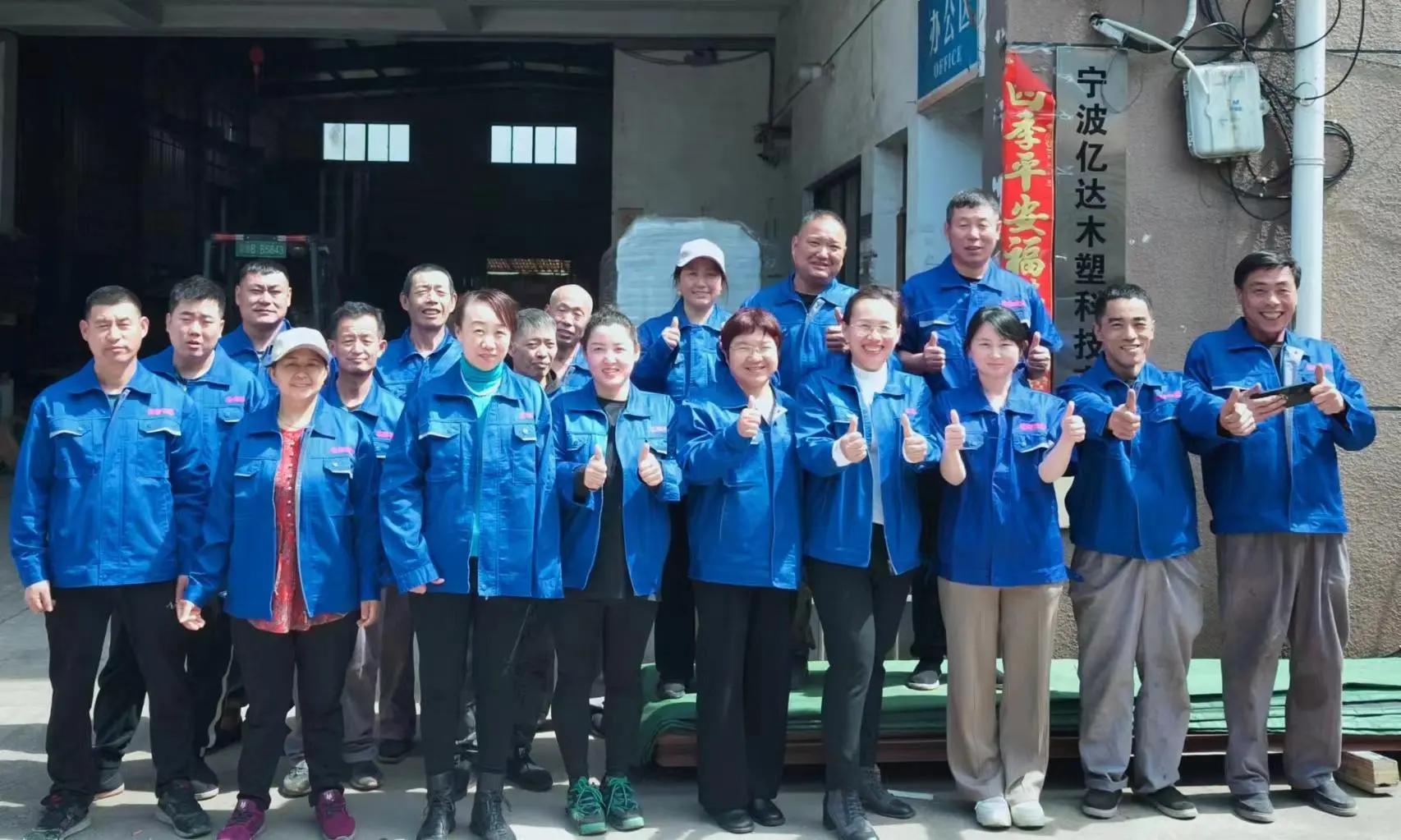
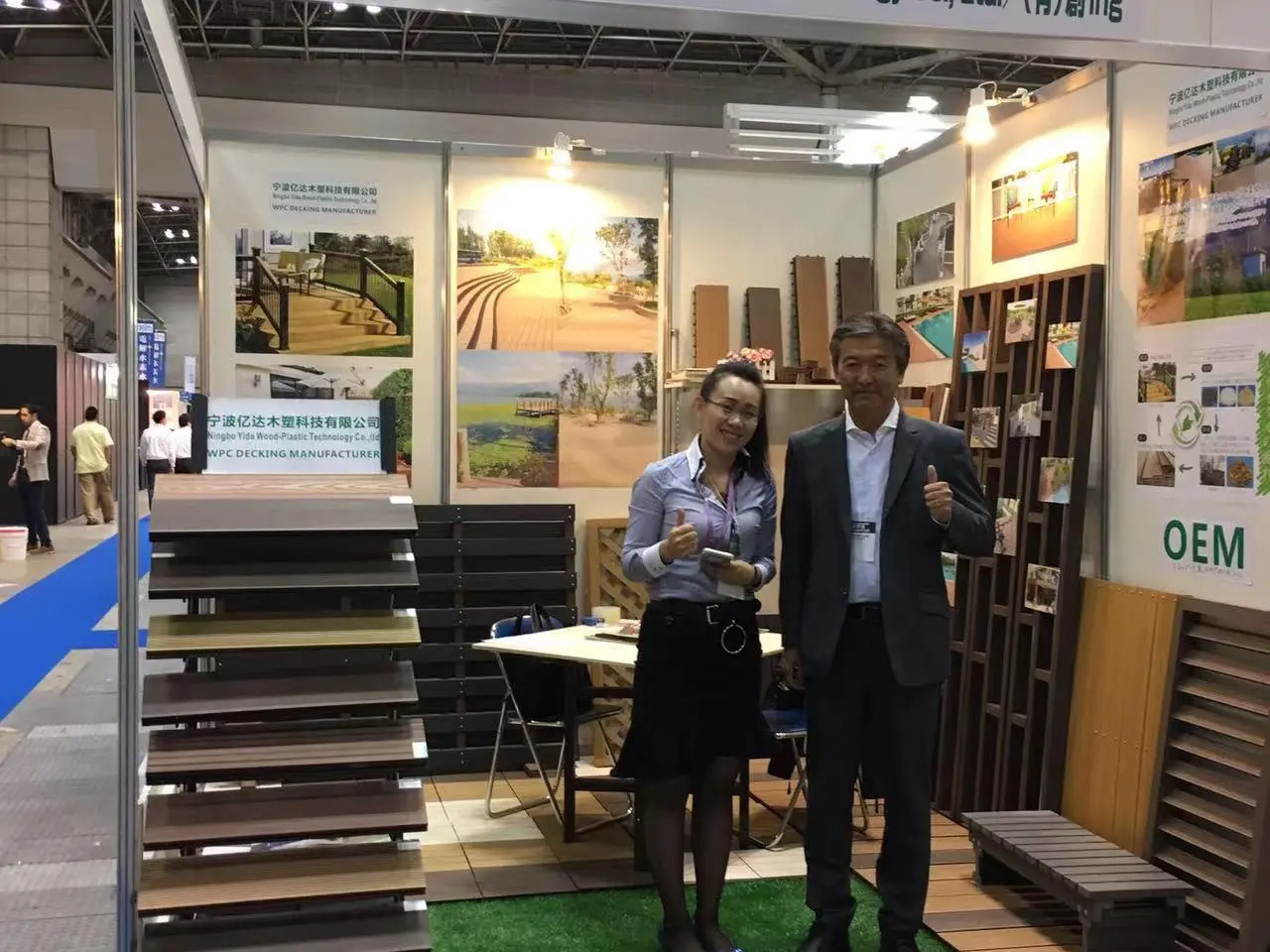
Ningbo Yida Wood Plastic Technology Co., Ltd. is proud to introduce our innovative wood plastic composite material that combines the natural beauty of wood with the durability of plastic profiles. With nearly ten years of R&D, production and sales experience, we have become a leading manufacturer and supplier of new wood-plastic composite materials.
Our Yida brand wood-plastic composite materials have excellent properties such as waterproof, moisture-proof, mildew-proof, insect-proof, black-proof, and crack-proof. This makes it ideal for a variety of applications, including outdoor architectural design, landscaping and municipal engineering projects. As an environmentally friendly material, it is in line with the country’s strong encouragement of sustainable development.
Through our dedicated global distribution network, we serve major commercial and infrastructure hubs, delivering structural components directly from our state-of-the-art Chinese manufacturing facilities to warehouse terminals and project jobsites across the Philadelphia metropolitan area, Pennsylvania, and the wider Northeast corridor.
To understand why WPC classic cladding represents a superior technological choice for regional developers in Philadelphia, one must analyze the physical characteristics of wood plastic composites against traditional Western Red Cedar cladding and Fiber Cement board. Below is a detailed performance matrix compiled from laboratory trials and ASTM testing:
| Performance Metrics | Ningbo Yida WPC Cladding | Premium Western Red Cedar | Fiber Cement Cladding |
|---|---|---|---|
| Thermal Expansion & Contraction | Controlled (<0.05 mm/m/°C) | Variable (High swelling when wet) | Low (but prone to micro-cracking) |
| Moisture Absorption (ASTM D1037) | < 0.5% (Non-porous skin) | Up to 25% (Porous) | Moderate (Requires edge sealing) |
| Biological Rot & Termite Damage | 100% Resistant (Polymer encapsulated) | High susceptibility over time | Fully Resistant |
| Maintenance Cycle & Costs | Zero maintenance (Periodic wash only) | Sealing & Painting every 2-3 years | Repainting every 7-10 years |
| Color Stability (UV Resistance) | High (Anti-UV stabilizers blended) | Rapid graying and UV degradation | Coated surface fades unevenly |
| Tensile & Flexural Strength | High structural rigidity | Subject to grain defects & splitting | Highly brittle, prone to impact damage |
Wood Plastic Composites bypass the structural failure points of real timber by blending 60% high-grade, reclaimed wood flour with 30% recycled High-Density Polyethylene (HDPE) resins and 10% chemical processing additives (coupling agents, UV blockers, and flame retardants). The composite material is extruded under extreme heat and pressure, locking the organic fibers inside a protective polymer matrix.
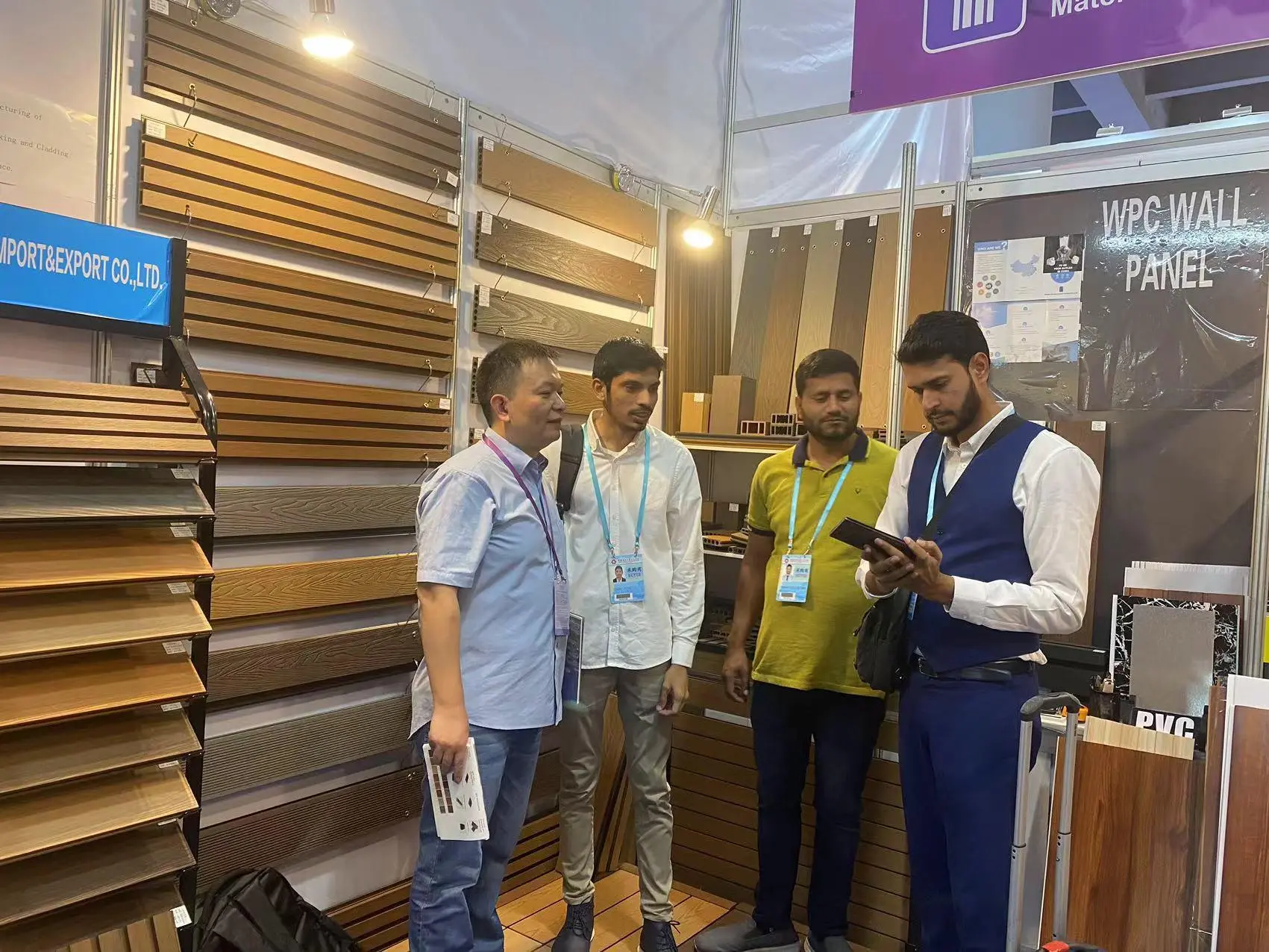
At Ningbo Yida, we have invested in advanced production technology and established a professional team dedicated to product research and development, manufacturing, sales, after-sales service and construction. This ensures that our wood plastic composites meet the highest quality and performance standards. In addition to servicing commercial and residential projects, we have established dedicated service teams to support educational and medical institutions across the country. Our commitment to providing professional services and construction to major universities and hospitals in the country reflects our commitment to contributing to important public infrastructure.
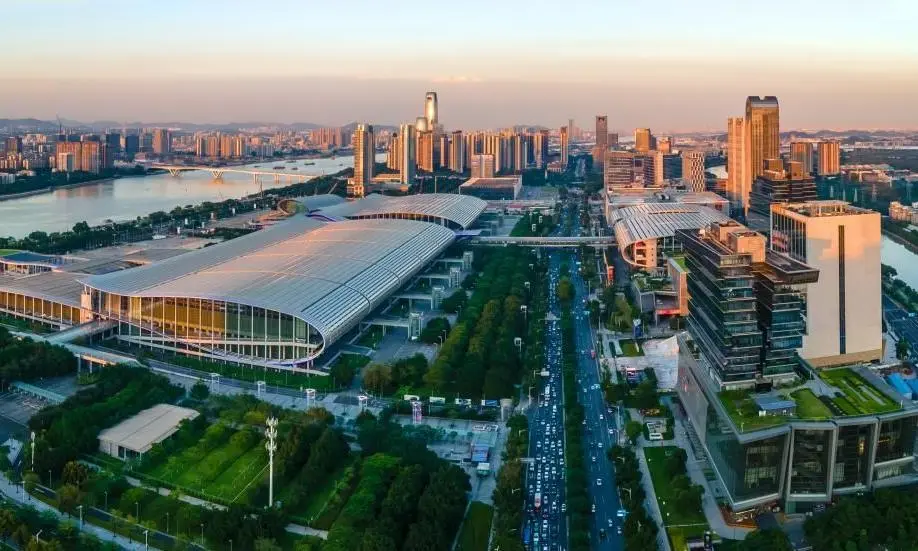
We are proud to have successfully completed numerous large-scale engineering projects, demonstrating the reliability and versatility of our wood plastic composite materials. Our products are widely recognized for their superior performance and aesthetic appeal.
As we continue to innovate and expand our product range, we remain committed to providing our customers with sustainable, high-quality solutions. With Yida Wood Plastic Composite, you can be confident that your next project will perfectly blend natural beauty with modern durability.
Understanding procurement logistics is a key driver for procurement directors and estimators bidding on Philadelphia real estate projects. Sourcing WPC cladding directly from Ningbo Yida’s modern Chinese factory offers significant economic and quality assurance advantages over domestic wholesalers:
By manufacturing in our localized Chinese industrial zone, we secure raw high-density polyethylene and premium recycled wood meal at scale. This allows us to pass a 30% to 50% price reduction down to US construction firms compared to domestic mid-tier composite brands.
Our tooling workshop can extrude custom profiles, specific tongue-and-groove interfaces, custom colors, and textured wood grains tailored for specific commercial architectural drawings. Direct factory control allows rapid prototype adjustments.
Leveraging direct ocean freight routes from Ningbo Port straight to the Packer Avenue Marine Terminal (PhilaPort) or the Port of New York & New Jersey, we optimize shipping logistics. We offer FOB, CIF, and full DDP delivery straight to staging locations in the Tri-State area.
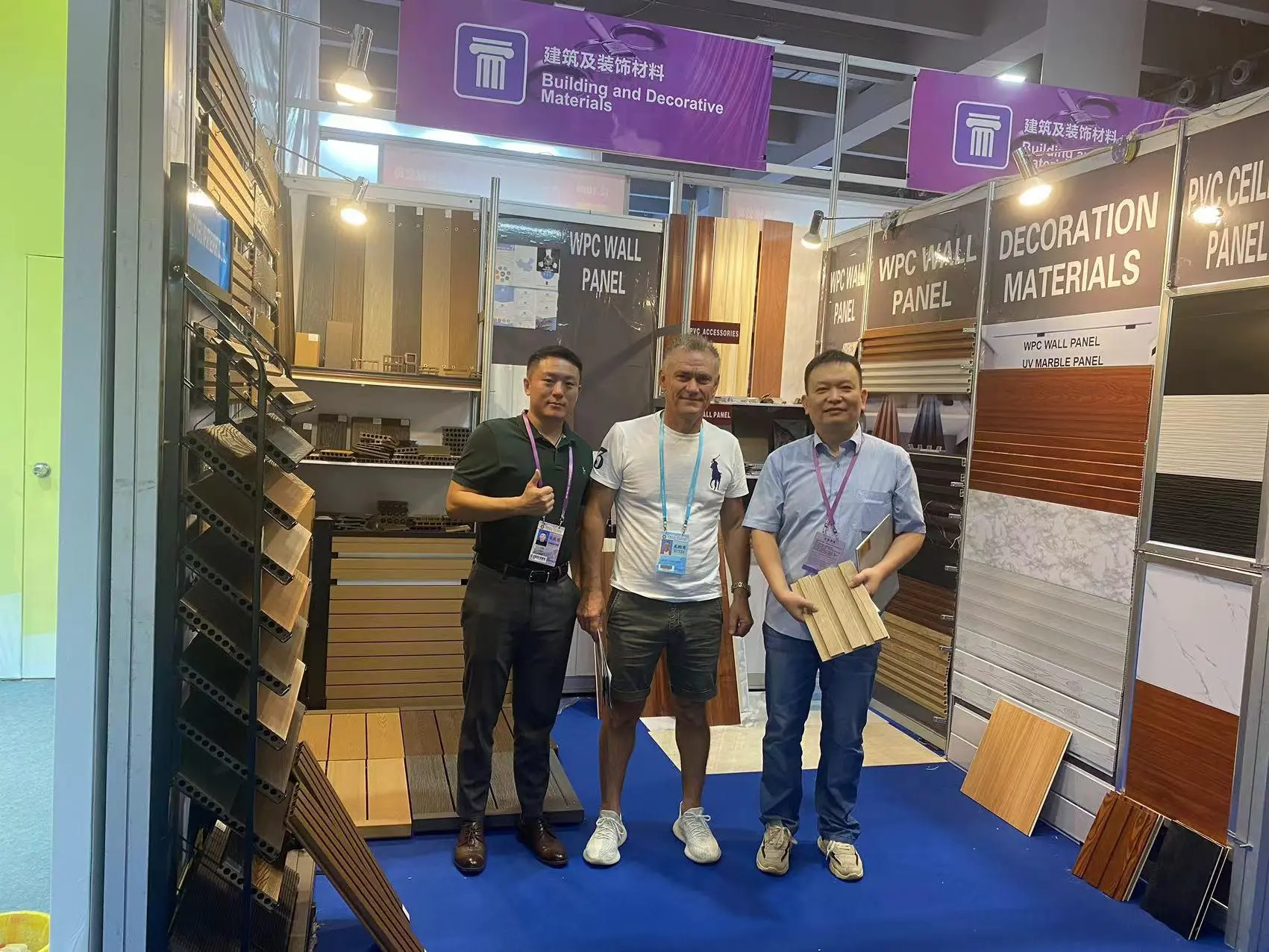
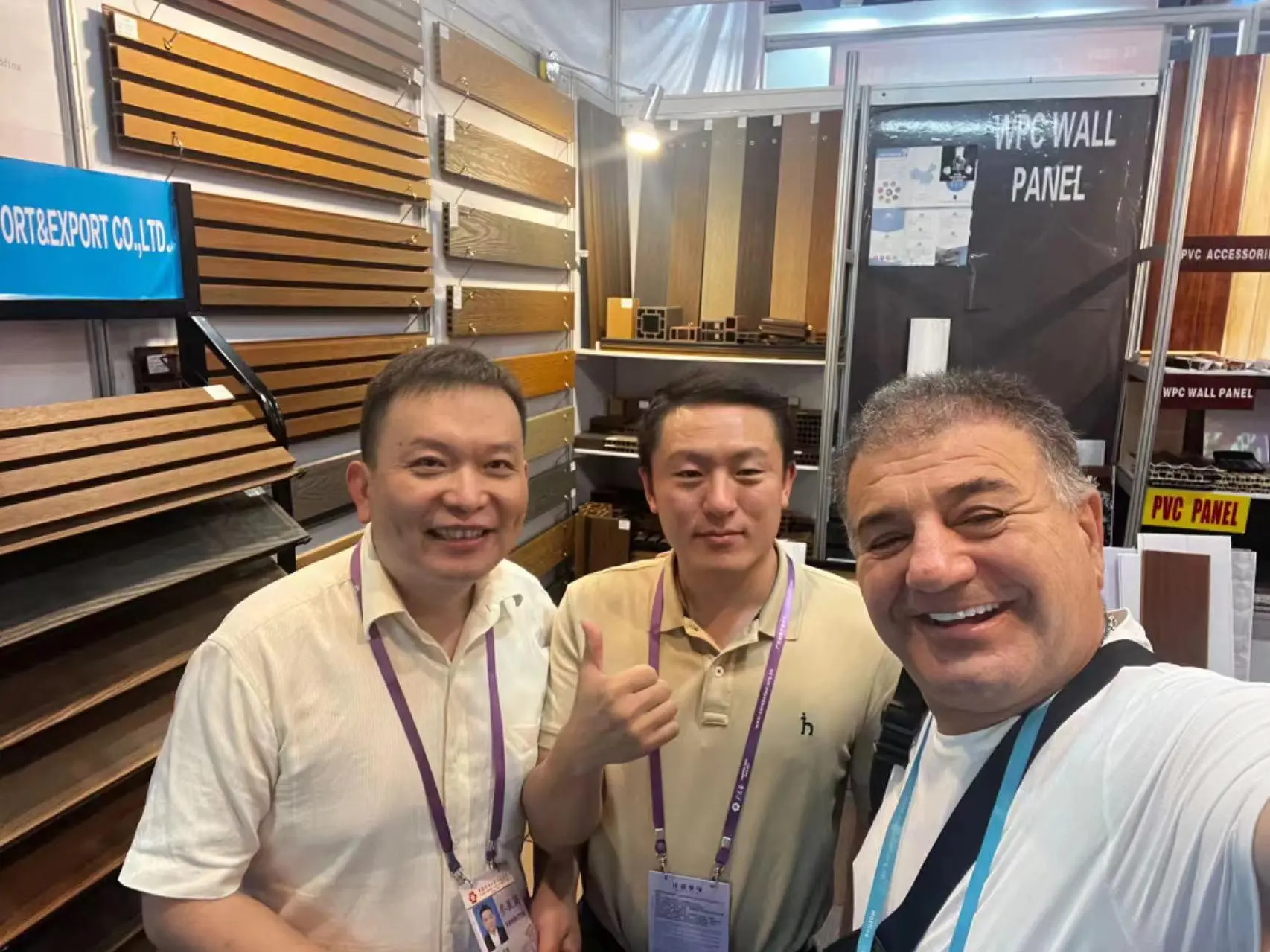
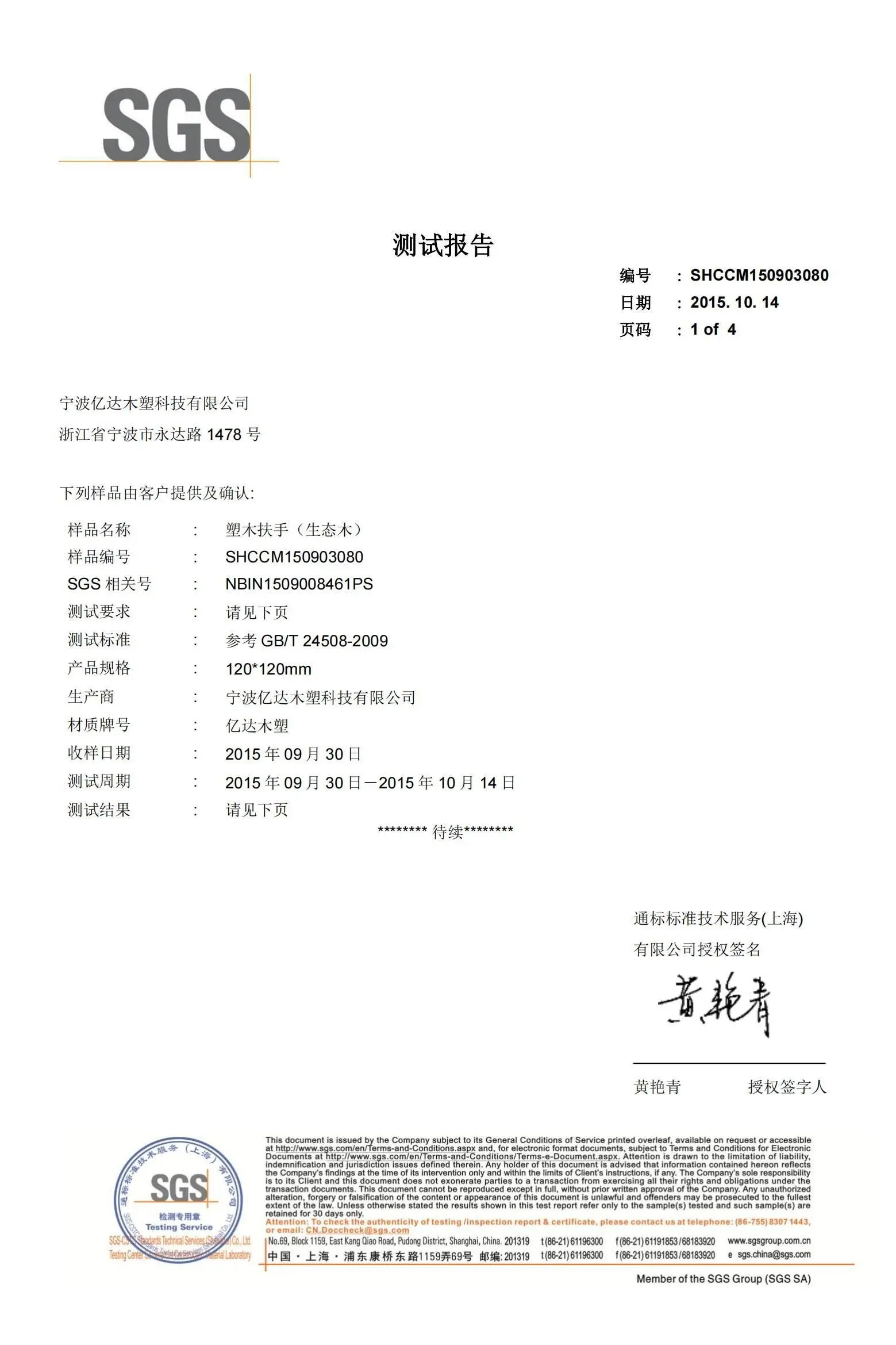
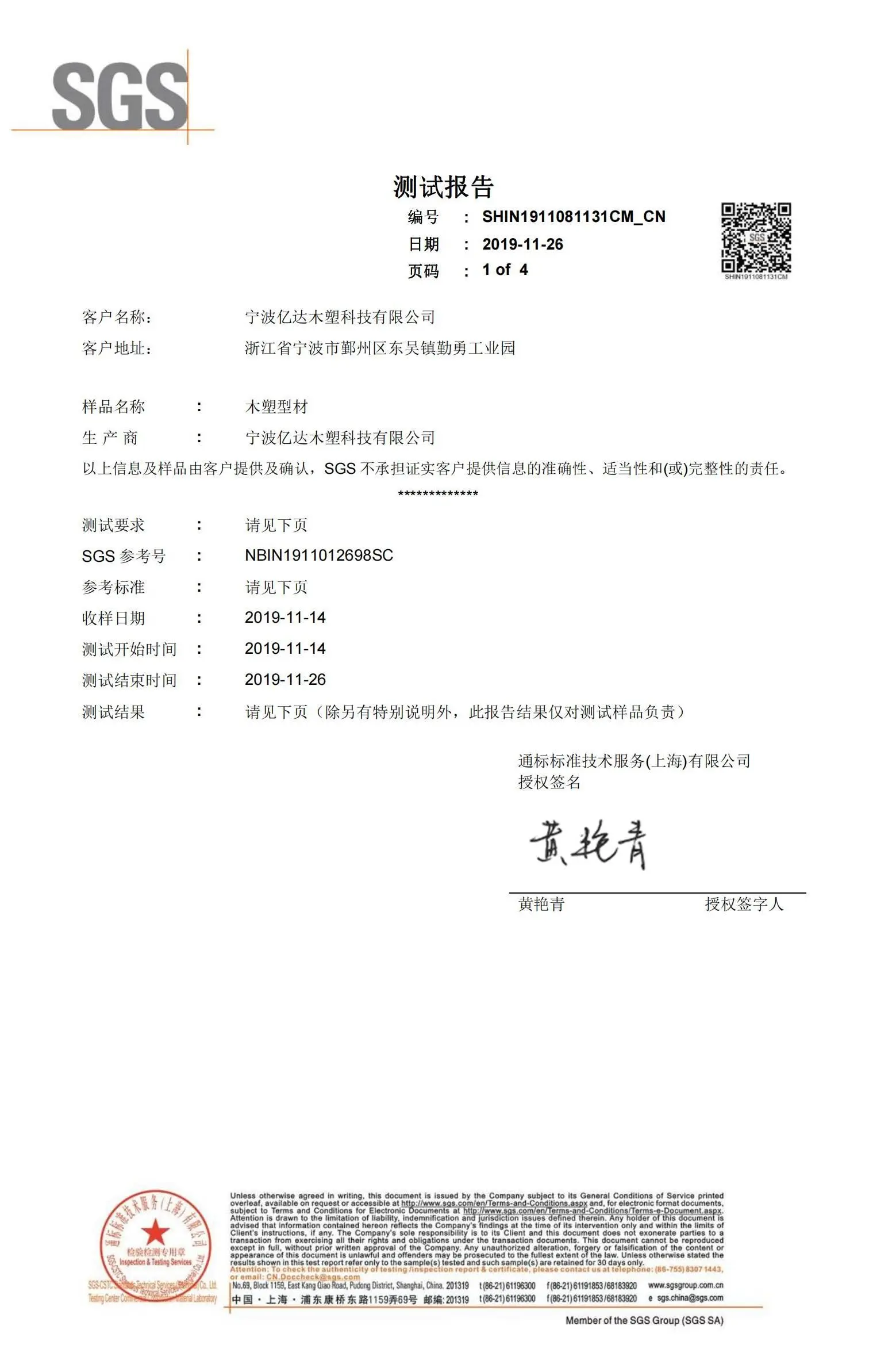
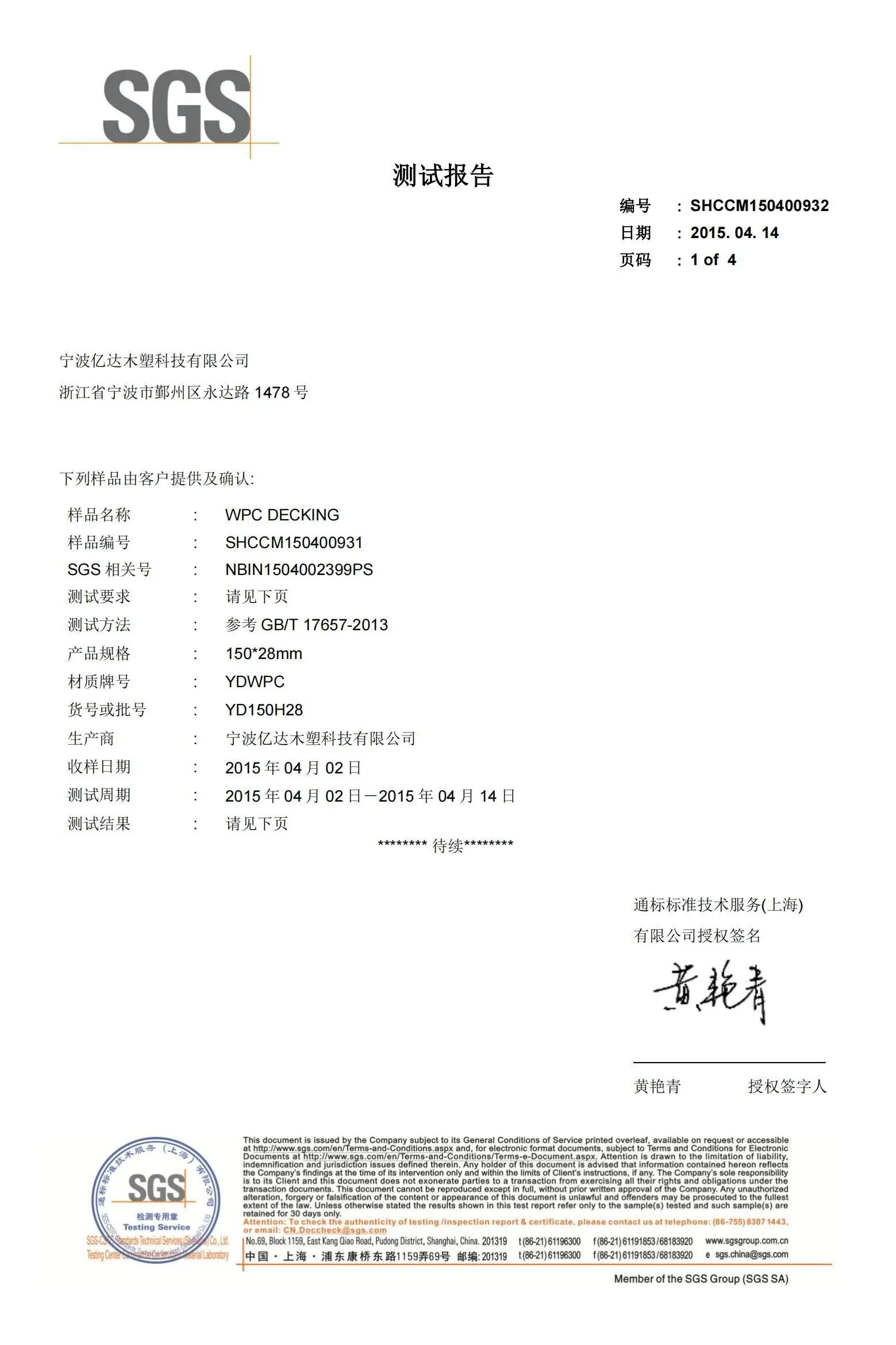
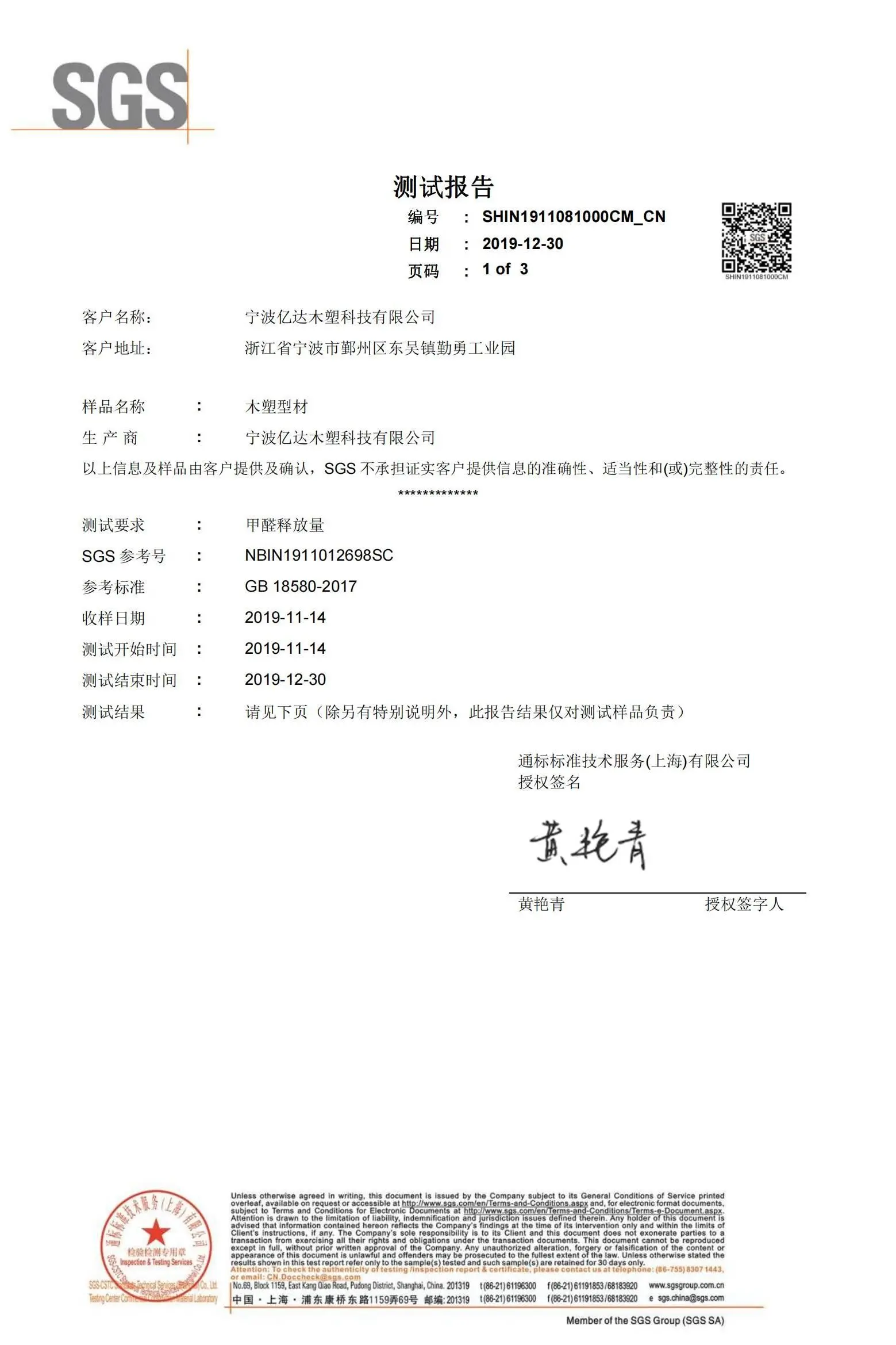
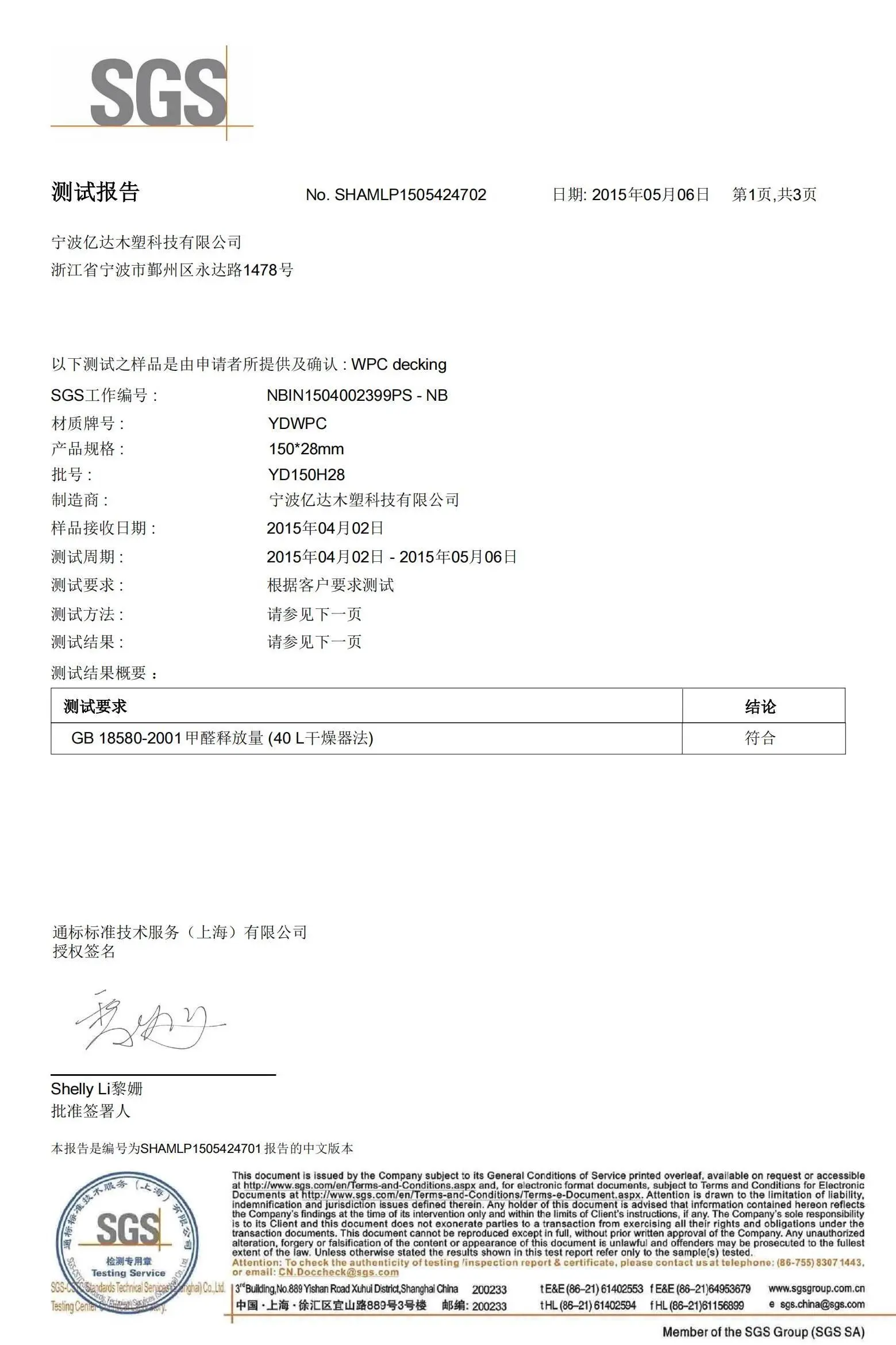
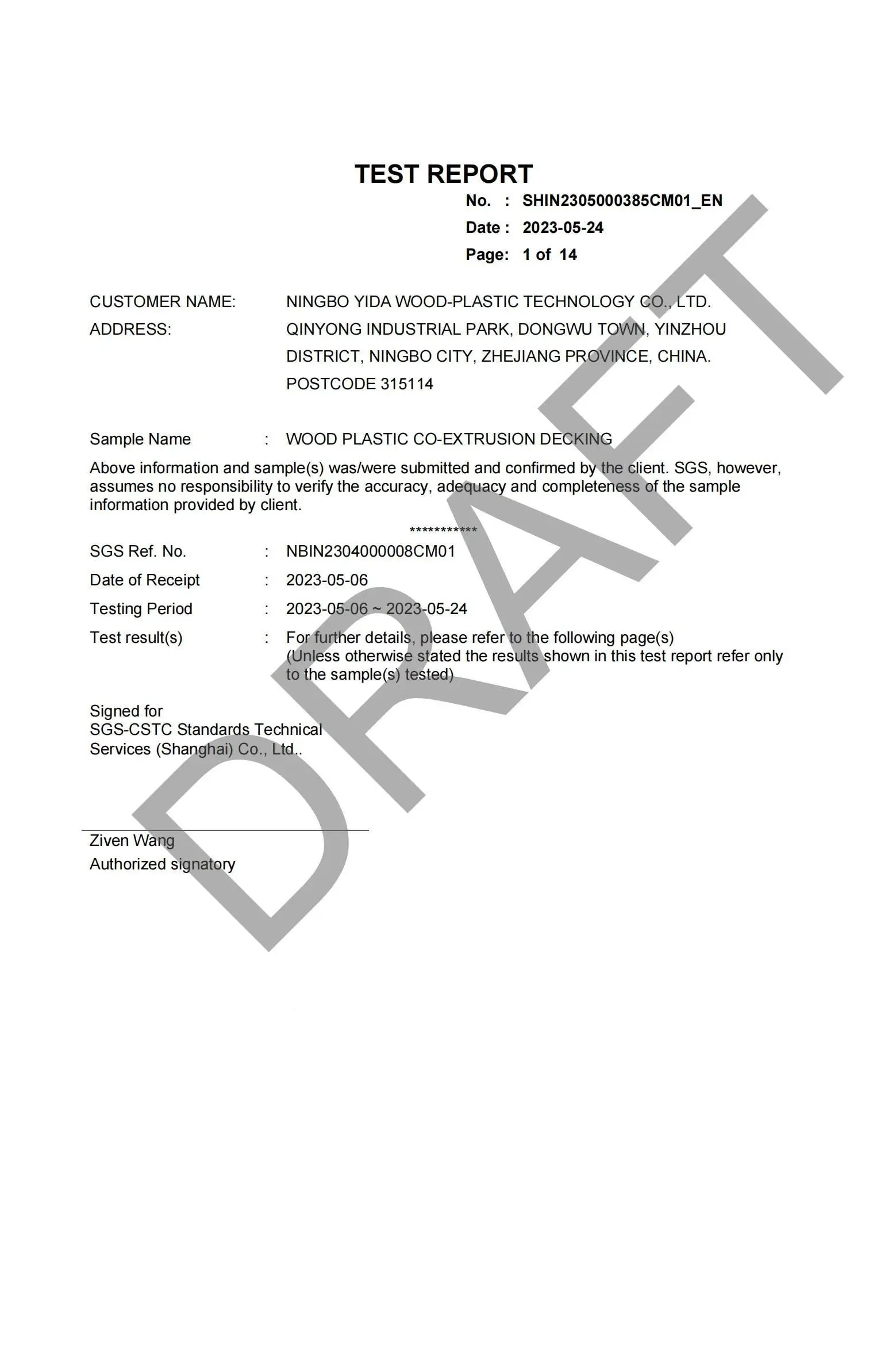
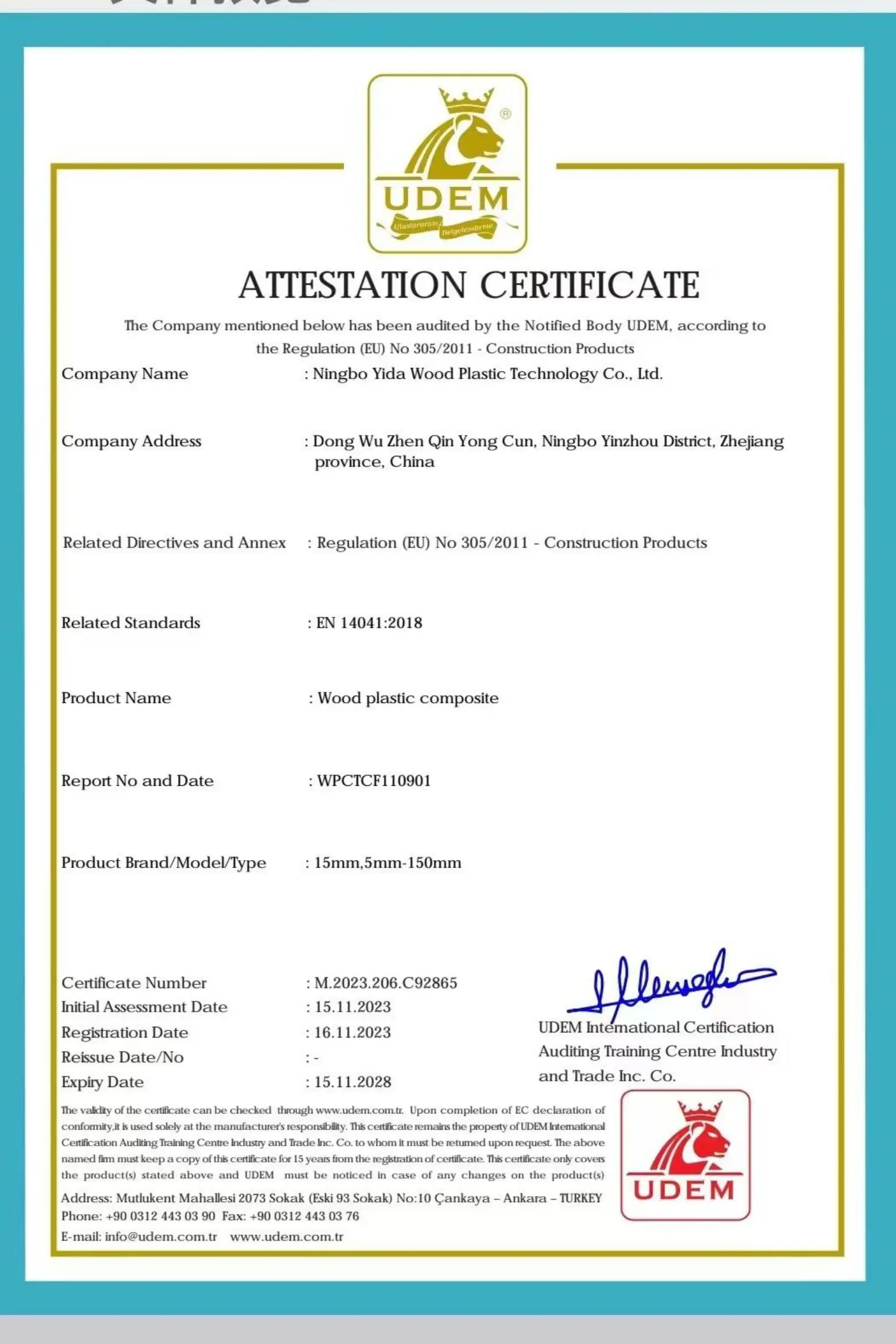
Our factory operations and product lines adhere to rigorous international inspection metrics, ensuring compliance with building safety and environmental regulations in North America and Europe.
Get instant answers to technical questions about WPC composition, durability, structural application parameters, and ordering processes for the Mid-Atlantic market.
WPC stands for Wood Plastic Composite. It is an innovative material made from a blend of recycled wood fibers/flour and thermoplastics (like PE). This creates a product that has the natural beauty of wood with enhanced durability and minimal maintenance.
Yes, it is highly eco-friendly. Our WPC products are considered eco-friendly because they are primarily made from recycled materials—reclaimed wood waste and recycled plastics. This reduces landfill waste and the need for virgin timber. Additionally, their long lifespan and low maintenance requirements (no chemical staining or sealing) further reduce their environmental impact.
While both are low-maintenance, WPC contains a significant amount of wood fiber, giving it a more authentic, textured look and feel closer to real wood. Pure plastic cladding often has a synthetic, shiny appearance. WPC also tends to be more rigid and has better heat dissipation properties than some pure plastic alternatives.
Yes, many of our WPC products are designed for DIY installation with hidden or clip-fastening systems. However, for large, complex commercial projects or to ensure compliance with Philadelphia Building Codes and warranty validation, we recommend professional installation. Always follow our specific installation guide.
Like any outdoor surface (wood, pavers, vinyl), WPC can get warm in direct sunlight. However, our products are formulated with advanced technology and often feature lighter colors or capped coatings that reflect more heat than traditional wood or darker composites, making them more comfortable underfoot during hot summers.
WPC is highly resistant to moisture, rot, and decay, making it ideal for rainy and humid climates like the US Northeast. It is also resistant to freezing and thawing cycles, so it won't crack or splinter in frosty conditions. Proper installation with adequate drainage and expansion gaps is key to long-term performance.
No. One of the key benefits of WPC is its high dimensional stability. It is highly resistant to warping, cracking, splitting, and splintering, which are common problems with natural timber under the pressure of changing seasonal temperatures.
Maintenance is incredibly easy. For routine cleaning, simply sweep away debris and occasionally wash with a mild soap solution and a soft brush or hose. This is all that's needed to keep your WPC looking new. Avoid using harsh chemicals, abrasive cleaners, or high-pressure washers.
No. Unlike natural wood, WPC products never require sanding, staining, or sealing. Their color is consistent throughout the material and is designed to last for years with minimal fading, saving thousands of dollars in maintenance over the product's lifespan.
Our WPC products are engineered for long-life performance. They typically come with warranties ranging from 10 to 25 years against fading, staining, and structural defects, depending on the product line.
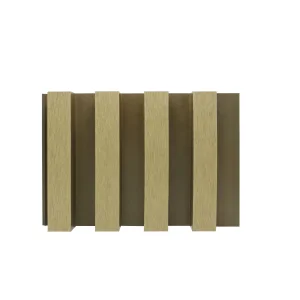
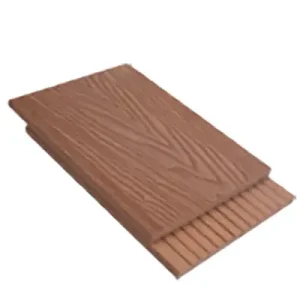
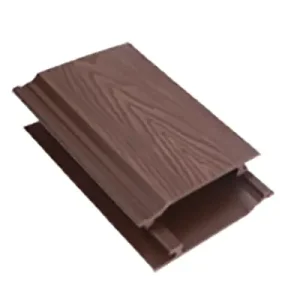
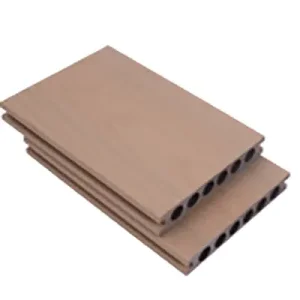
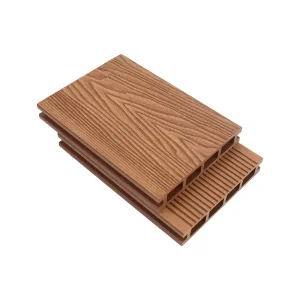
We offer a wide range of colors and wood-grain textures, from classic woods like Ipe and Teak to contemporary greys and whites. Our collection includes cladding boards, decking, fencing, pergolas, and outdoor furniture profiles.
Yes. You can use standard woodworking tools (saws, drills) to cut and shape WPC. We recommend using carbide-tipped blades for the cleanest cut.
Simply send an inquiry using our portal. Our commercial sales engineers will coordinate with your estimators, review CAD drawings, offer pricing structures on CIF/DDP terms, and arrange direct production runs with custom color matching. Lead times generally range from 3 to 5 weeks for manufacturing plus standard transit times.
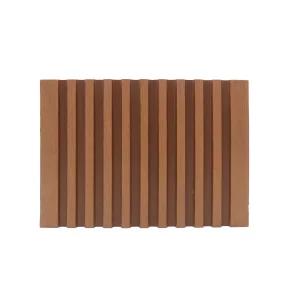
Whether you are designing a commercial structure in Center City or sourcing high-durability residential cladding for Pennsylvania, our architectural engineers are ready to assist you with free technical estimates, samples, and compliance guidance.
 Yida Wood