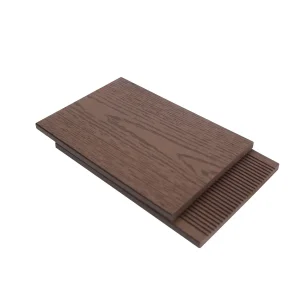
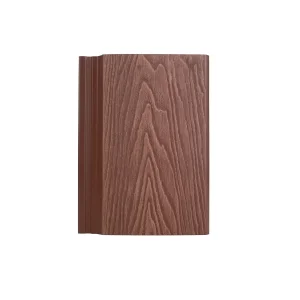
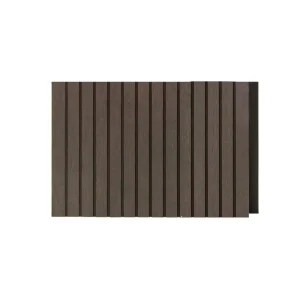
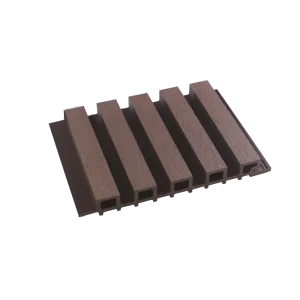
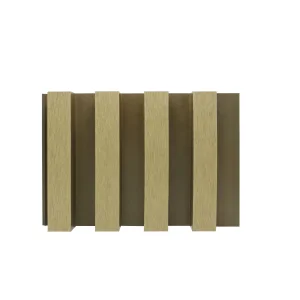
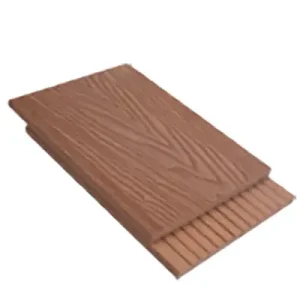
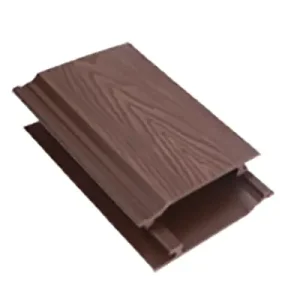
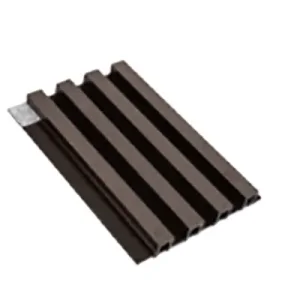
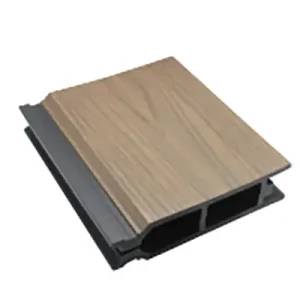
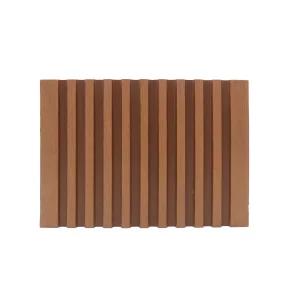
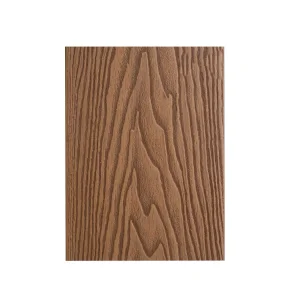
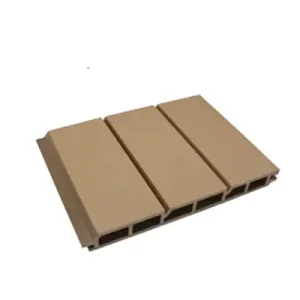
The global WPC market is experiencing an unprecedented CAGR of 12.4%, driven by a shift toward "Green Building" and resource circularity. As traditional timber resources face depletion and strict environmental regulations, WPC has emerged as the premier alternative. By blending high-density polyethylene (HDPE) with reclaimed wood fibers, manufacturers have created a material that defies the biological limitations of organic wood—specifically rot, termite infestation, and UV-induced thermal expansion.
In 2024, the focus has shifted toward "Capped" or "Co-extruded" technology, which provides an extra layer of protection against extreme weather conditions, making it an ideal candidate for regions with severe seasonal variations.
Expected Lifespan in Extreme Northern Climates
North Korea, particularly in urban centers like Pyongyang, Sinuiju, and the Rason Special Economic Zone, is currently undergoing a significant architectural transition. The demand for materials that offer longevity without maintenance is critical. In a landscape where resource management is paramount, WPC cladding provides several strategic advantages:
Ningbo Yida Wood Plastic Technology Co., Ltd. is proud to introduce our innovative wood plastic composite material that combines the natural beauty of wood with the durability of plastic profiles. With nearly ten years of R&D, production and sales experience, we have become a leading manufacturer and supplier of new wood-plastic composite materials.
Our Yida brand wood-plastic composite materials have excellent properties such as waterproof, moisture-proof, mildew-proof, insect-proof, and crack-proof. This makes it ideal for a variety of applications, including outdoor architectural design, landscaping and municipal engineering projects.
Learn More About Our Tech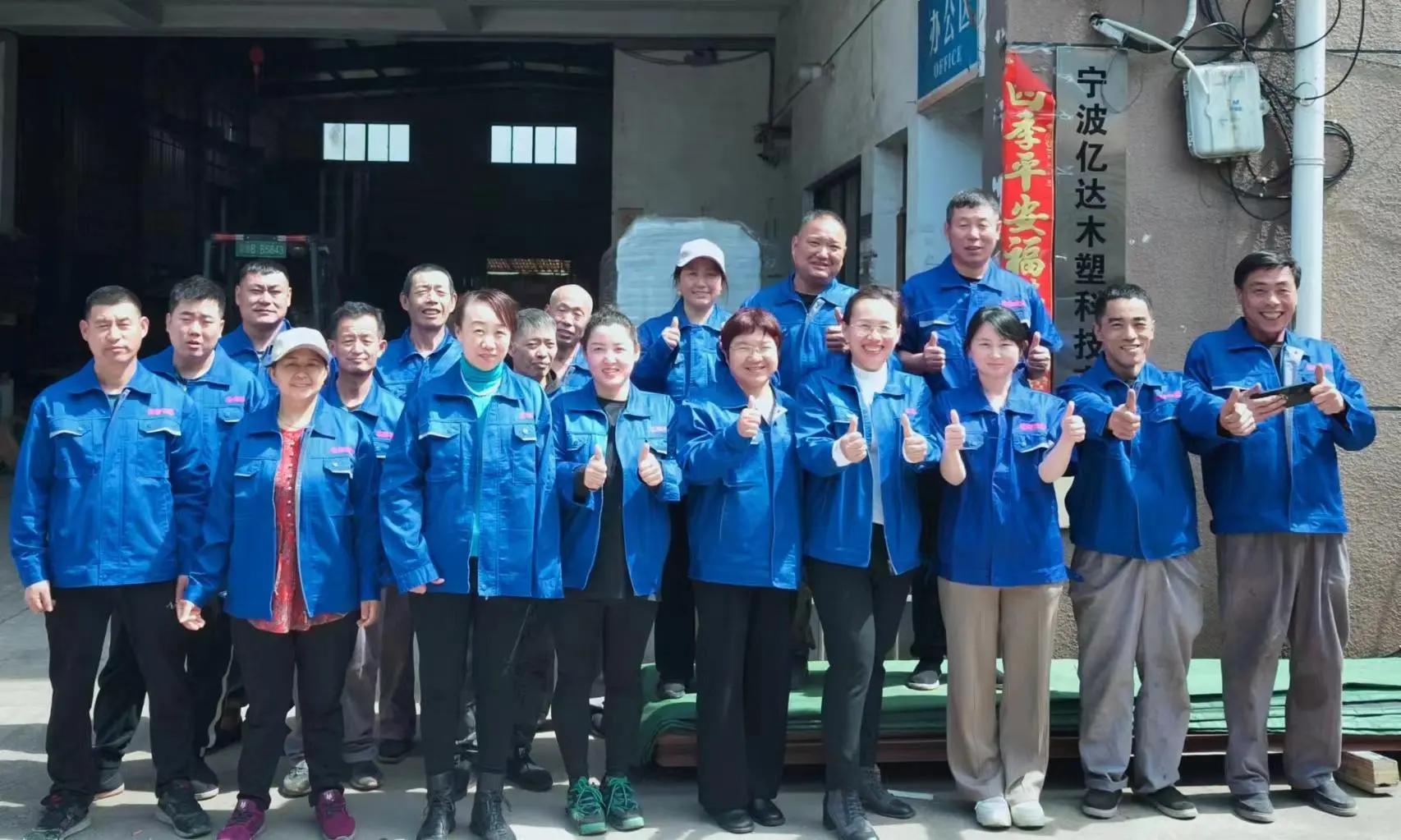
Utilizing AI sensors to monitor extrusion temperature and pressure, ensuring 99.9% consistency in density and color for large-scale North Korean municipal orders.
Moving toward 100% bio-based resins and solar-powered factories to meet global sustainability standards and provide "Information Gain" in environmental impact reports.
Integrating photovoltaic (PV) thin films within WPC cladding to allow buildings in Pyongyang to generate their own electricity while maintaining a wood-look aesthetic.
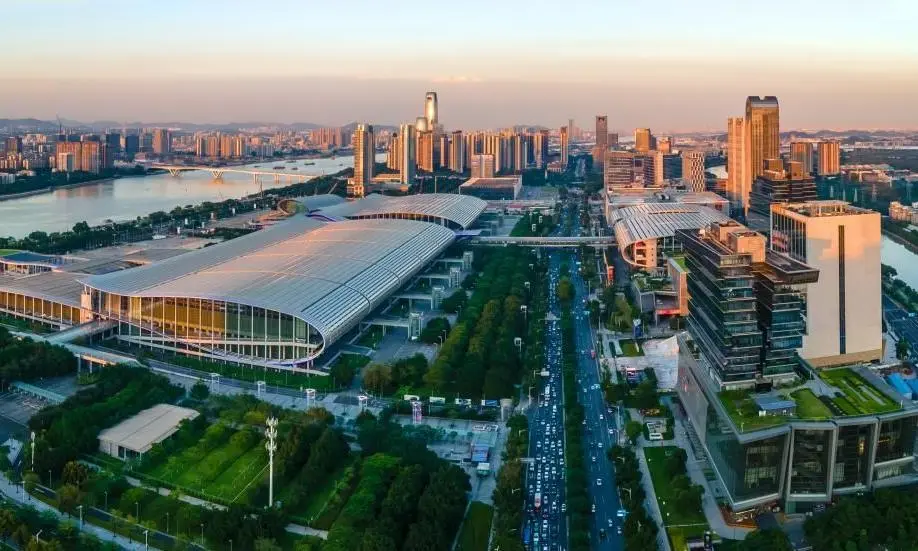
At Ningbo Yida, we have invested in advanced production technology and established a professional team dedicated to product research and development, manufacturing, sales, after-sales service and construction. This ensures that our wood plastic composites meet the highest quality and performance standards.
In addition to servicing commercial and residential projects, we have established dedicated service teams to support educational and medical institutions. Our commitment to providing professional services to major universities and hospitals reflects our commitment to contributing to important public infrastructure.
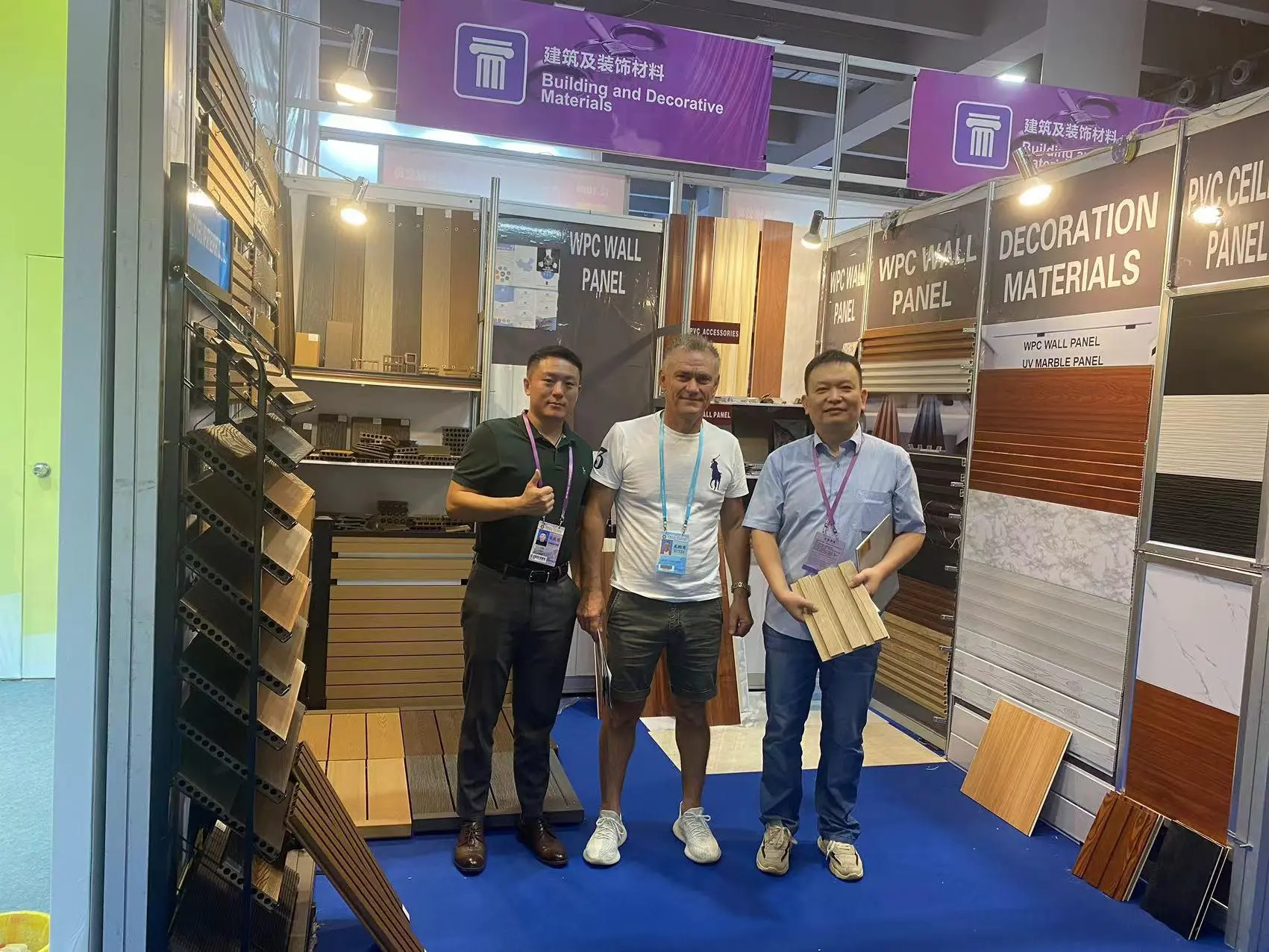
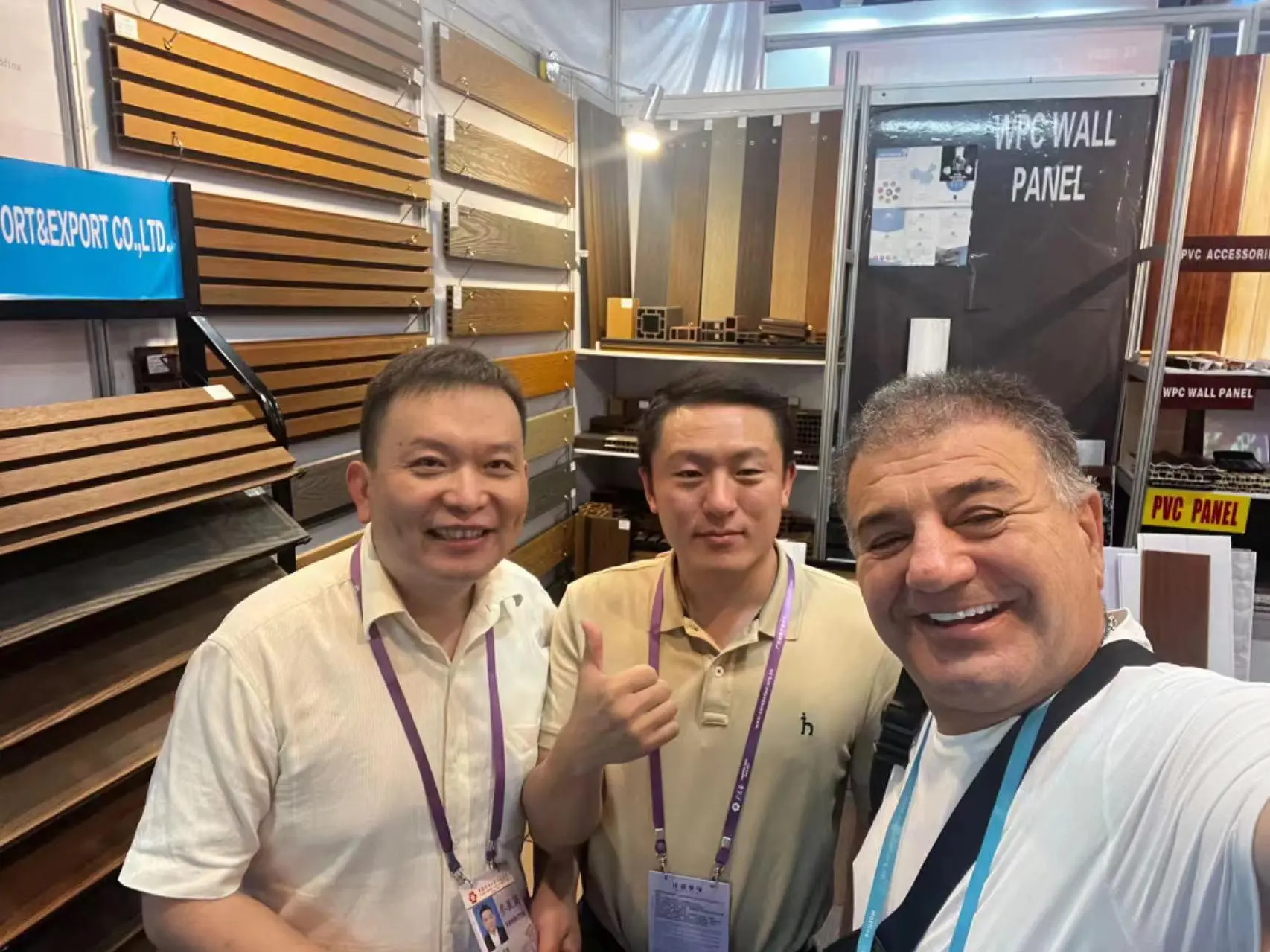
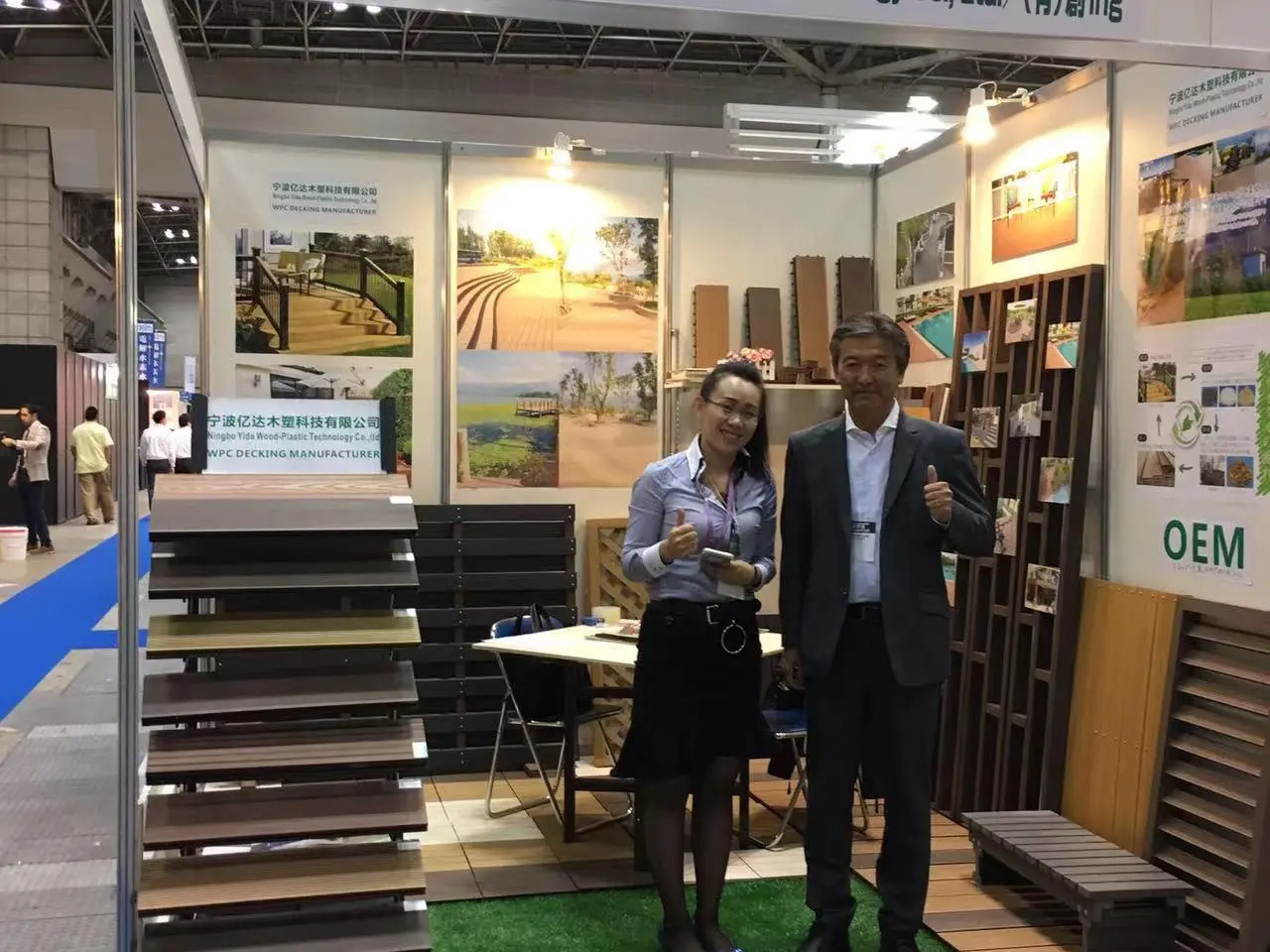
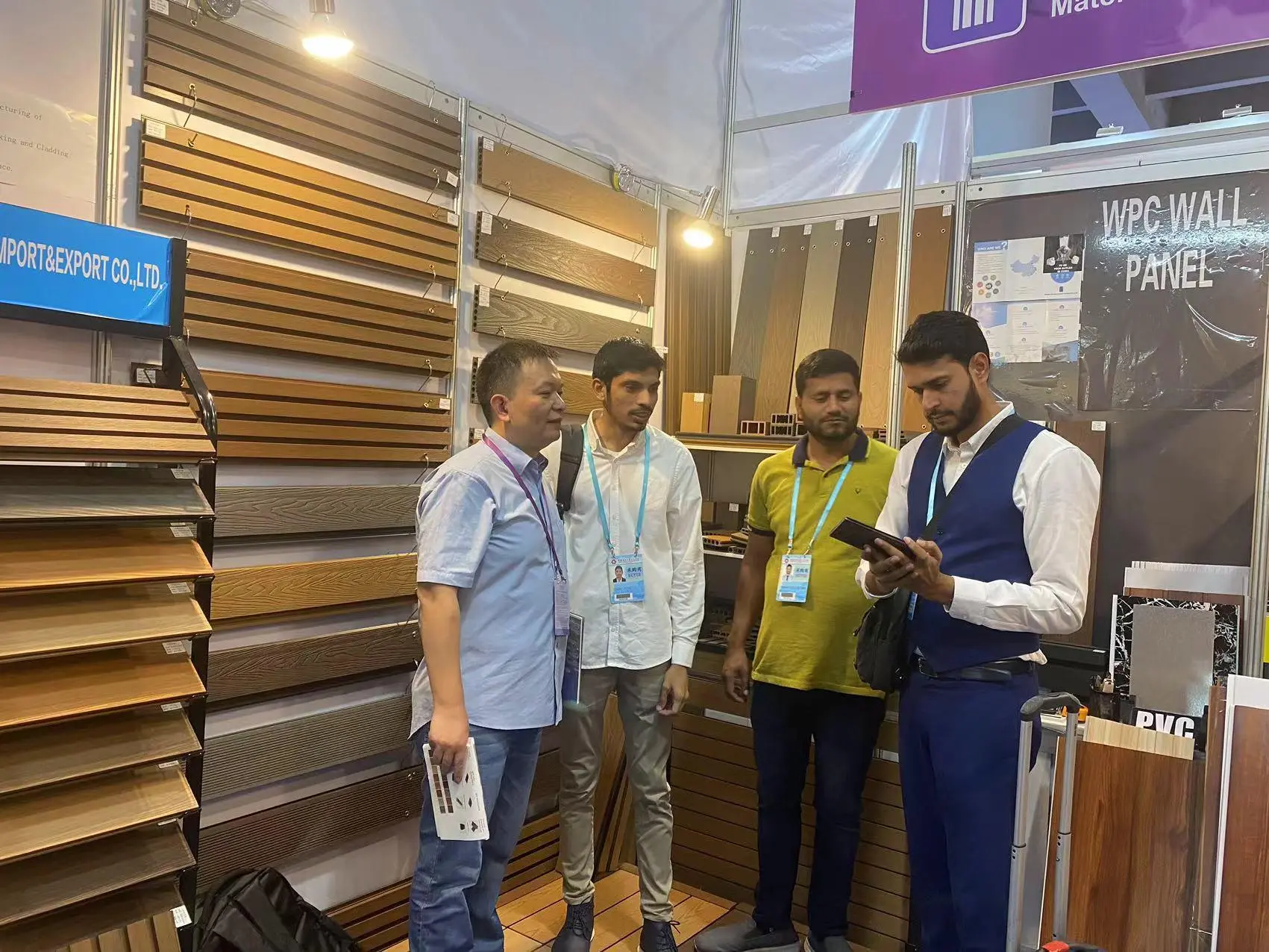
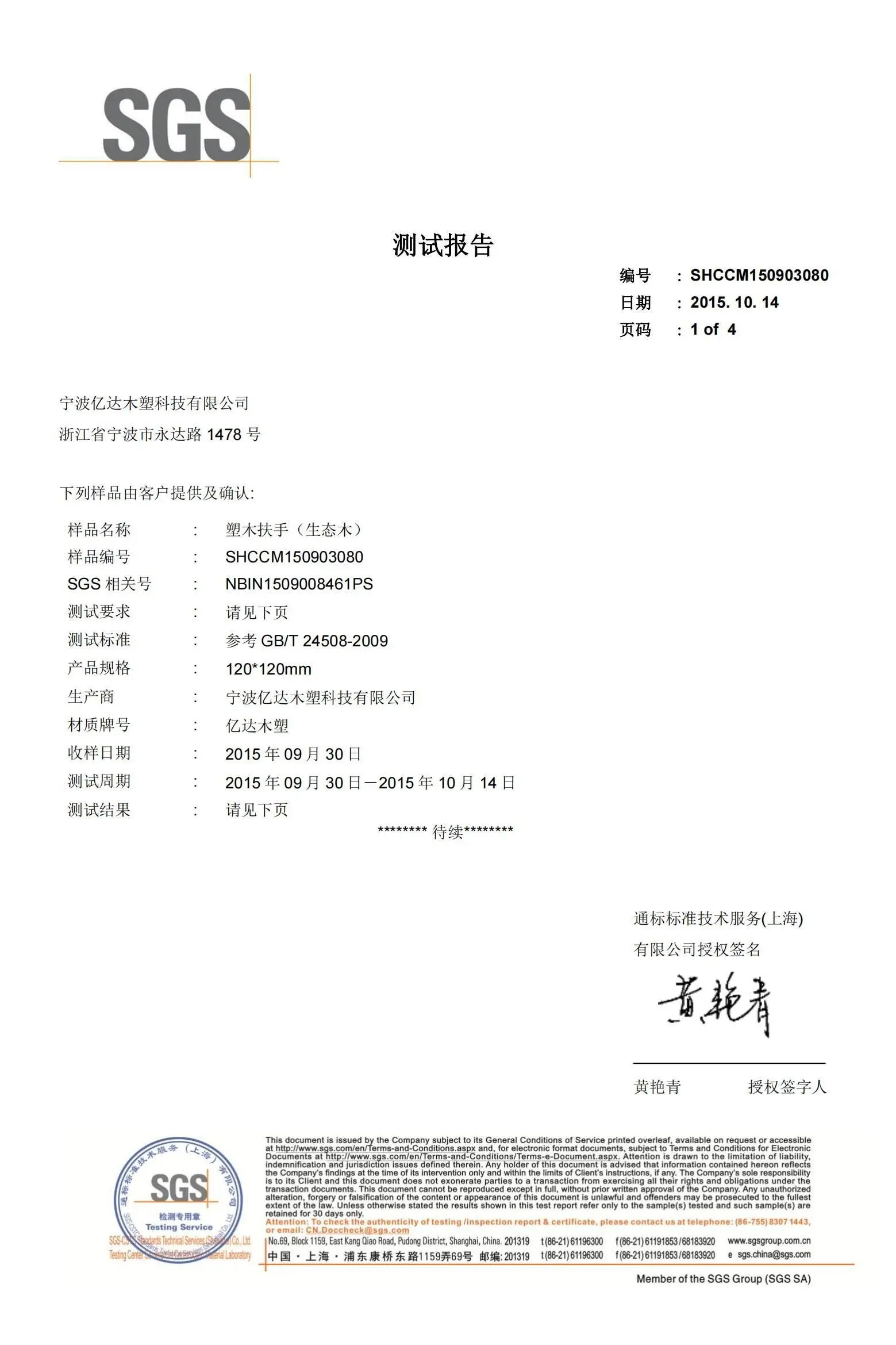
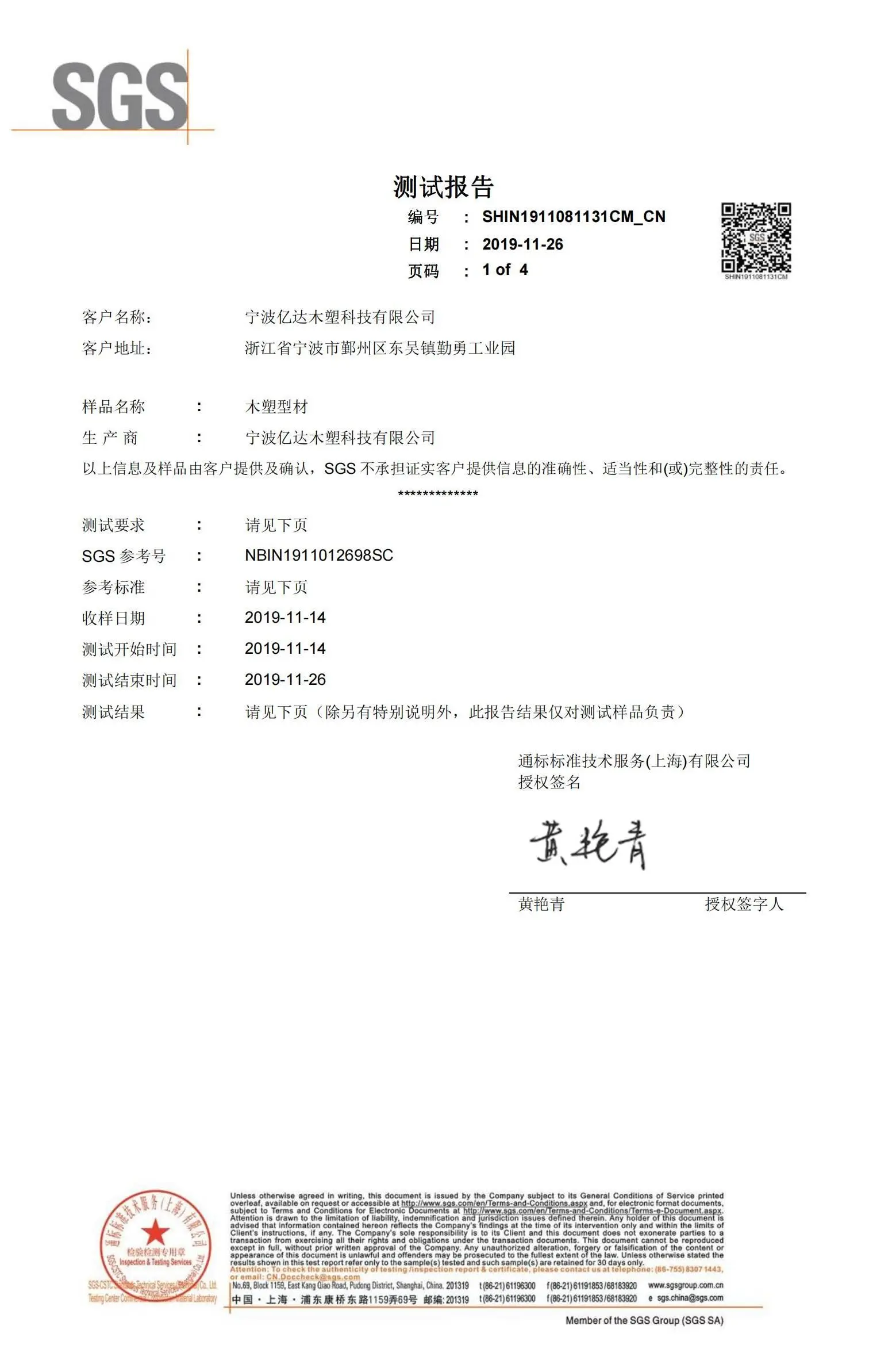
Our manufacturing processes comply with international ISO and CE standards, ensuring reliability for the most demanding governmental projects.
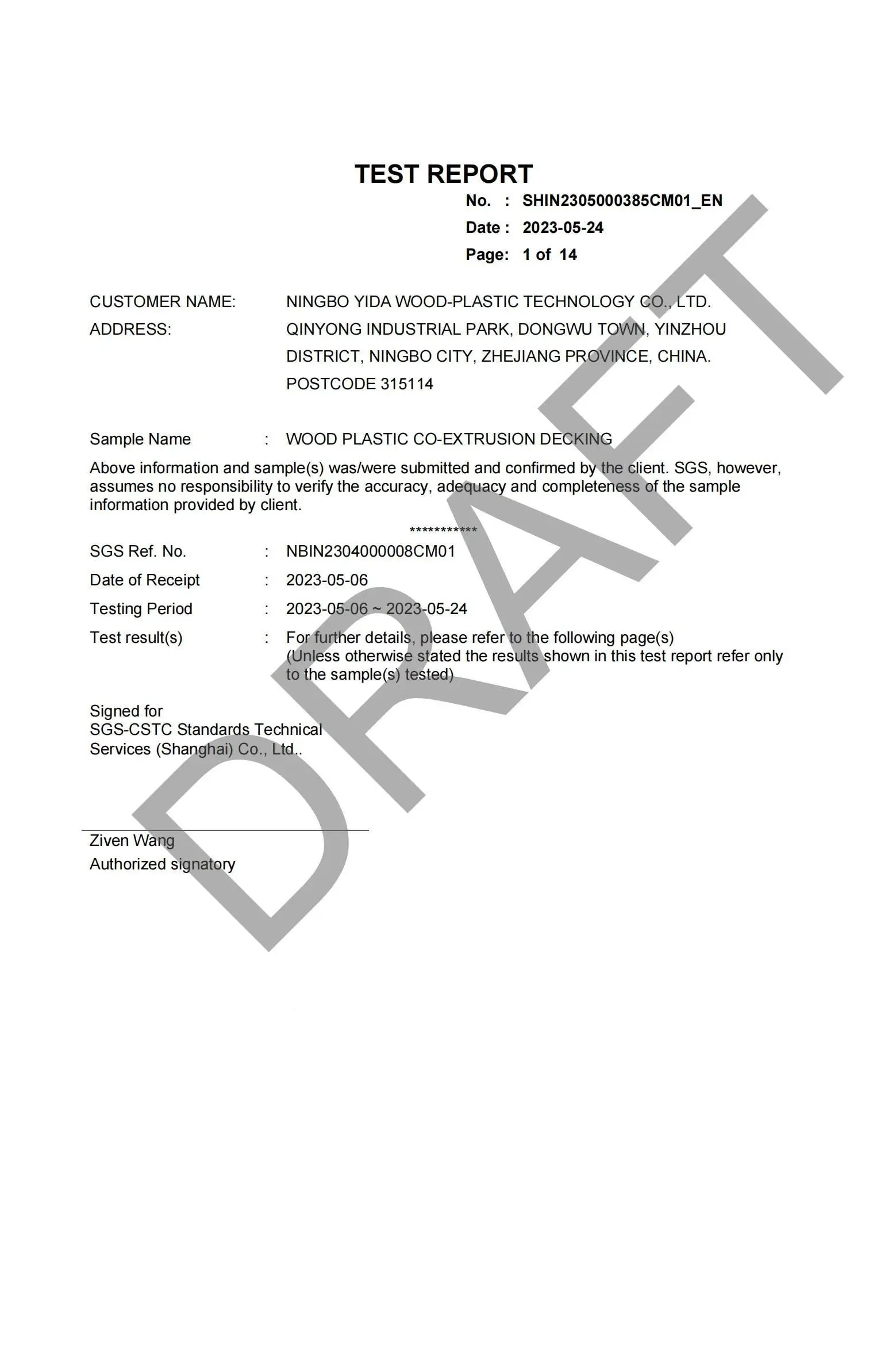
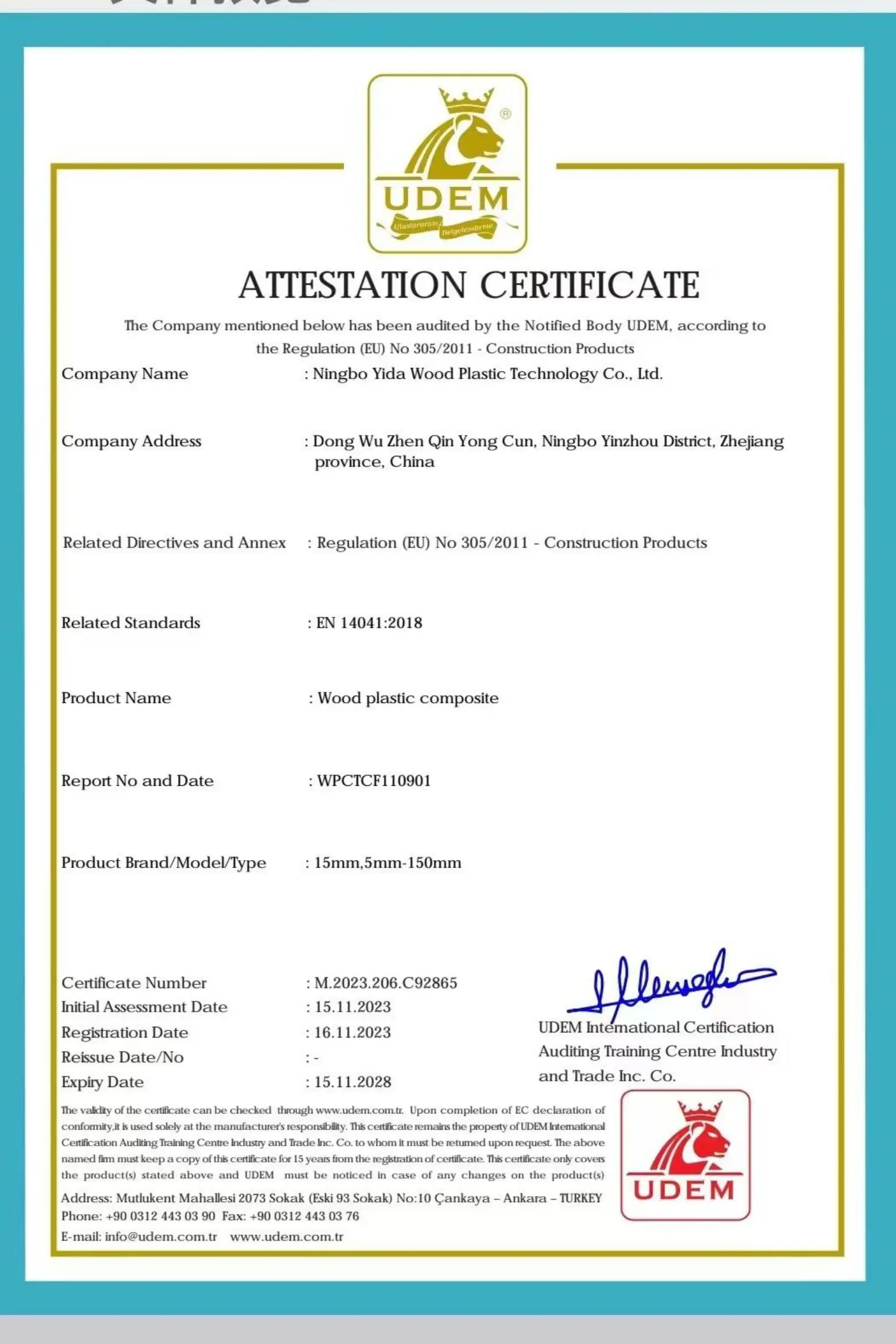
Whether you are designing a new government facility in Pyongyang or a residential complex in Wonsan, our technical team is ready to provide macro-solutions, engineering support, and high-volume supply.
Inquire for Bulk North Korea Pricing Yida Wood