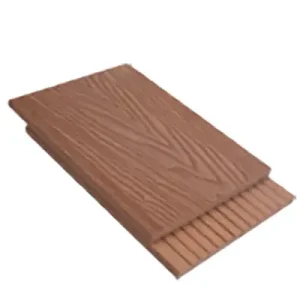
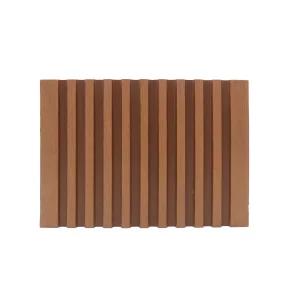
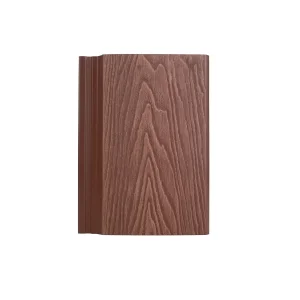
Ethiopia is currently experiencing one of the fastest urbanization rates in East Africa. From the sprawling commercial hubs of Addis Ababa to the emerging industrial parks in Hawassa and Dire Dawa, the demand for high-quality, durable, and sustainable building materials has never been higher. Traditional timber, while beautiful, faces significant challenges in the Ethiopian climate—ranging from the intense UV radiation of the "13 Months of Sunshine" to the heavy moisture during the rainy seasons.
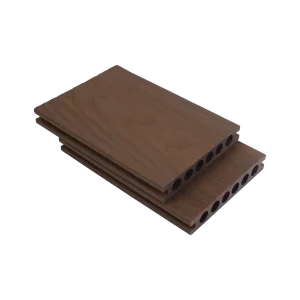
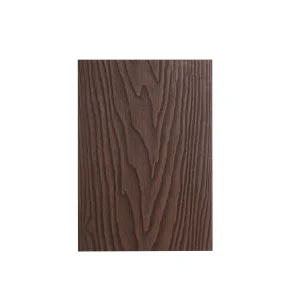
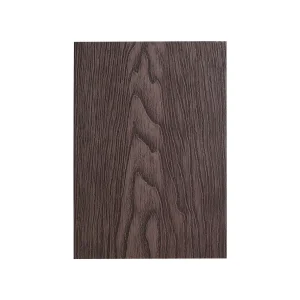
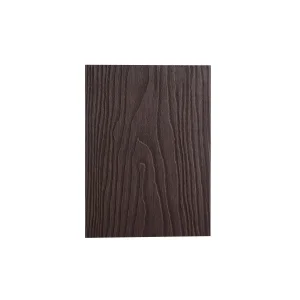
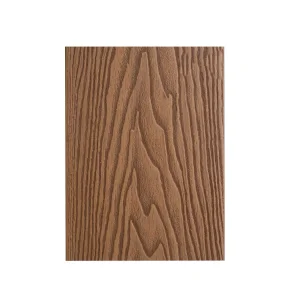
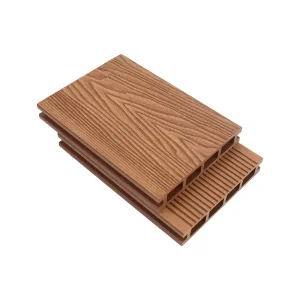
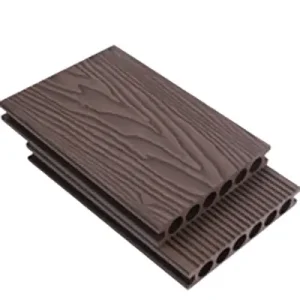
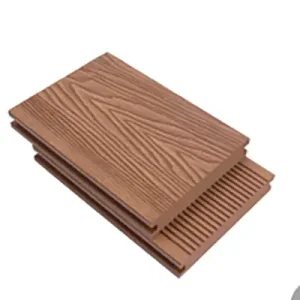
Our WPC 3D Embossed Decking is specifically engineered to meet these local challenges. By combining recycled wood fibers with advanced thermoplastics, we provide a product that mimics the deep, rich textures of indigenous Ethiopian woods like Wanza or Zigba, but with the technological resilience of modern polymers. This makes it the ideal choice for the booming hospitality sector, luxury residential developments, and public infrastructure projects across the country.

In world-class tourist destinations like Lalibela or the Bale Mountains, eco-lodges and resorts are adopting WPC decking to provide guests with a natural aesthetic that requires zero maintenance in remote locations.
Modern apartment complexes in the Bole and Kazanchis districts of Addis Ababa utilize our 3D embossed decking for balconies and rooftop gardens, offering a sophisticated look that withstands high-altitude sun exposure.
As part of the Green Legacy Initiative, urban parks and walkways are being revitalized. WPC is the preferred material for these high-traffic areas due to its anti-slip properties and resistance to rot.
Years R&D Experience
Global Projects
Eco-Friendly Material
Product Warranty
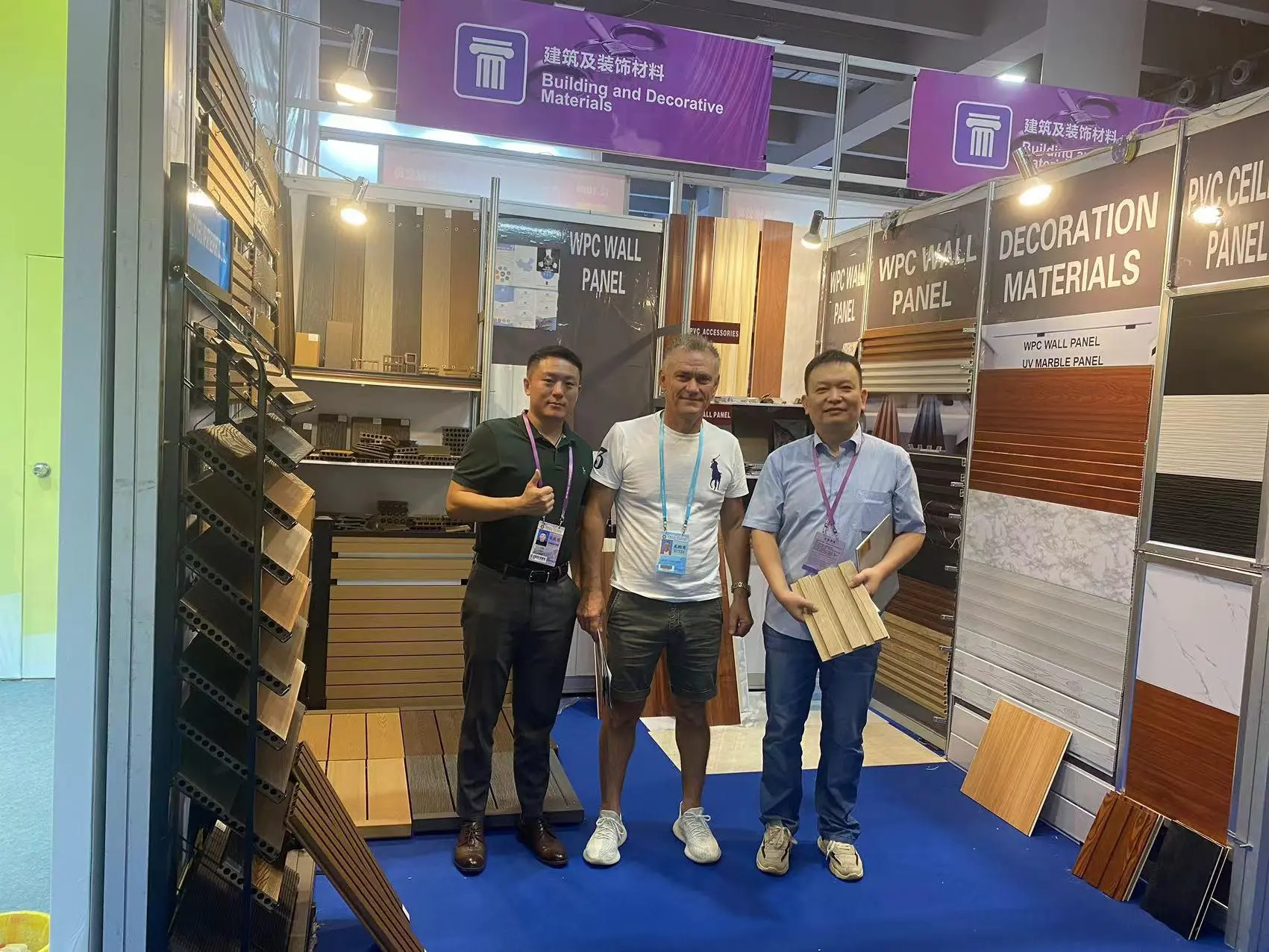
Ningbo Yida Wood Plastic Technology Co., Ltd. is proud to introduce our innovative wood plastic composite material that combines the natural beauty of wood with the durability of plastic profiles. With nearly ten years of R&D, production and sales experience, we have become a leading manufacturer and supplier of new wood-plastic composite materials.
Our Yida brand wood-plastic composite materials have excellent properties such as waterproof, moisture-proof, mildew-proof, insect-proof, black-proof, and crack-proof. This makes it ideal for a variety of applications, including outdoor architectural design, landscaping and municipal engineering projects. As an environmentally friendly material, it is in line with the country’s strong encouragement of sustainable development.
Learn More
At Ningbo Yida, we have invested in advanced production technology and established a professional team dedicated to product research and development, manufacturing, sales, after-sales service and construction. This ensures that our wood plastic composites meet the highest quality and performance standards. In addition to servicing commercial and residential projects, we have established dedicated service teams to support educational and medical institutions across the country. Our commitment to providing professional services and construction to major universities and hospitals in the country reflects our commitment to contributing to important public infrastructure.
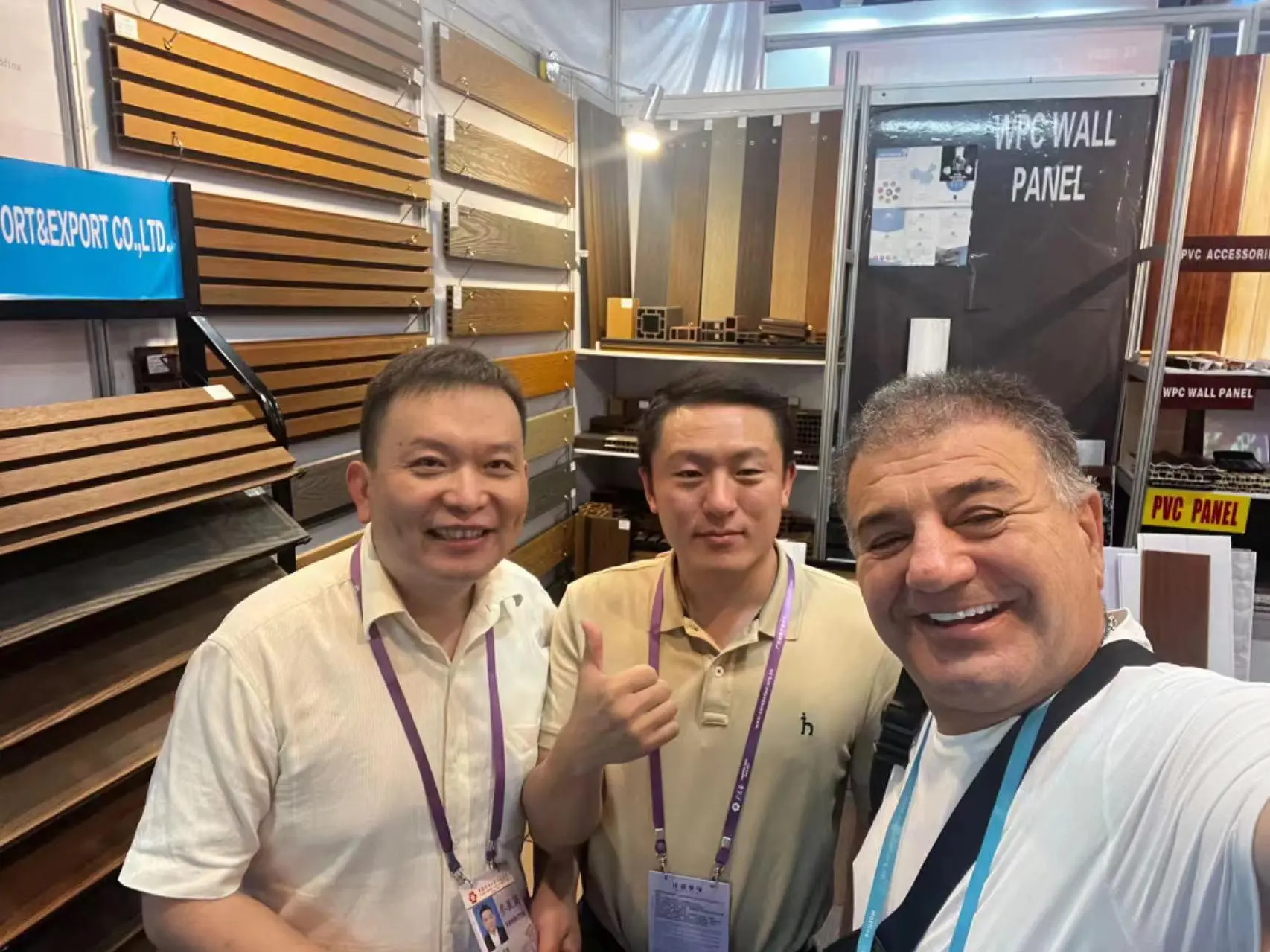
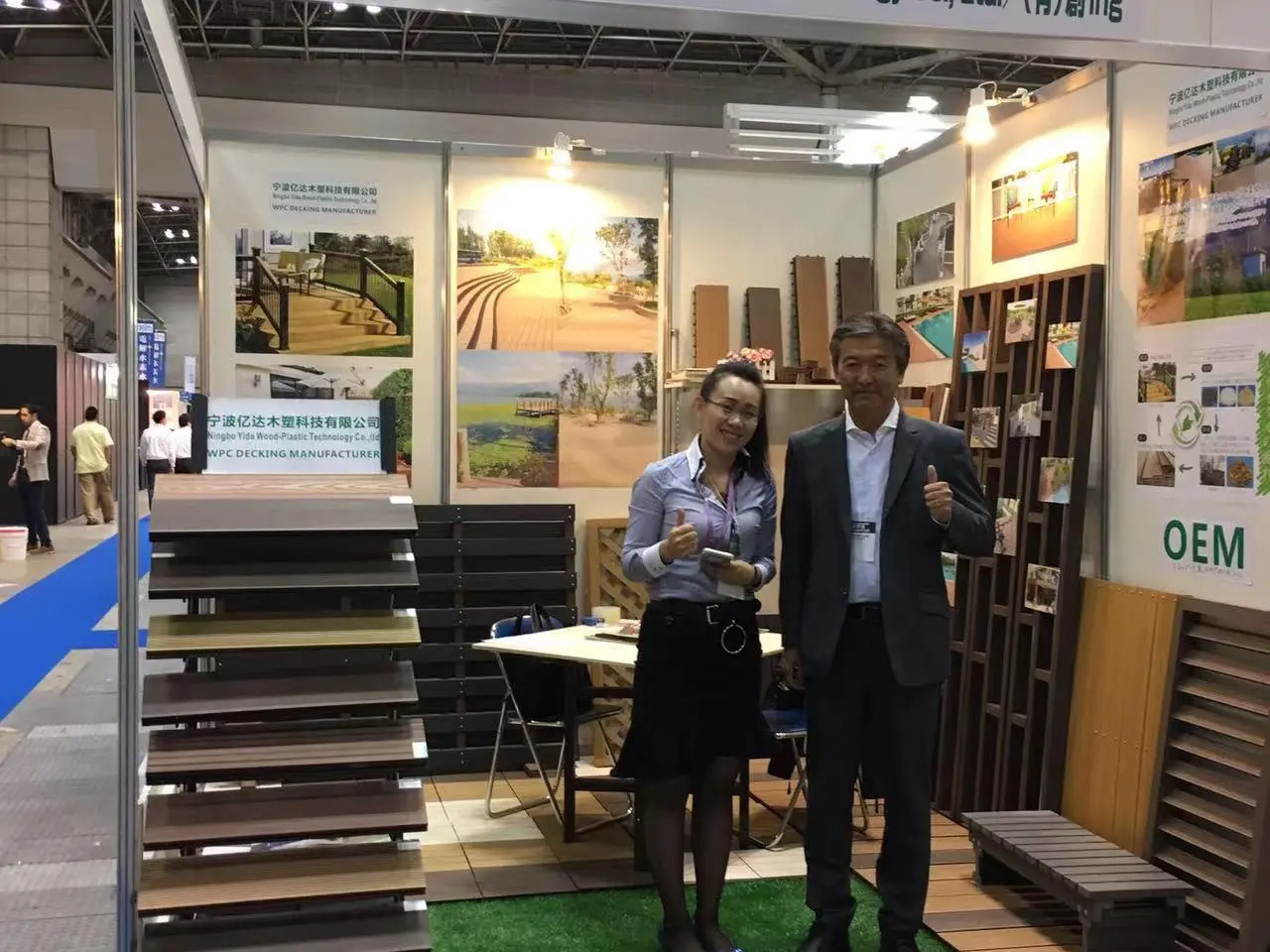
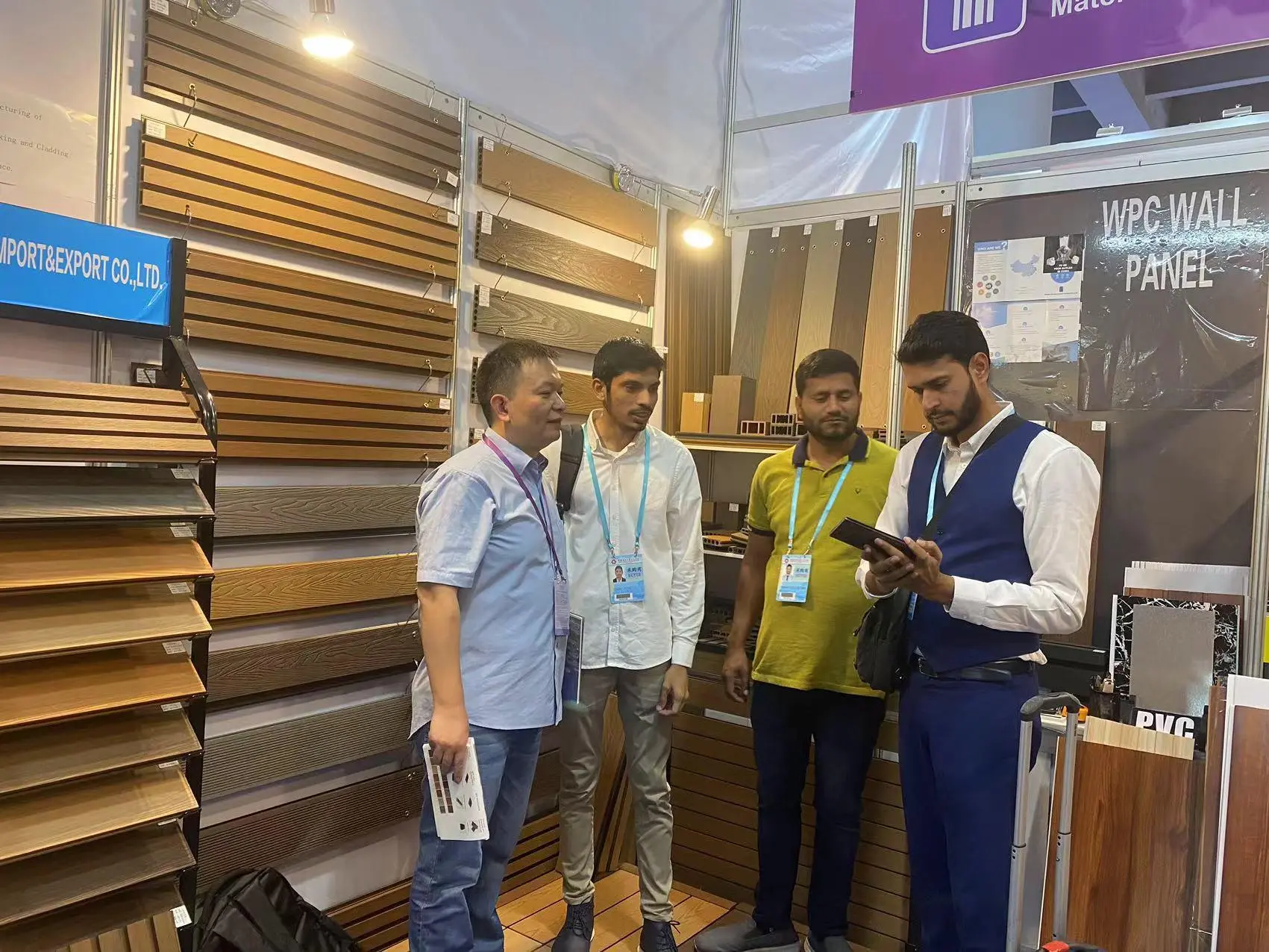
We are proud to have successfully completed numerous large-scale engineering projects, demonstrating the reliability and versatility of our wood plastic composite materials. Our products are widely recognized for their superior performance and aesthetic appeal.
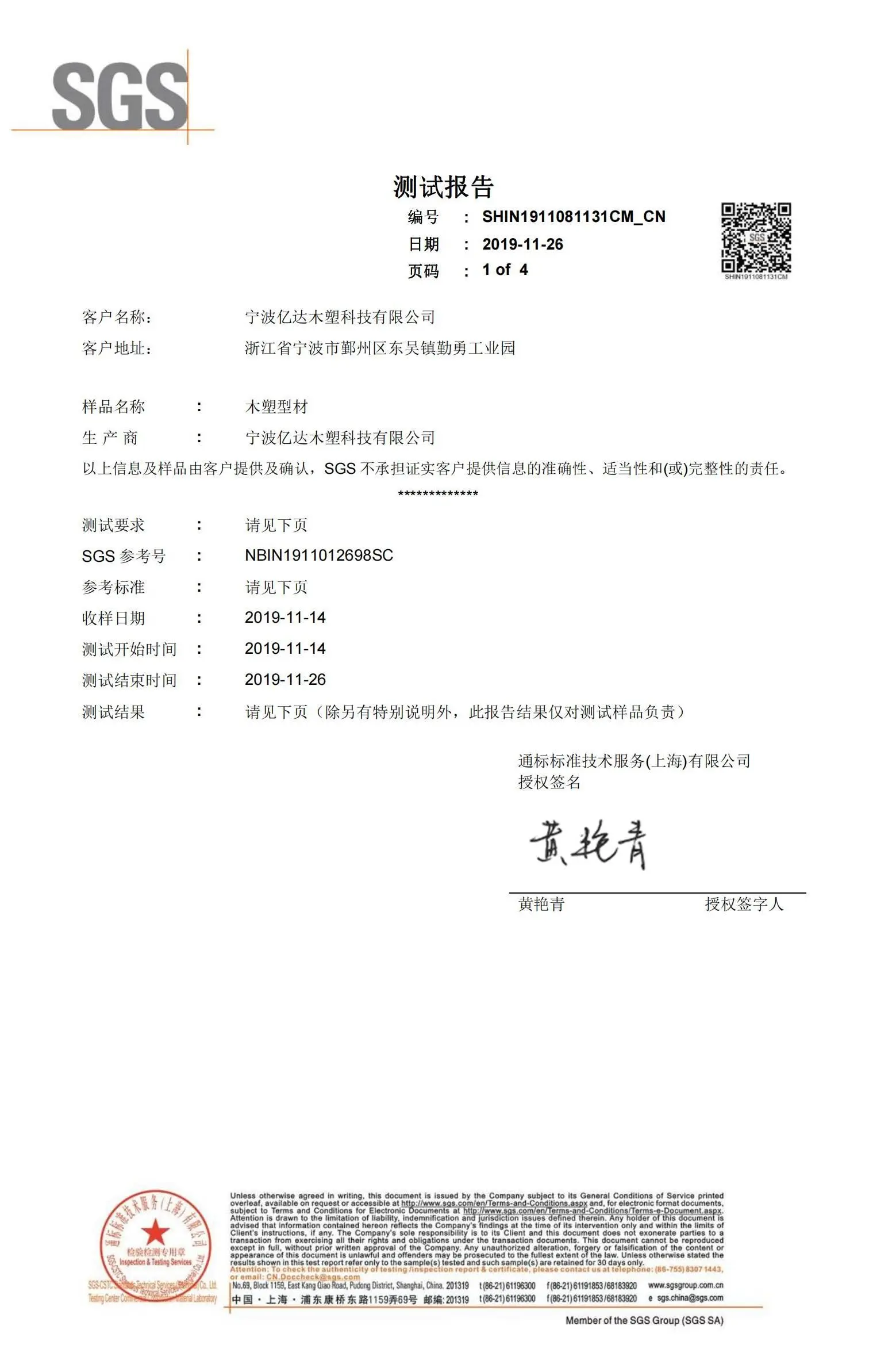
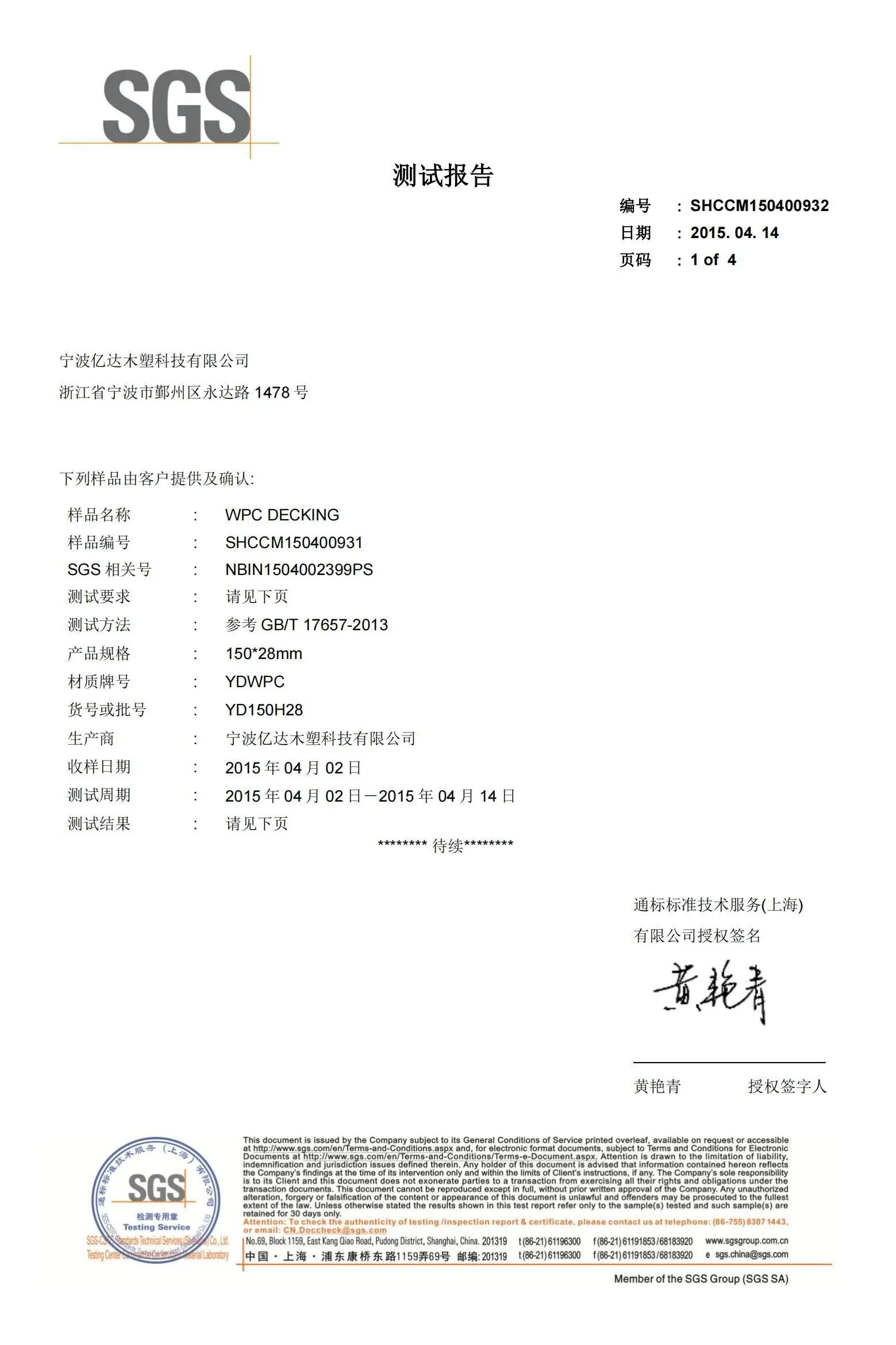
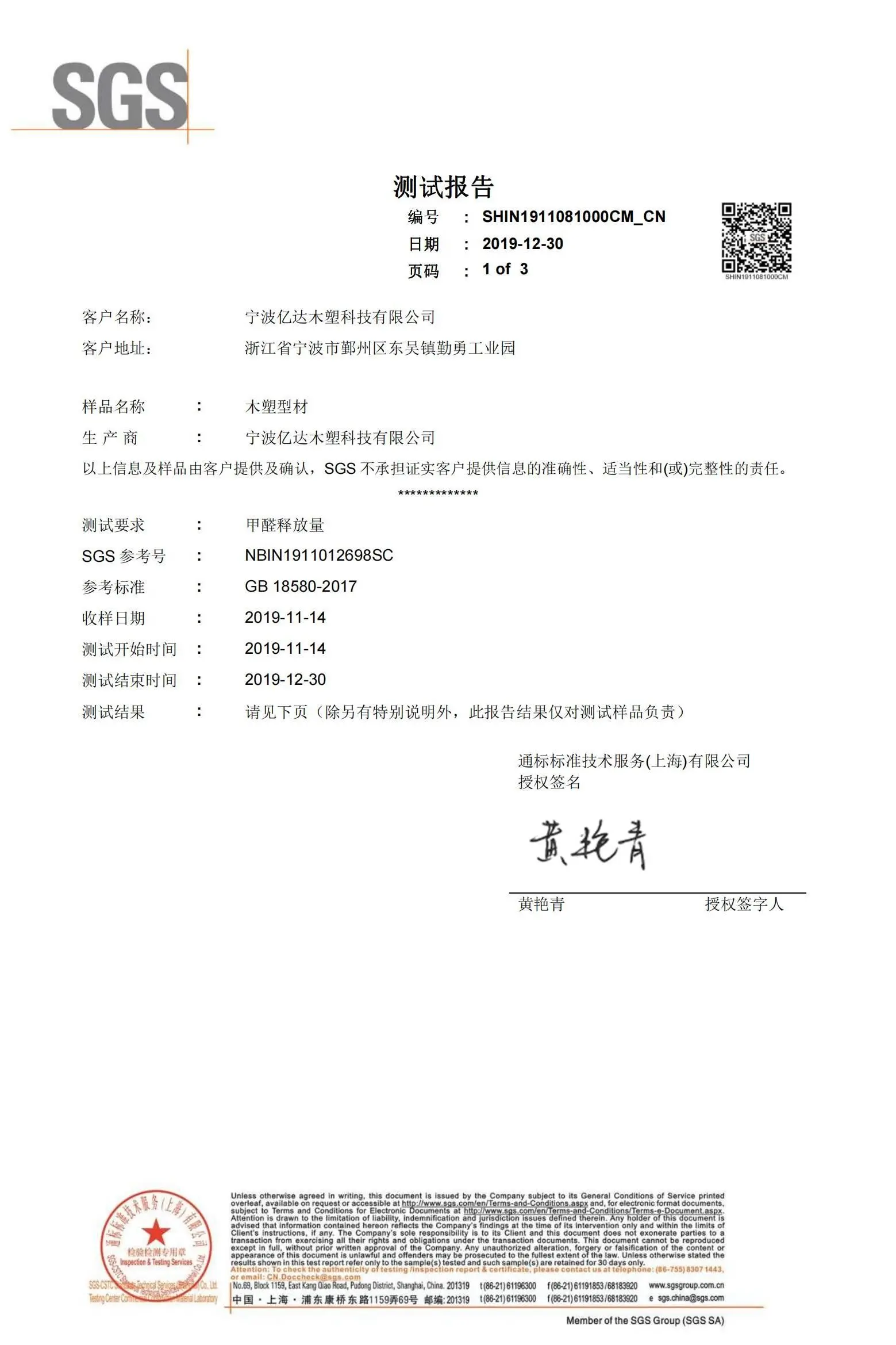
A: WPC stands for Wood Plastic Composite. It is an innovative material made from recycled wood fibers and thermoplastics. In Ethiopia, it is ideal because it resists the intense UV rays and heavy seasonal rains that typically damage natural wood.
A: Yes. Our WPC products are primarily made from recycled materials, reducing landfill waste and the need for virgin timber, aligning with Ethiopia's Green Legacy goals.
A: Like any outdoor surface, it can get warm, but our advanced 3D embossed coatings are designed to reflect more heat than traditional dark composites, making them comfortable underfoot.
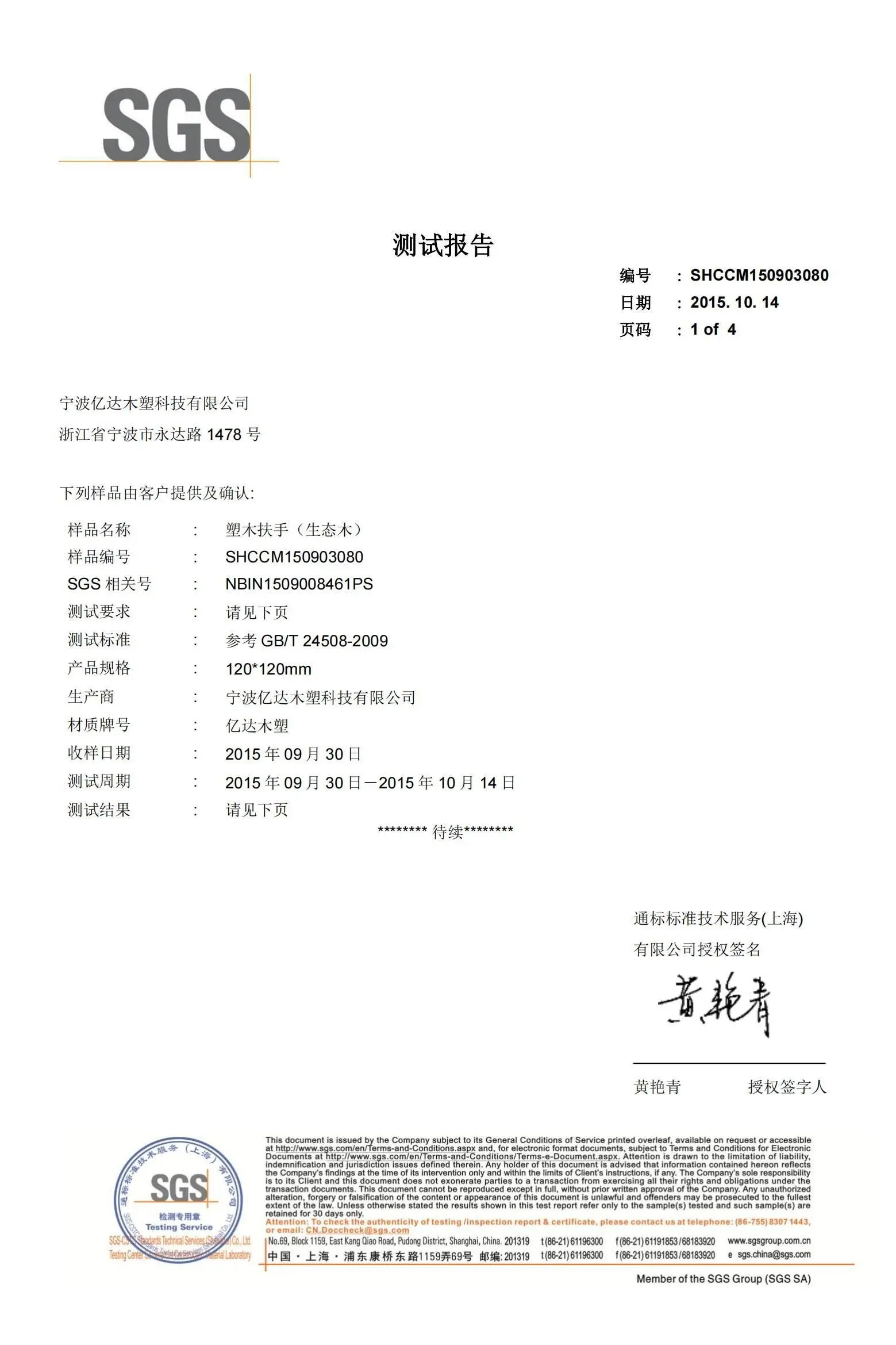
A: Our products come with warranties ranging from 10 to 25 years against fading, staining, and structural defects.
 Yida Wood