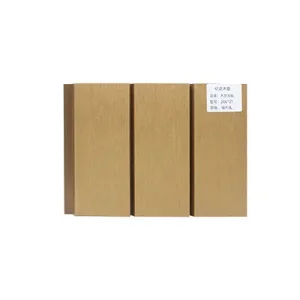
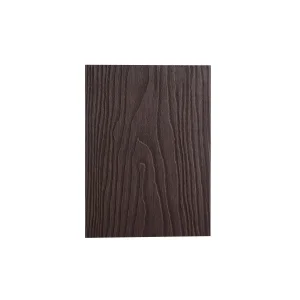
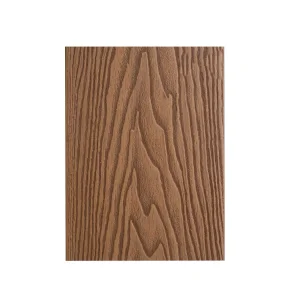
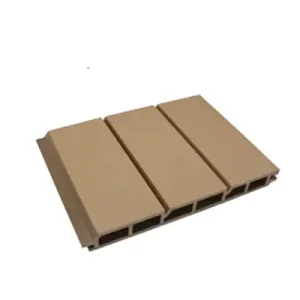
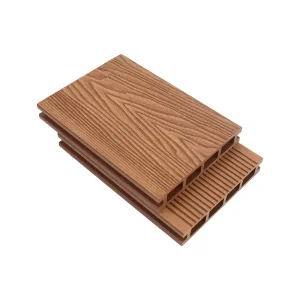
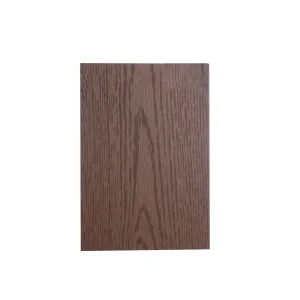
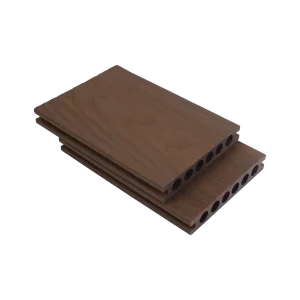
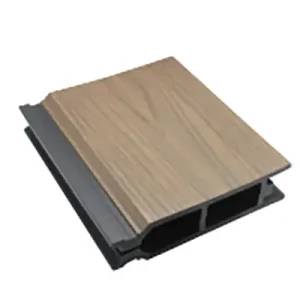
Explore the initial half of our heavy-duty product selection. Engineered for extreme weather, high UV index areas, and commercial pedestrian loading capacities.
A deep dive into how high-performance structural polymers are systematically replacing natural lumber across municipal, commercial, and structural applications worldwide.
Global environmental mandates, including the EU Green Deal and LEED Building System requirements, demand materials that lower CO2 footprint. Our WPC utilizes reclaimed timber fibers combined with recycled polymers, ensuring zero deforestation and minimal landfill waste.
The marketplace has shifted dramatically from basic composites to Co-Extruded (Capped) WPC. The core-sheath design creates a 360-degree polymer barrier protecting the wood fiber core against mold, deep moisture penetration, and thermal degradation.
Traditional wood requires recurring structural inspection, staining, and chemical treatment every 12 to 24 months. Modern high-density WPC structures maintain aesthetic and load-bearing integrity for up to 25 years with zero chemical maintenance, yielding massive ROI.
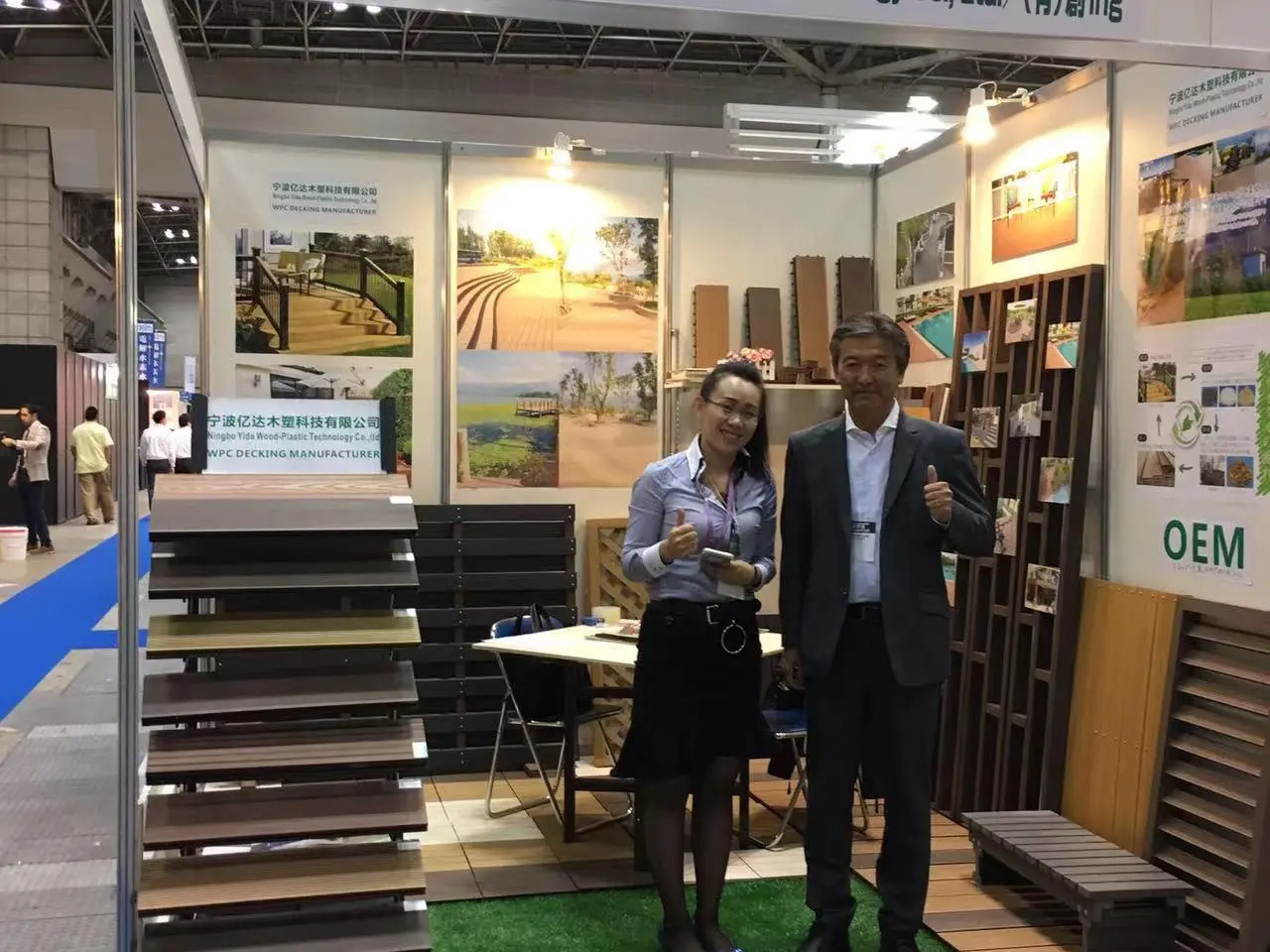
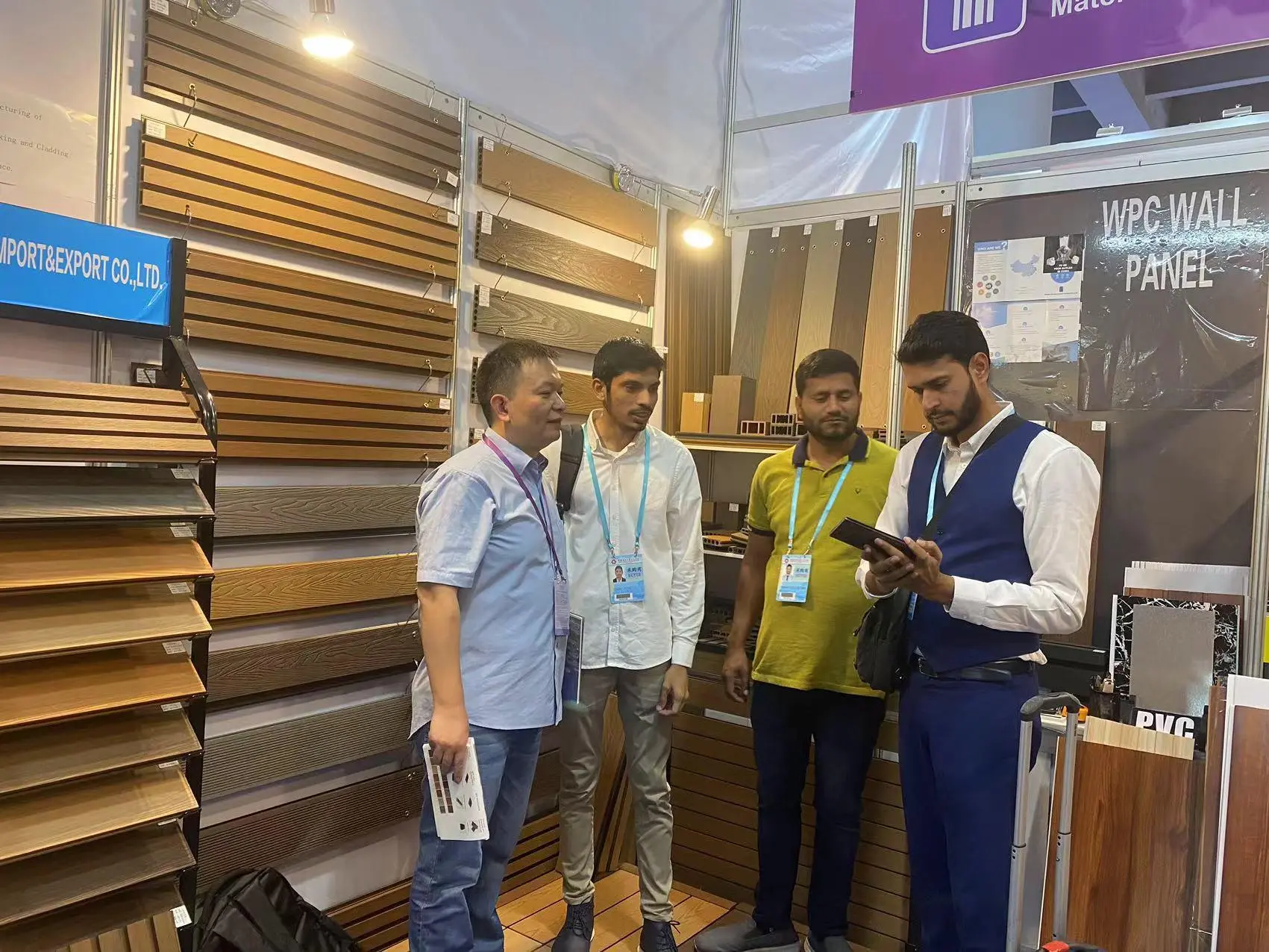
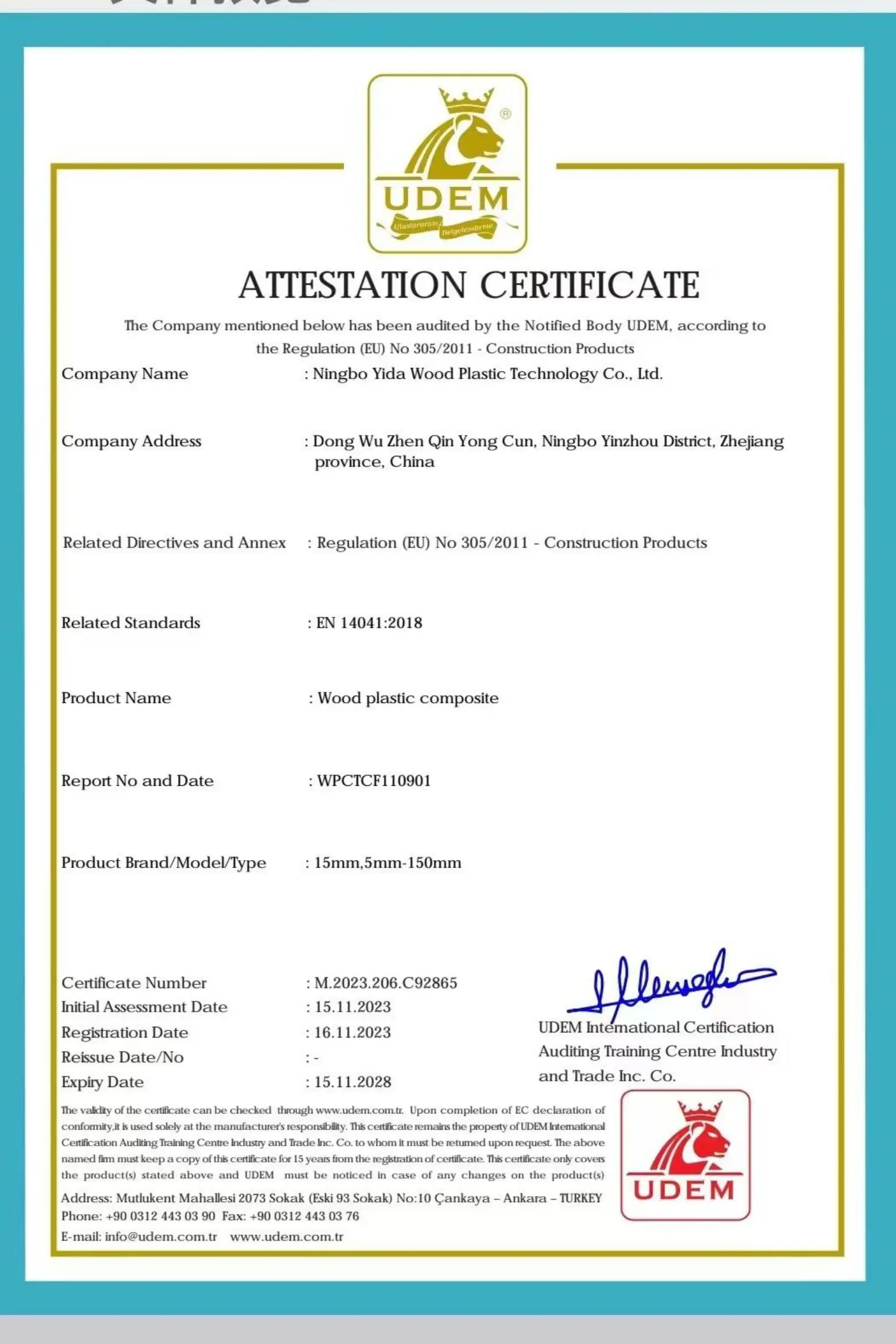
Ningbo Yida Wood Plastic Technology Co., Ltd. is proud to introduce our innovative wood plastic composite material that combines the natural beauty of wood with the durability of plastic profiles. With nearly ten years of R&D, production and sales experience, we have become a leading manufacturer and supplier of new wood-plastic composite materials.
Our Yida brand wood-plastic composite materials have excellent properties such as waterproof, moisture-proof, mildew-proof, insect-proof, black-proof, and crack-proof. This makes it ideal for a variety of applications, including outdoor architectural design, landscaping and municipal engineering projects. As an environmentally friendly material, it is in line with the country’s strong encouragement of sustainable development.
We are proud to have successfully completed numerous large-scale engineering projects, demonstrating the reliability and versatility of our wood plastic composite materials. Our products are widely recognized for their superior performance and aesthetic appeal.
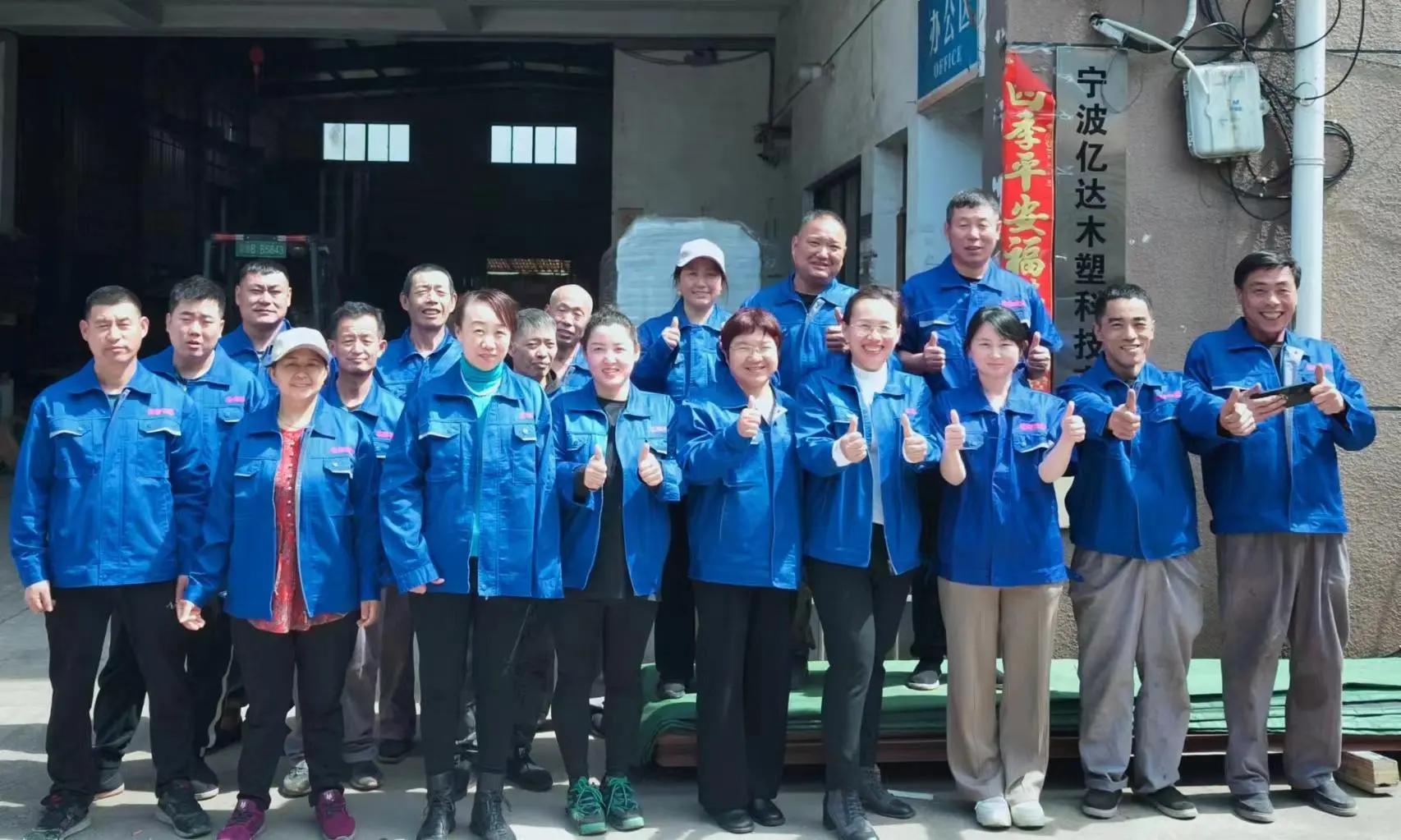
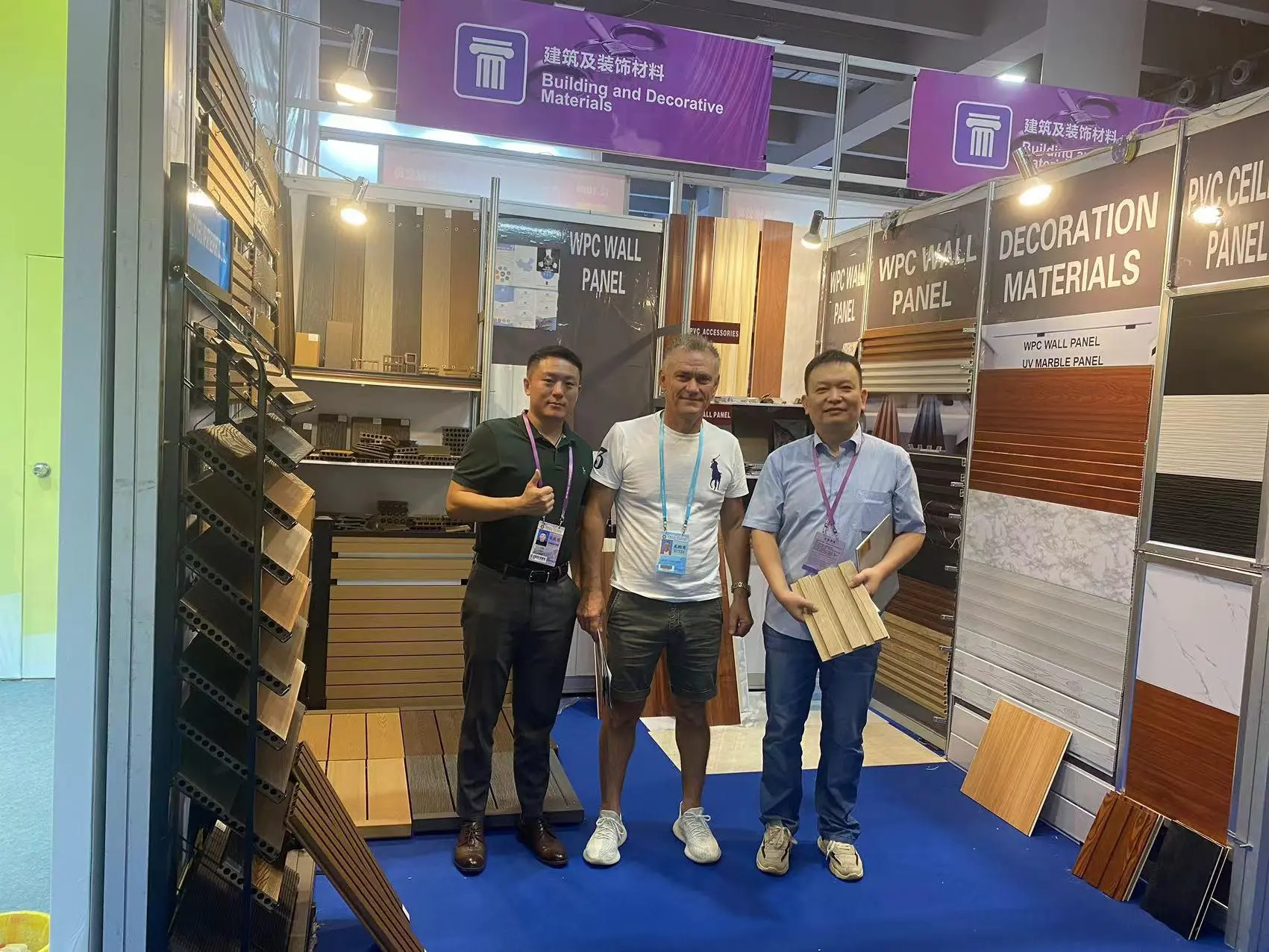
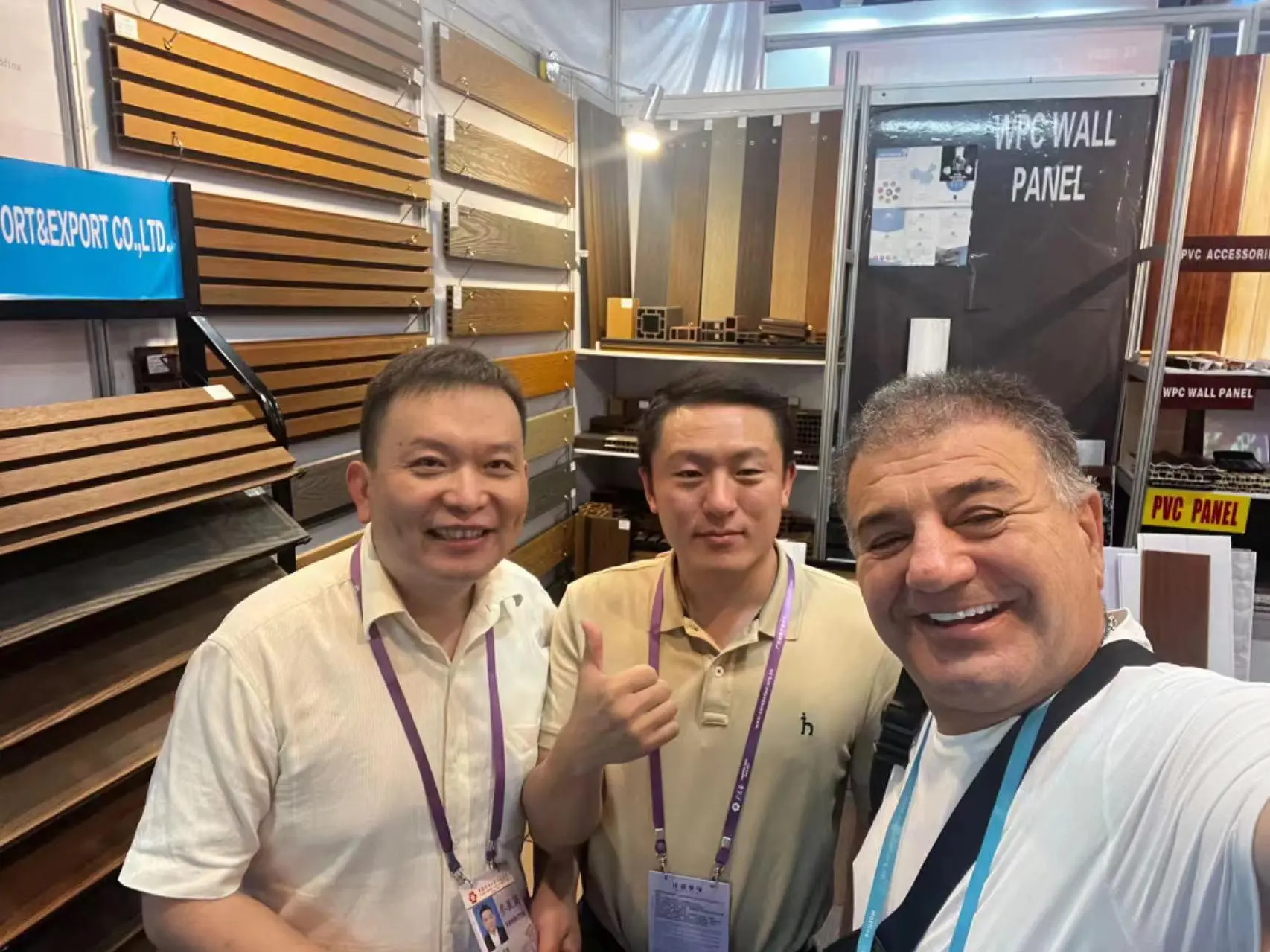
At Ningbo Yida, we have invested in advanced production technology and established a professional team dedicated to product research and development, manufacturing, sales, after-sales service and construction. This ensures that our wood plastic composites meet the highest quality and performance standards.
In addition to servicing commercial and residential projects, we have established dedicated service teams to support educational and medical institutions across the country. Our commitment to providing professional services and construction to major universities and hospitals in the country reflects our commitment to contributing to important public infrastructure.
As we continue to innovate and expand our product range, we remain committed to providing our customers with sustainable, high-quality solutions. With Yida Wood Plastic Composite, you can be confident that your next project will perfectly blend natural beauty with modern durability.
A B2B framework addressing custom volume procurement, logistics, dimensional tolerances, and bulk-load shipping parameters for major commercial projects.
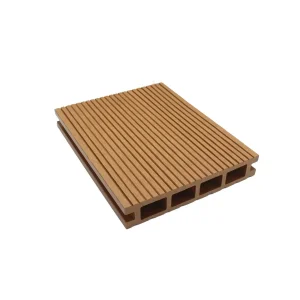
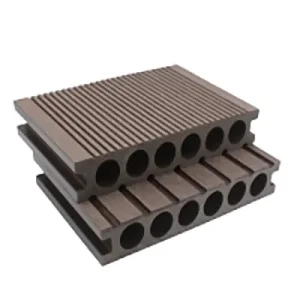
Architects require custom dies. Yida engineers custom circular, rectangular, and honeycomb chambers inside WPC profiles. This reduces linear weight while upholding high flexural strength (MOE) specifications for custom structural frameworks.
Large infrastructure projects require reliable monthly shipments. Sourcing from Yida secures a dedicated production pipeline. We ensure exact batch-to-batch color rendering and dimensional stabilization, minimizing variation during installation.
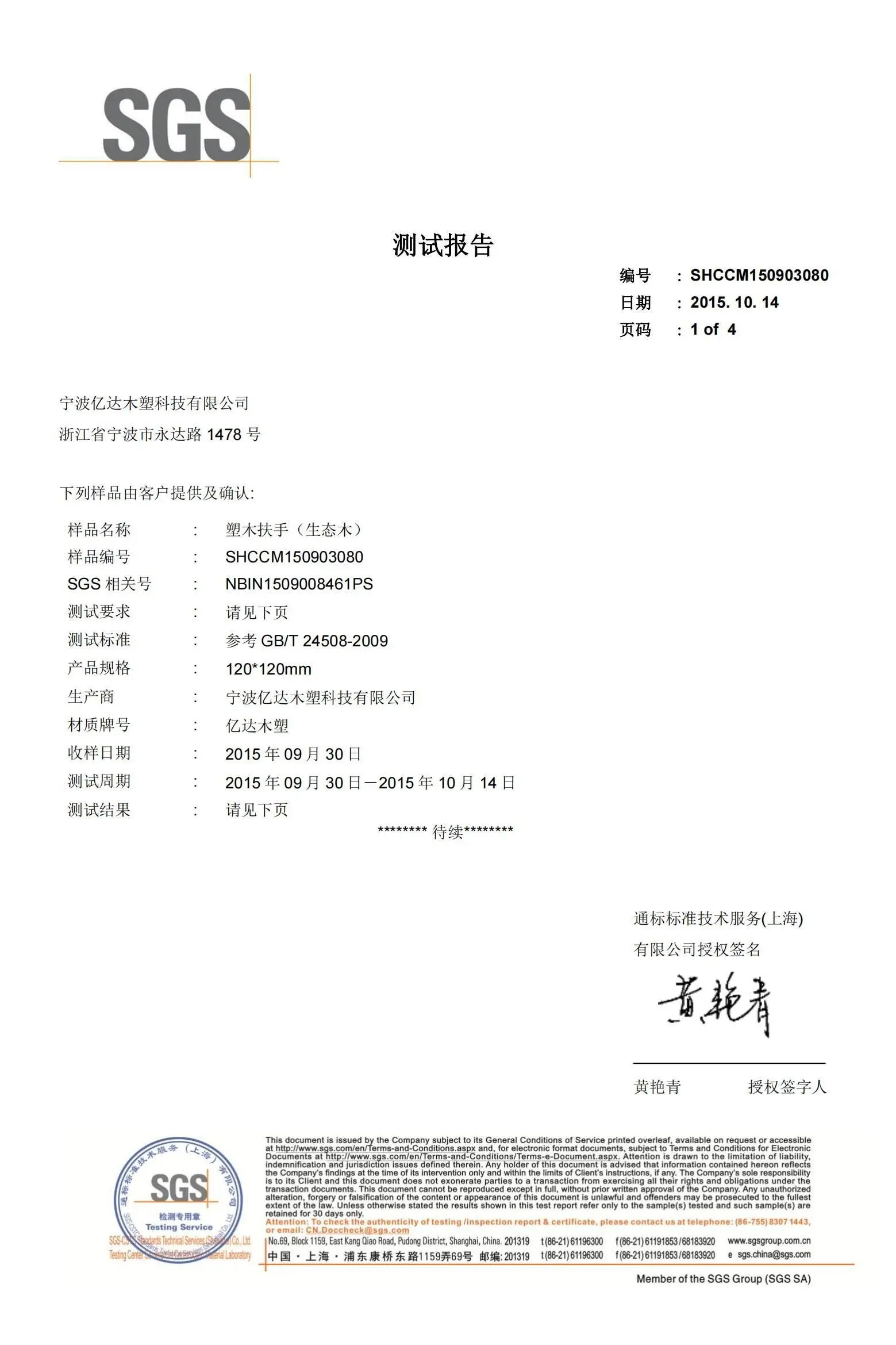
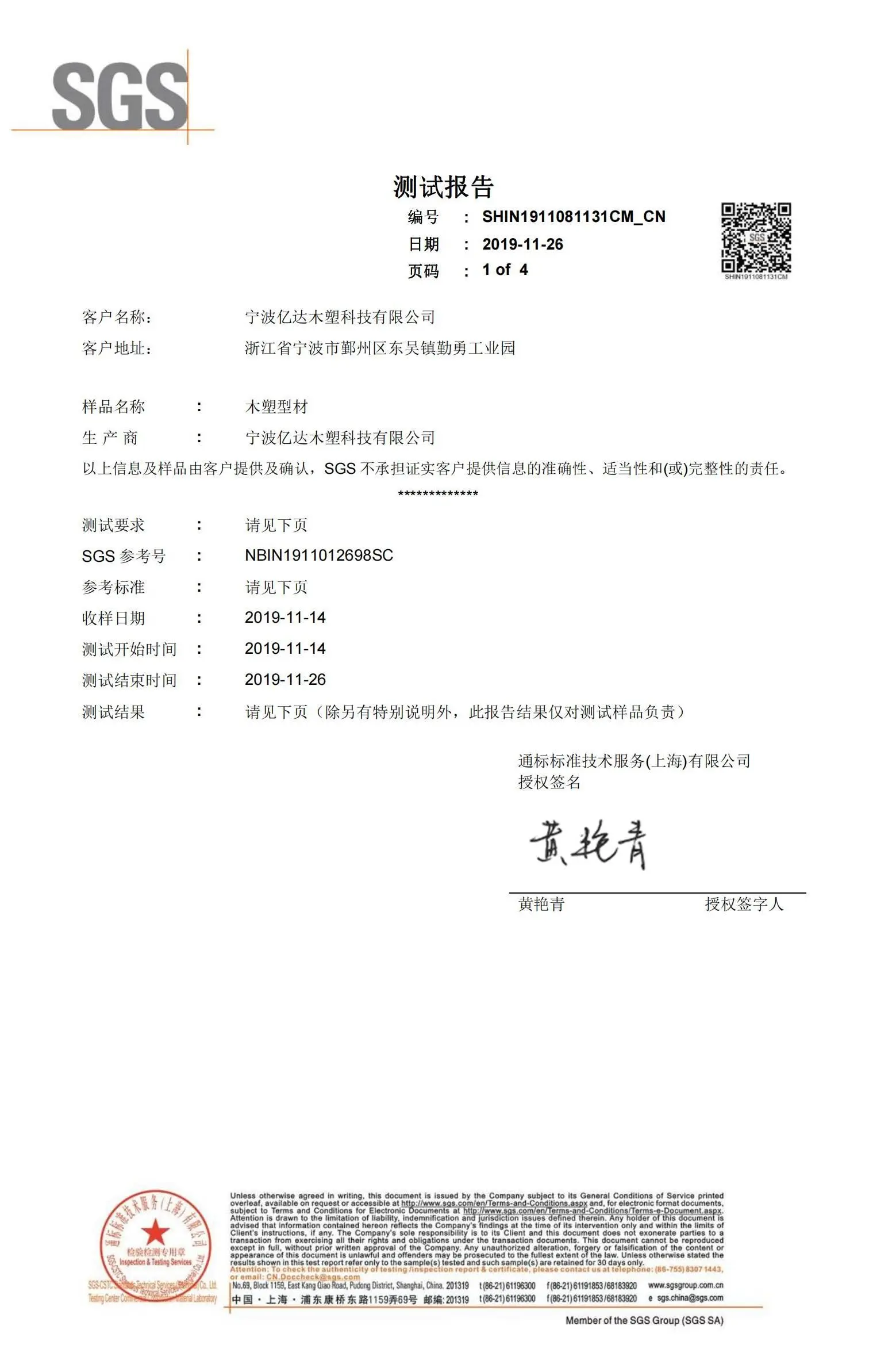
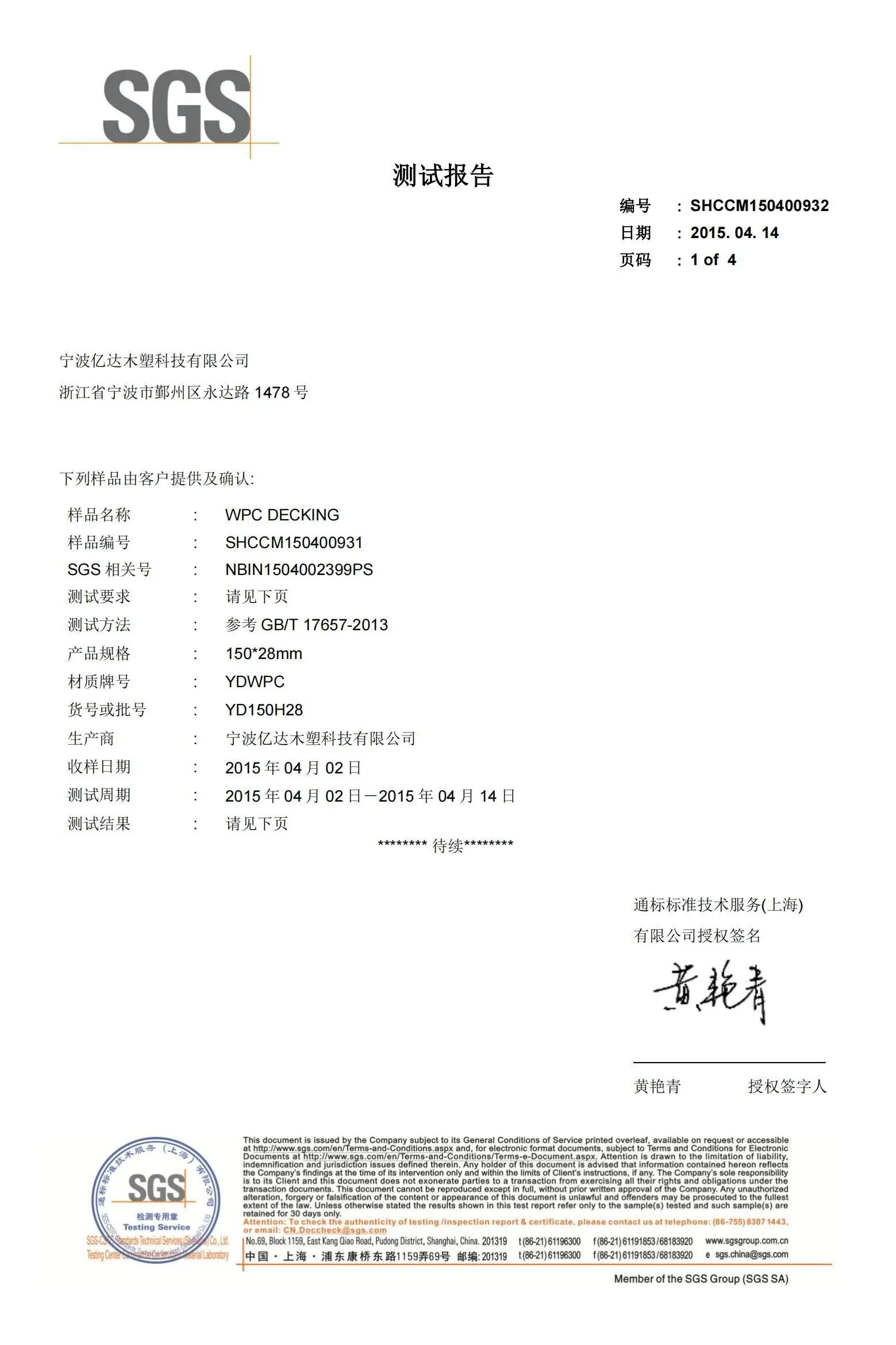
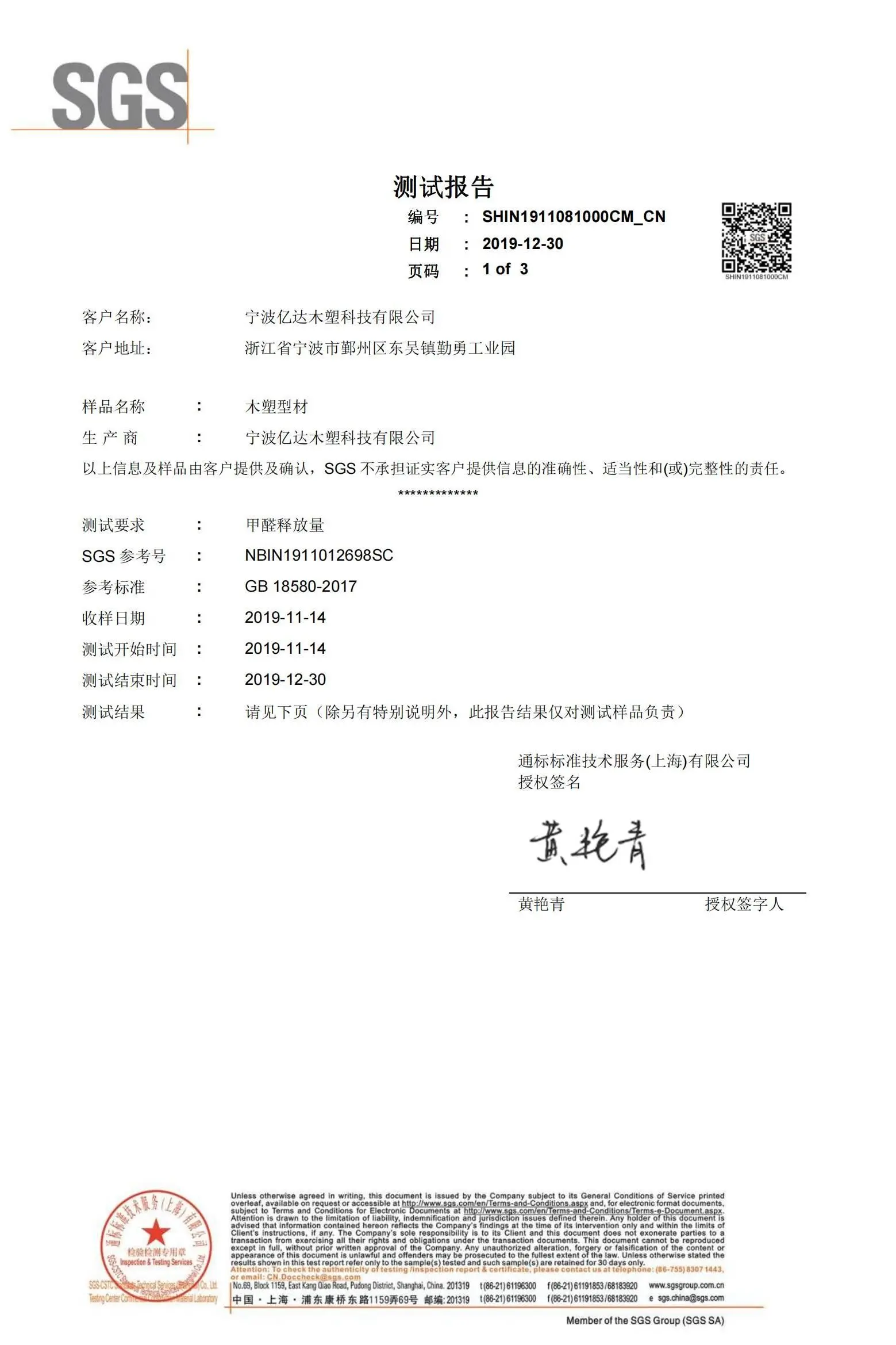
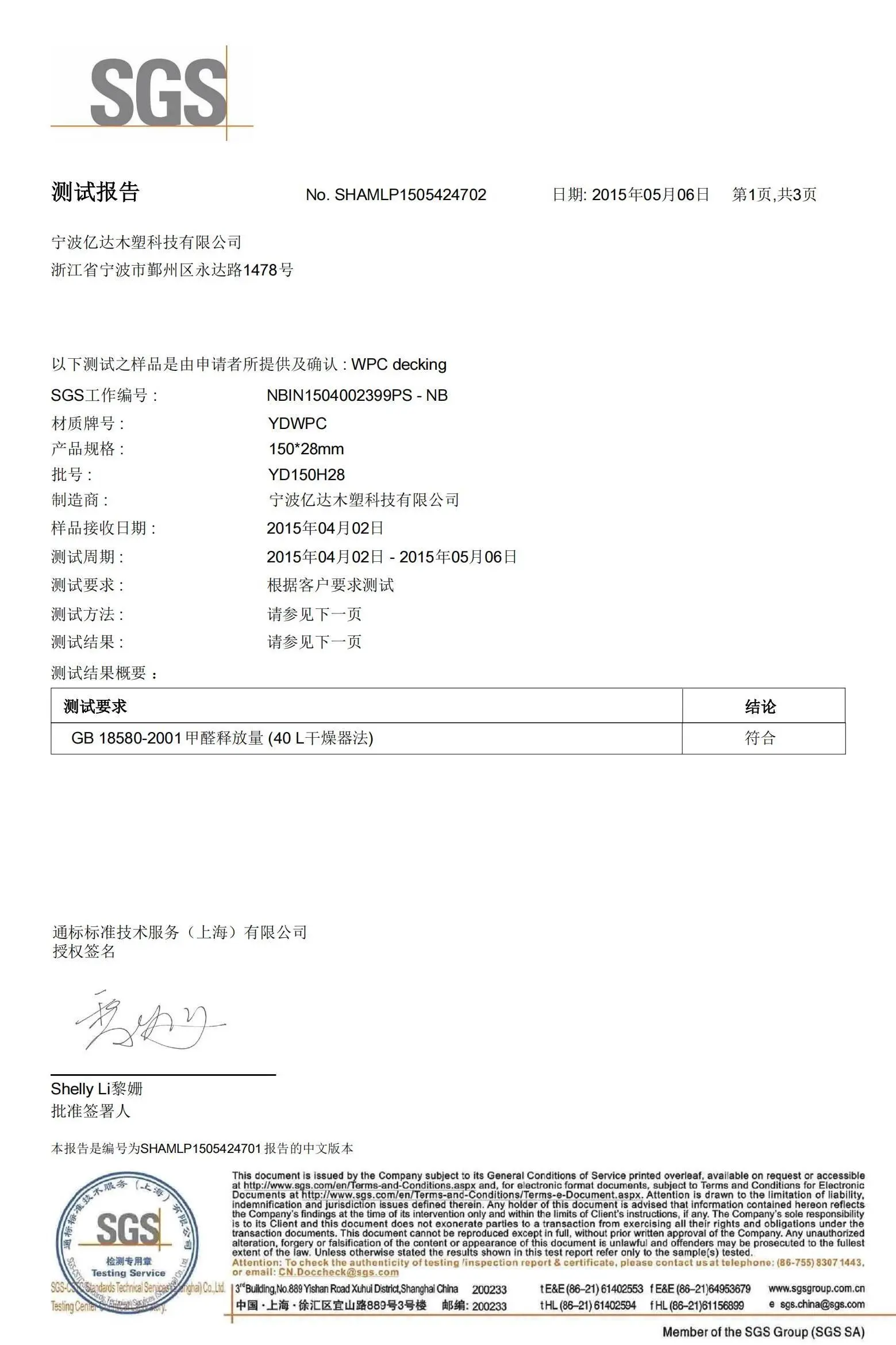
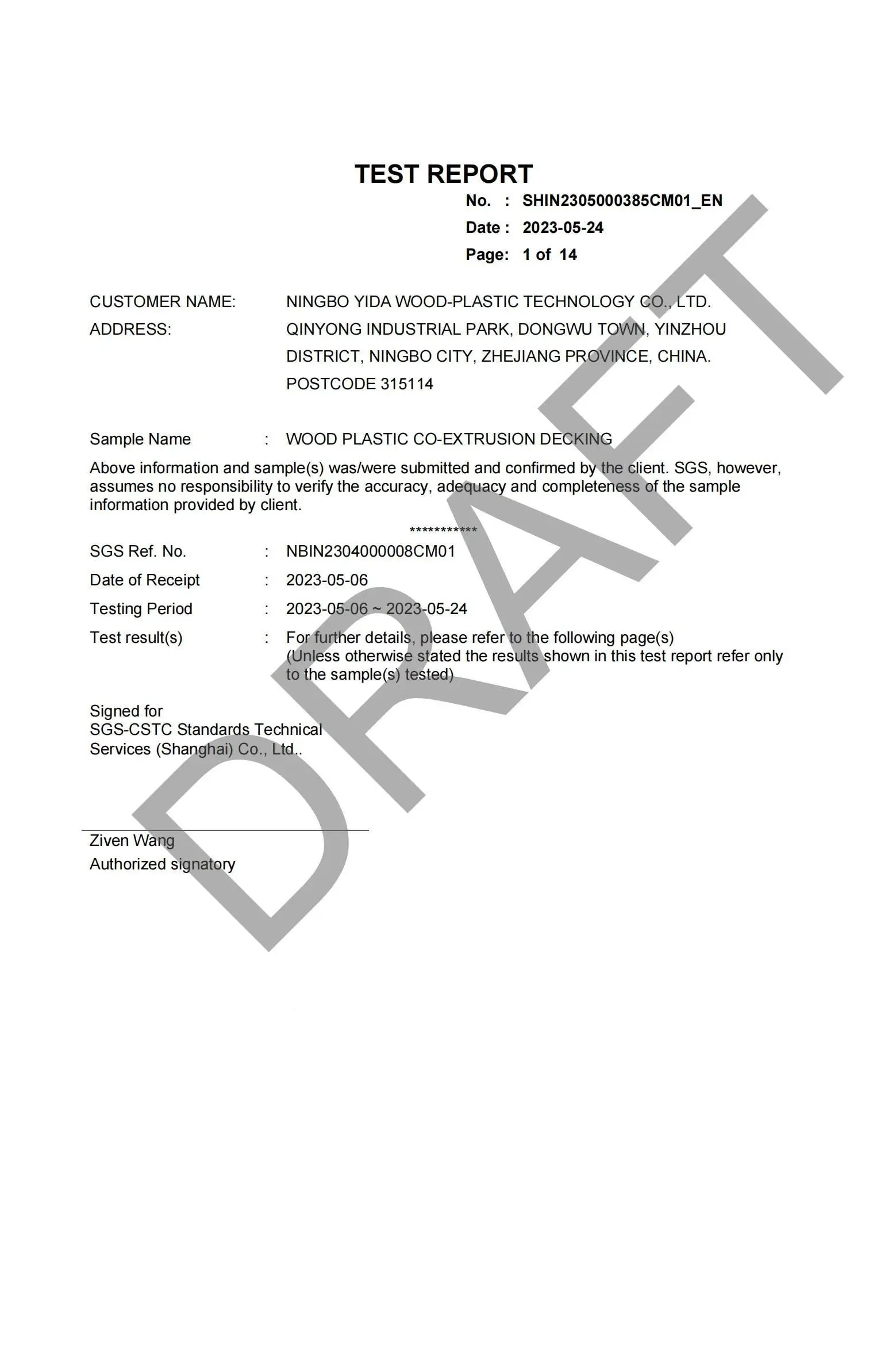
B2B import compliance requires fire classification certificates, heavy metal test reports, and UV resistance curves. Every square meter of Yida's exported profiles comes with verified structural and safety reports for hassle-free custom clearing.
From municipal engineering and high-traffic healthcare corridors to residential decking designs, explore our specialized macro solutions.
Yida's heavy-duty hollow and solid planks are widely integrated into national forest boardwalks, public docks, and community squares. Engineered for extreme weather, preventing water absorption and microbial degradation.
Our dedicated hospital and school service teams optimize hygiene and anti-slip values. Since our WPC contains zero volatile organic compounds (VOCs) or formaldehydes, it provides a safe surface around hospitals, kindergartens, and public play areas.
Traditional sea-facing timber rots under high salinity and intense moisture. Our capped cladding profiles shield raw wood particles inside a hydrophobic matrix, ensuring structural durability in coastal environments.
Scientific breakdown of our raw material extrusion, molecular coupling technology, and structural engineering properties.
We incorporate high-grade Maleic Anhydride Grafted Polyethylene (MAPE) to secure a robust molecular bond between hydrophilic wood fibers and hydrophobic PE resins. This prevents micro-fissures, reducing moisture absorption rates to below 1.0%.
Yida combines Hindered Amine Light Stabilizers (HALS) and inorganic pigments in our outer caps. This delays UV-driven photo-oxidation, retaining color intensity for decades even under direct exposure to sunlight.
Our hollow decking ranges feature interior structural ribs, engineered to distribute compression loads evenly. This design maintains high structural stiffness while reducing dead load stress on sub-framing grids.
Our production facilities operate under strict ISO 9001 and ISO 14001 management protocols. Every profile is systematically batch-tested to comply with ASTM structural, load, and flame propagation standards.
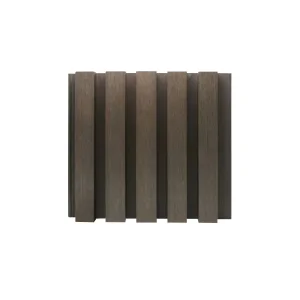
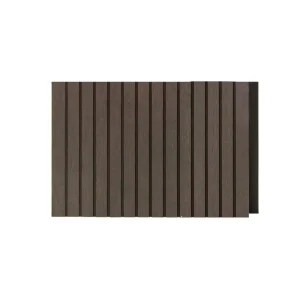
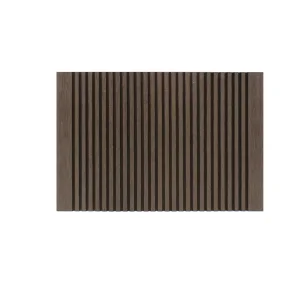
Explore the remaining half of our high-quality range, featuring natural wood patterns and robust fencing solutions.
Find engineering-grade technical and business verification responses. Sourcing answers to help you navigate custom specifications, logistics, and material science parameters.
WPC stands for Wood Plastic Composite. It is an innovative, high-performance material engineered from a precise blend of recycled hardwood/softwood fibers (typically 55-60%) and thermoplastic polymers (such as HDPE, approximately 30-35%), coupled with specialized chemical additives (around 5-10%) including UV stabilizers, mineral lubricants, and pigments. The compound is mixed under high heat and shear pressure, then extruded through custom dies into dense, long-lasting profiles.
Yes, our WPC products are highly eco-friendly. They utilize reclaimed industrial timber waste and recycled PE resins, preventing deforestation and reducing plastic accumulation in landfills. Furthermore, because our decking and cladding maintain structural integrity without toxic chemical sealers, oils, or preservatives, they emit zero VOCs. Using Yida WPC can contribute to earning credit points within regional green building rating systems such as LEED or BREEAM.
While both are low-maintenance alternatives to traditional timber, WPC incorporates real wood fibers, which provide superior rigidity, a lower thermal expansion coefficient, and an authentic wood-grain texture underfoot. Pure PVC decking has a more synthetic, plastic-like feel, expands more under direct sun, and can be slippery when wet. WPC balances the thermal mass of polymer with the stiffness of wood, offering improved traction and mechanical load stability.
Yes, many of our products are optimized for self-installation, using hidden clip-fastener systems that slide easily into the side grooves of the planks. However, for large-scale engineering or commercial projects, we recommend employing qualified contractors. Standard woodworking tools, such as carbide-tipped saw blades and drills, can be used. Be sure to follow our specific installation guide to secure proper sub-framing span and gap distance.
All exterior walkways (wood, concrete, pavers, composite) absorb solar radiation and warm up in direct sunlight. However, Yida WPC utilizes advanced polymer formulations and inorganic pigments that optimize thermal dissipation. Choosing lighter tones and capped co-extruded ranges will help maintain a comfortable surface underfoot compared to traditional dark wood or solid plastic products.
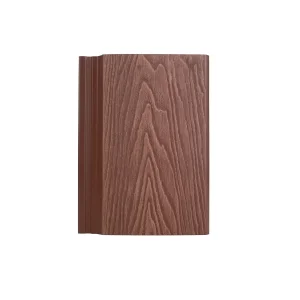
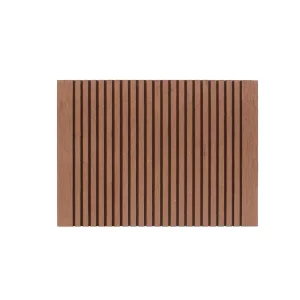
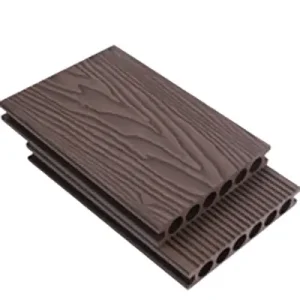
Our WPC boards feature deep 3D embossing and grooved surface patterns designed to provide high slip resistance, even when wet. They meet strict anti-slip standards (DIN 51130 R11 classification), making them a safe choice for pool decks, marina boardwalks, and public walkways.
Yida WPC is engineered to perform reliably from -40°C up to +60°C. The dense polymer wrap prevents moisture absorption, which keeps the boards from cracking during freeze-thaw cycles in winter. The UV-inhibitor matrix also prevents material degradation and excessive fading in hot, tropical climates.
No. The internal polymer binder prevents splitting and splintering, eliminating the risk of injury from bare feet. When installed on proper joist spans (30-40cm depending on hollow vs. solid profile), the structural formulation prevents warping or sagging, maintaining a flat surface for years.
WPC requires minimal maintenance. Routine cleaning involves sweeping away dirt and debris, followed by washing with a mild soap solution and a soft-bristled brush. Stains from oil or grease should be cleaned promptly with a household degreaser. Avoid using harsh chemical solvents, heavy bleach, or high-pressure washers closer than 30 cm, as they can damage the surface pattern.
No. Unlike natural timber, which requires sanding, painting, staining, or sealing every few years, Yida WPC never needs these costly treatments. The color is locked deep inside the composite and capping layers during extrusion, saving you time and maintenance costs over the lifetime of the product.
Our premium co-extruded and classic series are built for a structural lifespan of 20 to 25 years. Depending on the product line and application type (residential vs. commercial), we offer warranties ranging from 10 to 25 years against structural failures, rot, decay, and severe fading.
Yes. The thermoplastic encapsulation shields the wood fibers from pests. Termites cannot feed on the polymer-rich composite matrix, and mildew spores cannot take root in the hydrophobic outer cap, preventing internal rot.
We offer a wide range of colors—from classic woods like Teak, Redwood, and Walnut, to modern charcoal, light gray, and off-white tones. Styles include dual-sided flat/grooved boards, deep 3D wood-grain embossing, co-extruded cladding, and modern fencing. For bulk B2B orders, we can manufacture custom profiles, lengths, and colors to match your architectural requirements.
Yes, WPC behaves similarly to hardwood. You can use standard circular saws, miter saws, and drills. We recommend using carbide-tipped saw blades (typically 40 to 60 teeth) for clean, burr-free cuts, and pre-drilling holes before driving in fasteners.
For standard colors and profiles, our MOQ is generally one 20-foot container (approx. 800 to 1,000 sq.m of decking). Customized profiles or specialized color runs may require a higher initial volume. Typical production lead time is 15 to 25 days from deposit confirmation to port delivery in Ningbo.
We provide comprehensive support, including custom samples, CAD structural drawings, test reports, and marketing materials. Our dedicated logistics team coordinates FOB, CIF, or DDP shipments. We also offer construction and installation consulting for large-scale municipal, school, and hospital projects to ensure quality results.
Contact our technical sales team for custom project layouts, material specifications, and quotes.
Contact Us Today Yida Wood