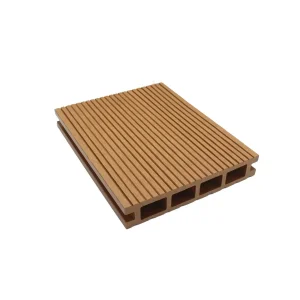
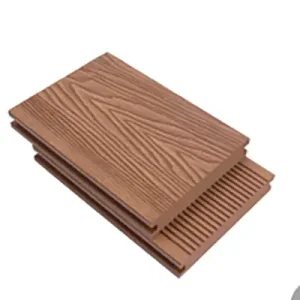
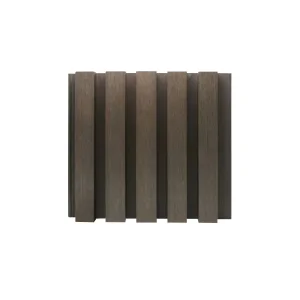
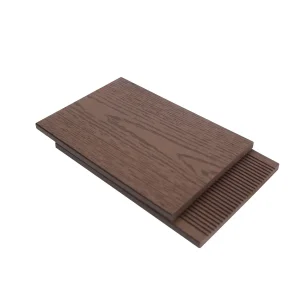
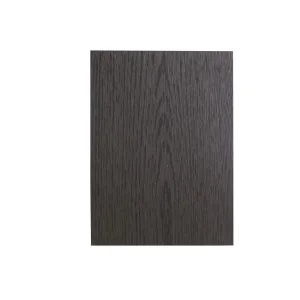
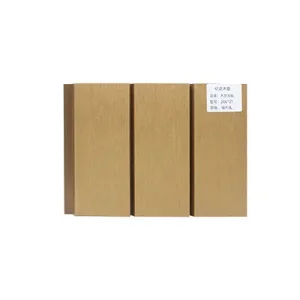
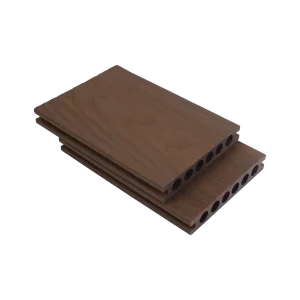
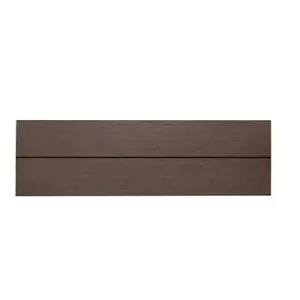
The global flooring and architectural cladding industry is undergoing a paradigm shift. Designers and municipal engineers are looking beyond traditional timber and basic synthetic polymers toward advanced composite materials. Wood Plastic Composites (WPC) represent this integration of technologies. By blending organic wood flour/fibers with thermoplastic polymers (PE, PP, or PVC) at a molecular level, manufacturers achieve a composite structural material that resolves the age-old issues of wood rot, moisture expansion, UV cracking, and structural fatigue.
In commercial procurement, identifying a reliable Discount WPC Vinyl Planks Manufacturer & Company is no longer simply a matter of chasing the lowest price. It is about understanding the systemic quality engineering behind the product. Low-cost formulations often compromise on polymer density, coupling agent ratios, and UV-stabilizer additives, leading to structural failures. True discount pricing is achieved through raw material circular supply chains, advanced multi-line co-extrusion technology, and optimization of manufacturing overheads.
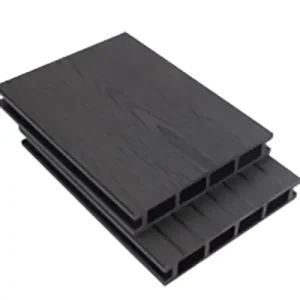
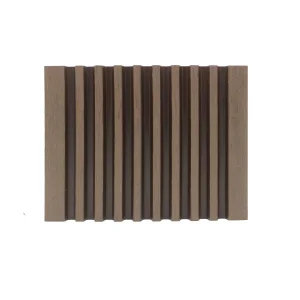
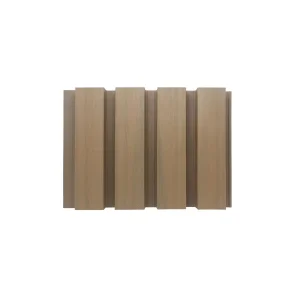
Ningbo Yida Wood Plastic Technology Co., Ltd. is proud to introduce our innovative wood plastic composite material that combines the natural beauty of wood with the durability of plastic profiles. With nearly ten years of R&D, production, and global sales experience, we have established ourselves as a premier manufacturer and supplier of sustainable composite materials.
Our proprietary brand of Yida wood-plastic composites is engineered to offer excellent resistance against common wood degradation agents. Our profiles are waterproof, moisture-proof, mildew-proof, insect-resistant, black-proof, and crack-proof. This balanced set of traits makes them ideal for outdoor architectural installations, public parks, municipal boardwalks, and high-performance commercial developments. As an environmentally conscious manufacturer, Yida products conform fully with international sustainable development parameters, ensuring low-carbon footprint lifecycles.
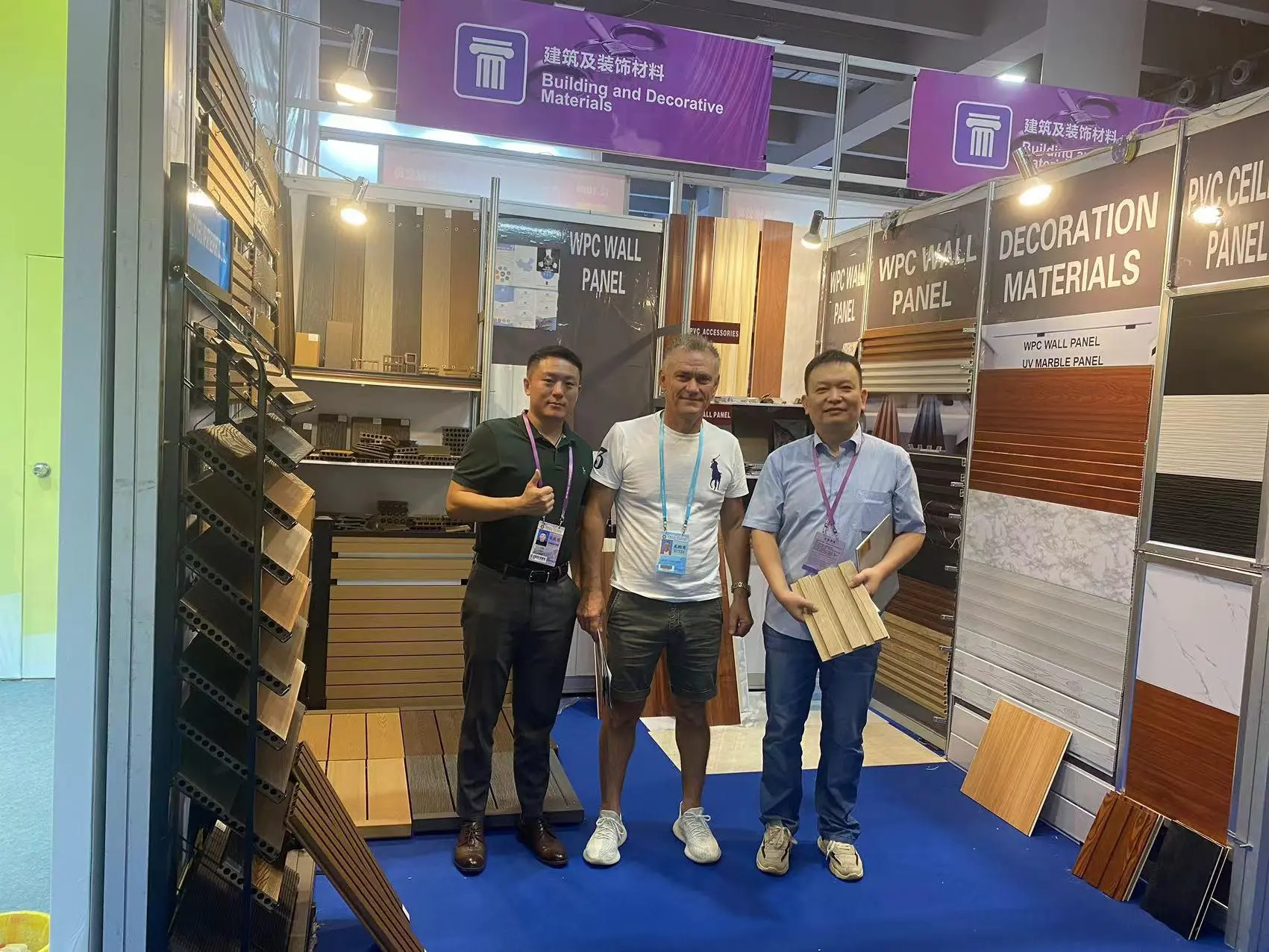
In today's construction environment, global buyers seek materials that balance cost with longevity. In high-traffic locations, traditional wood requires annual staining, sealing, and insect treatments. The operational expenditure (OpEx) of wood quickly exceeds its initial lower capital expenditure (CapEx). Consequently, procurement departments are transitioning to WPC to capture significant lifecycle cost savings.
Architects design projects to last decades. Traditional timber is susceptible to environmental weathering, leading to splinters, warping, and cracking. WPC offers a consistent surface profile, retaining its structural integrity in both freezing conditions and tropical climates.
With the implementation of carbon taxes and green building certifications, developers are prioritizing recycled products. High-quality WPC is manufactured from up to 90% recycled material, contributing points to LEED and BREEAM certifications.
Maintenance budgets for public and commercial properties continue to rise. WPC eliminates the need for periodic sanding, chemical treatments, and painting. It requires only standard cleaning, resulting in low maintenance costs over the material's lifespan.
| Performance Characteristic | Natural Hardwood (Ipe/Teak) | Standard PVC Decking | Yida Engineered WPC Planks |
|---|---|---|---|
| Moisture Absorption | High (Causes rot & expansion) | Zero (Prone to thermal deformation) | <0.5% (Extremely stable) |
| Maintenance Required | High (Oiling, sealing, sanding) | Low | Minimal (Soap and water cleaning) |
| Splintering & Safety | High Risk (Over time) | None (Can be slick) | None (High slip resistance) |
| Environmental Impact | Deforestation Concern | High Carbon footprint | 90%+ Recycled materials |
| Lifecycle Costs (15 Yrs) | Very High (Cumulative upkeep) | Medium | Low (Minimal overall expense) |
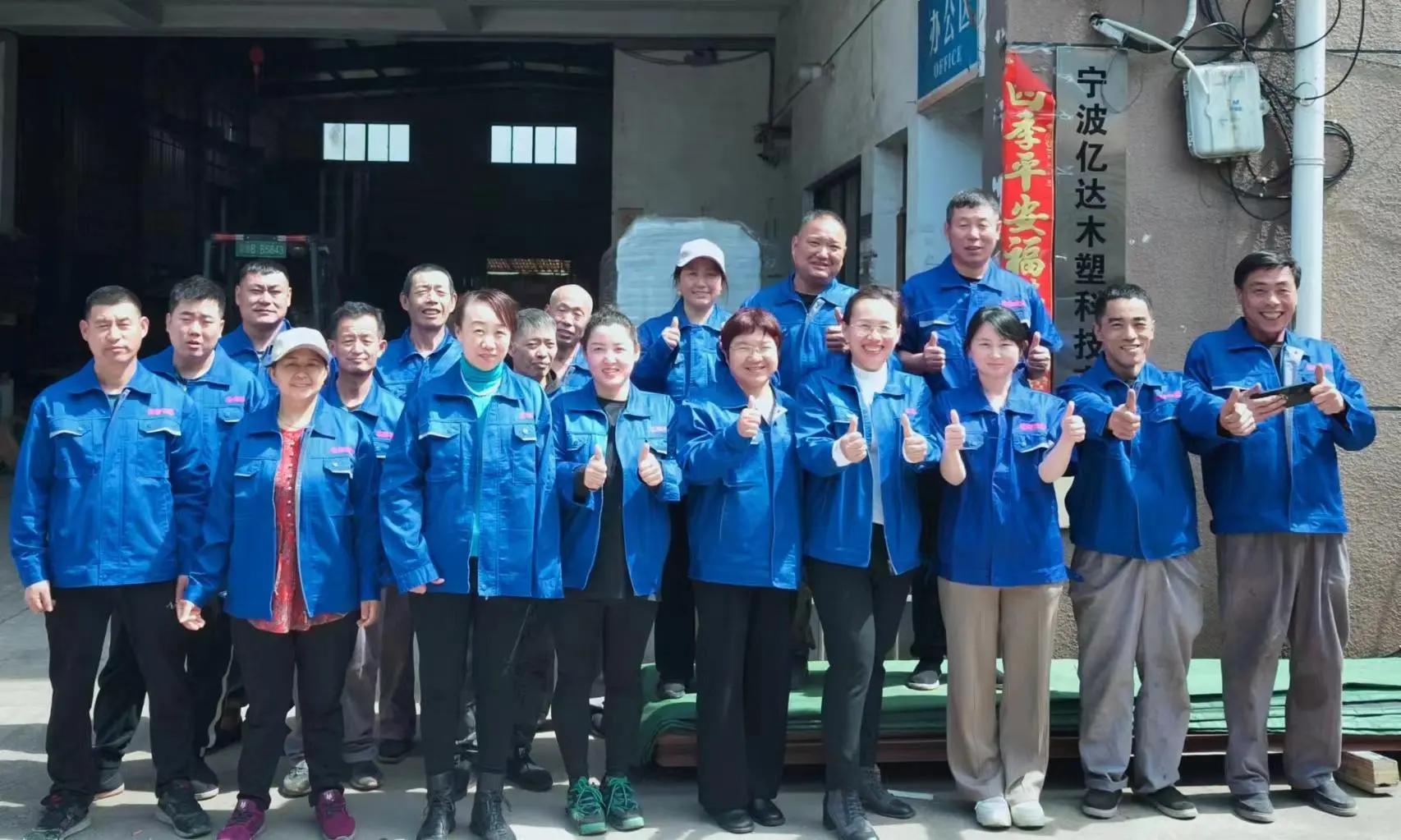
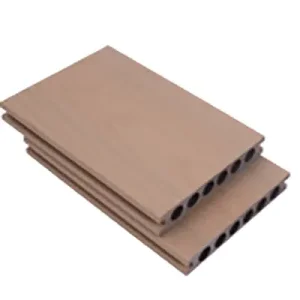
At Ningbo Yida, we have invested in advanced production facilities and built a professional team dedicated to material research, manufacturing, quality control, sales, after-sales service, and construction. Our integrated production lines utilize precise extrusion technology to blend high-density polyethylene (HDPE) with refined organic wood fibers. This close control over heat and pressure ensures consistent structural density and color blending.
In addition to serving residential and commercial projects, we maintain dedicated technical teams to support public works, educational institutions, and healthcare projects. Our experience supplying materials for universities, schools, and hospitals demonstrates our ability to meet strict building safety codes, fire resistance standards, and durability requirements.
Our track record includes successful large-scale municipal and commercial projects that demonstrate the structural reliability and performance of Yida wood-plastic composites. From high-traffic seaside boardwalks to industrial exterior wall cladding, our profiles are chosen for both their performance and appearance.
As we continue to develop new designs and expand our product range, we remain committed to providing cost-effective, high-quality solutions. With Yida Wood Plastic Composites, you can design projects that combine natural timber aesthetics with modern composite durability.
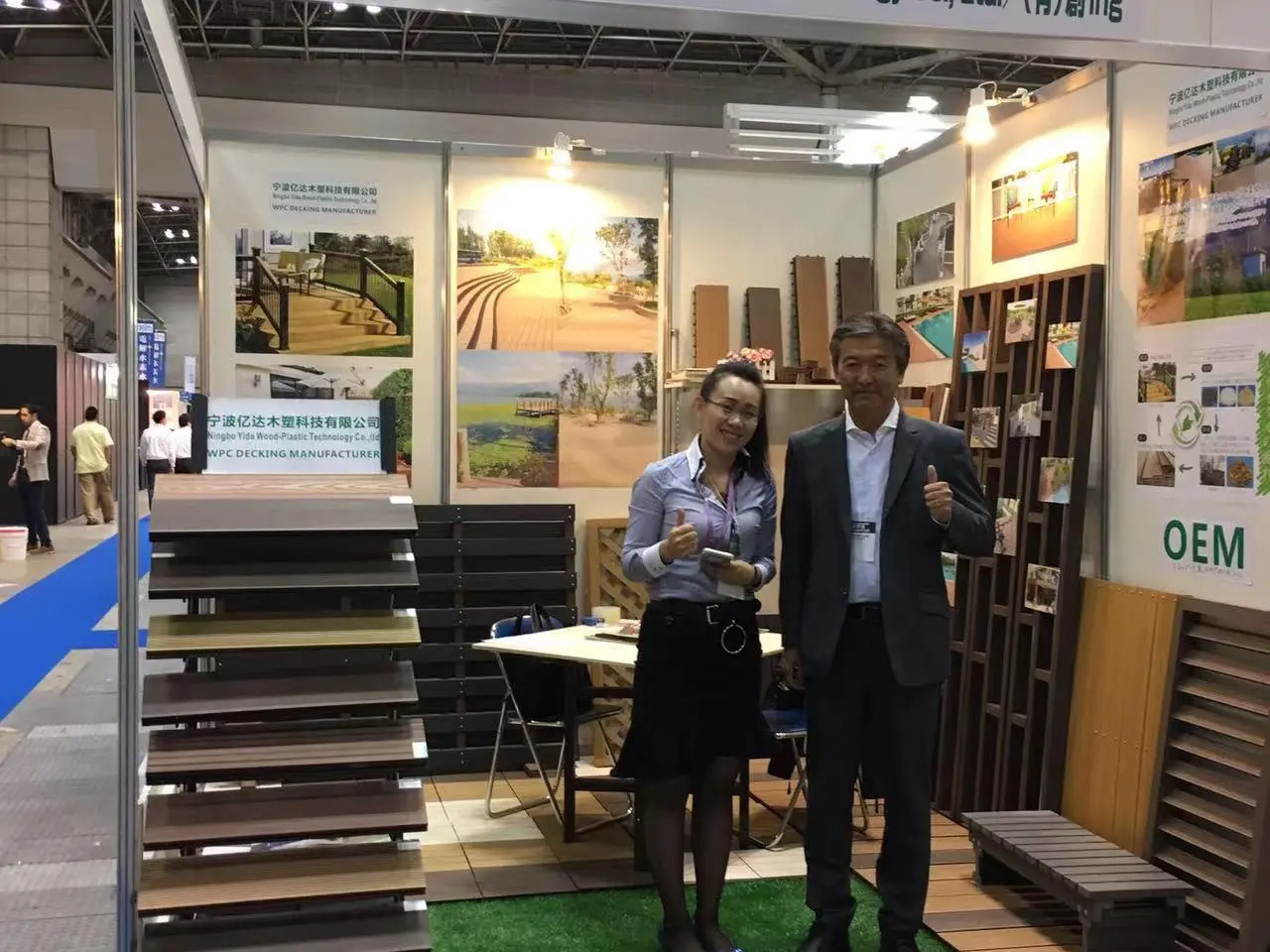
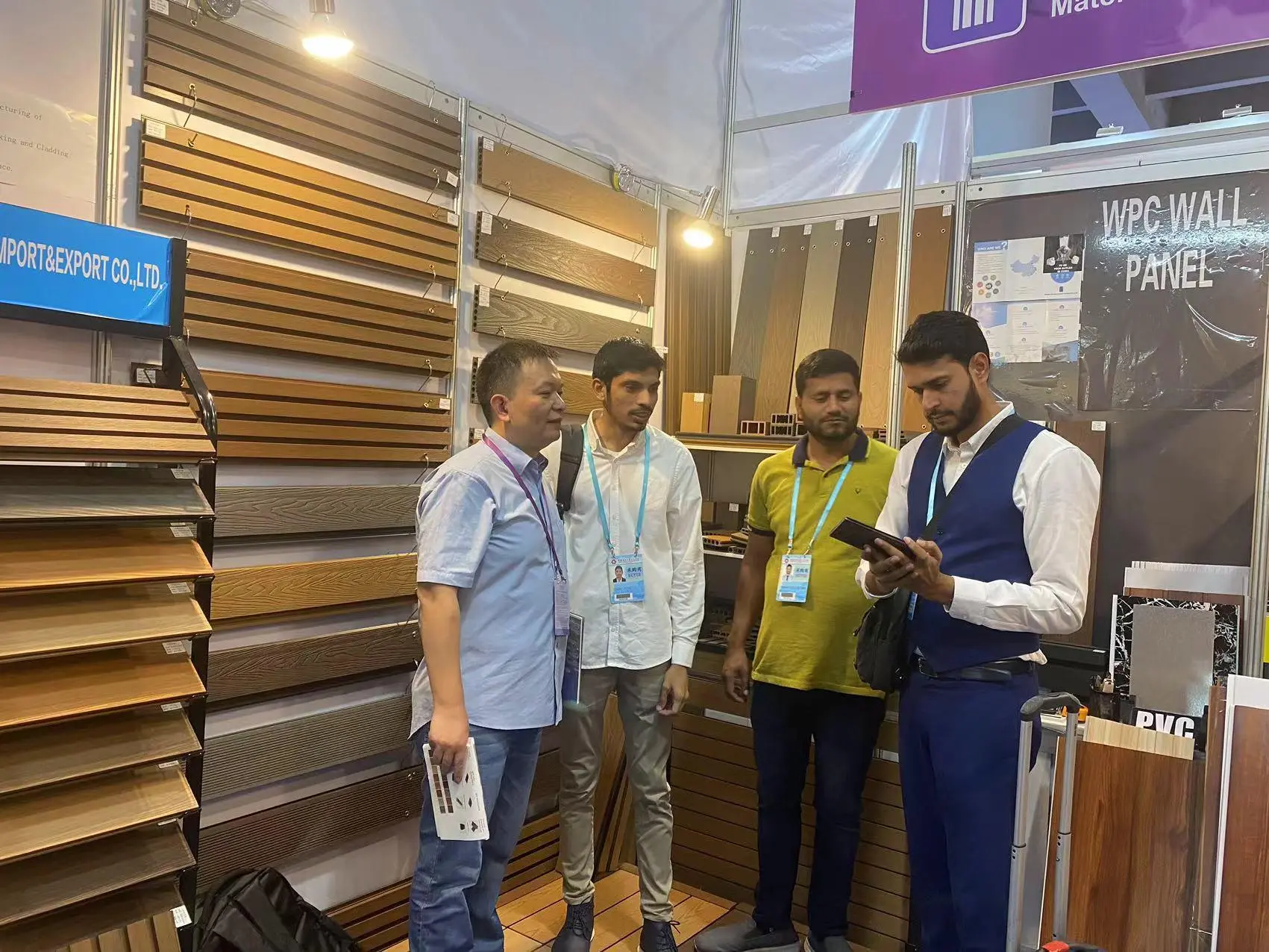
Yida is continuously refining its material formulations. Our R&D pipeline focuses on three primary technological advancements:
By applying a protective outer shell around our WPC core, we shield the material from UV radiation, foot traffic, and staining agents. This capped technology forms the basis of our premium cladding and decking collections.
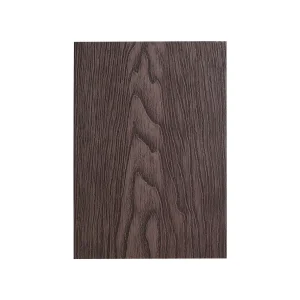
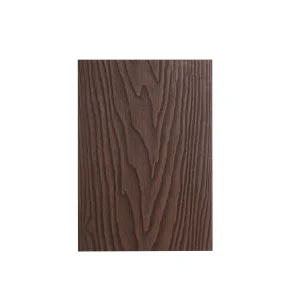
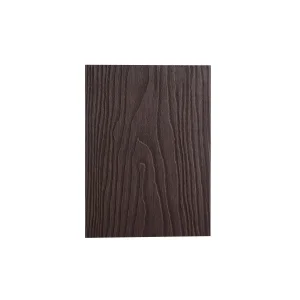
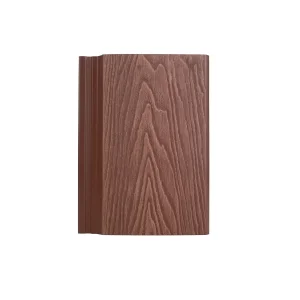
Instead of standard pattern repeats, our 3D embossing mimics the natural variation found in hardwood grain. This process creates a realistic wood-like texture while maintaining the durability of a synthetic composite.
We are working to integrate bio-based coupling agents and clean-energy extrusion processes to further reduce our carbon footprint, keeping our products aligned with green building requirements.
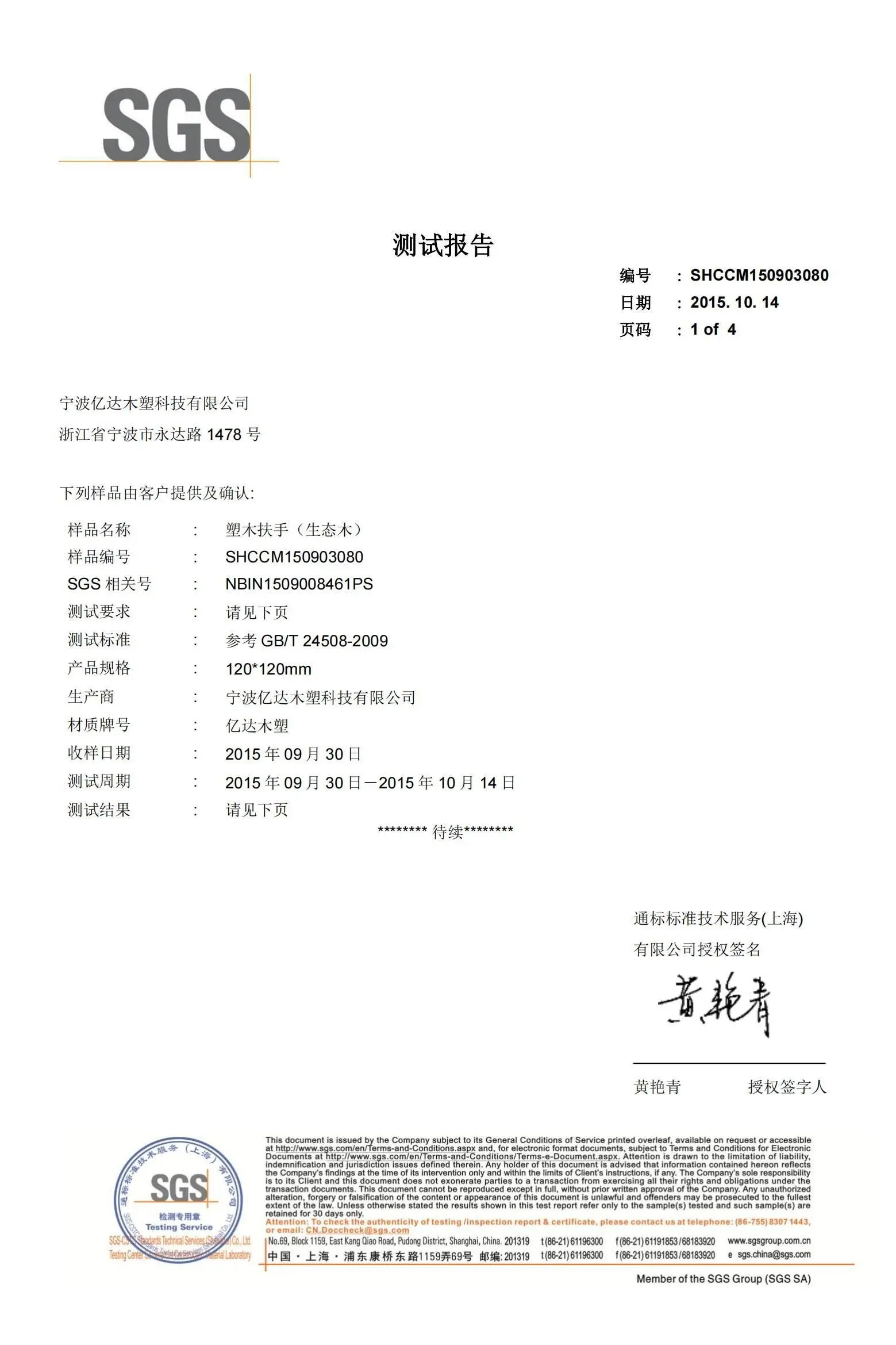
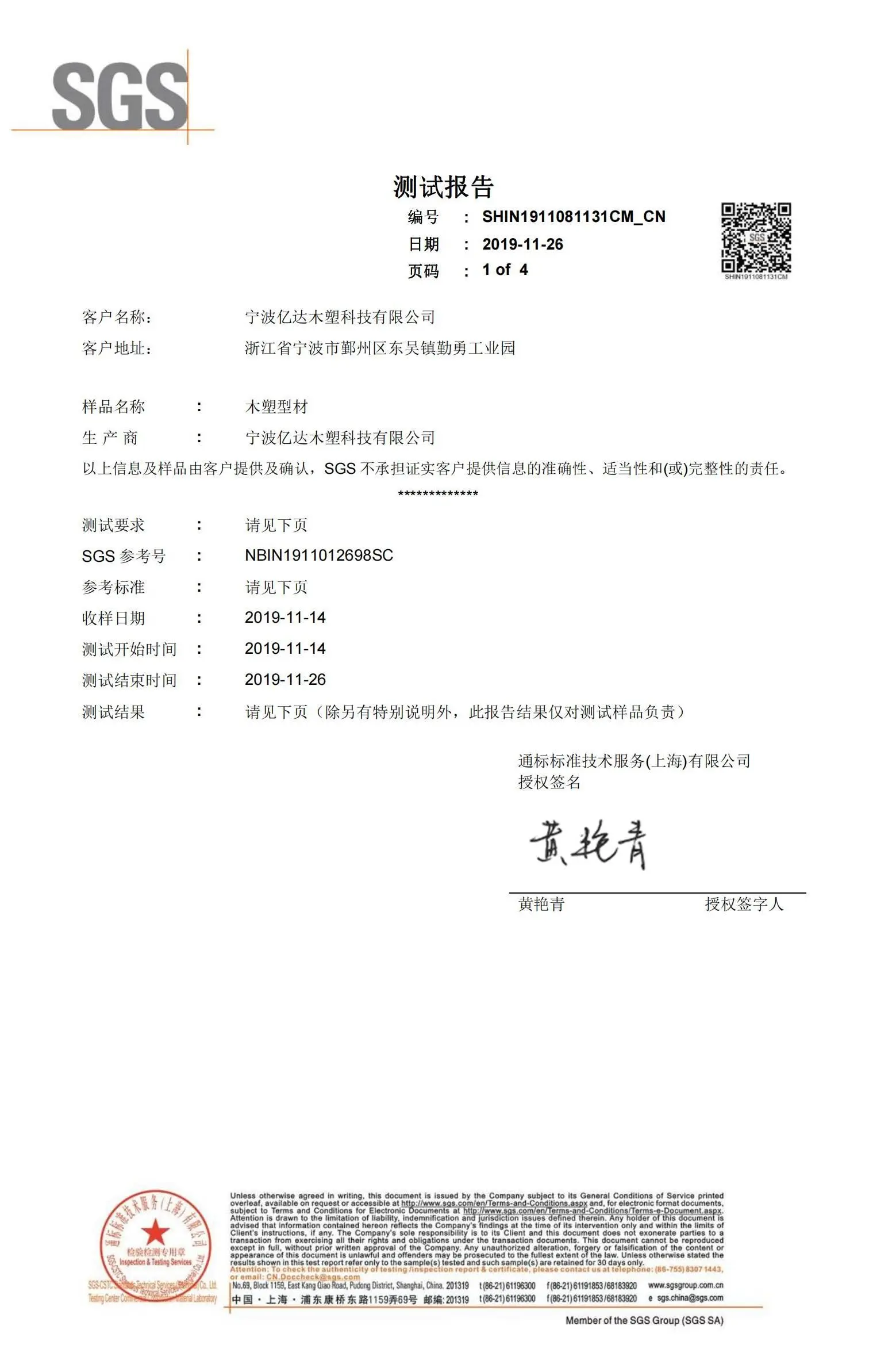
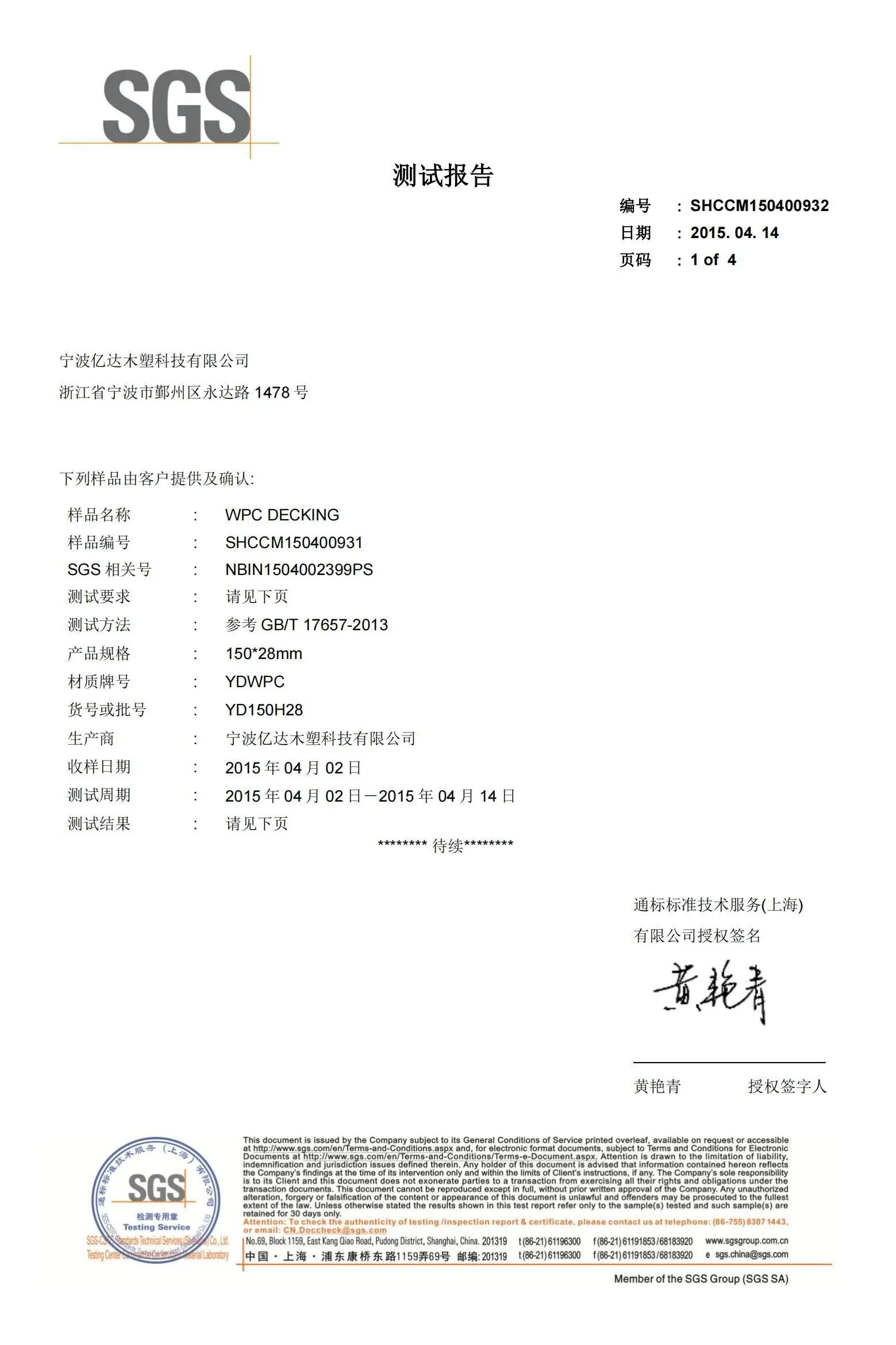
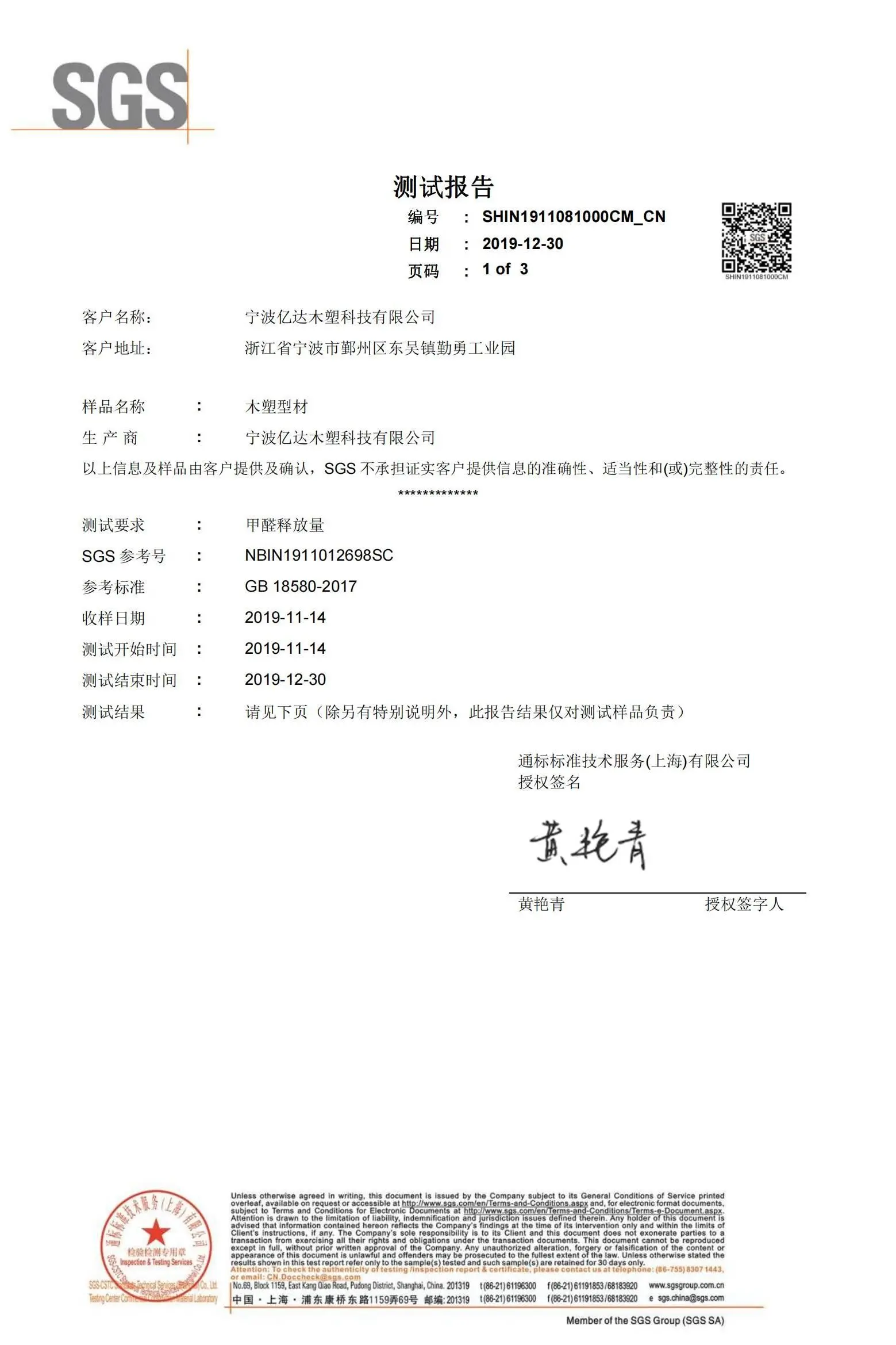
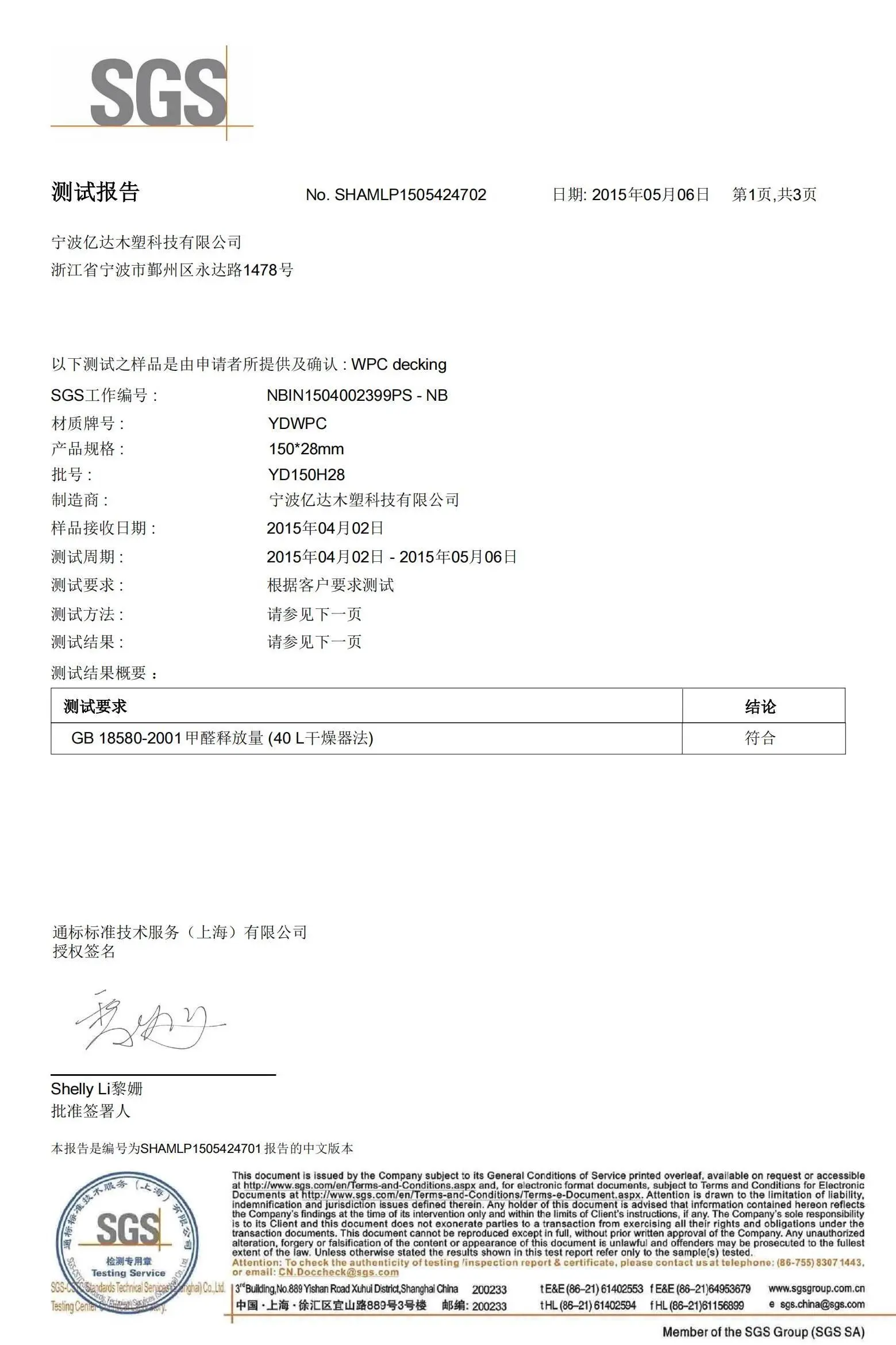
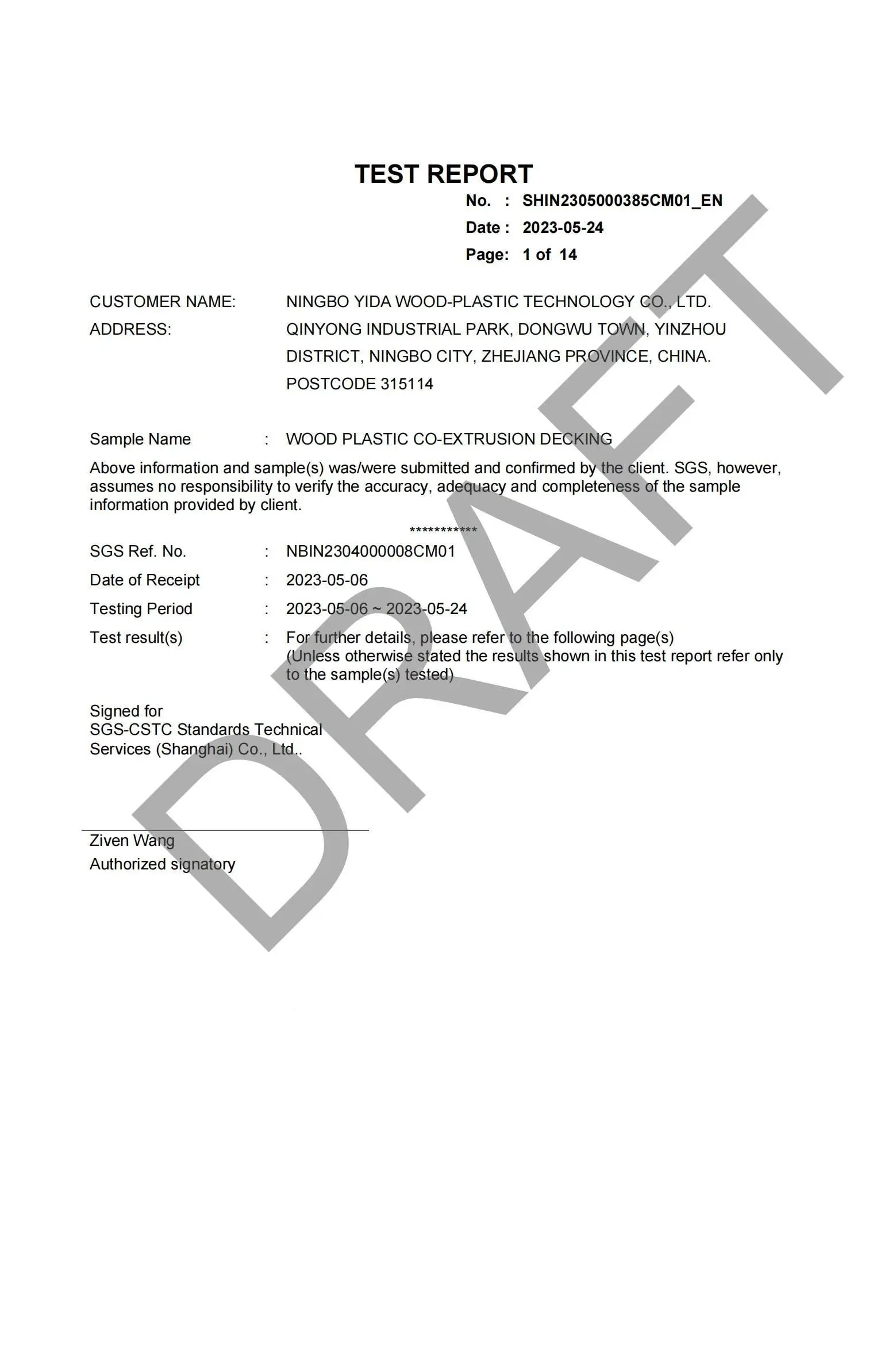
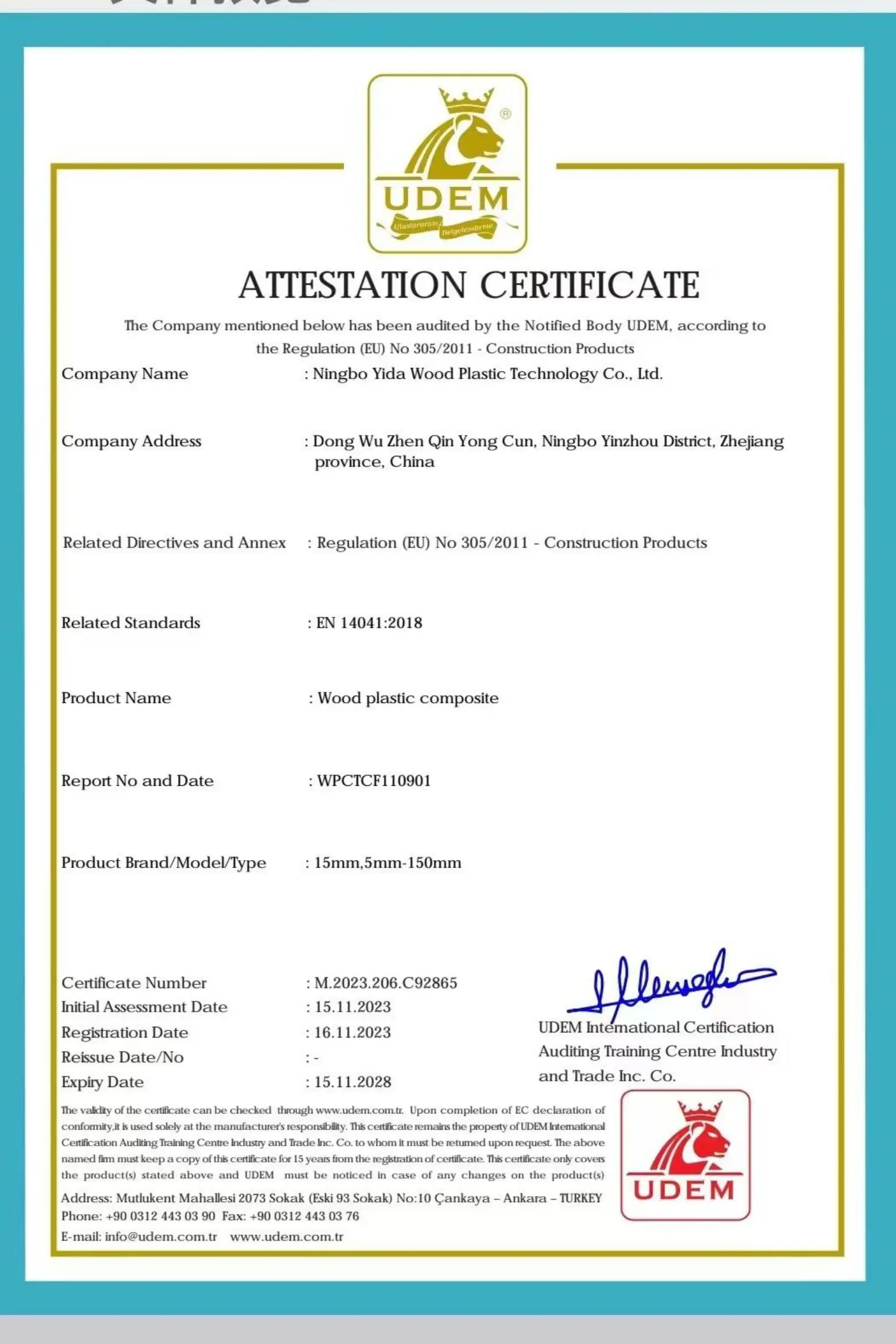
Our factory processes and composite products are tested to ensure compliance with global building safety regulations.
 Yida Wood