Direct sourcing from Yida's high-precision manufacturing facility. Engineered for extreme weather durability and structural resilience.
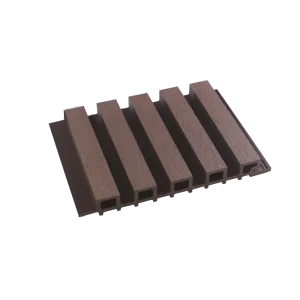
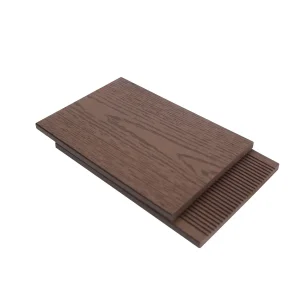
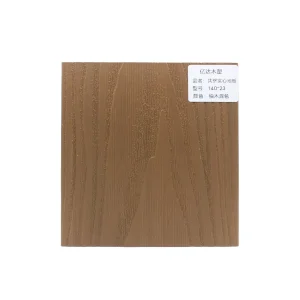
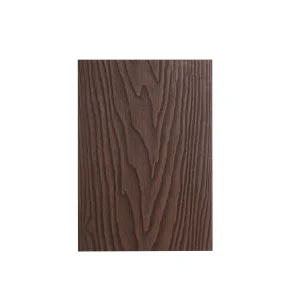
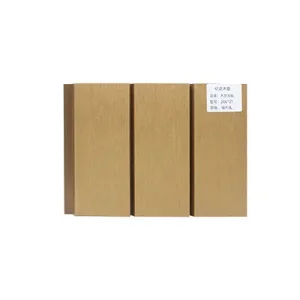
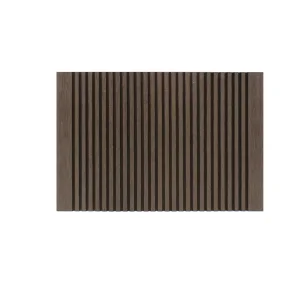
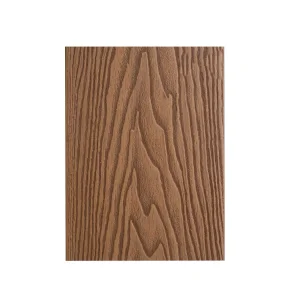
The global construction industry is undergoing a massive paradigm shift toward sustainable, low-maintenance materials. Wood Plastic Composite (WPC), including WPC vinyl plank, exterior cladding, and composite structural decking, is at the forefront of this revolution. Valued at over USD 5.3 billion and growing at a CAGR of 8.4%, WPC materials have transitioned from alternative residential decking to heavy-duty commercial and municipal applications.
Architects and project engineers are prioritizing structural materials that mitigate the inherent flaws of natural timber—such as rot, thermal expansion deformation, and pest vulnerability—without sacrificing the warm organic aesthetics of natural wood. The integration of rigid co-extrusion shielding has further elevated WPC performance metrics, providing superior UV resistance, zero-moisture absorption, and unparalleled mechanical load capacities.
WPC is engineered using recycled thermoplastic matrices (such as high-density PE or PVC) combined with reclaimed wood fibers. By replacing virgin timber, WPC drastically reduces deforestation pressures and allows commercial buildings to earn significant points under international standards like LEED v4, BREEAM, and Green Star.
Modern architectural projects demand material longevity. Advanced co-extrusion technology applies a 360-degree protective cap around the composite core. This outer shield resists moisture ingress, prevents color degradation from solar radiation, and stands up to high-frequency pedestrian traffic in metropolitan zones.
While the initial procurement cost of premium WPC composites may exceed untreated timber, the lifecycle cost of WPC is dramatically lower. With zero staining, sealing, or preservative treatment requirements over its 15 to 25-year service life, global developers achieve a rapid return on investment (ROI).
A quantitative look at how Ningbo Yida Wood Plastic products outperform traditional outdoor structural materials.
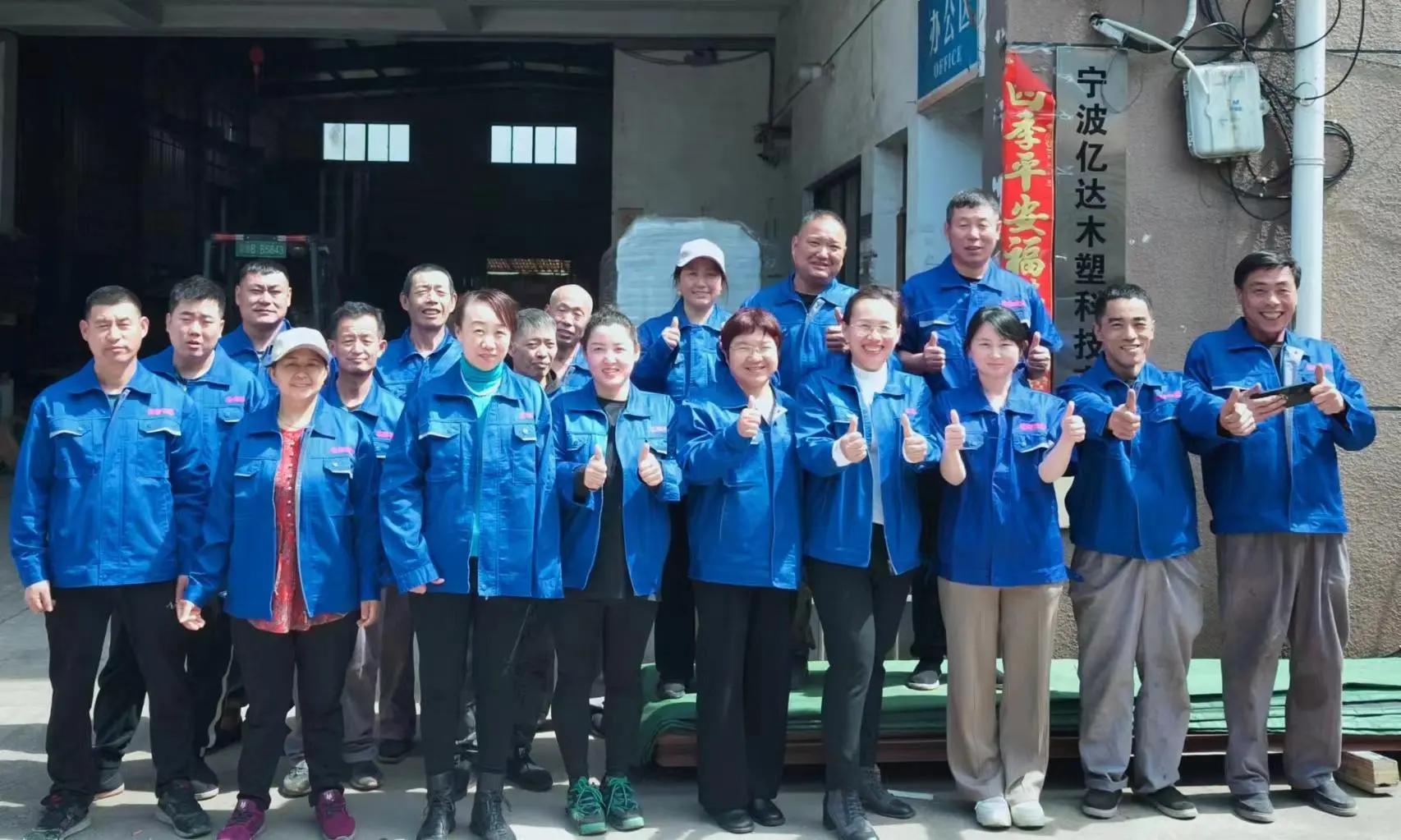
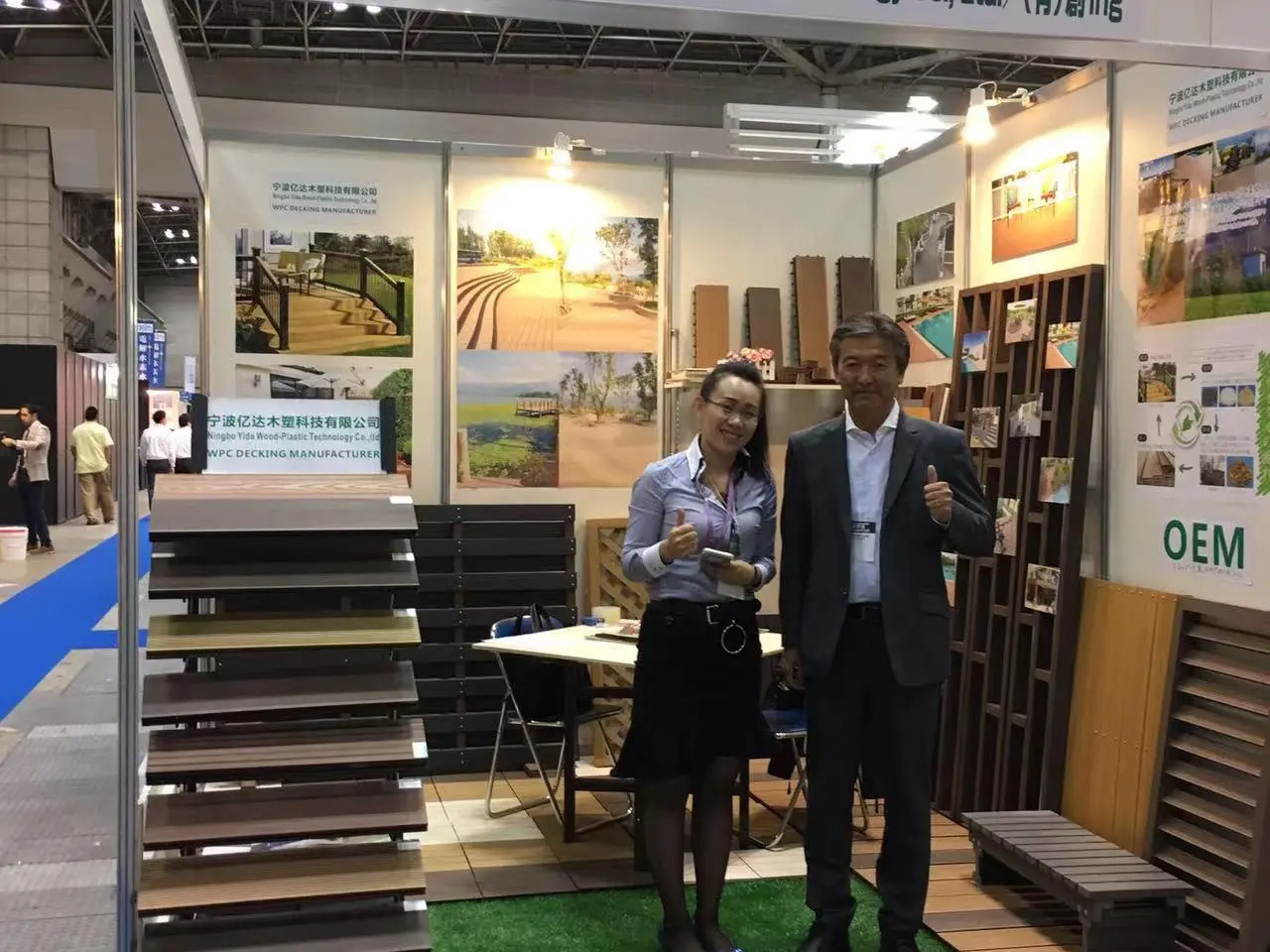
Ningbo Yida Wood Plastic Technology Co., Ltd. is proud to introduce our innovative wood plastic composite material that combines the natural beauty of wood with the durability of plastic profiles. With nearly ten years of R&D, production and sales experience, we have become a leading manufacturer and supplier of new wood-plastic composite materials.
Our Yida brand wood-plastic composite materials have excellent properties such as waterproof, moisture-proof, mildew-proof, insect-proof, black-proof, and crack-proof. This makes it ideal for a variety of applications, including outdoor architectural design, landscaping and municipal engineering projects. As an environmentally friendly material, it is in line with the country’s strong encouragement of sustainable development.
Request Wholesale Pricing SheetUnderstanding the logistical and technological optimization that drives Ningbo Yida's high-volume B2B output.
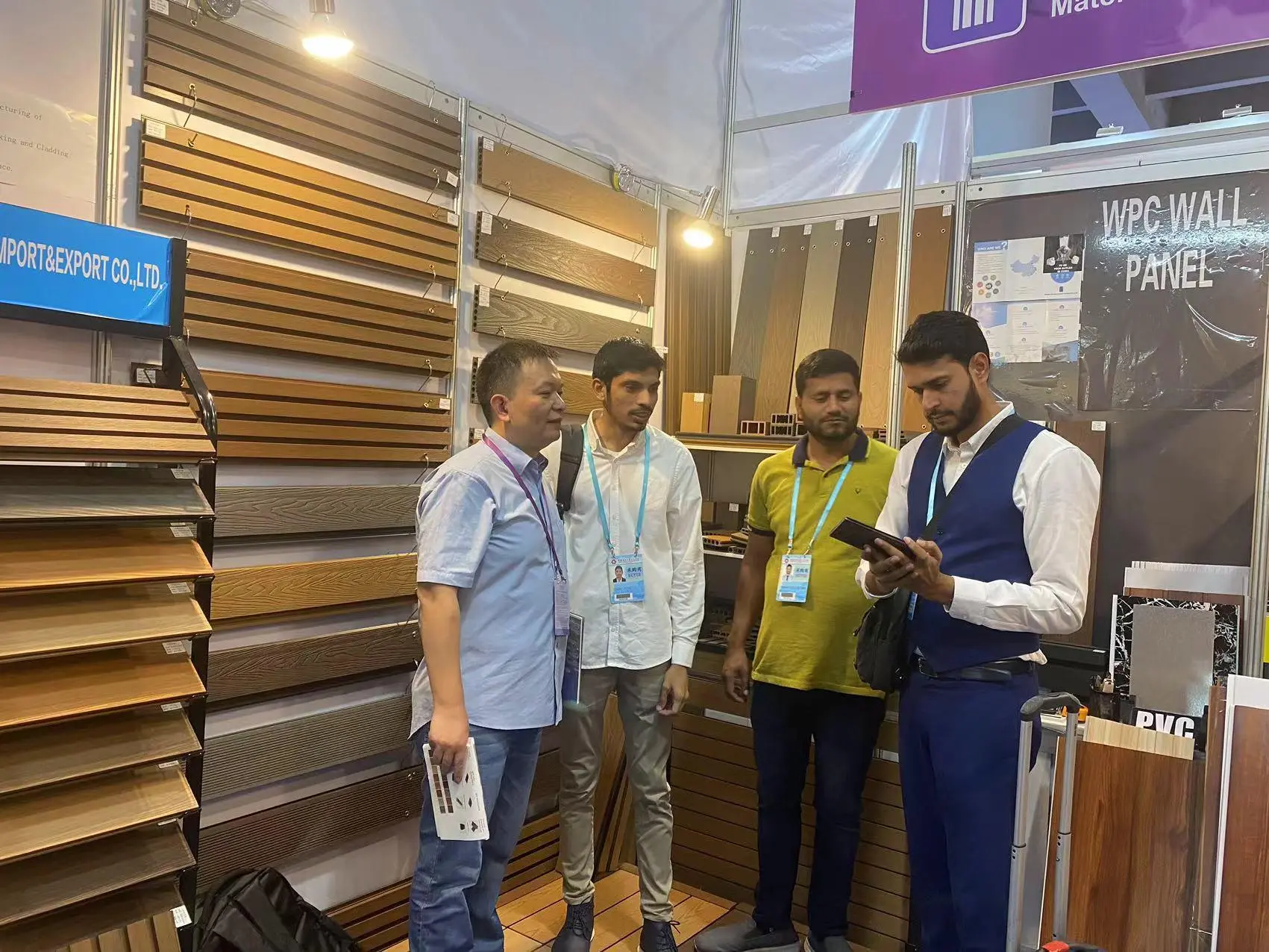
Sourcing WPC vinyl plank, fencing, and cladding systems directly from Ningbo, China, yields critical competitive benefits for international buyers, retail distributors, and contractors. By operating at the nexus of advanced automation and streamlined supply chains, Ningbo Yida offers unmatched production scalability and cost structures.
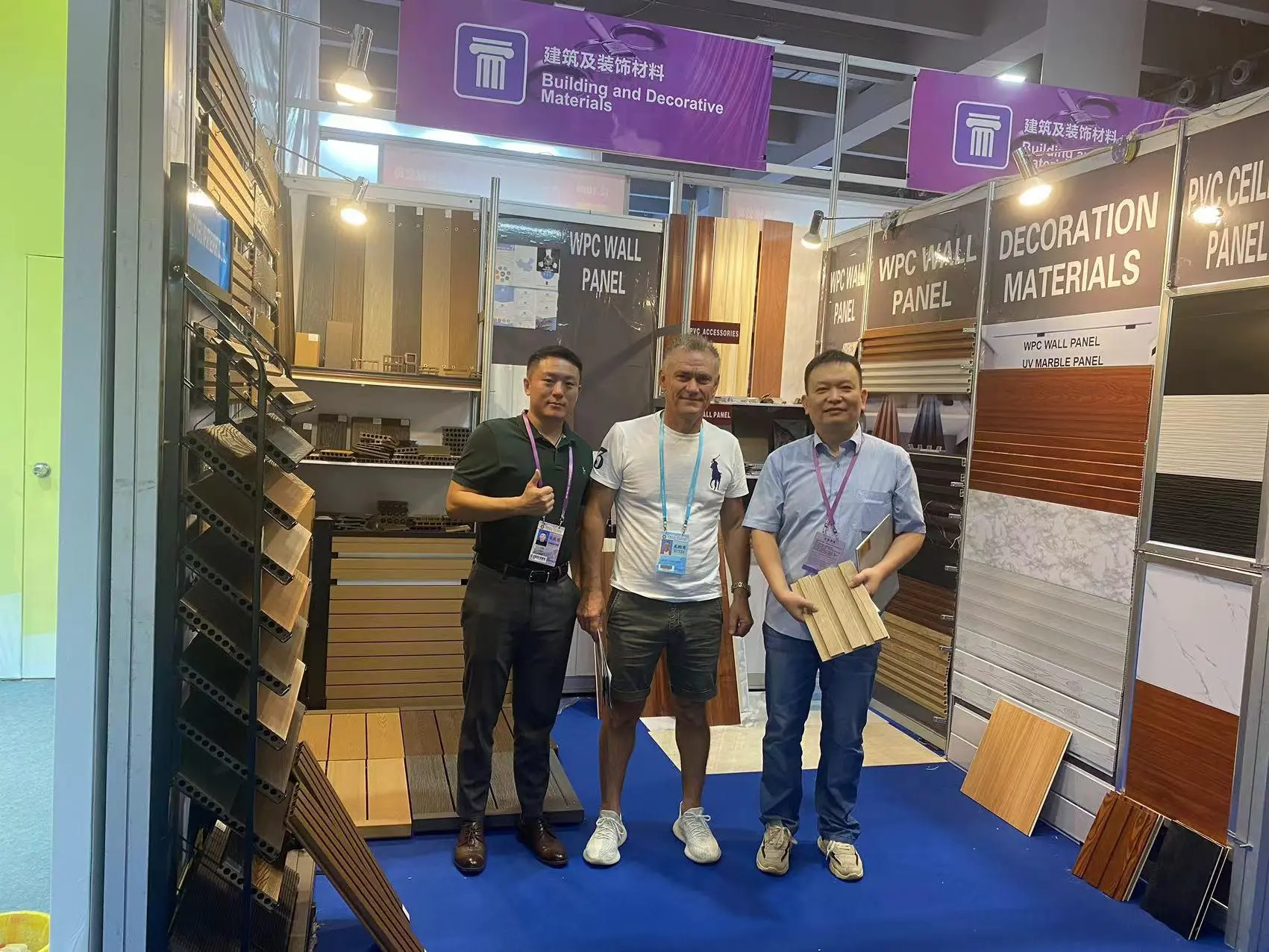
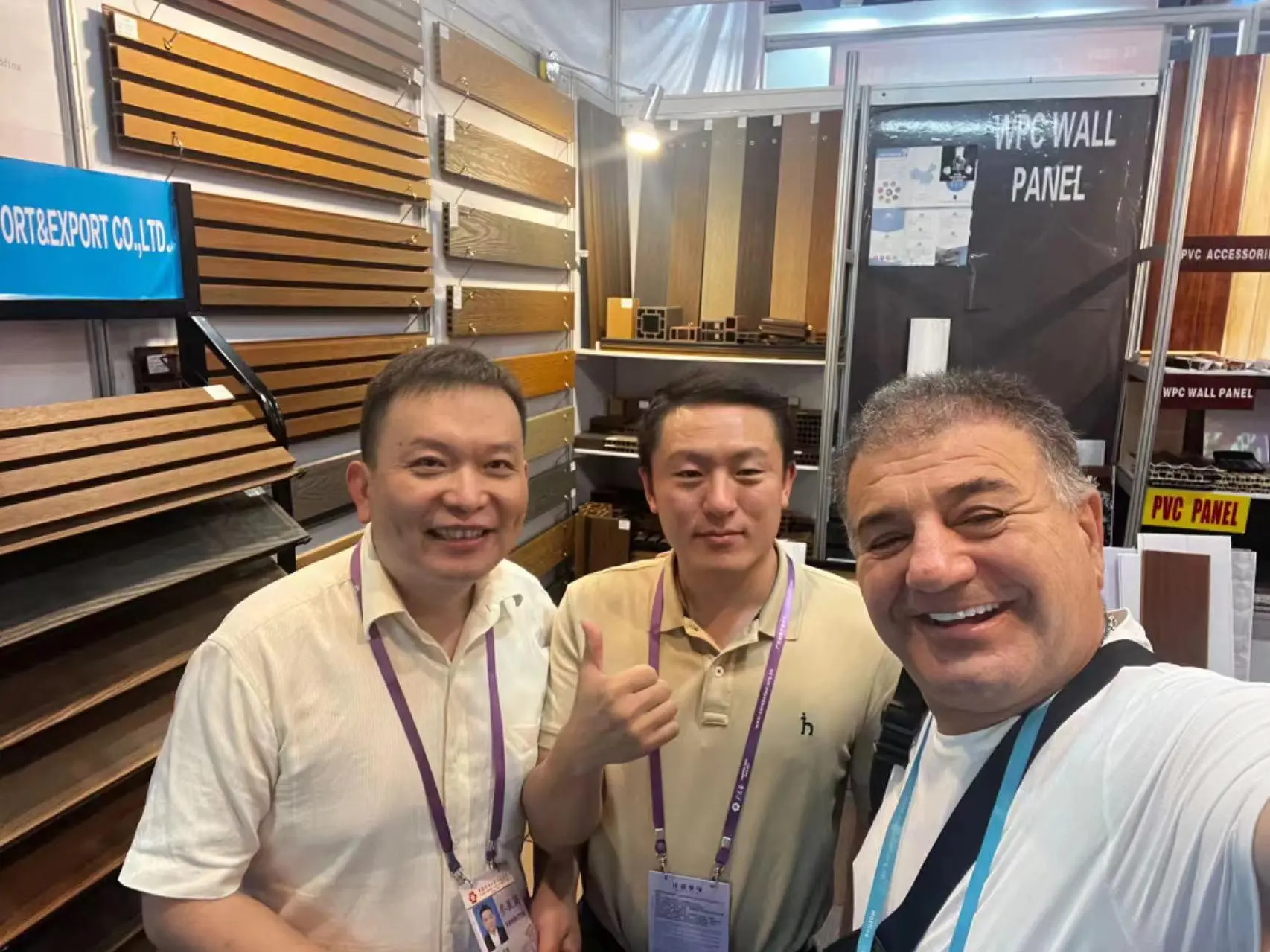
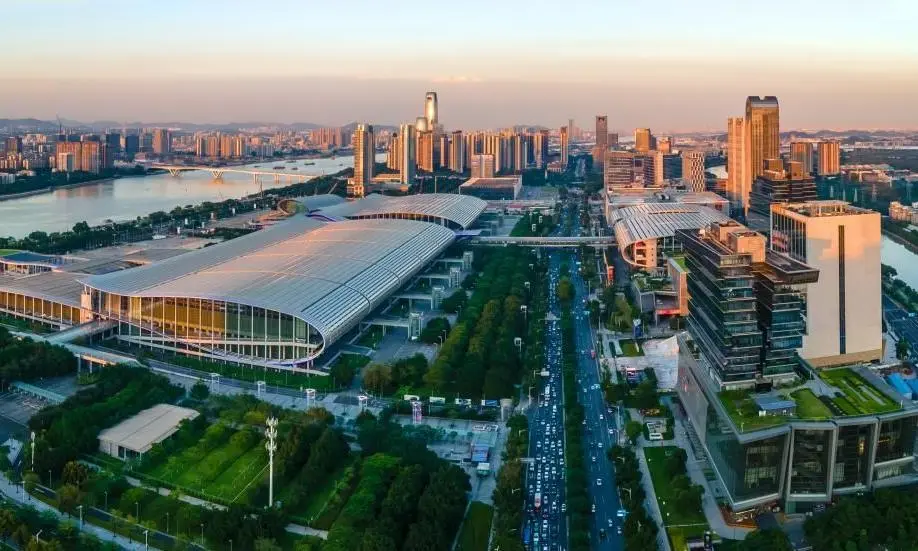
Delivering heavy-duty, low-maintenance composite structures for national infrastructure, healthcare facilities, and educational institutions.
At Ningbo Yida, we have invested in advanced production technology and established a professional team dedicated to product research and development, manufacturing, sales, after-sales service and construction. This ensures that our wood plastic composites meet the highest quality and performance standards.
In addition to servicing commercial and residential projects, we have established dedicated service teams to support educational and medical institutions across the country. Our commitment to providing professional services and construction to major universities and hospitals reflects our dedication to public infrastructure.
We are proud to have successfully completed numerous large-scale engineering projects, demonstrating the reliability and versatility of our wood plastic composite materials. Our products are widely recognized for their superior performance and aesthetic appeal.
Engineered for versatility across diverse climates and environmental conditions.
Subjected to water sprays, high humidity, and barefoot pedestrian traffic. Yida's capped WPC offers class-leading anti-slip (R11) ratings and zero rot, ensuring public safety and reducing city liability.
Hospitals and major universities require structures that are free of harmful off-gassing and safe from splintering. Yida WPC components are manufactured with food-grade binder polymers and non-toxic additives.
Our structural cladding works as an effective thermal envelope. It acts as an insulation barrier against thermal radiation, reducing HVAC load in extreme summer climates.
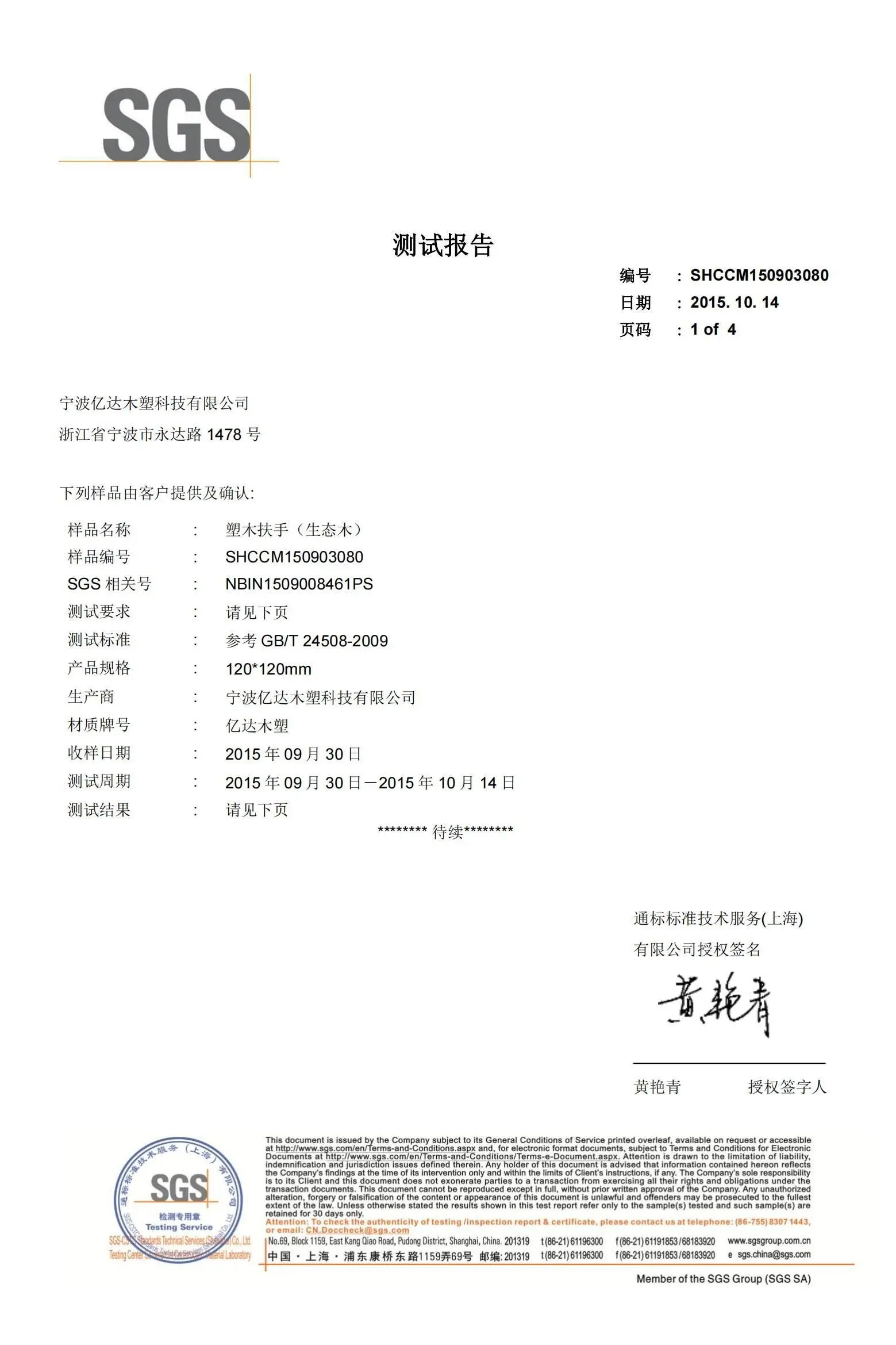
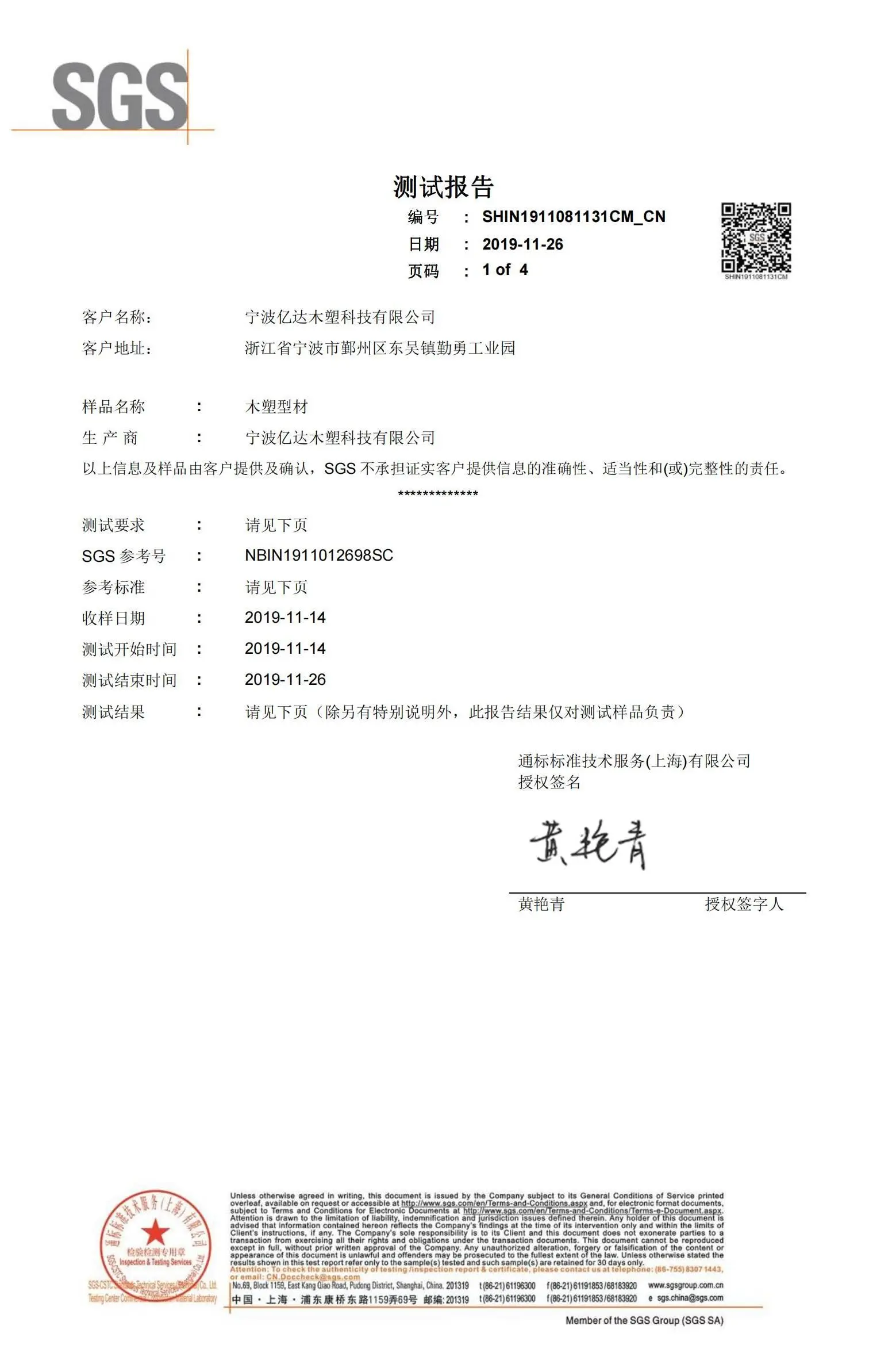
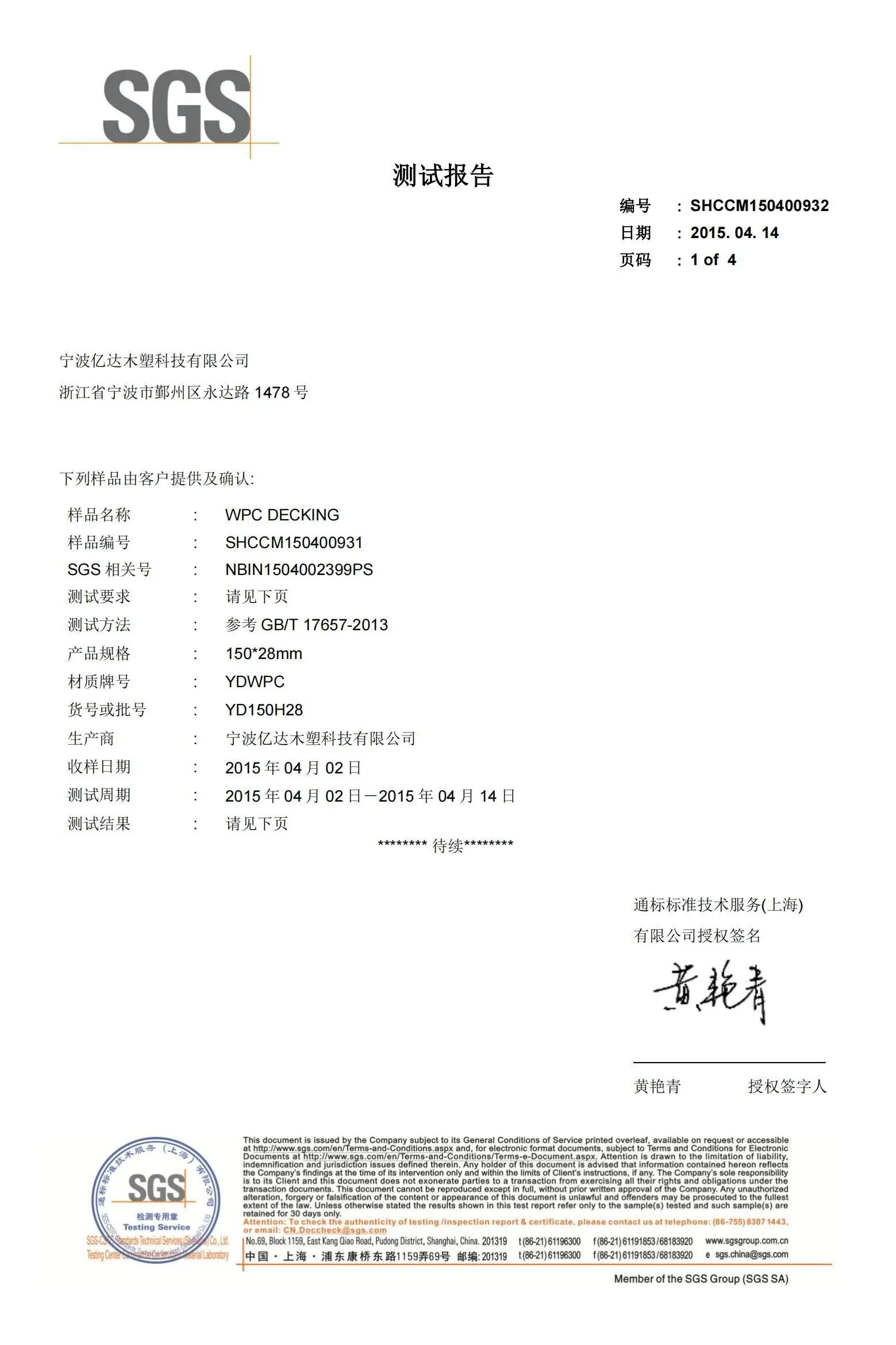
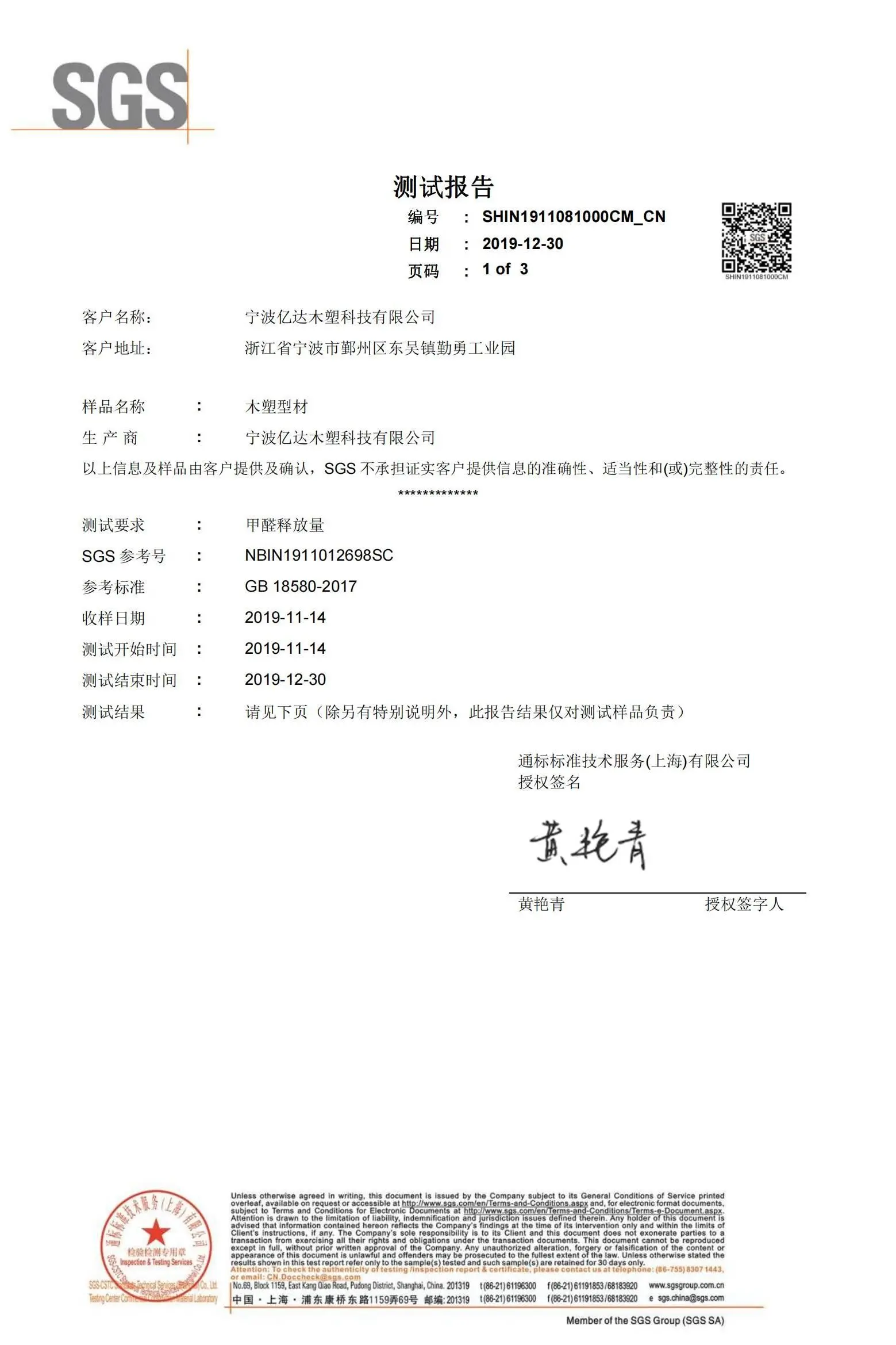
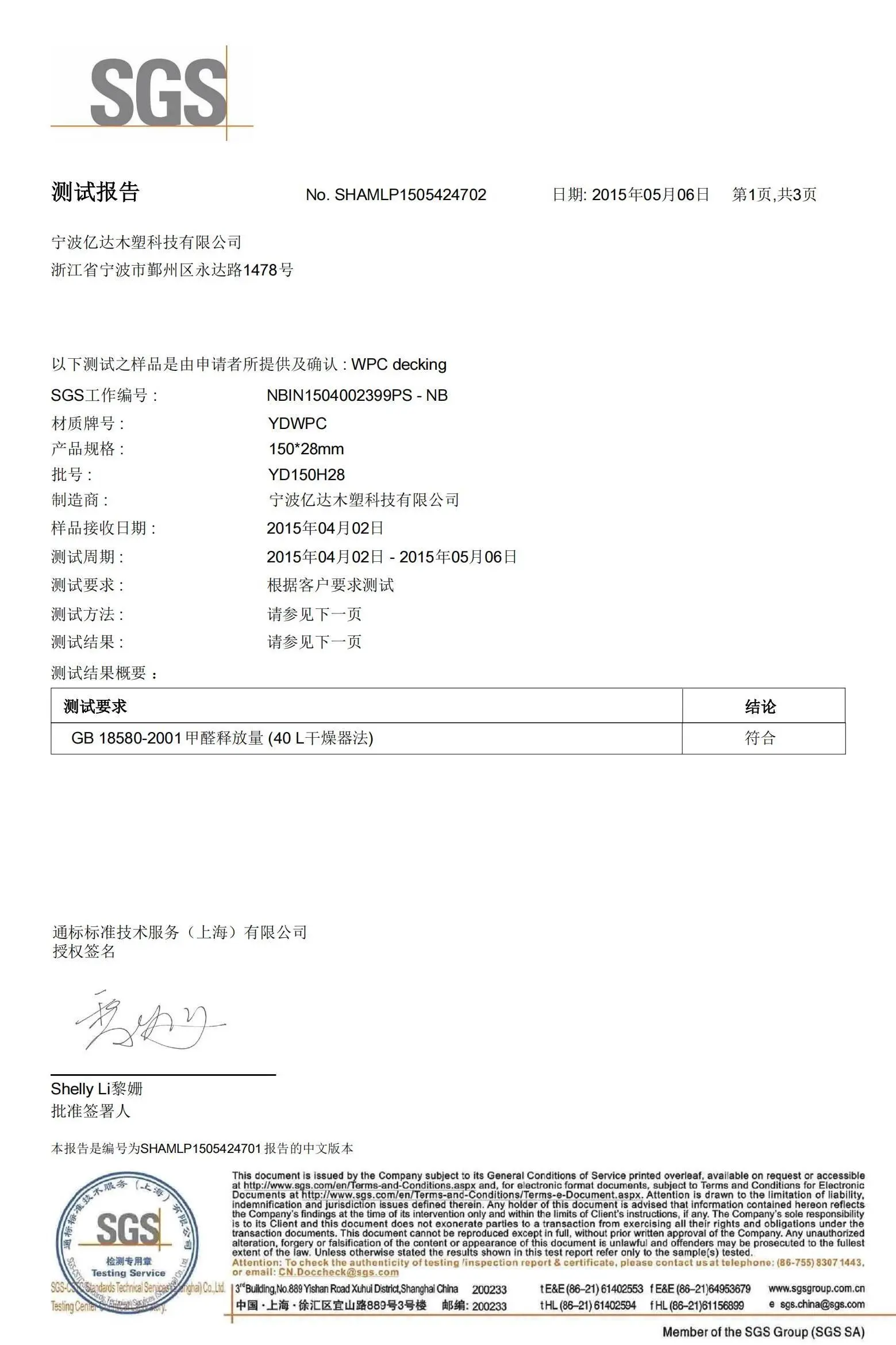
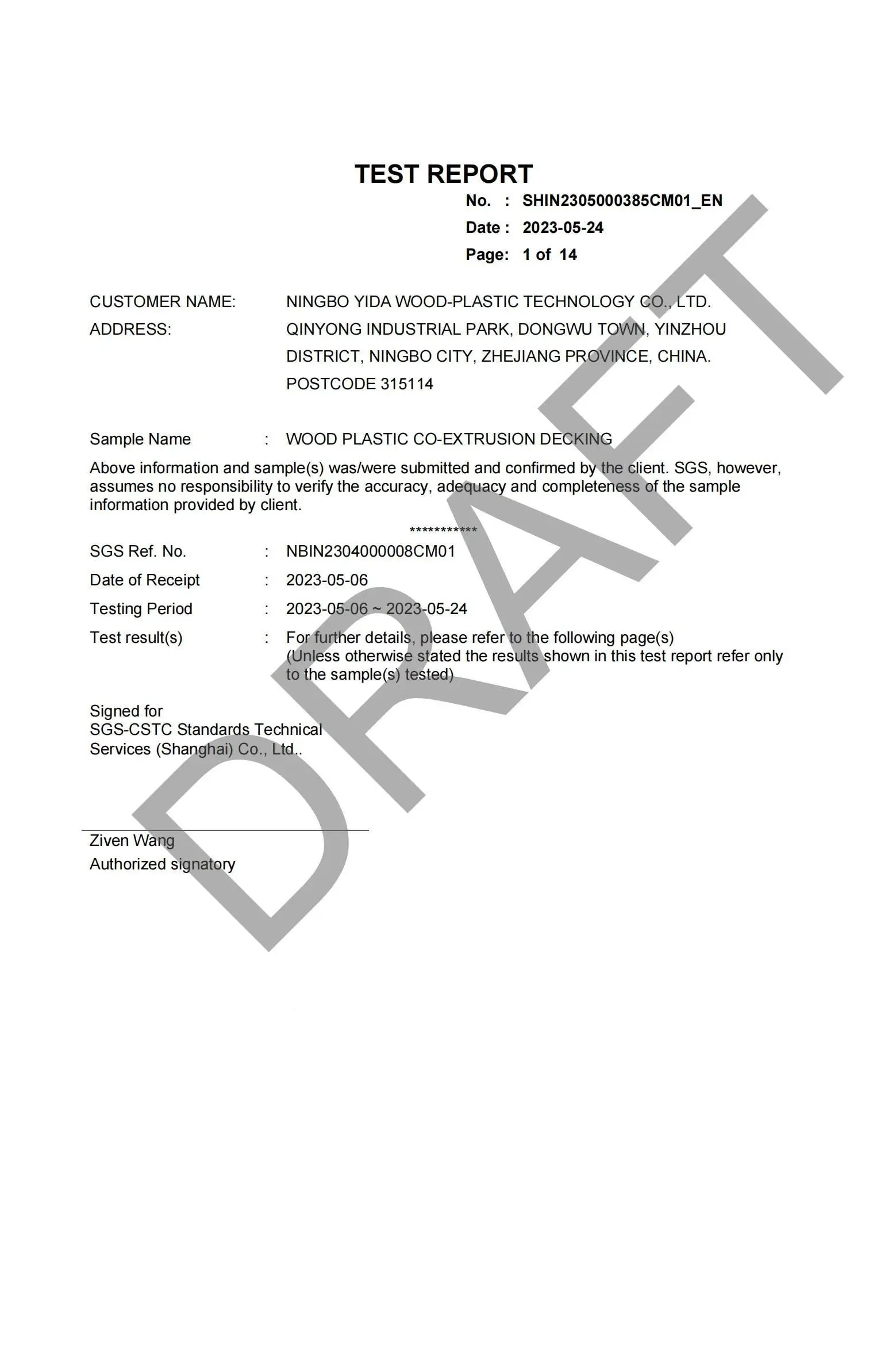
Tested and approved by third-party laboratories to meet CE, ASTM, and ISO global standards.
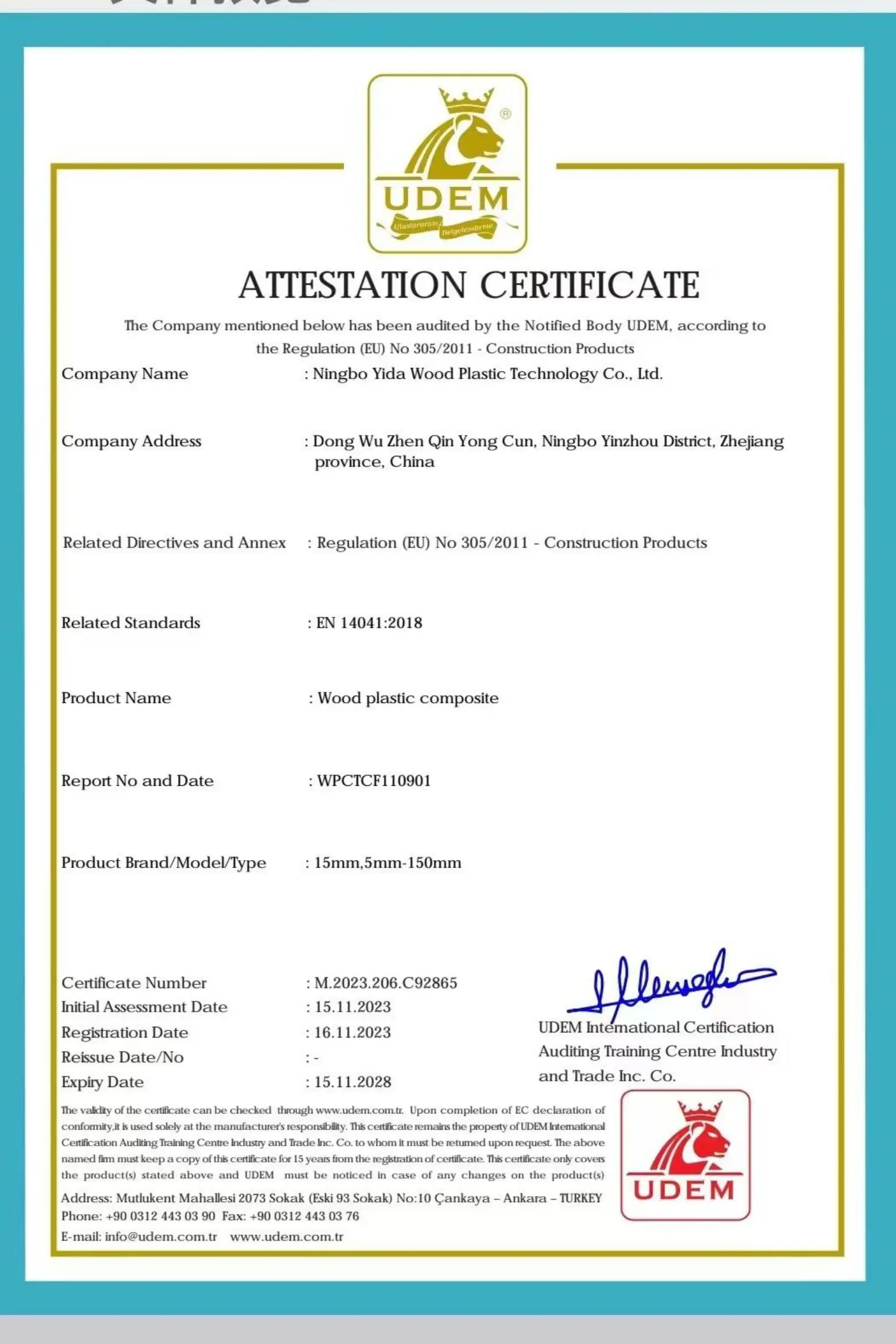
Detailed engineering guidelines and operational parameters for global B2B procurement officers.
A: WPC stands for Wood Plastic Composite. It is an innovative material made from a blend of recycled wood fibers/flour and thermoplastics (like PE). This creates a product that has the natural beauty of wood with enhanced durability and minimal maintenance.
A: Yes. Our WPC products are considered eco-friendly because they are primarily made from recycled materials—reclaimed wood waste and recycled plastics. This reduces landfill waste and the need for virgin timber. Additionally, their long lifespan and low maintenance requirements (no chemical staining or sealing) further reduce their environmental impact.
A: While both are low-maintenance, WPC contains a significant amount of wood fiber, giving it a more authentic, textured look and feel closer to real wood. Pure plastic decking often has a synthetic appearance. WPC also tends to be more rigid and has better heat dissipation properties than some pure plastic alternatives.
A: Yes, many of our WPC products are designed for DIY installation with hidden or clip-fastening systems. However, for large, complex projects or to ensure a perfect finish and warranty validation, we recommend professional installation. Always follow our specific installation guide.
A: Like any outdoor surface (wood, pavers, vinyl), WPC can get warm in direct sunlight. However, our products are formulated with advanced technology and often feature lighter colors or capped coatings that reflect more heat than traditional wood or darker composites, making them more comfortable underfoot.
A: Yes. Our WPC decking and fencing profiles are designed with textured surfaces that provide excellent slip resistance, even when wet. This makes them a safer choice for areas around pools, patios, and walkways.
A: WPC is highly resistant to moisture, rot, and decay, making it ideal for rainy and humid climates. It is also resistant to freezing and thawing cycles, so it won't crack or splinter in frosty conditions. Proper installation with adequate drainage is key to long-term performance.
A: No. One of the key benefits of WPC is its high dimensional stability. It is highly resistant to warping, cracking, splitting, and splintering, which are common problems with natural timber.
A: Maintenance is incredibly easy. For routine cleaning, simply sweep away debris and occasionally wash with a mild soap solution and a soft brush or hose. This is all that's needed to keep your WPC looking new. Avoid using harsh chemicals, abrasive cleaners, or high-pressure washers.
A: No. Unlike natural wood, WPC products never require sanding, staining, or sealing. Their color is consistent throughout the material and is designed to last for years with minimal fading.
A: Our WPC products are engineered for long-life performance. They typically come with warranties ranging from 10 to 25 years against fading, staining, and structural defects, depending on the product line.
A: Yes. The composition of WPC makes it highly resistant to mold, mildew, and insect damage, including termites. This is a significant advantage over natural wood.
A: We offer a wide range of colors and wood-grain textures, from classic woods like Ipe and Teak to contemporary greys and whites. Our collection includes decking boards, fencing, cladding, pergolas, and outdoor furniture.
A: Yes. You can use standard woodworking tools (saws, drills) to cut and shape WPC. We recommend using carbide-tipped blades for the cleanest cut.
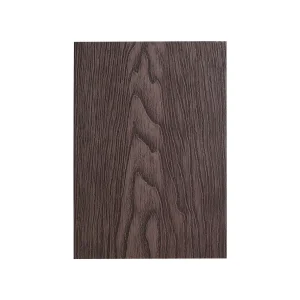
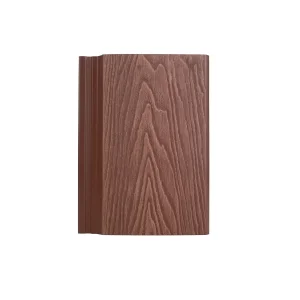
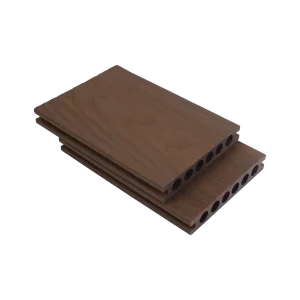
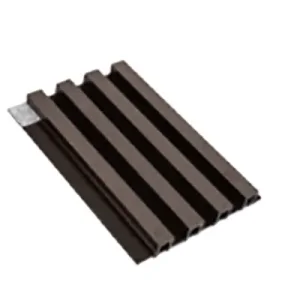
Premium architectural sections engineered for structural load-bearing capacity and architectural projects.
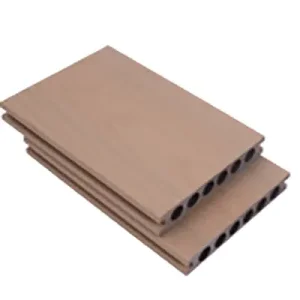
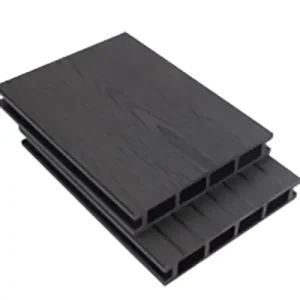
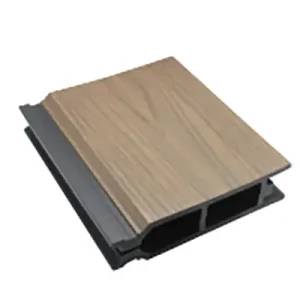
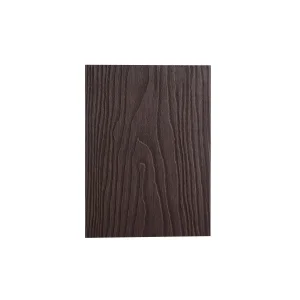
Get in touch with Ningbo Yida's international commercial sales team to calculate shipping container volumes, request customized profiling dies, or receive free samples.
Contact Our Engineering Experts Yida Wood