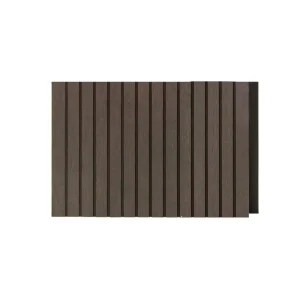
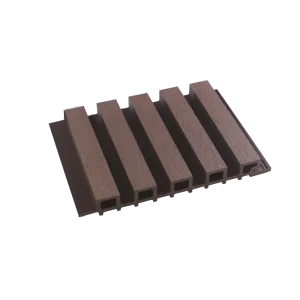
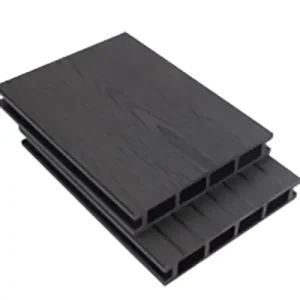
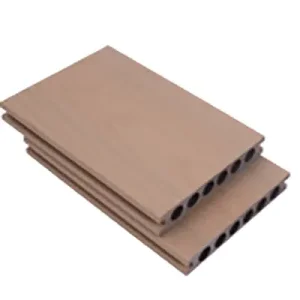
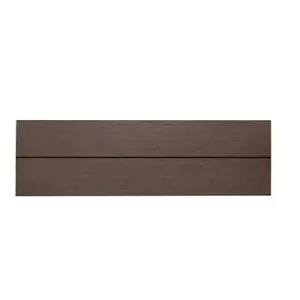
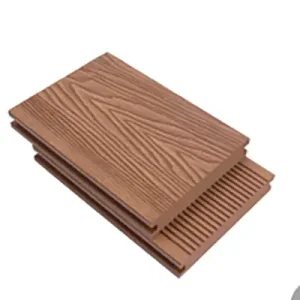
The global Wood Plastic Composite (WPC) market is witnessing unprecedented growth, projected to reach billions by 2030. As urban infrastructure expands across North America, Europe, and Southeast Asia, the demand for "Famous WPC Plastiks" has shifted from niche luxury to a standard industrial requirement. Modern construction prioritizes longevity and environmental stewardship, two pillars where WPC excels over traditional timber.
In the current industrial landscape, "Plastiks" are being reimagined. WPC represents the pinnacle of the circular economy, utilizing recycled HDPE and wood fibers. Global procurement teams now mandate LEED-certified or eco-friendly materials, positioning WPC as the primary choice for green building projects worldwide. This shift is driven by both government regulations and corporate ESG goals.
Beyond residential decking, WPC is revolutionizing municipal engineering. From boardwalks in coastal resorts to heavy-duty hoarding in metropolitan construction sites, the material's resistance to rot and corrosion makes it indispensable. Famous WPC companies are now focusing on high-load-bearing profiles and fire-retardant technologies to meet rigorous safety standards.
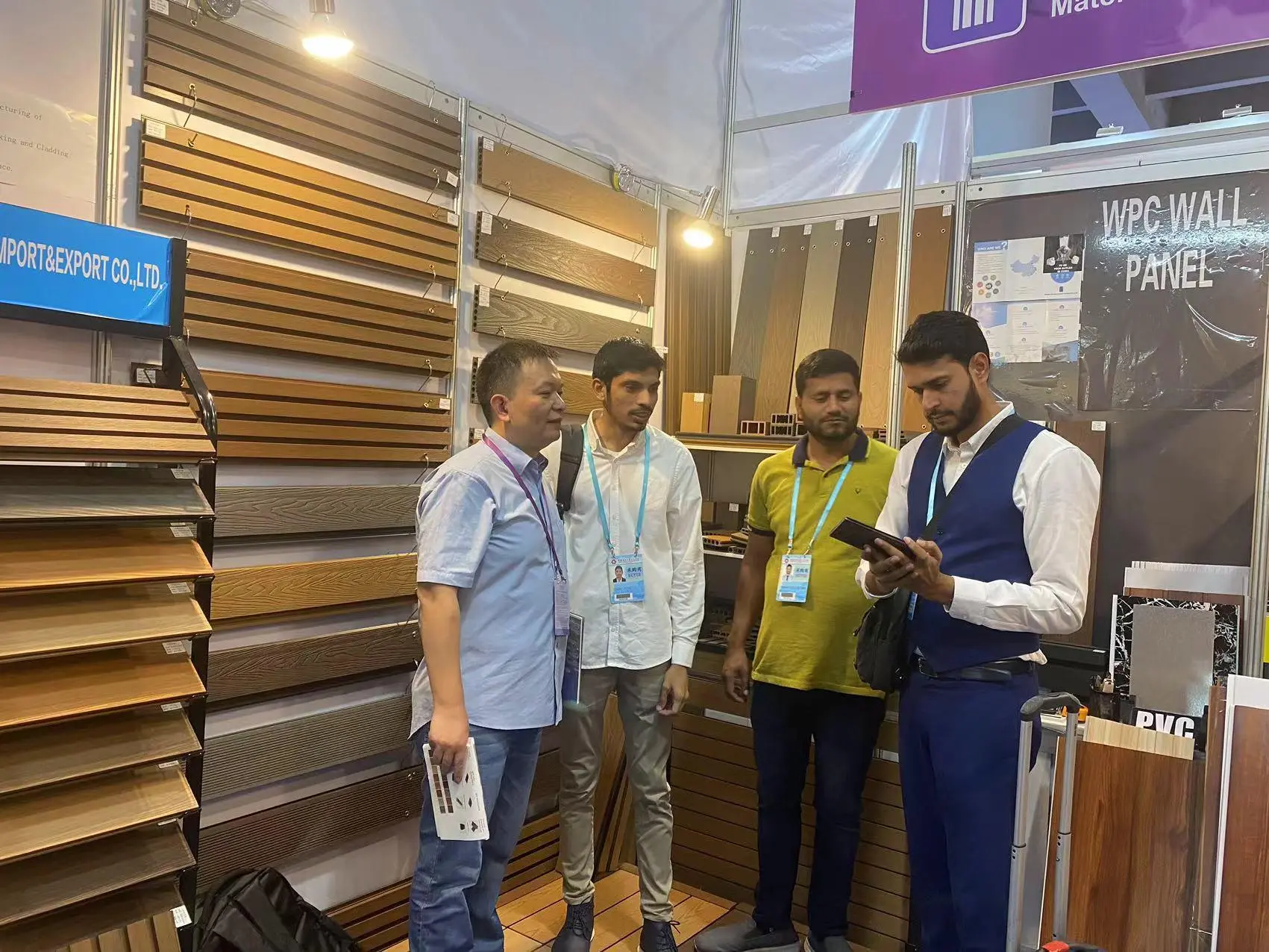
Ningbo Yida Wood Plastic Technology Co., Ltd. is proud to introduce our innovative wood plastic composite material that combines the natural beauty of wood with the durability of plastic profiles. With nearly ten years of R&D, production and sales experience, we have become a leading manufacturer and supplier of new wood-plastic composite materials.
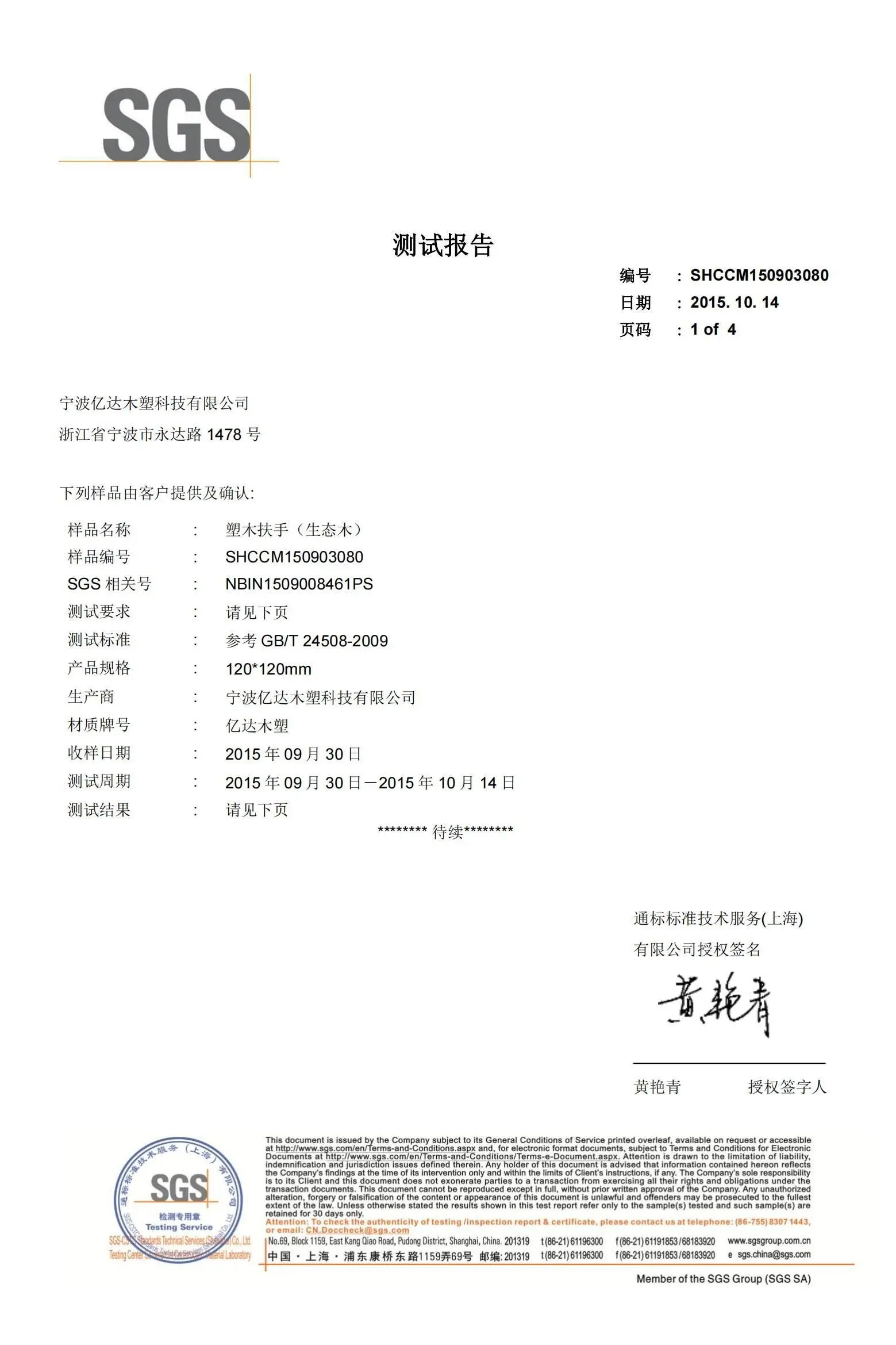
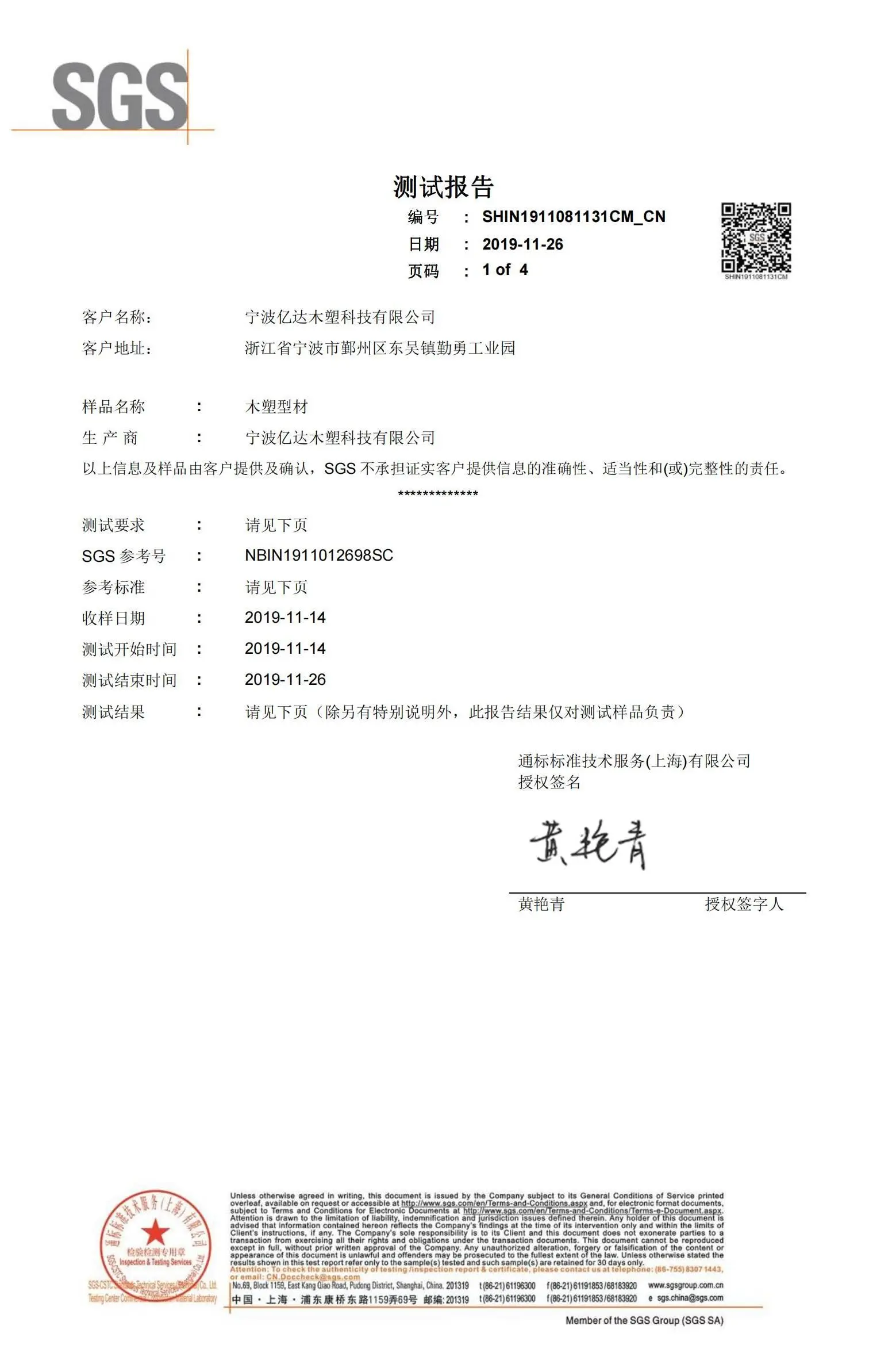
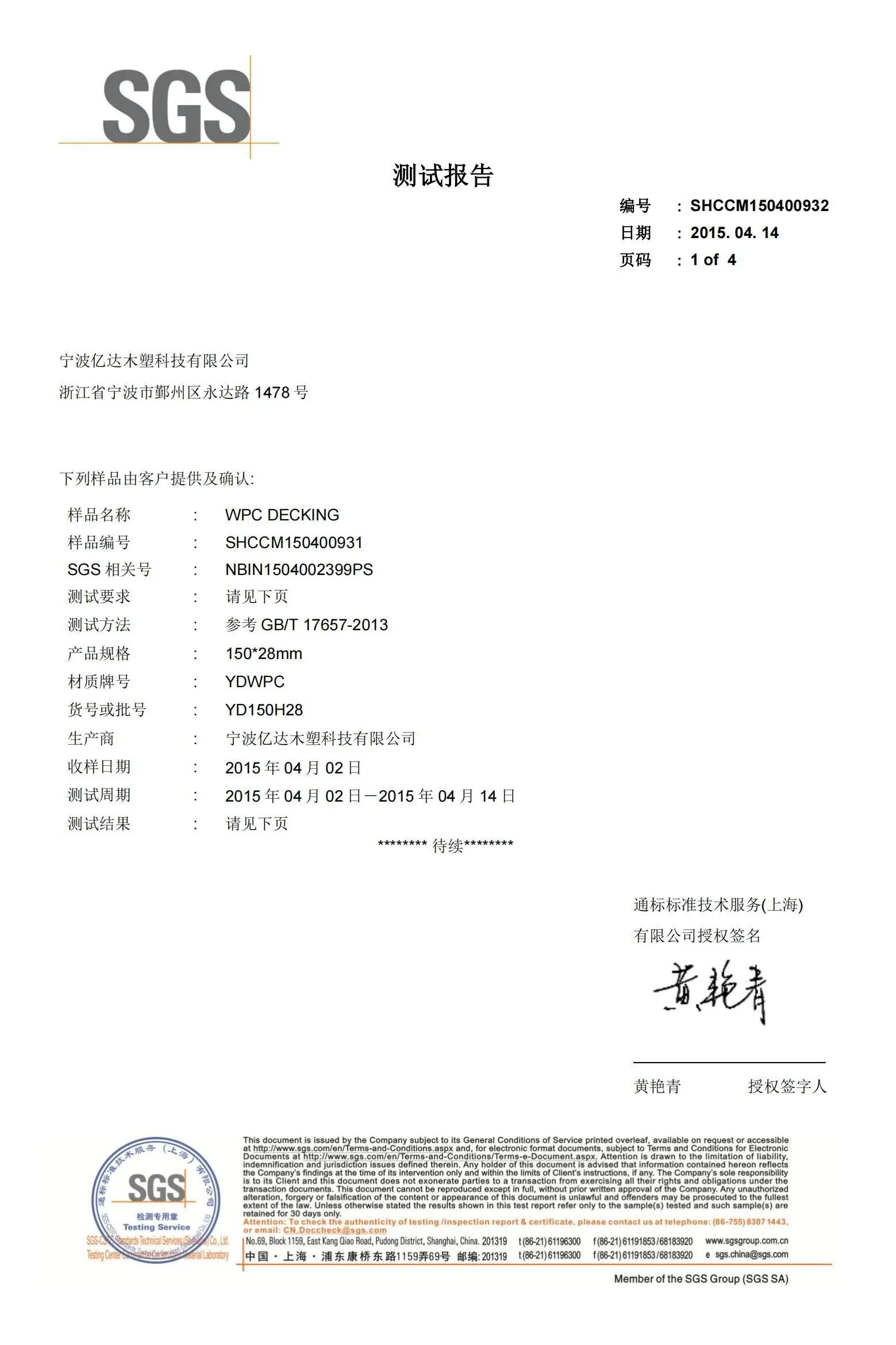
Our Yida brand wood-plastic composite materials have excellent properties such as waterproof, moisture-proof, mildew-proof, insect-proof, black-proof, and crack-proof. This makes it ideal for a variety of applications, including outdoor architectural design, landscaping and municipal engineering projects. As an environmentally friendly material, it is in line with the country’s strong encouragement of sustainable development.
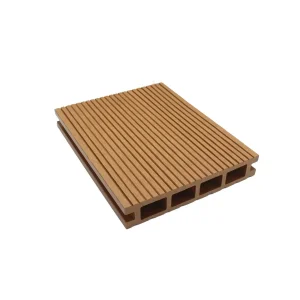
The industry is moving toward "Capped" or Co-extruded WPC. This technology adds a protective polymer shield around the core, providing 360-degree protection against fading and scratching. Our YD140RH23 series exemplifies this trend, offering a lifespan that exceeds 25 years in harsh environments.
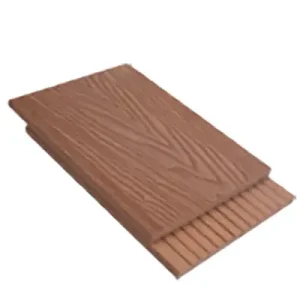
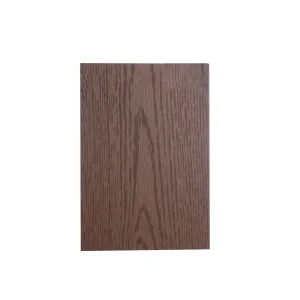
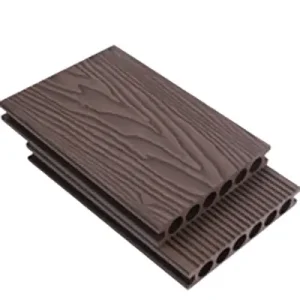
Modern buyers demand the "Wood" feel without the "Wood" maintenance. 3D embossing technology creates deep-grain textures that are indistinguishable from natural oak or teak. This has opened doors for WPC in luxury hospitality and high-end residential cladding projects.
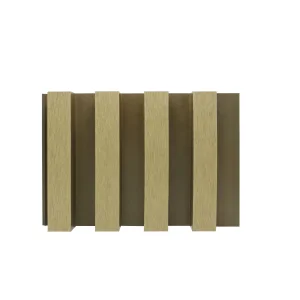
Time is money in global construction. The trend toward hidden fastener systems and "click-and-lock" cladding profiles reduces labor costs by up to 40%. Our R&D team focuses on creating profiles that are as easy to install as they are durable.
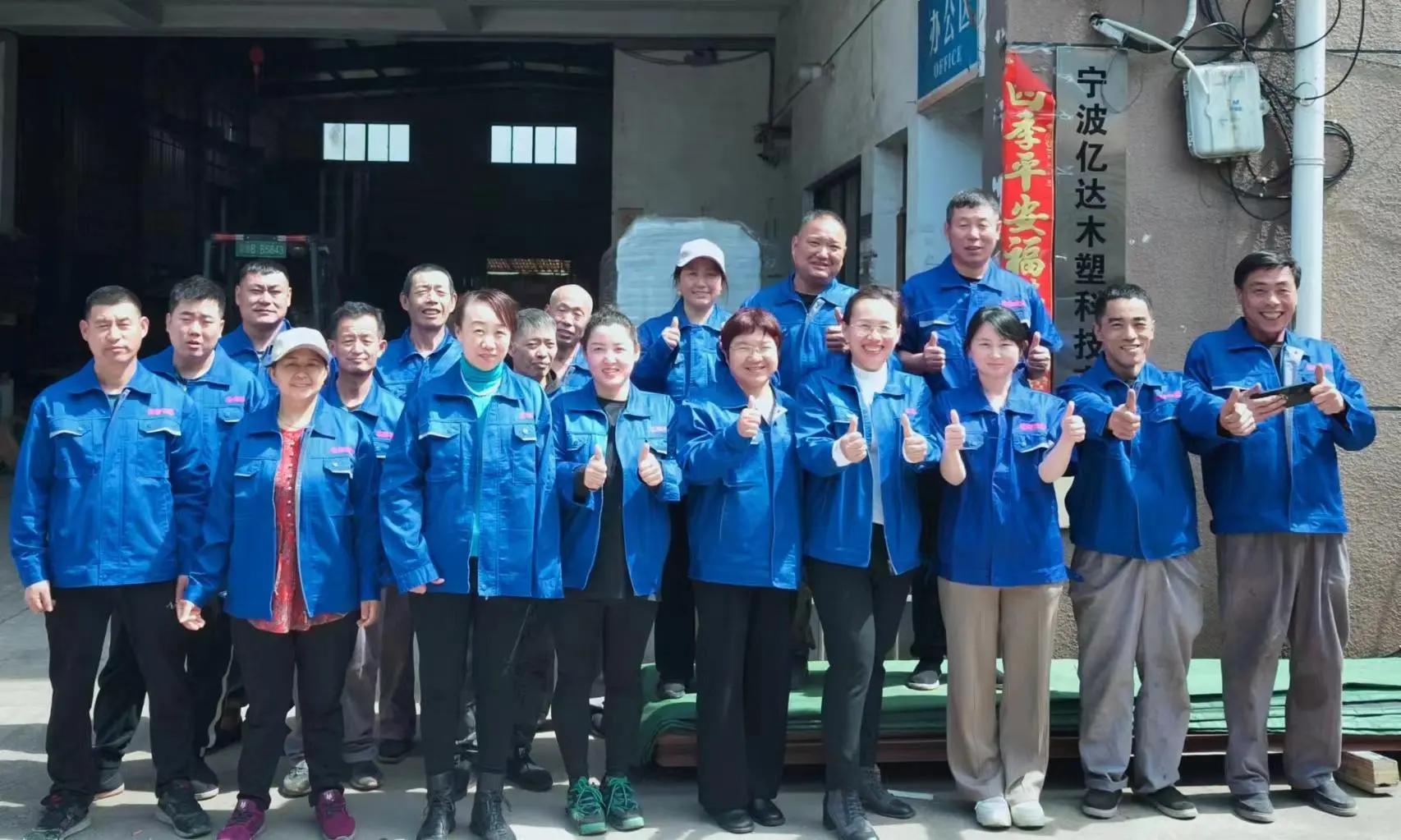
At Ningbo Yida, we have invested in advanced production technology and established a professional team dedicated to product research and development, manufacturing, sales, after-sales service and construction. This ensures that our wood plastic composites meet the highest quality and performance standards.
In addition to servicing commercial and residential projects, we have established dedicated service teams to support educational and medical institutions across the country. Our commitment to providing professional services and construction to major universities and hospitals reflects our contribution to public infrastructure.
Traditional wood fails quickly in salty, humid sea air. Our WPC decking is the preferred choice for seaside resorts in regions like Southeast Asia and the Mediterranean, where salt-spray resistance is critical for maintaining structural integrity.
In regions like Northern Europe or Canada, freeze-thaw cycles cause natural wood to crack. Ningbo Yida's WPC plastiks are engineered with high-density polyethylene that remains stable even at sub-zero temperatures, preventing brittle fractures.
University campuses and hospital walkways require slip-resistant, low-maintenance surfaces. Our 3D embossed series provides the necessary grip and durability to handle thousands of footsteps daily without showing wear.
Located in Ningbo, one of the world's busiest port cities, we offer unparalleled logistical advantages. This translates to lower shipping costs and faster lead times for our global partners.
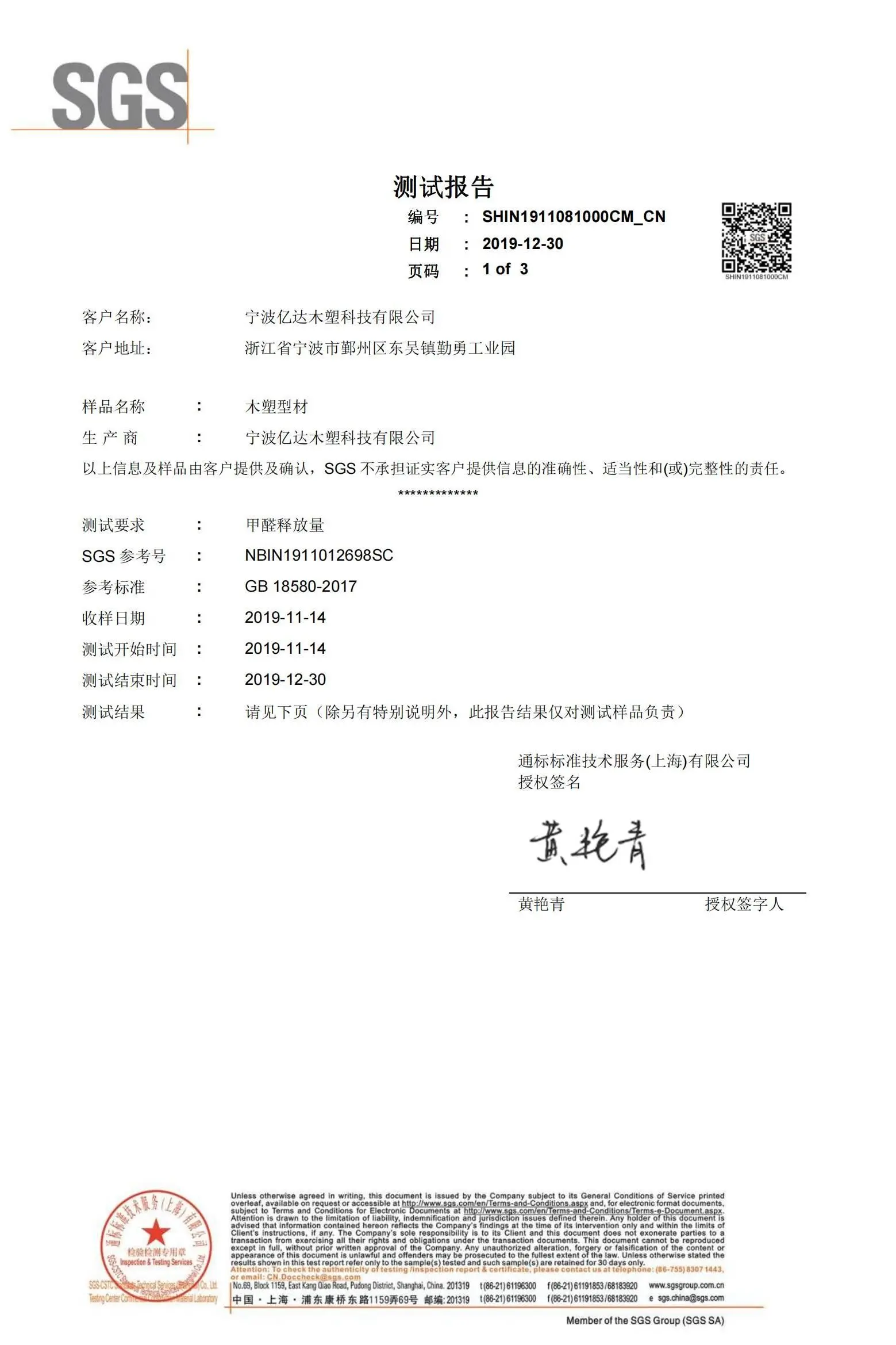
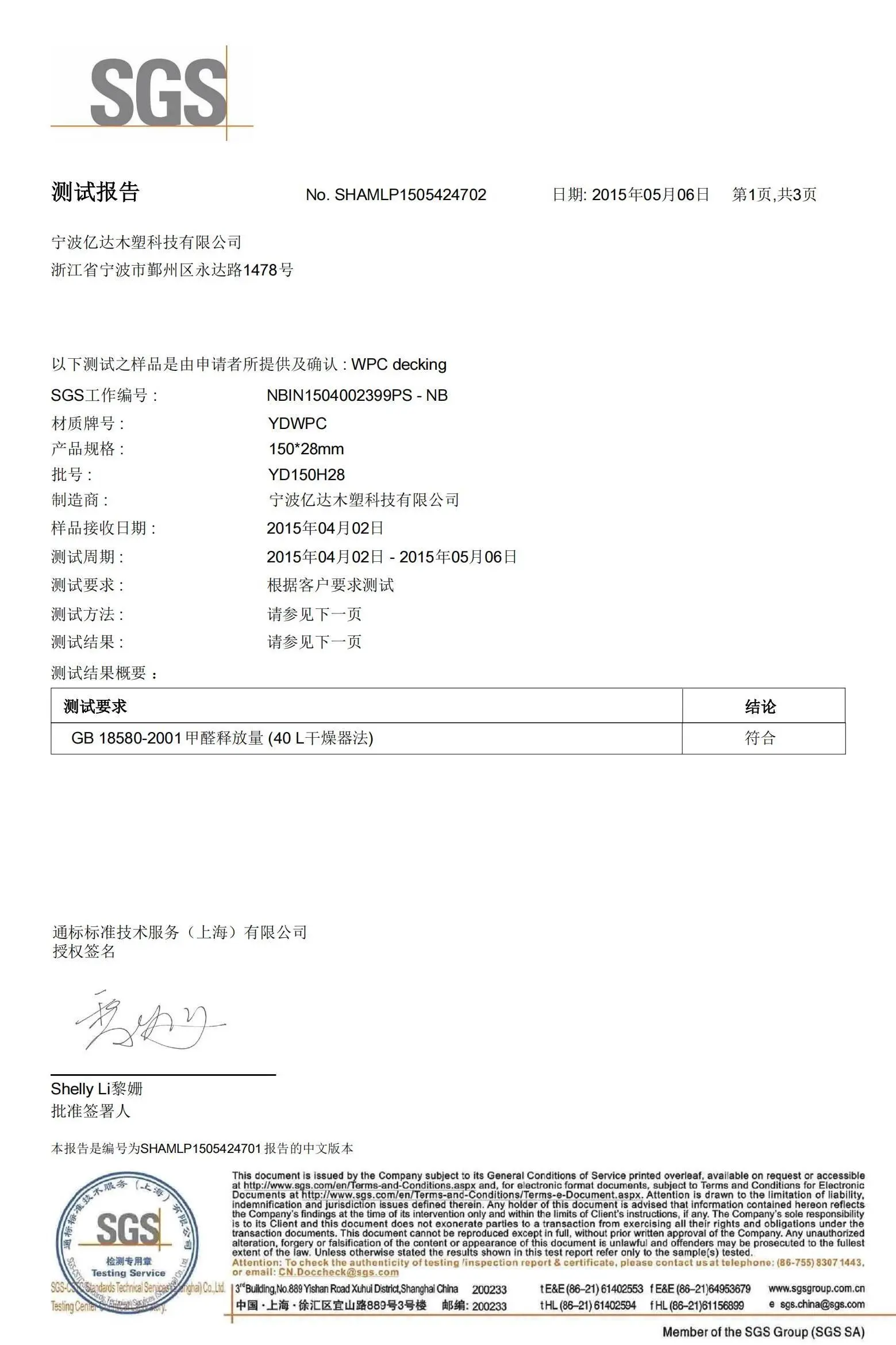
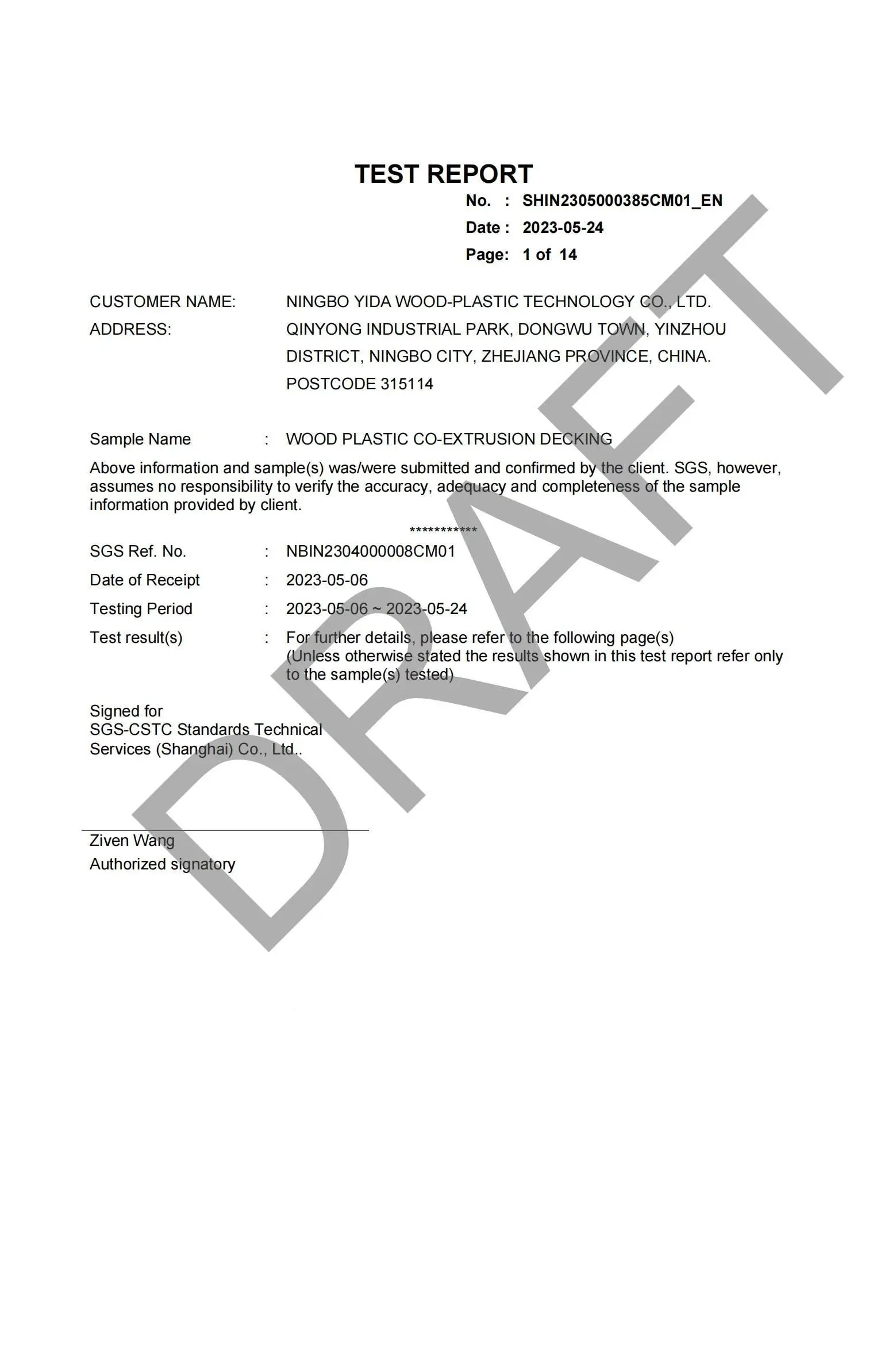
A: WPC stands for Wood Plastic Composite. It is an innovative material made from a blend of recycled wood fibers/flour and thermoplastics (like PE). This creates a product that has the natural beauty of wood with enhanced durability and minimal maintenance.
A: Yes. Our WPC products are considered eco-friendly because they are primarily made from recycled materials—reclaimed wood waste and recycled plastics. This reduces landfill waste and the need for virgin timber.
A: WPC contains a significant amount of wood fiber, giving it a more authentic, textured look and feel closer to real wood. Pure plastic decking often has a synthetic appearance. WPC also tends to be more rigid and has better heat dissipation properties.
A: WPC is highly resistant to moisture, rot, and decay, making it ideal for rainy and humid climates. It is also resistant to freezing and thawing cycles, so it won't crack or splinter in frosty conditions.
A: No. Unlike natural wood, WPC products never require sanding, staining, or sealing. Their color is consistent throughout the material and is designed to last for years with minimal fading.
A: Our WPC products are engineered for long-life performance. They typically come with warranties ranging from 10 to 25 years against fading, staining, and structural defects.
 Yida Wood