The global WPC market is projected to reach billions by 2030, with a significant compound annual growth rate (CAGR) as urban developers prioritize longevity over traditional wood.
WPC utilizes recycled HDPE and wood fibers, reducing deforestation and plastic waste. This aligns with global ESG (Environmental, Social, and Governance) goals for major corporations.
The industry is moving from "Classic" WPC to "Capped" or "Co-extrusion" technology, providing an extra protective layer against UV rays and deep scratches.
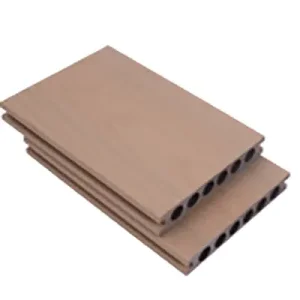
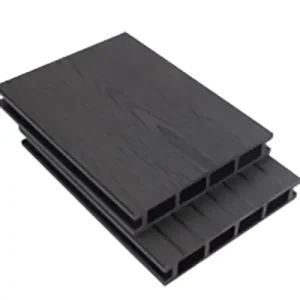
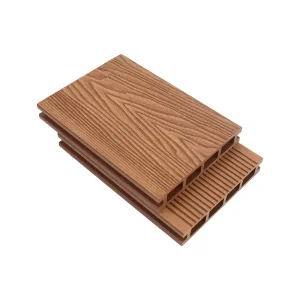
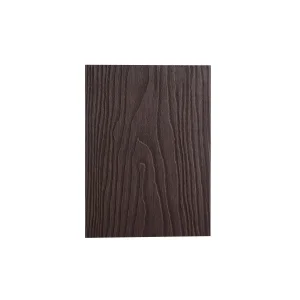
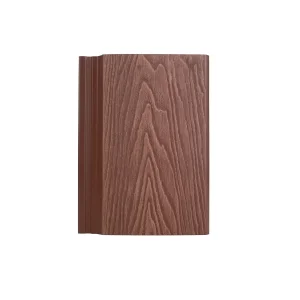
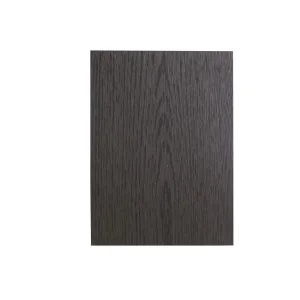
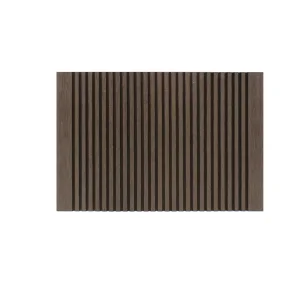
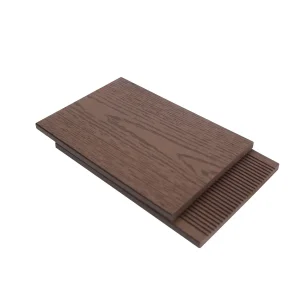
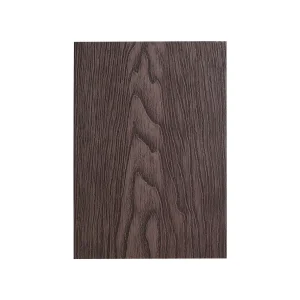
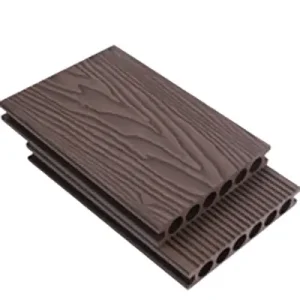
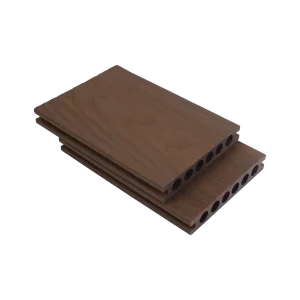
Homeowners in Australia and Europe use our 3D embossed decking to create maintenance-free backyard oases that mimic the warmth of tropical hardwoods like Ipe or Teak.
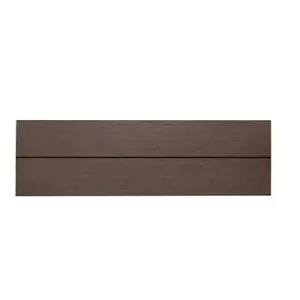
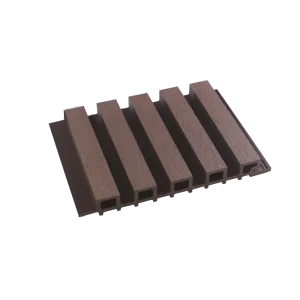
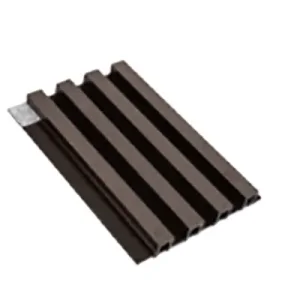
Modern office buildings and hotels utilize WPC wall cladding for a sleek, architectural finish that withstands harsh weather without fading or rotting.
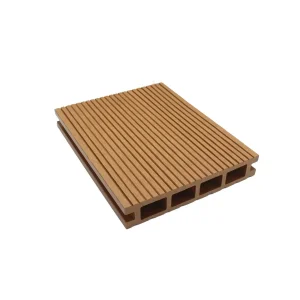
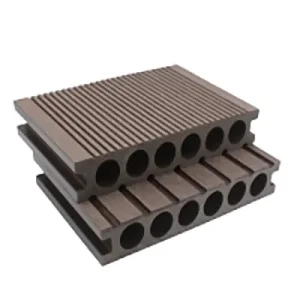
Public parks, seaside boardwalks, and hospital walkways benefit from the slip-resistant and splinter-free nature of our industrial-grade WPC profiles.
Construction sites use WPC hoarding as a durable, reusable, and professional-looking perimeter solution compared to traditional plywood.
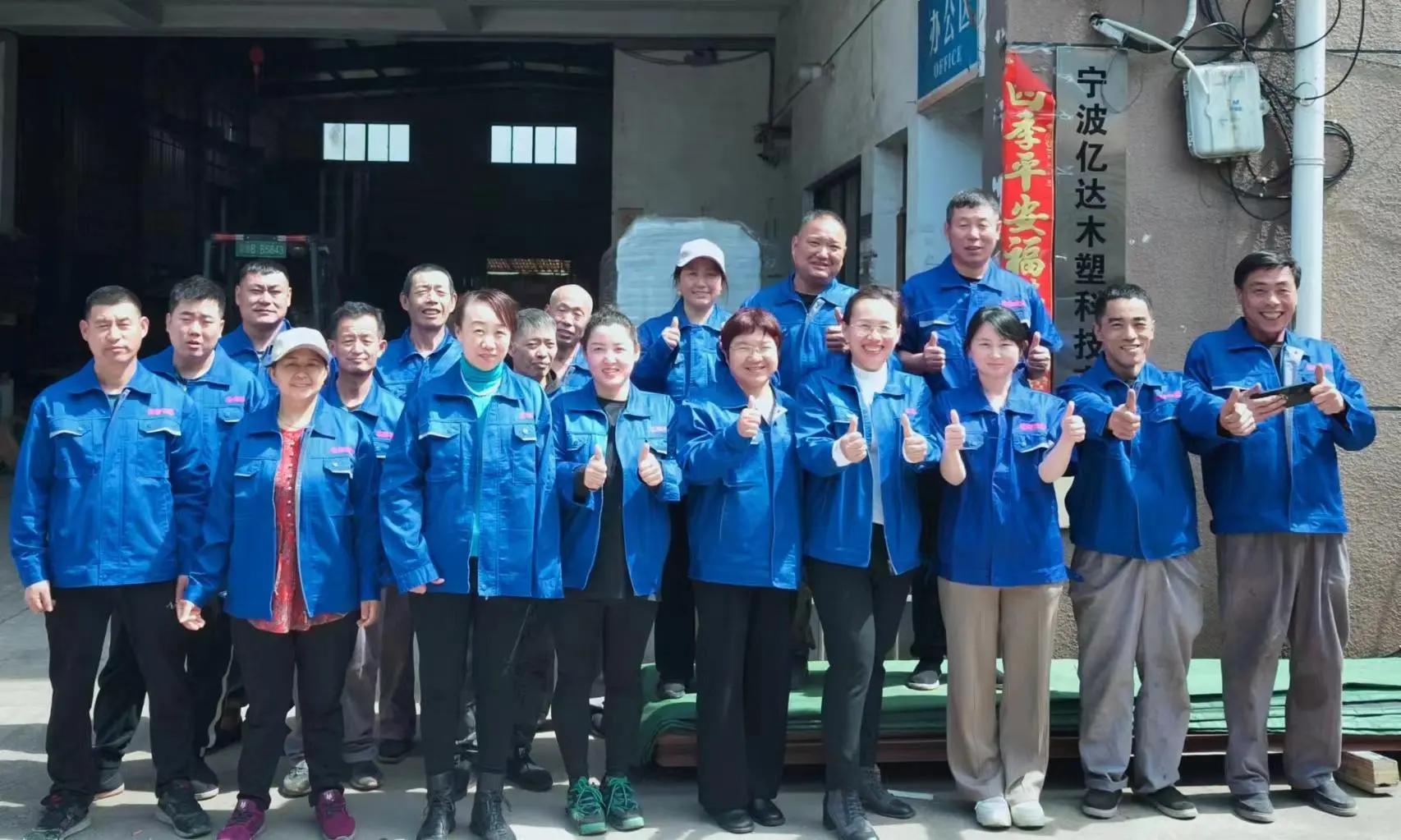
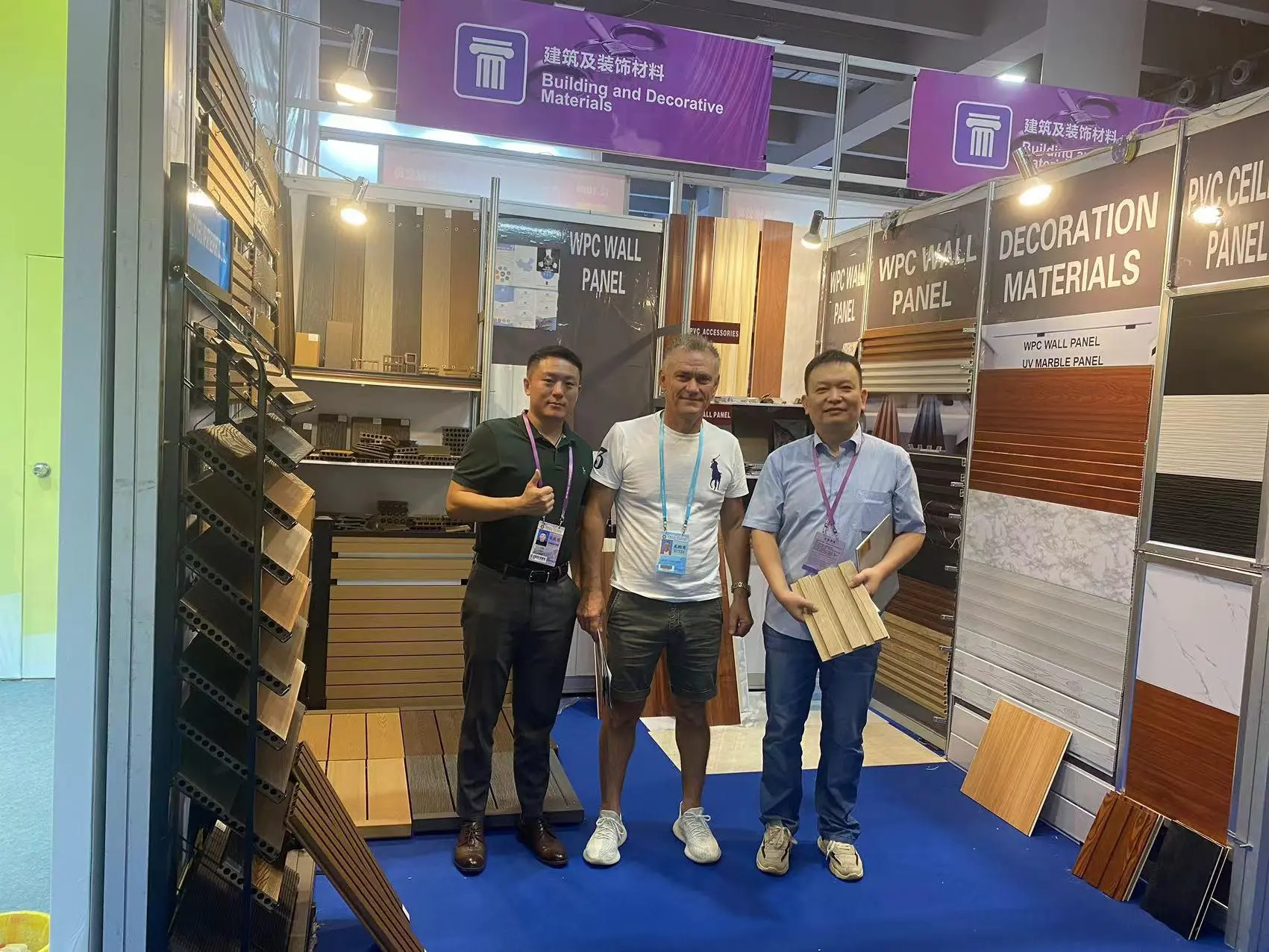
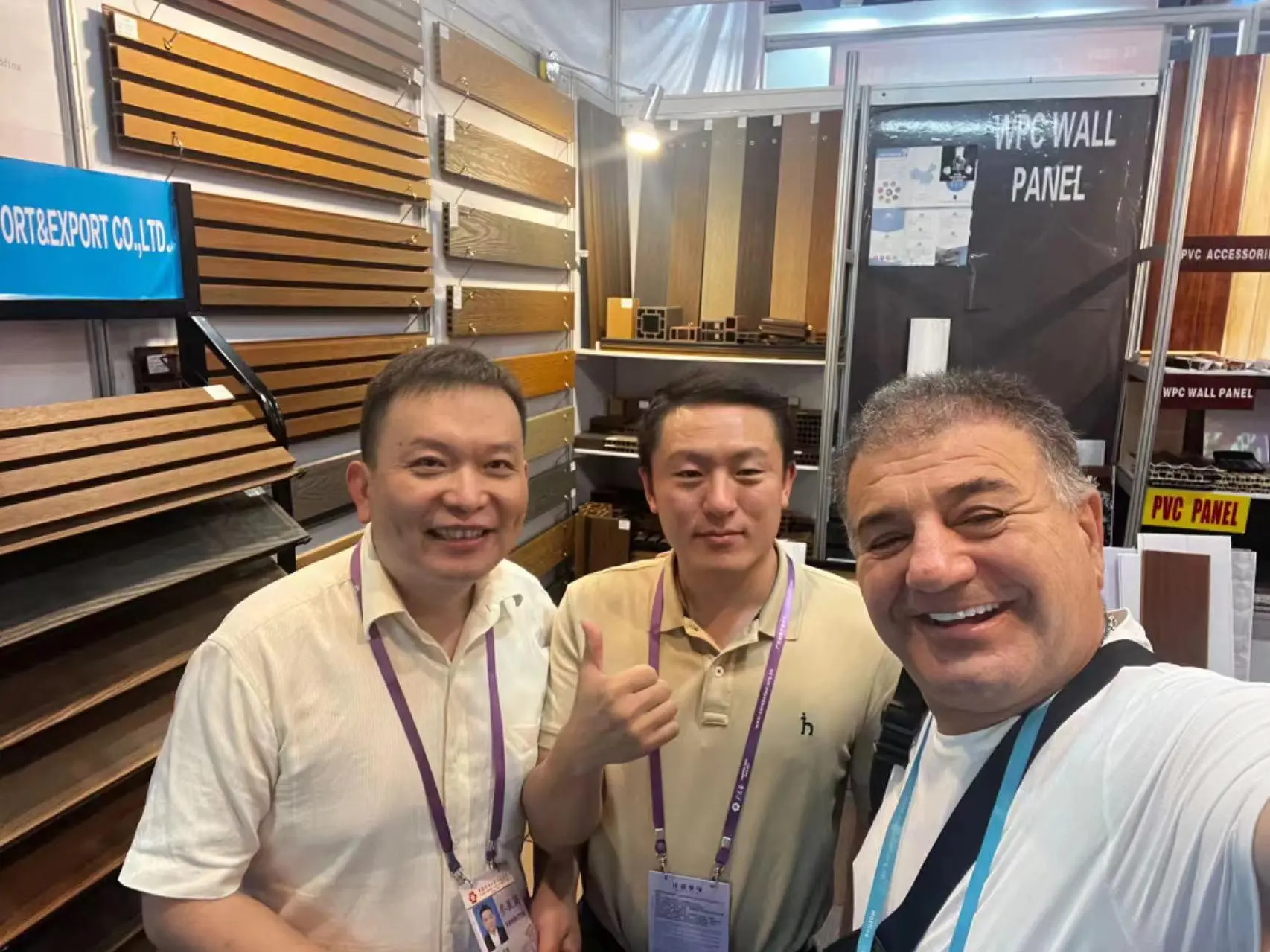
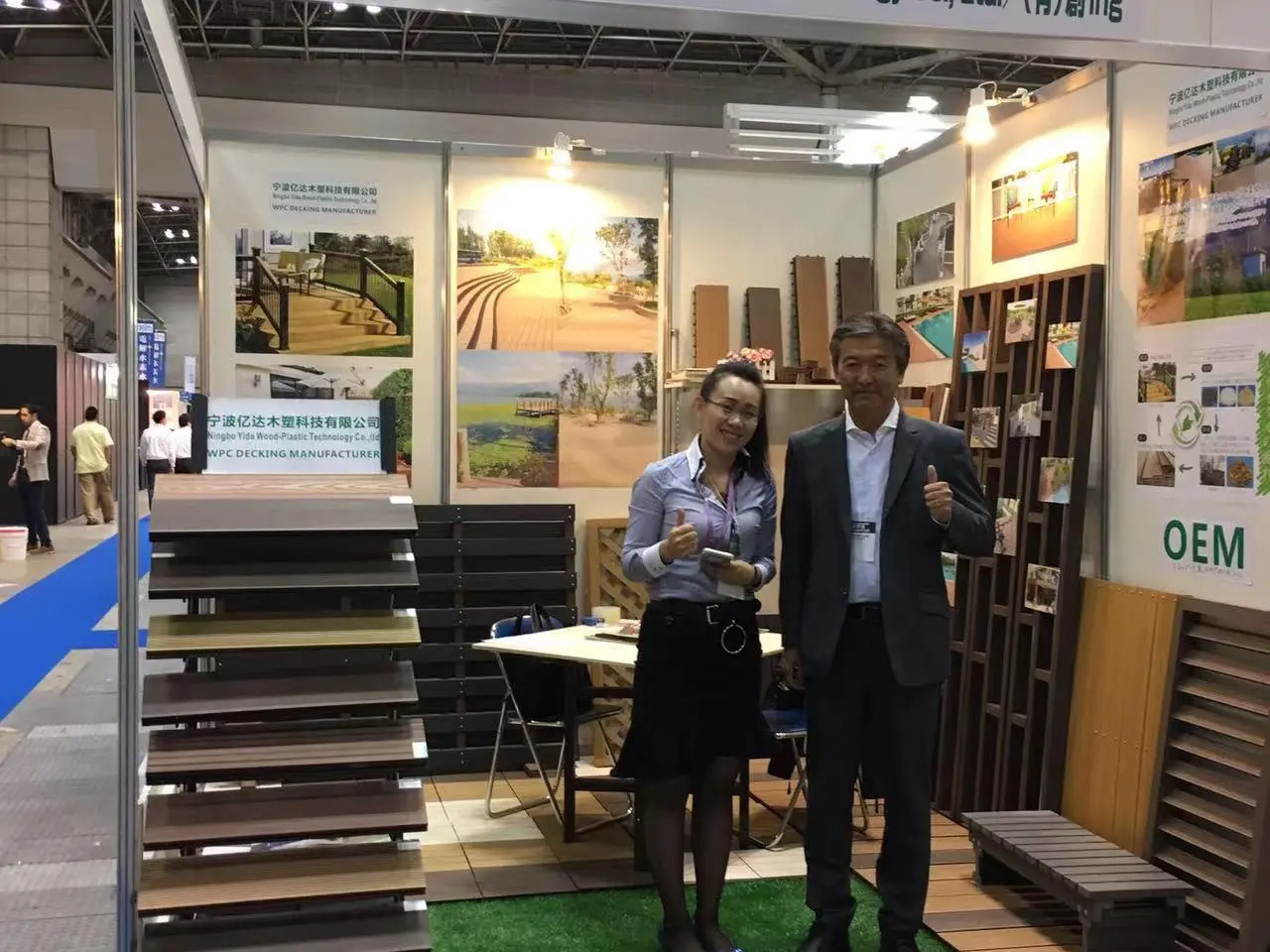
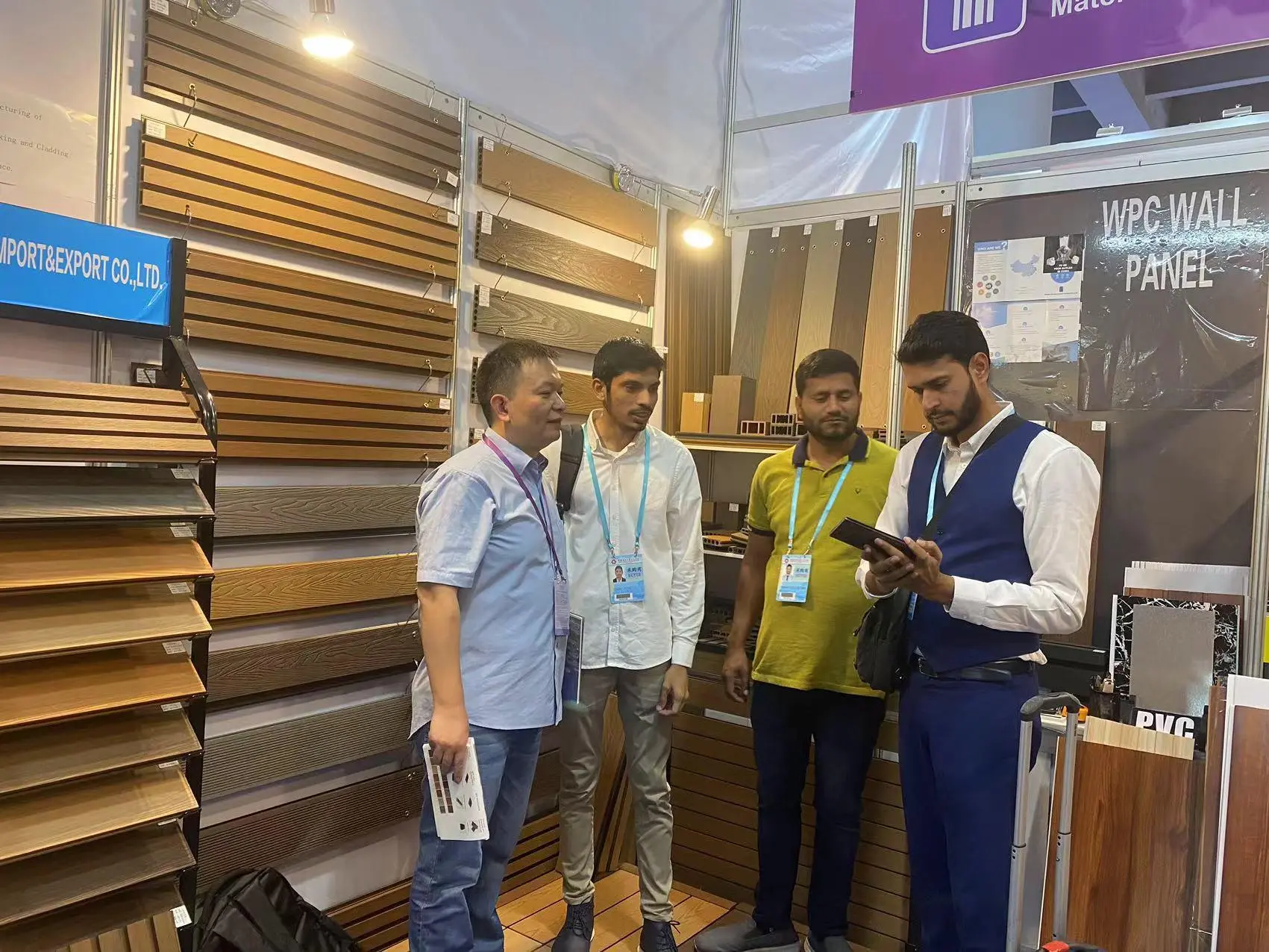
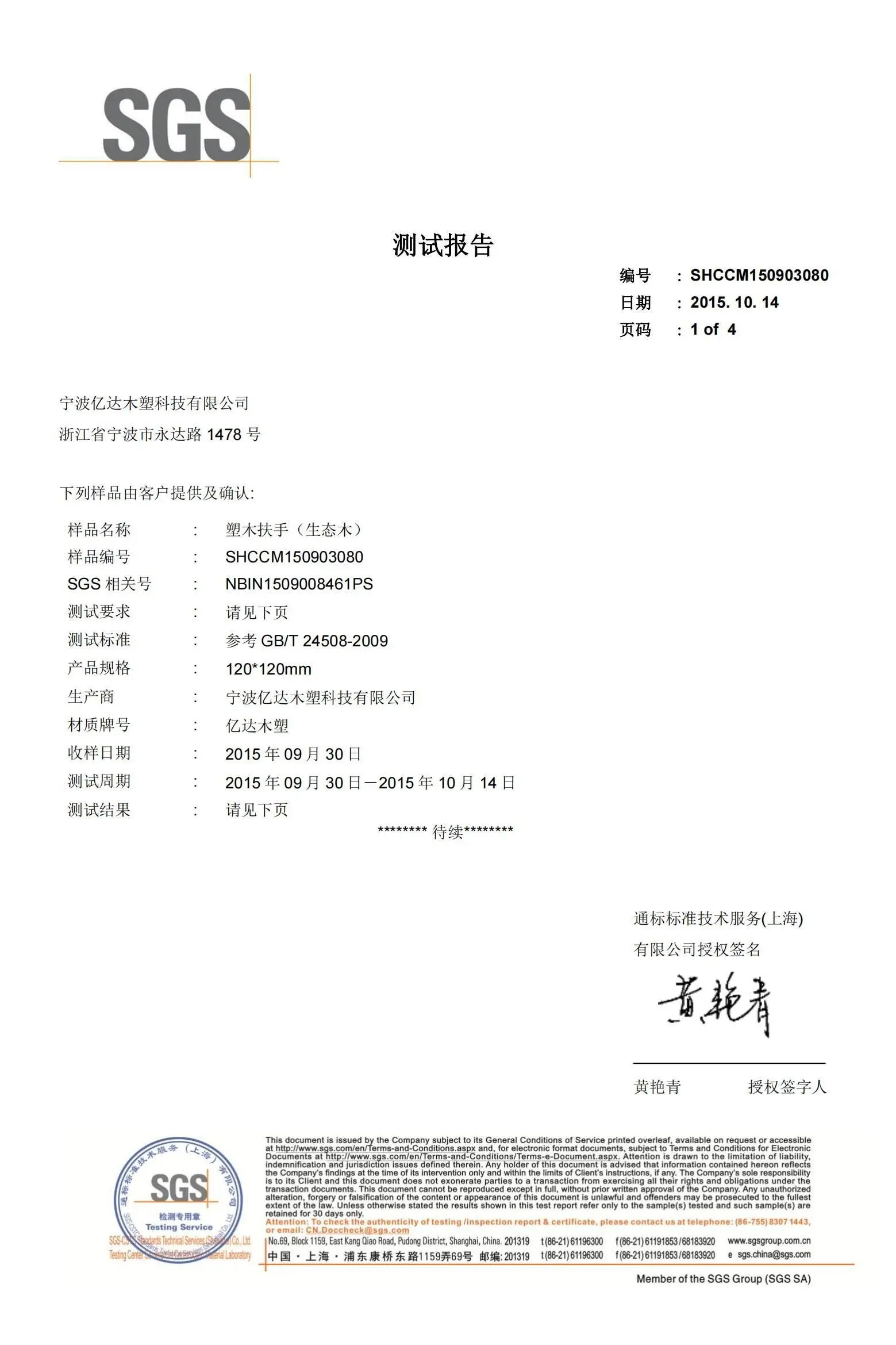
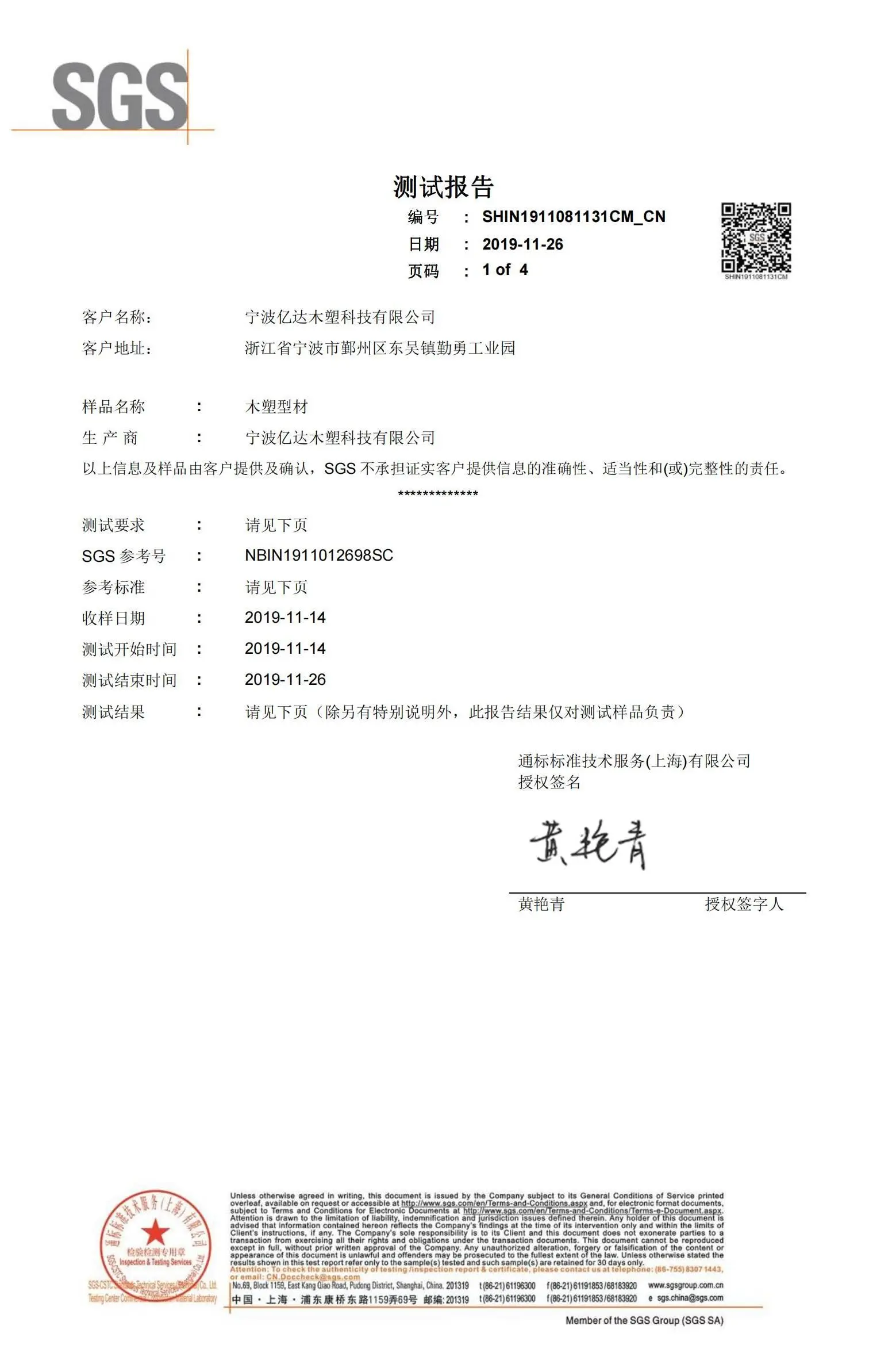
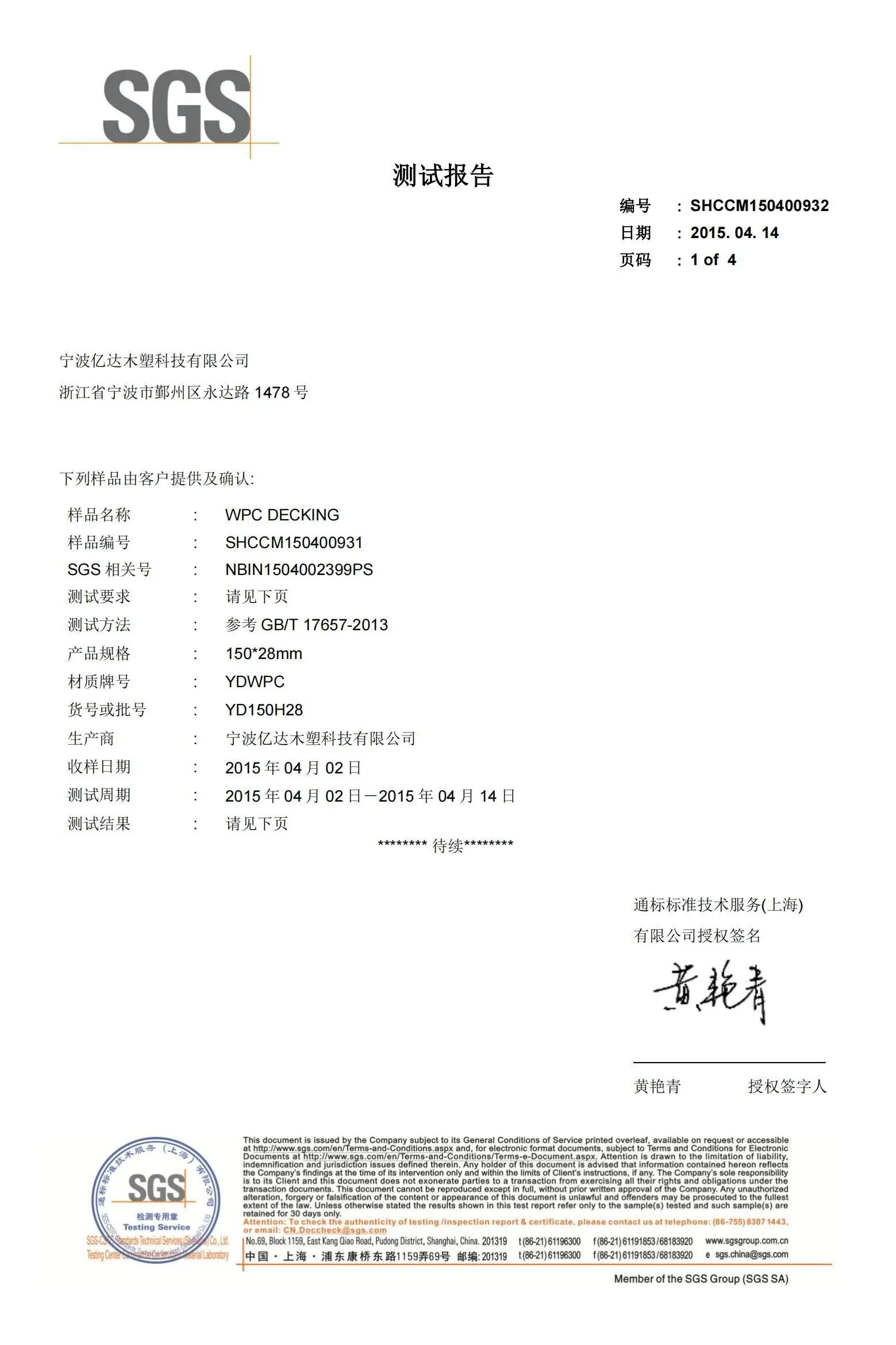
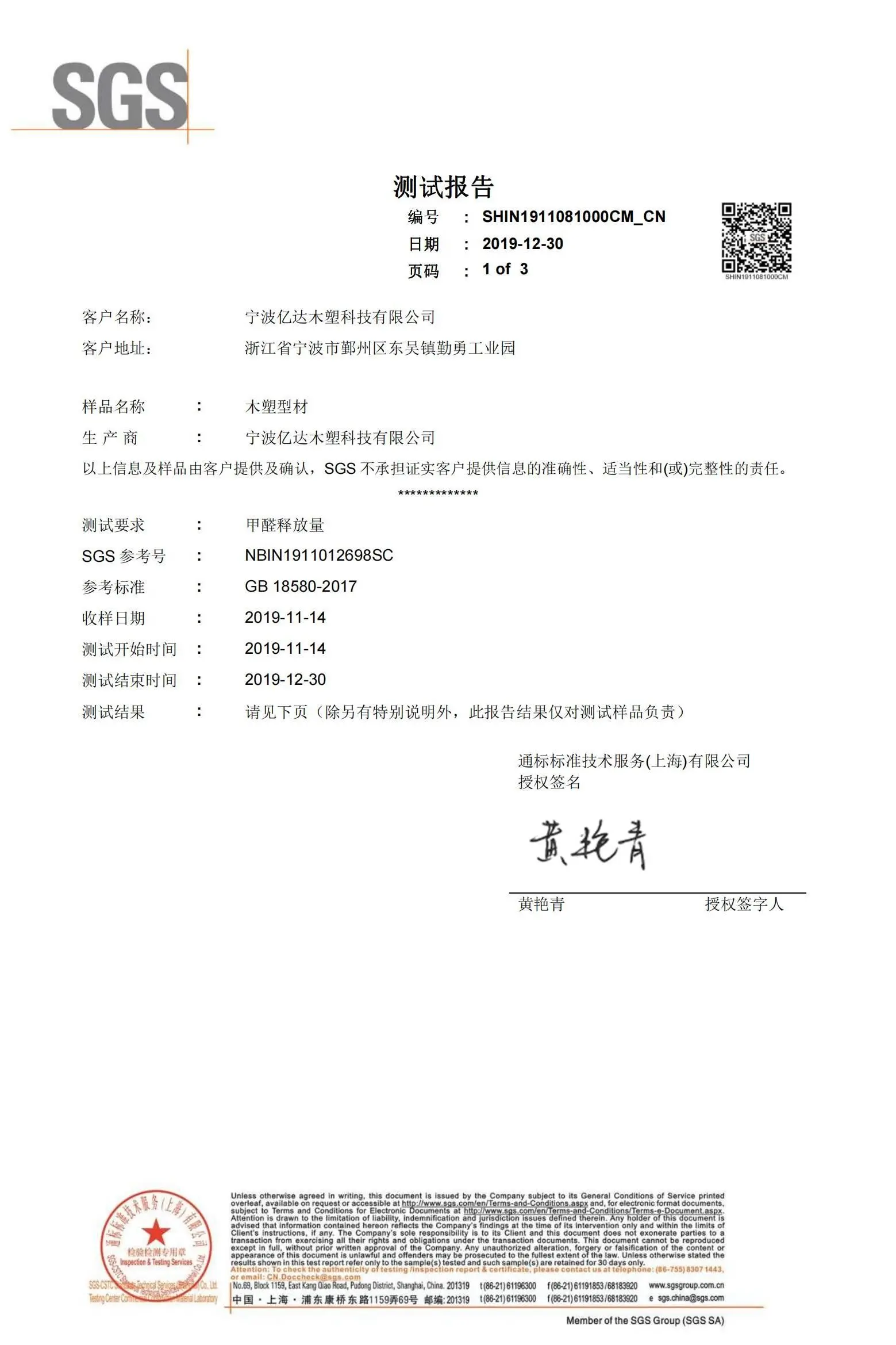
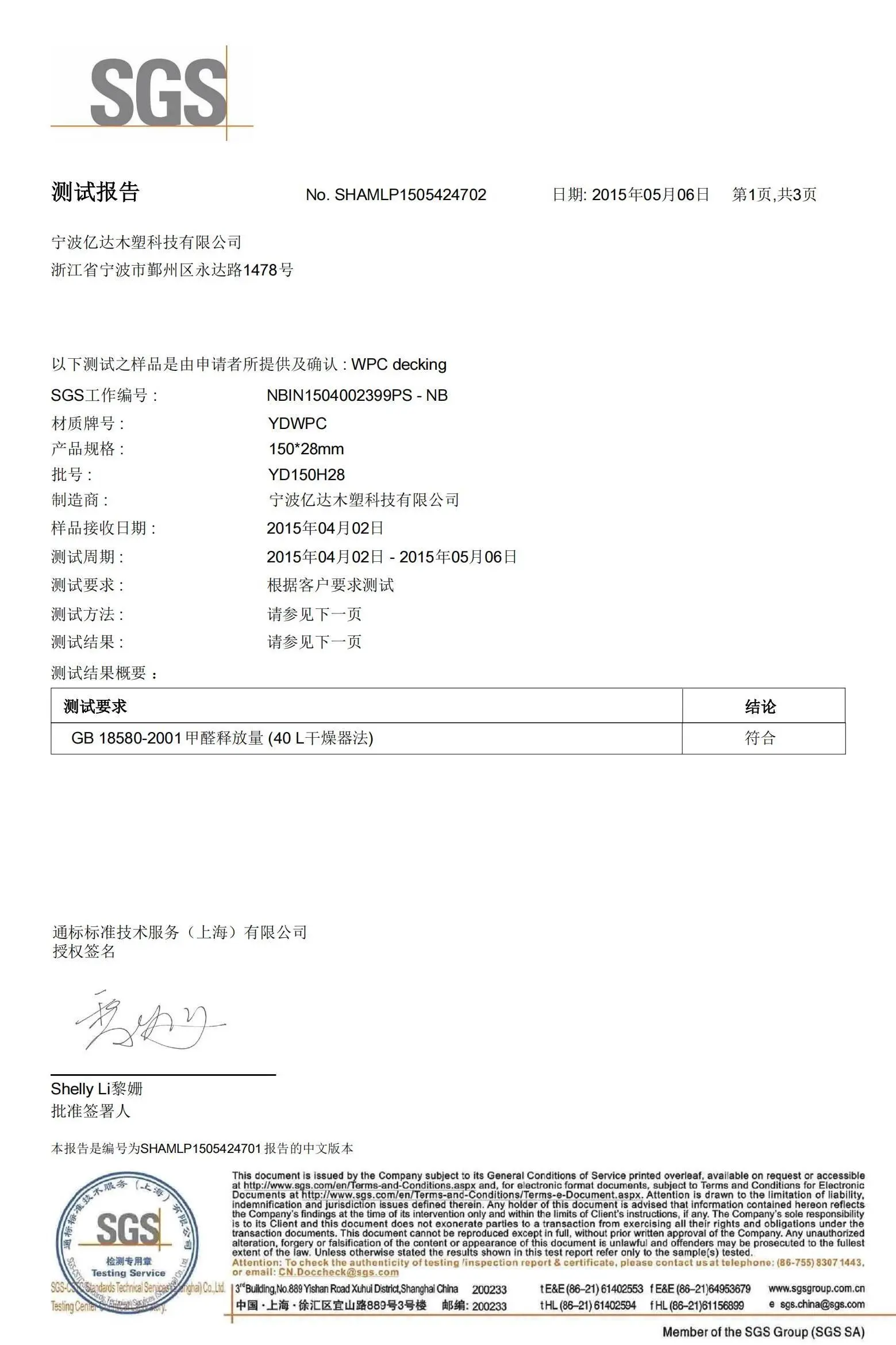
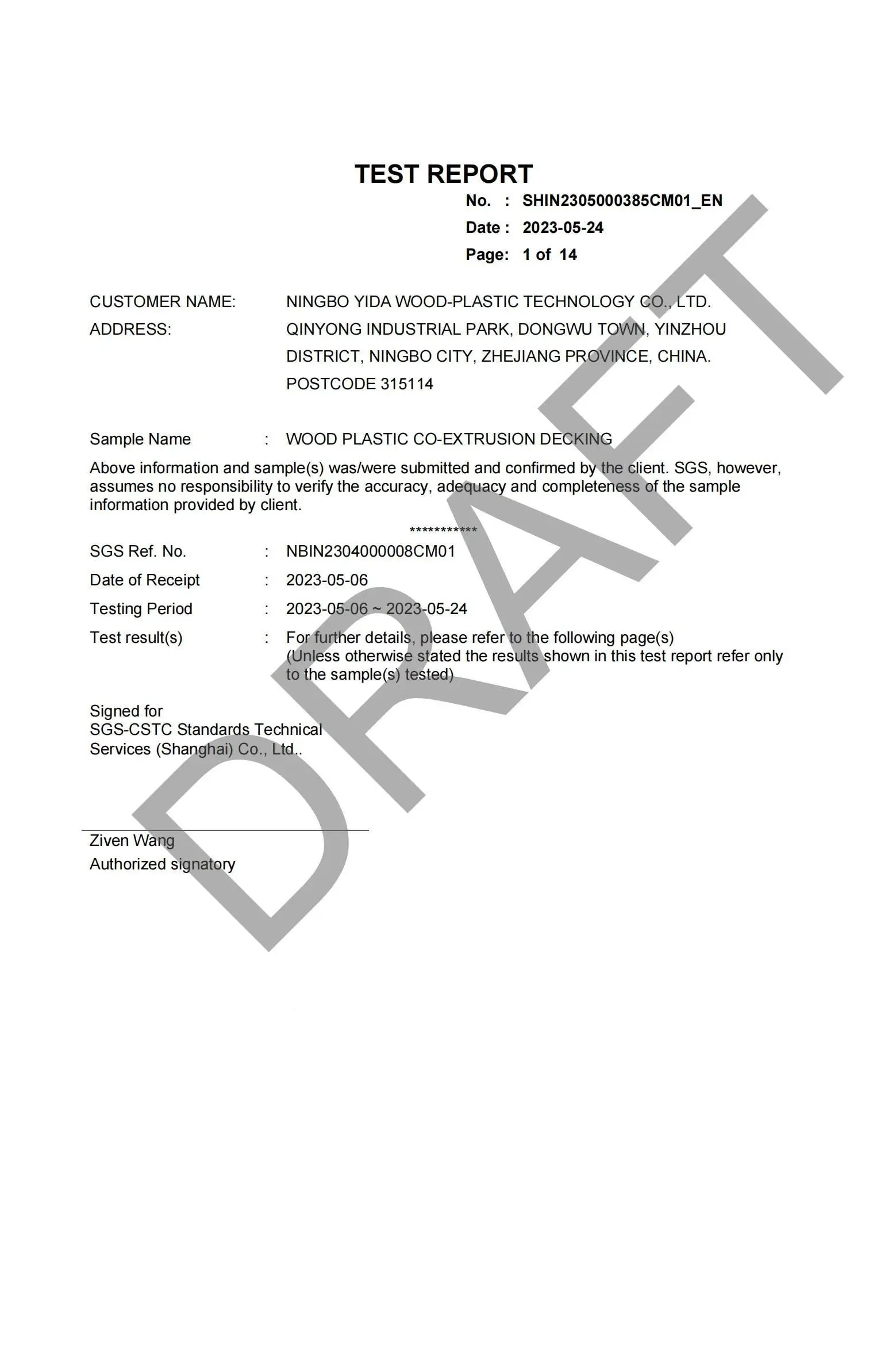
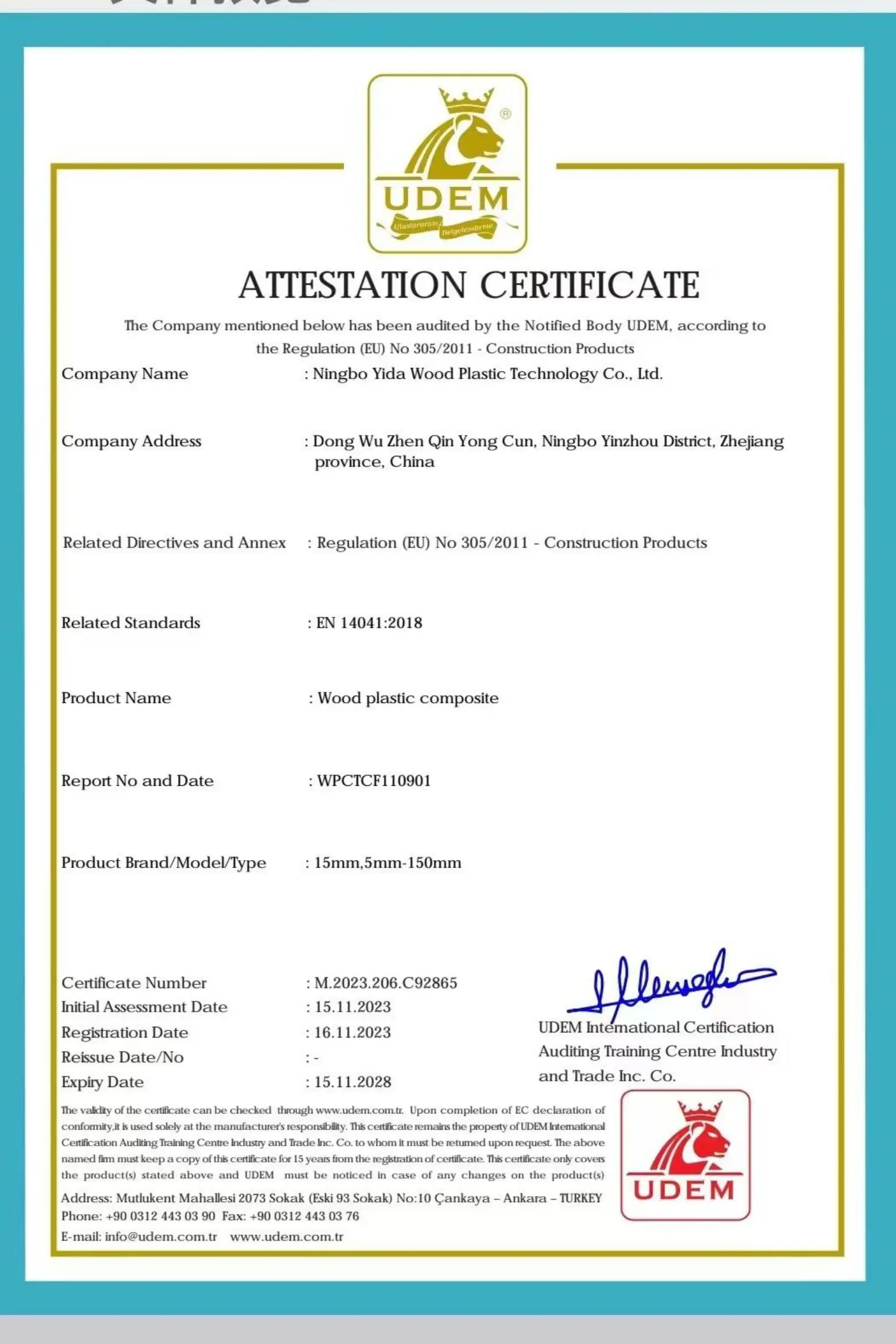
WPC stands for Wood Plastic Composite. It is an innovative material made from recycled wood fibers and thermoplastics. Unlike natural wood, it doesn't rot, warp, or splinter, and requires almost zero maintenance.
Yes. Our products are made from reclaimed wood waste and recycled plastics, reducing landfill waste and the need for virgin timber harvesting.
WPC is highly resistant to moisture, frost, and UV rays. It won't crack in freezing winters or rot in humid, rainy climates, making it ideal for global applications.
Like any outdoor surface, it can get warm, but our advanced co-extrusion technology and lighter color options reflect more heat than traditional dark composites.
Our products are engineered for long-life performance, typically coming with warranties ranging from 10 to 25 years against structural defects and fading.
 Yida Wood