Engineered high-performance composite decking, classic cladding, and outdoor building materials designed for commercial durability.
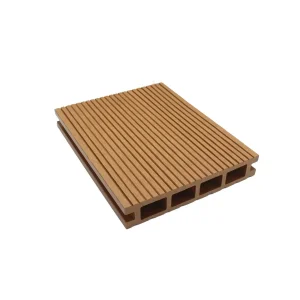
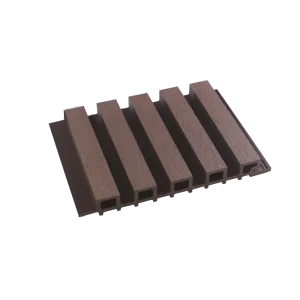
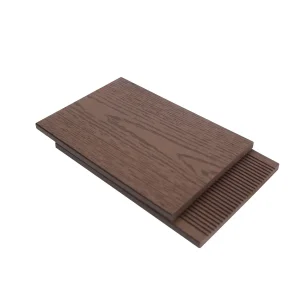
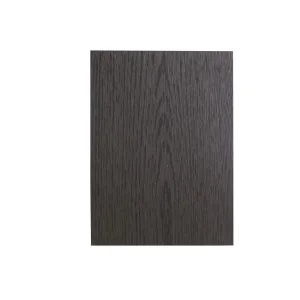
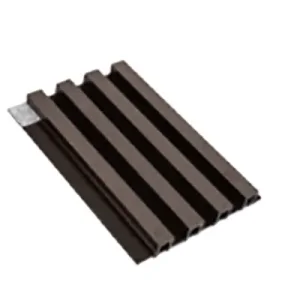
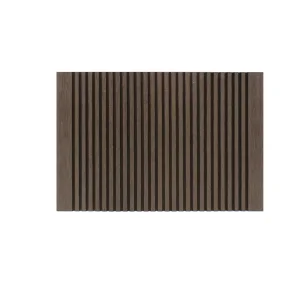
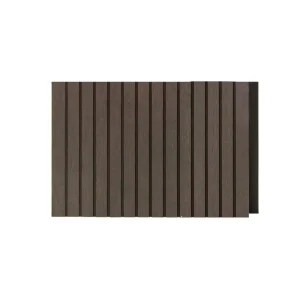
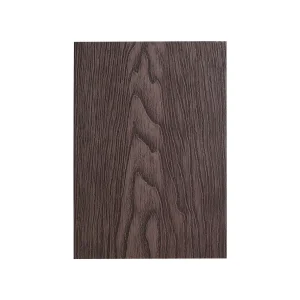
The global construction industry is witnessing a structural transition from natural wood and PVC toward Wood Plastic Composites (WPC). This transition is catalyzed by tightening global timber regulations, rising ecological awareness, and the superior life-cycle cost analysis (LCCA) of engineered materials. WPC plank floorings leverage an integrated formulation combining thermoplastic polymers (such as Polyethylene) and high-density recycled wood flour. The result is a resilient material that offers the aesthetic depth of organic timber without the associated degradation vulnerabilities.
Across key architectural sectors—such as high-traffic municipal boardwalks, landscape architectures, and commercial infrastructure—procurement requirements have advanced. Buyers now demand systems capable of withstanding extreme environmental loads, UV radiation, and high pedestrian traffic. Consequently, direct manufacturer partnerships have become crucial to securing customized product integrity and long-term stability.
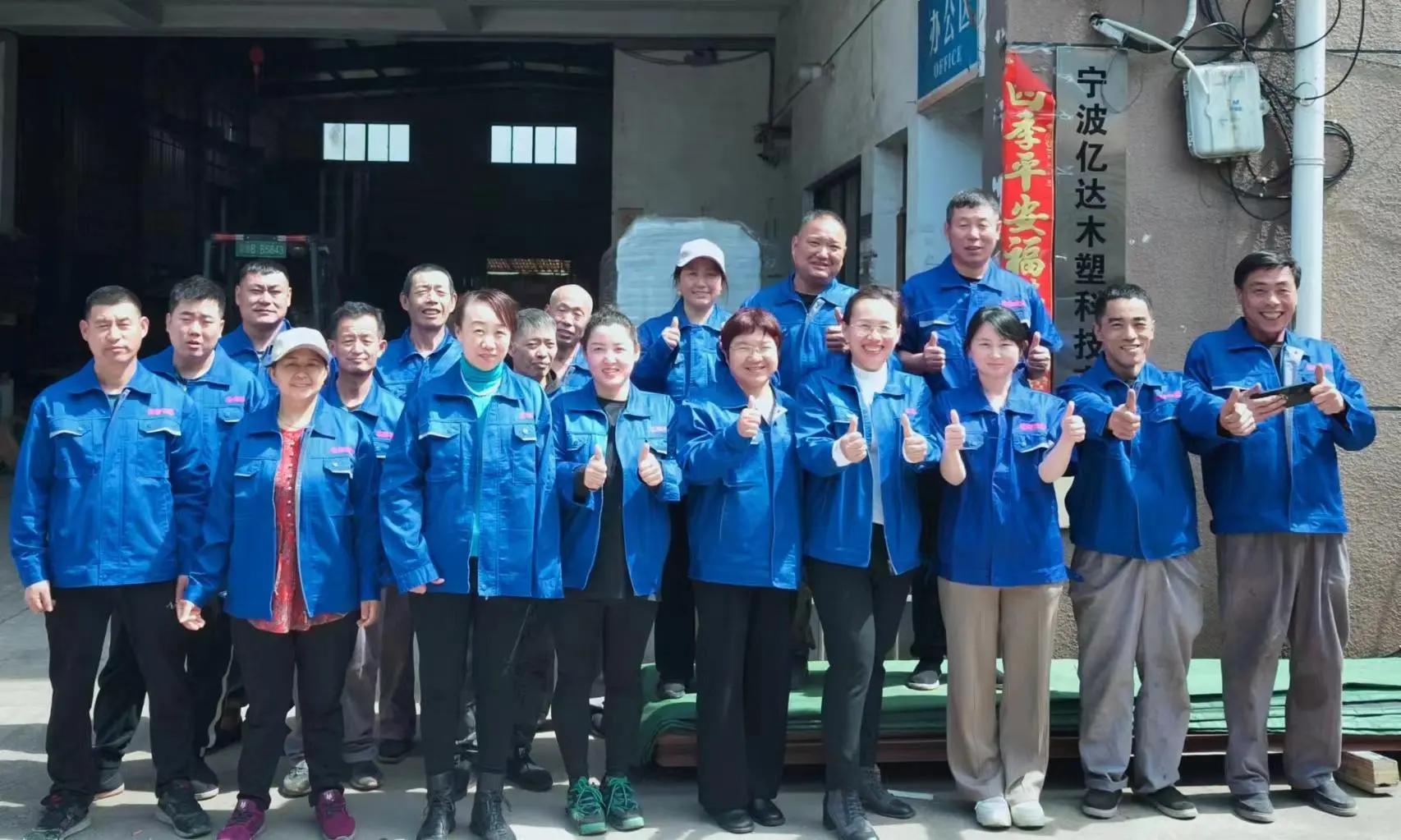
Founded on a commitment to ecological responsibility and material science innovation, Ningbo Yida Wood Plastic Technology Co., Ltd. stands as a premier authority in the development of high-tier WPC solutions. With nearly a decade of dedicated research, manufacturing, and distribution experience, we supply durable alternatives to standard cladding and decking options.
Our proprietary formulation yields high resistance to moisture, mildew, insects, fading, and structural cracking. These features ensure Yida composites perform well under high stress, making them ideal for heavy-traffic public spaces, educational campuses, and hospital walkways. By engineering composite structures with uniform density profiles, Yida supports sustainable development goals without sacrificing durability.
A comparative overview of wood plastic composites performance parameters compared to standard alternatives.
Features 360-degree protective capping for elevated moisture resistance. This makes it ideal for poolside platforms and coastal installations with high humidity levels.
Saves on maintenance by eliminating the need for periodic sealing, painting, or oiling. This helps reduce long-term operational costs for municipal budgets.
Utilizes up to 90% recycled wood fibers and reclaimed polymers. This helps lower the environmental footprint of projects and supports LEED certifications.
Industrial manufacturing hubs like Zhejiang, China, provide significant advantages for B2B procurement partners, architects, and high-volume construction planners. Partnering with a dedicated OEM/ODM manufacturer like Ningbo Yida offers distinct structural advantages:
WPC composite materials are designed to solve durability problems across various demanding environments:
1. Heavy-Traffic Municipal Projects: Standard timber boardwalks and viewing platforms can quickly degrade under heavy foot traffic and exposure to the elements. Direct-extrusion WPC provides a durable alternative that resists splitting, cracking, and rot.
2. Educational and Healthcare Facilities: These public spaces demand slip-resistant, splinter-free flooring to ensure safety. The textured surfaces of Ningbo Yida's products help lower slip risks and require minimal maintenance, making them suitable for schools and hospitals.
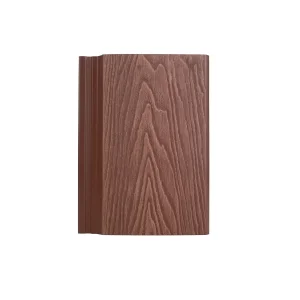
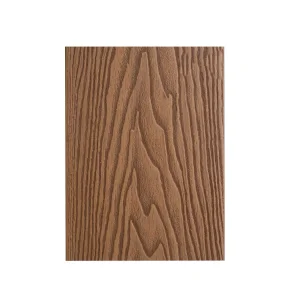
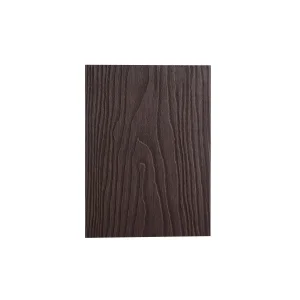
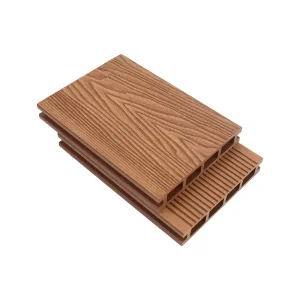
3. Residential and Commercial Patios: Homeowners and business owners look for premium outdoor aesthetics without the burden of constant maintenance. Deep 3D embossing mimics the look of natural wood while offering resistant to mold and fading.
Visual examples of our industrial capabilities and finished installations across various environments.
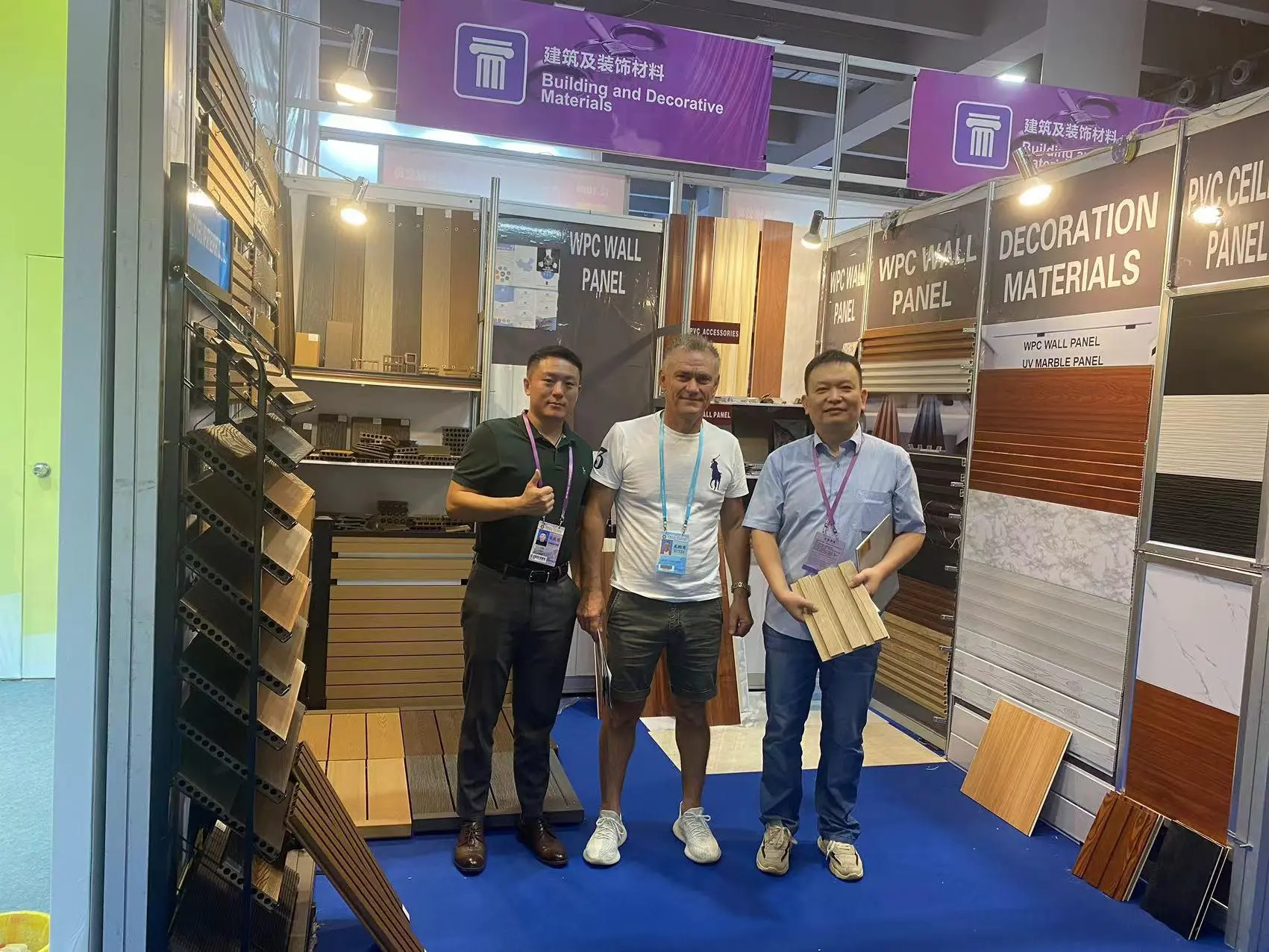
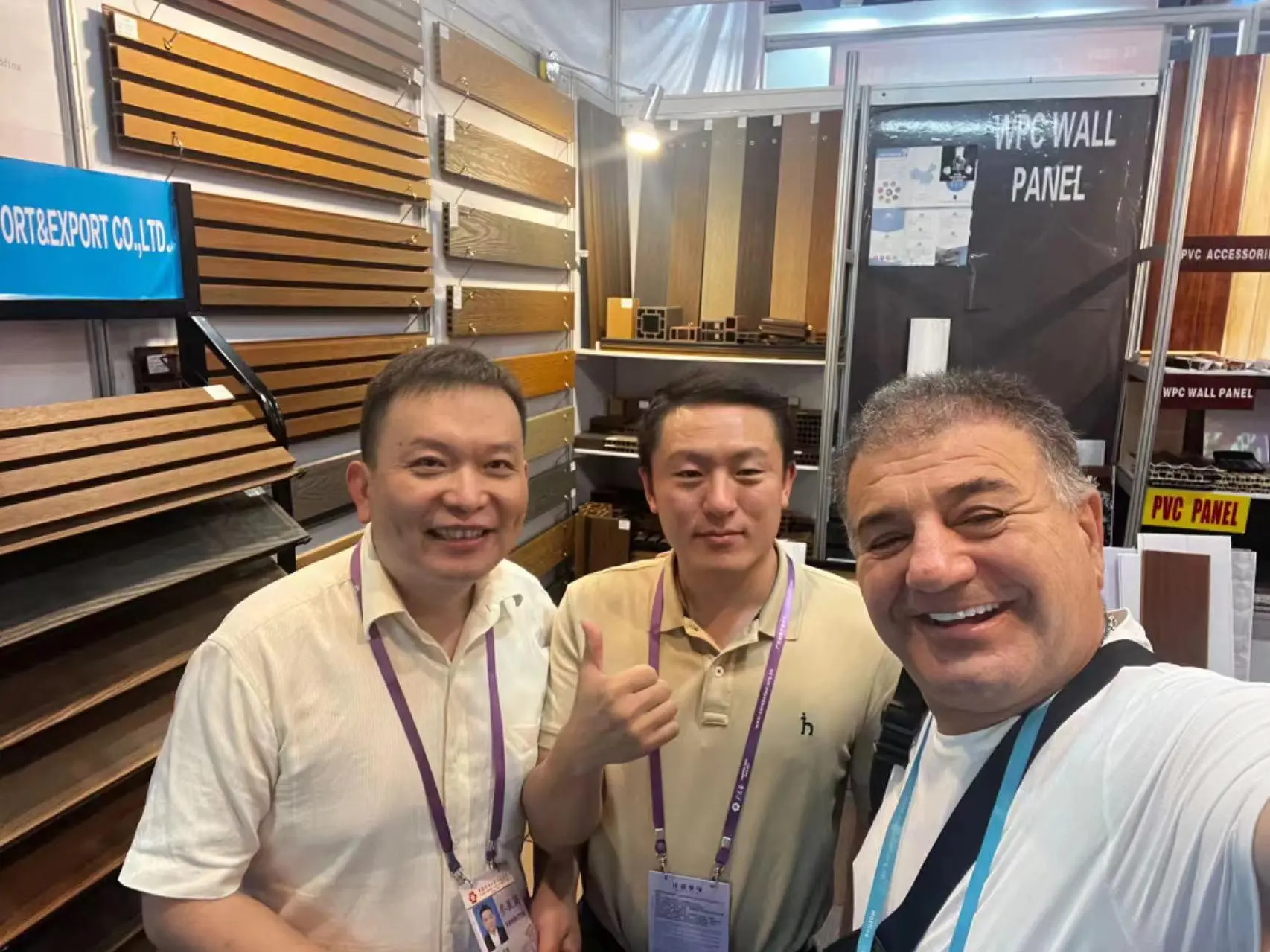
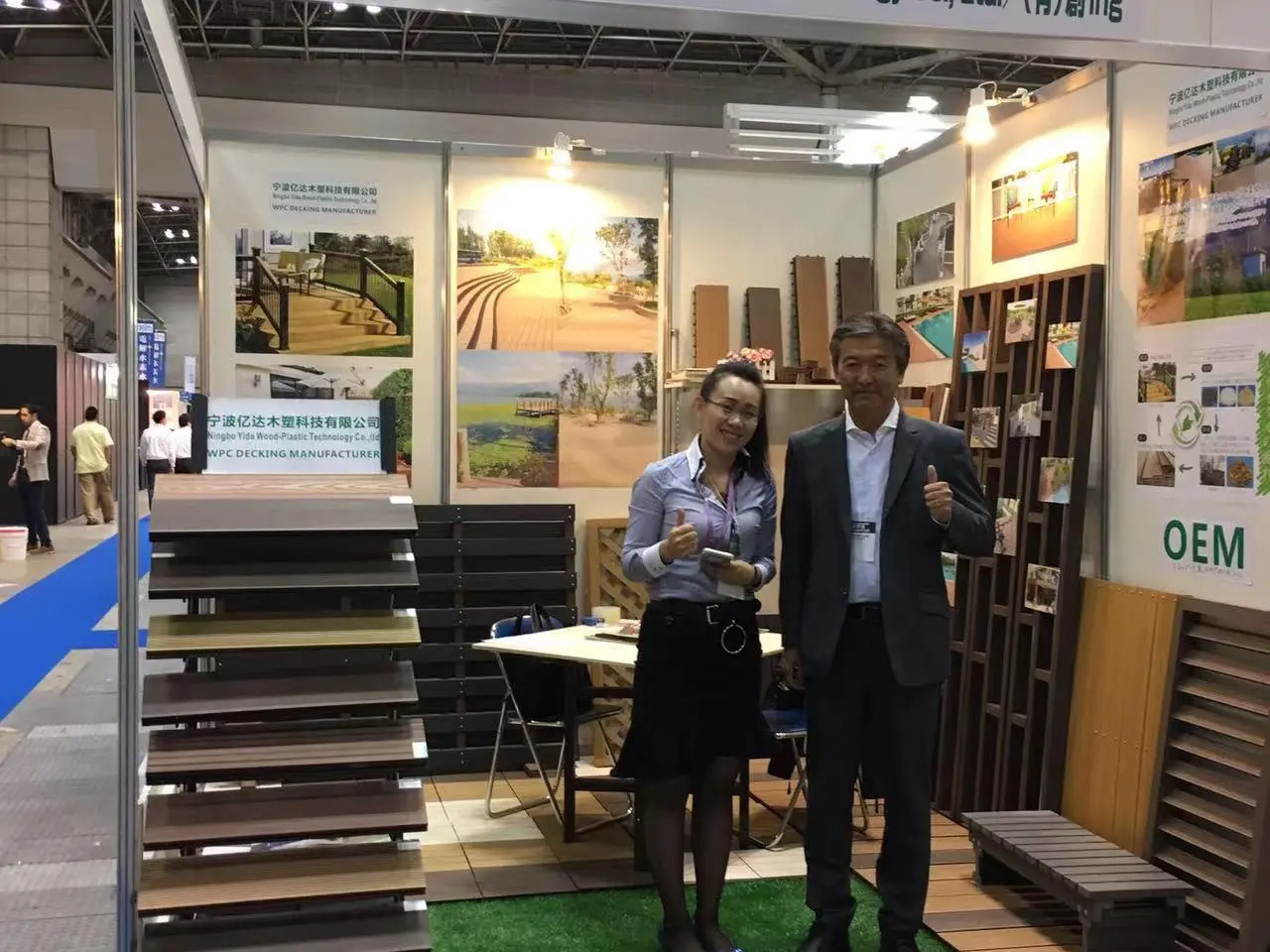
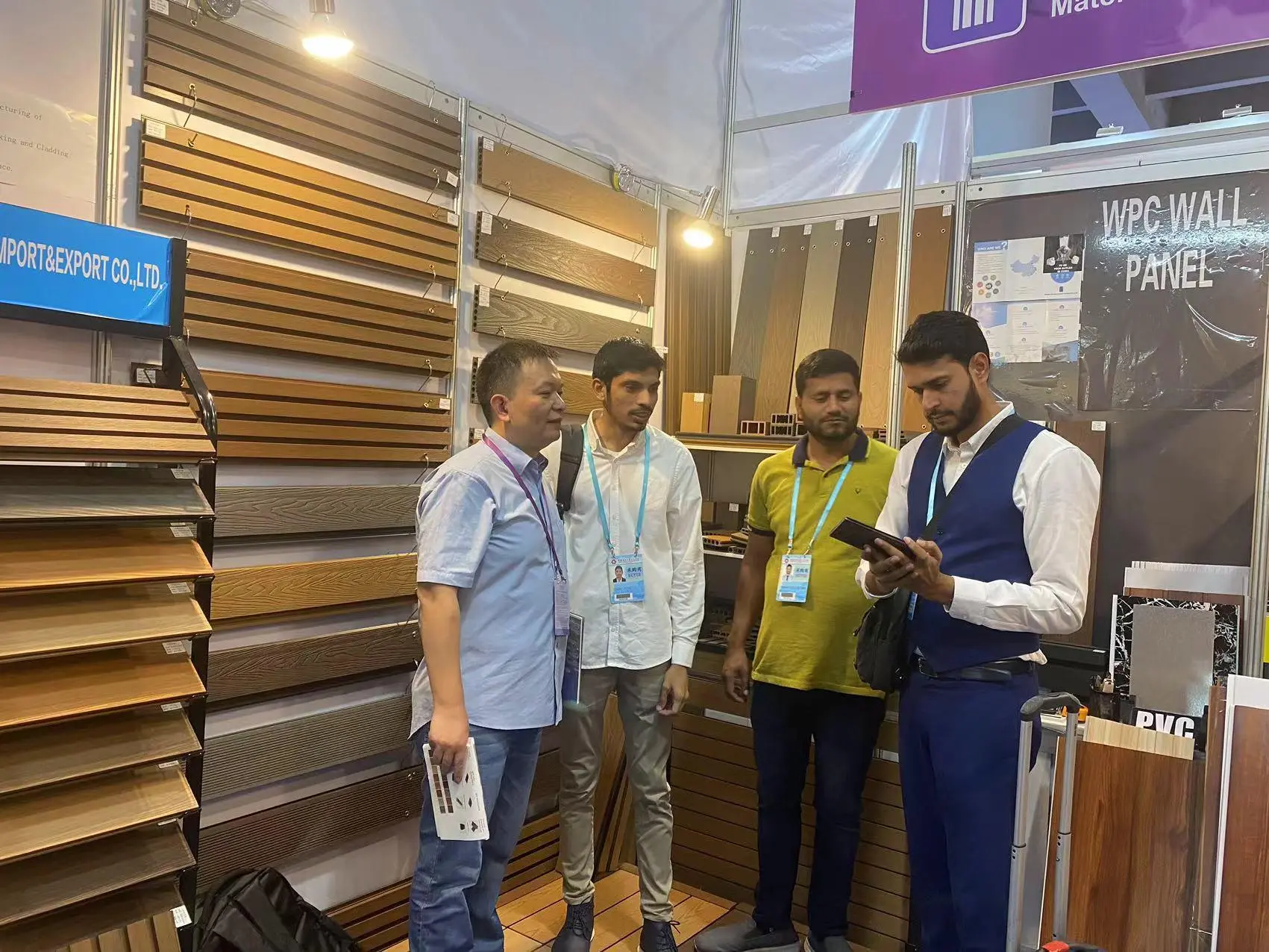
Measuring our performance in composite engineering and global logistics over the last decade.
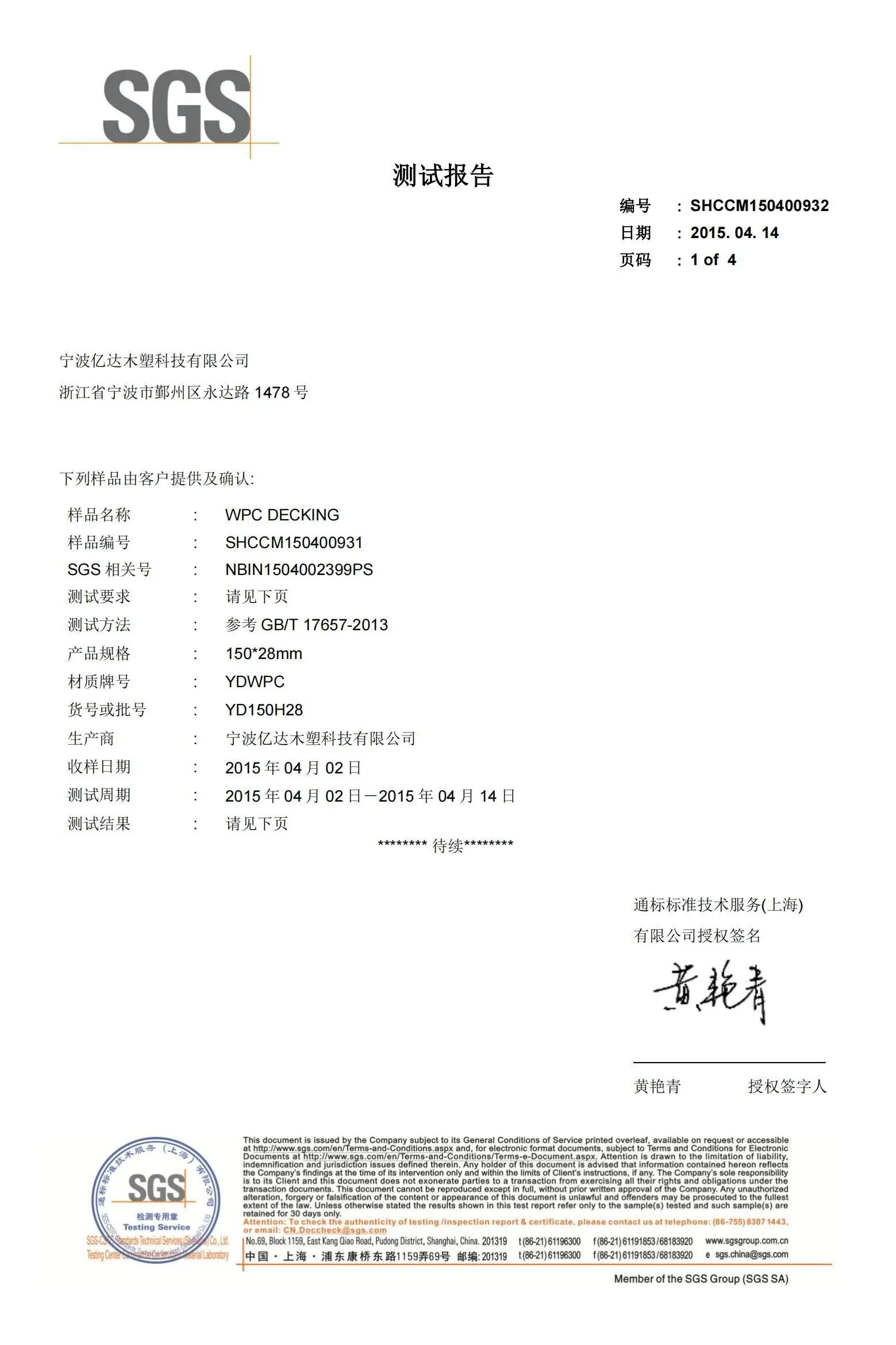
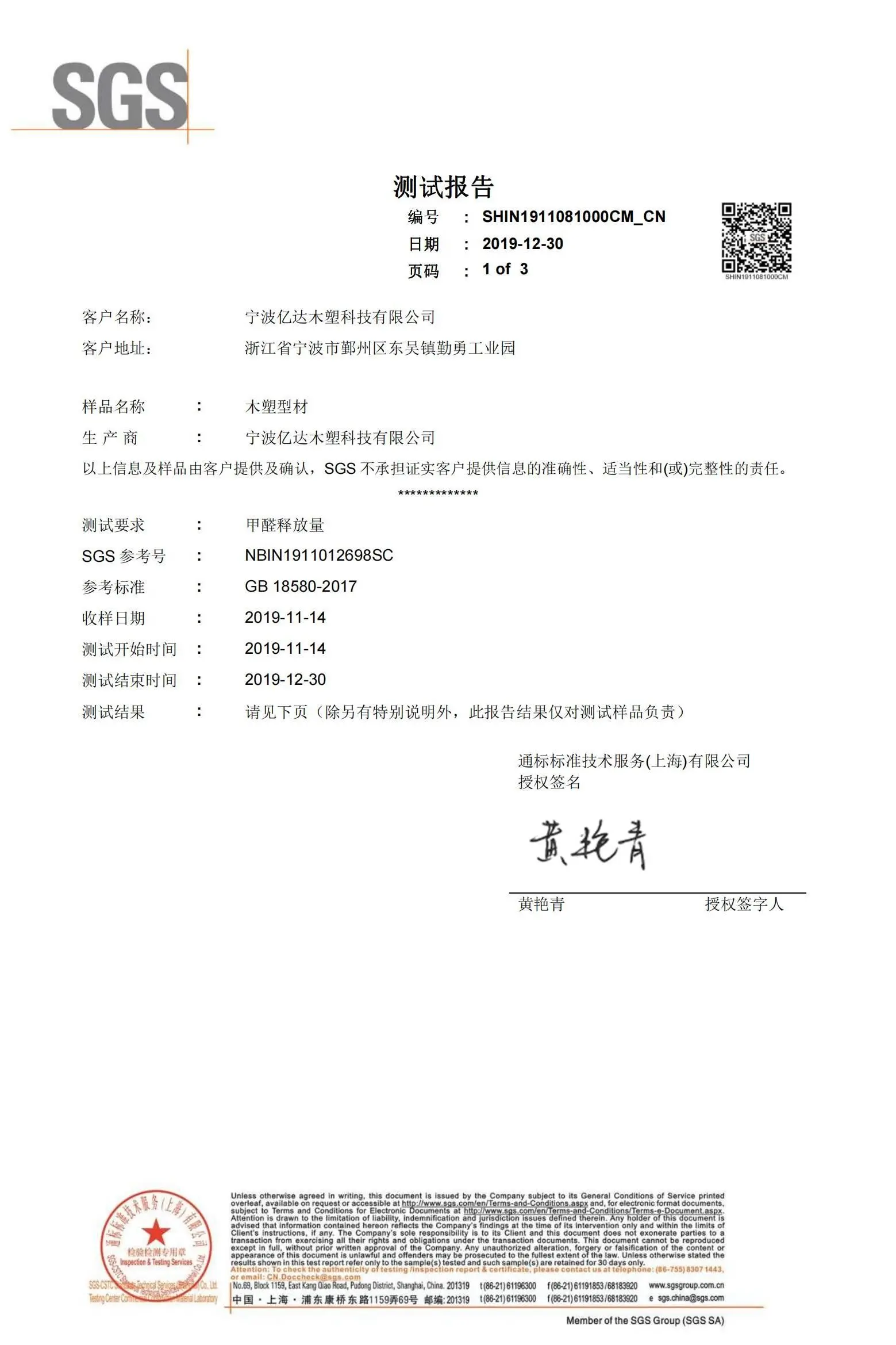
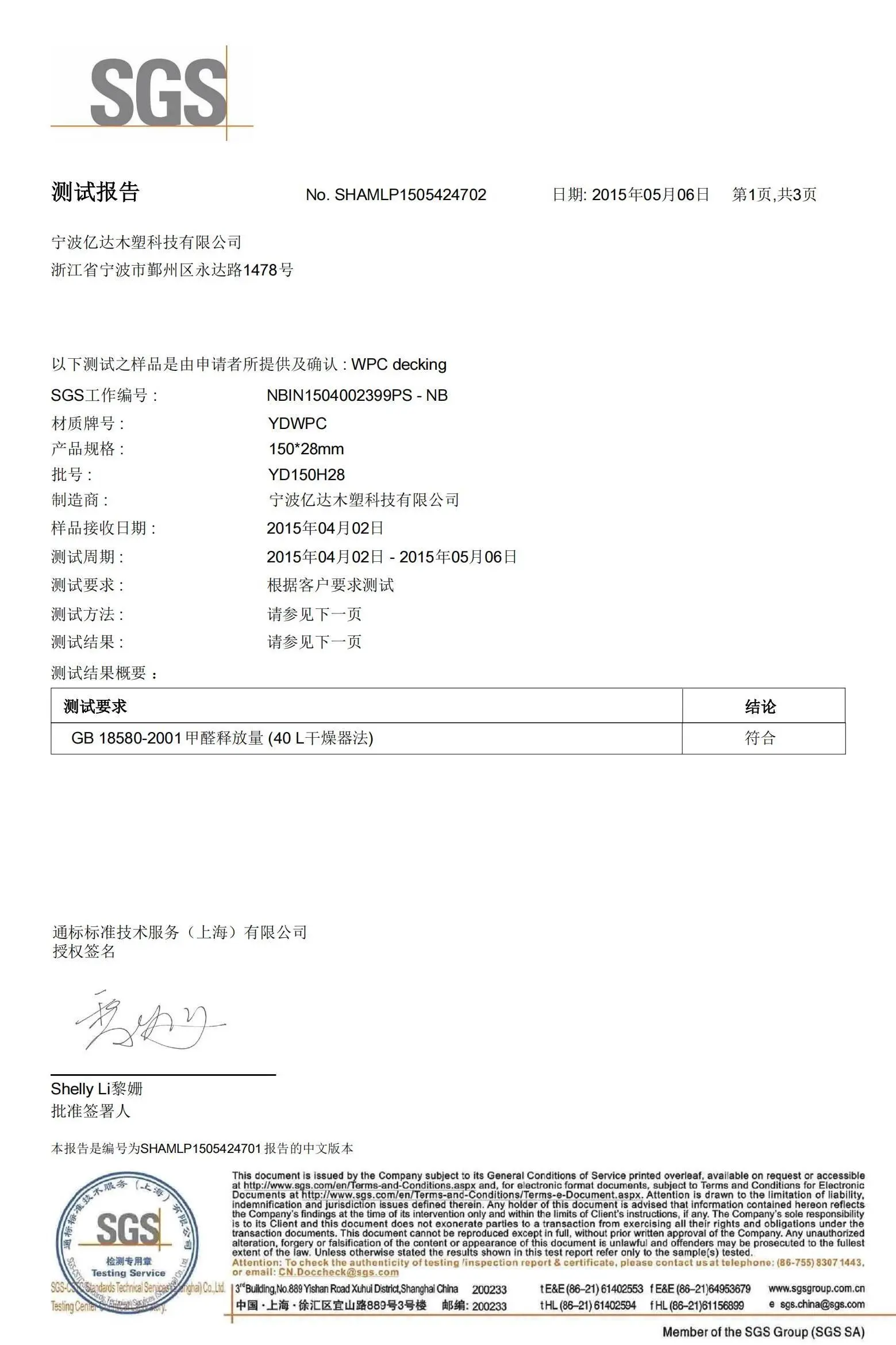
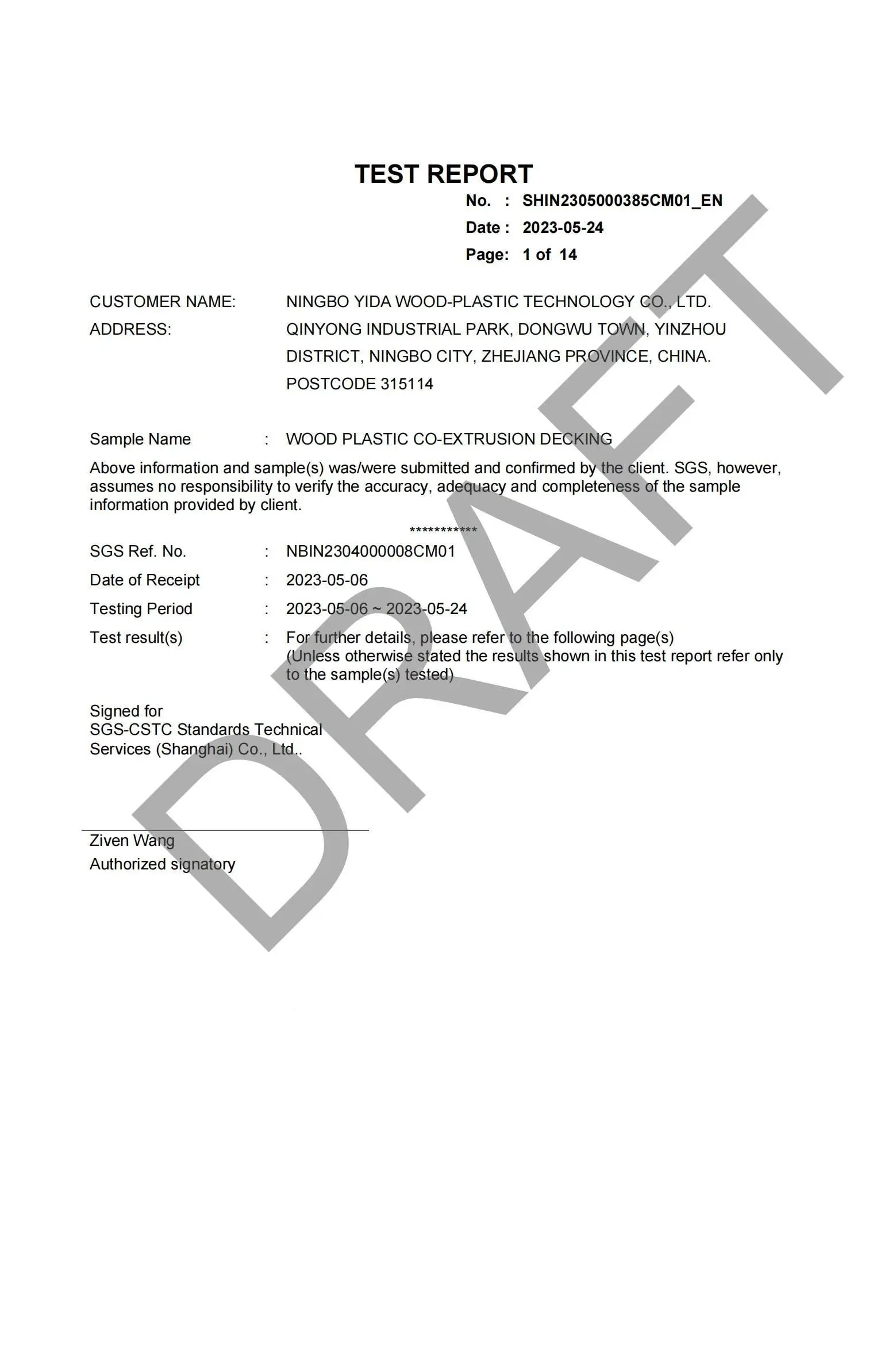
Our products undergo regular testing to meet strict environmental and structural safety standards globally.
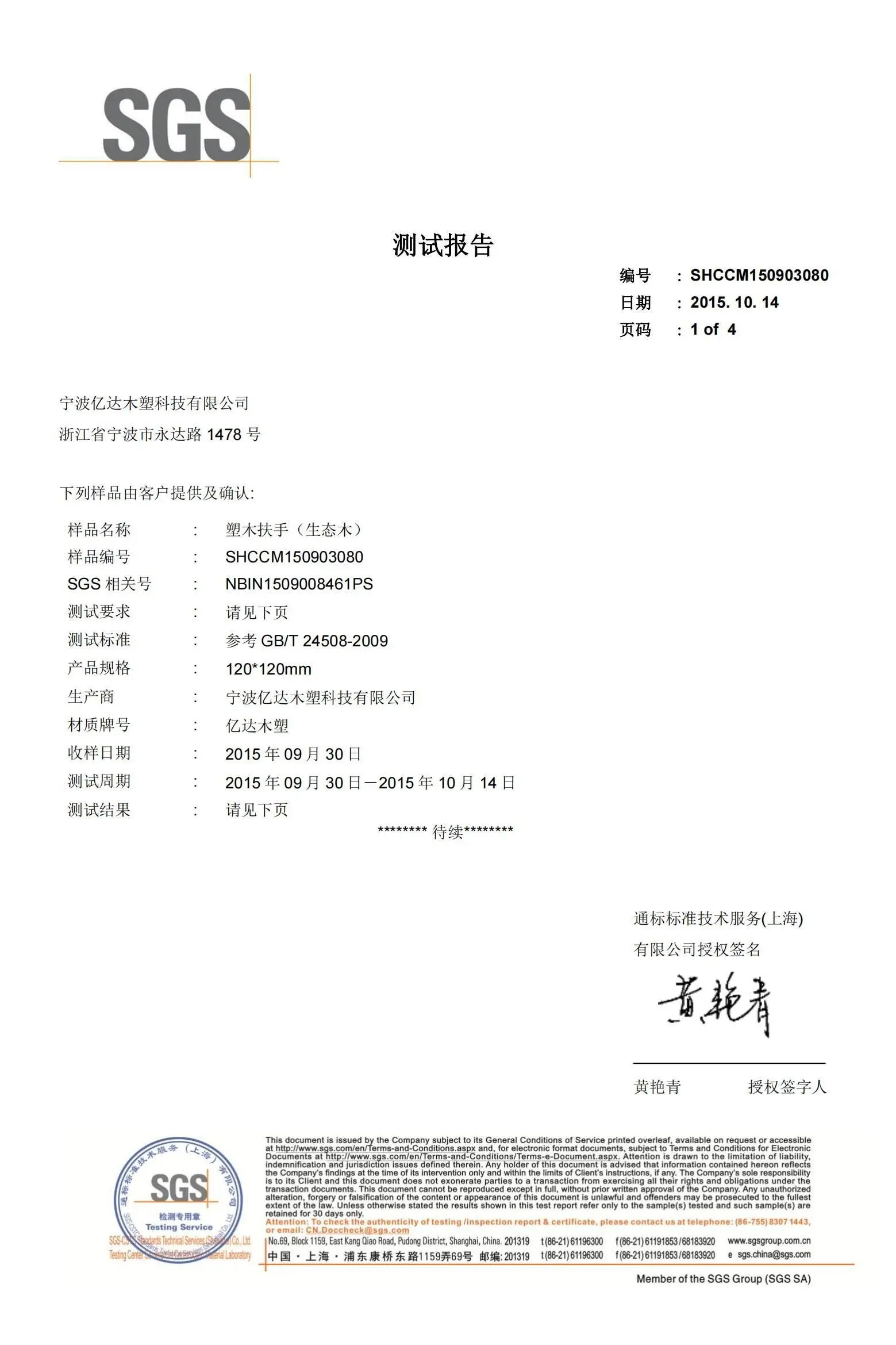
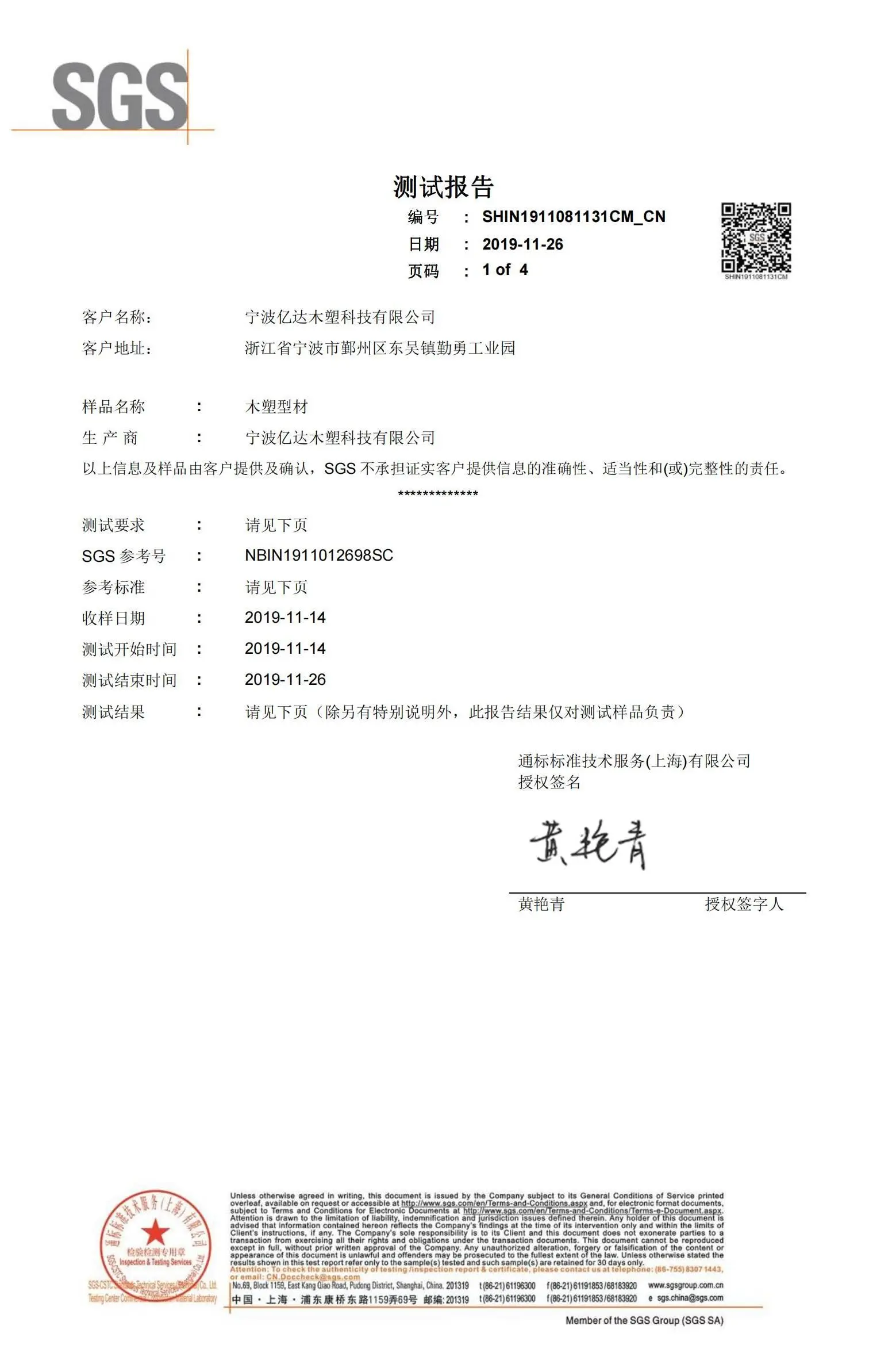
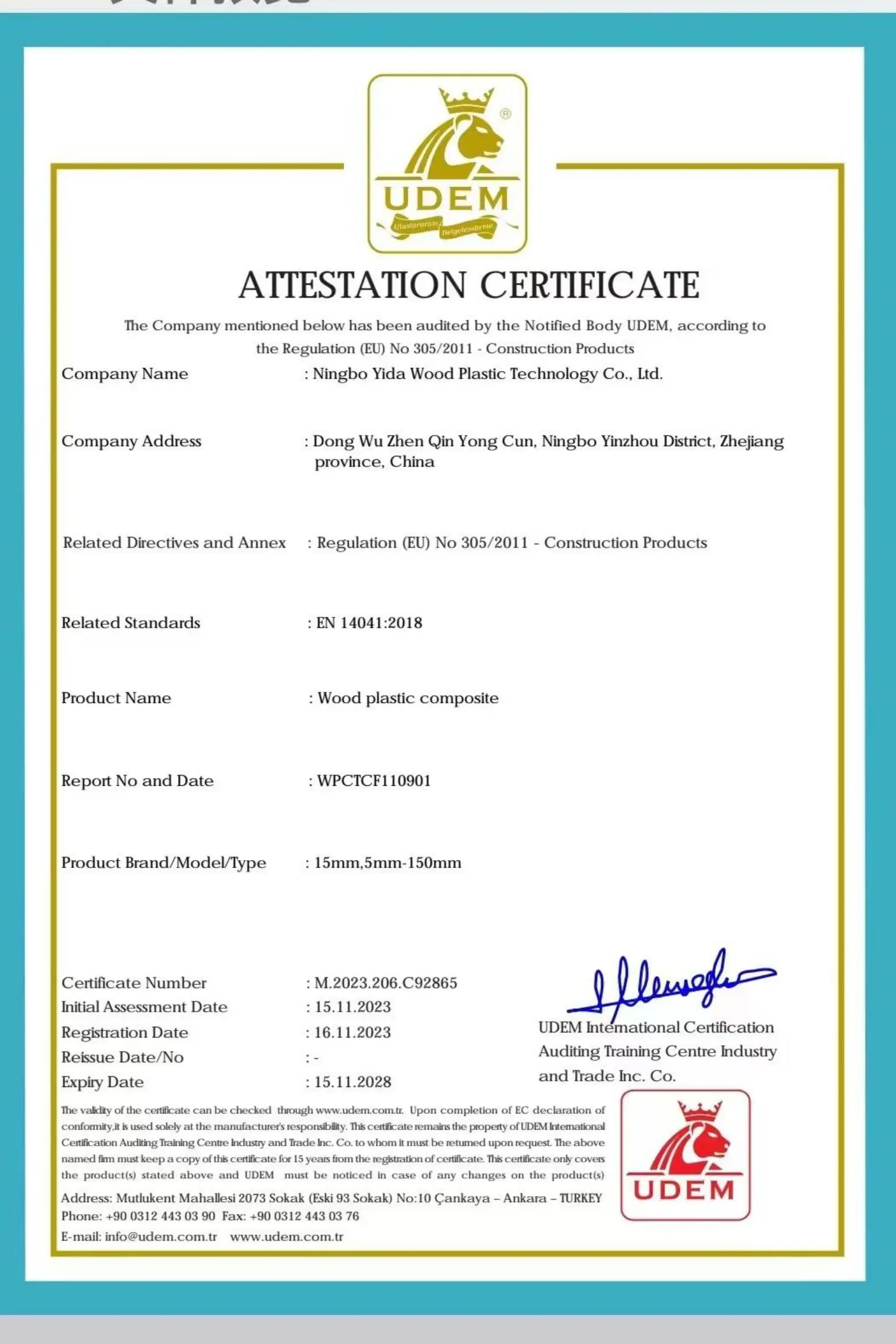
For B2B buyers, sourcing WPC requires balancing structural durability with initial cost. Enterprise buyers can optimize their procurement processes by focusing on a few key areas:
1. Material Formulation and Ratio Specifications: The optimal balance of wood fiber (typically 55%-60%), HDPE polymer (30%-35%), and functional additives (10% including UV stabilizers, pigment, coupling agents) is key to long-term performance. This mix helps protect the composite against warping, fade, and mechanical stress.
2. Co-extrusion vs. Mono-extrusion: Modern developments have introduced co-extrusion technology, which adds an outer protective layer over the core. While this technology involves a higher initial cost, it significantly improves resistance to stains, scratches, and UV damage, resulting in lower maintenance costs over time.
3. Fastening Systems: Standard hidden clip systems speed up installation and allow for natural thermal expansion. For municipal and commercial projects, selecting heavy-duty stainless steel clip systems helps prevent structural shifting.
The WPC market continues to evolve, driven by technology and sustainability:
Find technical and installation answers regarding our Wood Plastic Composite profiles.
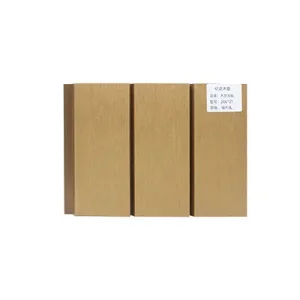
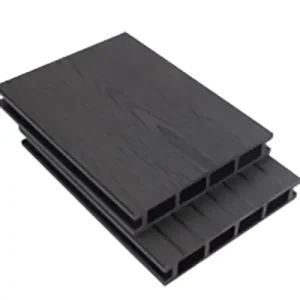
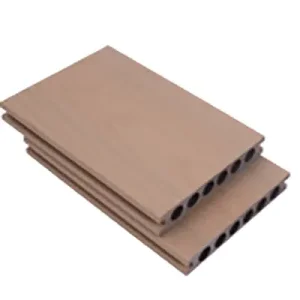
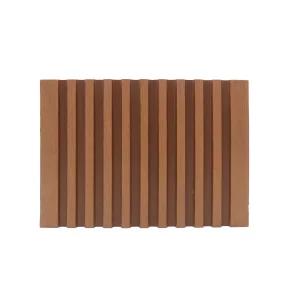
Explore our specialized WPC products, including custom 3D embossed designs and certified structural cladding options.
 Yida Wood