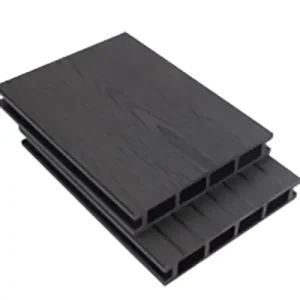
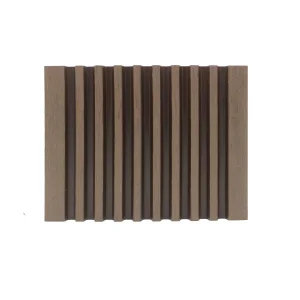
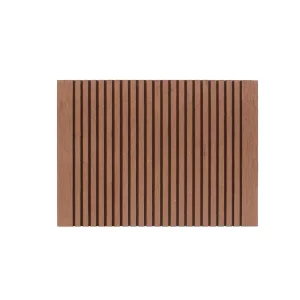
Leading the Evolution of Wood-Plastic Technology
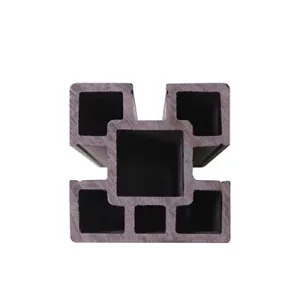
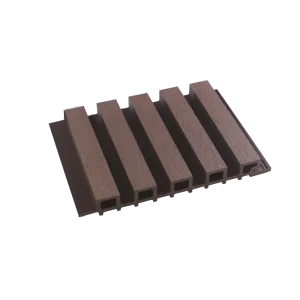
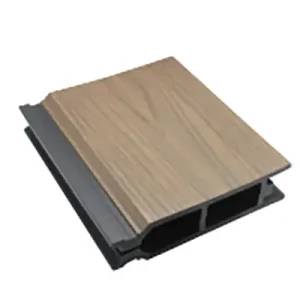
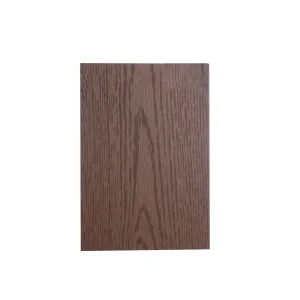
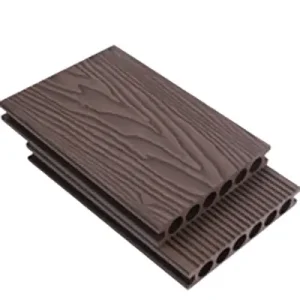
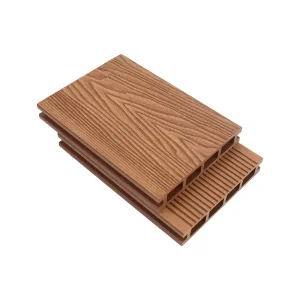
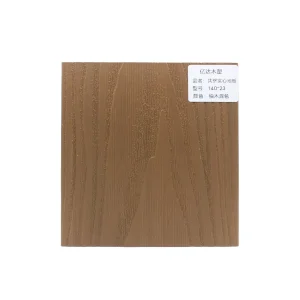
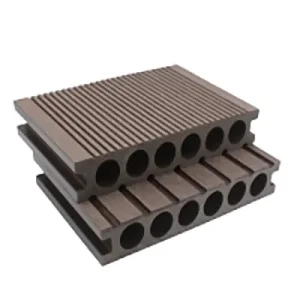
Ningbo Yida Wood Plastic Technology Co., Ltd. is proud to introduce our innovative wood plastic composite material that combines the natural beauty of wood with the durability of plastic profiles. With nearly ten years of R&D, production and sales experience, we have become a leading manufacturer and supplier of new wood-plastic composite materials.
Our Yida brand wood-plastic composite materials have excellent properties such as waterproof, moisture-proof, mildew-proof, insect-proof, black-proof, and crack-proof. This makes it ideal for a variety of applications, including outdoor architectural design, landscaping and municipal engineering projects. As an environmentally friendly material, it is in line with the country’s strong encouragement of sustainable development.
The global Wood-Plastic Composite (WPC) Lumbers market is currently experiencing a paradigm shift. As environmental regulations tighten across Europe and North America, the demand for sustainable building materials has skyrocketed. WPC has emerged as the premier alternative to traditional pressure-treated lumber, offering a lifespan that exceeds 25 years with minimal environmental footprint.
The global WPC market is projected to grow at a CAGR of over 10% through 2030, driven by urbanization in Asia and renovation trends in the West.
Modern procurement focuses on circular economy principles. Our WPC utilizes recycled HDPE and reclaimed wood fibers, reducing landfill waste.
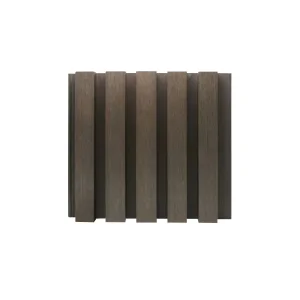
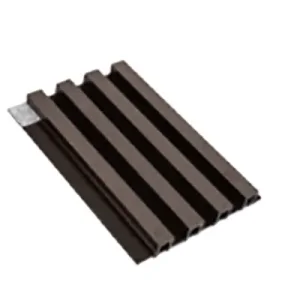
From simple decking to complex structural cladding and municipal hoarding, WPC is now a staple in high-end commercial architecture.
Global enterprises are increasingly seeking suppliers who can provide not just products, but integrated solutions. This includes UV-resistance certifications, fire-retardant ratings, and anti-slip textures that meet international safety standards. At Ningbo Yida, we bridge the gap between high-volume manufacturing and precision engineering.
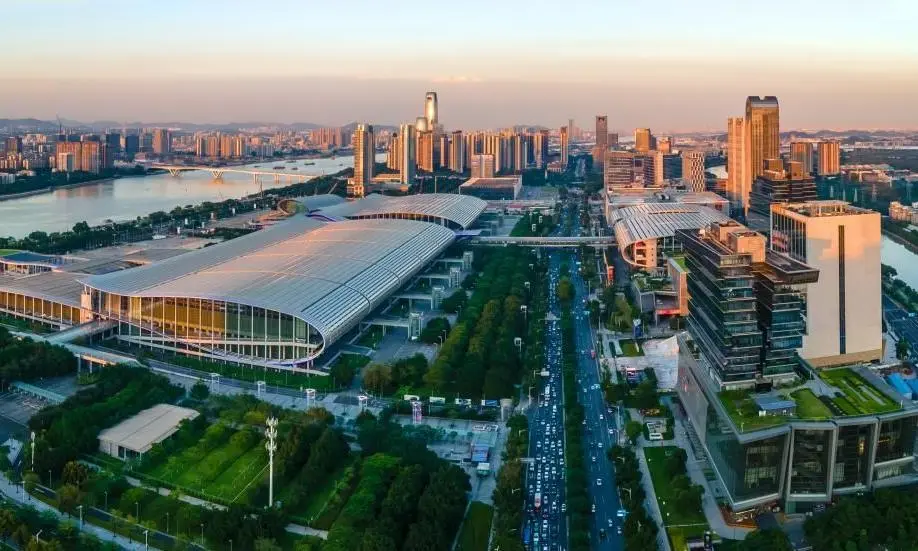
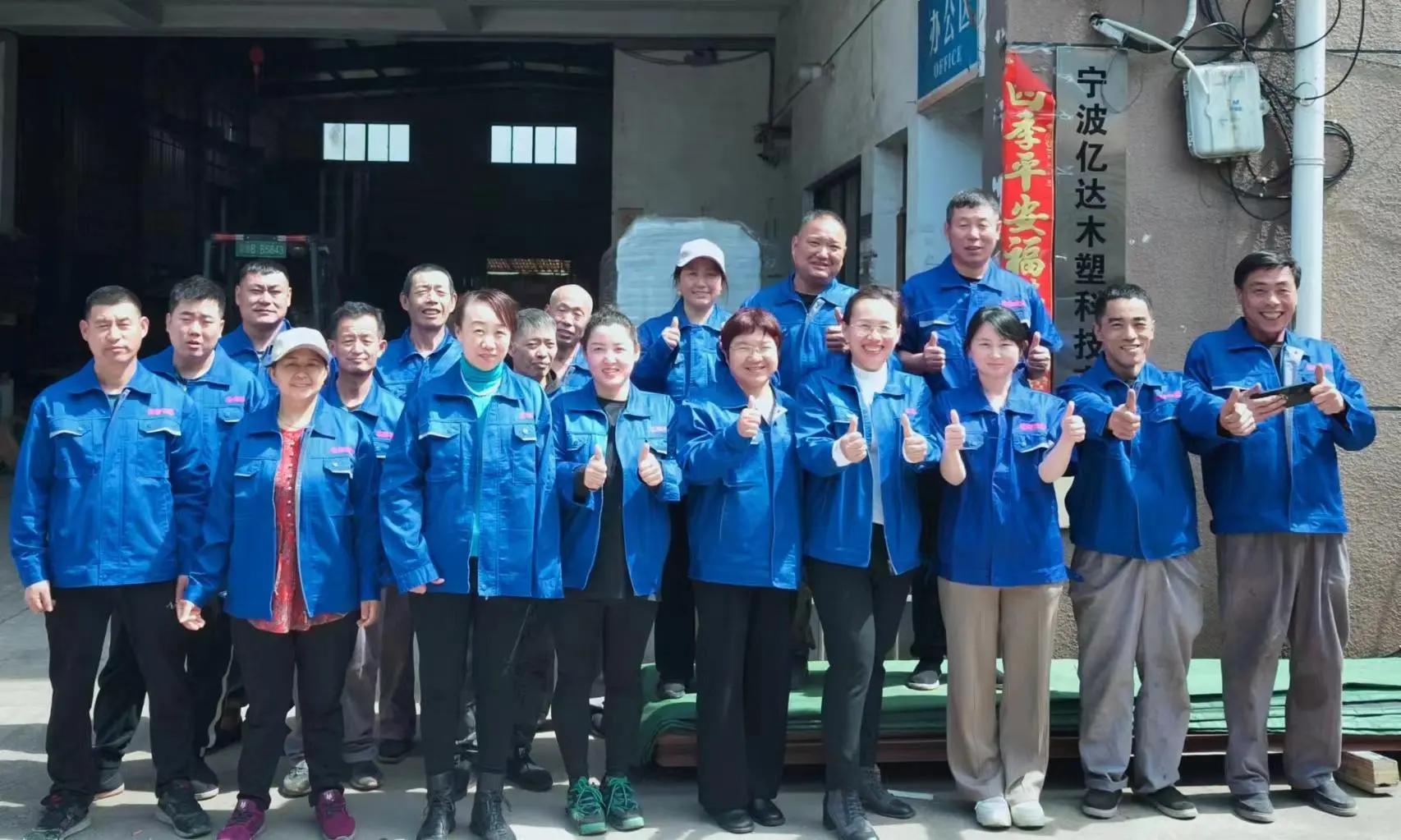
At Ningbo Yida, we have invested in advanced production technology and established a professional team dedicated to product research and development, manufacturing, sales, after-sales service and construction. This ensures that our wood plastic composites meet the highest quality and performance standards.
In addition to servicing commercial and residential projects, we have established dedicated service teams to support educational and medical institutions across the country. Our commitment to providing professional services and construction to major universities and hospitals in the country reflects our commitment to contributing to important public infrastructure.
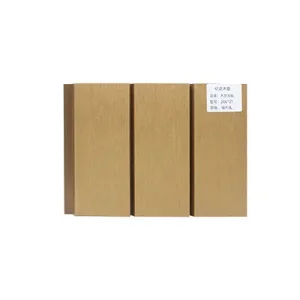
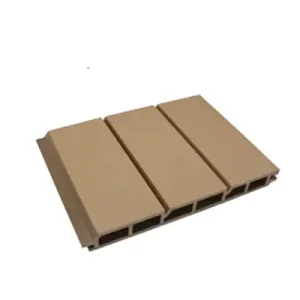
Our co-extrusion cladding is engineered to withstand salt-spray and high humidity, making it perfect for beachfront resorts and boardwalks where traditional wood rots within years.
WPC hoarding and columns are used in city parks and public squares for their "zero-maintenance" appeal and resistance to graffiti and physical impact.
In hospitals and clinics, our materials provide a non-toxic, splinter-free environment that is easy to sanitize, combining safety with a warm, natural aesthetic.
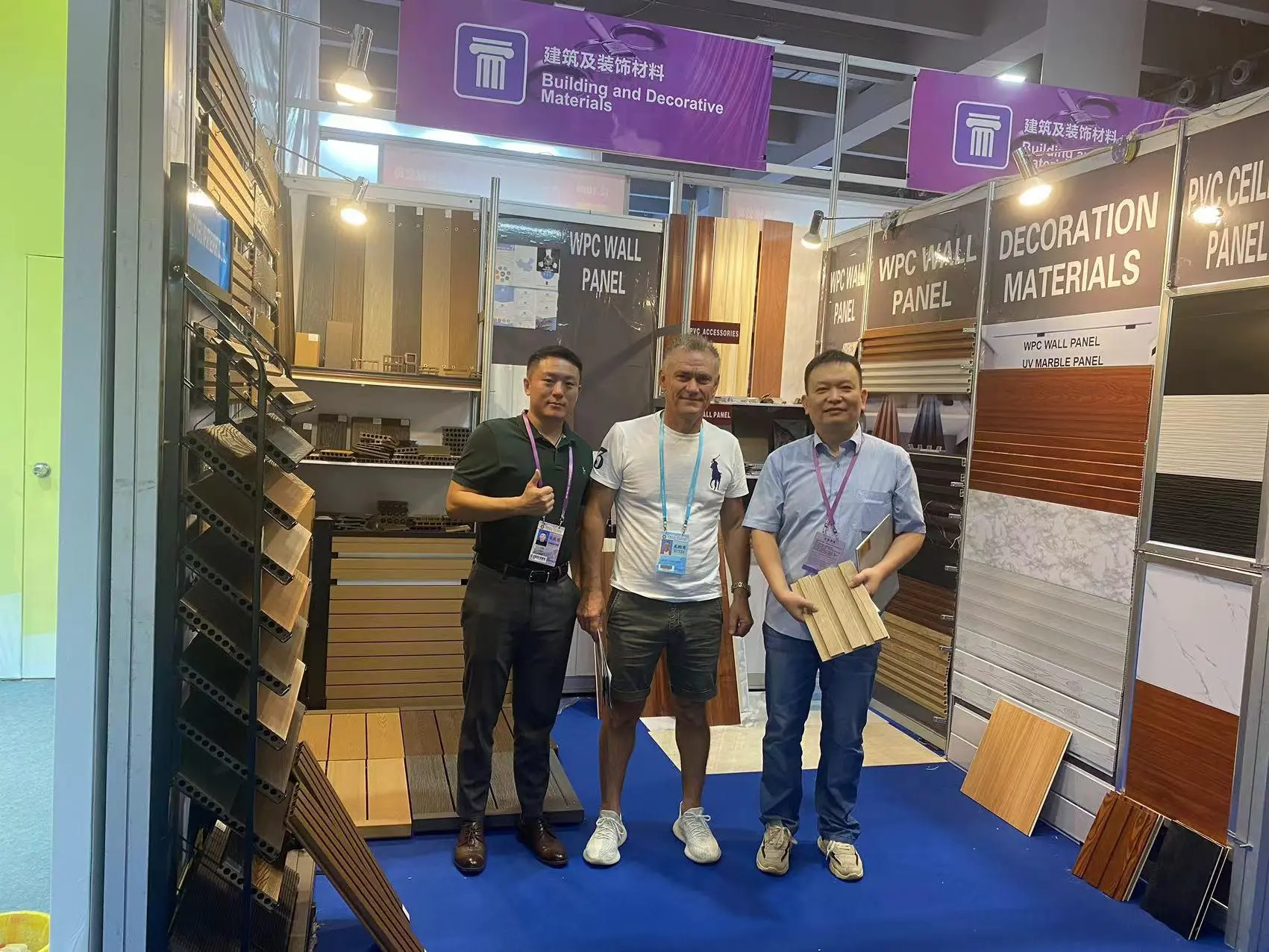
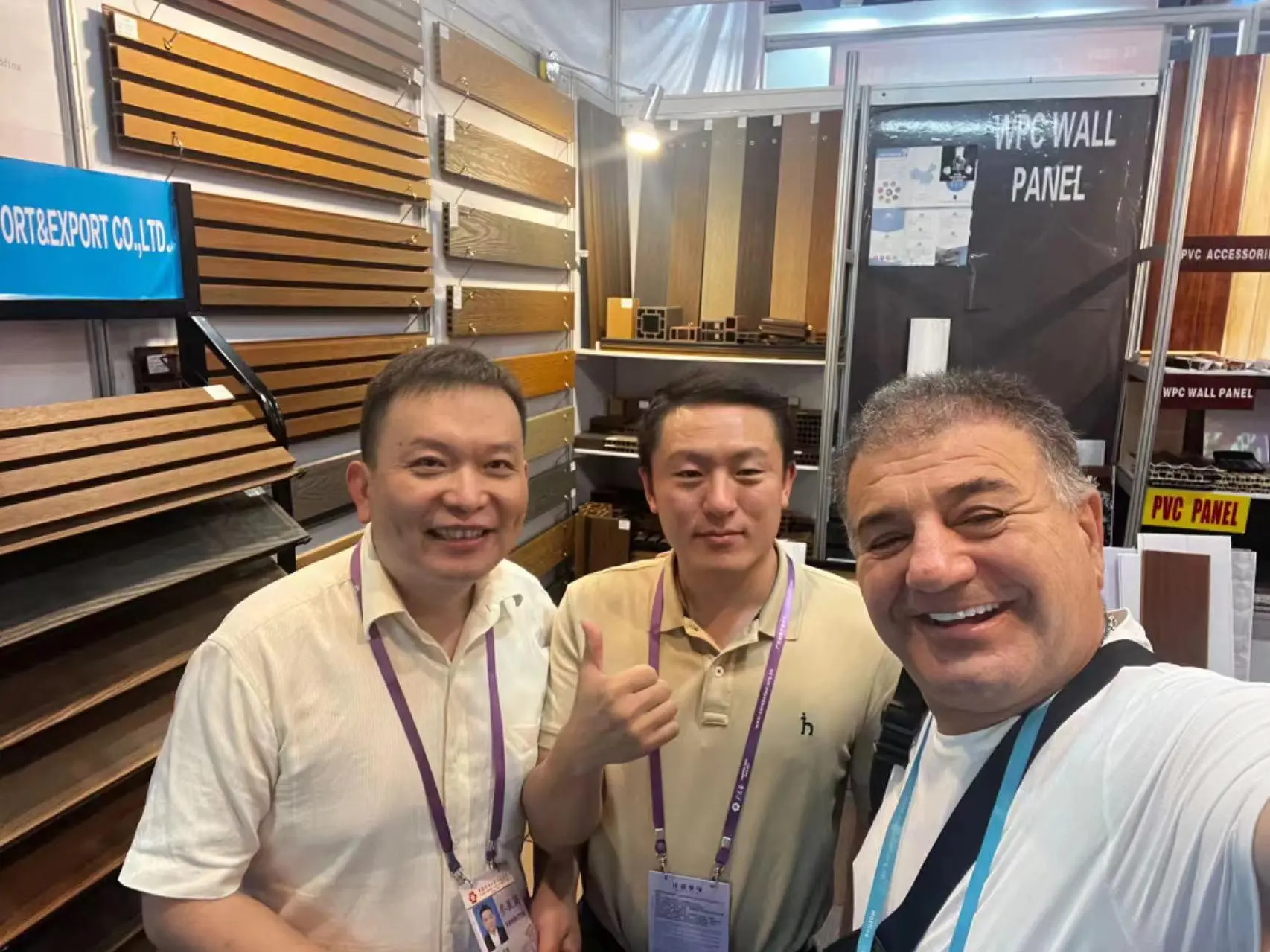
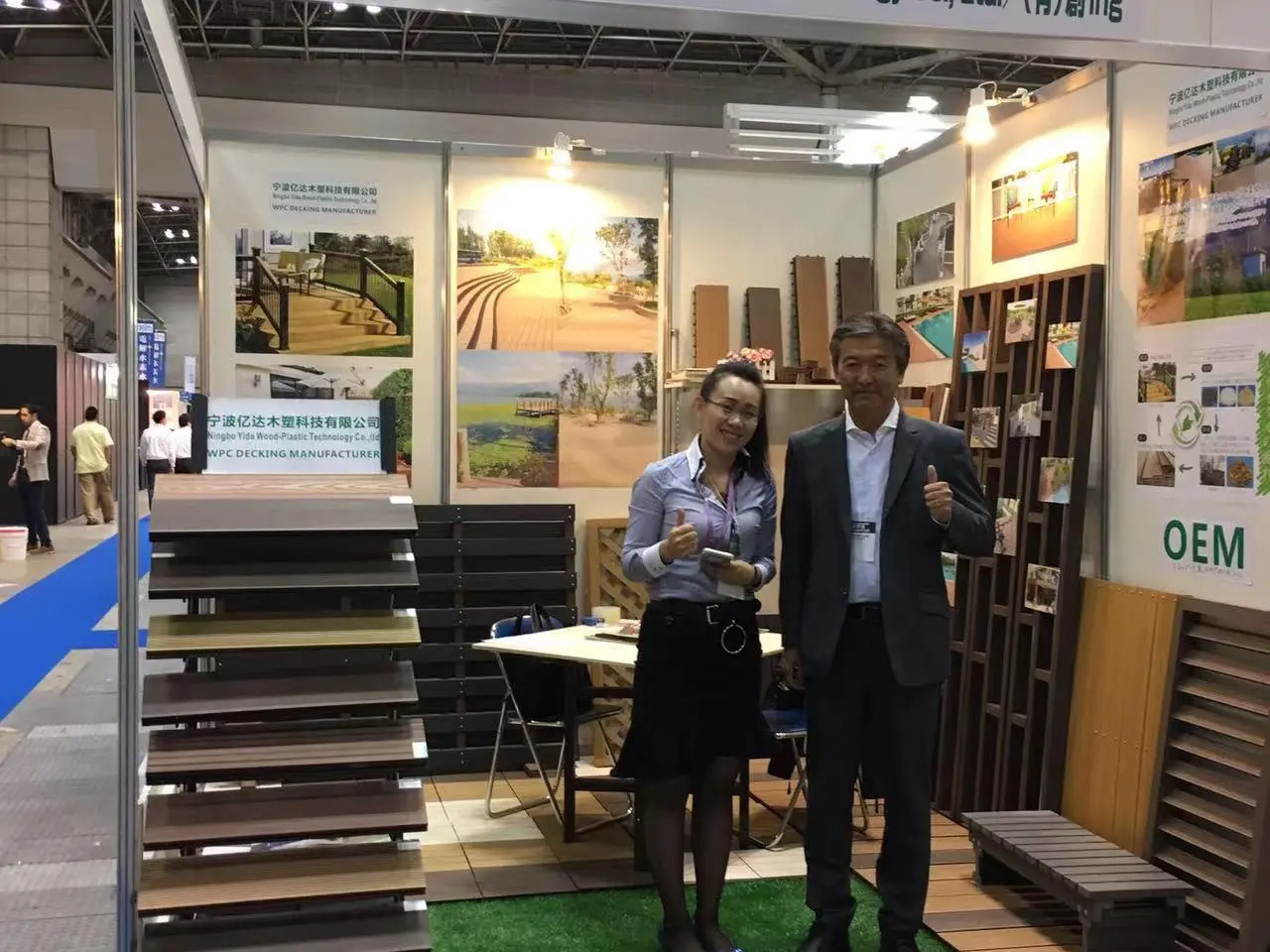
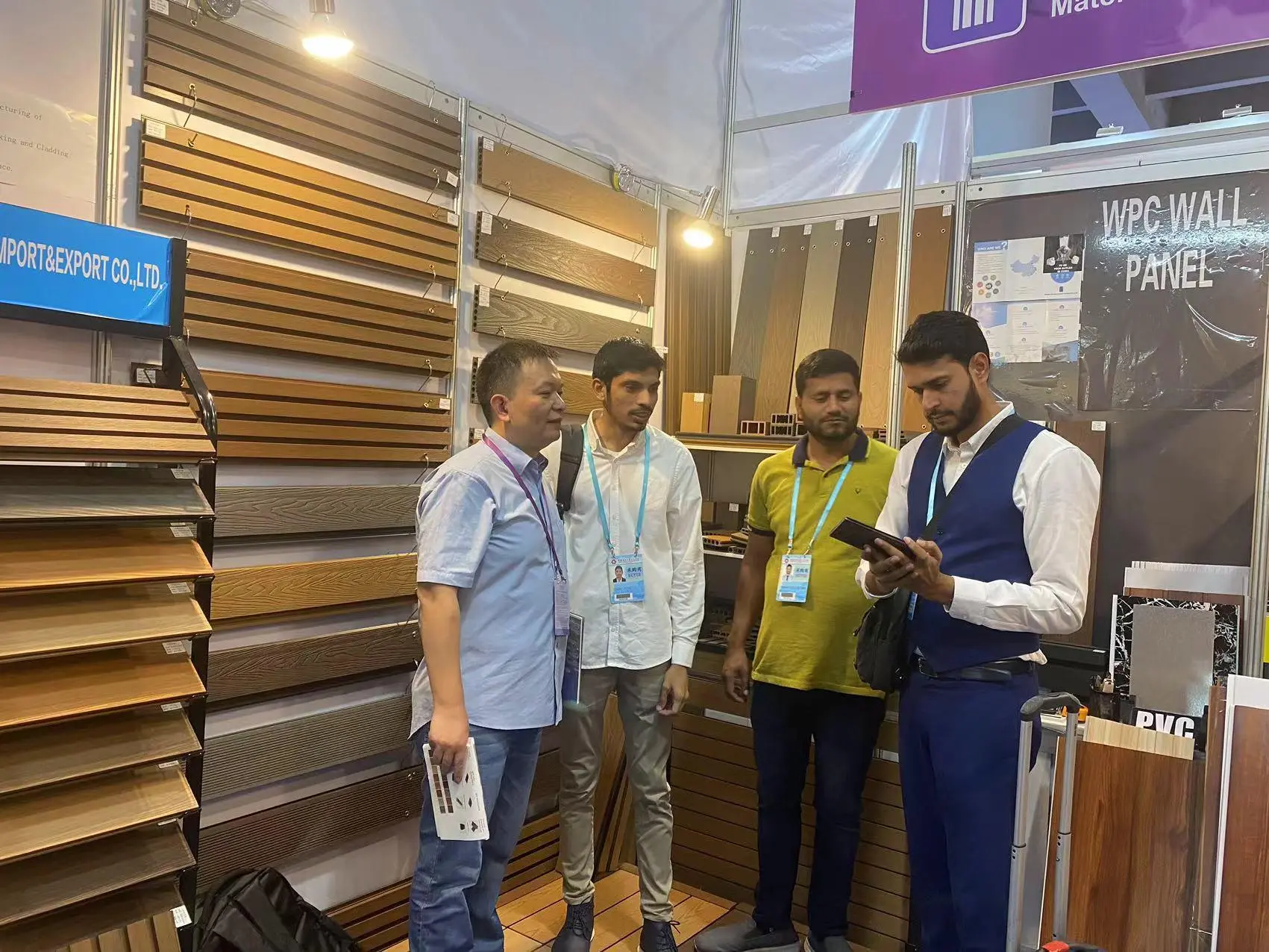
As a leading China WPC Factory, Ningbo Yida offers unique advantages to global wholesalers and contractors:
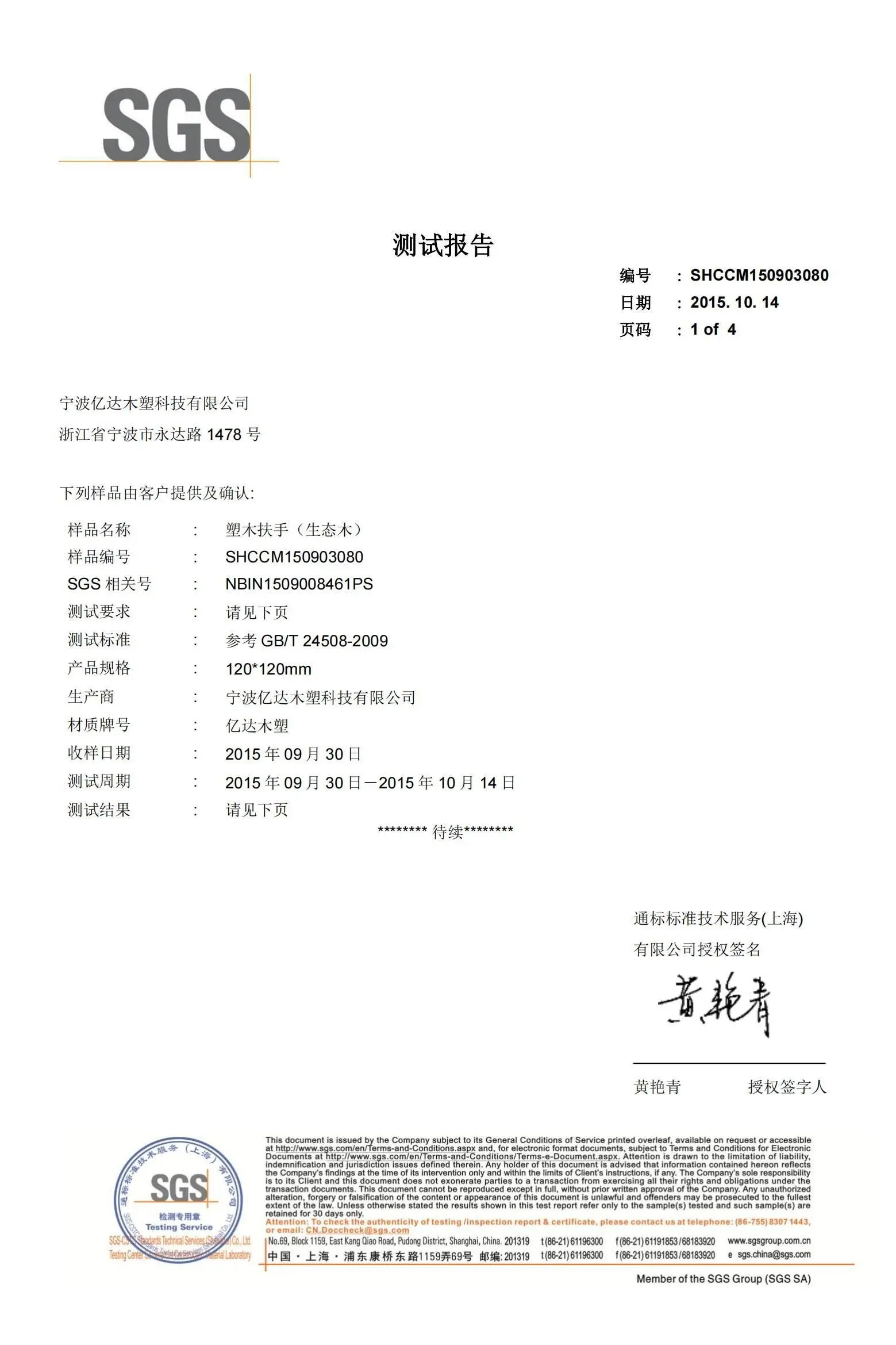
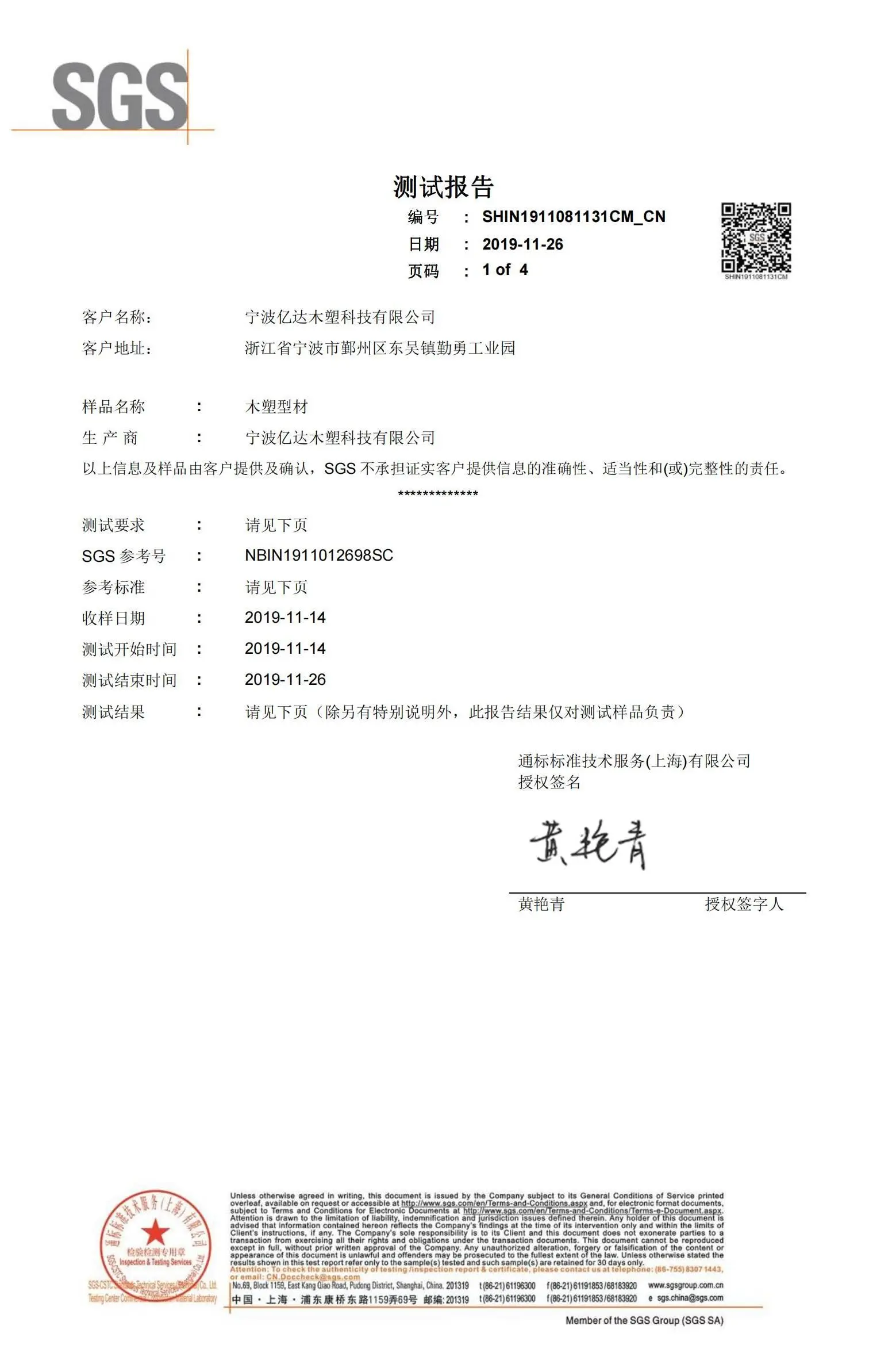
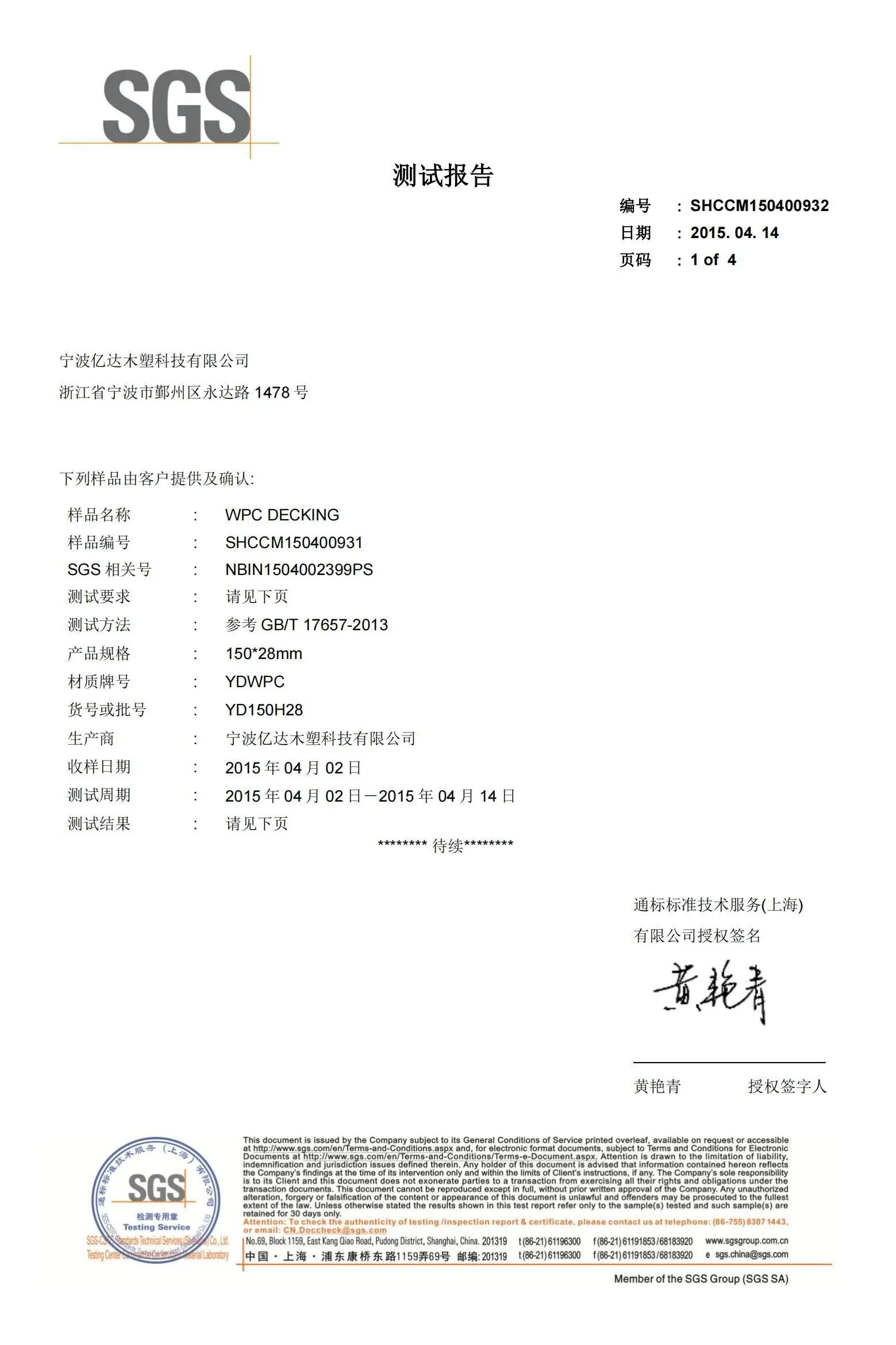
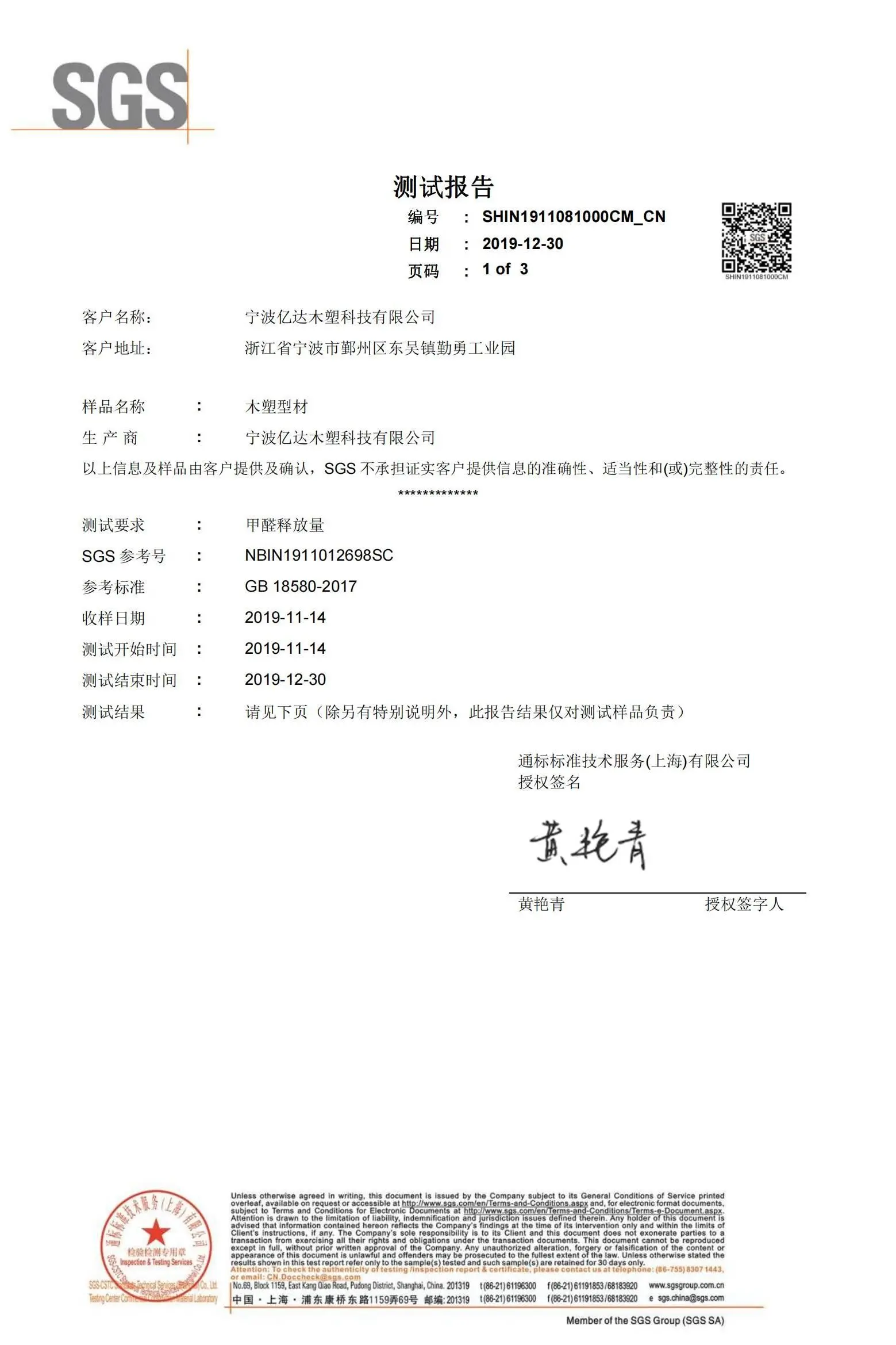
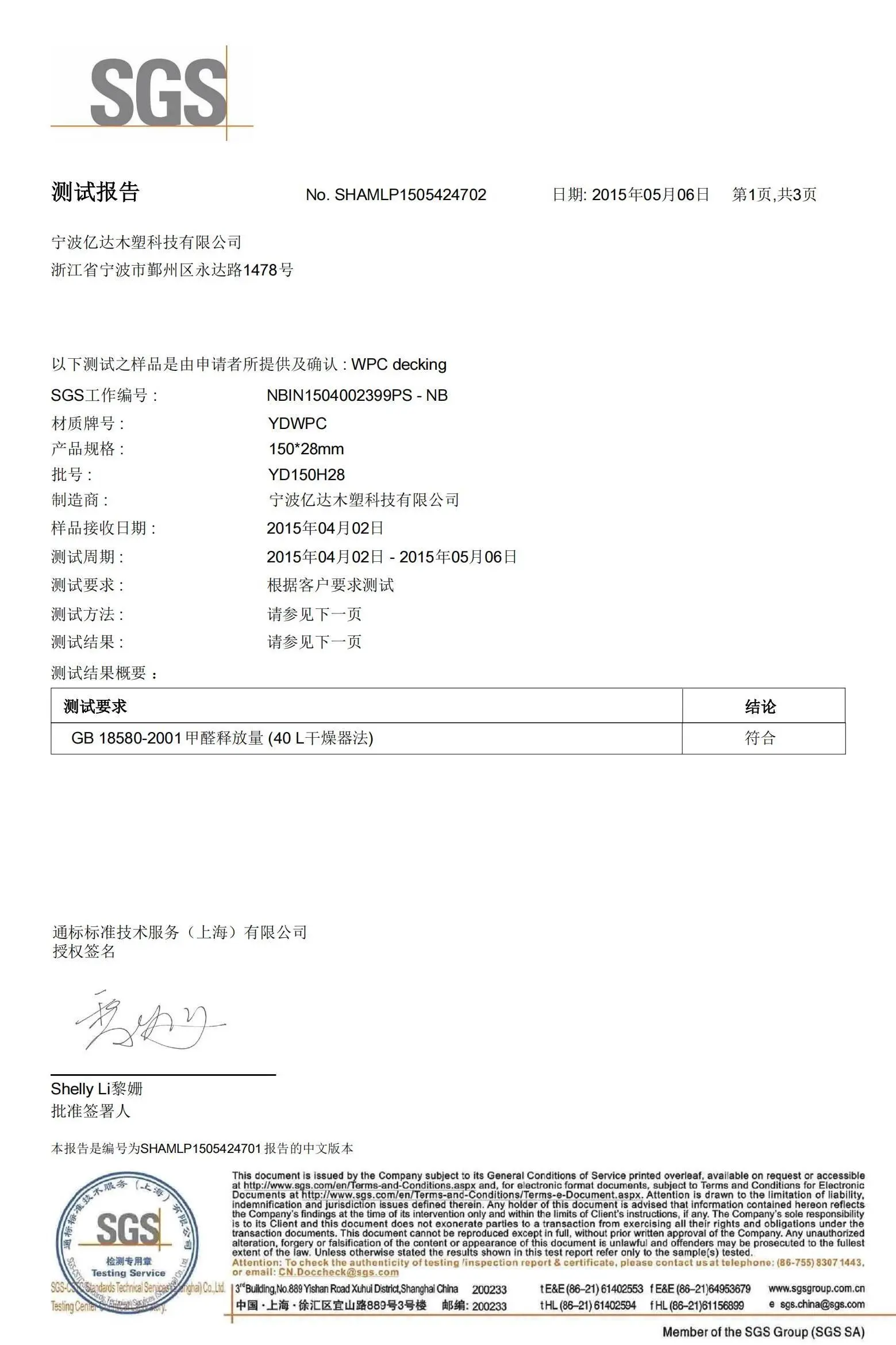
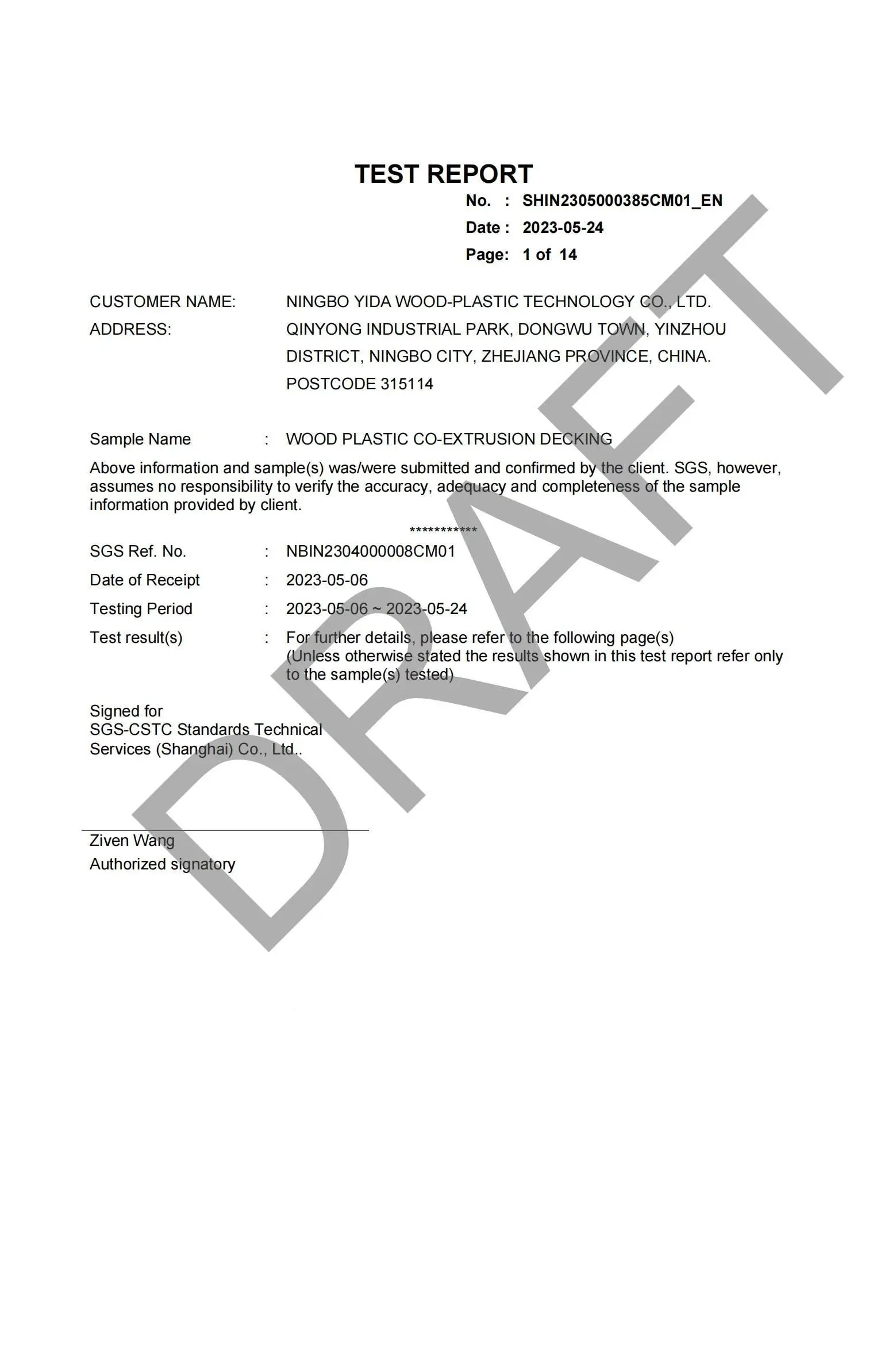
A: WPC stands for Wood Plastic Composite. It is an innovative material made from a blend of recycled wood fibers/flour and thermoplastics (like PE). This creates a product that has the natural beauty of wood with enhanced durability and minimal maintenance.
A: Yes. Our WPC products are considered eco-friendly because they are primarily made from recycled materials—reclaimed wood waste and recycled plastics. This reduces landfill waste and the need for virgin timber.
A: WPC is highly resistant to moisture, rot, and decay, making it ideal for rainy and humid climates. It is also resistant to freezing and thawing cycles, so it won't crack or splinter in frosty conditions.
A: No. Unlike natural wood, WPC products never require sanding, staining, or sealing. Their color is consistent throughout the material and is designed to last for years with minimal fading.
A: While both are low-maintenance, WPC contains a significant amount of wood fiber, giving it a more authentic, textured look and feel closer to real wood. Pure plastic decking often has a synthetic appearance.
A: Yes. You can use standard woodworking tools (saws, drills) to cut and shape WPC. We recommend using carbide-tipped blades for the cleanest cut.
Our experts are happy to help you with your project. Whether it's a large-scale municipal development or a custom residential design, Yida Wood Plastic Composite is your trusted partner.
Contact Our Experts Today Yida Wood