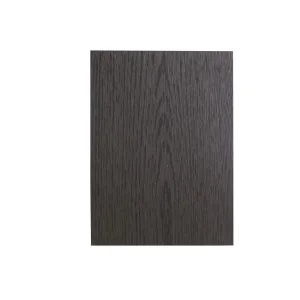
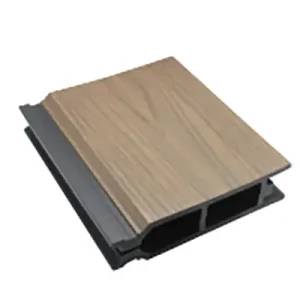
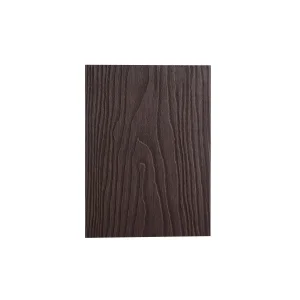
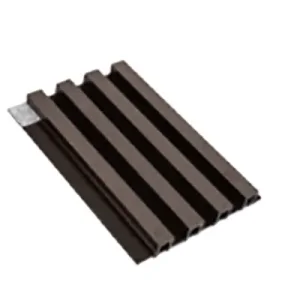
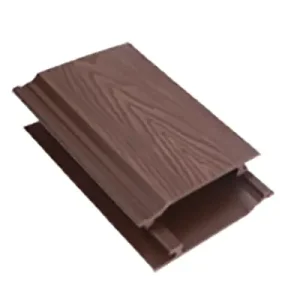
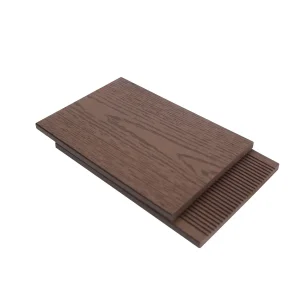
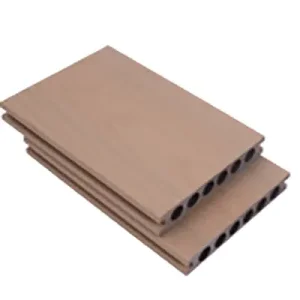
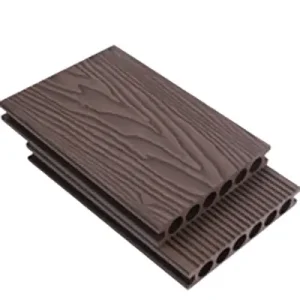
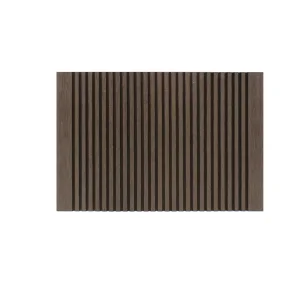
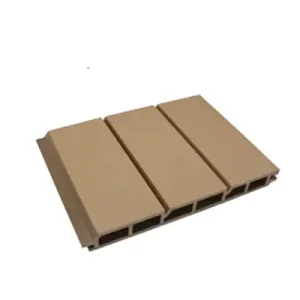
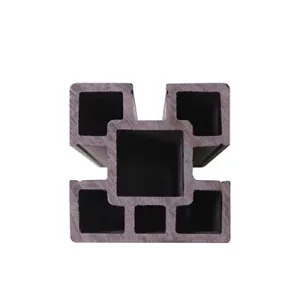
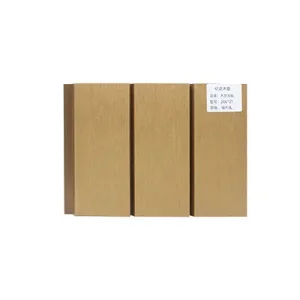
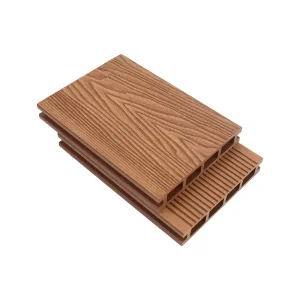
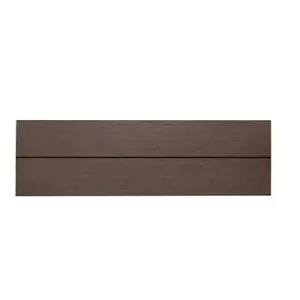
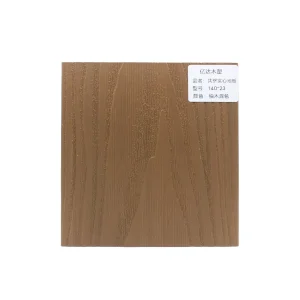
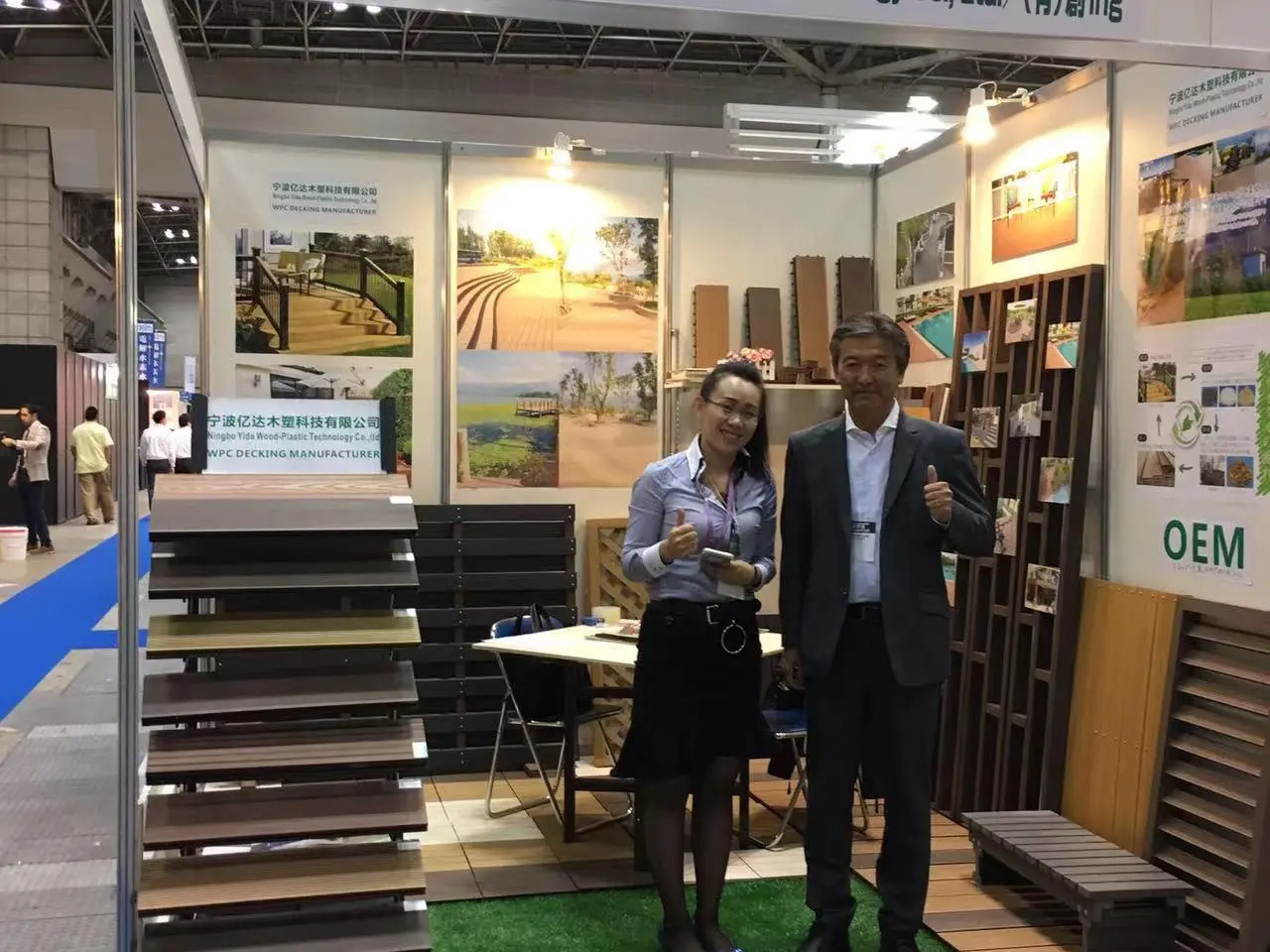
Ningbo Yida Wood Plastic Technology Co., Ltd. is proud to introduce our innovative wood plastic composite material that combines the natural beauty of wood with the durability of plastic profiles. With nearly ten years of R&D, production and sales experience, we have become a leading manufacturer and supplier of new wood-plastic composite materials.
Our Yida brand wood-plastic composite materials have excellent properties such as waterproof, moisture-proof, mildew-proof, insect-proof, black-proof, and crack-proof. This makes it ideal for a variety of applications, including outdoor architectural design, landscaping and municipal engineering projects. As an environmentally friendly material, it is in line with the country’s strong encouragement of sustainable development.

The global Wood Plastic Composite (WPC) market is witnessing unprecedented growth, driven by the construction industry's shift toward sustainable materials. Valued at billions of dollars, the industry is projected to grow at a CAGR of over 10% through 2030. Key regions like North America and Europe are leading the demand for eco-friendly decking and cladding solutions.
Modern WPC technology has evolved from basic mixtures to high-tech 3D embossing and co-extrusion processes. These innovations provide a realistic wood grain texture while adding a protective "cap" layer that enhances UV resistance and prevents fading, making it the preferred choice for high-end commercial projects.
As global regulations on timber logging tighten, WPC serves as the ultimate alternative. By utilizing recycled wood fibers and reclaimed plastics, the industry contributes to the circular economy, reducing landfill waste and preserving natural forests while offering a product that lasts 2-3 times longer than traditional timber.

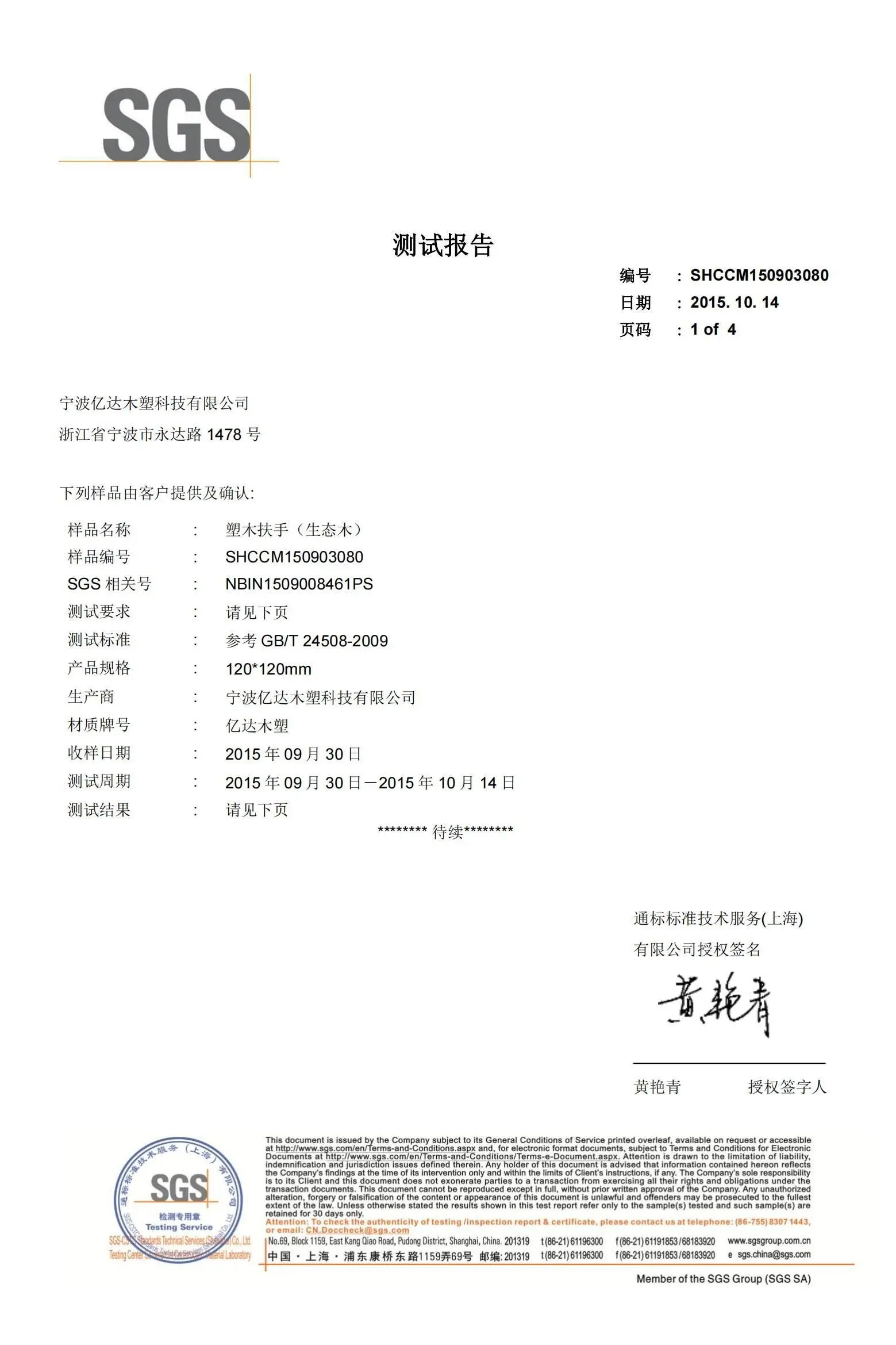
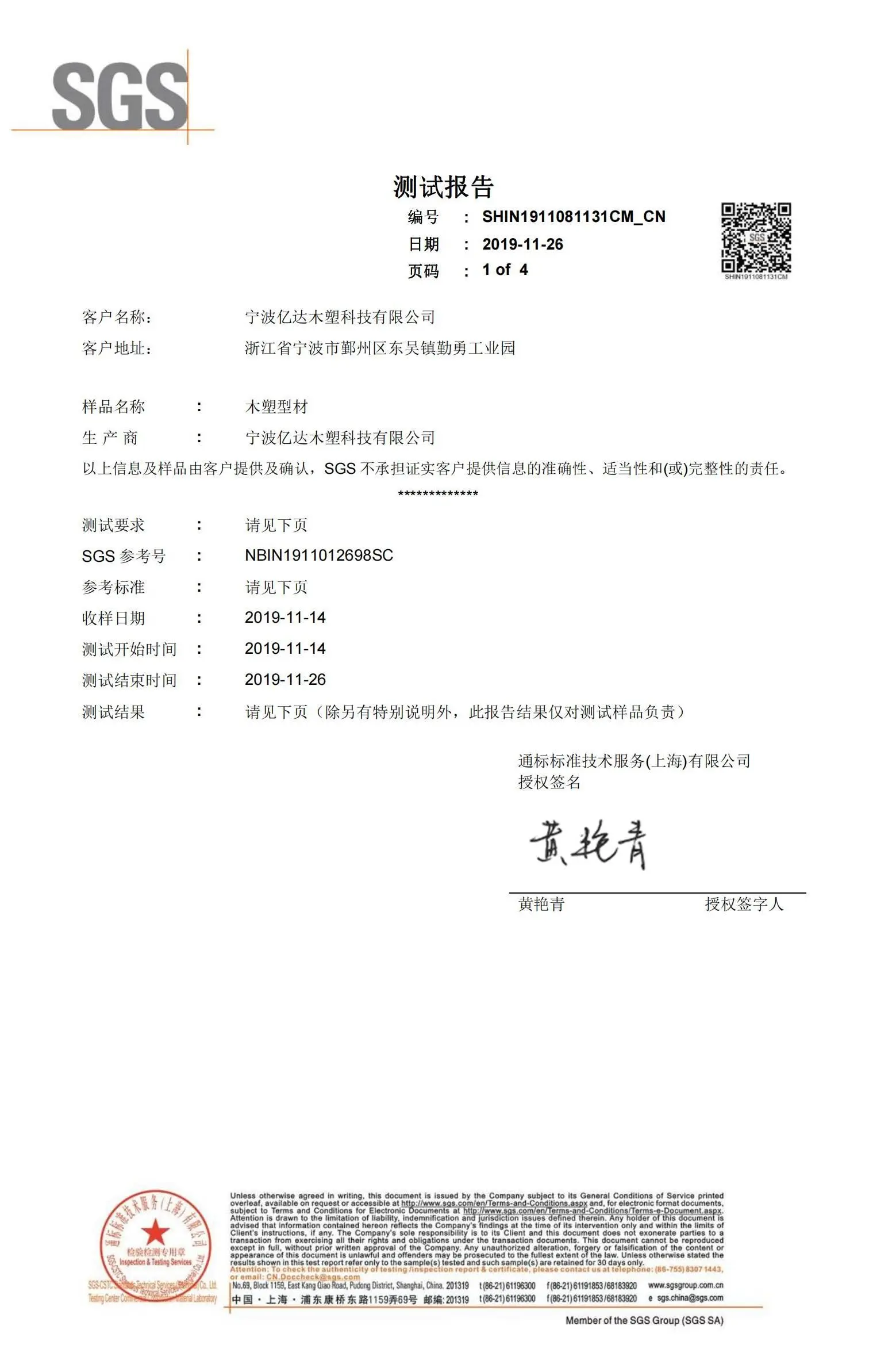
Global procurement managers are increasingly looking for suppliers that offer the "Triple Threat": Quality, Capacity, and Cost-Effectiveness. As a premier Chinese WPC factory, Ningbo Yida provides:
Due to its superior moisture resistance, our WPC is widely used for boardwalks, docks, and pool surrounds in humid coastal regions where traditional wood would rot within years.
We have established dedicated service teams to support educational and medical institutions. Our slip-resistant and splinter-free surfaces make it safe for schools and hospitals.
From park benches to decorative wall cladding in modern smart cities, our WPC products provide a futuristic aesthetic combined with low-maintenance durability.
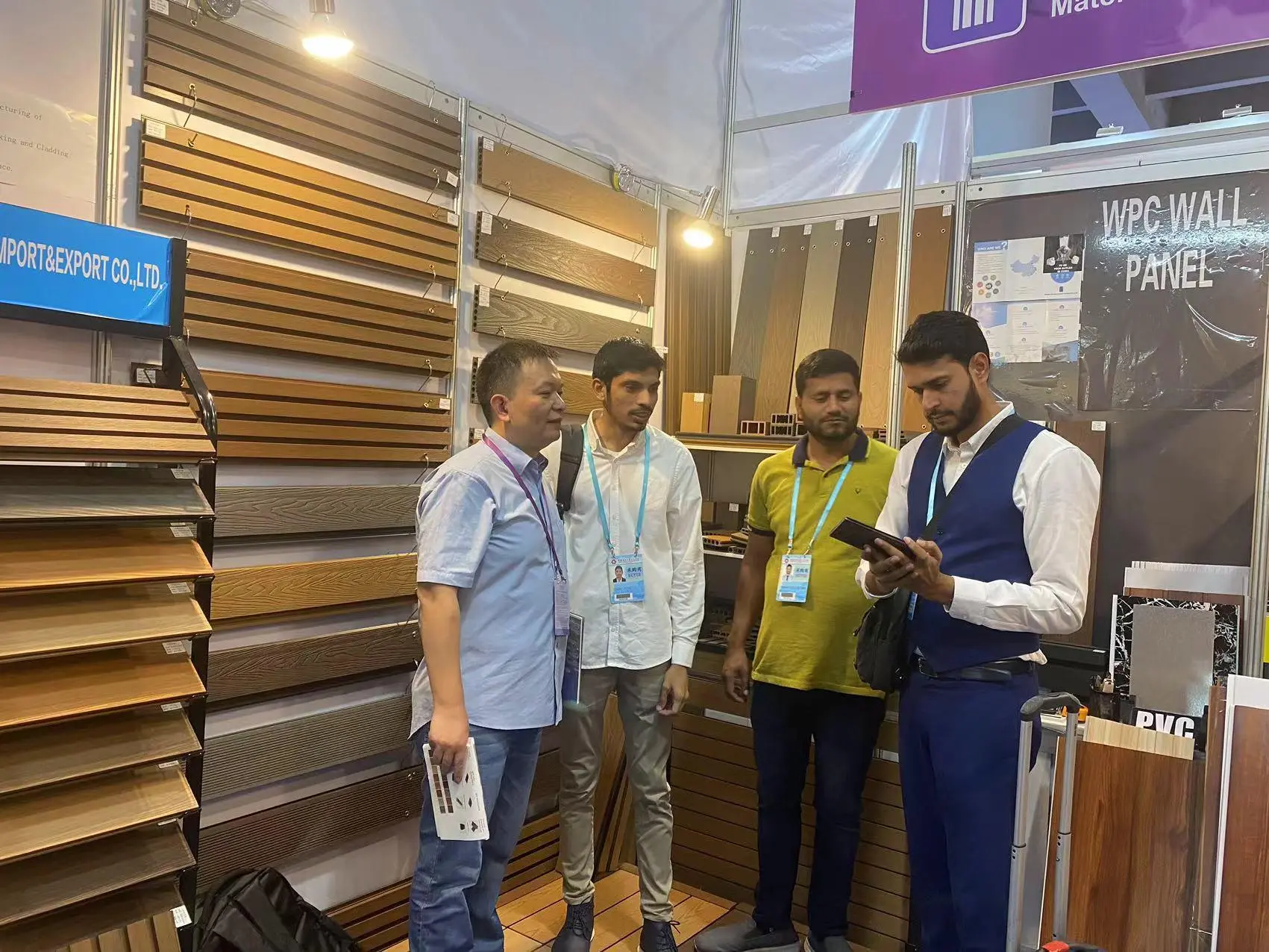
At Ningbo Yida, we have invested in advanced production technology and established a professional team dedicated to product research and development, manufacturing, sales, after-sales service and construction. This ensures that our wood plastic composites meet the highest quality and performance standards. In addition to servicing commercial and residential projects, we have established dedicated service teams to support educational and medical institutions across the country.
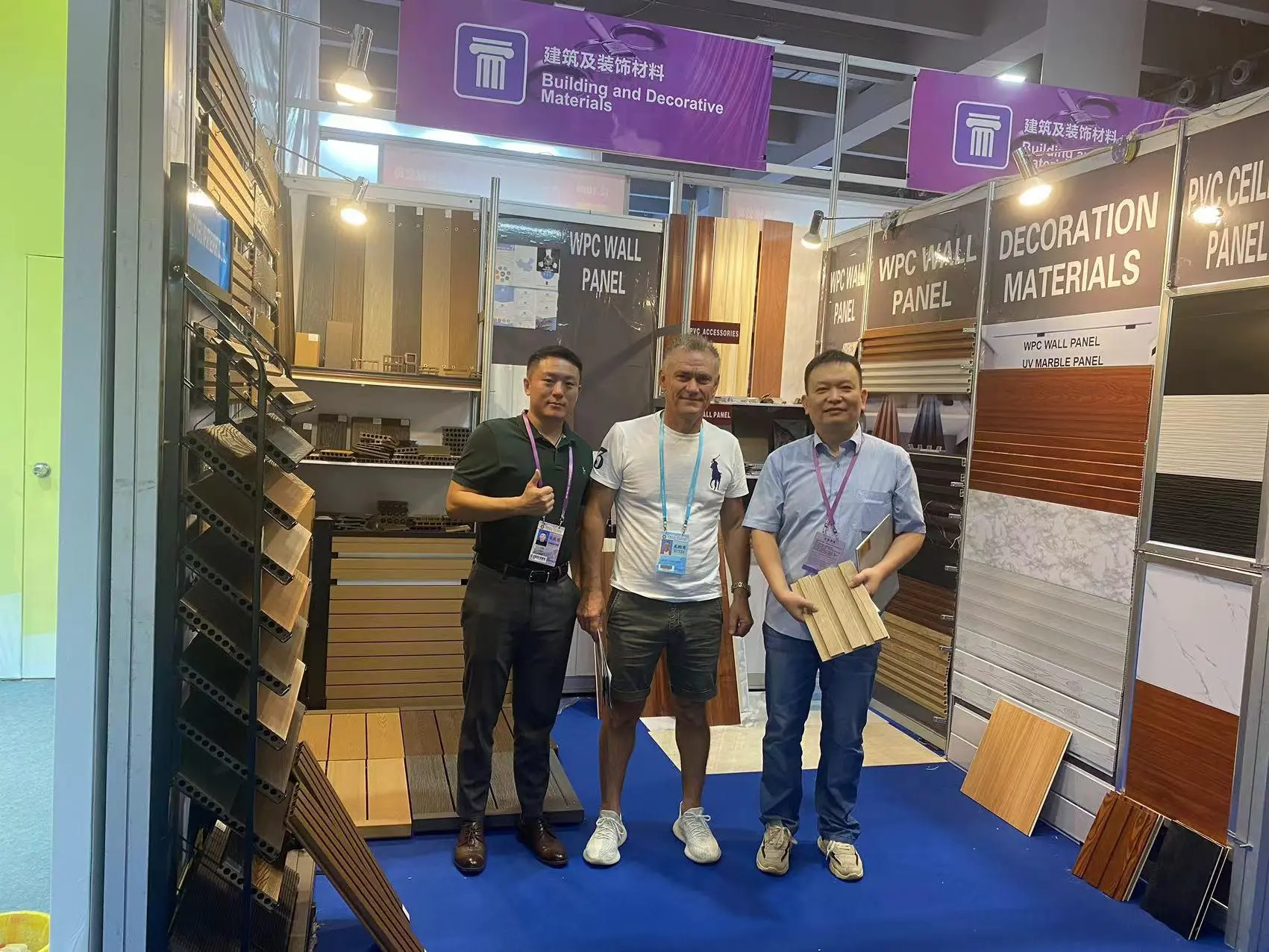

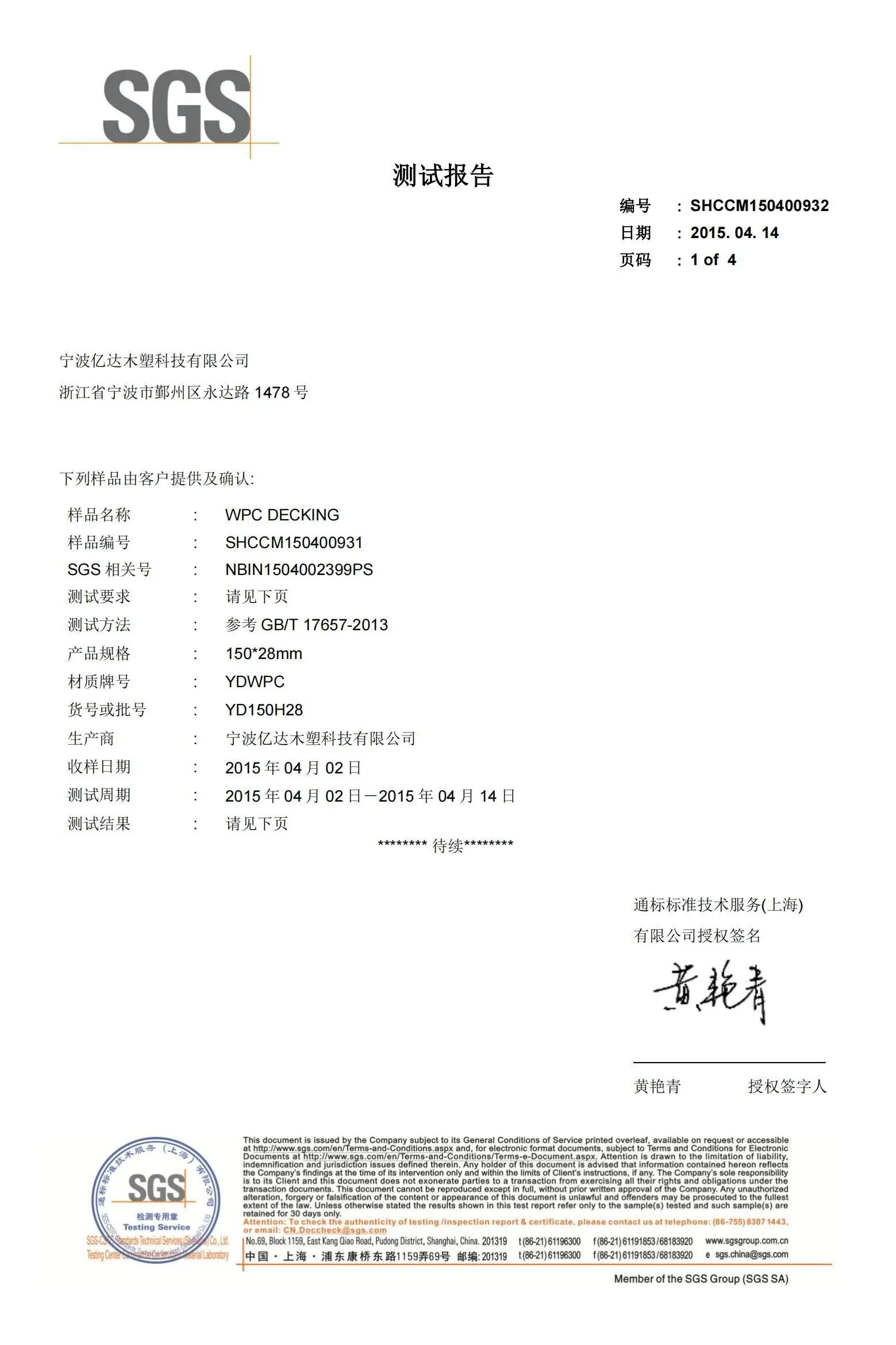
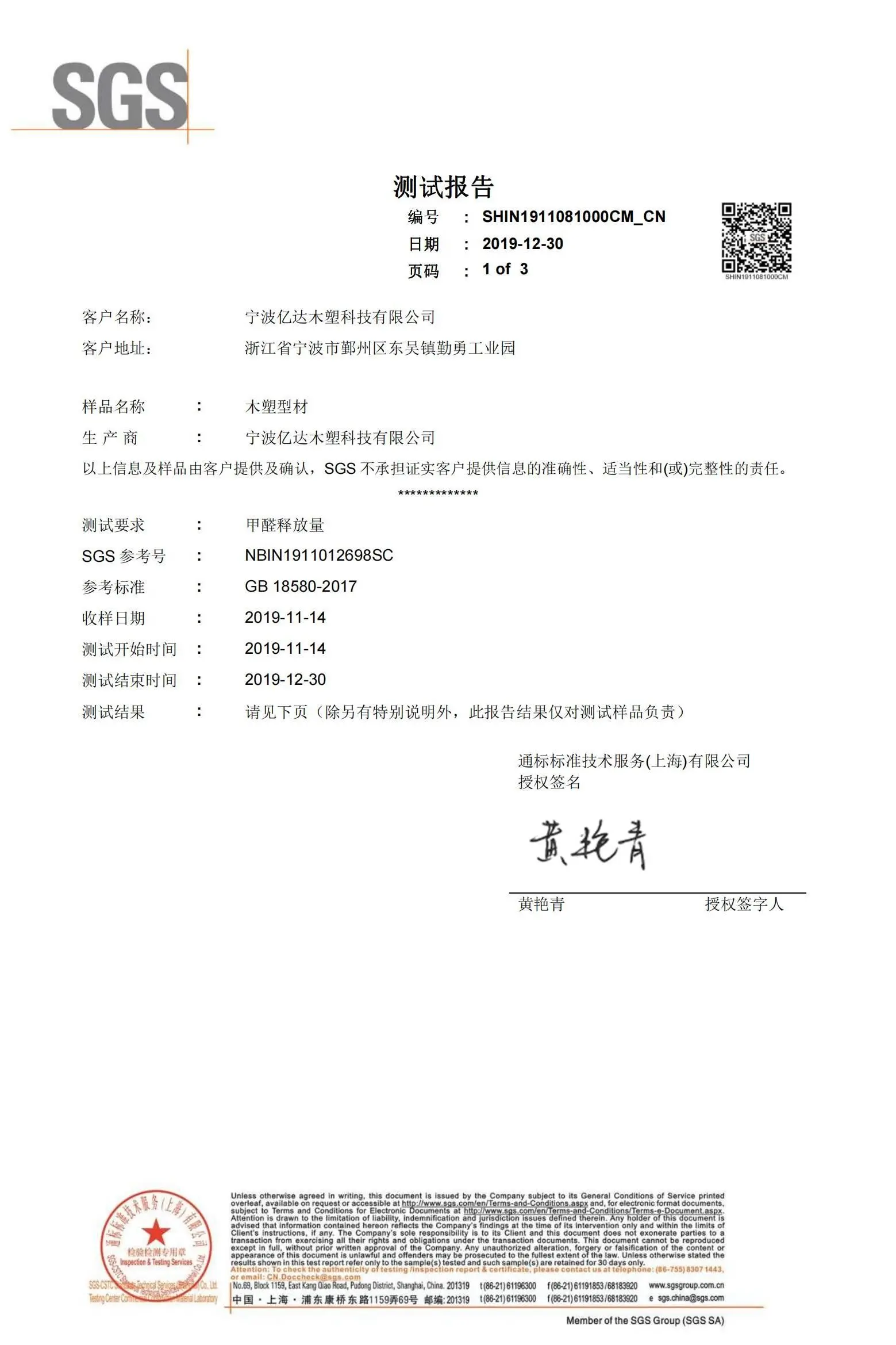
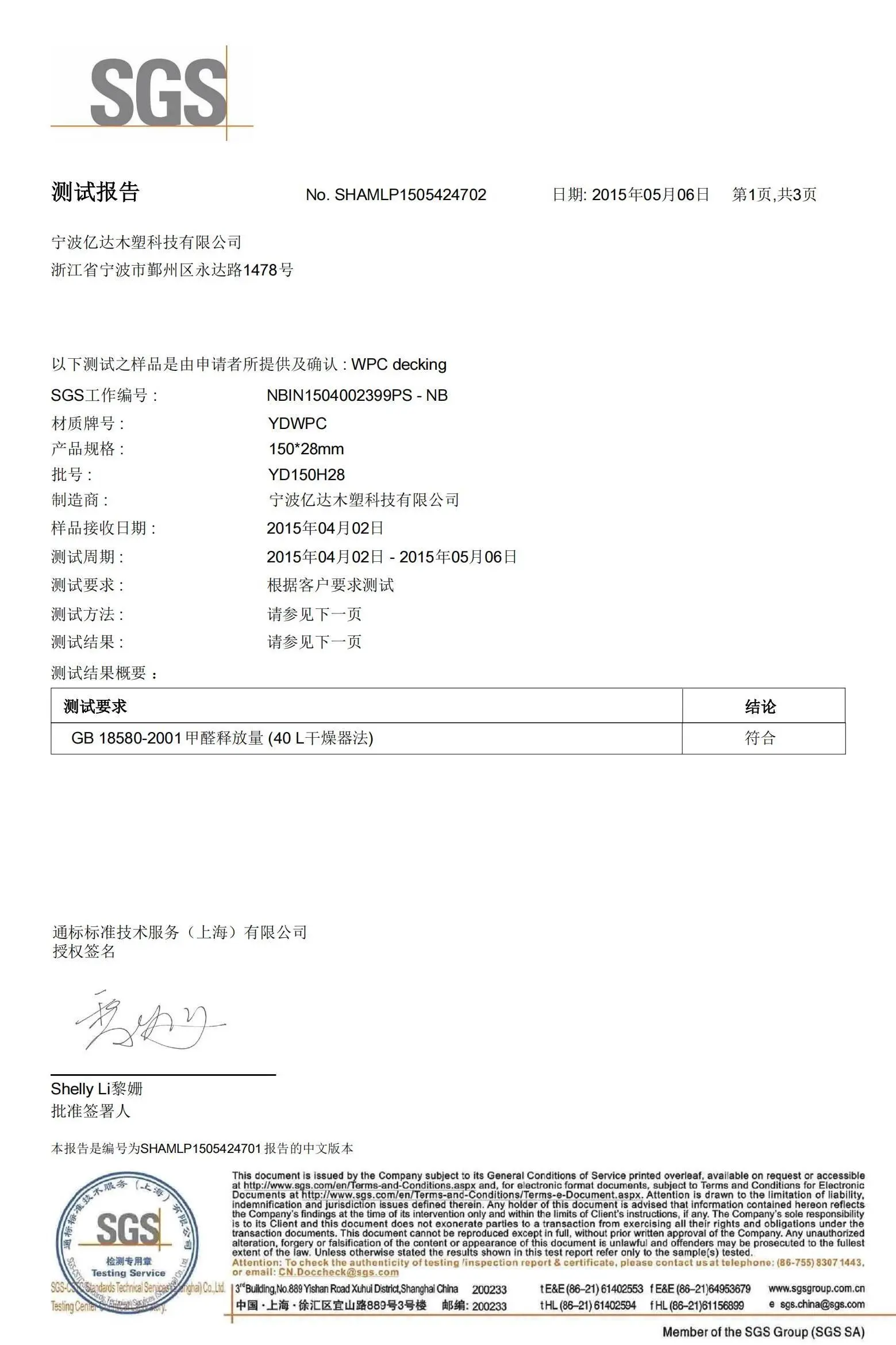
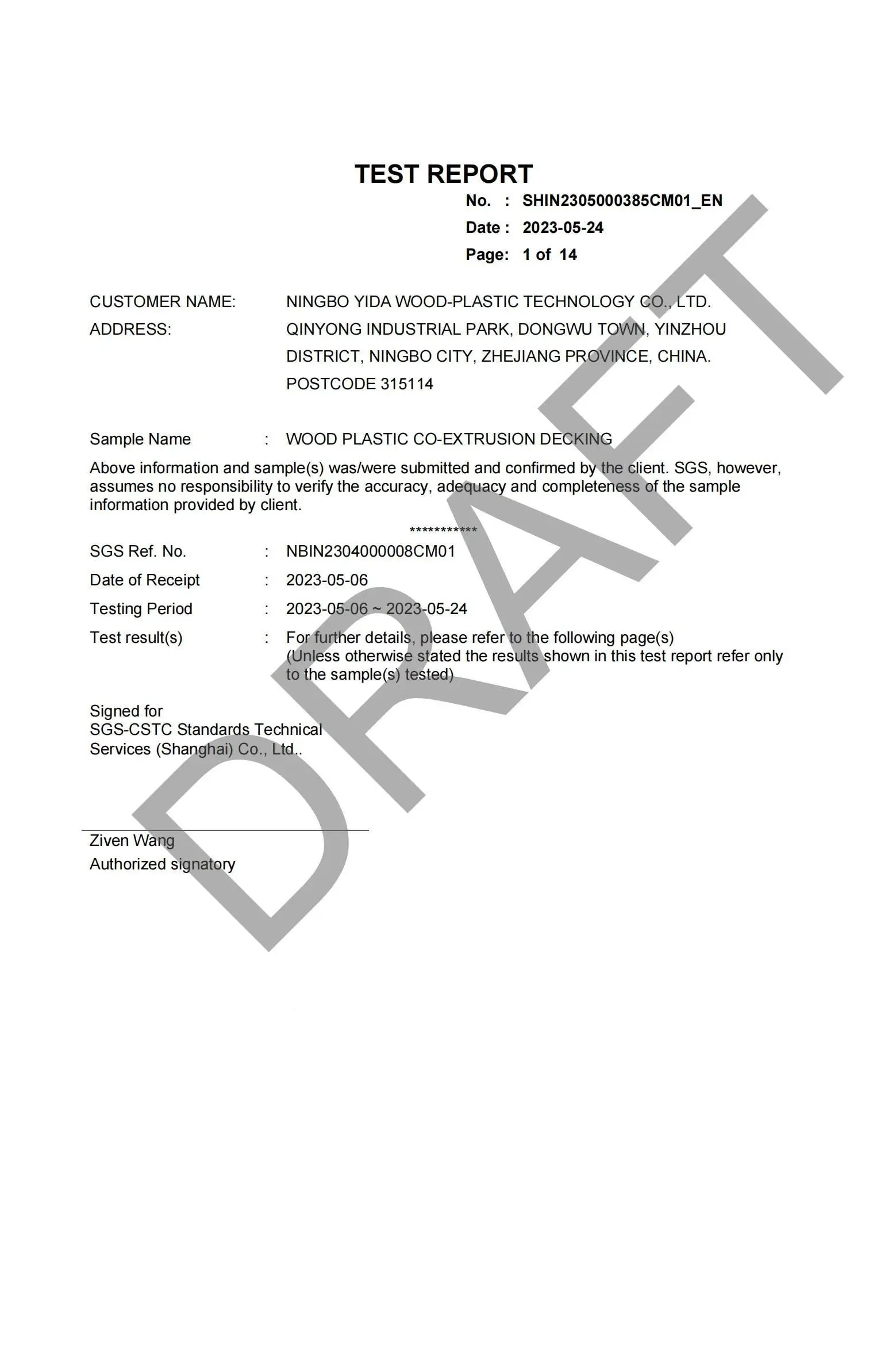
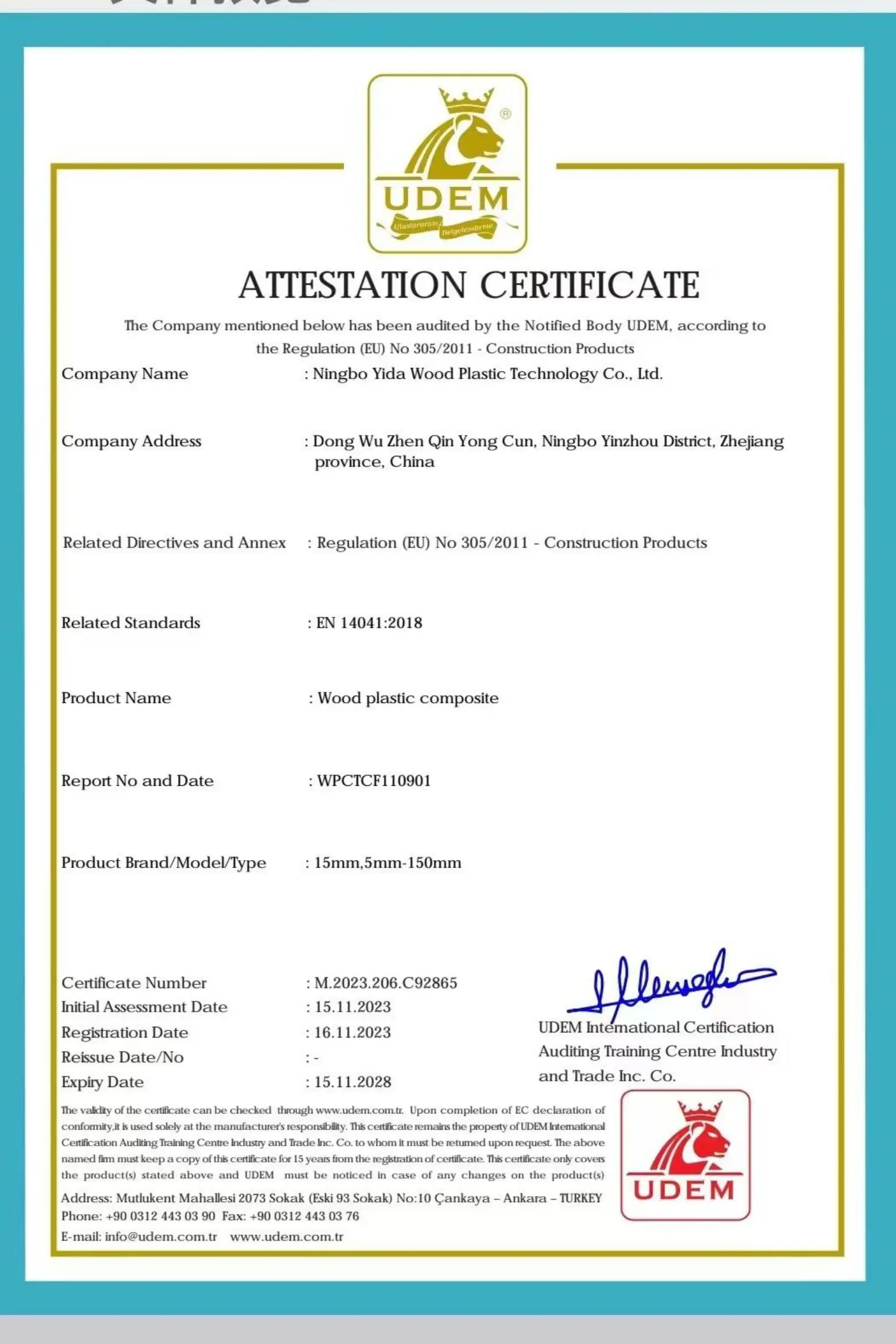
WPC stands for Wood Plastic Composite. It is an innovative material made from a blend of recycled wood fibers/flour and thermoplastics (like PE). This creates a product that has the natural beauty of wood with enhanced durability and minimal maintenance.
Yes. Our WPC products are considered eco-friendly because they are primarily made from recycled materials—reclaimed wood waste and recycled plastics. This reduces landfill waste and the need for virgin timber.
Yes. Our WPC decking and fencing profiles are designed with textured surfaces that provide excellent slip resistance, even when wet. This makes them a safer choice for areas around pools, patios, and walkways.
WPC is highly resistant to moisture, rot, and decay, making it ideal for rainy and humid climates. It is also resistant to freezing and thawing cycles, so it won't crack or splinter in frosty conditions.
Our WPC products are engineered for long-life performance. They typically come with warranties ranging from 10 to 25 years against fading, staining, and structural defects, depending on the product line.
Yes. You can use standard woodworking tools (saws, drills) to cut and shape WPC. We recommend using carbide-tipped blades for the cleanest cut.
 Yida Wood