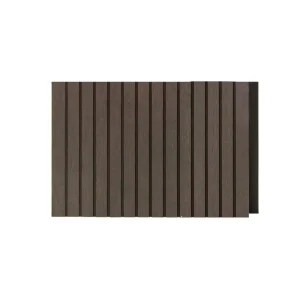
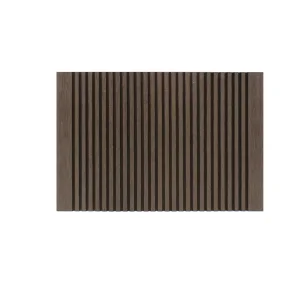
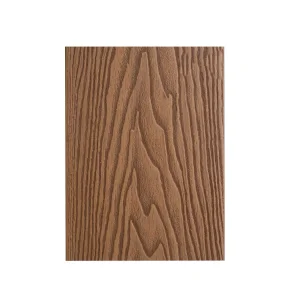
Navigating the evolving landscape of sustainable composite materials in global architectures.
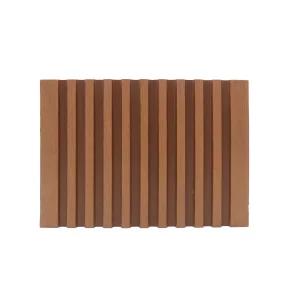
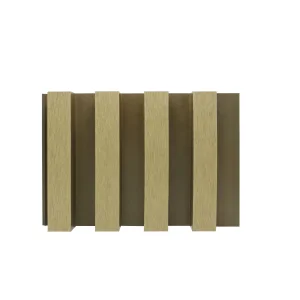
Global architectural standards are pivoting aggressively toward zero-carbon and low-VOC composites. Modern WPC panels act as physical carbon-sinks, utilizing up to 90% reclaimed materials, including recycled hardwood fibers and agricultural wastes, paired with high-performance post-consumer polymers.
The transition from first-generation mono-extrusions to advanced dual-capped co-extrusion technology represents a massive technological shift. A highly engineered shielding layer safeguards the composite core from UV degradation, moisture ingress, microbial spores, and physical scratching.
Next-generation WPC interior cladding relies heavily on advanced non-halogenated flame retardants. Major construction codes in Europe (EN 13501-1 Class B-s1, d0) and North America require composite panels to exhibit minimal flame spread and exceptionally low smoke densities.
Commercial developers, contractors, and hospitality design firms look far beyond basic cost-per-square-meter pricing.
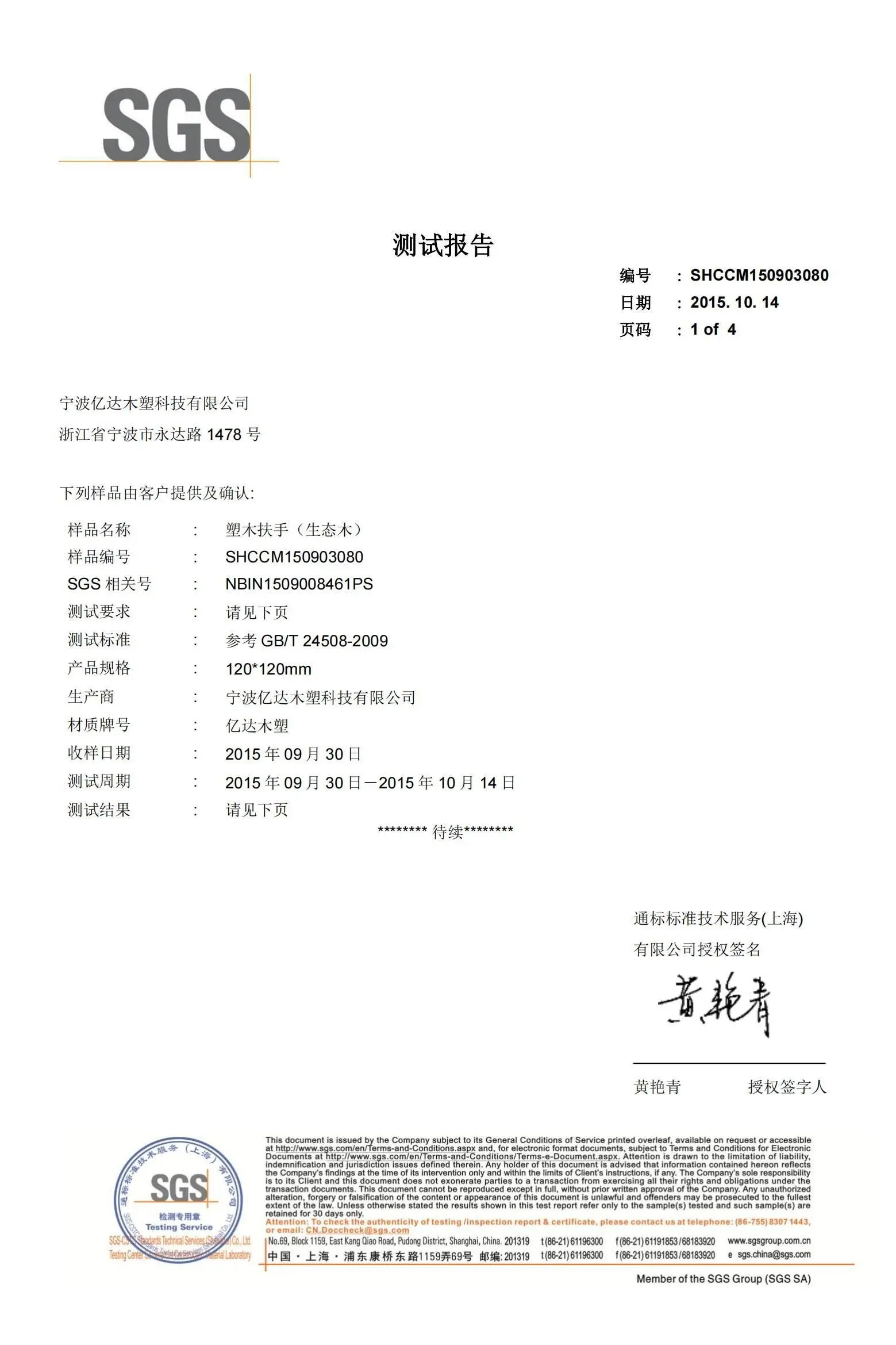
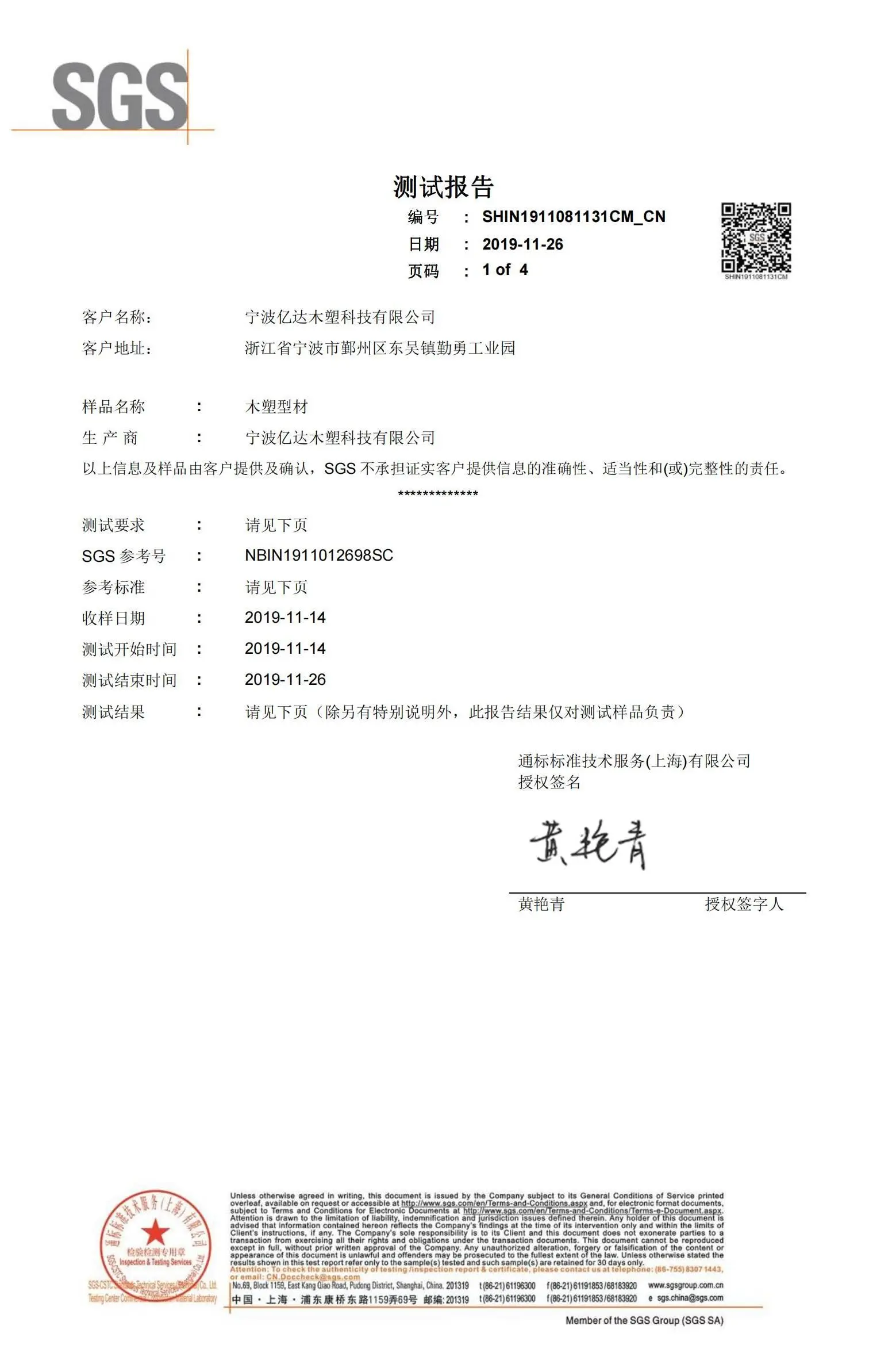
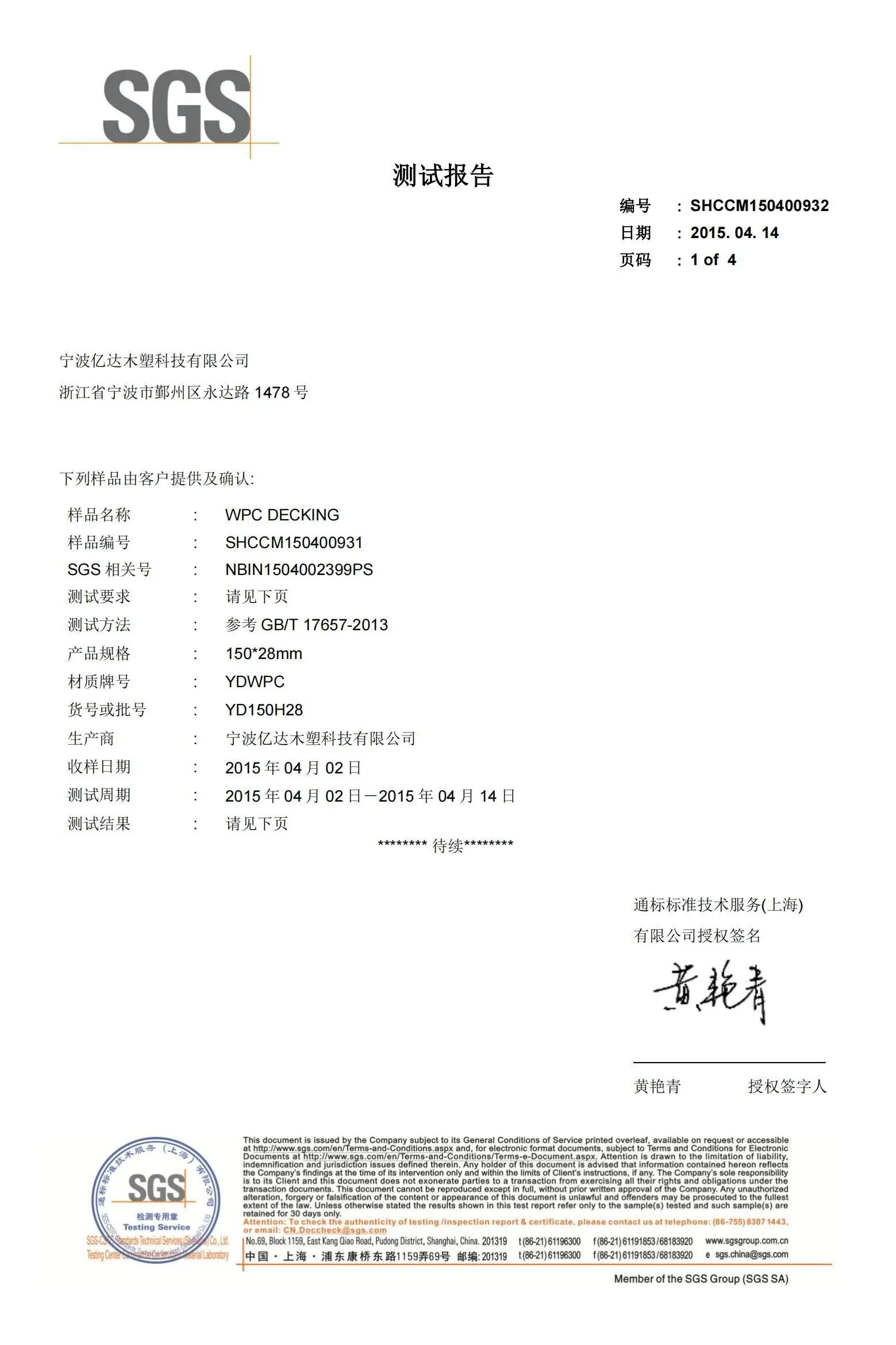
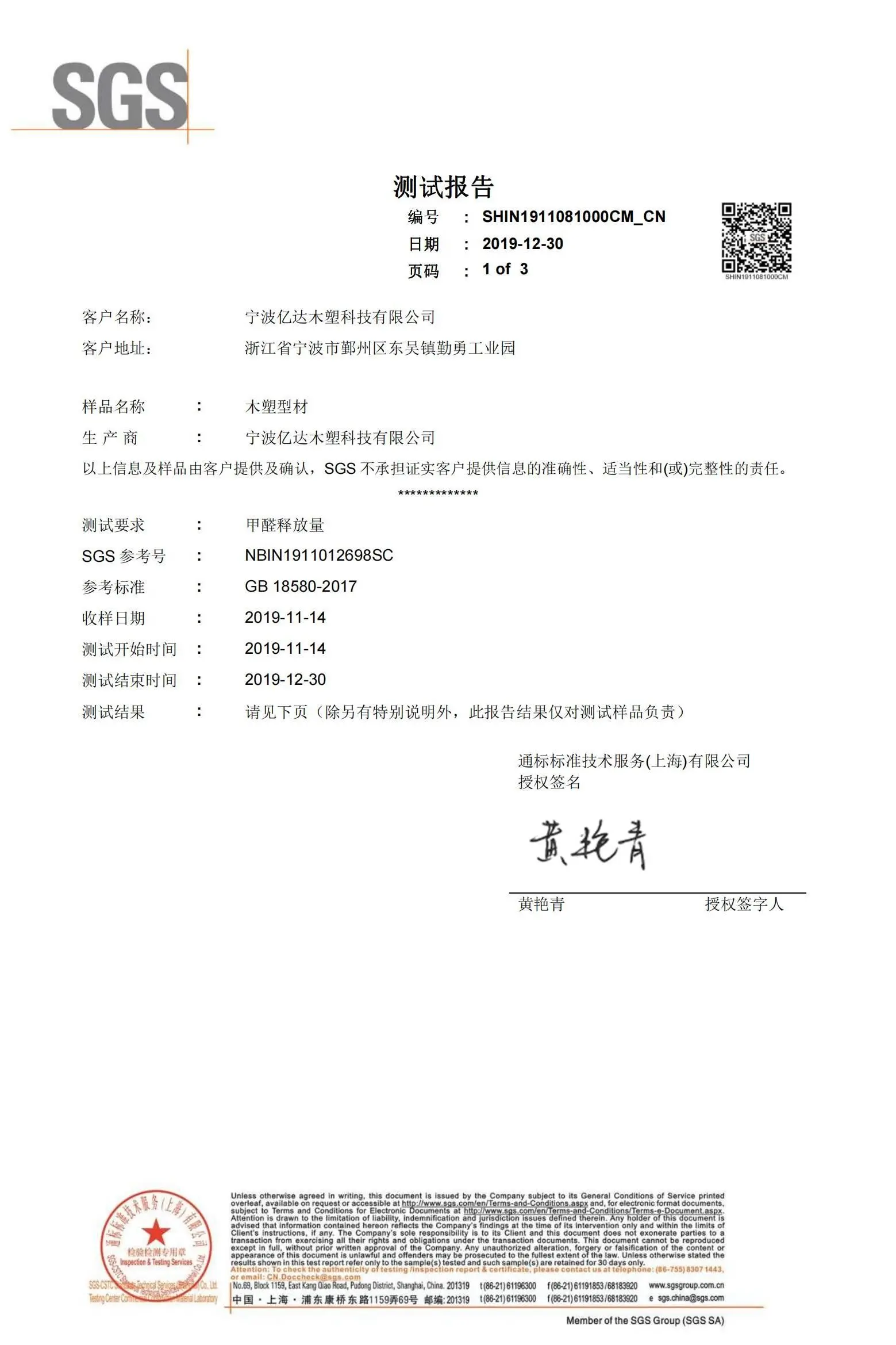
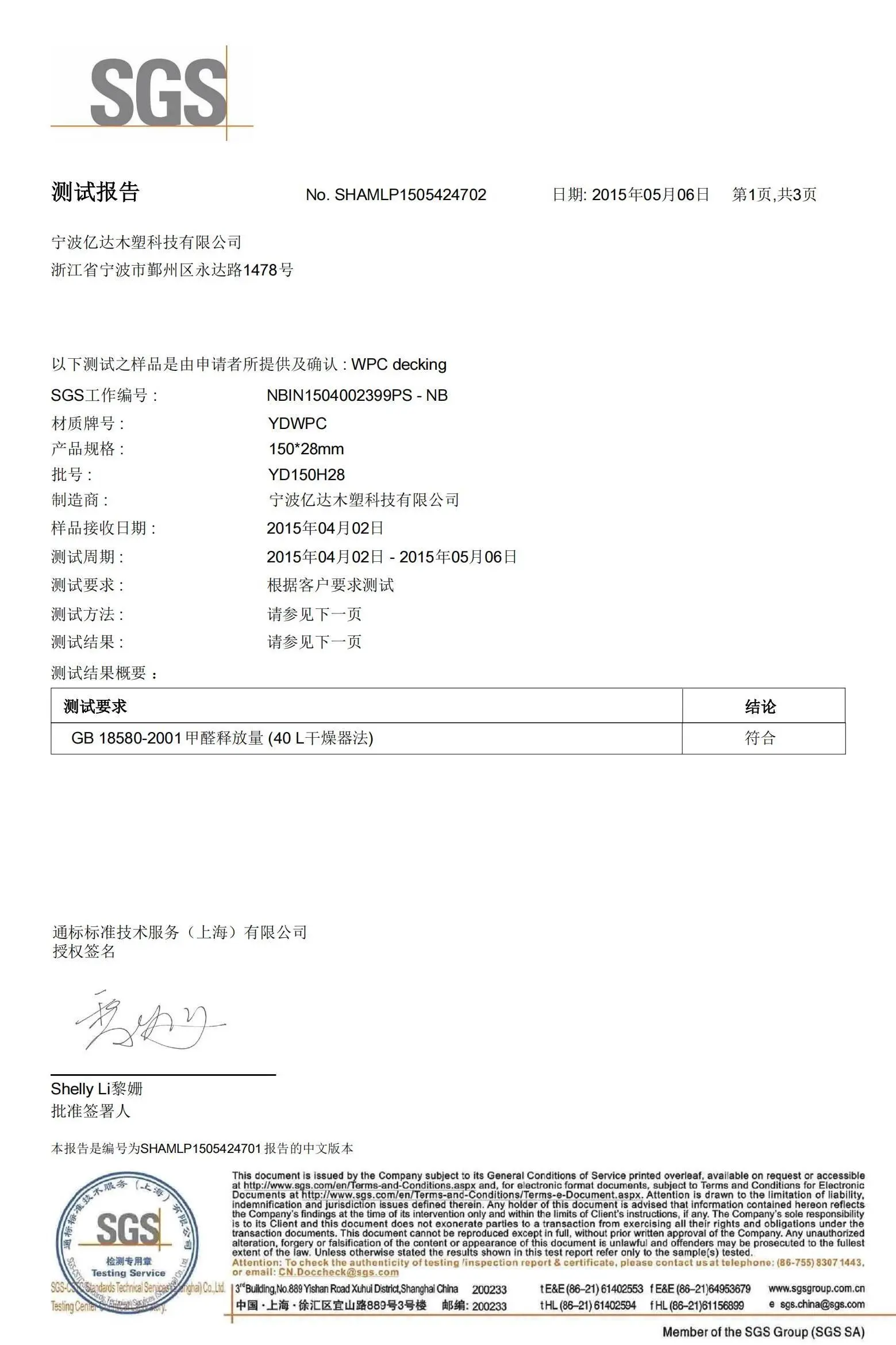
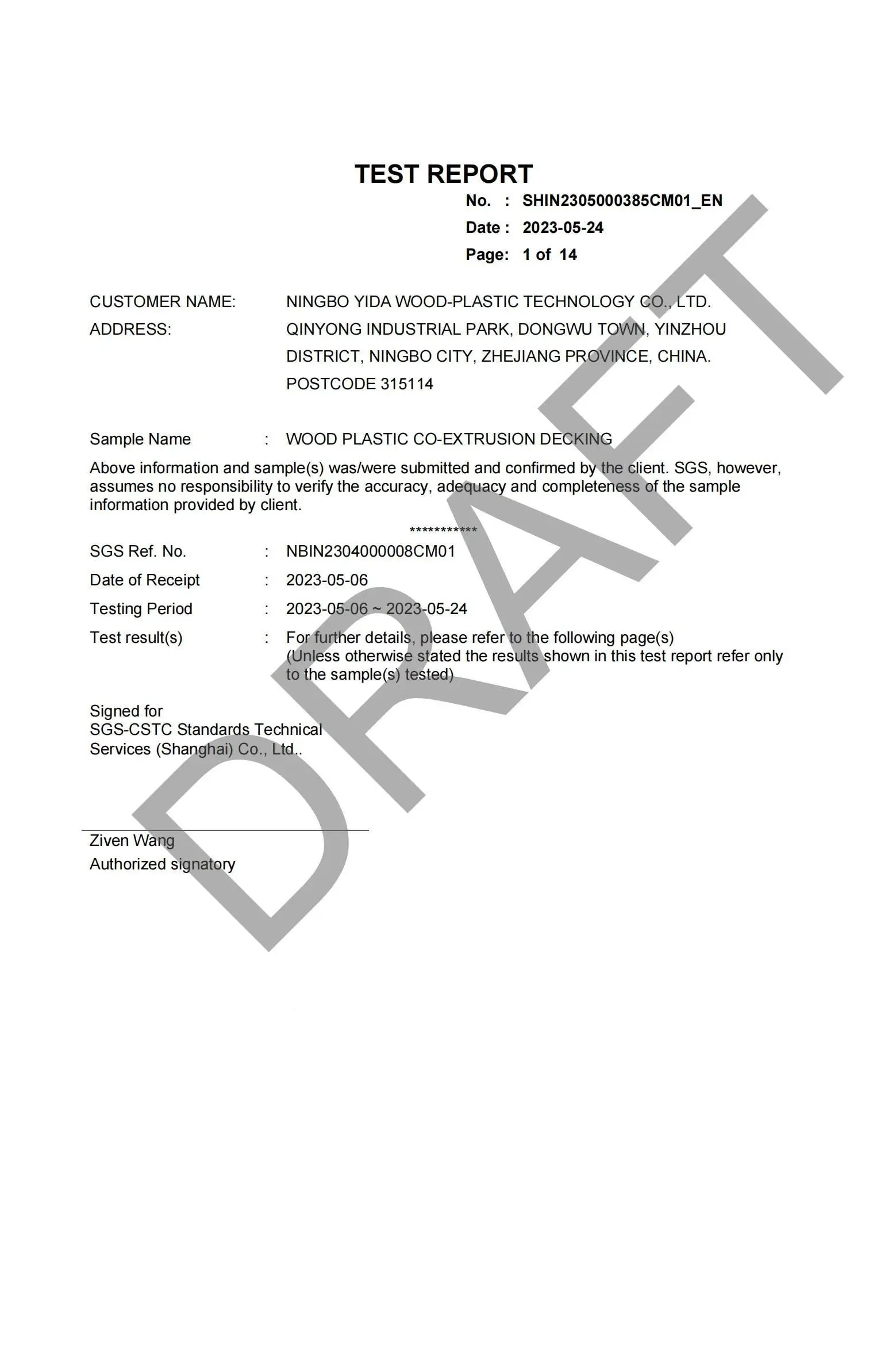
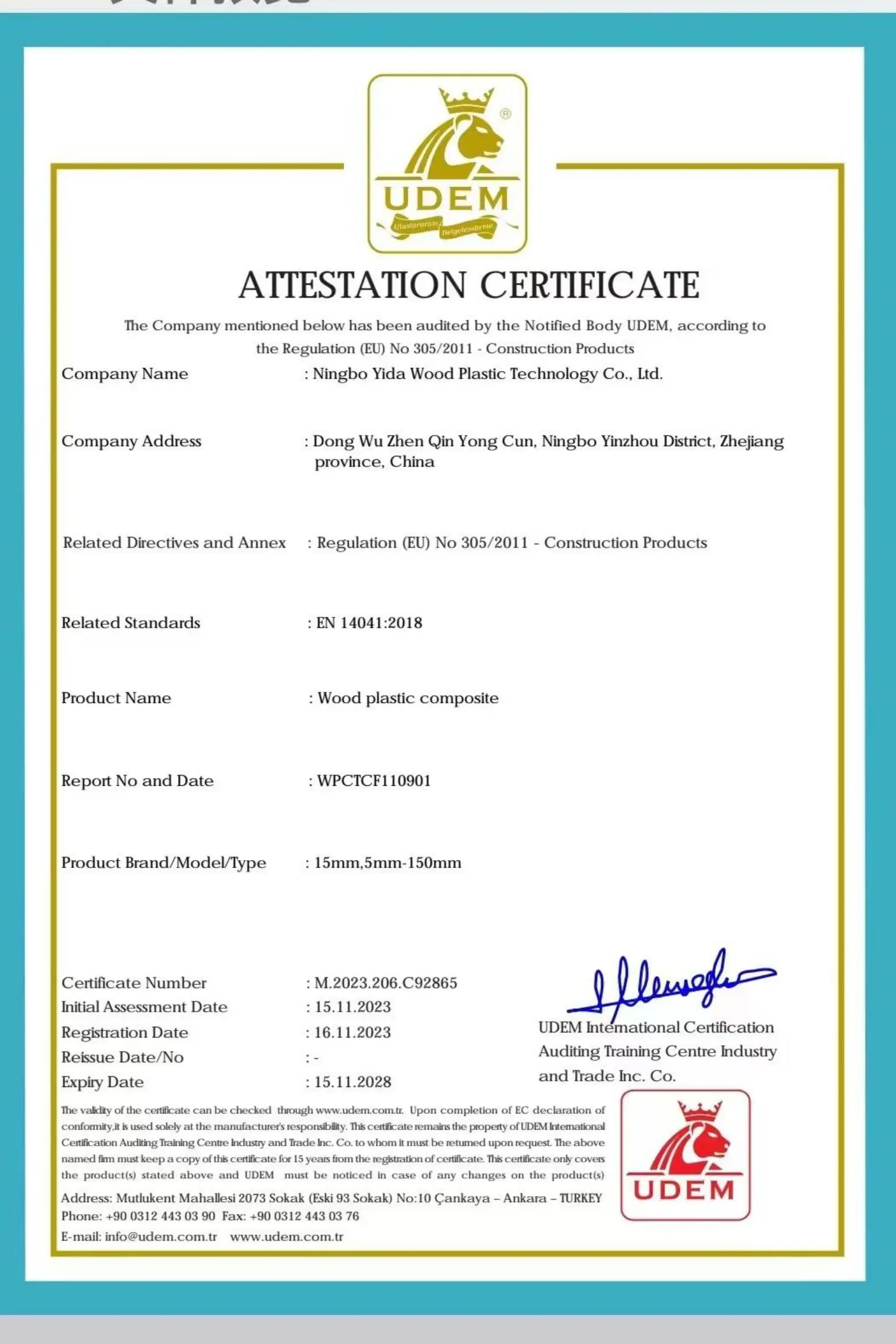
Large-scale construction programs mandate extensive certification. Suppliers must supply verifiable test data verifying VOC emission levels (specifically targeting Formaldehyde emissions matching E0 ratings), CE marking validation, REACH compliance, and SGS raw material authentication. These data layers protect developers from long-term legal and environmental liabilities.
A major failure mode in high-density composite wall panel sourcing is variance in profile geometry and color consistency across production lots. To circumvent install issues, procurement teams require suppliers with precision extrusion calibration, PLC-controlled thermal profiles, and online colorimetric detection systems that guarantee exact color tolerance (ΔE < 0.5).
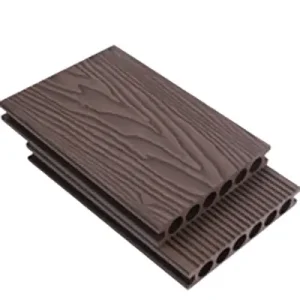
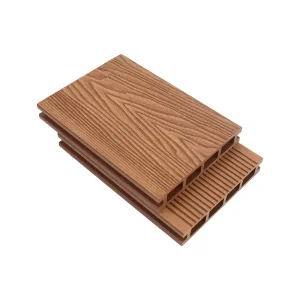
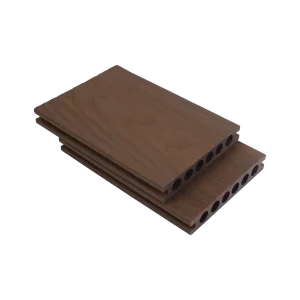
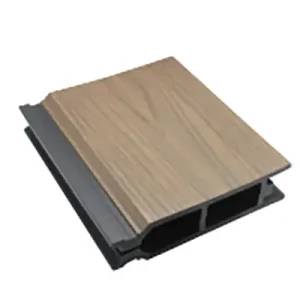
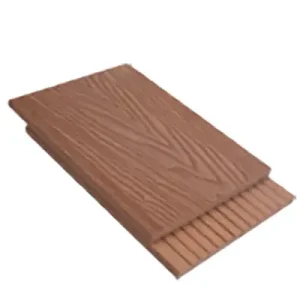
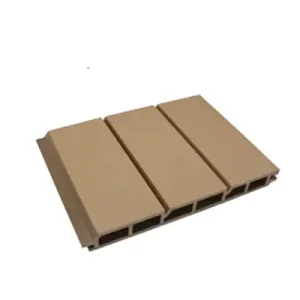
Ningbo Yida Wood Plastic Technology Co., Ltd. is proud to introduce our innovative wood plastic composite material that combines the natural beauty of wood with the durability of plastic profiles. With nearly ten years of R&D, production and sales experience, we have become a leading manufacturer and supplier of new wood-plastic composite materials.
Our Yida brand wood-plastic composite materials have excellent properties such as waterproof, moisture-proof, mildew-proof, insect-proof, black-proof, and crack-proof. This makes it ideal for a variety of applications, including outdoor architectural design, landscaping and municipal engineering projects. As an environmentally friendly material, it is in line with the country’s strong encouragement of sustainable development.
At Ningbo Yida, we have invested in advanced production technology and established a professional team dedicated to product research and development, manufacturing, sales, after-sales service and construction. This ensures that our wood plastic composites meet the highest quality and performance standards. In addition to servicing commercial and residential projects, we have established dedicated service teams to support educational and medical institutions across the country. Our commitment to providing professional services and construction to major universities and hospitals in the country reflects our commitment to contributing to important public infrastructure.
We are proud to have successfully completed numerous large-scale engineering projects, demonstrating the reliability and versatility of our wood plastic composite materials. Our products are widely recognized for their superior performance and aesthetic appeal. As we continue to innovate and expand our product range, we remain committed to providing our customers with sustainable, high-quality solutions. With Yida Wood Plastic Composite, you can be confident that your next project will perfectly blend natural beauty with modern durability.
Learn More About Yida Sourcing Processes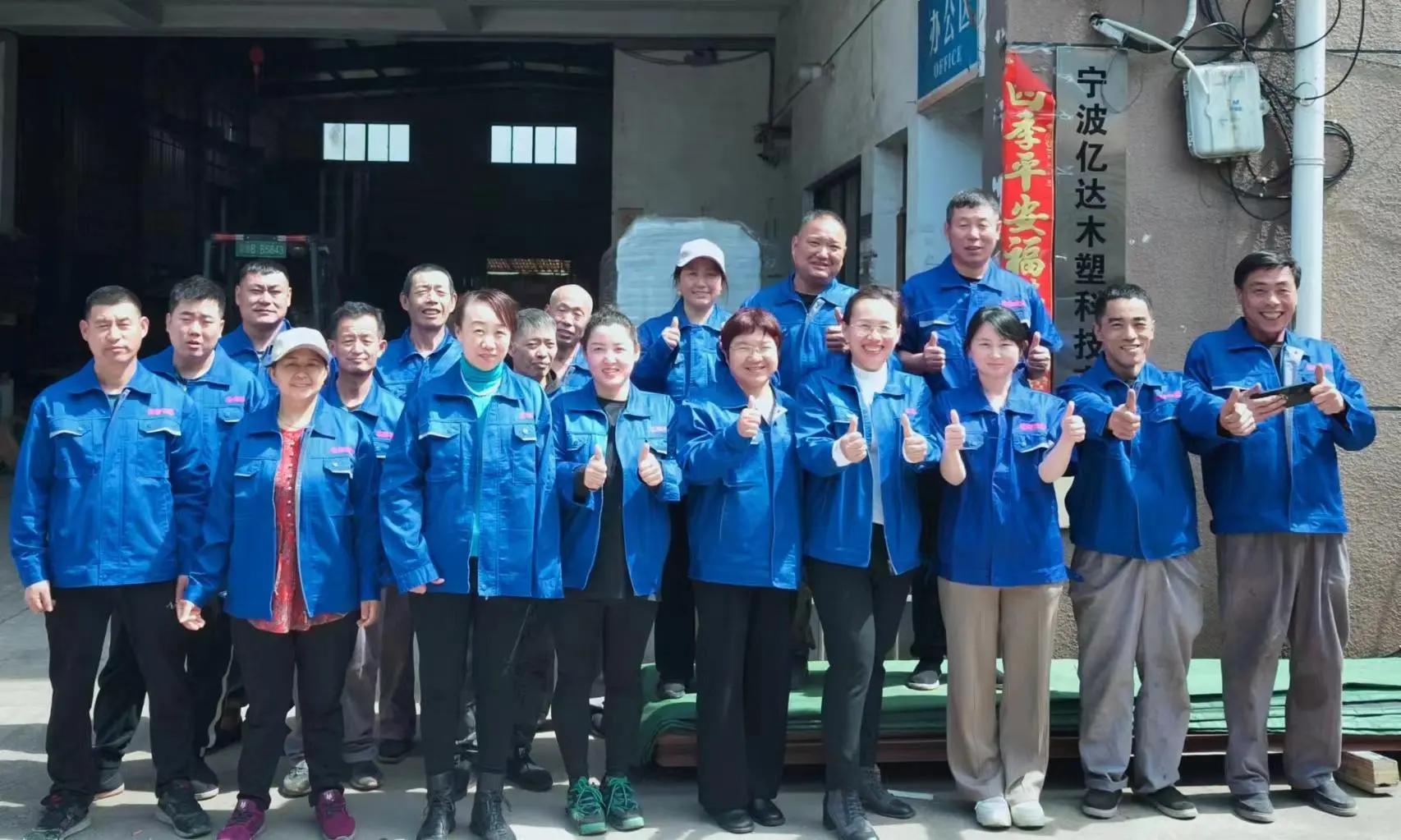
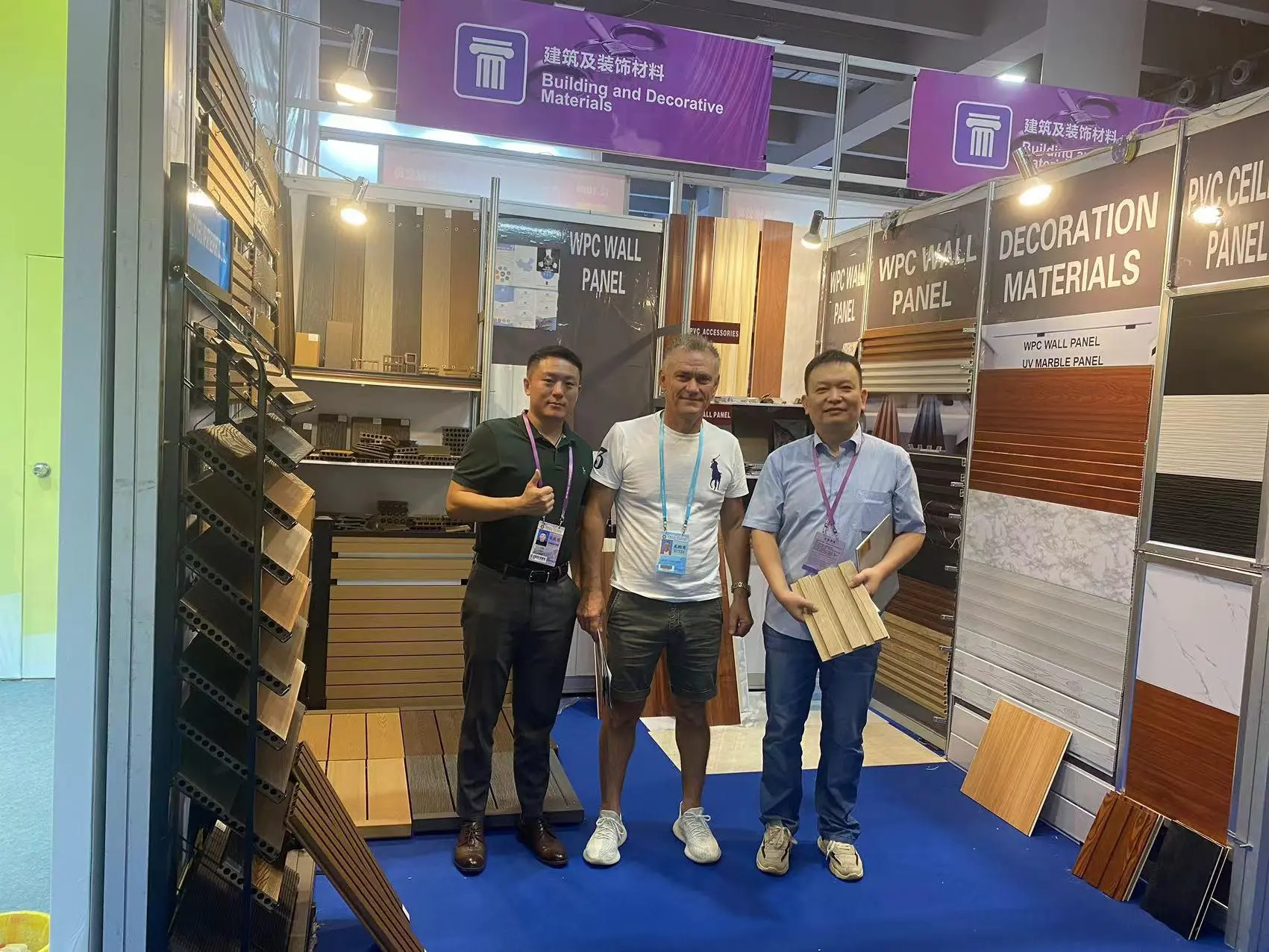
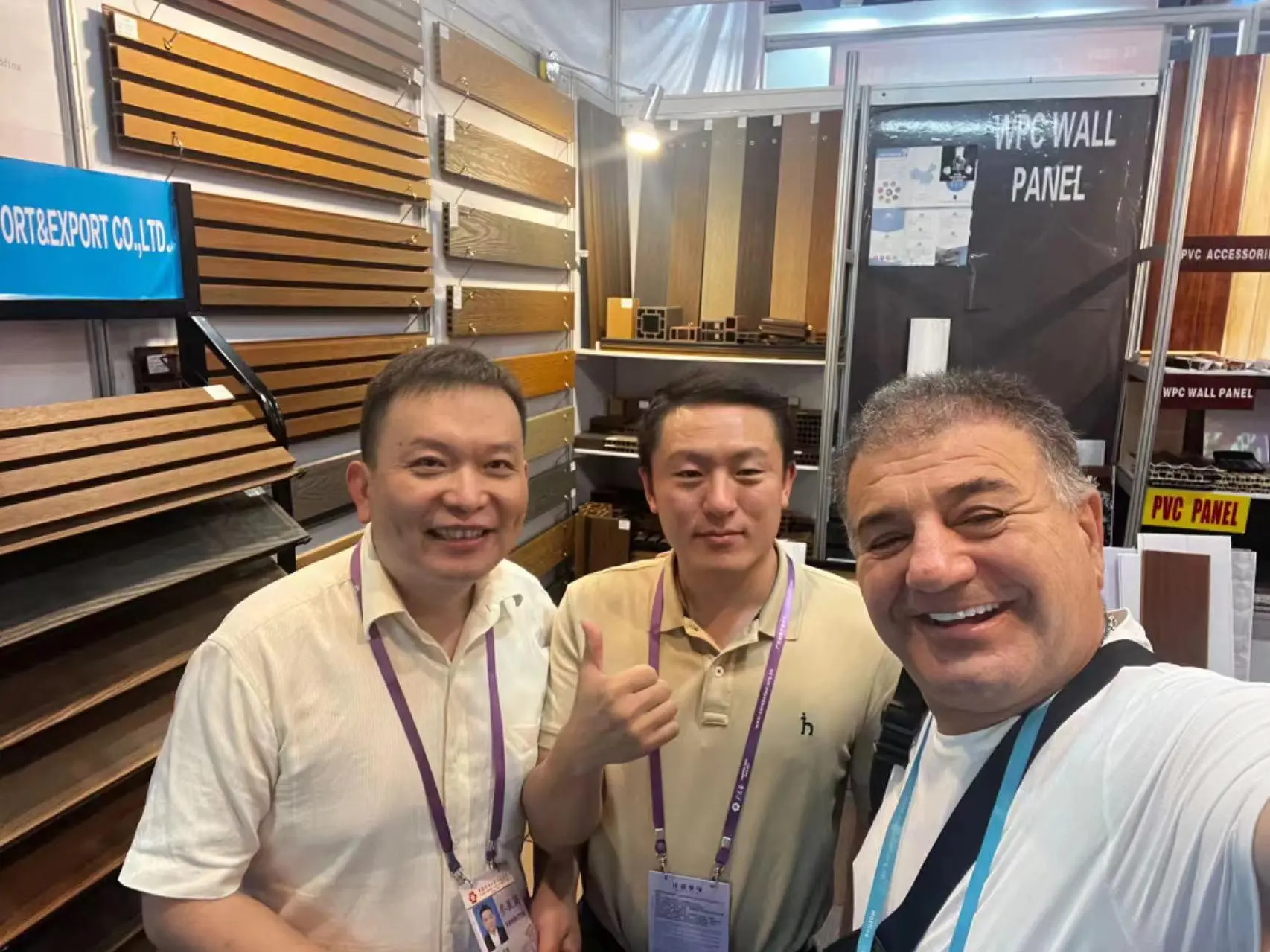
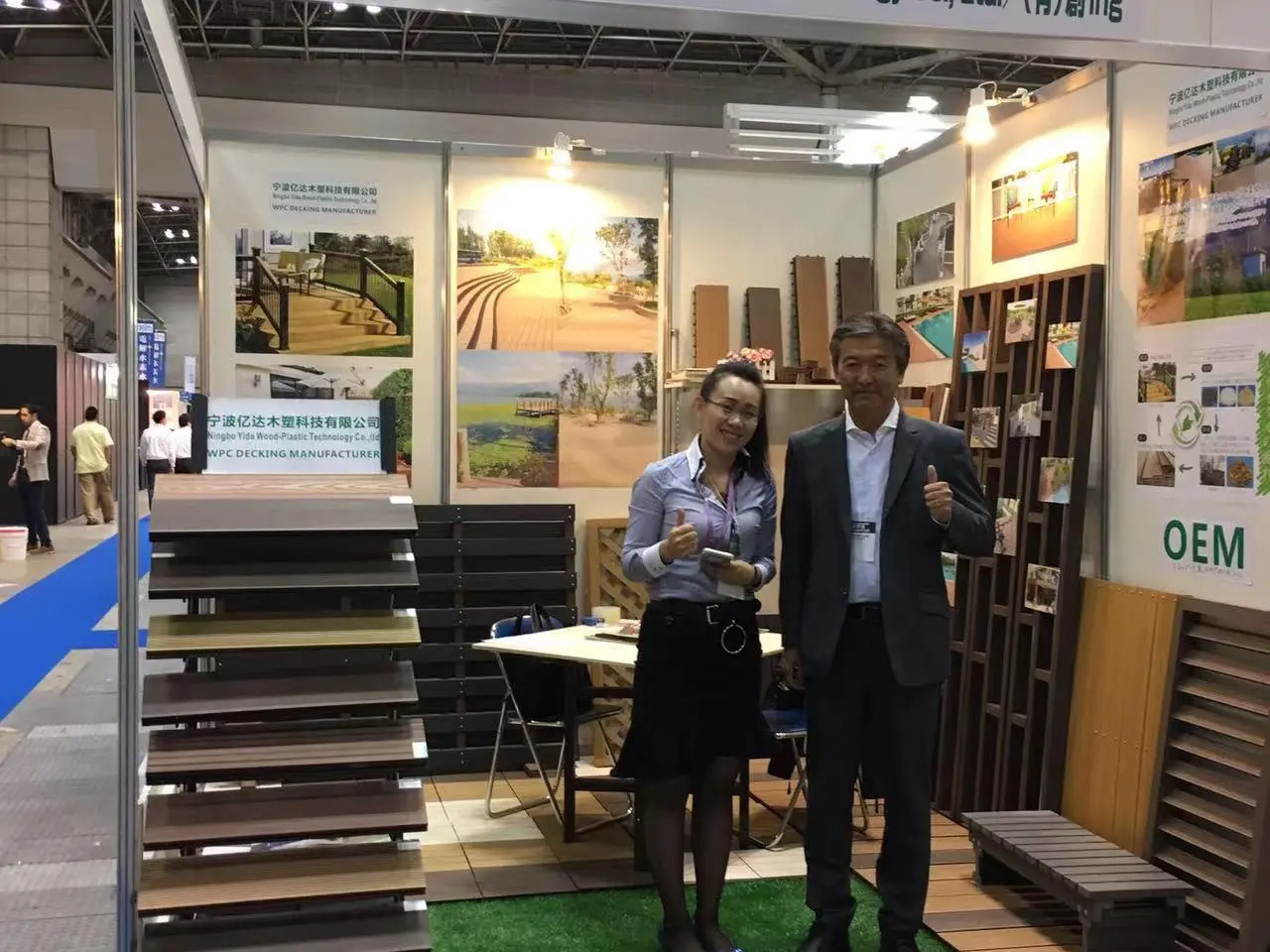
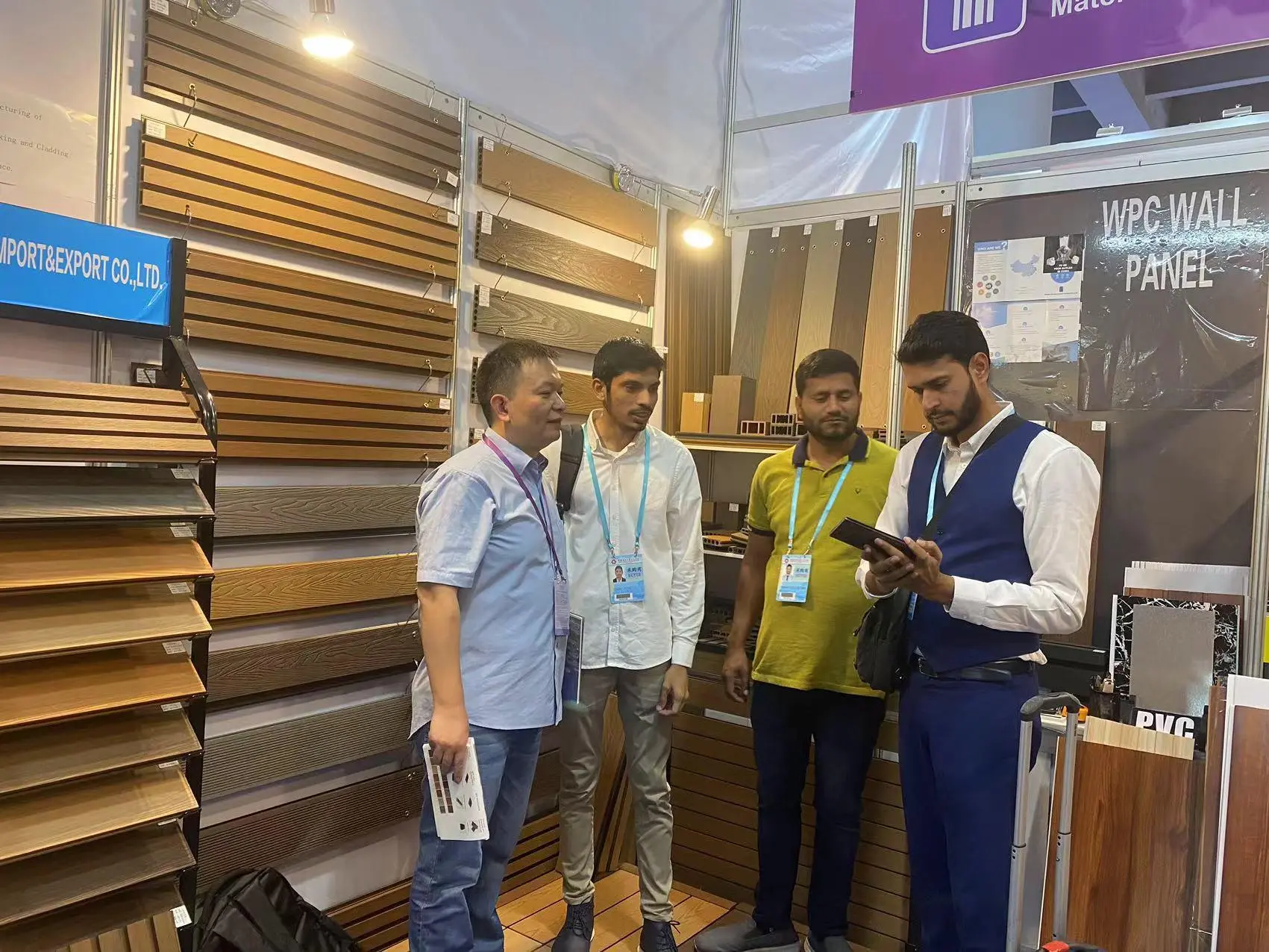
Why Ningbo Yida represents the cutting edge of industrial-grade wood-plastic composite production.
Yida's manufacturing floor implements precise gravimetric feeding. Natural wood flour is dried dynamically to under 1% moisture content using waste heat recovery. The flour is immediately compounded with high-density polyethylene and functional additives in a closed nitrogen atmosphere, ensuring no hydrolytic degradation occurs during melt compounding.
Our advanced twin-screw extruders feature segmented barrel controls for tailored shear stress. This prevents thermal degradation of natural wood fibers and ensures homogeneous polymer-filler dispersion. Vacuum venting draws off volatile organic fractions and remaining moisture, yielding dense, void-free profiles with high mechanical stability.
Located near the deep-water shipping channels of Ningbo Port, our facility ensures stable supply chains. We maintain strategic reserves of base polymers and partner directly with managed forestry resources. This geographic and operational positioning guarantees competitive pricing and on-schedule container dispatches, even during peak global freight cycles.
WPC interior systems adapt to demanding settings, delivering aesthetic value and long-term durability.
High-hygiene settings demand surfaces that resist rigorous chemical sanitization. Yida's capped WPC panels feature a non-porous outer shield that withstands cleaning agents, prevents microbial growth, and maintains indoor air safety by keeping emissions below detection limits.
Airport terminals and transit hubs require wear-resistant materials. Our impact-modified polymer matrices absorb kinetic energy, preventing cracking or structural deformation under constant daily foot traffic and luggage impacts.
Standard indoor materials frequently fail in indoor pools, spas, and resort corridors due to humidity. Our hydrophobic WPC formulation resists moisture absorption, preventing the warping, rot, and paint peeling common to natural wood cladding.
Tested, verified, and audited by leading global testing agencies to meet strict construction regulations.
Technical answers regarding composite compounding, application, installation, and procurement standards.
 Yida Wood