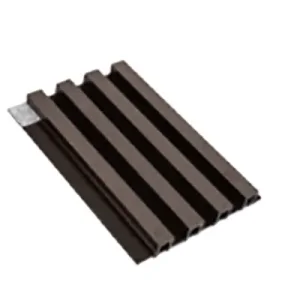
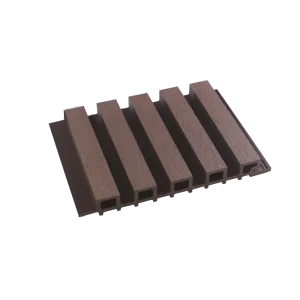
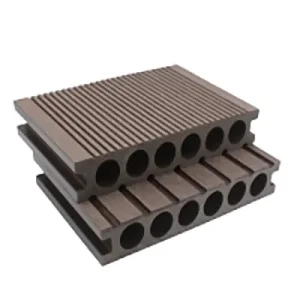
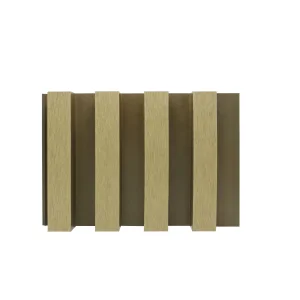
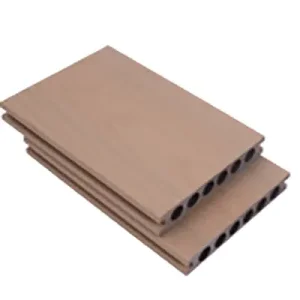
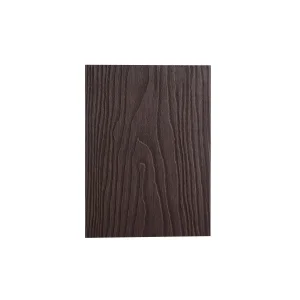
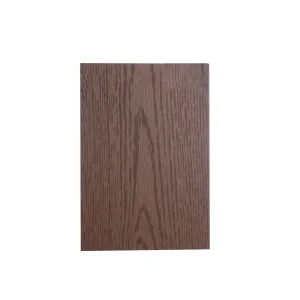
The global Wood Plastic Composite (WPC) industry is undergoing a paradigm shift.
As of 2024, the demand for sophisticated WPC flooring textures has skyrocketed, driven by the global construction sector's push for sustainable, low-maintenance alternatives to traditional timber. Architects in North America, Europe, and Southeast Asia are increasingly specifying ODM (Original Design Manufacturer) solutions that provide the "tactile warmth" of wood without the ecological footprint of deforestation.
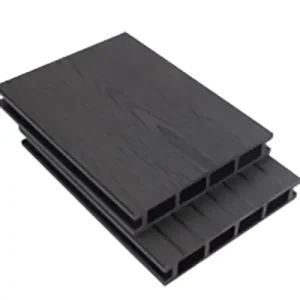
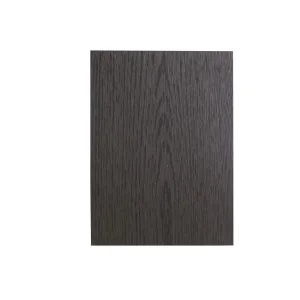
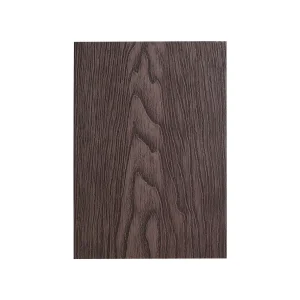
WPC is no longer just a "plastic substitute"; it is a high-tech material. The industry has evolved from basic smooth profiles to advanced 3D deep embossing and multi-chromatic color blending, mimicking exotic hardwoods like Ipe, Teak, and Walnut with incredible precision.
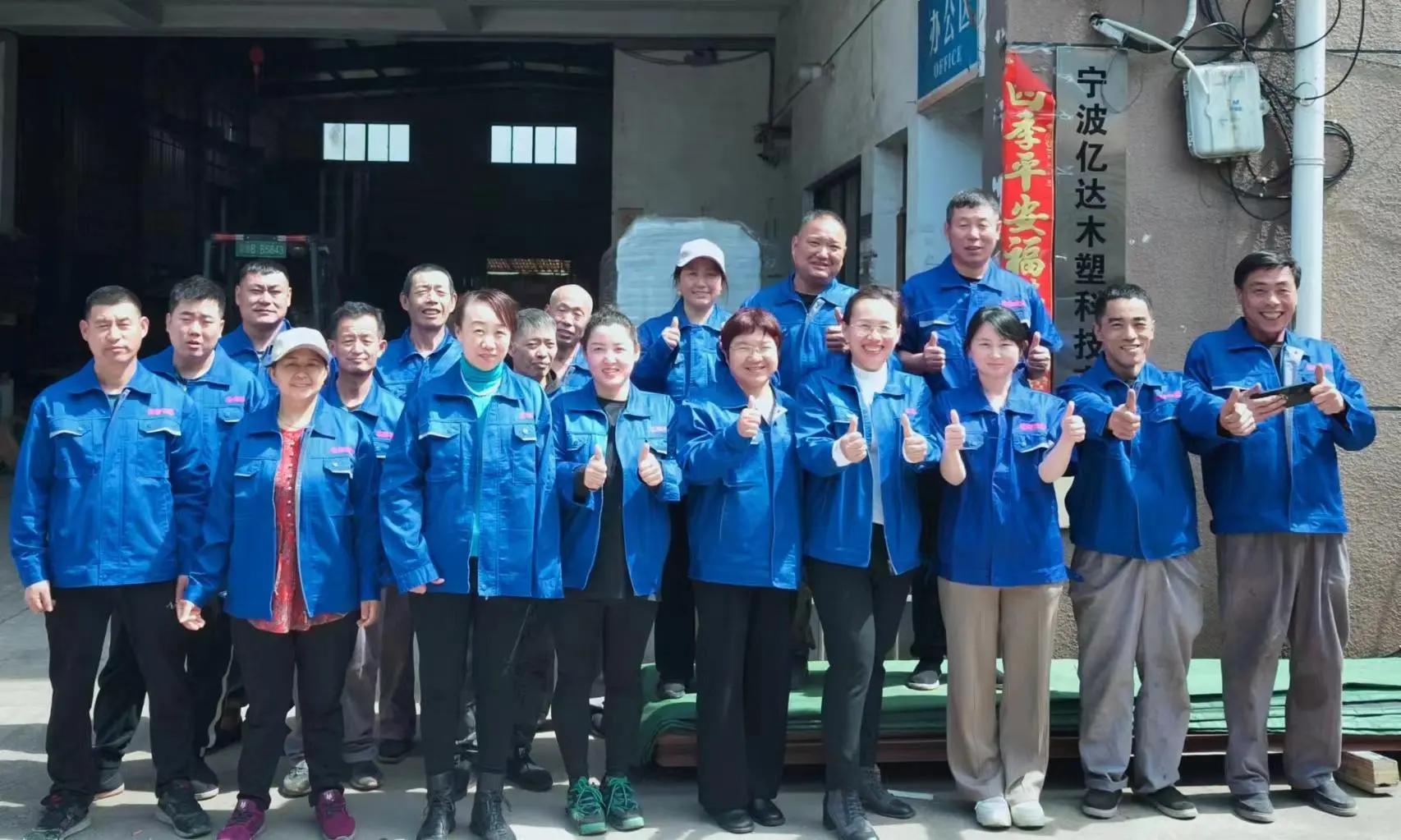
Professional Wood Plastic Composite Manufacturer
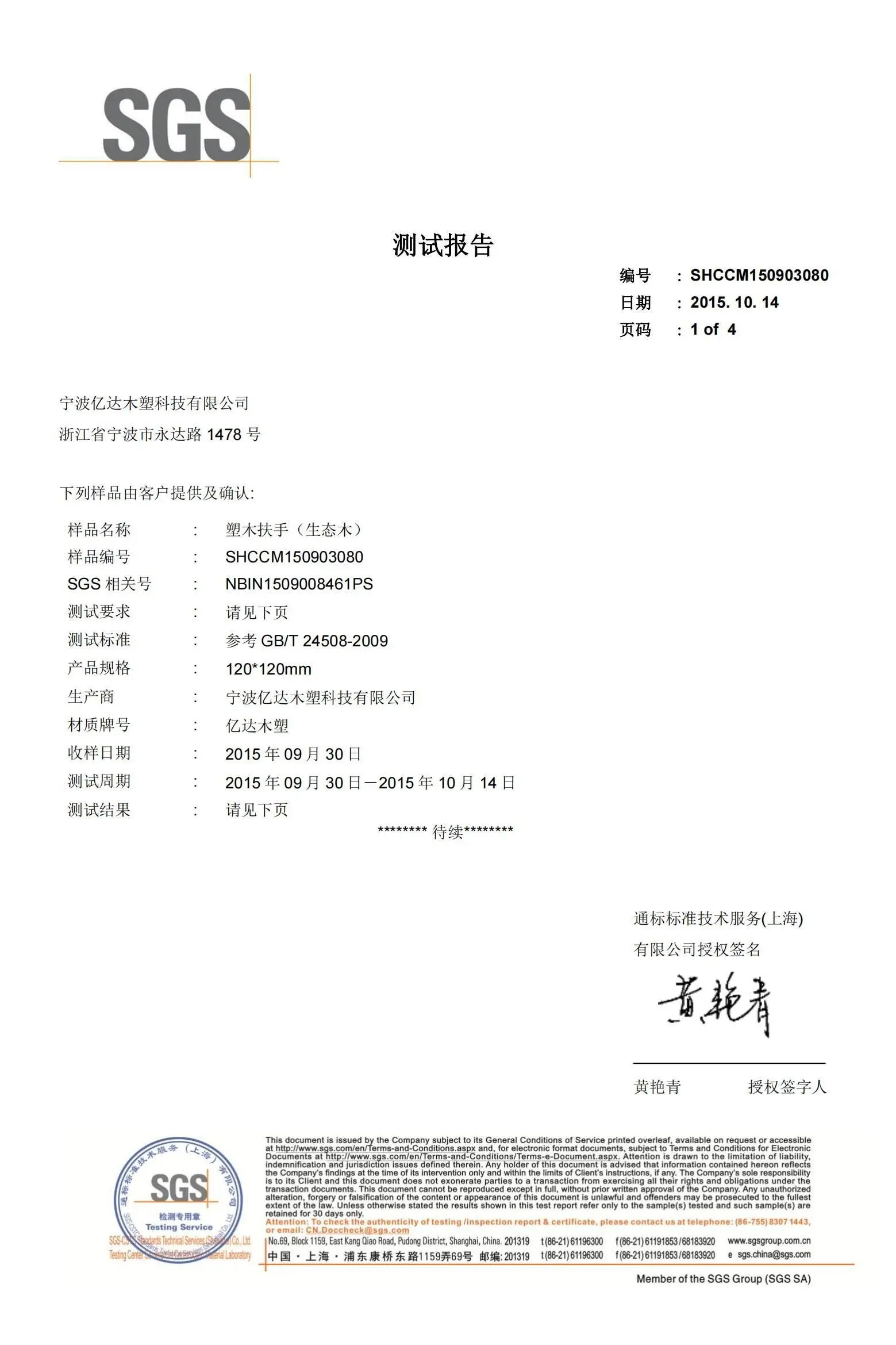
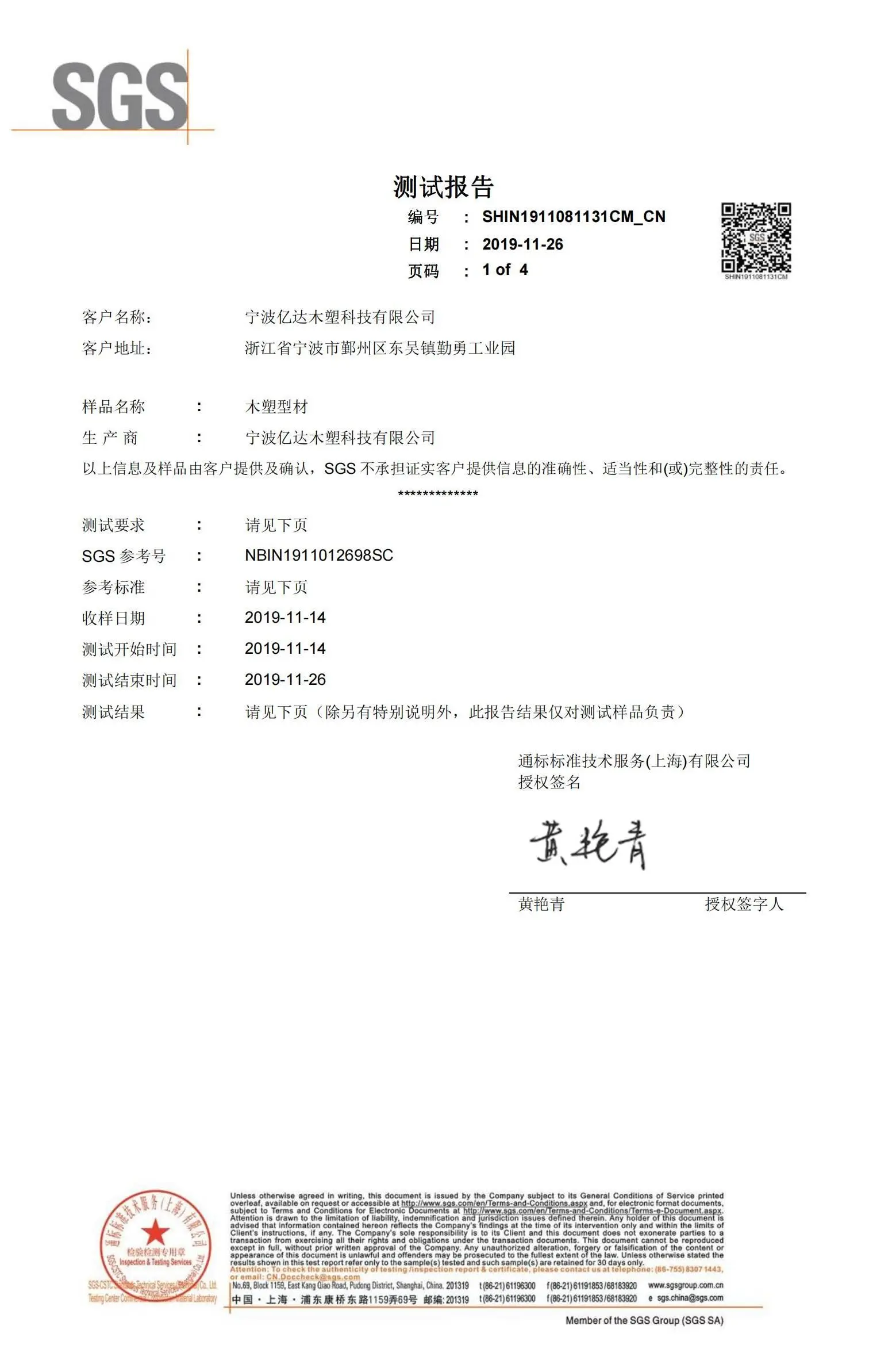
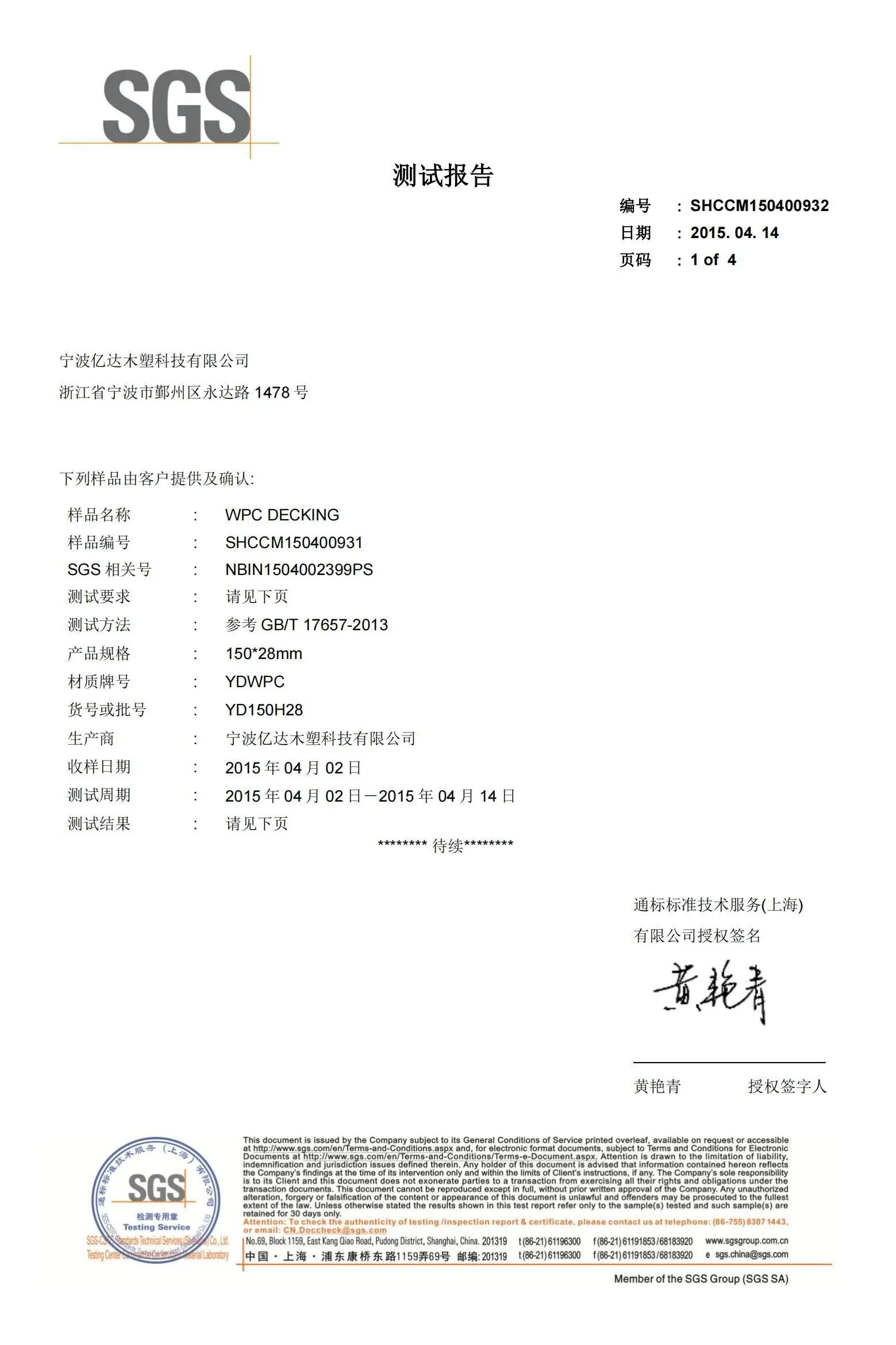
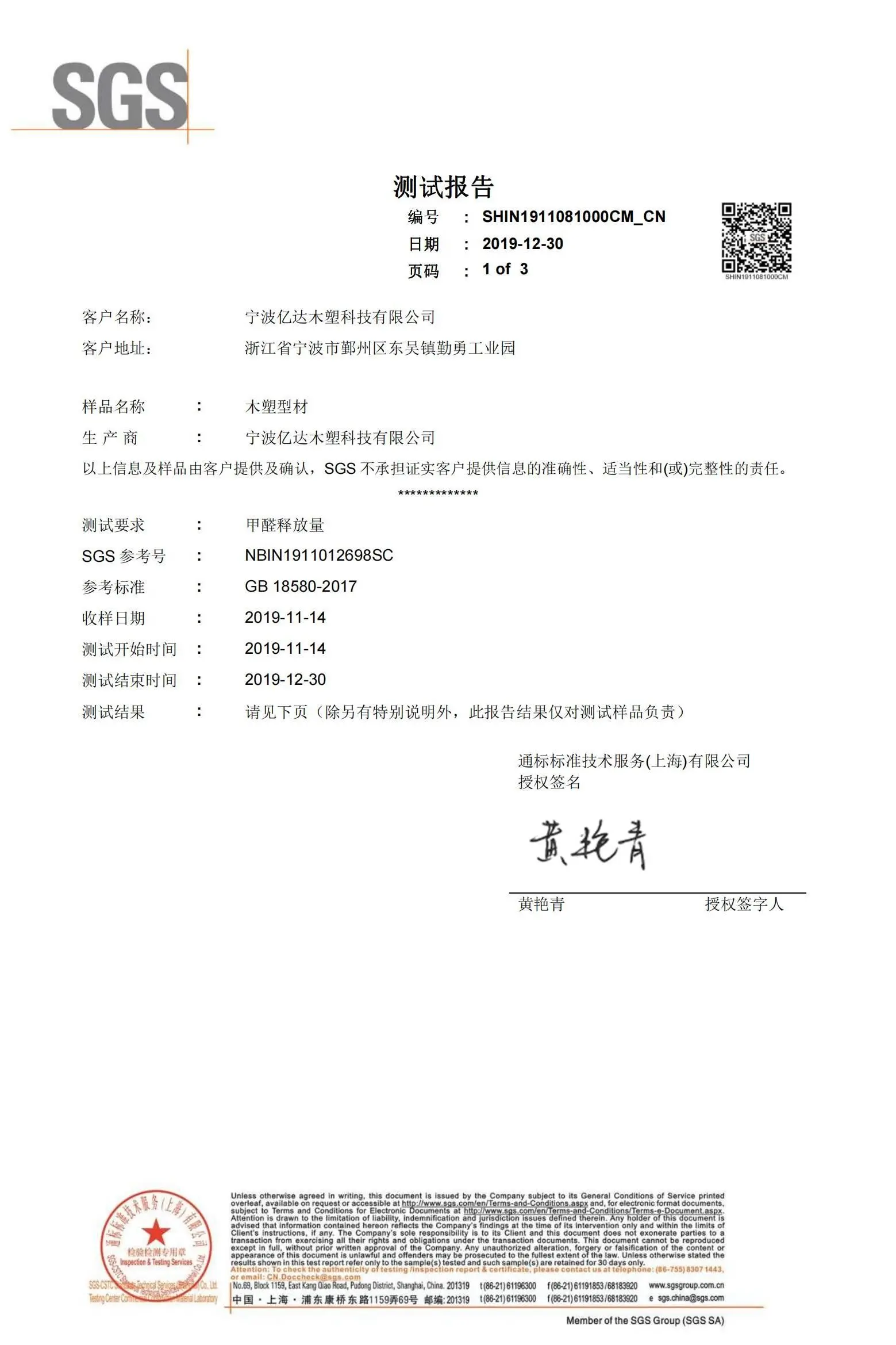
Ningbo Yida Wood Plastic Technology Co., Ltd. is proud to introduce our innovative wood plastic composite material that combines the natural beauty of wood with the durability of plastic profiles. With nearly ten years of R&D, production and sales experience, we have become a leading manufacturer and supplier of new wood-plastic composite materials.
Our Yida brand wood-plastic composite materials have excellent properties such as waterproof, moisture-proof, mildew-proof, insect-proof, black-proof, and crack-proof. This makes it ideal for a variety of applications, including outdoor architectural design, landscaping and municipal engineering projects. As an environmentally friendly material, it is in line with the country’s strong encouragement of sustainable development.
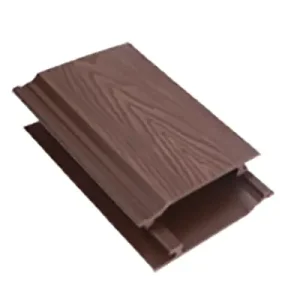
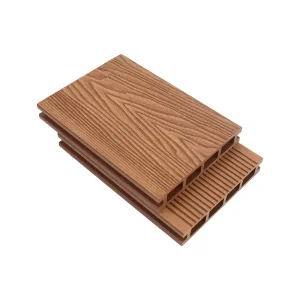
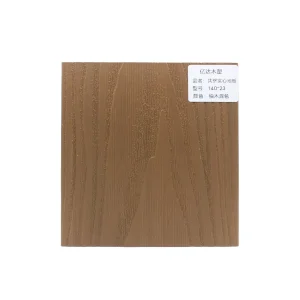
Unlike traditional methods, our 3D embossing happens during the extrusion process. This ensures the texture is deeper, more wear-resistant, and looks more realistic under sunlight.
Our co-extrusion technology wraps the core in a high-density polyethylene (HDPE) layer, providing 360-degree protection against stains, UV rays, and scratches.
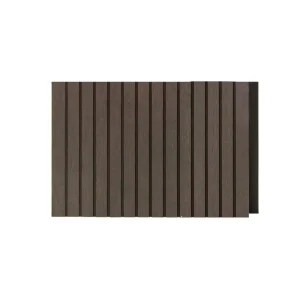
For a contemporary, matte finish, our sanding and brushing lines create a non-slip surface that is perfect for pool decks and high-traffic commercial walkways.
At Ningbo Yida, we have invested in advanced production technology and established a professional team dedicated to product research and development, manufacturing, sales, after-sales service and construction. This ensures that our wood plastic composites meet the highest quality and performance standards.
In addition to servicing commercial and residential projects, we have established dedicated service teams to support educational and medical institutions across the country. Our commitment to providing professional services and construction to major universities and hospitals in the country reflects our commitment to contributing to important public infrastructure.
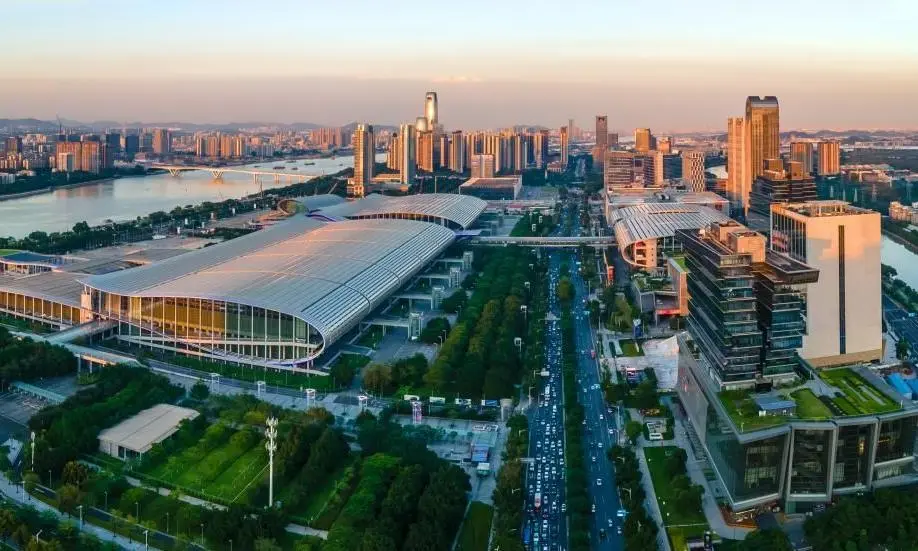
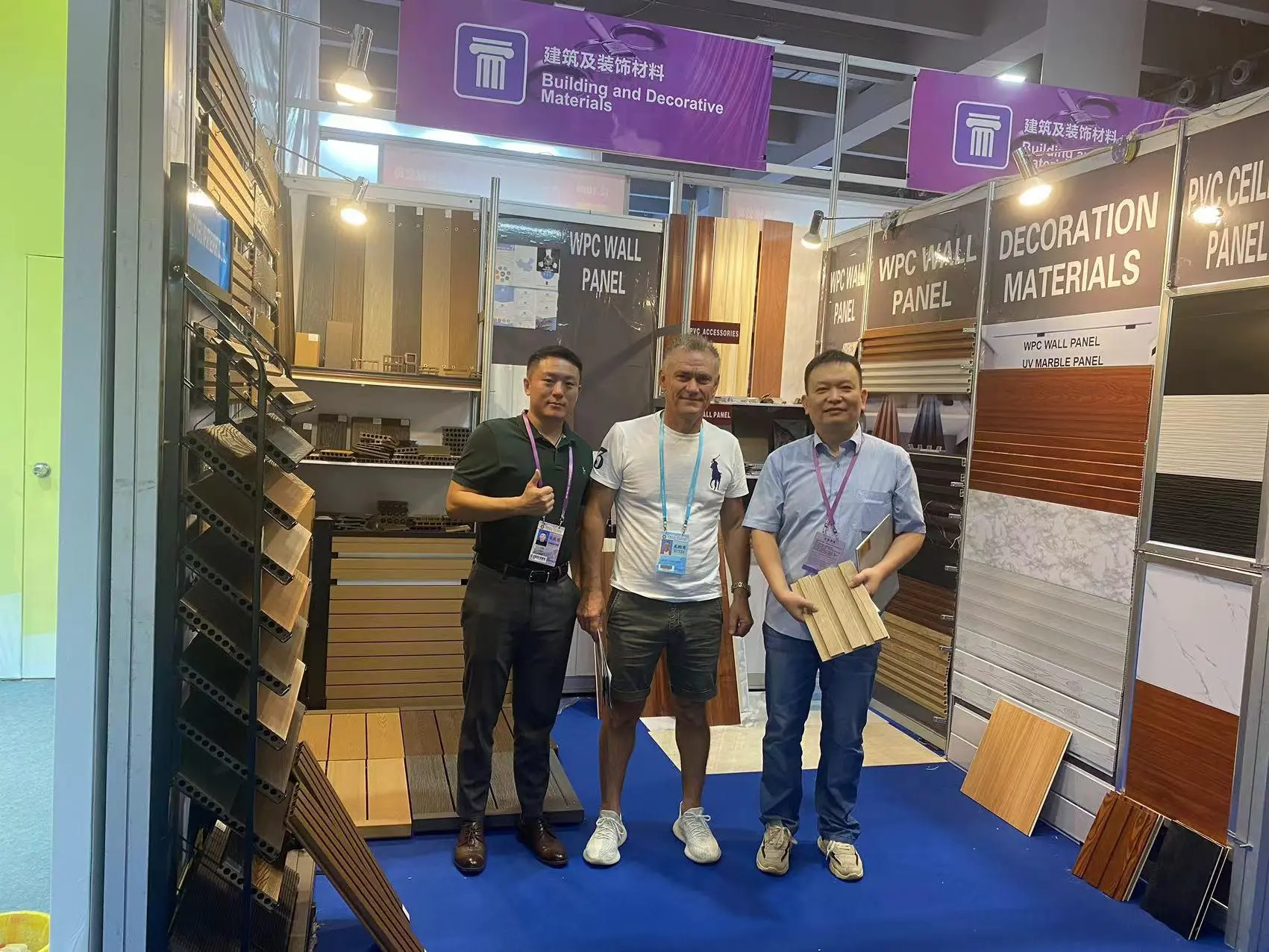
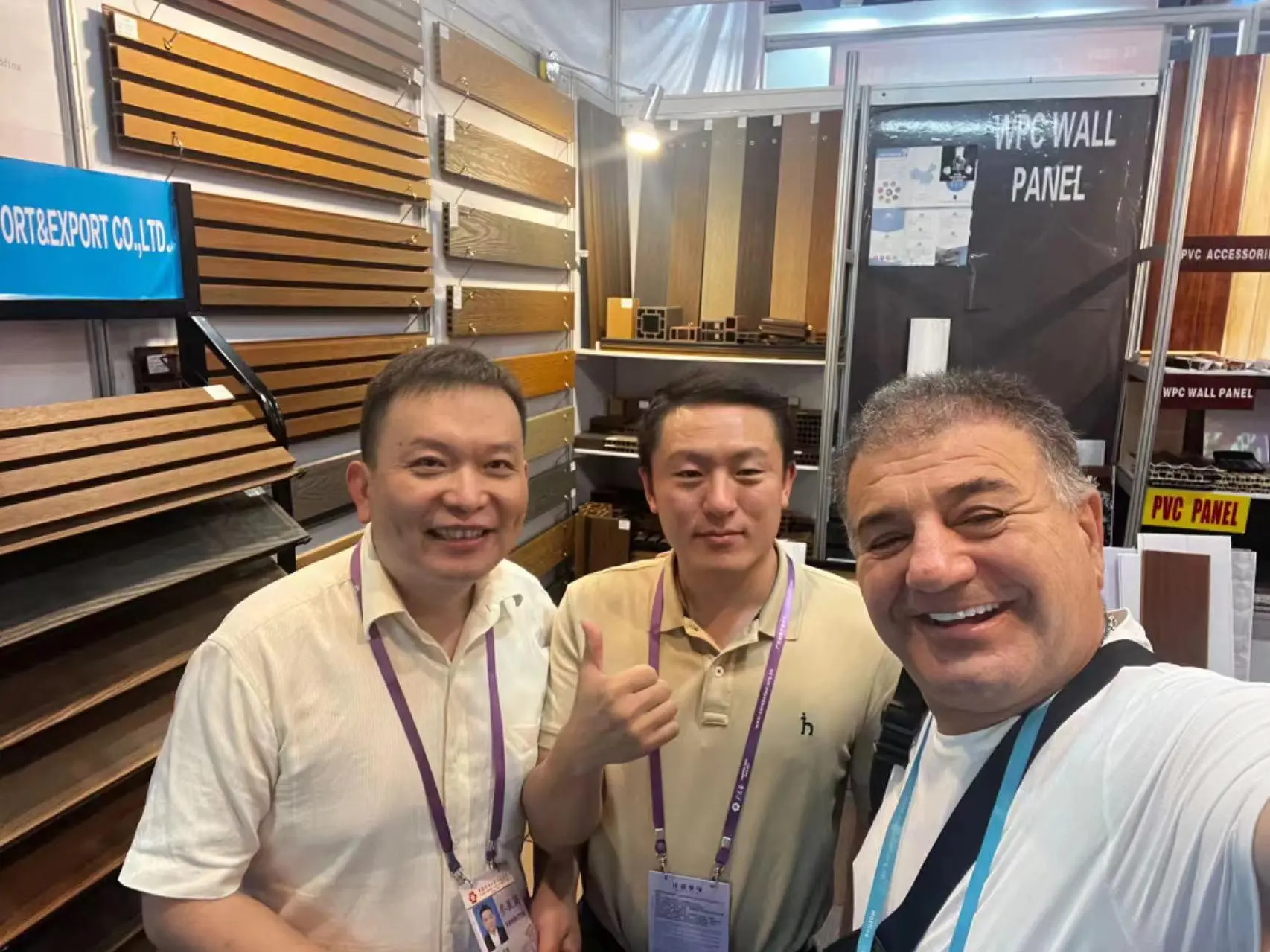
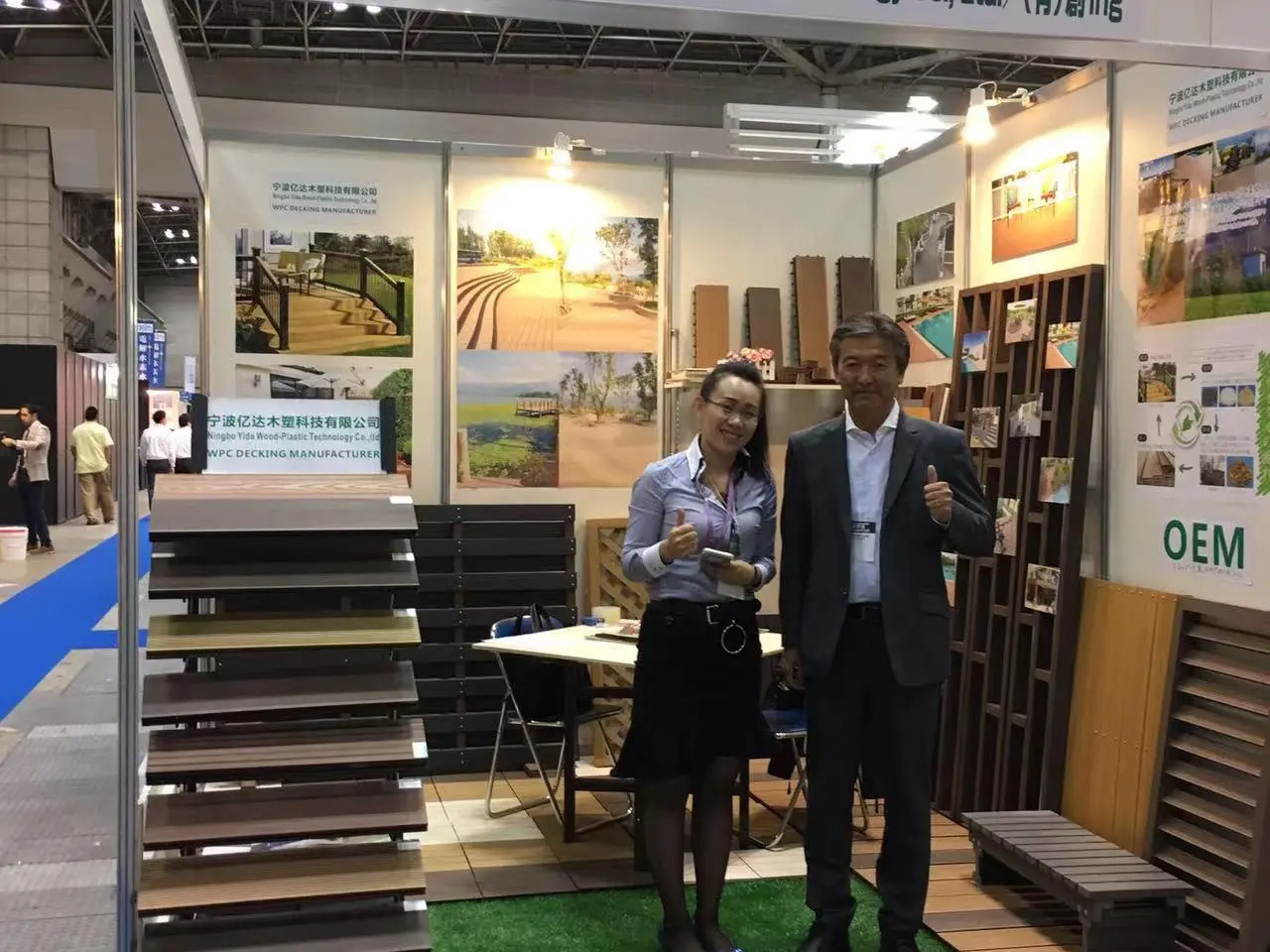
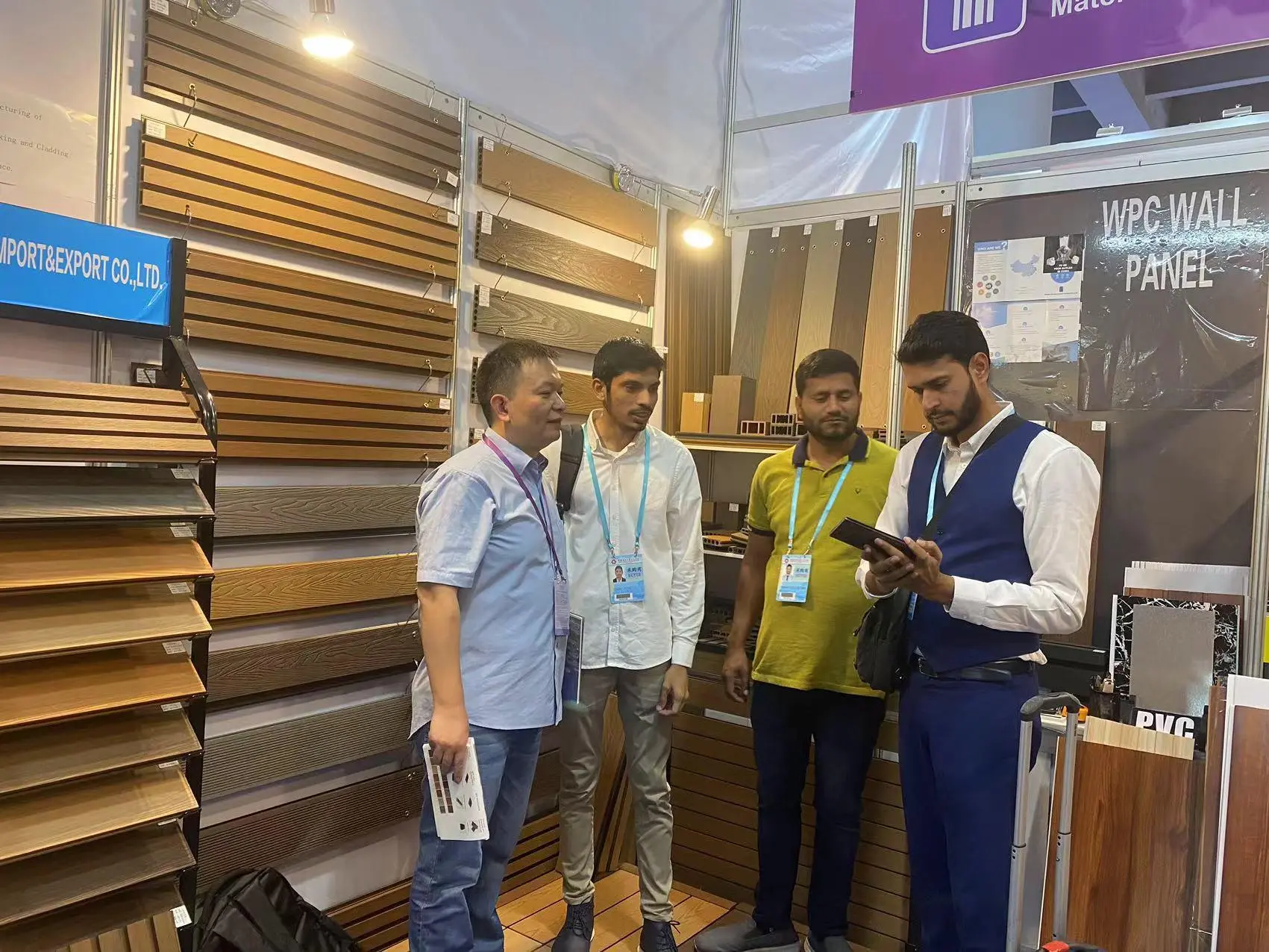
Located in Ningbo, one of the world's largest port cities, we offer unparalleled logistics efficiency. Our raw material sourcing (recycled wood fiber and PE) is vertically integrated, ensuring price stability even during global market fluctuations.
We don't just sell products; we solve design challenges. Our R&D team can develop custom textures, colors, and profile dimensions tailored to your specific brand identity or project requirements.
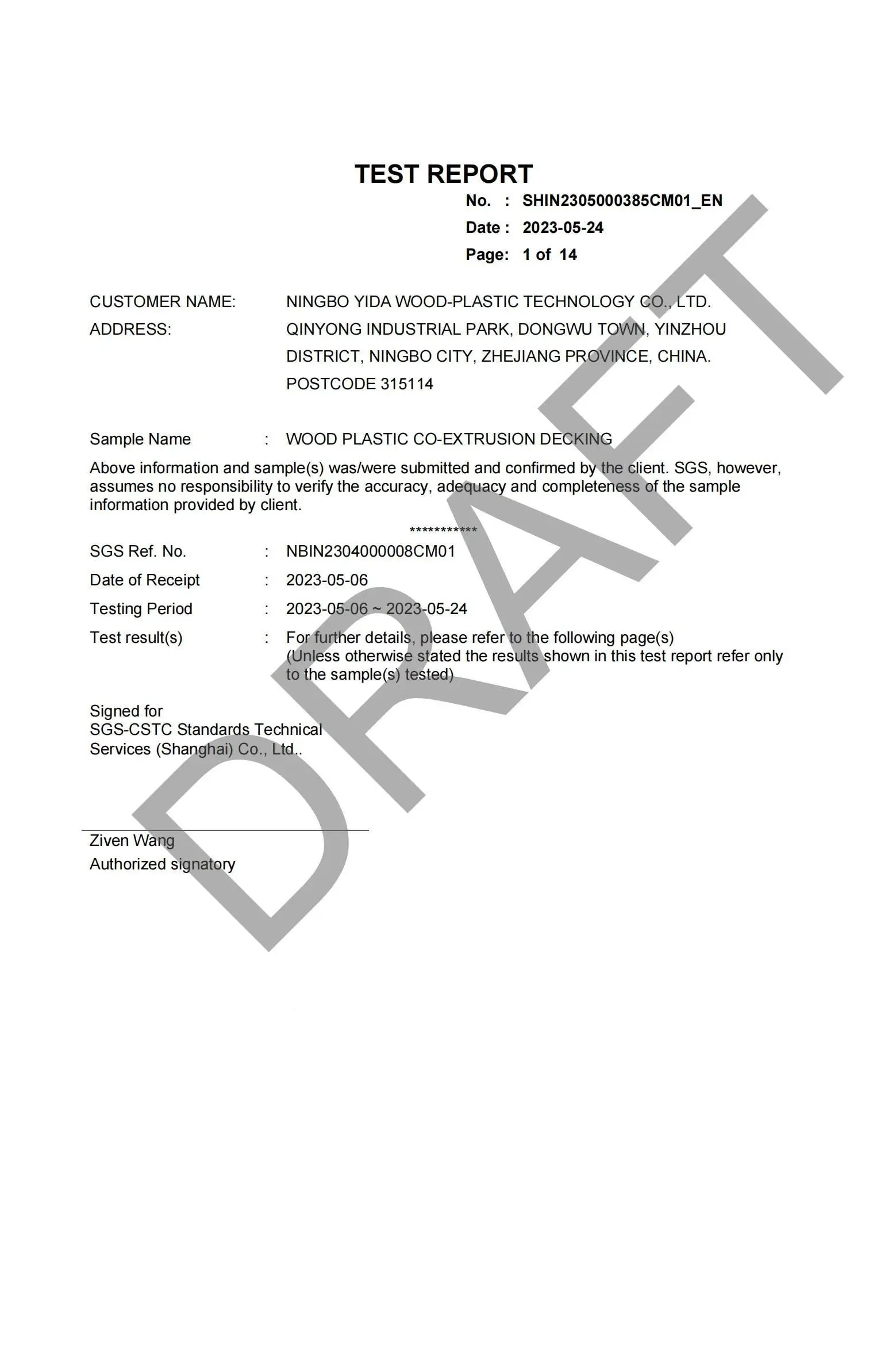
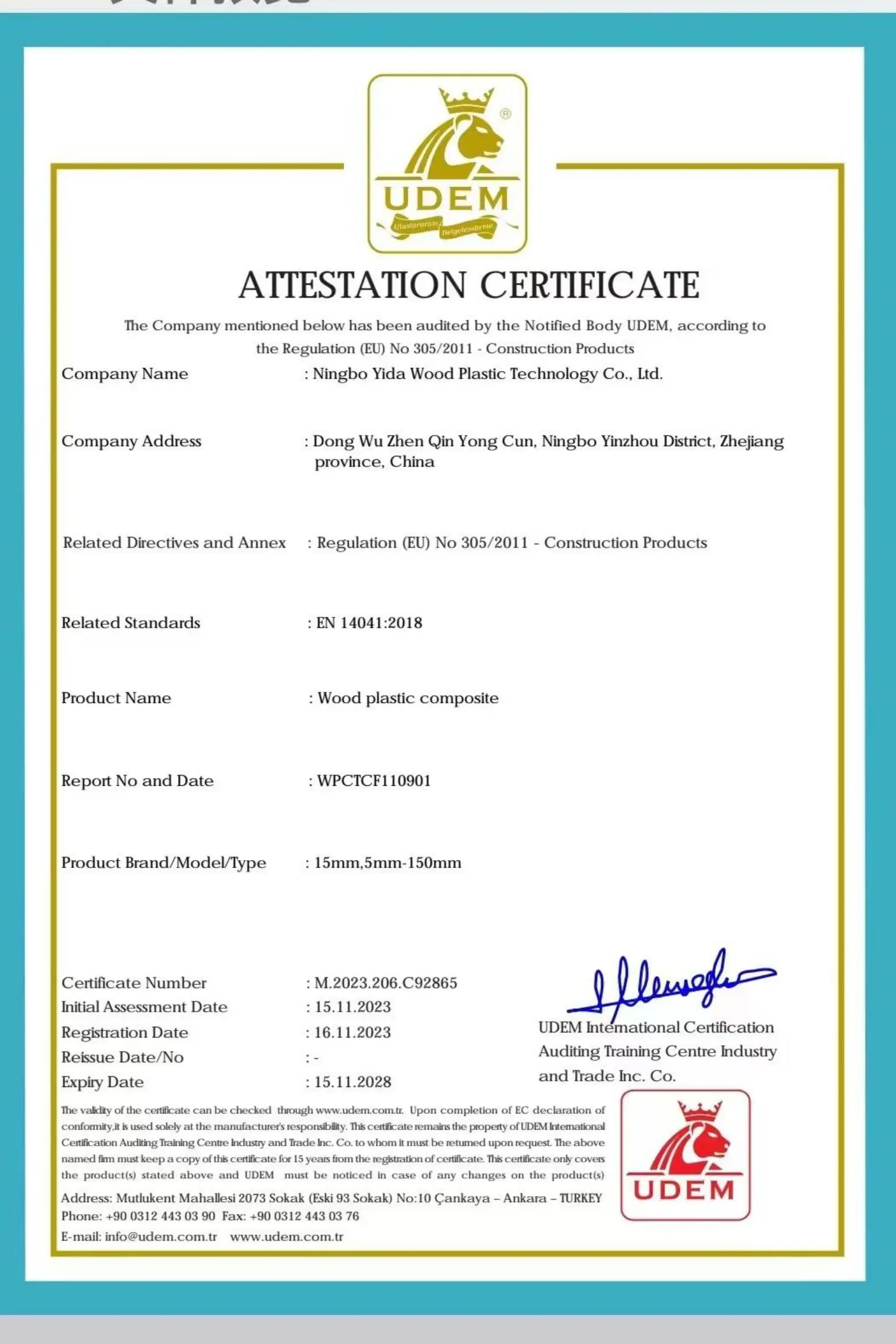
By leveraging advanced automation in our production lines, we provide premium-tier WPC textures at a fraction of the cost of European or American manufacturers, without compromising on ASTM or CE standards.
A: WPC stands for Wood Plastic Composite. It is an innovative material made from a blend of recycled wood fibers/flour and thermoplastics (like PE). This creates a product that has the natural beauty of wood with enhanced durability and minimal maintenance.
A: Yes. Our WPC products are considered eco-friendly because they are primarily made from recycled materials—reclaimed wood waste and recycled plastics. This reduces landfill waste and the need for virgin timber.
A: WPC is highly resistant to moisture, rot, and decay, making it ideal for rainy and humid climates. It is also resistant to freezing and thawing cycles, so it won't crack or splinter in frosty conditions.
A: No. Unlike natural wood, WPC products never require sanding, staining, or sealing. Their color is consistent throughout the material and is designed to last for years with minimal fading.
A: Yes. The composition of WPC makes it highly resistant to mold, mildew, and insect damage, including termites. This is a significant advantage over natural wood.
Have More Questions? Contact Us! Our experts are happy to help you with your project.
 Yida Wood