Explore our top-tier collection of high-performance composite decking, structural cladding, hoarding solutions, and groove columns designed to resist the harshest climates.
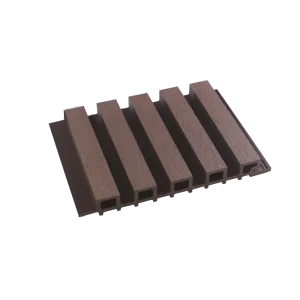
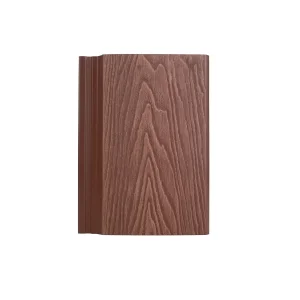
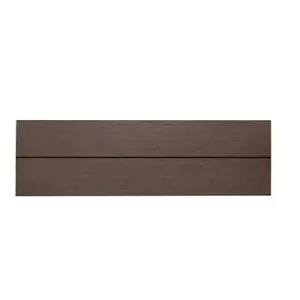
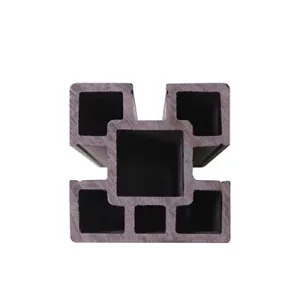
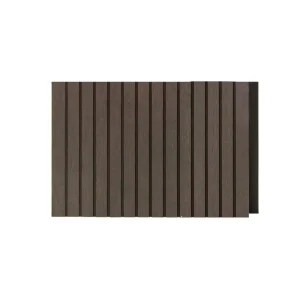
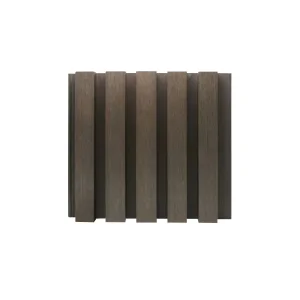
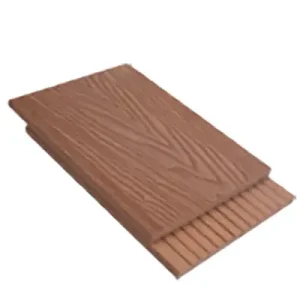
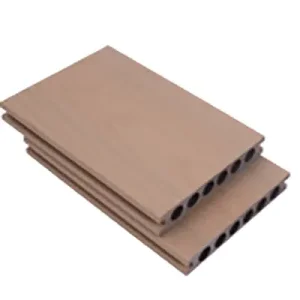
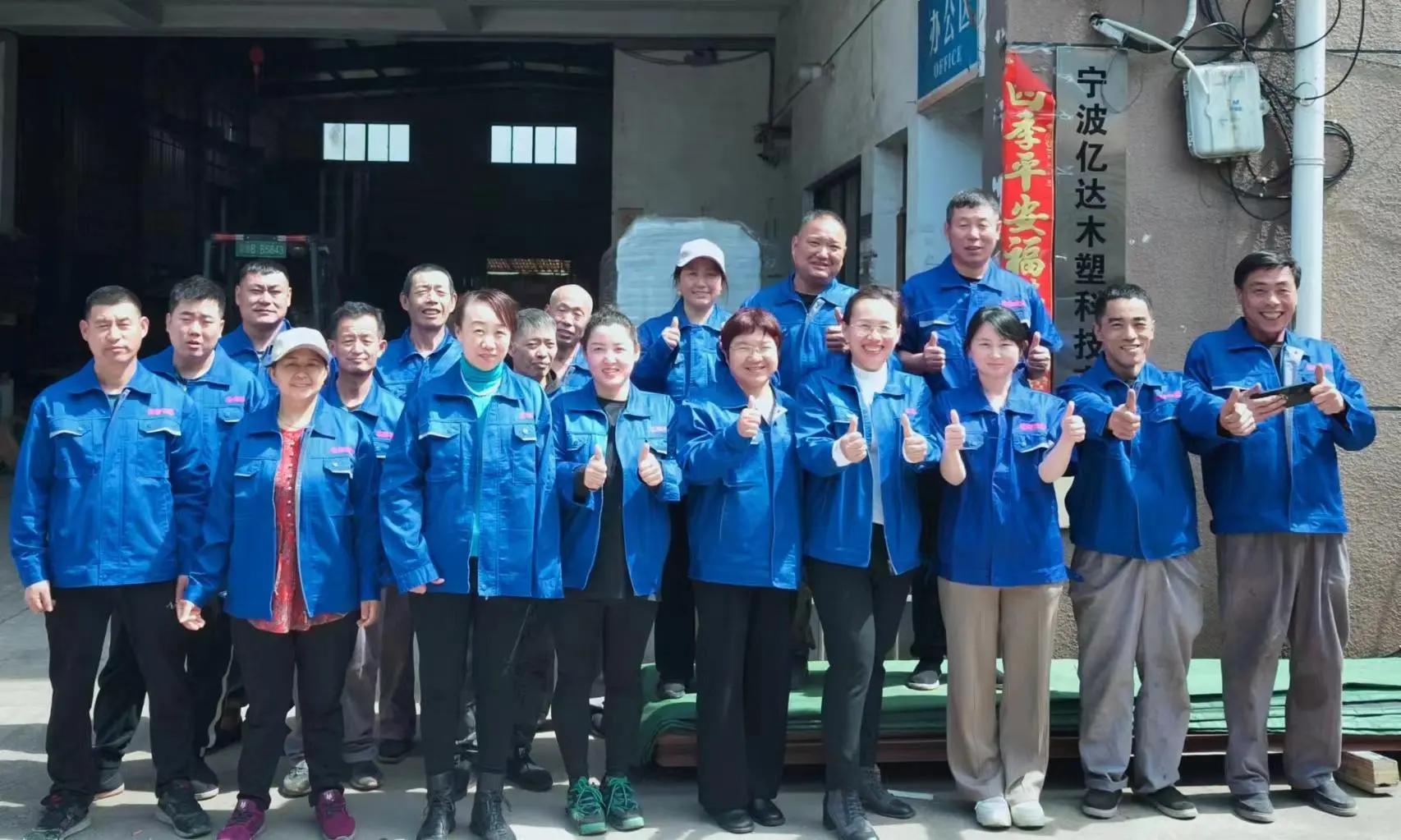
We are proud to introduce our innovative wood plastic composite (WPC) materials, engineered specifically to combine the raw, natural aesthetic of wood with the structural longevity and weather resistance of high-grade thermoplastics. With nearly ten years of dedicated research and development, large-scale production, and global sales experience, we have positioned ourselves as a leading manufacturer and supplier of sustainable composite materials worldwide.
Our flagship Yida brand WPC products exhibit superior physical properties. They are engineered to be completely waterproof, moisture-resistant, mildew-proof, insect-resistant, black-spot-resistant, and crack-proof. Perfect for demanding climates, they are widely integrated in architectural facades, municipal infrastructure, parks, educational facilities, and commercial centers.
Manufactured primarily from recycled wood fiber and non-toxic high-density polyethylene (HDPE) polymers, cutting carbon footprint and conserving natural forests.
Our customized architectural solutions are relied upon by major universities, healthcare centers, and large-scale public engineering projects nationwide.
Exploring the core technological capabilities and comprehensive end-to-end integration that make Yida the premier supply partner for global enterprises.
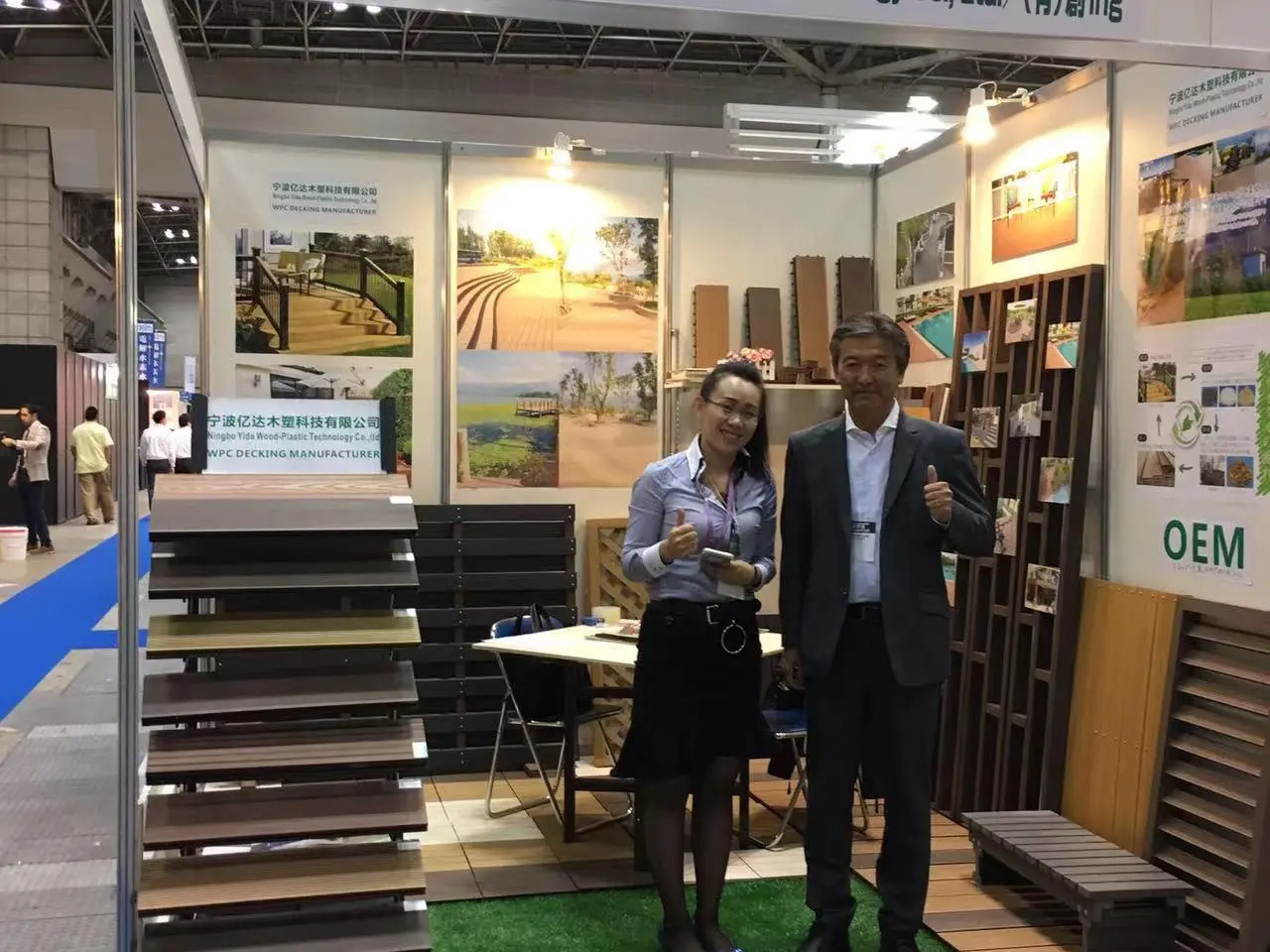
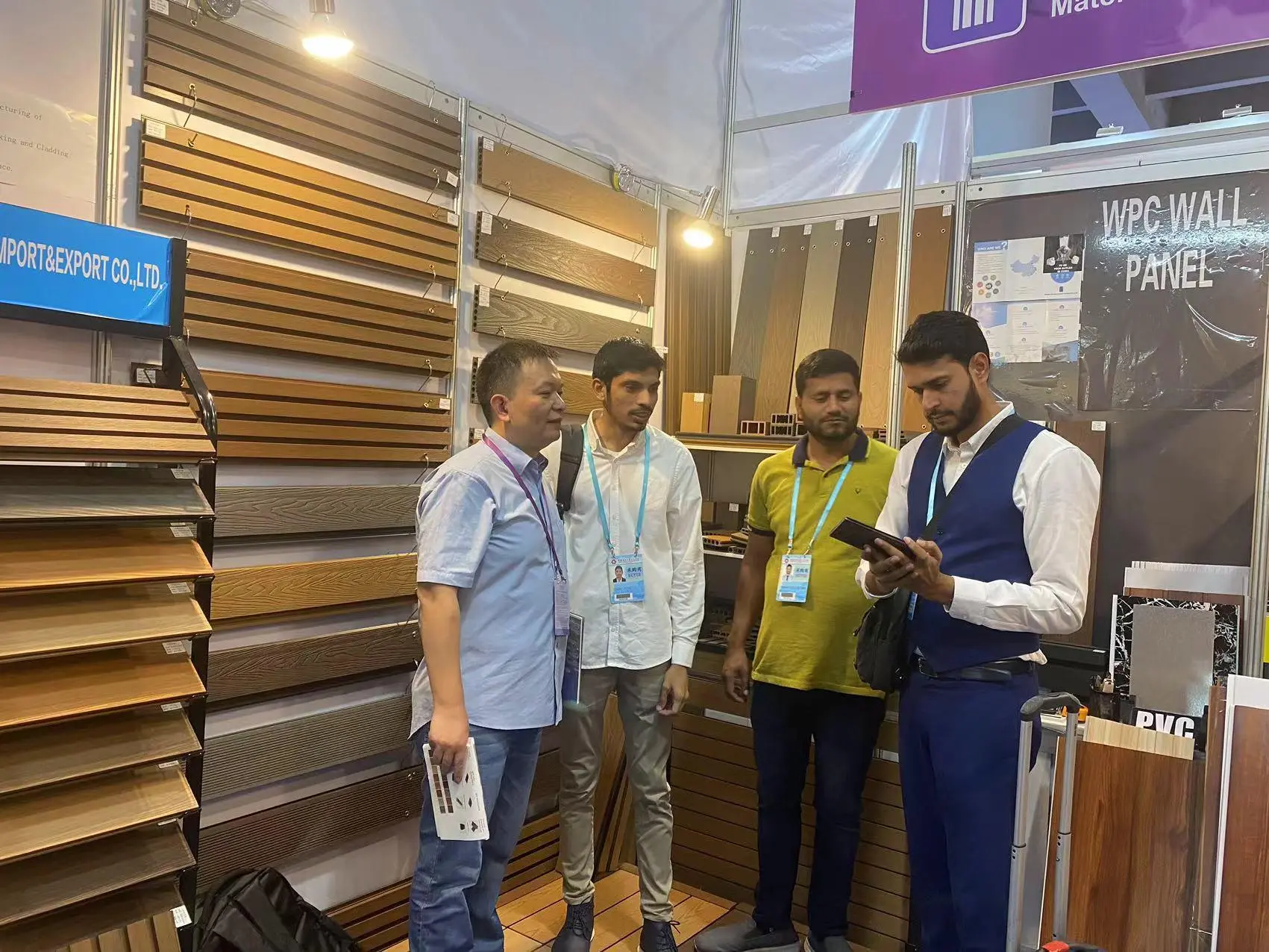
Witness the architectural adaptability of Yida WPC products across varying environments—from high-traffic public parks to elegant private residences.
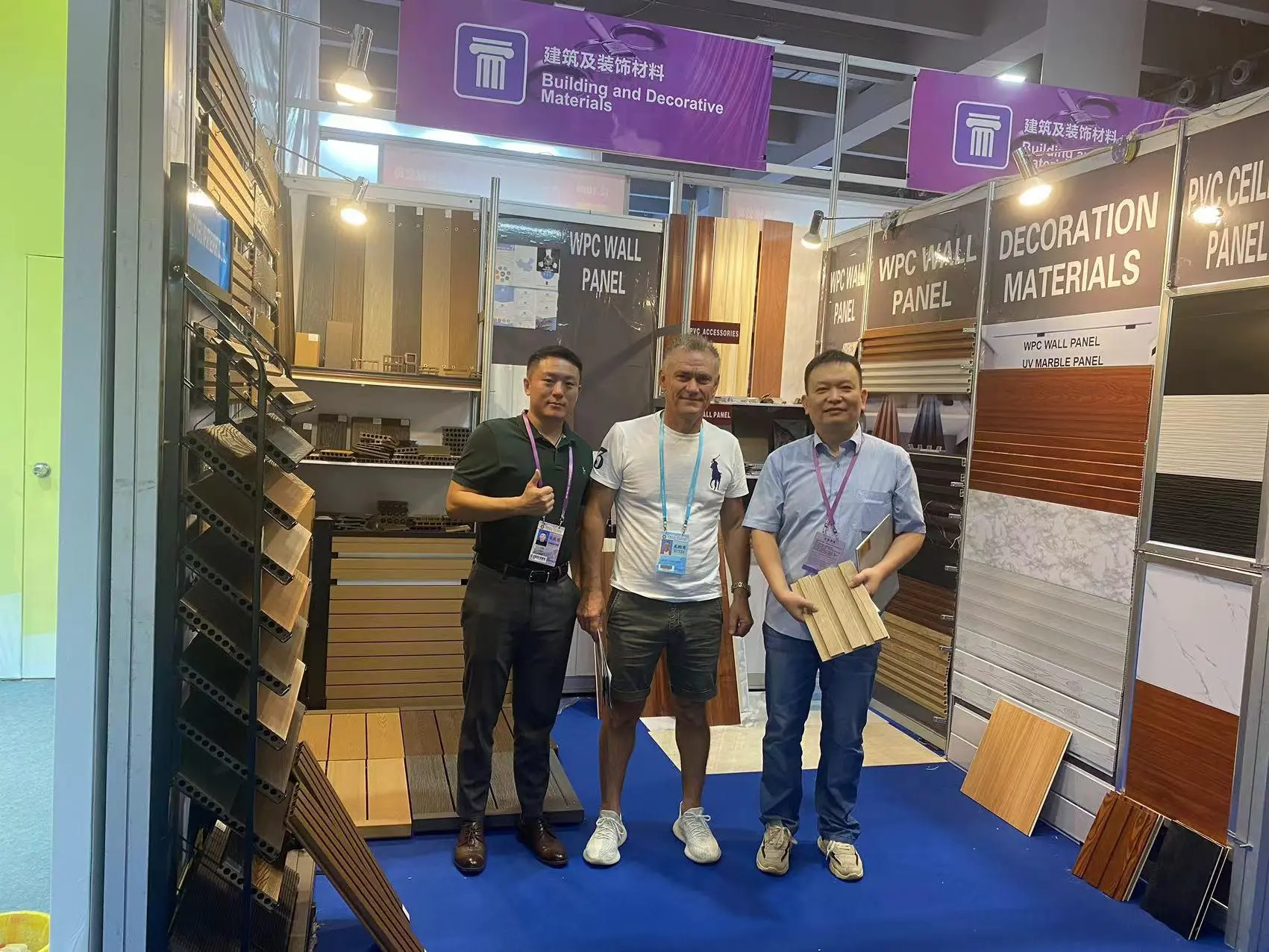
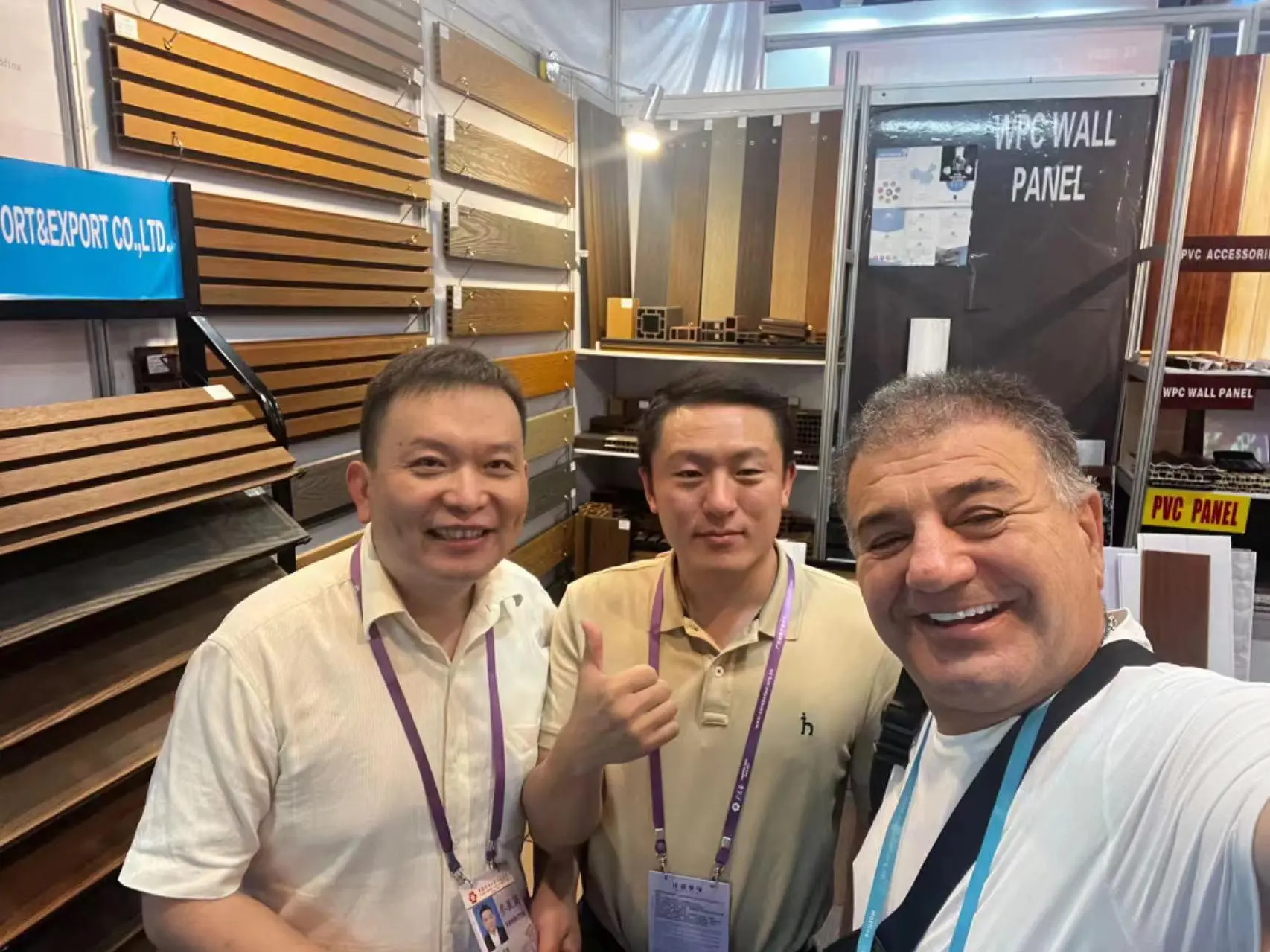
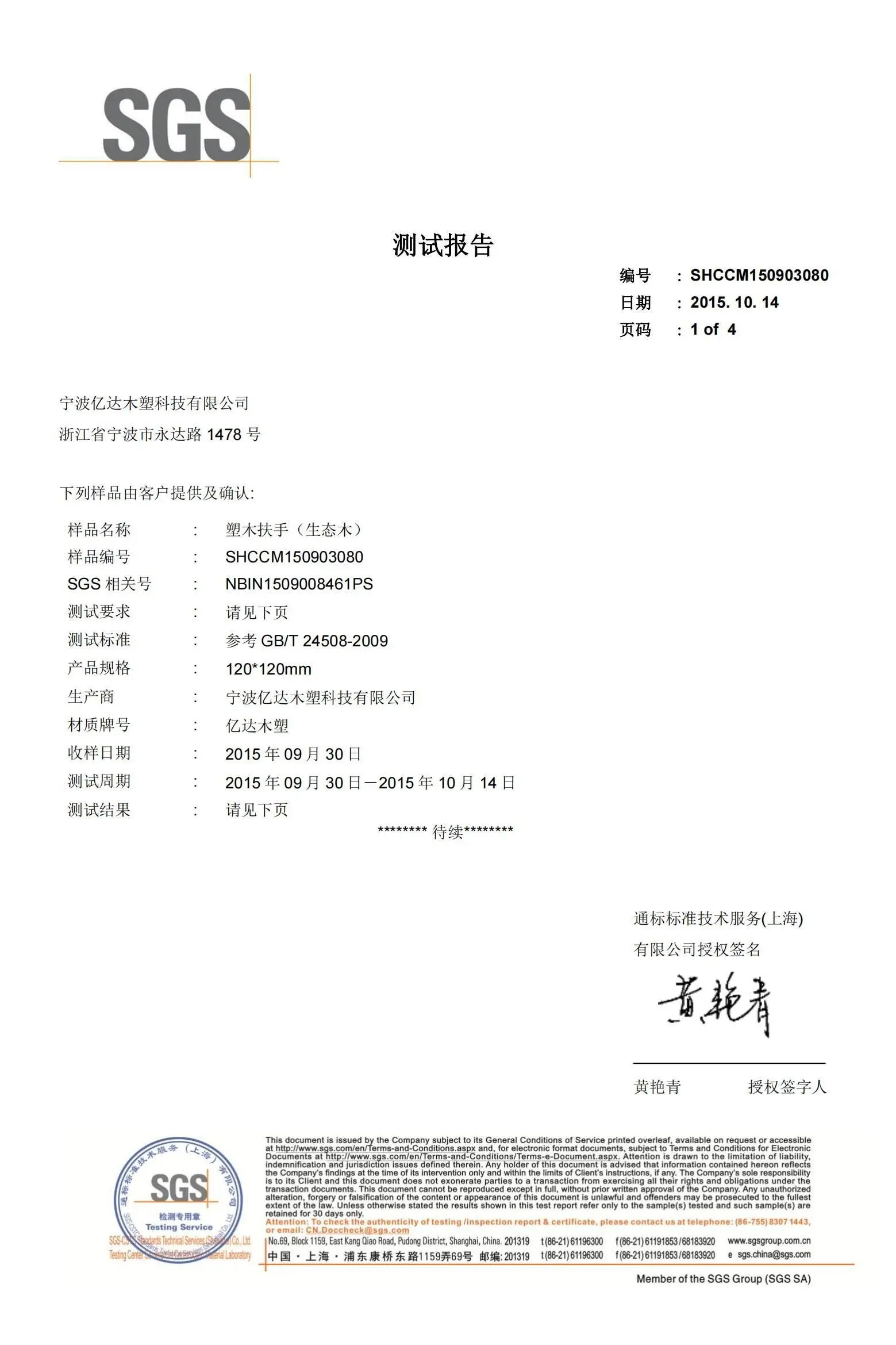
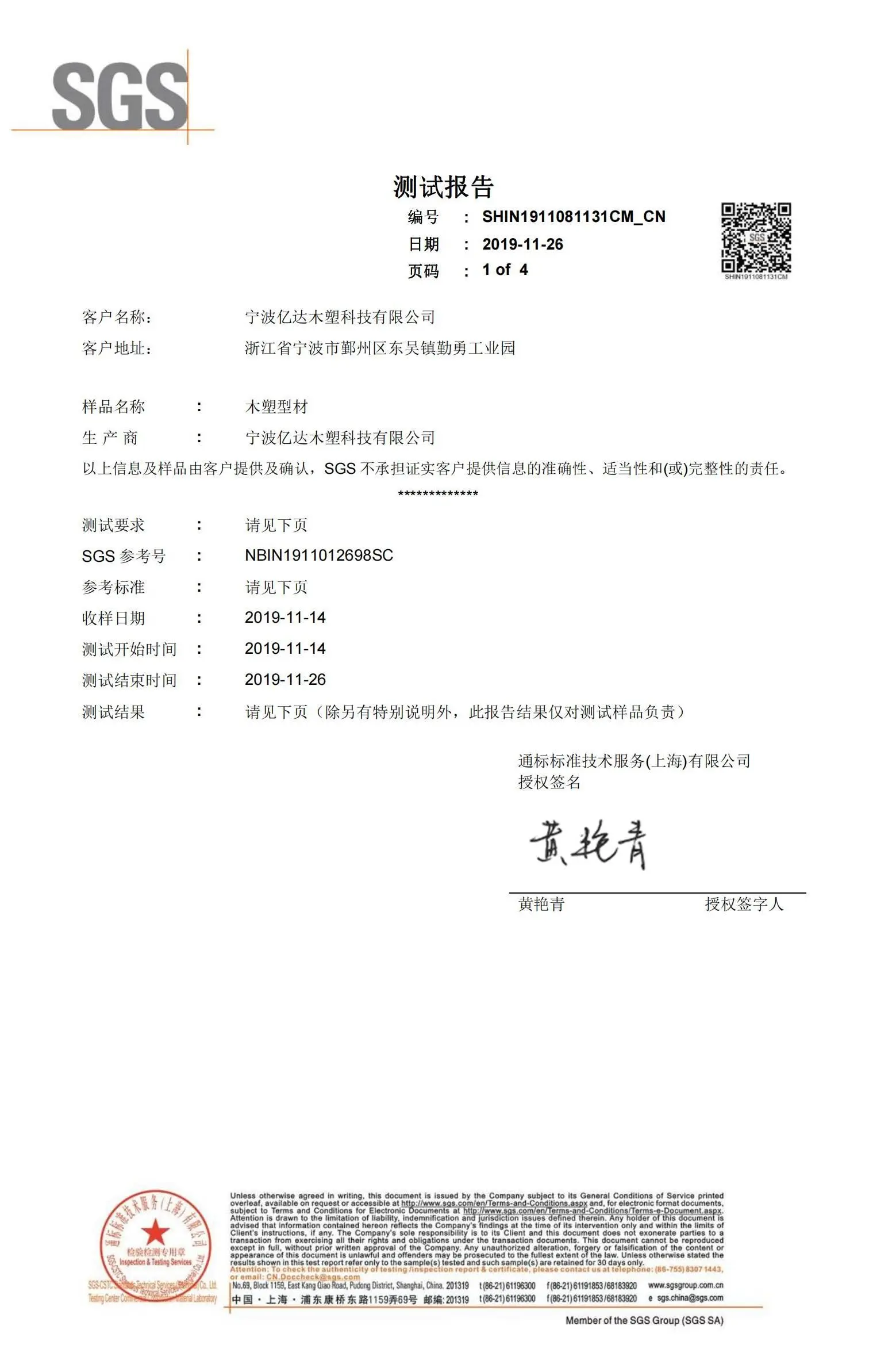
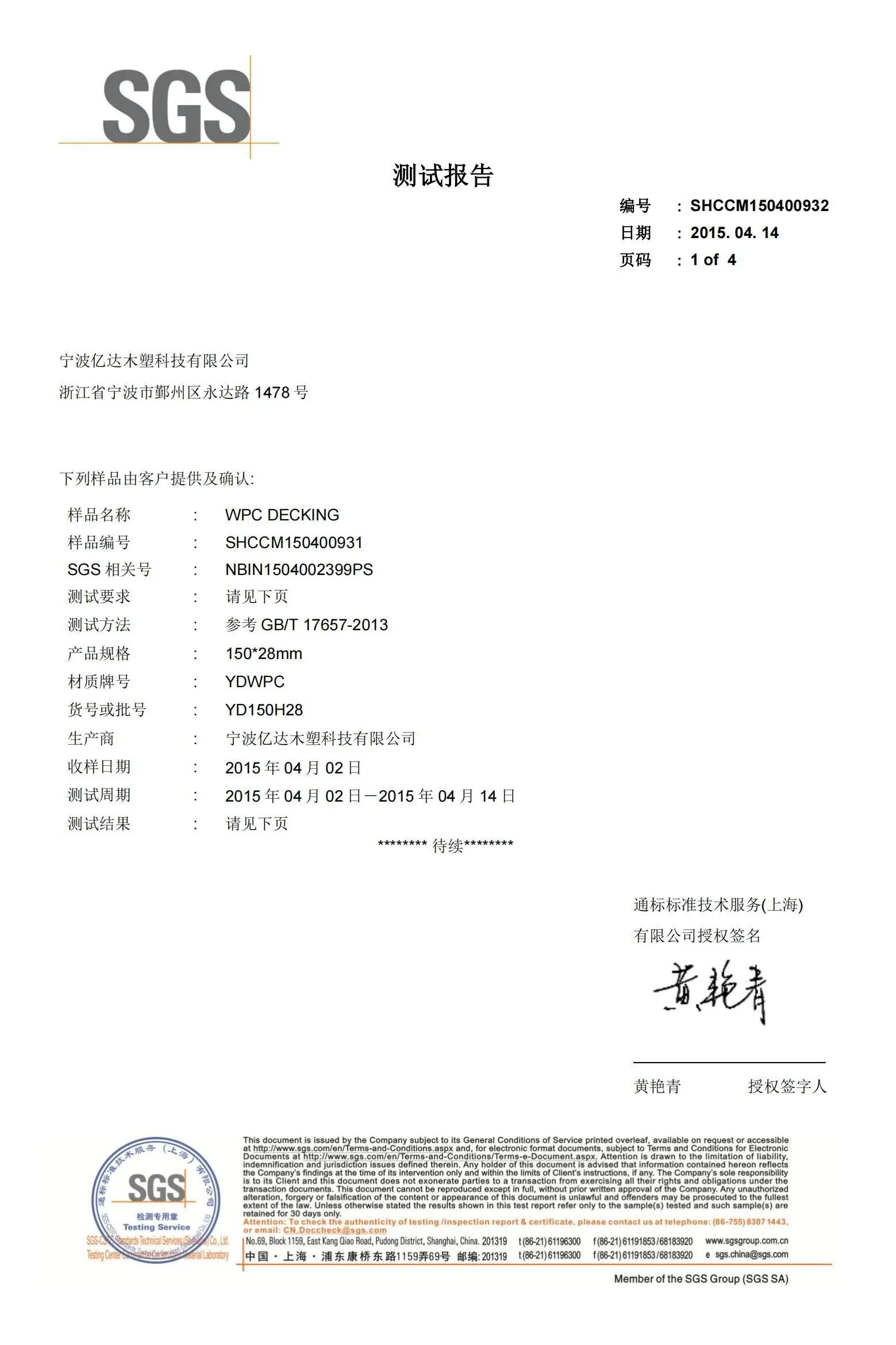
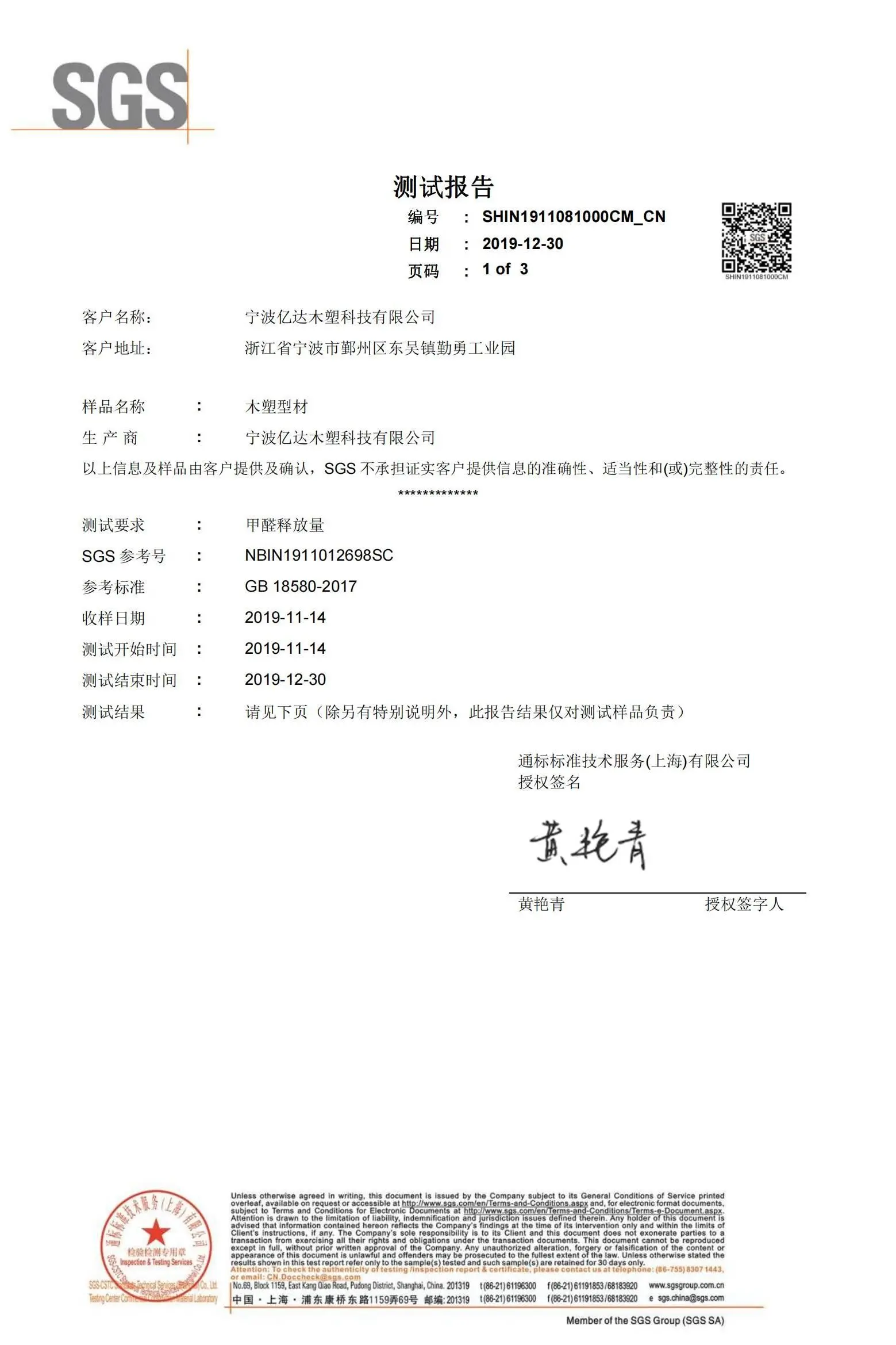
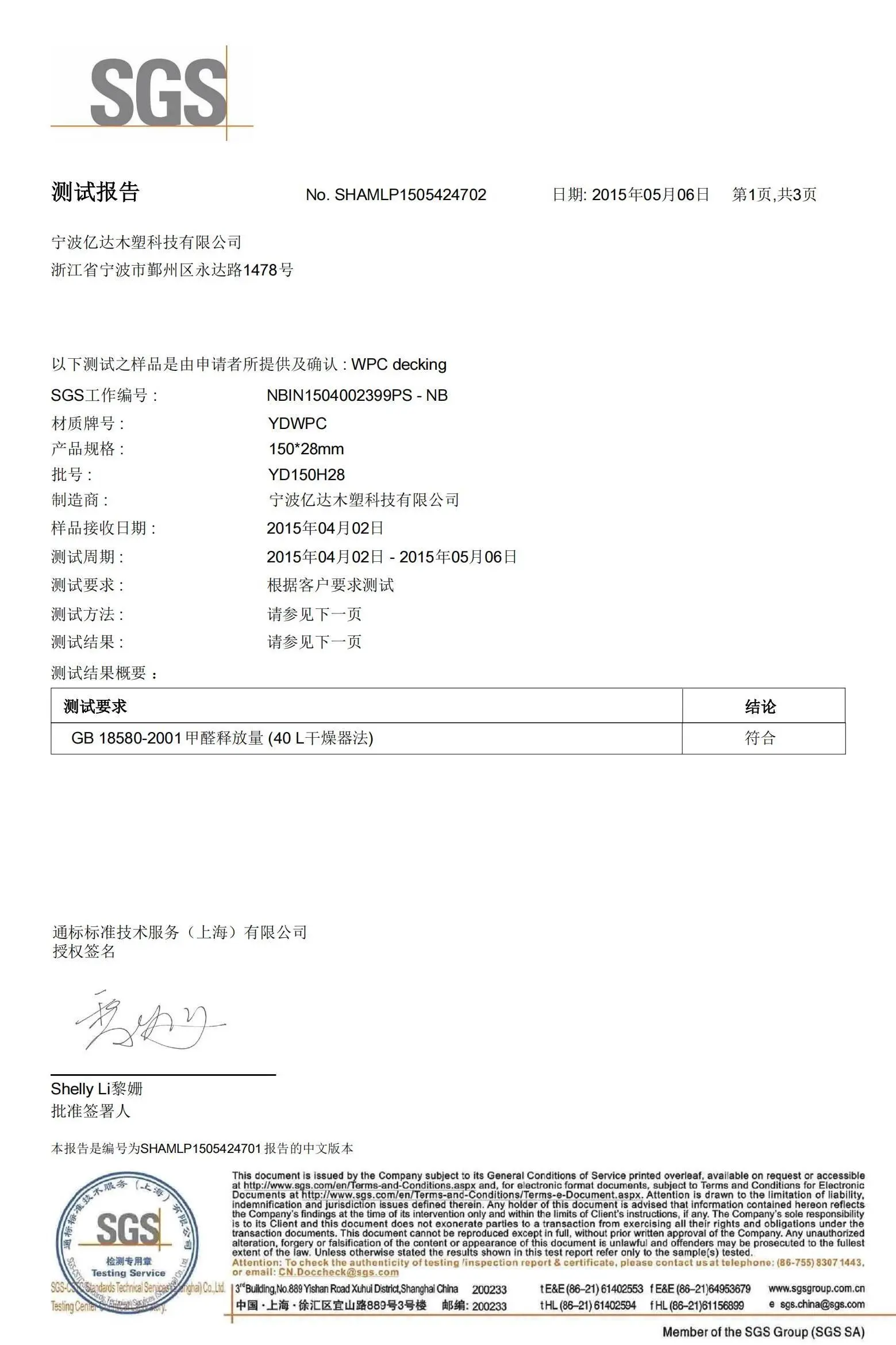
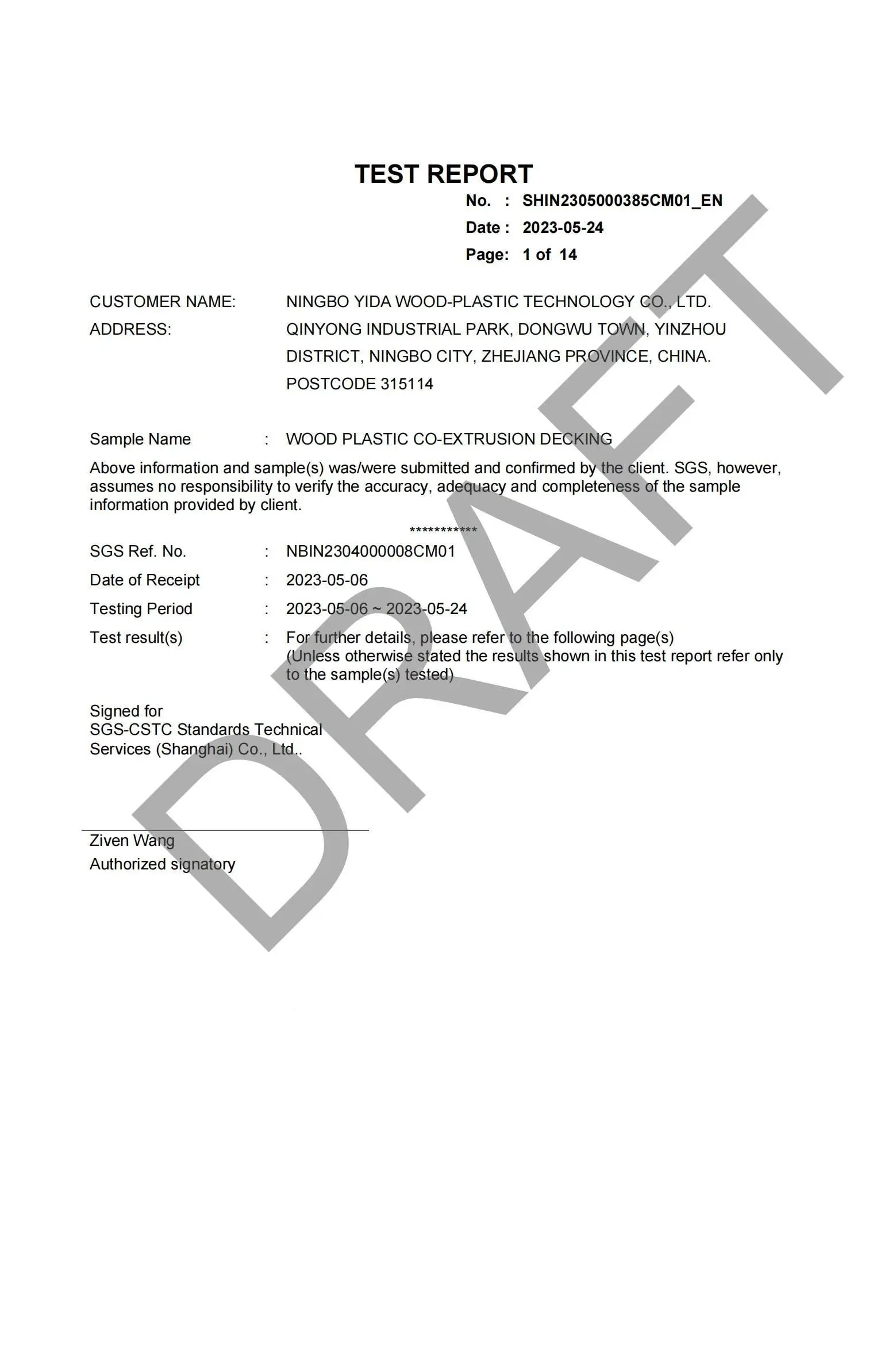
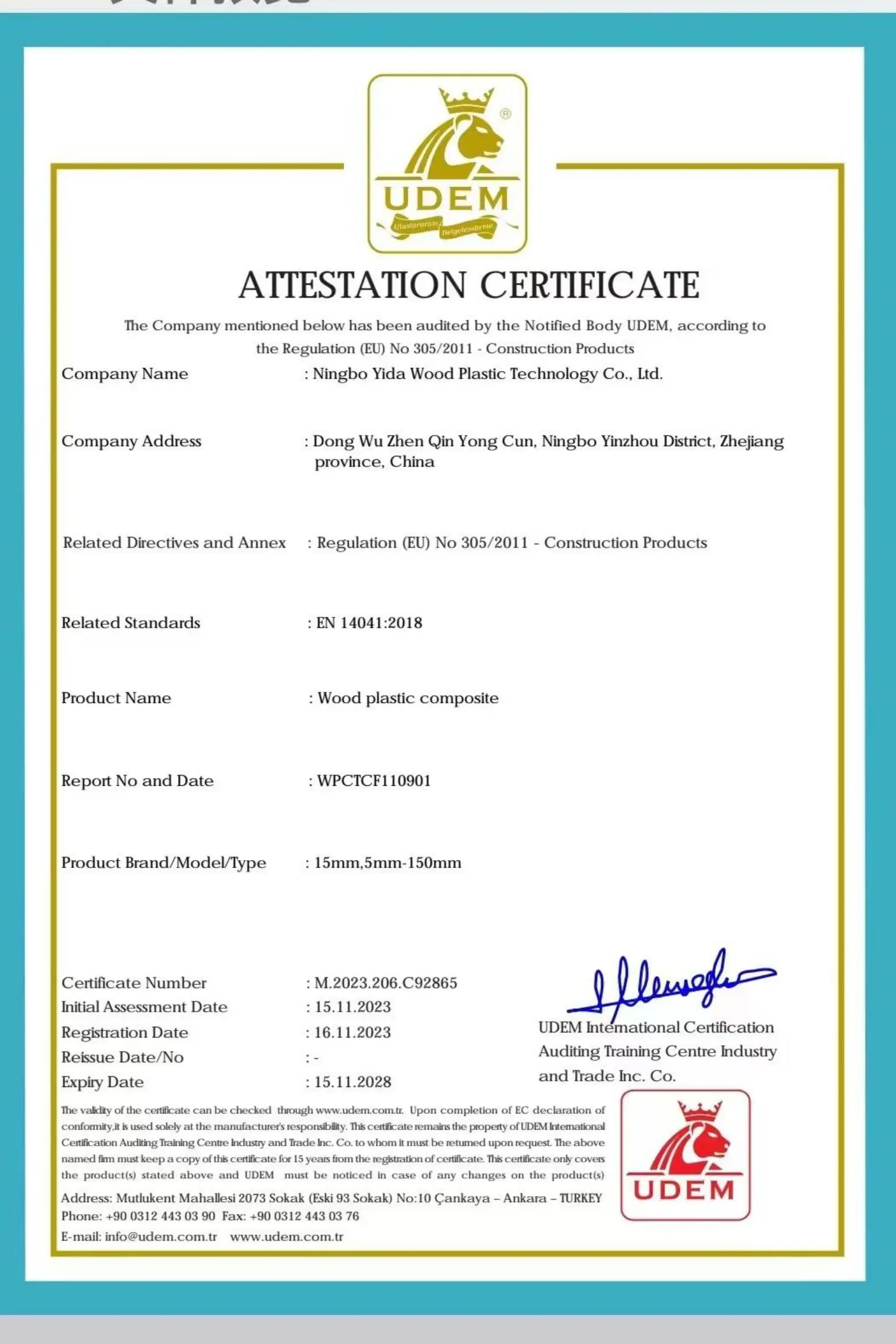
Our manufacturing processes and final product outputs undergo strict laboratory testing to ensure alignment with international building and safety codes.
The modern B2B procurement cycle for building materials has shifted significantly toward long-term carbon accountability and total cost of ownership (TCO) reductions. WPC floor panels, specifically engineered through co-extrusion technology, meet these goals by replacing expensive, high-maintenance exotic hardwoods with high-durability composites. Enterprise buyers are looking for reliable suppliers capable of steady volume output, certified mechanical load ratings, and long-term warranties. By consolidating production steps in-house and utilizing robust local recycling infrastructure, factories like Ningbo Yida provide high-capacity solutions that meet demanding build schedules while keeping pricing optimized.
Integrating WPC components in municipal, medical, or educational projects requires strict compliance with regional safety, environmental, and fire regulations. In the North American and European markets, products must meet ASTM and EN guidelines for flame retardancy, slip resistance, and load-bearing capacity. Ningbo Yida Wood Plastic Technology Co., Ltd. works directly with global inspection agencies (like SGS and Intertek) to run comprehensive laboratory stress tests. Our products carry international certificates ensuring safety in moisture-rich environments, including anti-fungal ratings, non-toxic VOC emission profiles, and reliable wind-load engineering for outdoor structural cladding.
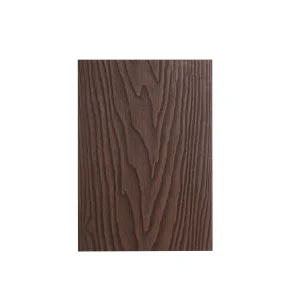
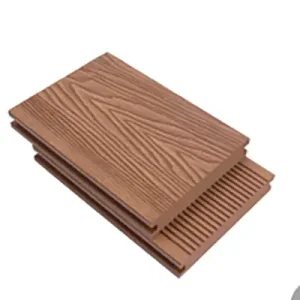
First-generation WPC materials often suffered from color fading, mold growth, and a synthetic appearance. Today, our 3D embossing and capped co-extrusion technologies have solved these issues. Capped co-extrusion encloses the core composite board in an advanced outer shield that resists scratches, UV fading, and oil spills. Our 3D printing and embossing processes replicate the tactile texture and natural variations of real timber, giving projects a premium look without the risk of splintering, cracking, or rot. These innovations ensure that every deck, wall cladding, and hoarding board maintains its aesthetic and structural performance for decades.
By using post-consumer wood flour and recycled HDPE plastic packaging, Yida WPC products support circular economy goals. Traditional wood logging contributes to deforestation and requires chemical stains, sealers, and preservatives that leach into the soil. In contrast, Yida WPC requires only basic washing, contains no toxic chemical treatments, and is fully recyclable at the end of its decades-long lifecycle. This matches green building standards like LEED and BREEAM, making our products highly attractive to sustainability-minded developers, landscape architects, and municipal planning boards worldwide.
Find detailed answers to key technical questions about the performance, installation, and properties of our WPC products.
WPC stands for Wood Plastic Composite. It is an innovative, highly durable material made from a precise blend of recycled wood fibers/flour and thermoplastics (such as HDPE and PE). This combination yields a product with the natural look and feel of real wood, but with the enhanced durability and low maintenance of modern plastics.
Yes. Our WPC products are highly eco-friendly. They are composed primarily of recycled materials—reclaimed wood waste from timber processing and recycled industrial plastics. This reduces landfill waste and helps prevent deforestation. Because they never require chemical staining, sealing, or oiling, they prevent harmful chemicals from leaching into the environment during their long service life.
While both materials require very little maintenance, WPC contains a significant volume of wood fiber. This gives it a more authentic, textured appearance and a natural wood feel. Pure plastic (PVC) decking often looks synthetic and can become slippery when wet. WPC also provides superior rigidity and better heat dissipation, making it much more comfortable to walk on in direct sunlight.
Yes. Many of our WPC products are designed for DIY-friendly installation, using hidden fastener and clip systems that secure the boards without visible screws. However, for large-scale, complex architectural, or commercial projects, we recommend professional installation to ensure a perfect finish and long-term warranty compliance. Always refer to our detailed installation manuals before beginning.
Like any outdoor surface (including natural timber, concrete pavers, or stone), WPC absorbs heat in direct sunlight. However, Yida WPC products are manufactured using advanced thermal formulations. Opting for lighter color palettes or our capped co-extrusion lines helps reflect more heat, keeping walkways and patios cooler and more comfortable underfoot.
Yes. Our WPC decking, stairs, and walkways feature textured, grooved surfaces designed to provide excellent slip resistance. Even when wet, our boards meet international safety standards, making them a secure and reliable choice for pool decks, marinas, and public parks.
WPC is highly resistant to moisture absorption, decay, and rot, making it ideal for wet and humid climates. It is also engineered to handle freezing and thawing cycles without cracking, splitting, or splintering in sub-zero temperatures. Proper installation, with the recommended drainage and spacing gaps, is essential to ensure maximum durability in seasonal climates.
No. One of the main advantages of WPC is its exceptional dimensional stability. It does not splinter, crack, warp, or cup like natural wood, saving you from painful splinters and structural failures over years of outdoor exposure.
WPC maintenance is simple and affordable. For regular cleaning, sweep away loose debris and wash the surface with a mild soap solution and a soft-bristled brush. This is all that is required to keep your panels looking new. Avoid using harsh chemical solvents, abrasive tools, or high-pressure washers closer than 30 cm, as they could damage the surface finish.
No. Unlike natural timber, WPC never requires sanding, oiling, staining, or sealing. The color pigments are blended throughout the material during extrusion, keeping the panels vibrant and fresh for years with minimal fade.
Our products are engineered for decades of reliable service. Depending on the product line and installation environment, our WPC products come with warranties ranging from 10 to 25 years against structural defects, excessive fading, and insect damage.
Yes. The composite structure of WPC prevents mold, mildew, and wood-boring insects (like termites) from feeding on or penetrating the material. This provides a major longevity advantage over traditional softwood or hardwood building options.
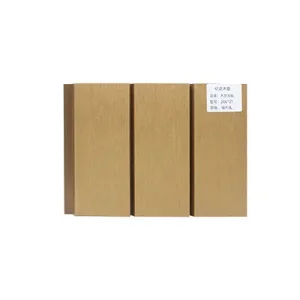
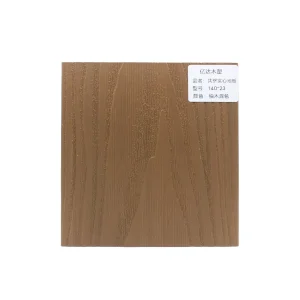
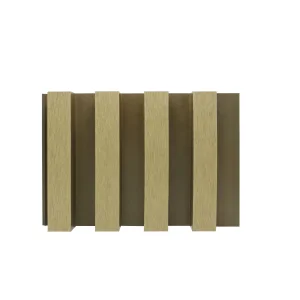
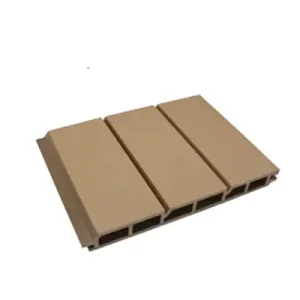
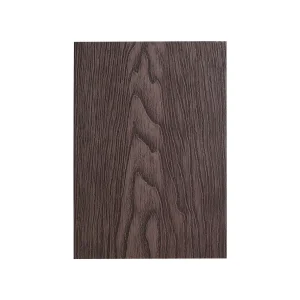
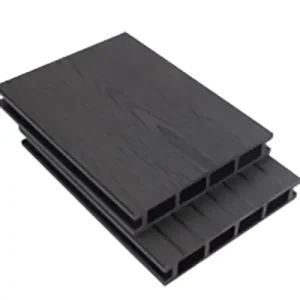
We offer a diverse range of colors and wood grain textures, from classic warm tones like Teak and Ipe to modern, minimalist grays and whites. Our product line includes decking boards, wall cladding, fencing, outdoor hoarding, and decorative pergolas.
Yes. WPC can be cut, routed, and drilled using standard woodworking tools. We recommend using sharp carbide-tipped saw blades and pre-drilling screw holes to ensure clean cuts and avoid thermal stress during installation.
Compare and select from our high-performance structural systems, featuring advanced weather-resistant composites and low-maintenance designs.
Connect with our expert engineering team today to review blueprints, request physical samples, or secure factory-direct pricing for your development project.
Contact Us Now Yida Wood