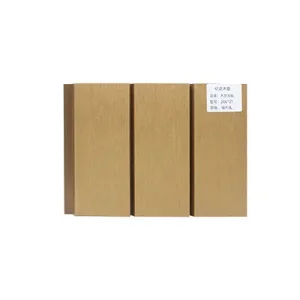
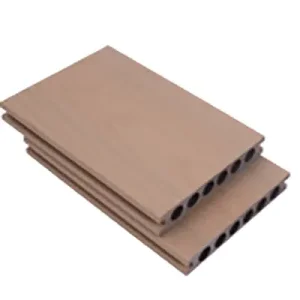
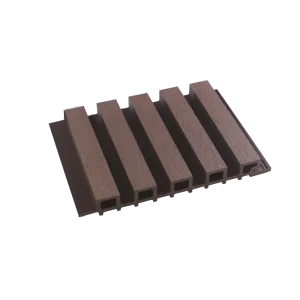
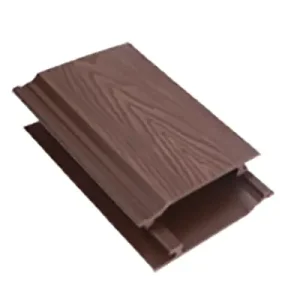
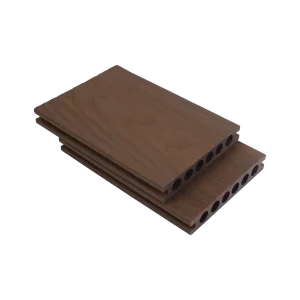
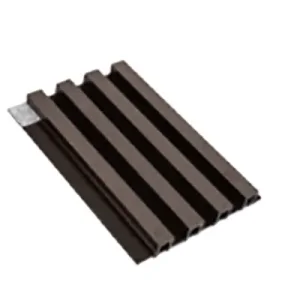
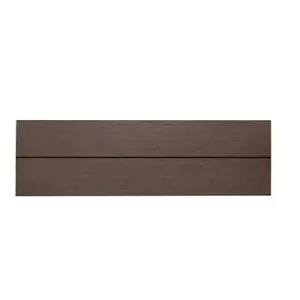
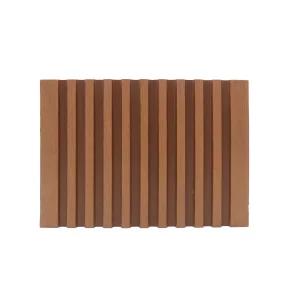
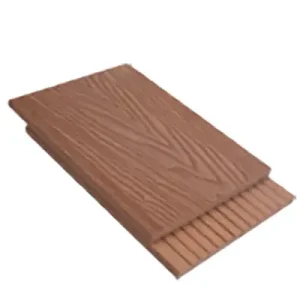
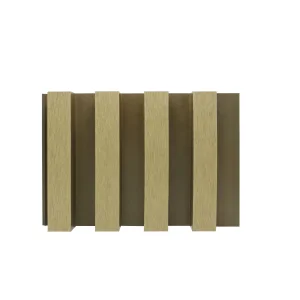
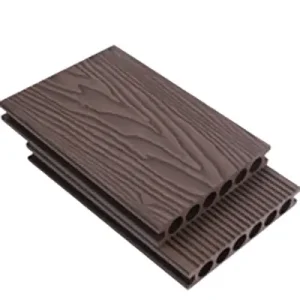
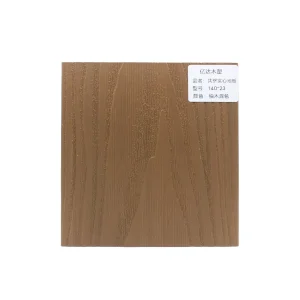
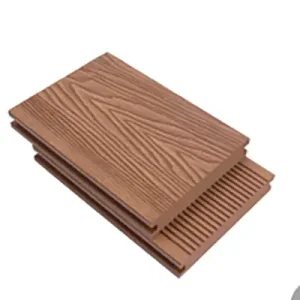
In the current global industrial landscape, the construction and decorative materials sector is undergoing a profound transformation. As sustainability moves from a corporate buzzword to a regulatory mandate (such as the EU's Green Deal and North America's LEED standards), Wood Plastic Composite (WPC) decorative panels have emerged as the premier alternative to traditional timber and pure PVC products.
Global demand for WPC is projected to grow at a CAGR of 11.4% through 2030. This growth is driven by the urgent need for materials that offer the "biophilic design" appeal of natural wood without the catastrophic environmental cost of deforestation. Ningbo Yida Wood Plastic Technology Co., Ltd. stands at the epicenter of this revolution, providing high-performance solutions that bridge the gap between aesthetic desire and industrial durability.
Urbanization in developing nations and the renovation of aging infrastructure in developed economies are the twin engines of WPC demand. From high-rise residential cladding in Dubai to public boardwalks in Sydney, WPC is the material of choice for "future-proof" projects.
Unlike regional suppliers, Chinese factories like Ningbo Yida leverage a complete supply chain—from raw wood fiber processing to high-precision co-extrusion—reducing lead times by 40% compared to Western manufacturers.
With nearly a decade of focused R&D, we specialize in "Information Gain" through material science, developing anti-UV polymers that prevent fading in extreme tropical climates.
Located near the Ningbo-Zhoushan port—the world's busiest—we ensure seamless global distribution with optimized shipping costs for wholesale partners.

Ningbo Yida Wood Plastic Technology Co., Ltd. is proud to introduce our innovative wood plastic composite material that combines the natural beauty of wood with the durability of plastic profiles. With nearly ten years of R&D, production and sales experience, we have become a leading manufacturer and supplier of new wood-plastic composite materials.
Our Yida brand wood-plastic composite materials have excellent properties such as waterproof, moisture-proof, mildew-proof, insect-proof, black-proof, and crack-proof. This makes it ideal for a variety of applications, including outdoor architectural design, landscaping and municipal engineering projects.
We have established dedicated service teams to support educational and medical institutions. Our commitment to providing professional services and construction to major universities and hospitals reflects our contribution to public infrastructure. In these high-traffic environments, our WPC panels offer the fire rating and slip resistance required by stringent safety codes.
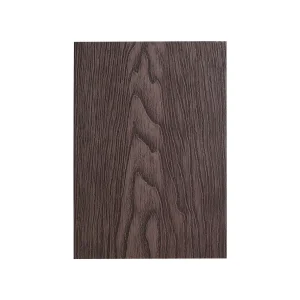
From private villa decking to urban parks, the "3D Embossed" series provides an authentic wood grain that satisfies the aesthetic demands of high-end landscape architects while eliminating the maintenance nightmare of oiling and sanding traditional timber.
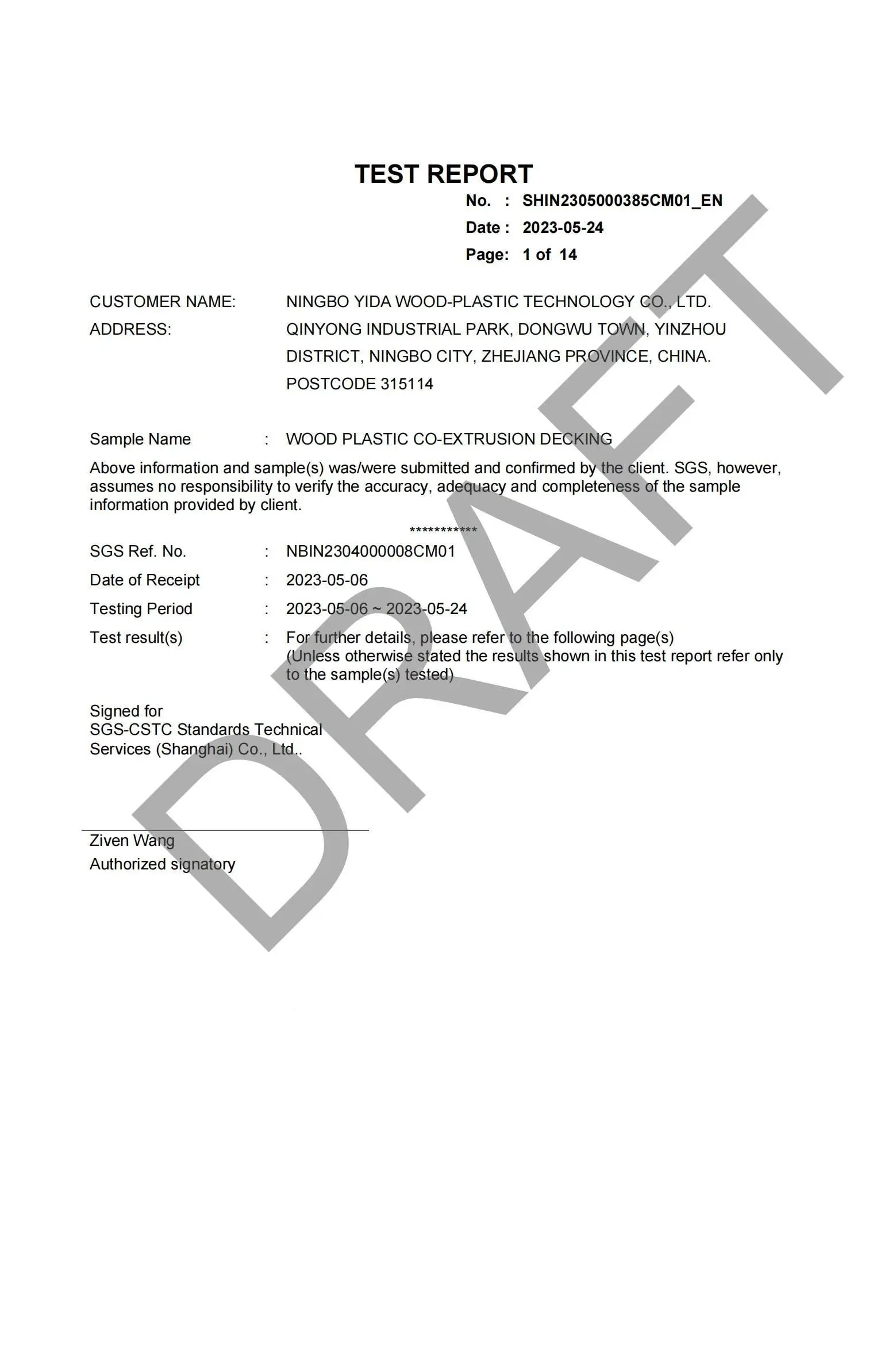
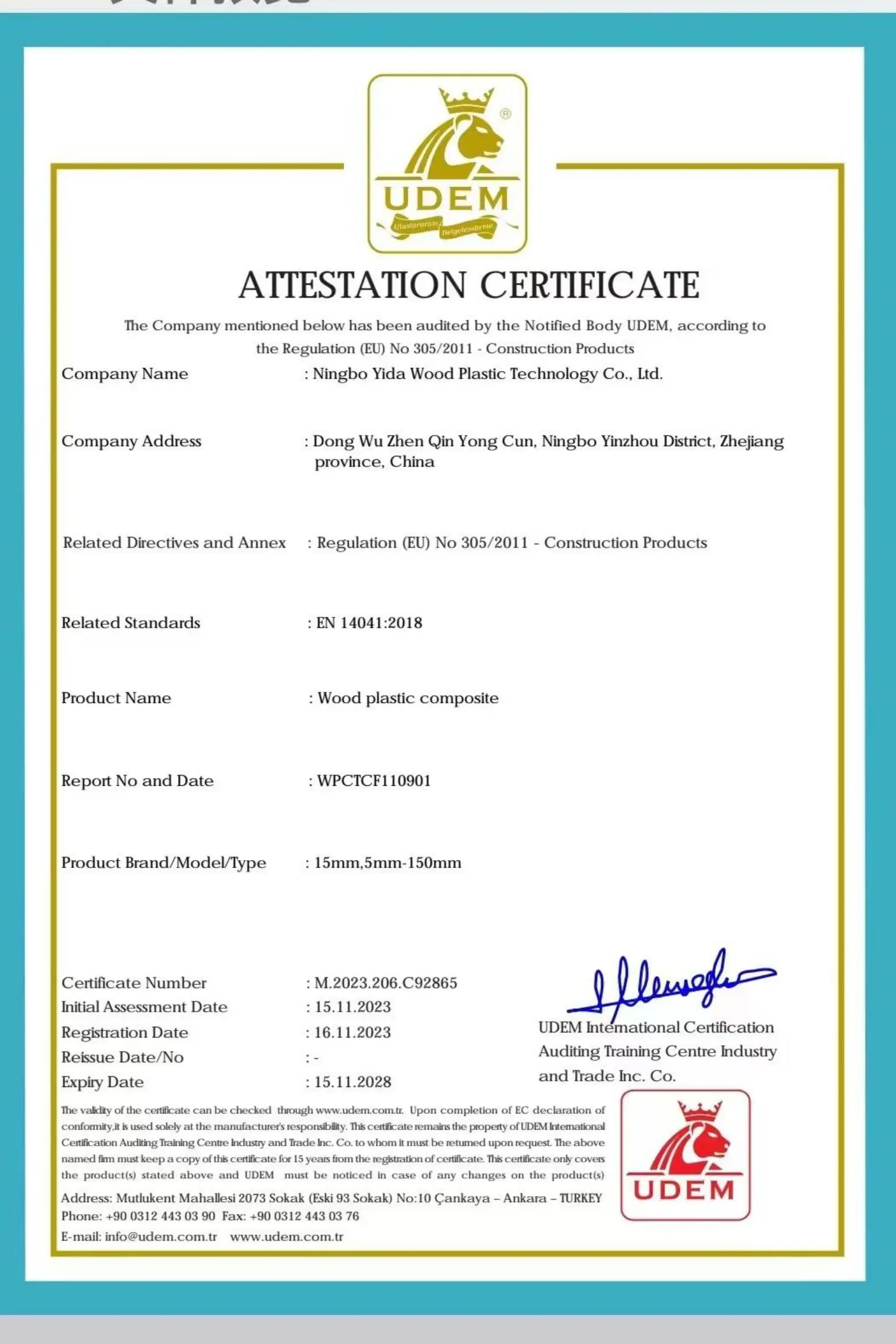
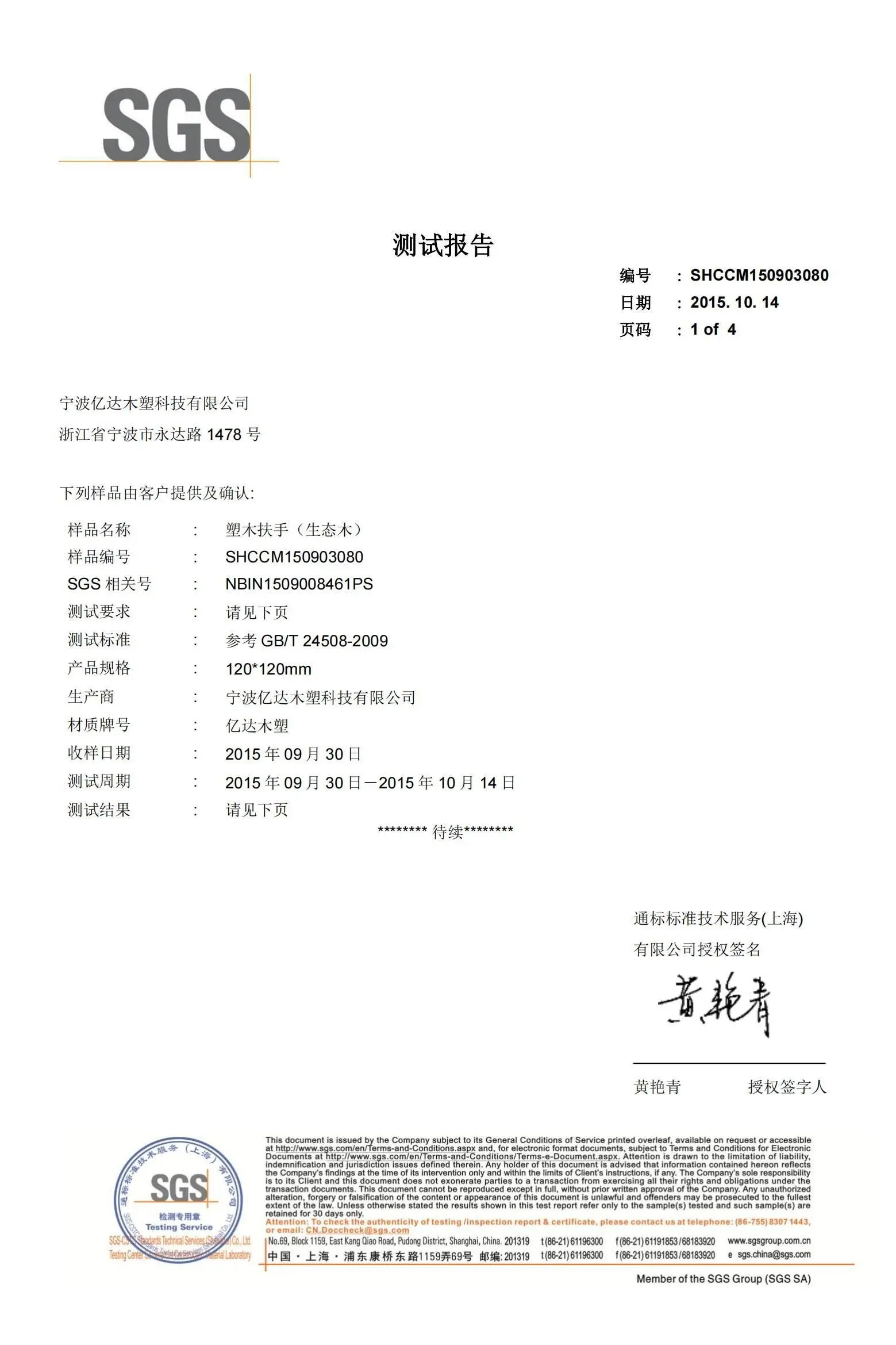
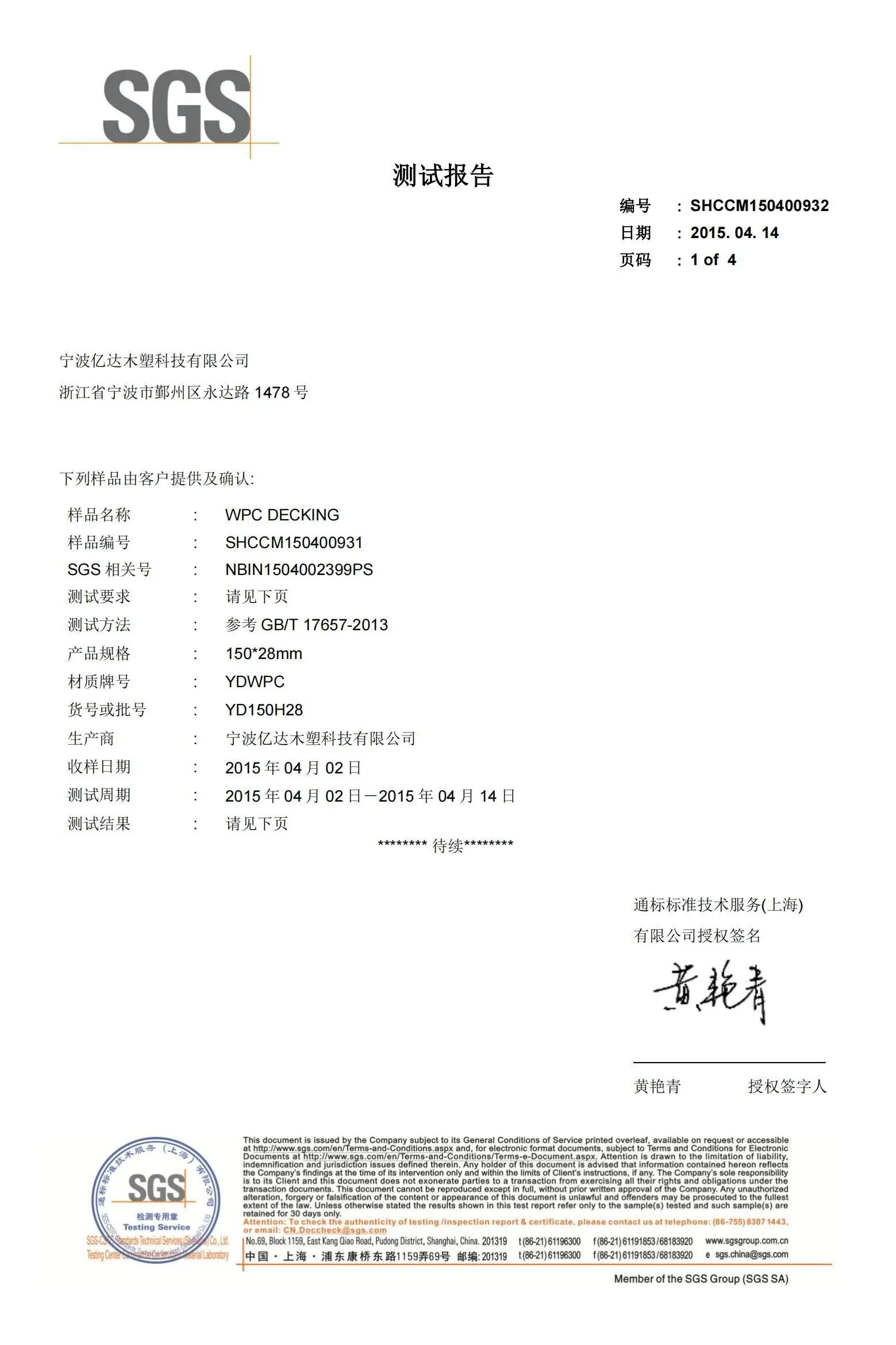
Our commitment to quality is backed by international standards.
WPC stands for Wood Plastic Composite. It is an innovative material made from a blend of recycled wood fibers/flour and thermoplastics (like PE). This creates a product that has the natural beauty of wood with enhanced durability and minimal maintenance.
WPC is highly resistant to moisture, rot, and decay. It is also resistant to freezing and thawing cycles, so it won't crack or splinter in frosty conditions. Proper installation with adequate drainage is key.
Yes. Our WPC products are eco-friendly because they are primarily made from recycled materials—reclaimed wood waste and recycled plastics. This reduces landfill waste and the need for virgin timber.
Our products are engineered for long-life performance. They typically come with warranties ranging from 10 to 25 years against fading, staining, and structural defects.
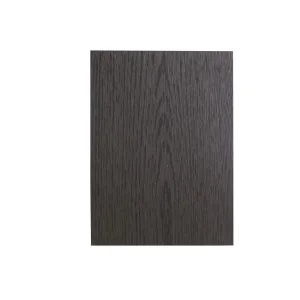
Absolutely. We offer a wide range of colors and wood-grain textures, and we can adjust formulations to meet specific fire-rating or UV-resistance requirements for large-scale industrial projects.
Maintenance is incredibly easy. Simply sweep away debris and occasionally wash with a mild soap solution. Unlike natural wood, WPC never requires sanding, staining, or sealing.
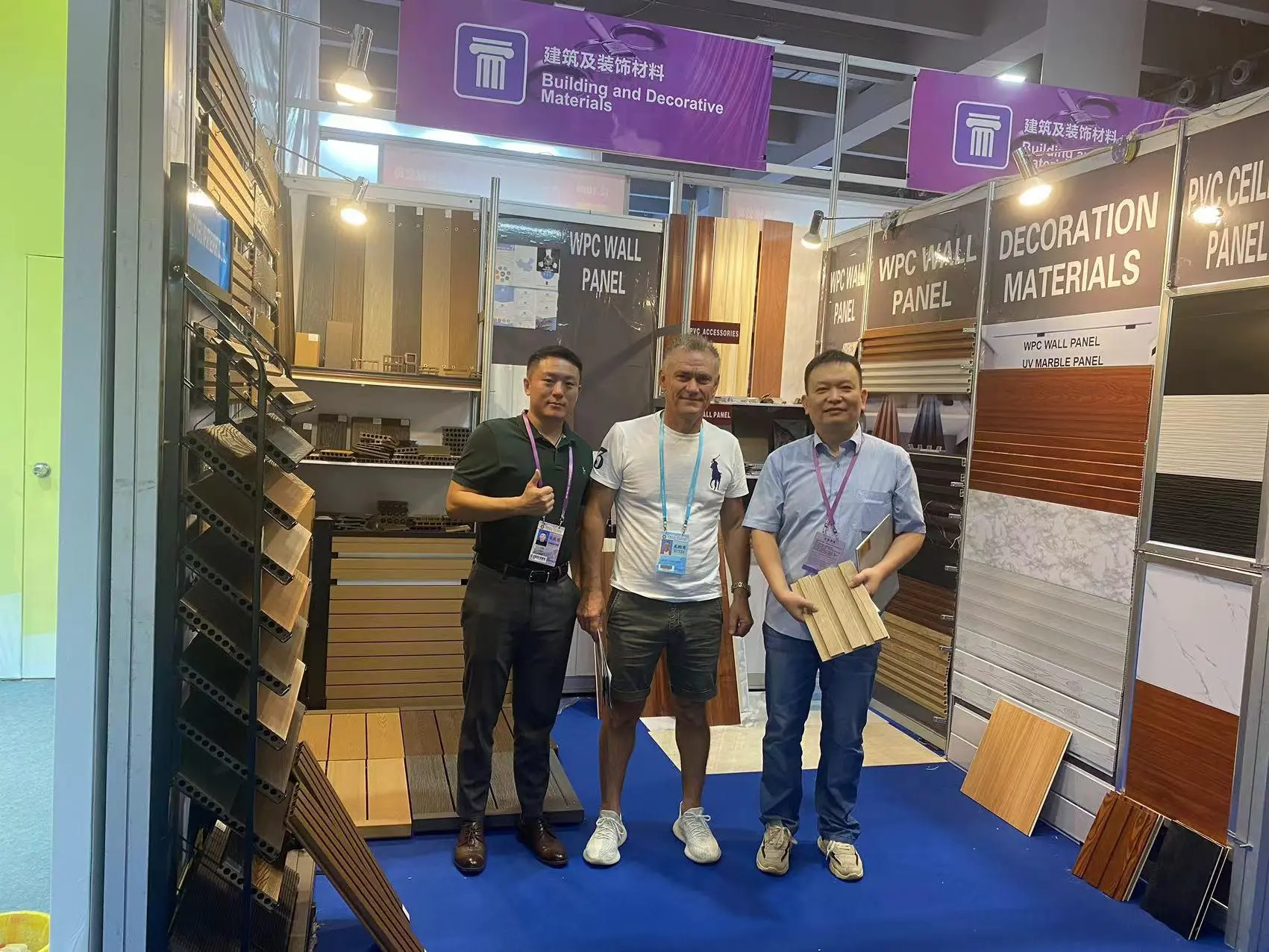

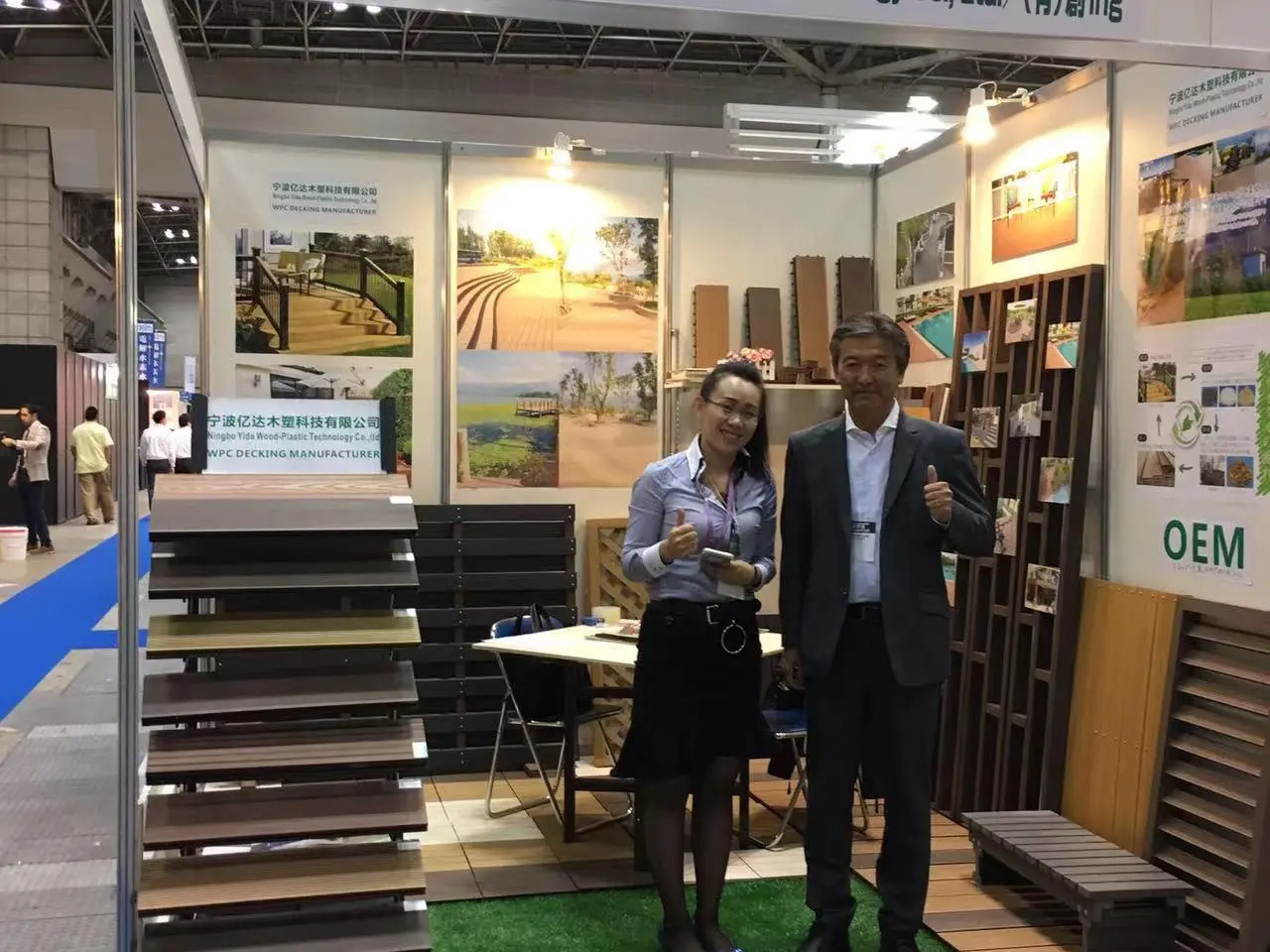
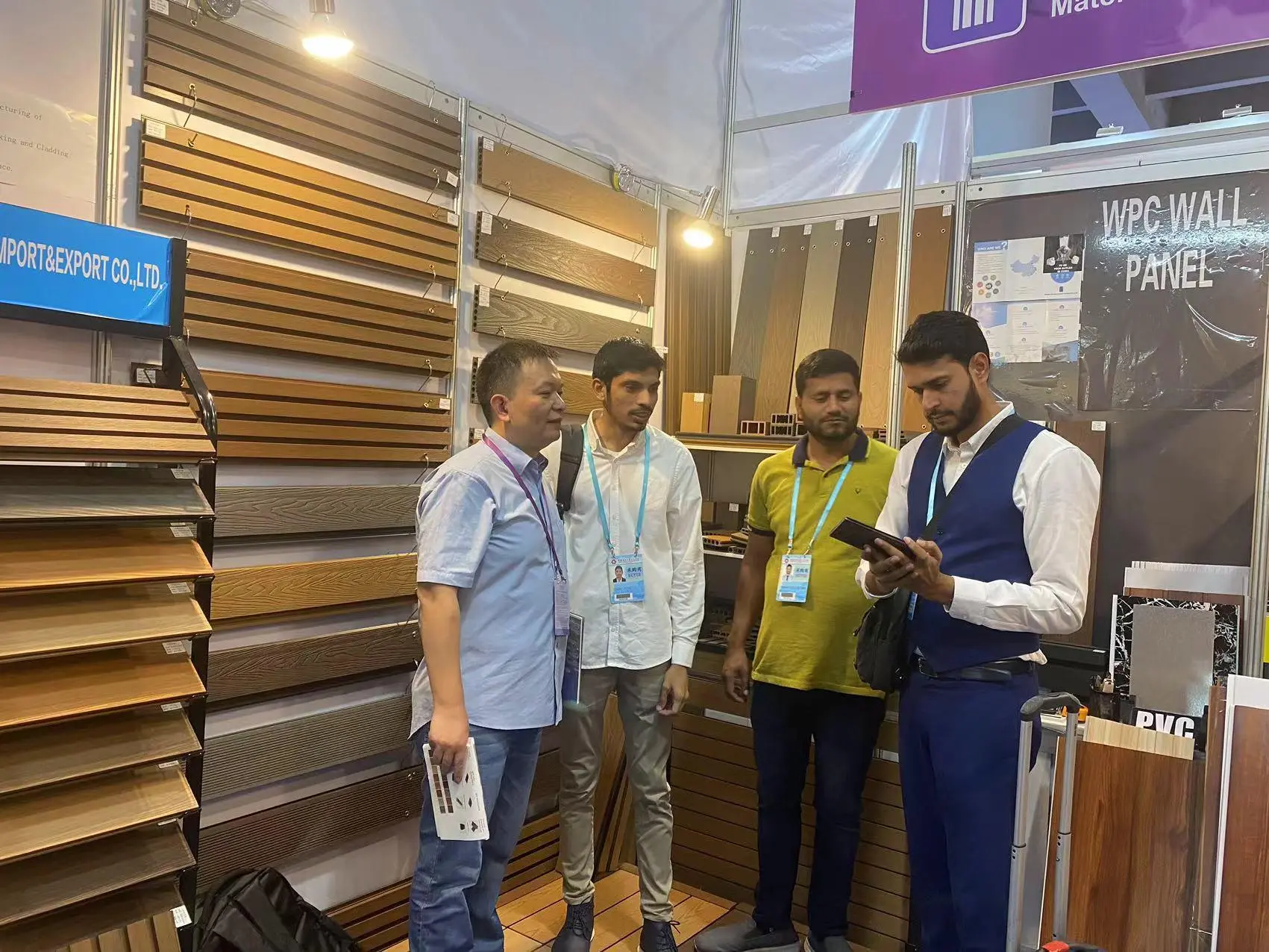
 Yida Wood