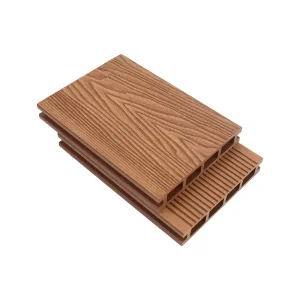
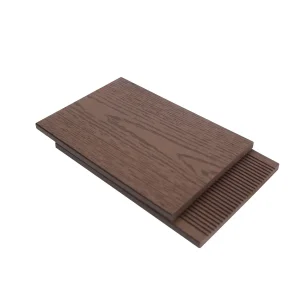
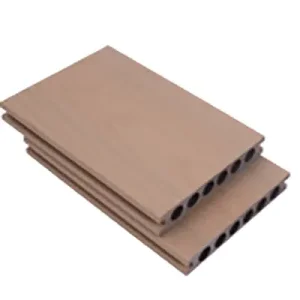
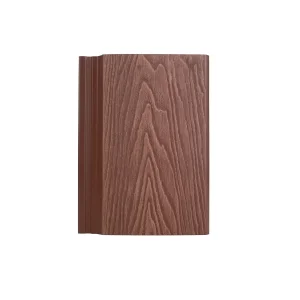
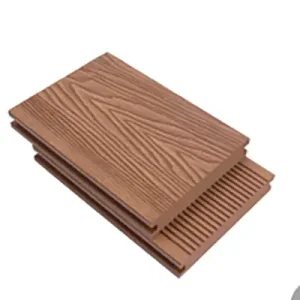
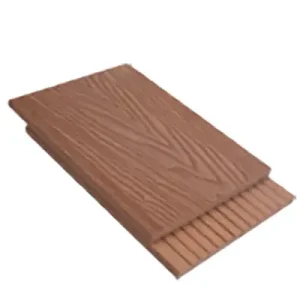
The global Wood Plastic Composite (WPC) market is witnessing an unprecedented surge, driven by the urgent need for sustainable, low-maintenance alternatives to traditional timber. As a leading Custom WPC Deck Installations Manufacturer, we recognize that the industry is shifting from simple residential applications to complex industrial and municipal infrastructure. Today, WPC is no longer just a "plastic wood"; it is a high-tech engineering material that combines recycled wood fibers with advanced thermoplastics to offer superior durability.
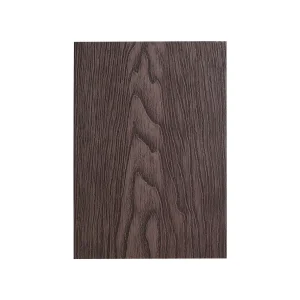
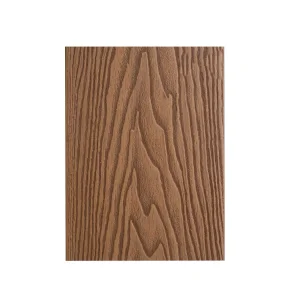
From 1st-generation classic decking to 2nd-generation Co-extrusion and 3rd-generation 3D Embossed textures, technology is enhancing UV resistance and aesthetic realism.
Global procurement demands are heavily focused on LEED certification and circular economy principles. Our WPC products utilize 95% recycled materials.
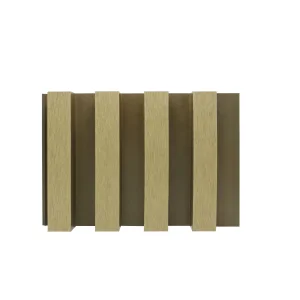
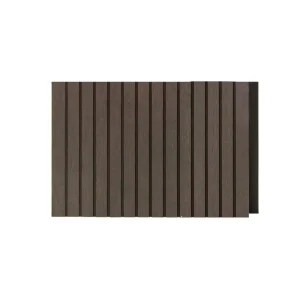
Beyond patios, WPC is now the standard for municipal boardwalks, cooling tower components, and heavy-duty commercial cladding.
Ningbo Yida Wood Plastic Technology Co., Ltd. is proud to introduce our innovative wood plastic composite material that combines the natural beauty of wood with the durability of plastic profiles. With nearly ten years of R&D, production and sales experience, we have become a leading manufacturer and supplier of new wood-plastic composite materials.
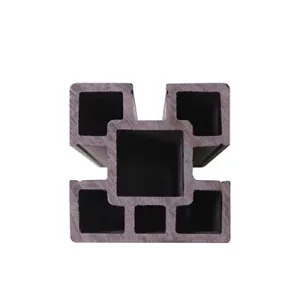
Our Yida brand wood-plastic composite materials have excellent properties such as waterproof, moisture-proof, mildew-proof, insect-proof, black-proof, and crack-proof. This makes it ideal for a variety of applications, including outdoor architectural design, landscaping and municipal engineering projects. As an environmentally friendly material, it is in line with the country’s strong encouragement of sustainable development.
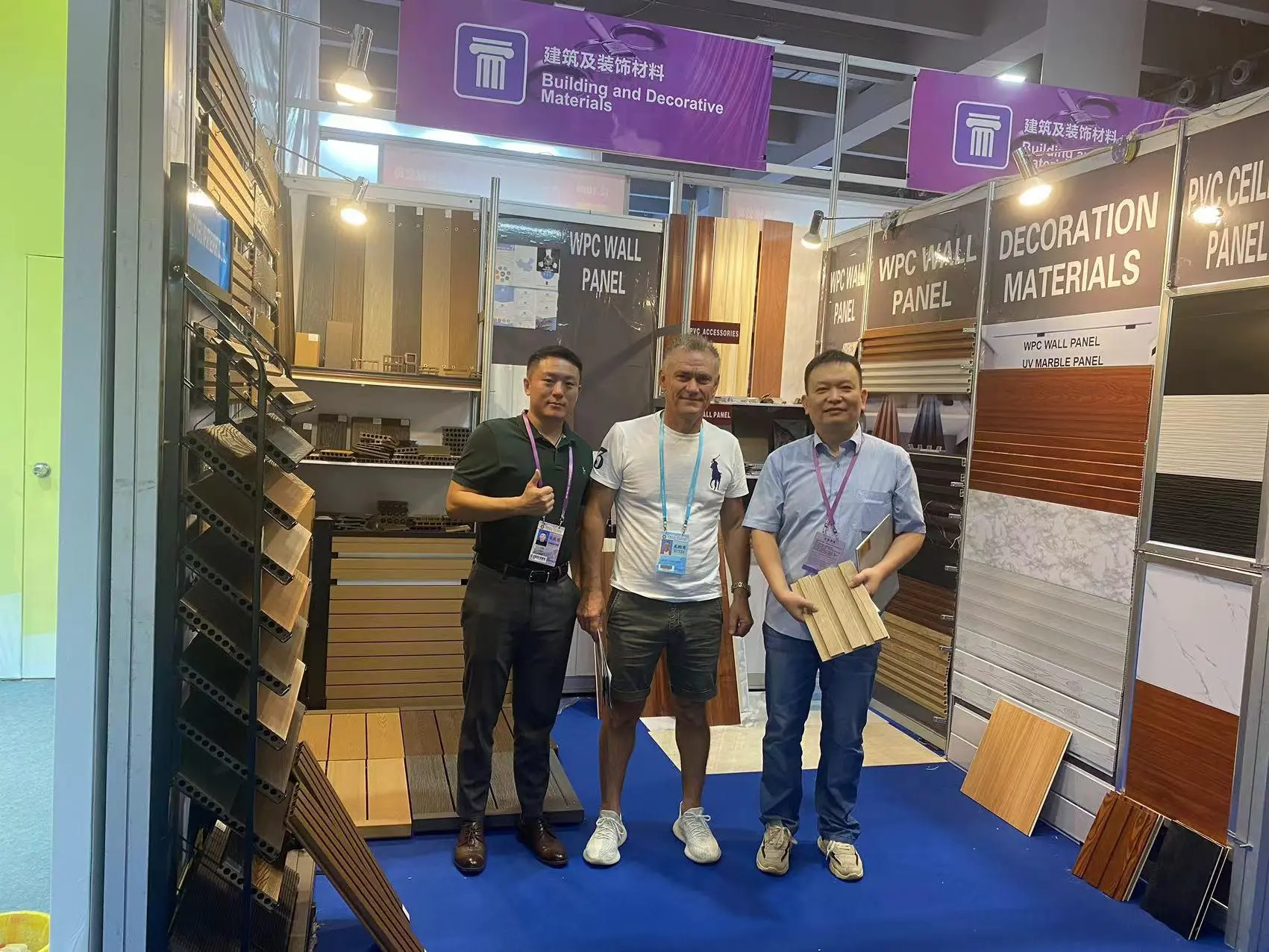
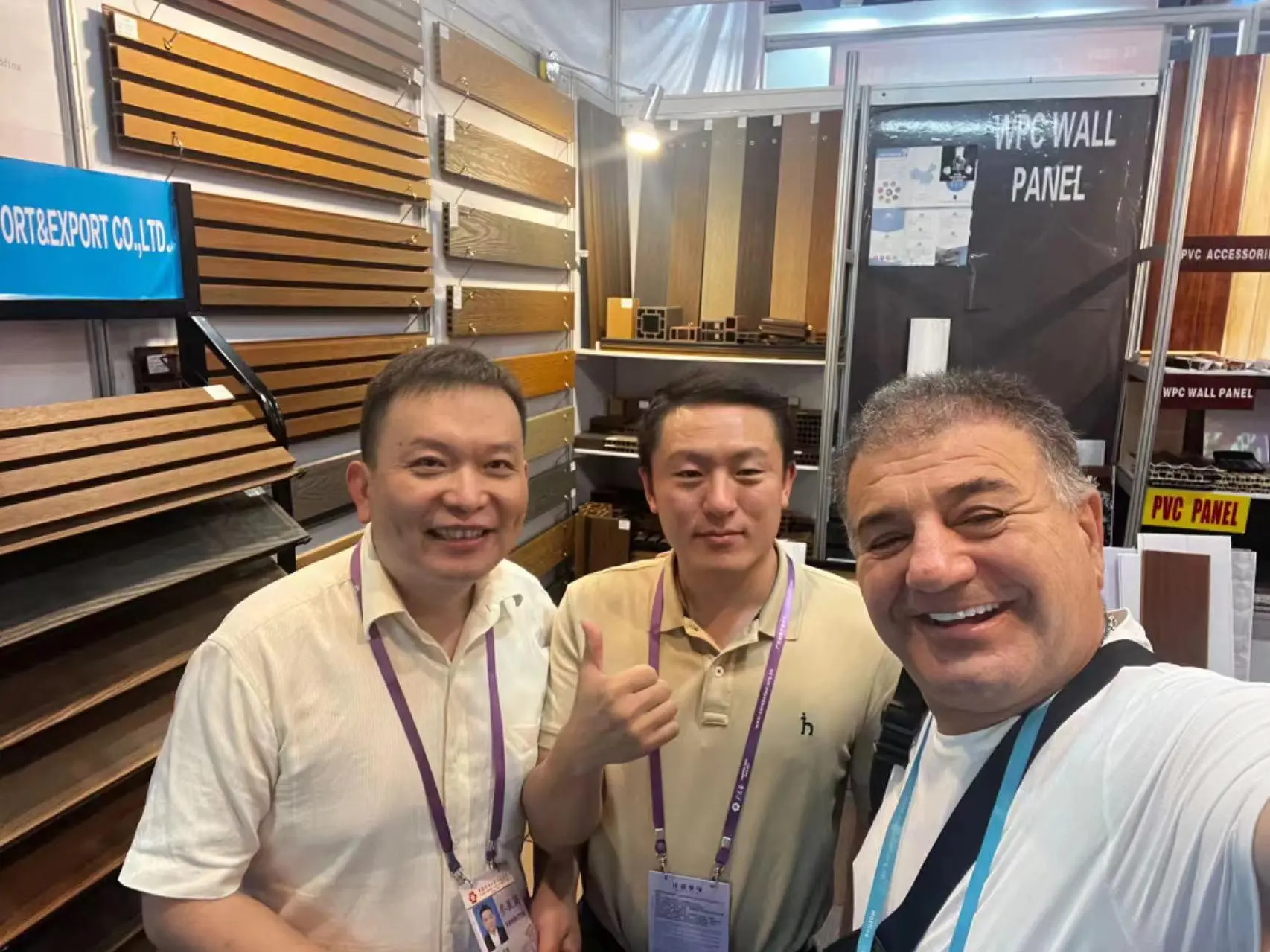
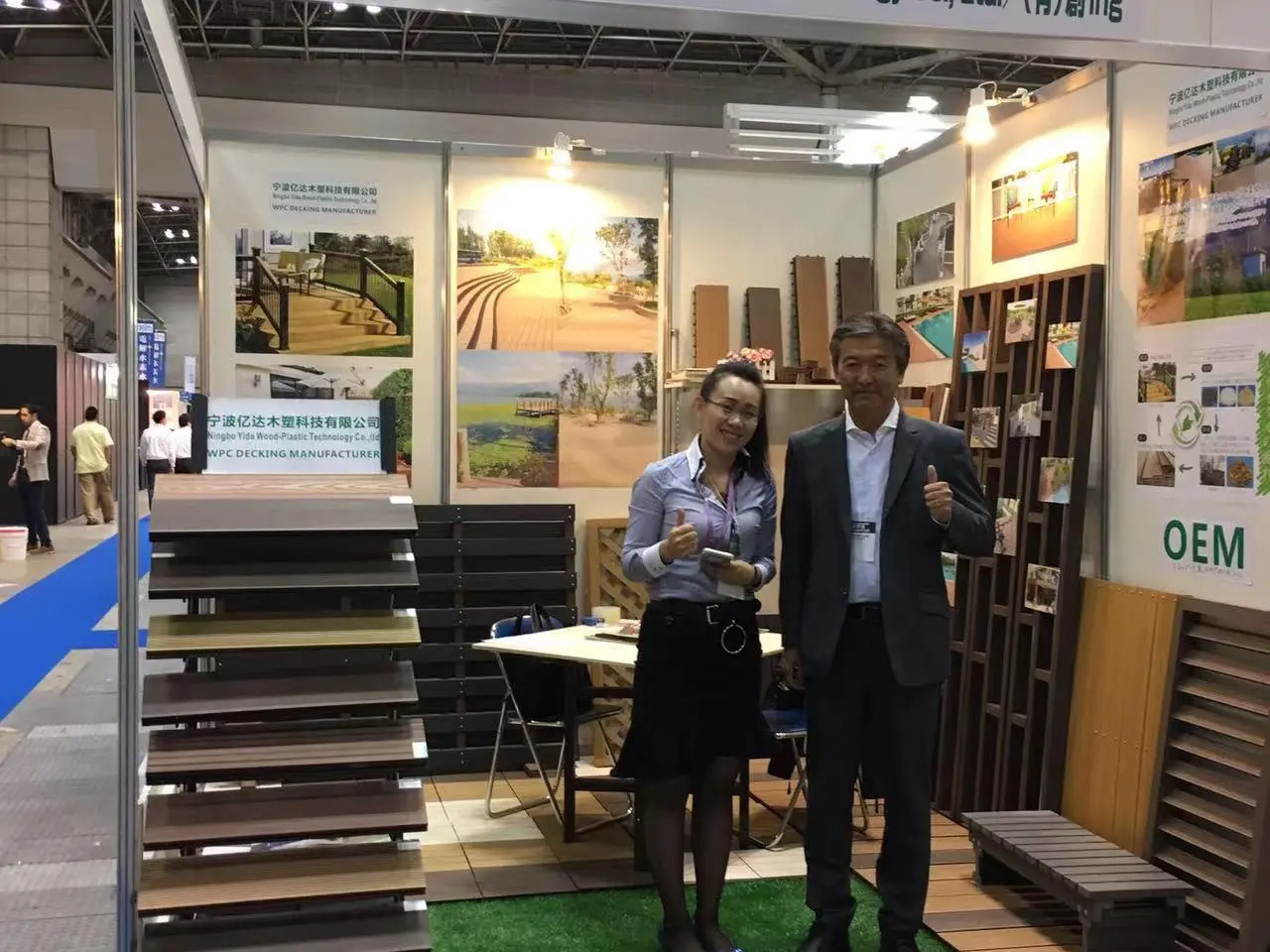
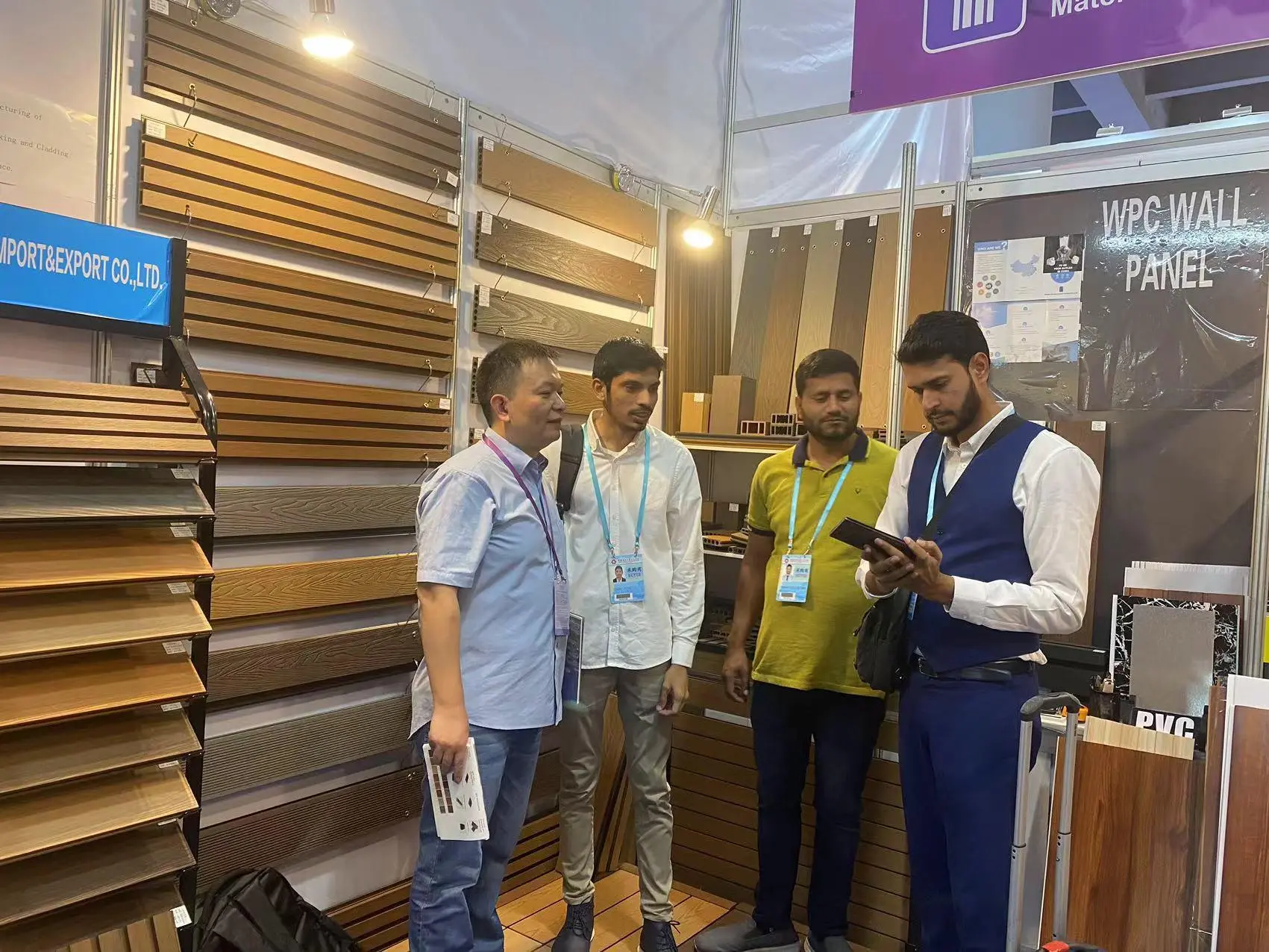
In the competitive landscape of Custom WPC Deck Installations, sourcing directly from a specialized Chinese factory like Ningbo Yida offers strategic advantages that go beyond cost savings.
We utilize state-of-the-art extrusion lines and proprietary formulas that ensure high dimensional stability and color consistency across large-scale production runs.
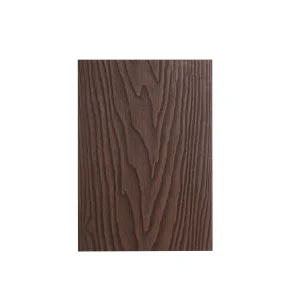
Our dedicated team focuses on "3D Printed" textures and "Co-extrusion" technology, providing the most realistic wood-grain finishes available in the market today.
Located in Ningbo, one of the world's largest port cities, we provide seamless international shipping and supply chain reliability for distributors and contractors.

At Ningbo Yida, we have invested in advanced production technology and established a professional team dedicated to product research and development, manufacturing, sales, after-sales service and construction. We have established dedicated service teams to support educational and medical institutions across the country.

We are proud to have successfully completed numerous large-scale engineering projects, demonstrating the reliability and versatility of our wood plastic composite materials. Our products are widely recognized for their superior performance and aesthetic appeal in major universities and hospitals.
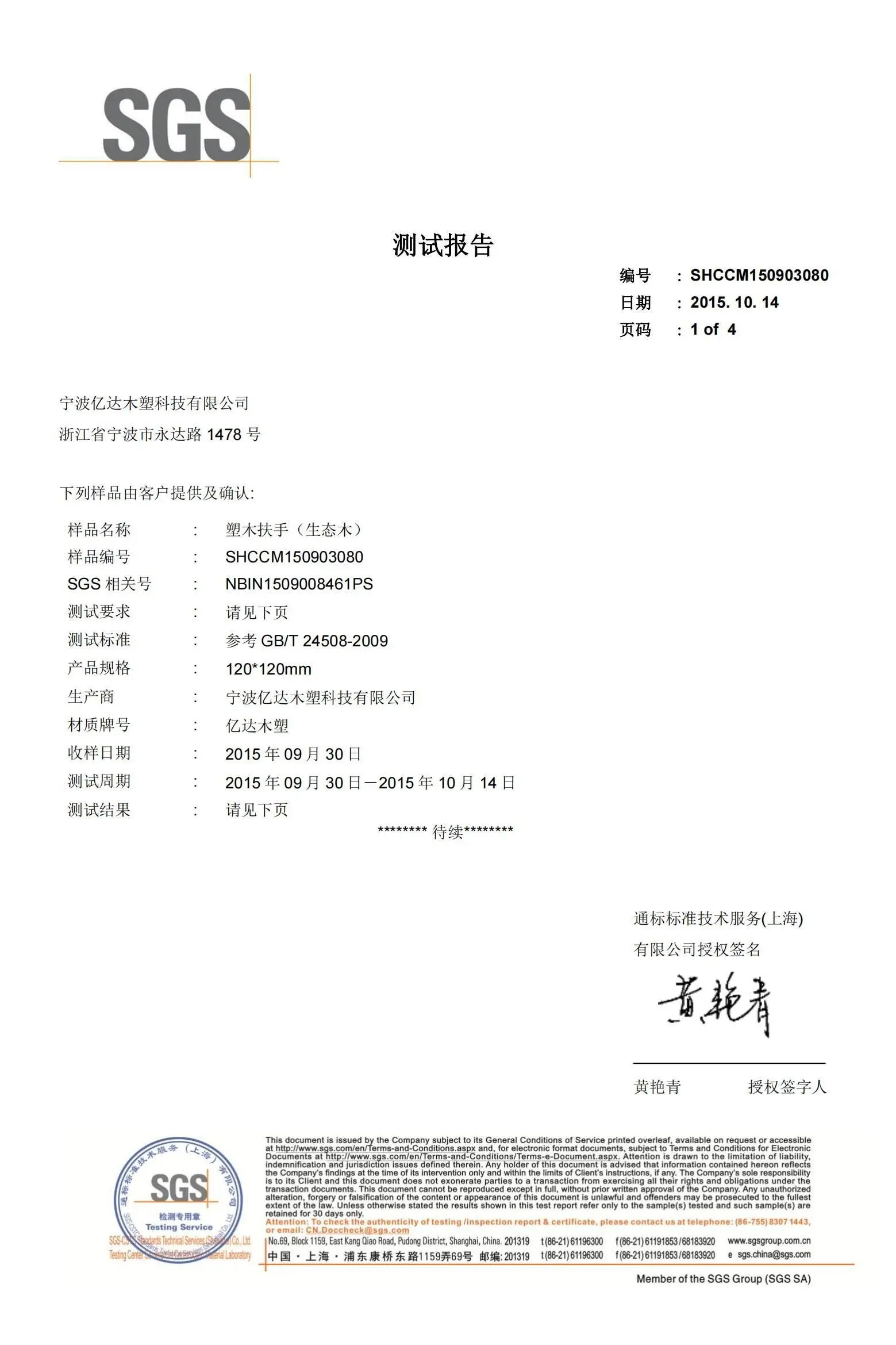
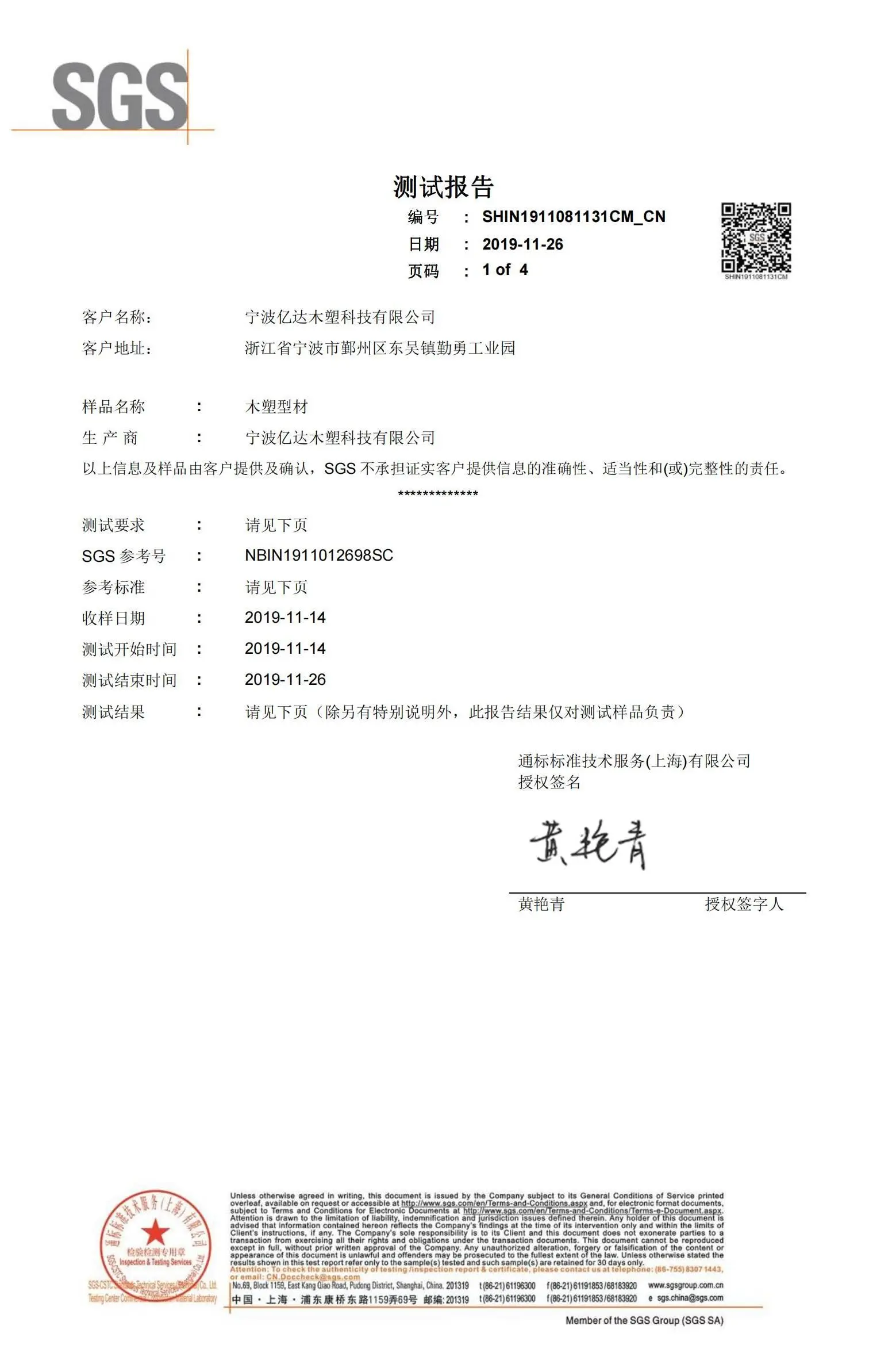
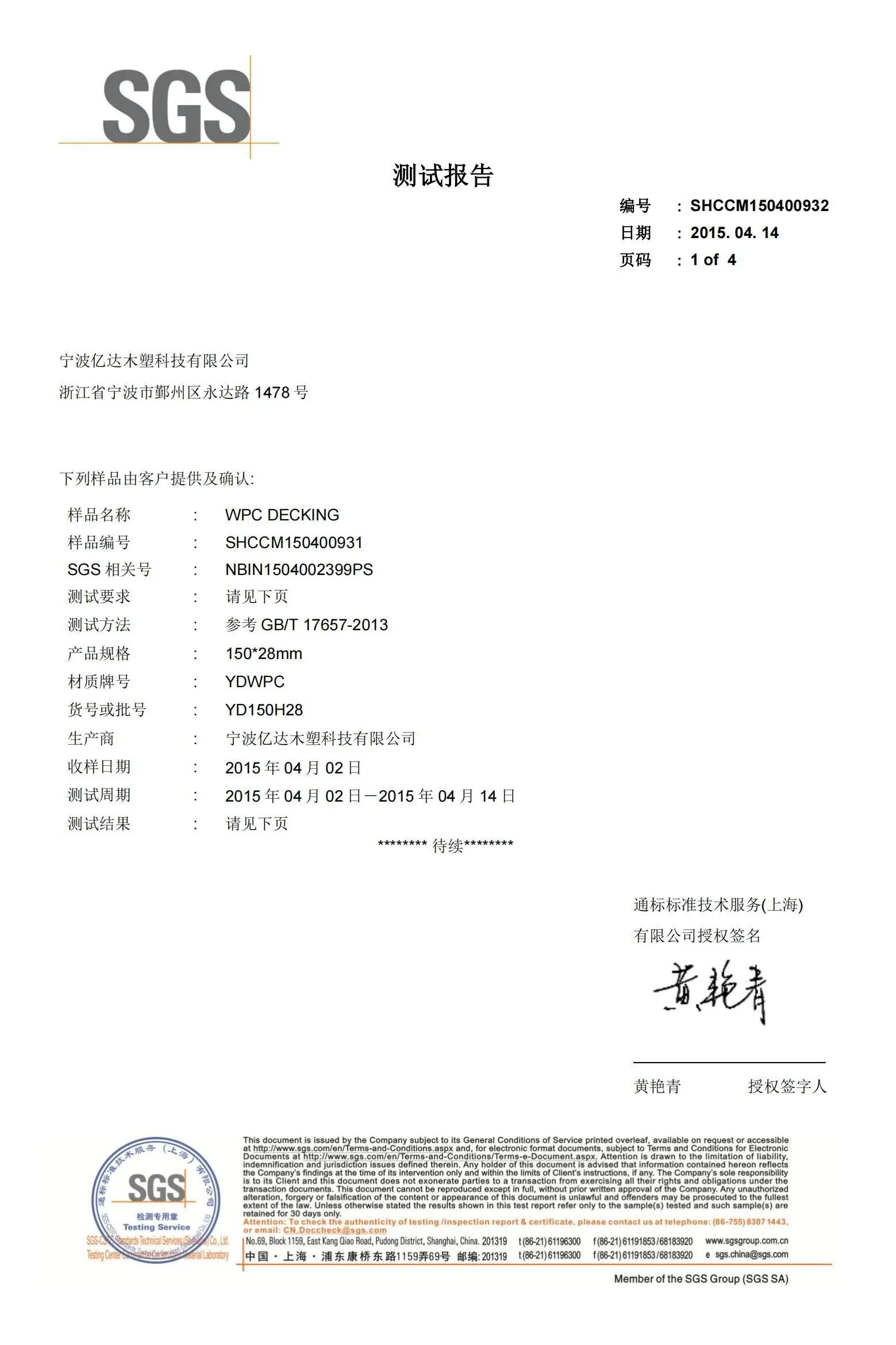
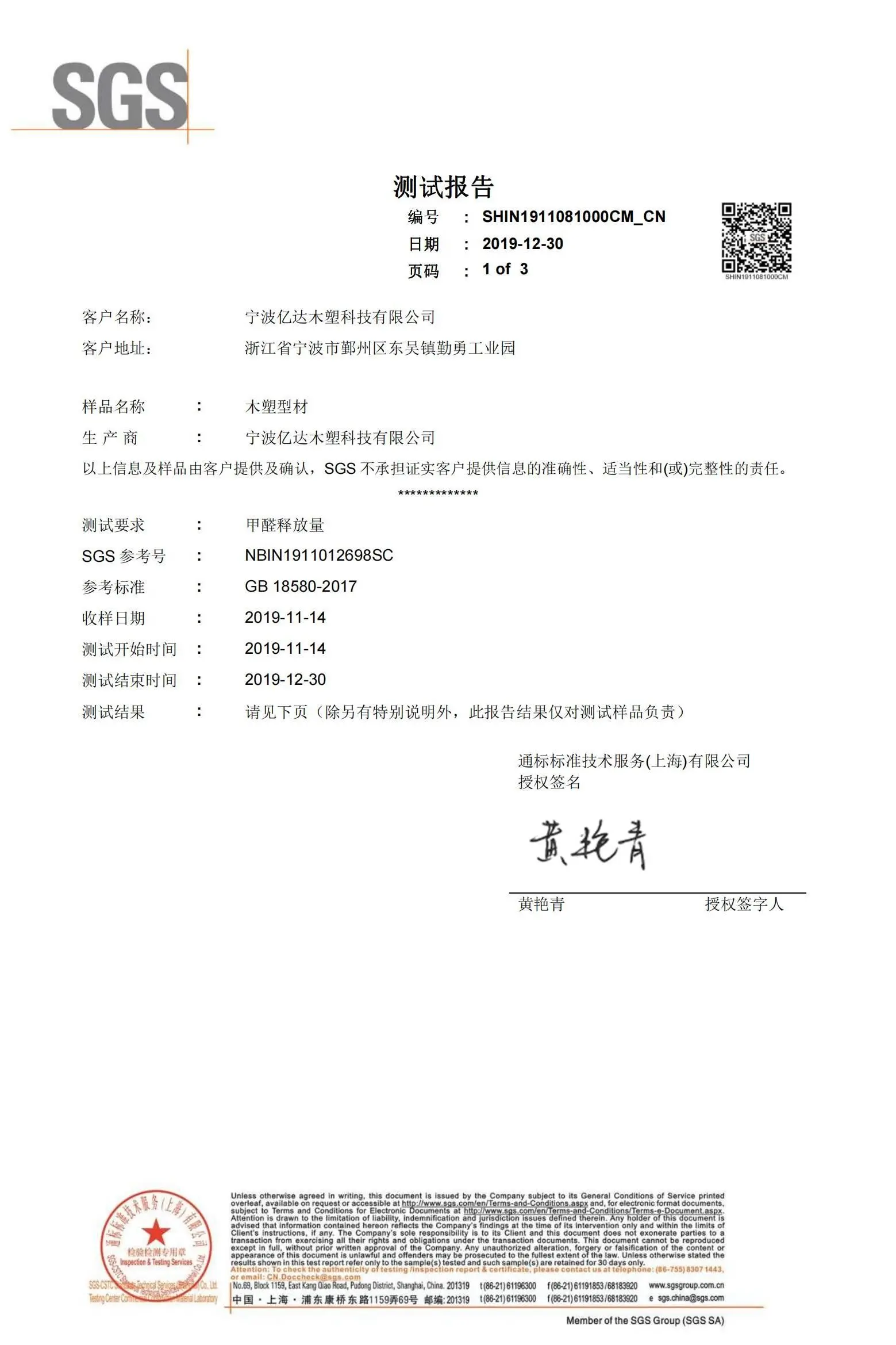
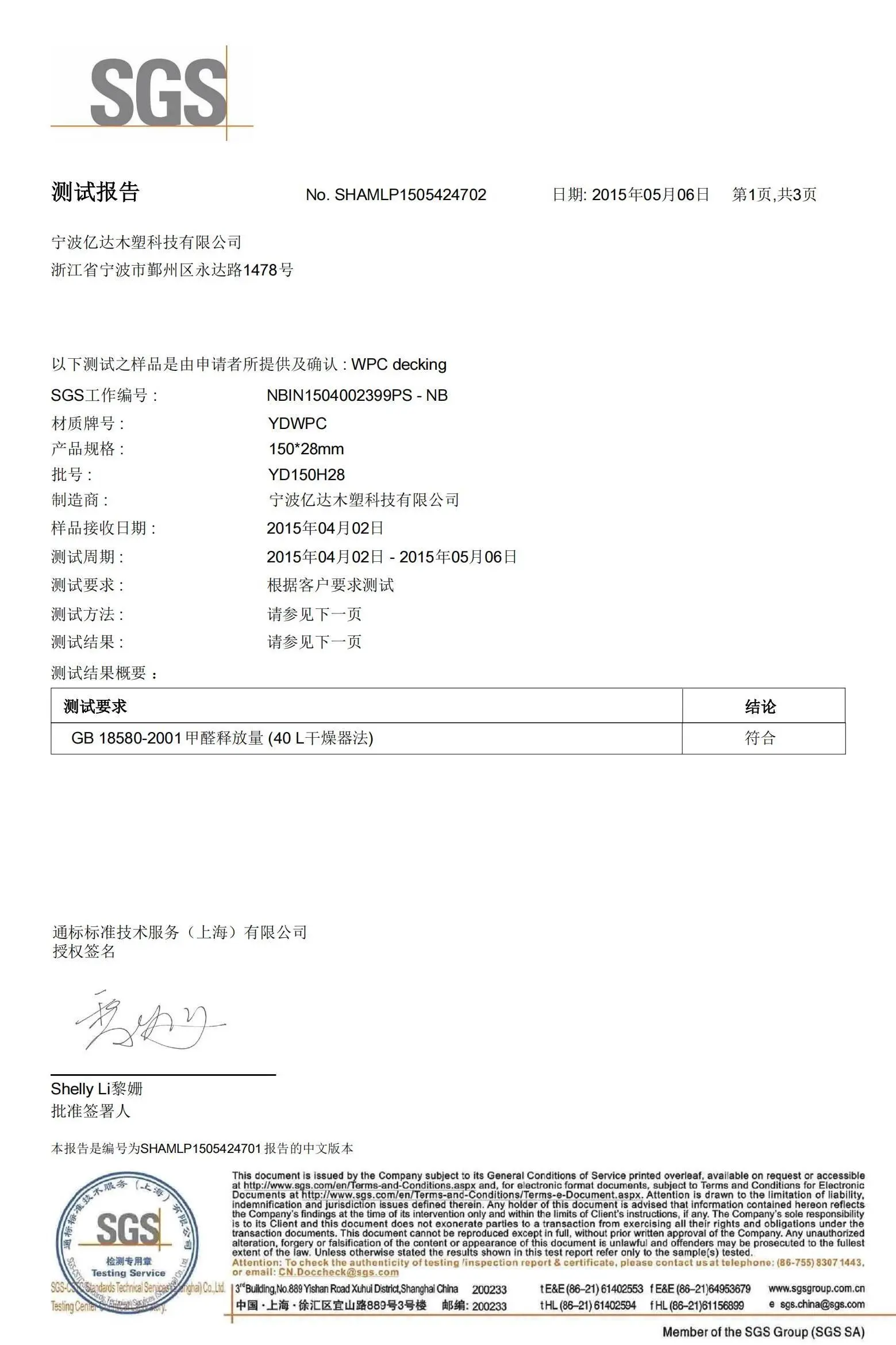
Our commitment to quality is backed by international standards, ensuring safety and performance for every installation.
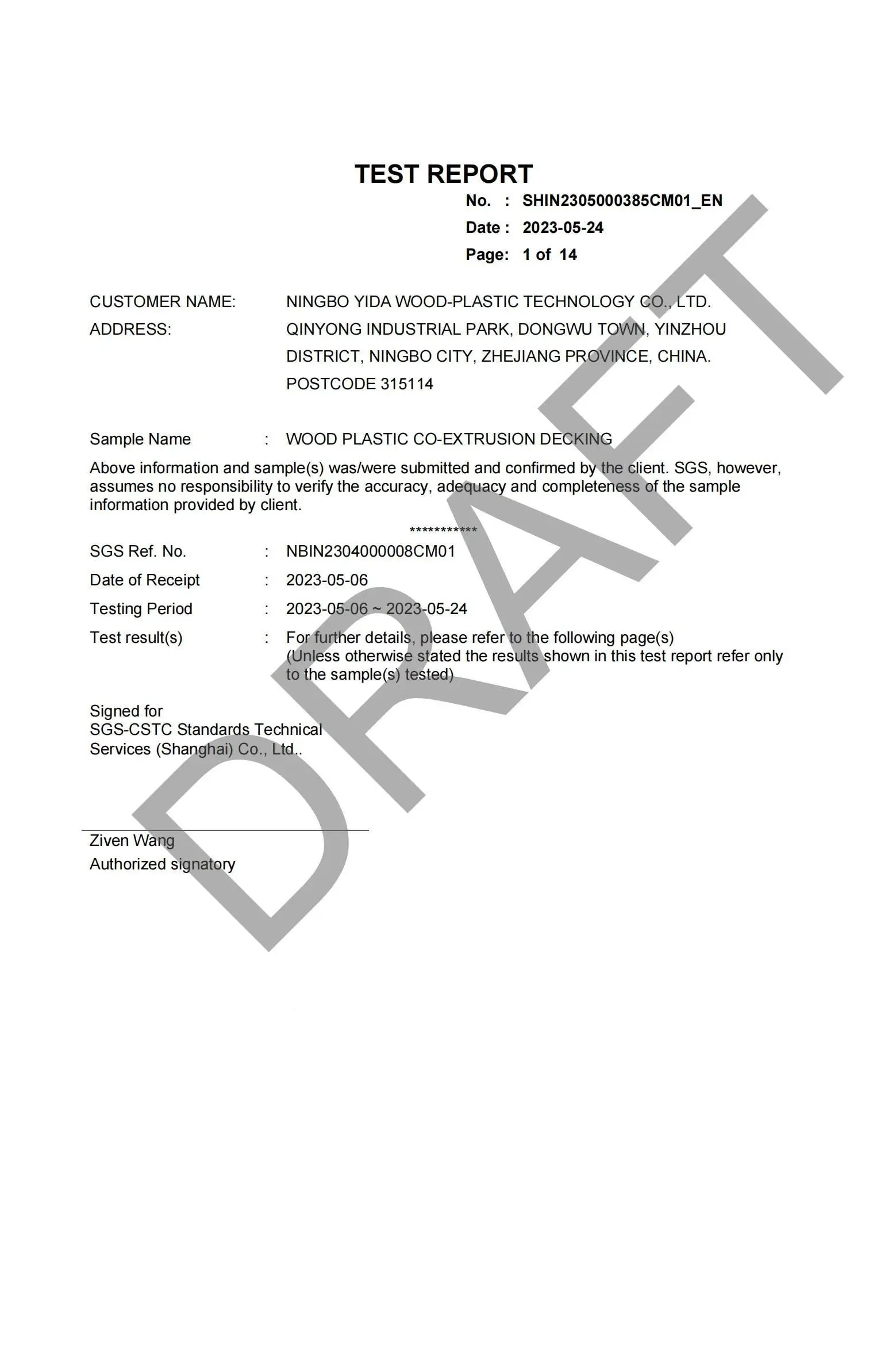
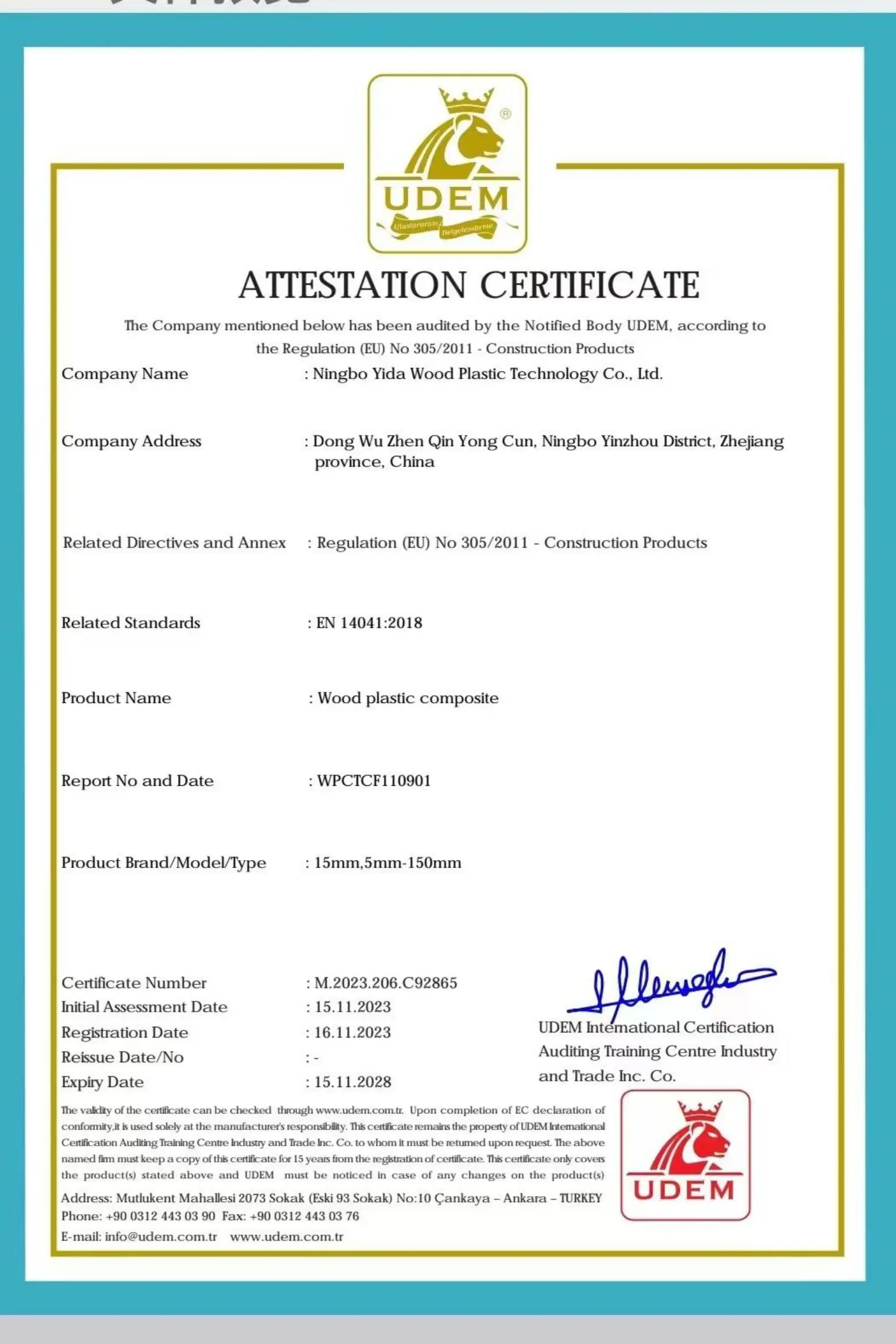
WPC stands for Wood Plastic Composite. It is an innovative material made from a blend of recycled wood fibers and thermoplastics (like PE). It offers the natural beauty of wood with enhanced durability and minimal maintenance.
Yes. Our WPC products are primarily made from recycled materials—reclaimed wood waste and recycled plastics. This reduces landfill waste and the need for virgin timber.
WPC is highly resistant to moisture, rot, and decay. It is also resistant to freezing and thawing cycles, so it won't crack or splinter in frosty conditions.
No. Unlike natural wood, WPC products never require sanding, staining, or sealing. Their color is consistent throughout the material and designed to last for years.
Our WPC products typically come with warranties ranging from 10 to 25 years against fading, staining, and structural defects.
Yes. You can use standard woodworking tools (saws, drills) to cut and shape WPC. We recommend using carbide-tipped blades for the cleanest cut.
 Yida Wood