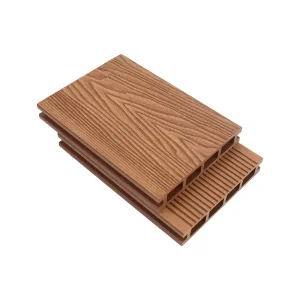
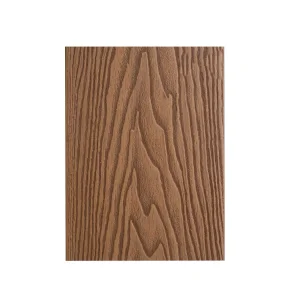
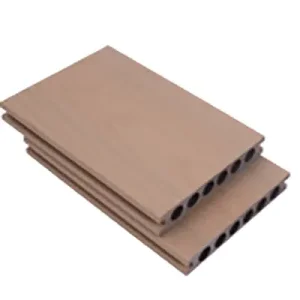
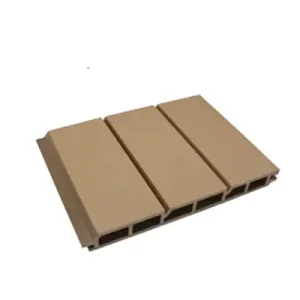
The global WPC market is projected to reach USD 12.5 billion by 2030. Demand is surging in North America and Europe due to strict environmental regulations and the rising cost of natural timber.
Circular economy principles are driving factories to use 95% recycled materials. Modern WPC is no longer just a wood substitute; it is a statement of ecological responsibility.
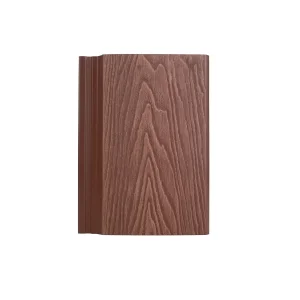
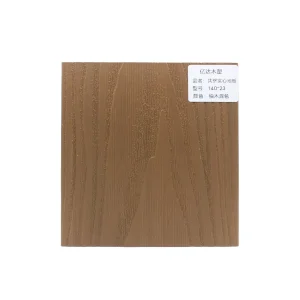
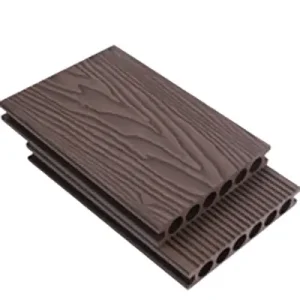
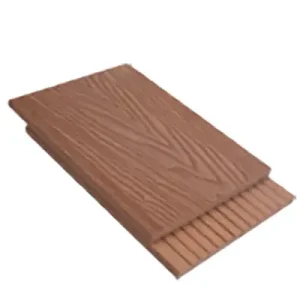
3D Embossing and multi-color mixing technologies are allowing WPC to mimic the deep textures of exotic hardwoods like Ipe and Teak without the environmental toll.
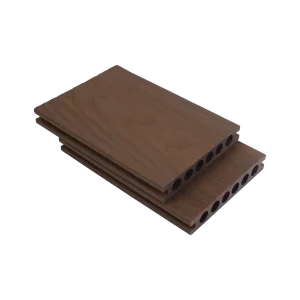
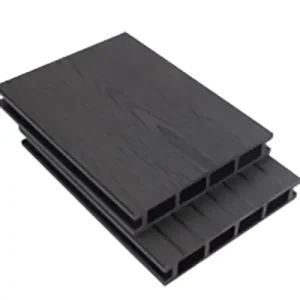
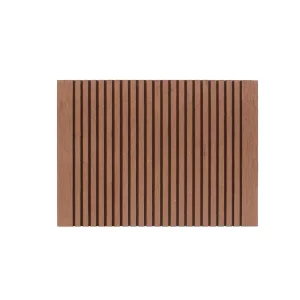
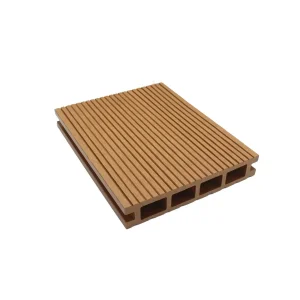
In North America and Australia, WPC decking is the preferred choice for residential backyards, offering a splinter-free surface for families and pets.
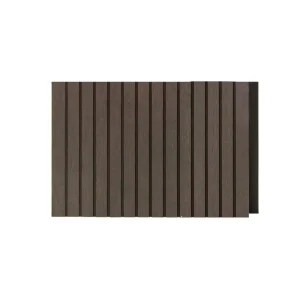
European coastal cities utilize our Co-extrusion cladding for seaside boardwalks, where salt spray and high humidity would destroy traditional wood.
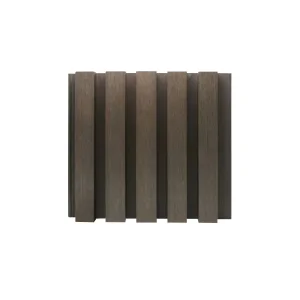
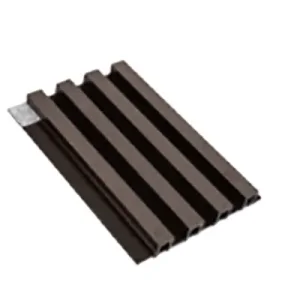
Modern office buildings in Asia are increasingly using WPC vertical louvers and cladding to achieve a "biophilic" design while maintaining fire safety standards.
Years Experience
Global Countries
Major Projects
Warranty Support
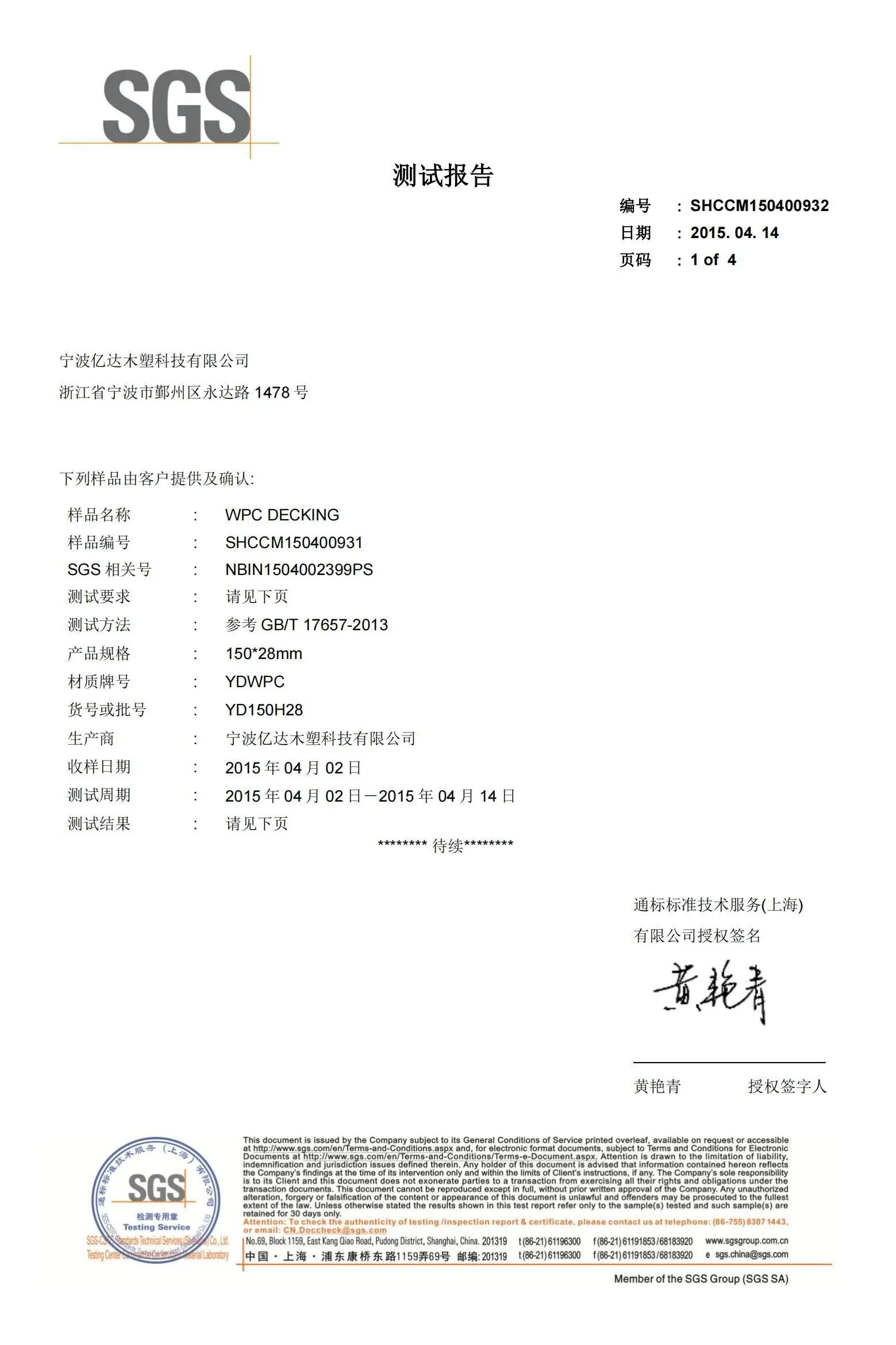
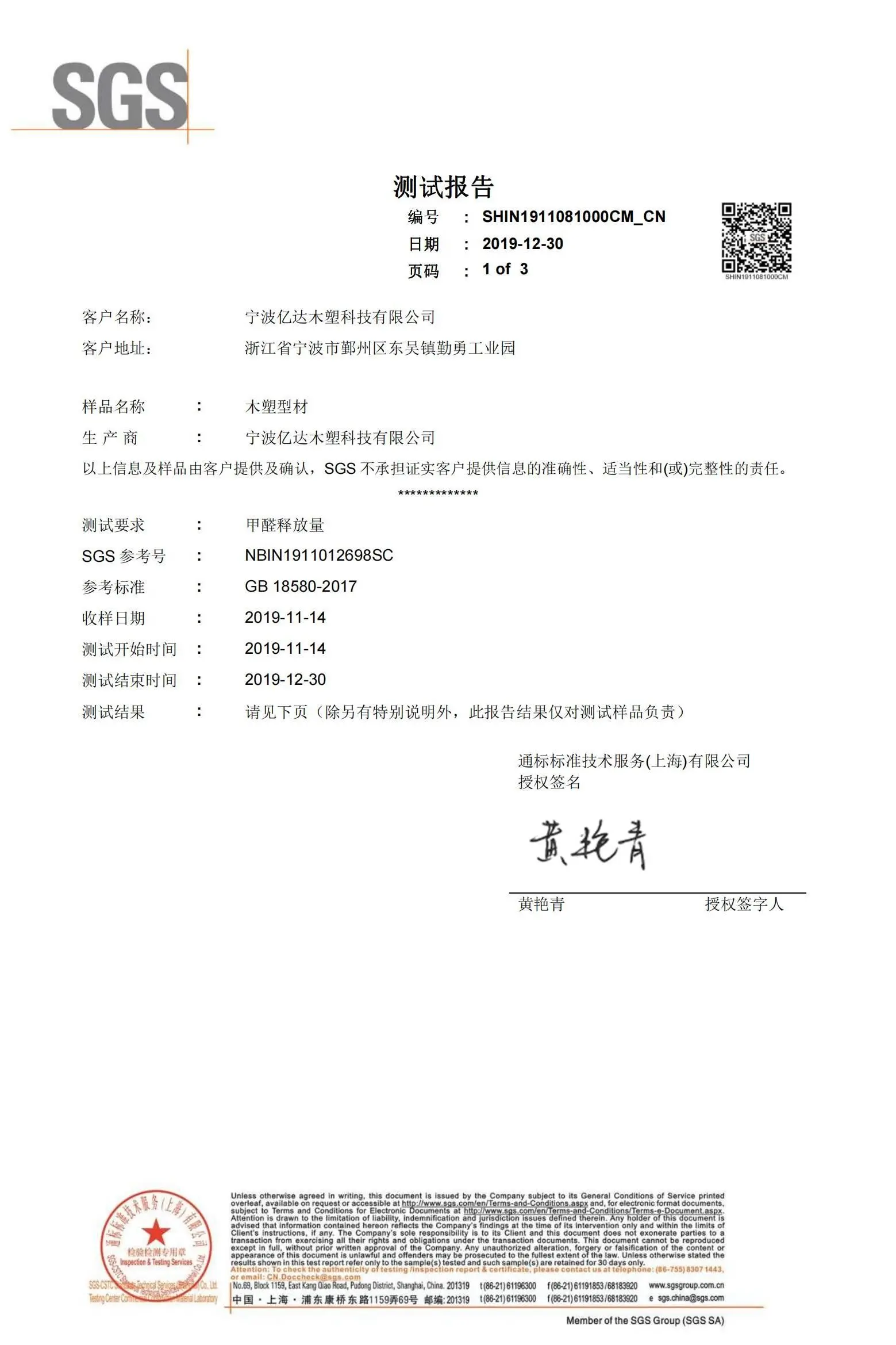
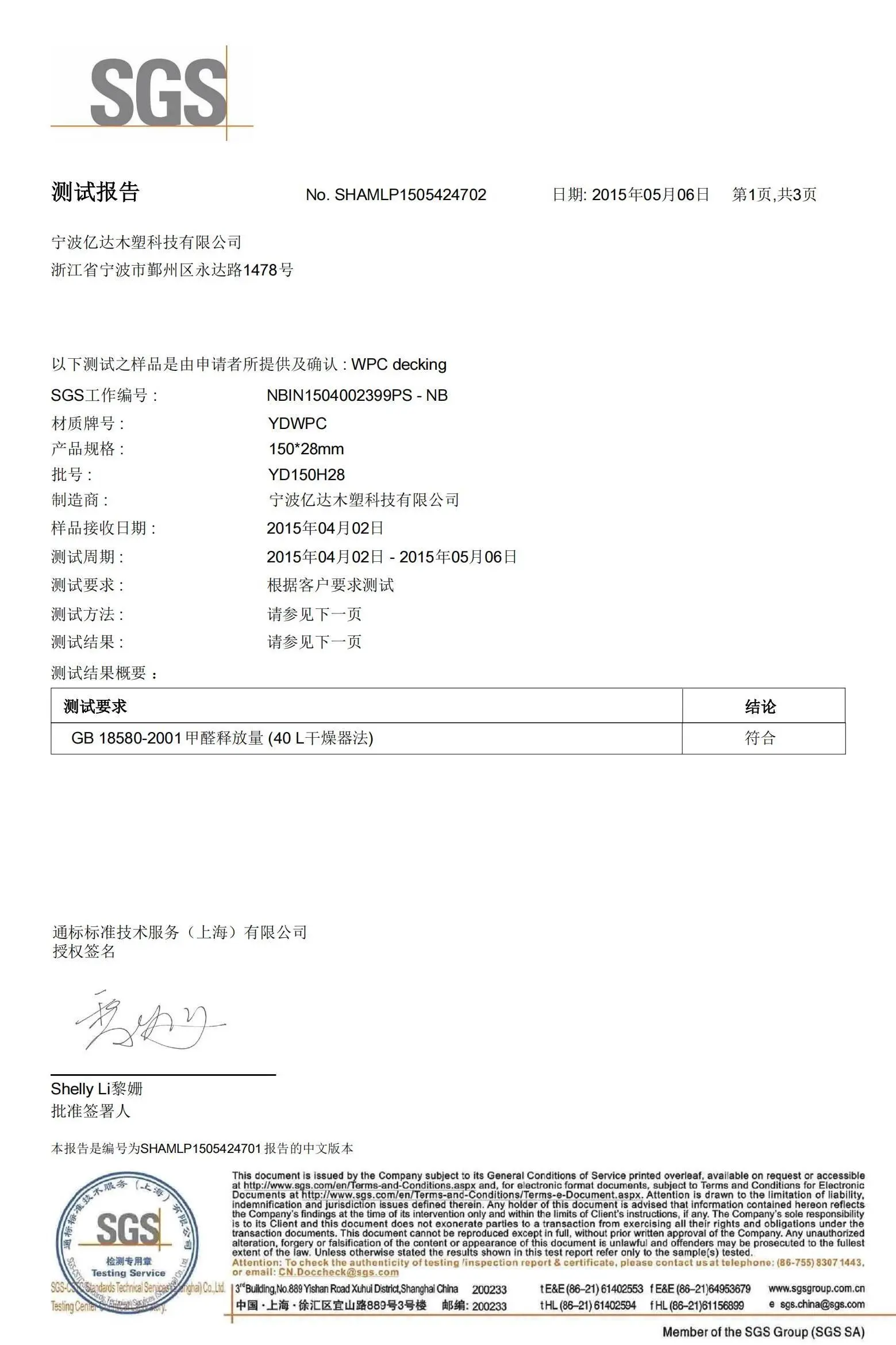
A: WPC stands for Wood Plastic Composite. It is an innovative material made from a blend of recycled wood fibers/flour and thermoplastics (like PE). This creates a product that has the natural beauty of wood with enhanced durability and minimal maintenance.
A: Yes. Our WPC products are primarily made from recycled materials—reclaimed wood waste and recycled plastics. This reduces landfill waste and the need for virgin timber.
A: WPC is highly resistant to moisture, rot, and decay, making it ideal for rainy and humid climates. It is also resistant to freezing and thawing cycles, so it won't crack or splinter in frosty conditions.
A: No. Unlike natural wood, WPC products never require sanding, staining, or sealing. Their color is consistent throughout the material and is designed to last for years with minimal fading.
A: Our WPC products are engineered for long-life performance. They typically come with warranties ranging from 10 to 25 years against fading, staining, and structural defects.
 Yida Wood