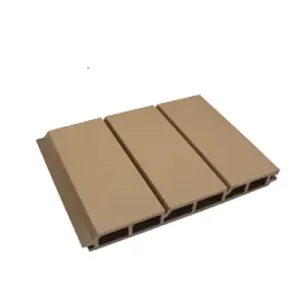
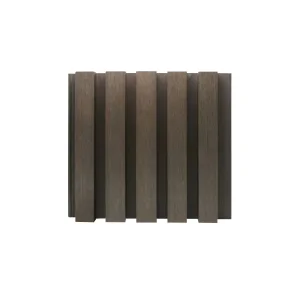
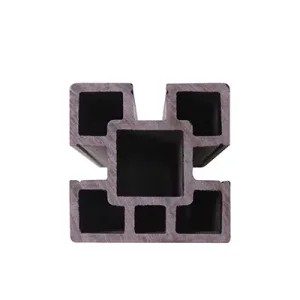
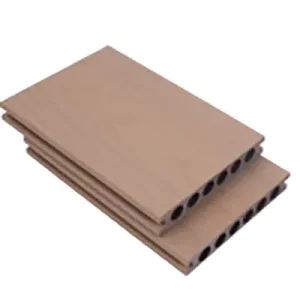
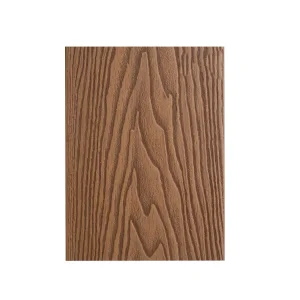
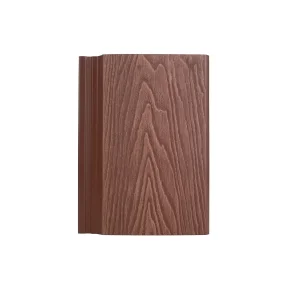
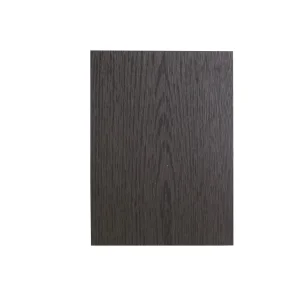
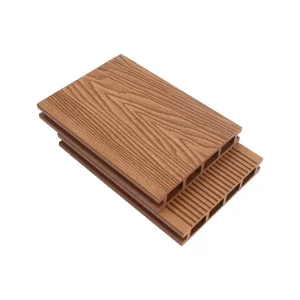
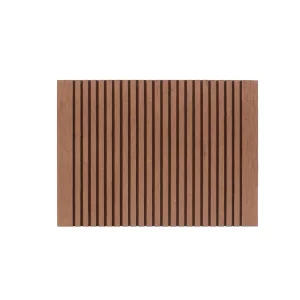
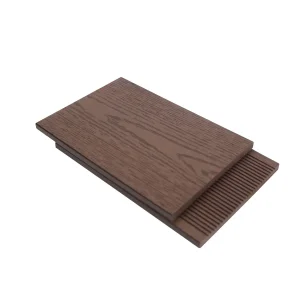
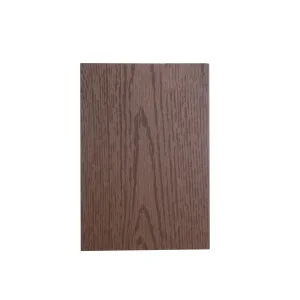
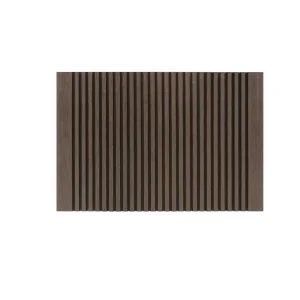
The global construction industry is undergoing a structural shift toward Wood Plastic Composite (WPC). Driven by the "Green Building" movement and strict carbon neutrality goals in Europe and North America, WPC has transcended its origins as a simple decking alternative. Today, it is a high-performance architectural material used in skyscraper facades, urban landscaping, and sustainable housing. The market is projected to reach a multi-billion dollar valuation by 2030, with WPC wall panels leading the growth due to their insulation properties and low lifecycle costs.
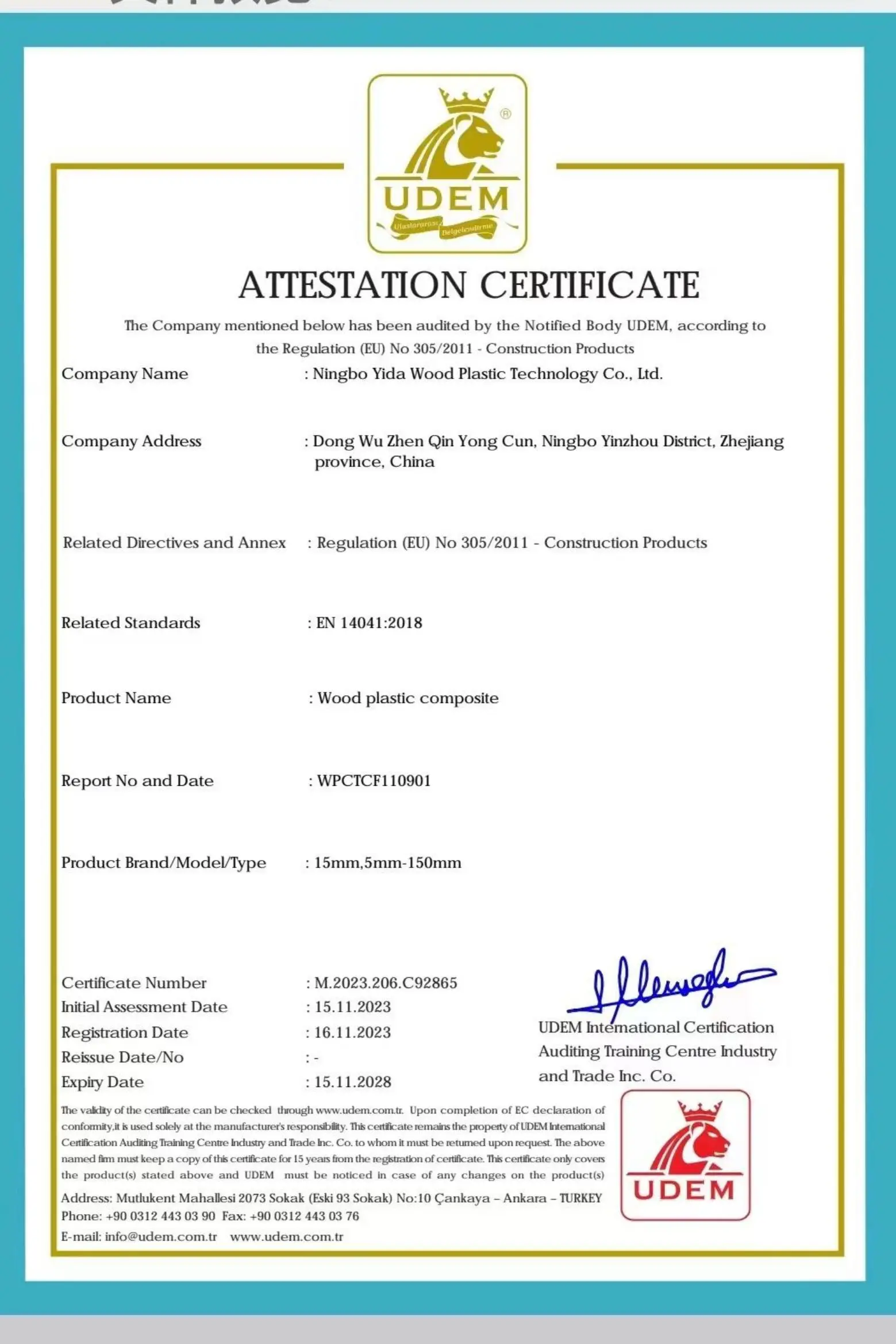
China has established itself as the global epicenter for WPC innovation. Unlike traditional timber exporters, Chinese manufacturers like Ningbo Yida Wood Plastic Technology utilize vertically integrated supply chains. This means raw material processing, additive formulation, and high-precision extrusion happen in one facility. The efficiency advantage is staggering: China-based factories can output 40% more volume with 20% higher precision than regional competitors, thanks to advanced automation and decades of R&D in polymer science.
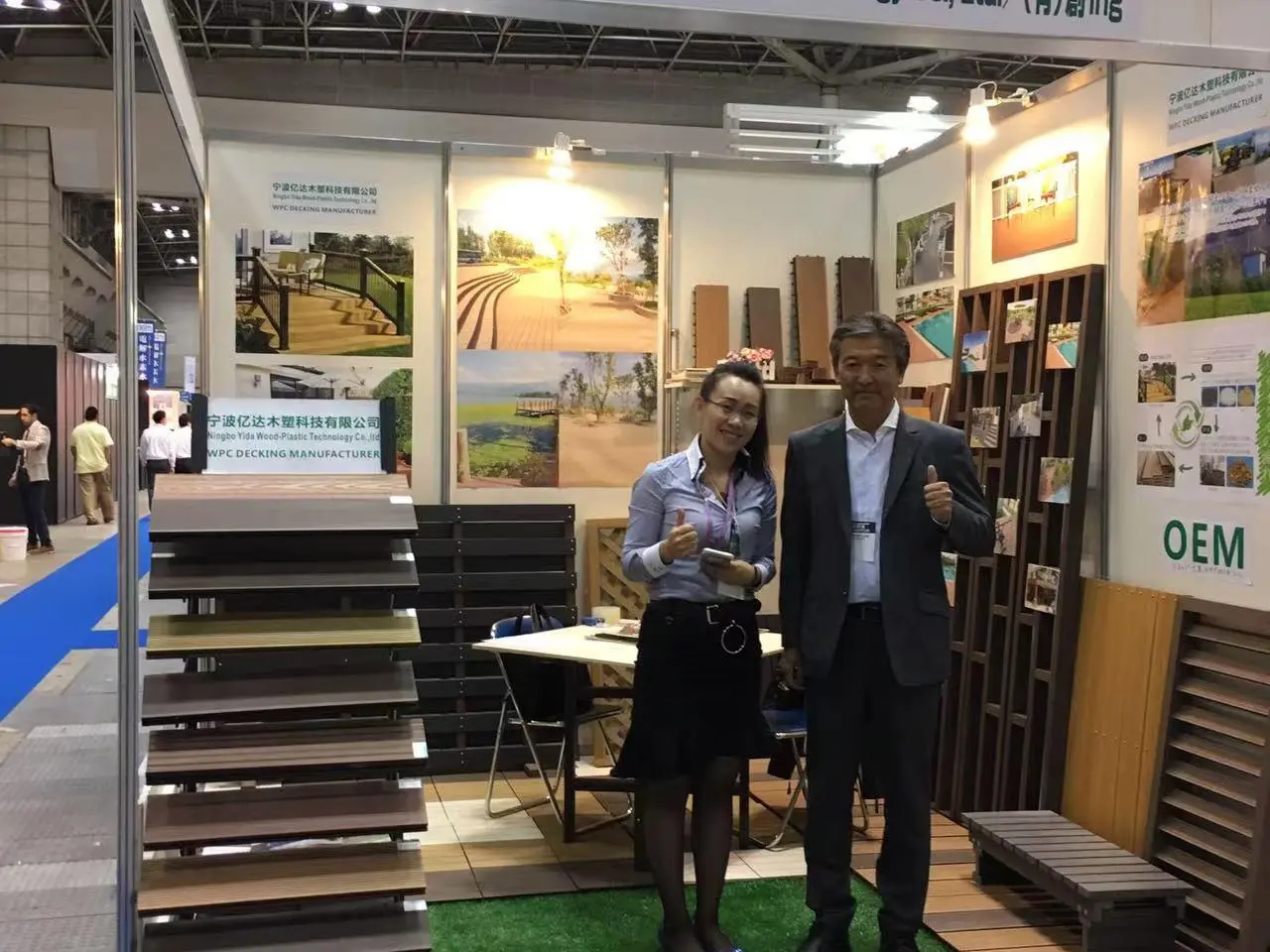
With nearly ten years of R&D, production and sales experience, we have become a leading manufacturer and supplier of new wood-plastic composite materials. Our Yida brand combines natural beauty with the durability of plastic profiles.
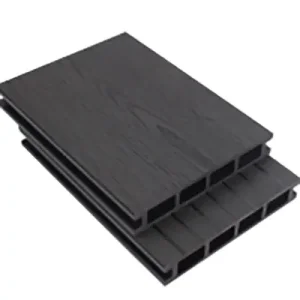
Our materials are engineered to be waterproof, moisture-proof, mildew-proof, insect-proof, and crack-proof. Ideal for outdoor architectural design and municipal engineering.
In line with national sustainable development goals, our products utilize recycled wood fibers and thermoplastics, reducing the carbon footprint of every project.
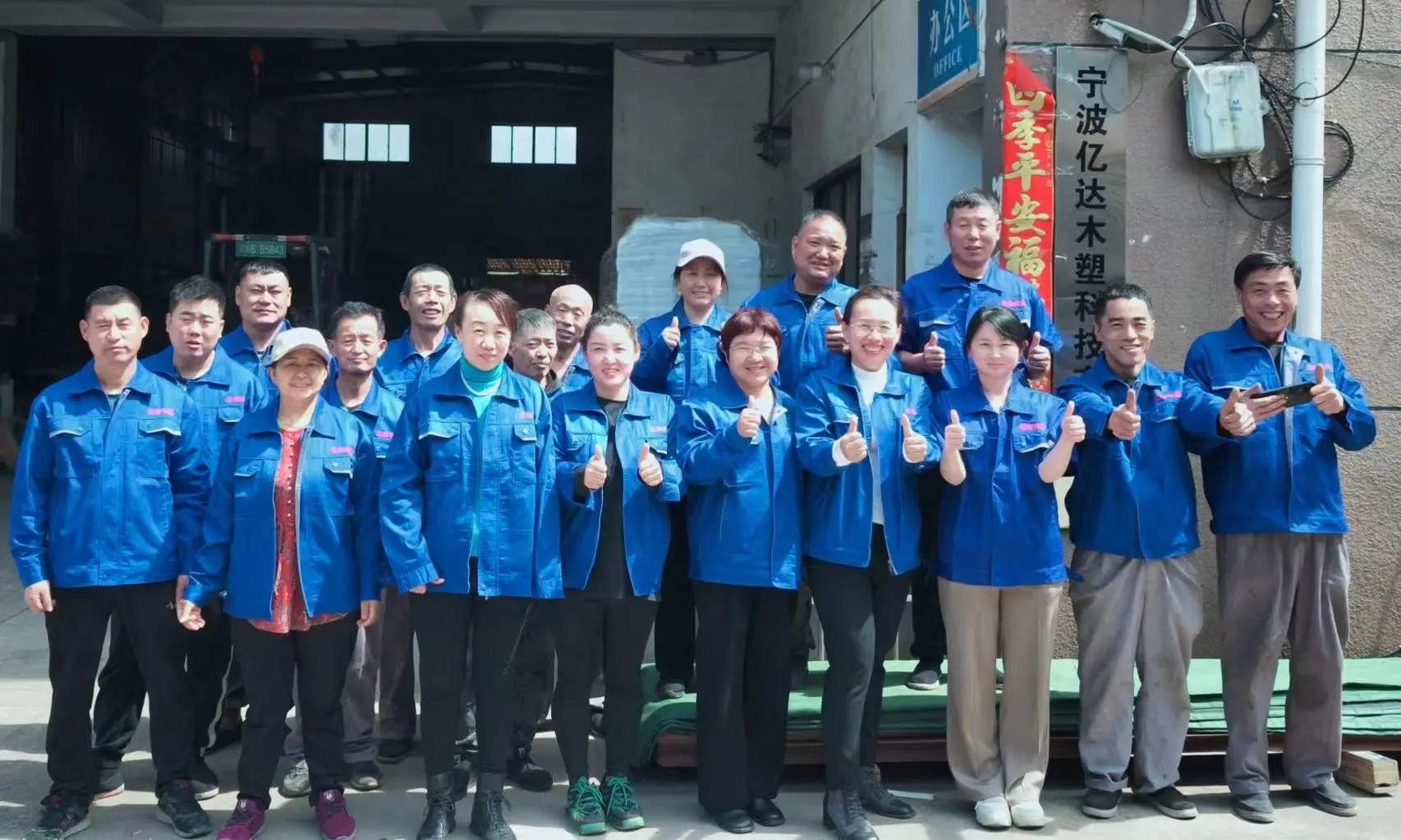
At Ningbo Yida, we have invested in advanced production technology and established a professional team dedicated to product research and development, manufacturing, sales, after-sales service, and construction. We serve commercial, residential, and even specialized public sectors like major universities and hospitals, contributing to critical public infrastructure with reliable, aesthetic solutions.
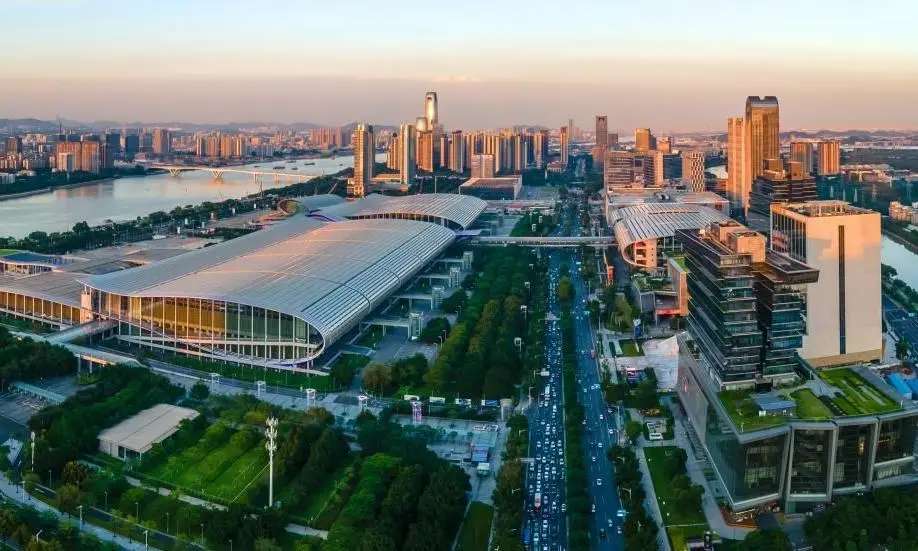
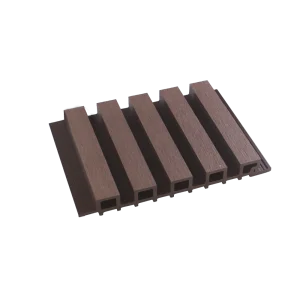
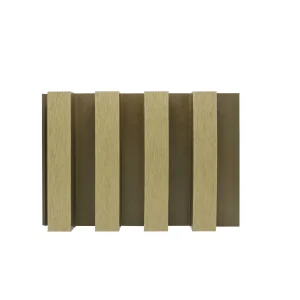
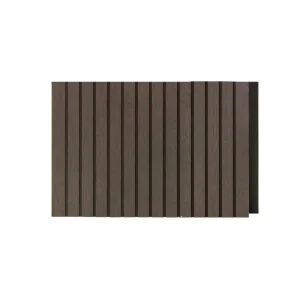
WPC wall panels offer an "aluminum-like" durability with a warm wood finish. Perfect for retail malls and office buildings in high-humidity regions like Southeast Asia.
Our salt-mist resistant formulas make these panels ideal for beachfront resorts in the Middle East and Mediterranean, where traditional wood would rot within months.
With low thermal expansion coefficients, Yida WPC performs exceptionally in Nordic and Canadian climates, resisting the freeze-thaw cycles that cause masonry to crack.
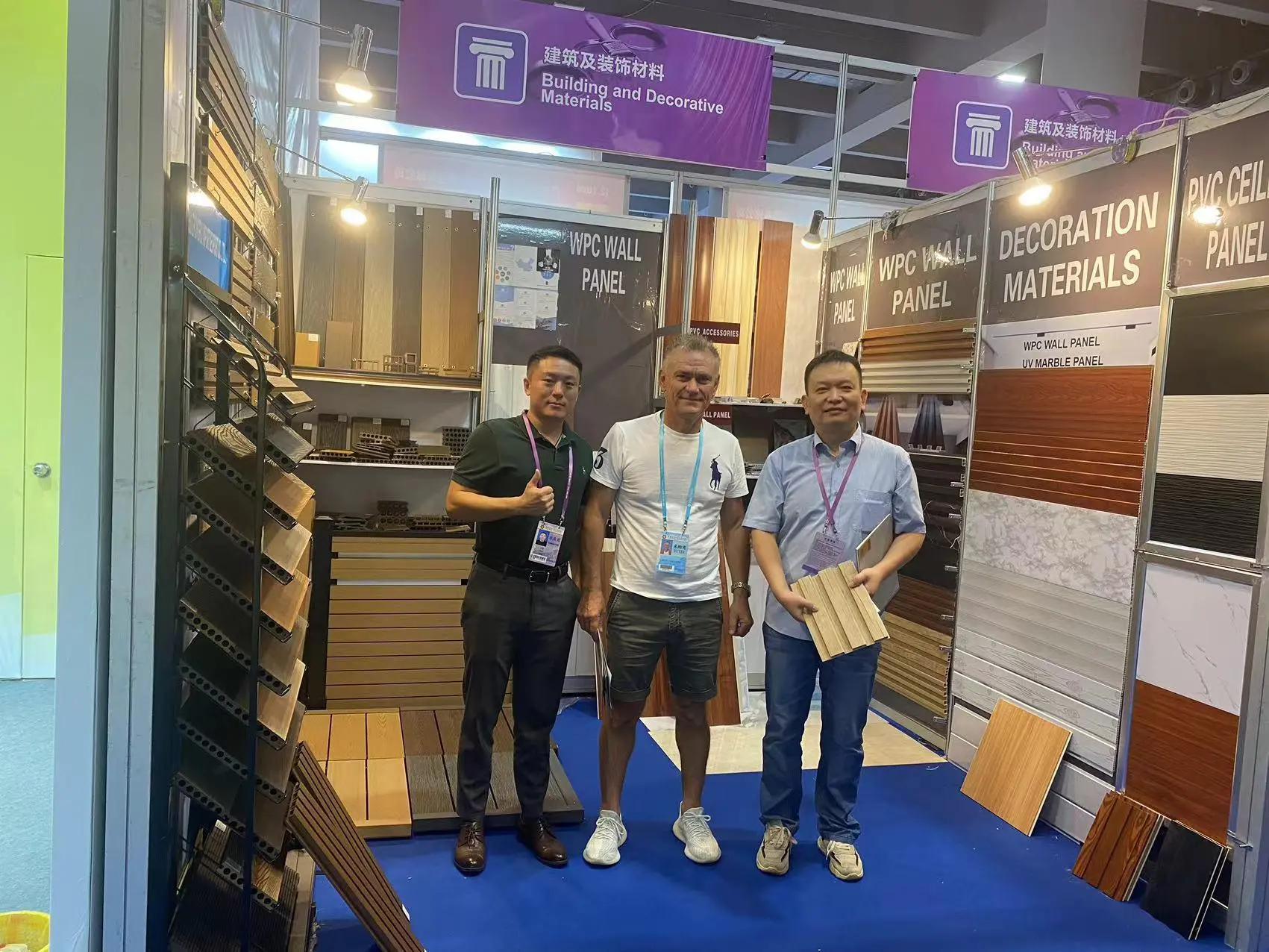
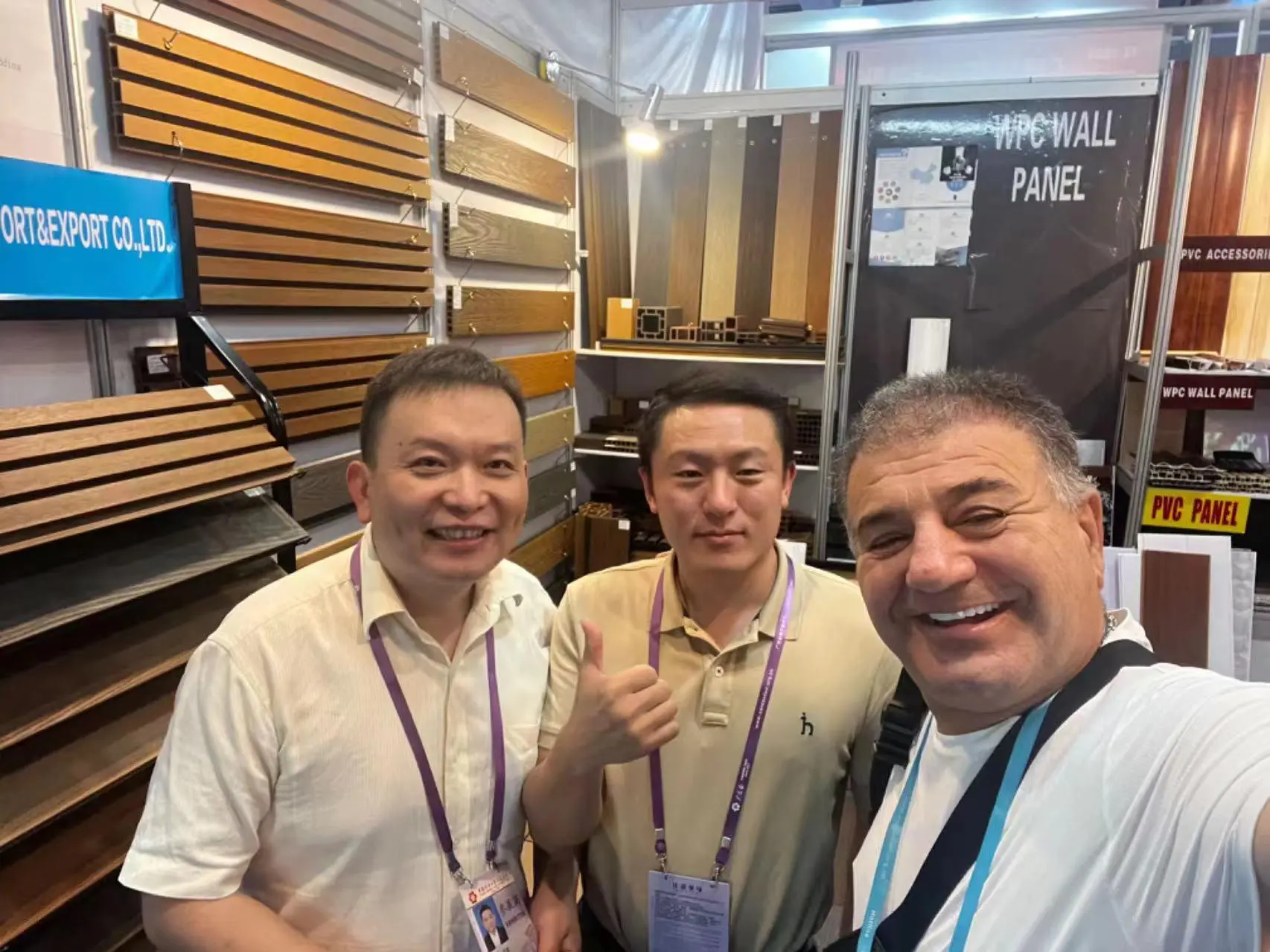
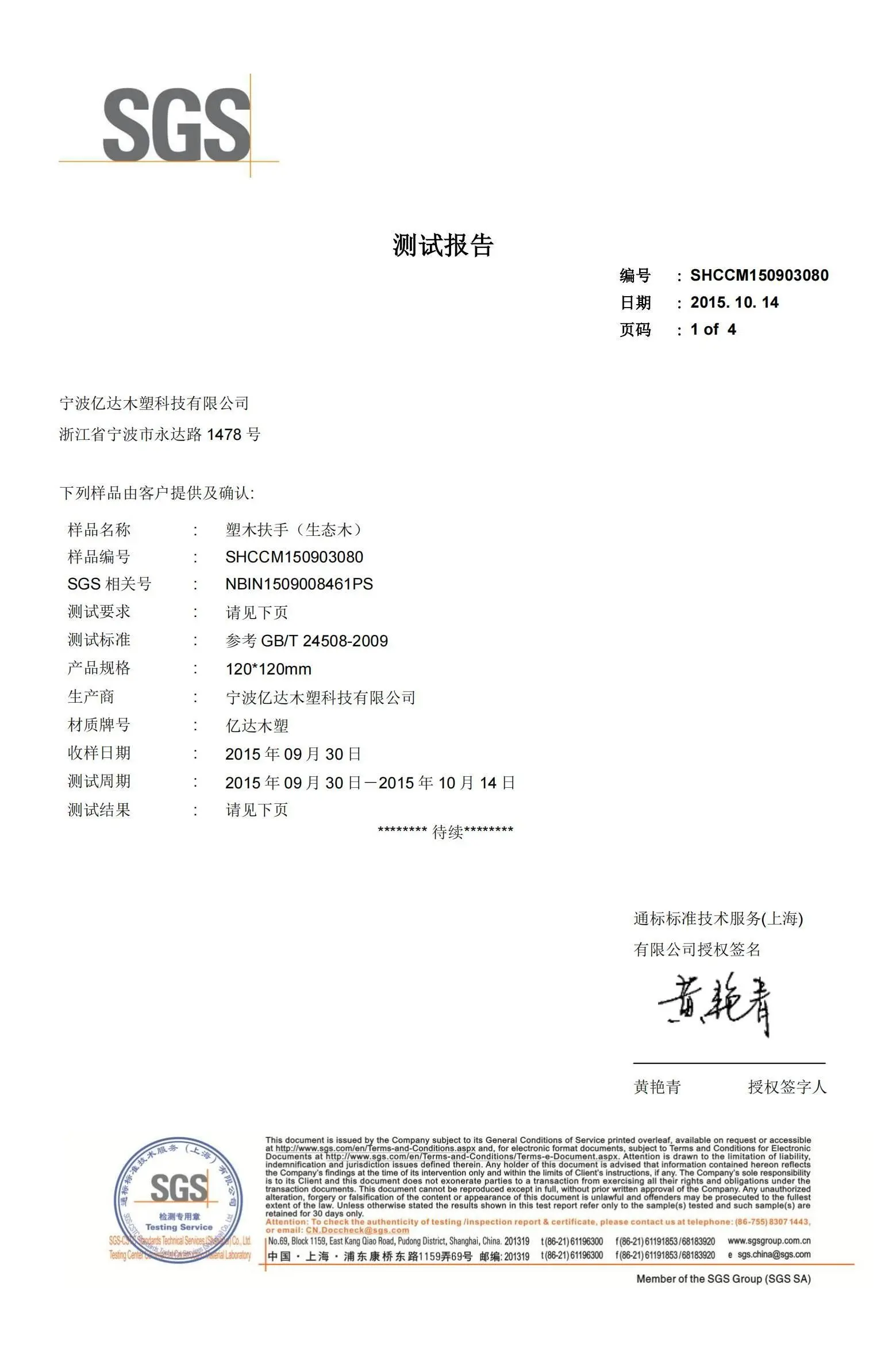
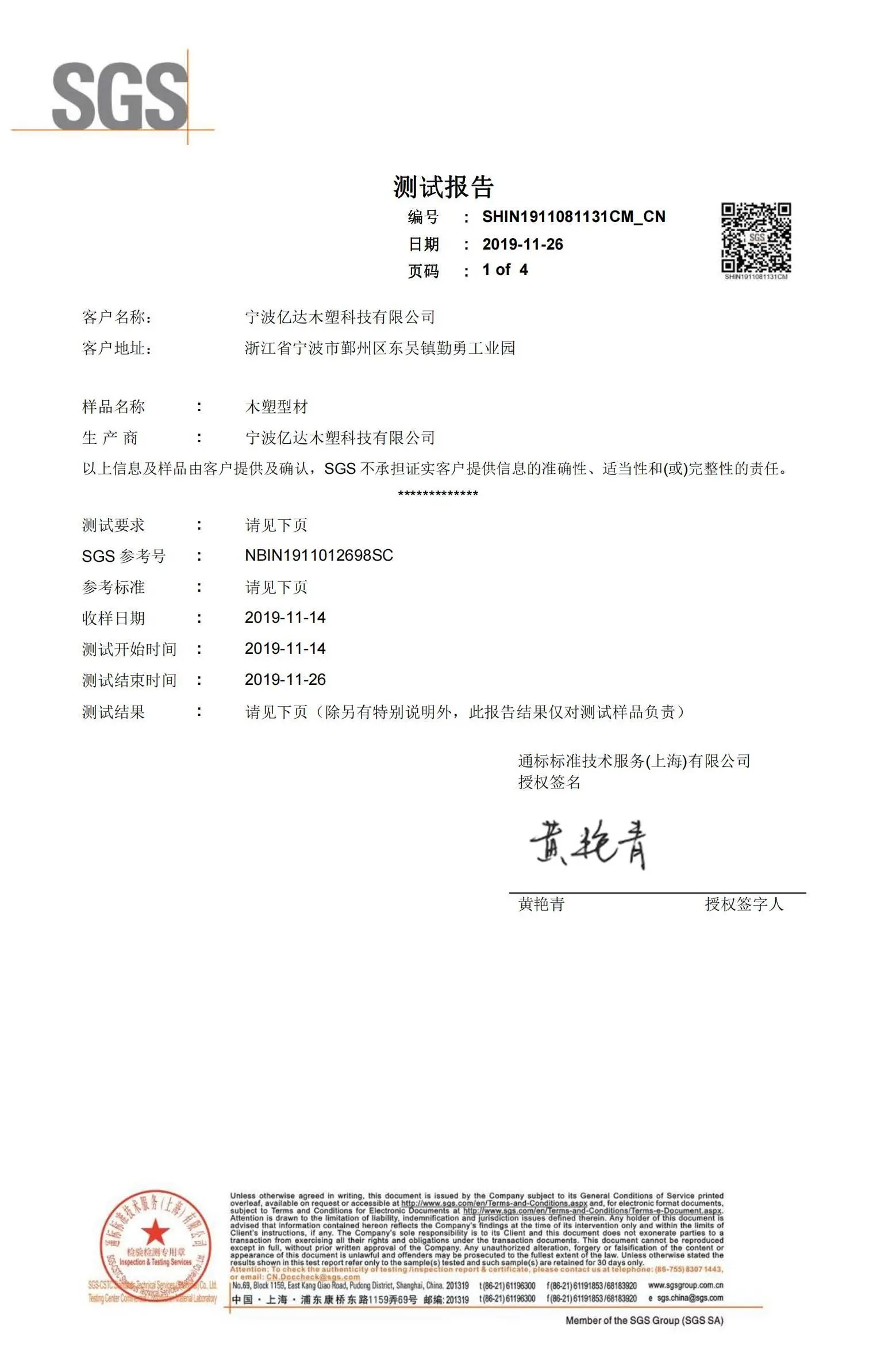
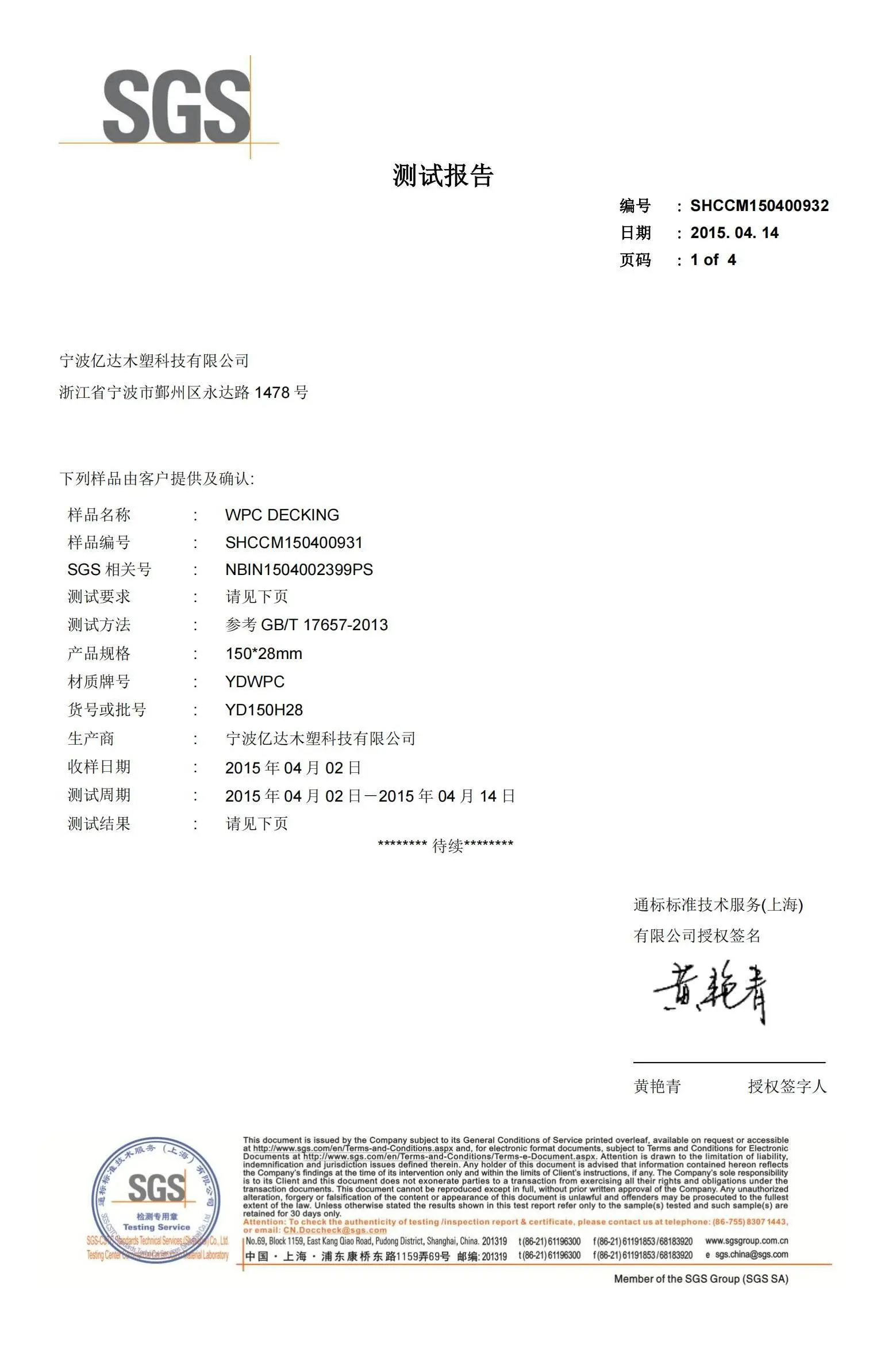
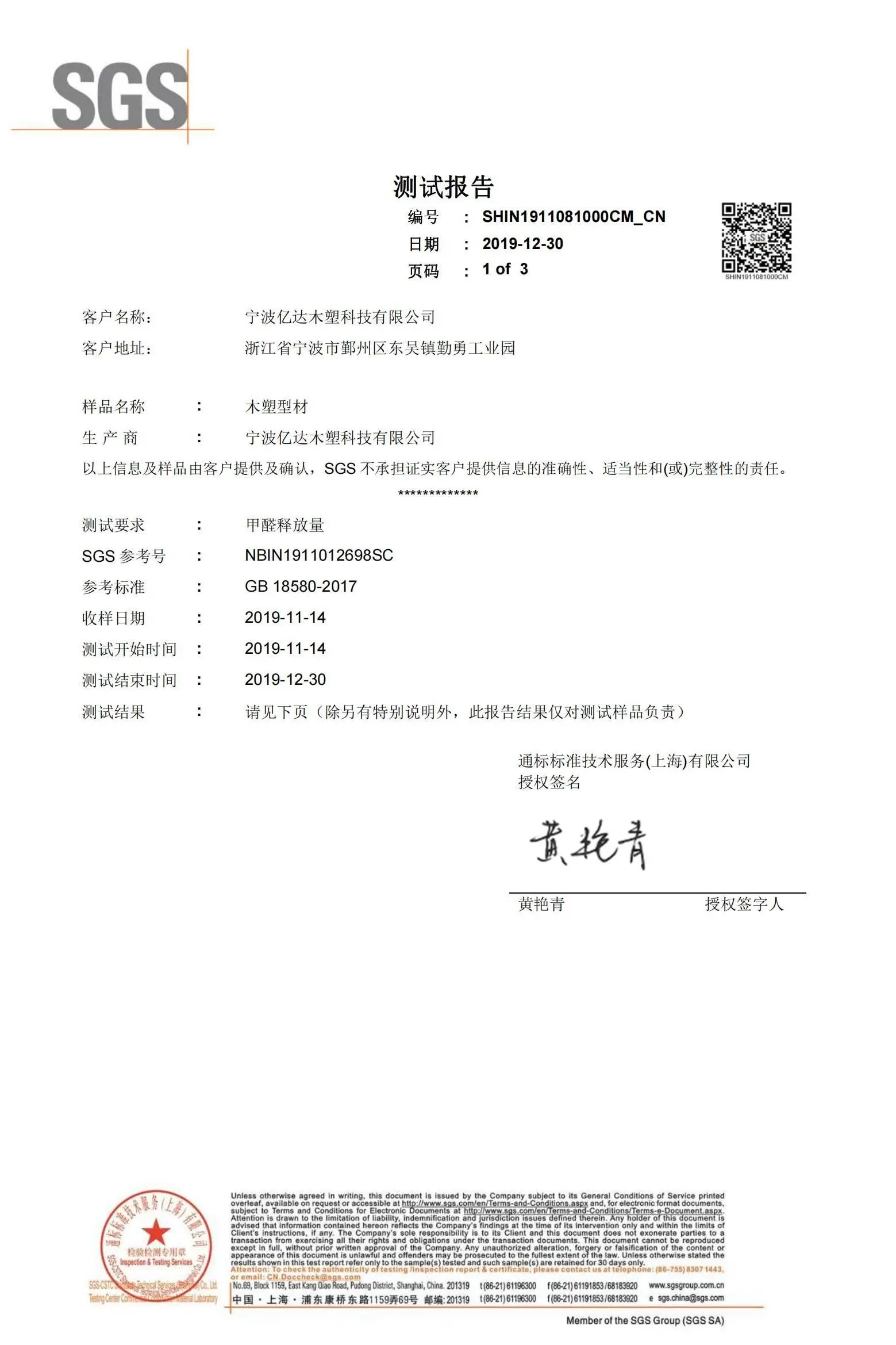
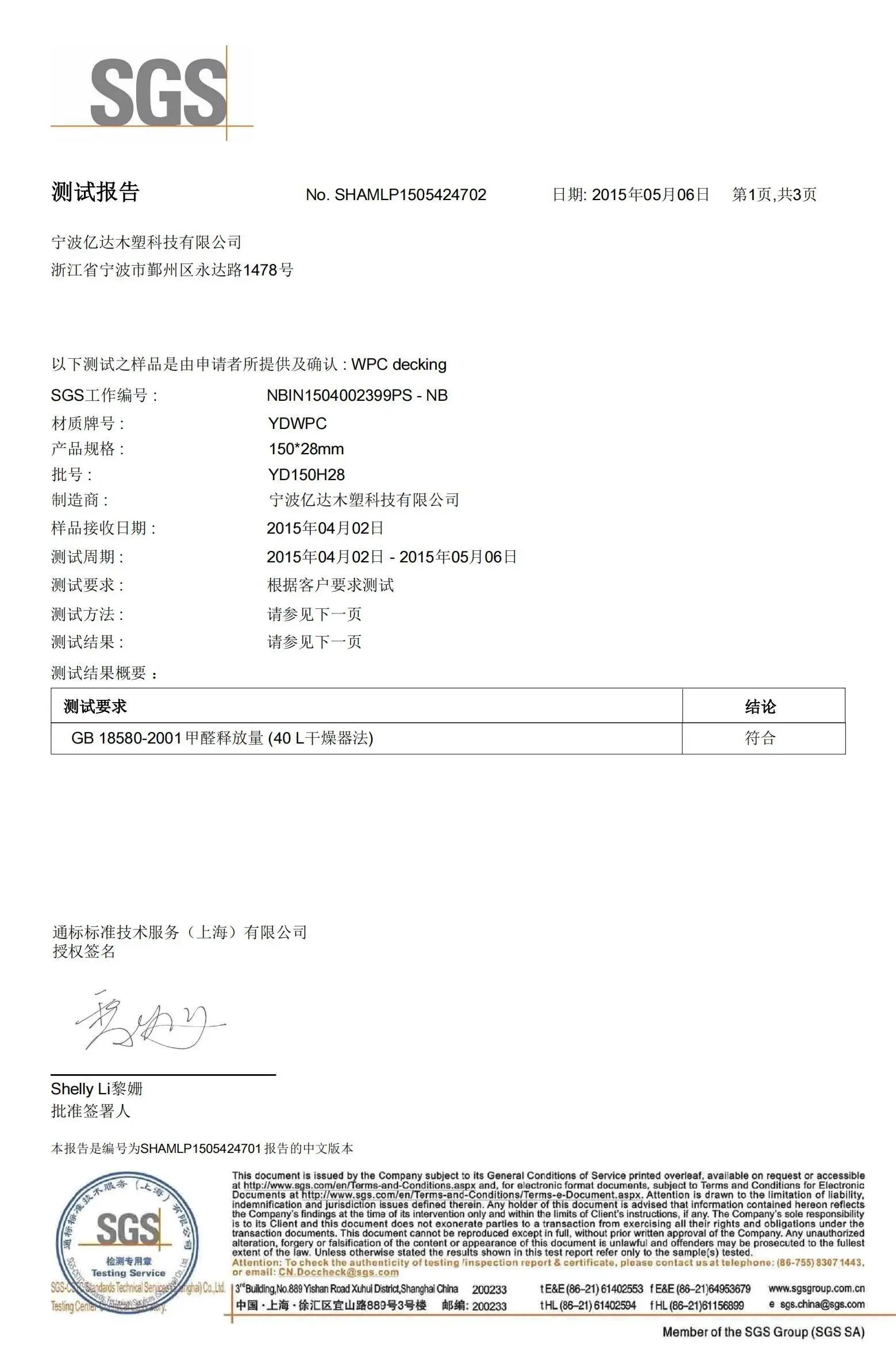
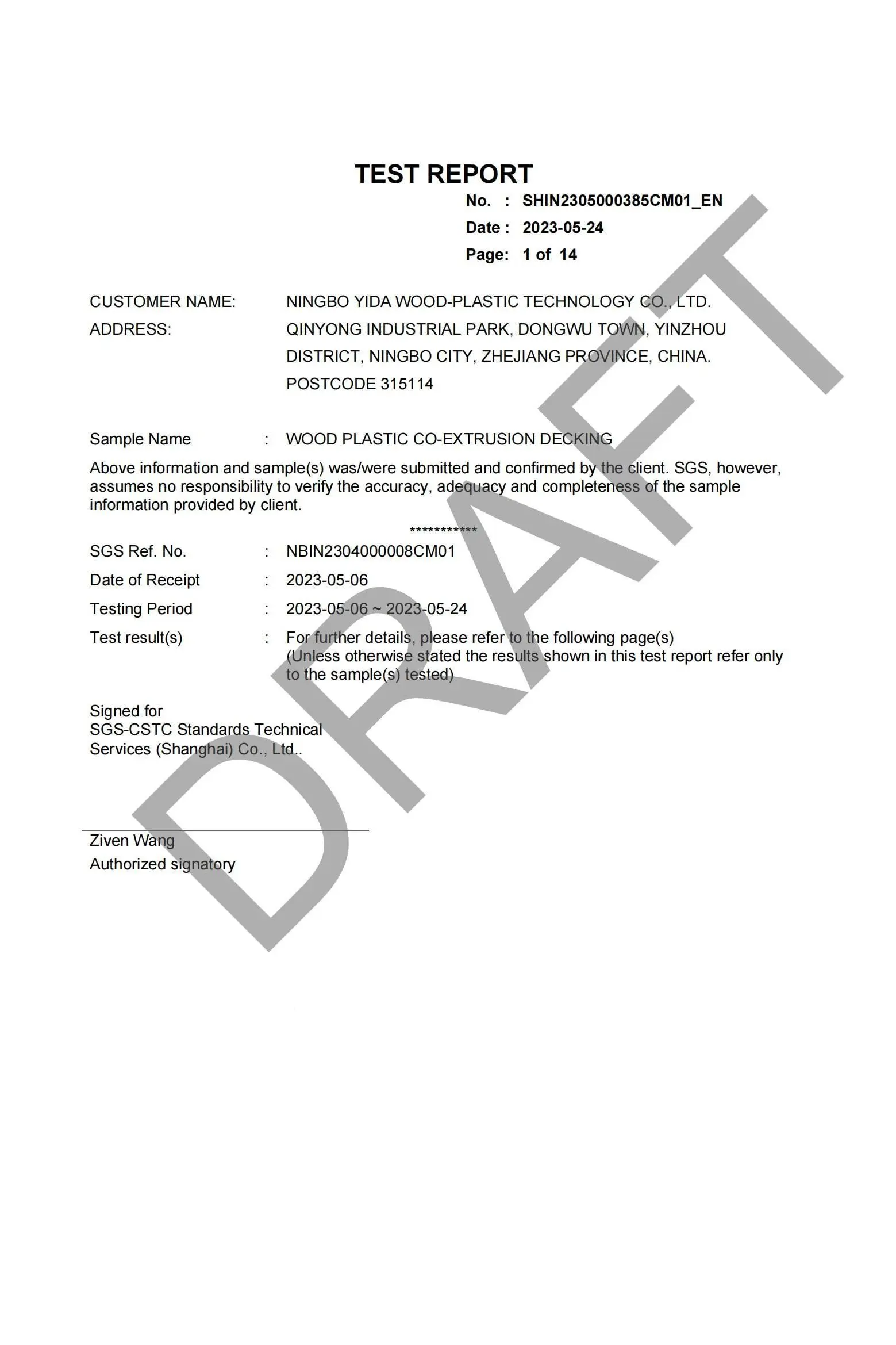
The industry is moving toward 360-degree capping. Modern procurement officers now prioritize "Capped WPC" (Co-extrusion) over first-generation composites. This outer shield provides ultimate stain and UV resistance, ensuring a 25-year lifespan even in extreme conditions. Global enterprises are increasingly seeking suppliers who can provide bespoke texture matching to replicate exotic hardwoods like Ipe or Cumaru without the environmental cost.
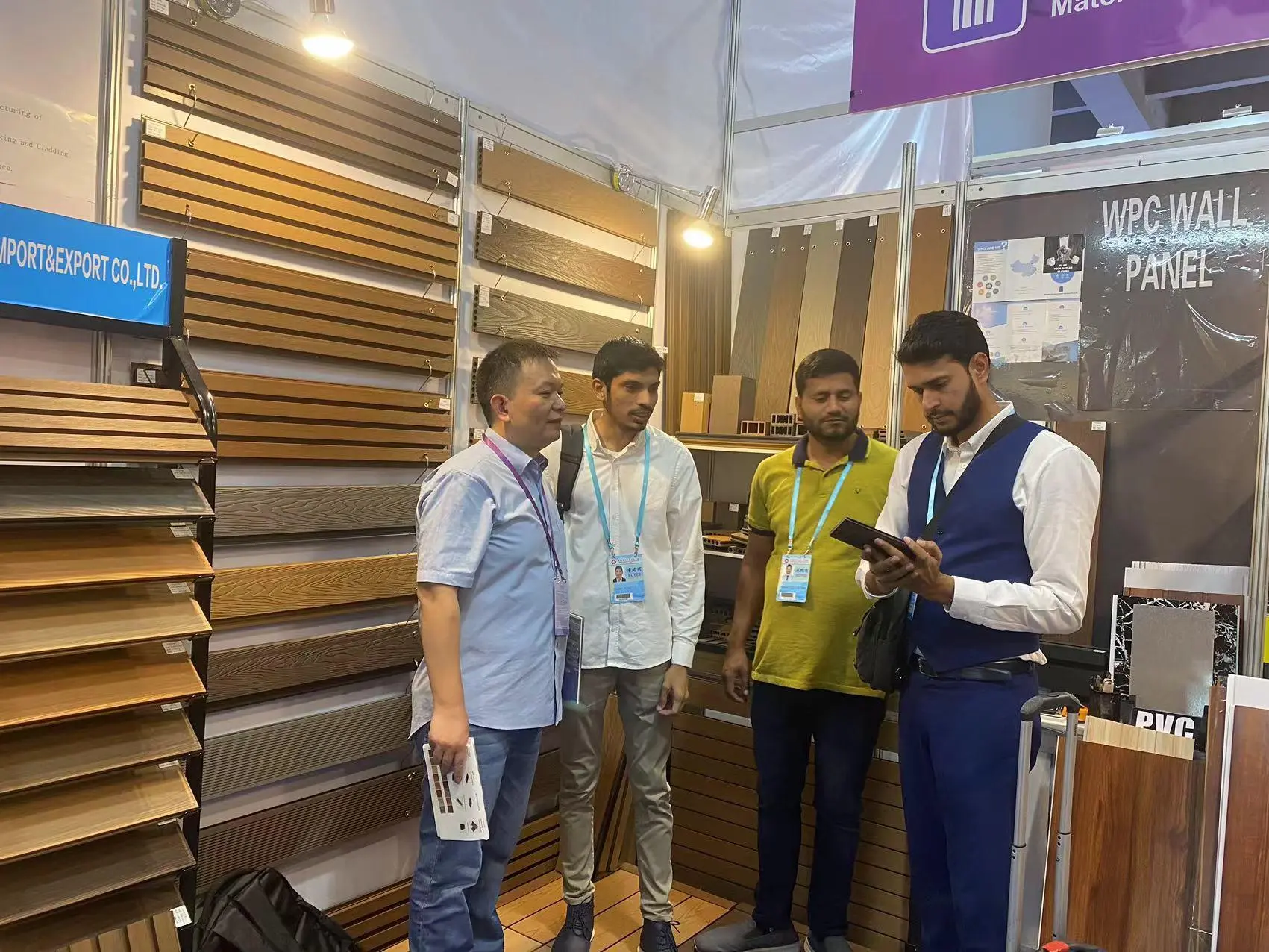
When sourcing from China, professional buyers look beyond price. They evaluate "Elastic Manufacturing Capability"—the ability to scale production for massive infrastructure projects while maintaining consistent color calibration across thousands of panels. Ningbo Yida's dedicated medical and educational service teams are a prime example of this professional-grade reliability.
Q: What is WPC?
A: WPC stands for Wood Plastic Composite. It is an innovative material made from a blend of recycled wood fibers/flour and thermoplastics (like PE). This creates a product that has the natural beauty of wood with enhanced durability and minimal maintenance.
Q: Is WPC environmentally friendly?
A: Yes. Our products are primarily made from recycled wood waste and reclaimed plastics, reducing landfill waste and protecting virgin forests. No chemical staining is required, further reducing environmental impact.
Q: How does WPC perform in extreme weather (frost, snow, rain)?
A: WPC is highly resistant to moisture, rot, and decay. It is resistant to freezing and thawing cycles, preventing cracks and splinters in frosty conditions. Proper installation with drainage is key for long-term performance.
Q: Is staining or sealing required?
A: No. Unlike natural wood, WPC products never require sanding, staining, or sealing. Their color is consistent throughout the material and is designed to last for years with minimal fading.
Q: Are WPC products resistant to mold, mildew, and insects?
A: Yes. The polymer-bound composition makes it highly resistant to biological threats, including termites and fungal decay, which are the primary killers of traditional timber.
Our technical team is ready to assist you with material selection, custom color matching, and logistics for your next major project.
GET A QUOTE TODAY Yida Wood