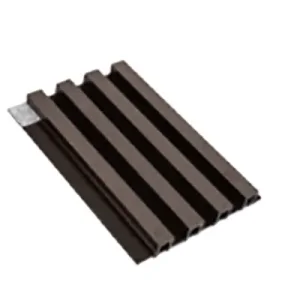
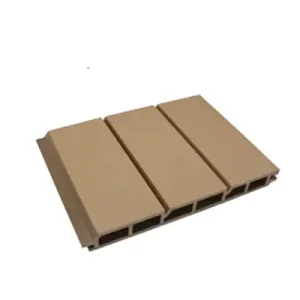
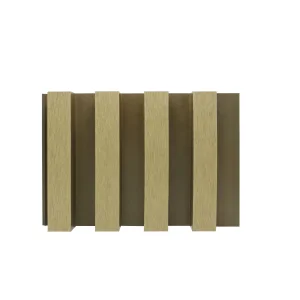
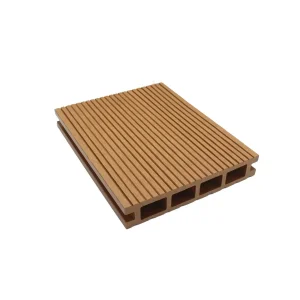
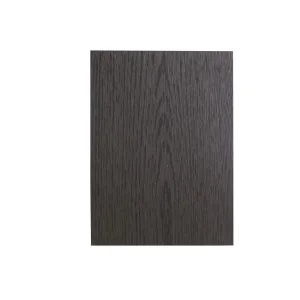
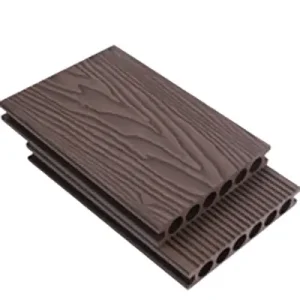
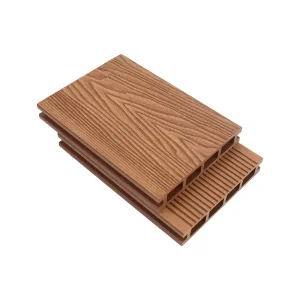
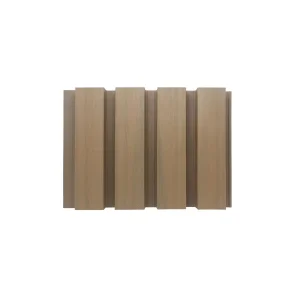
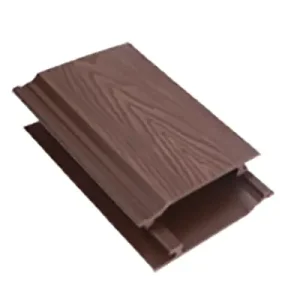
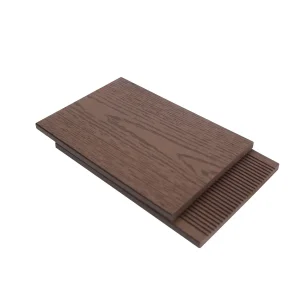
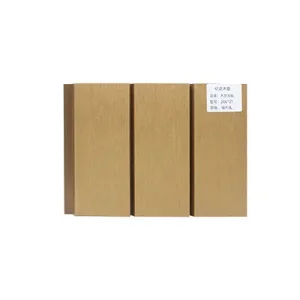
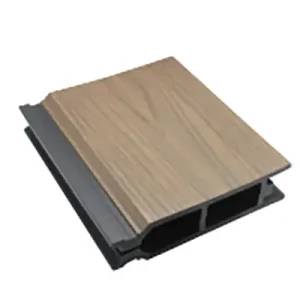
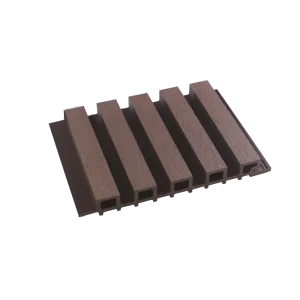
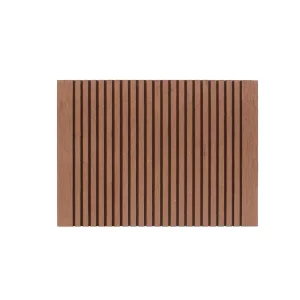
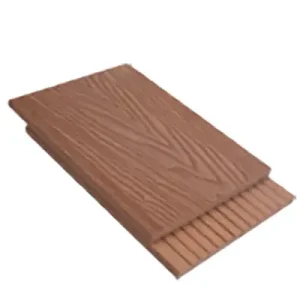
Engineered for high durability, structural load capabilities, and superior aesthetic replication of natural wood species.
Analyzing material science advancements, market drivers, and structural developments across the global construction sector.
Modern interior WPC employs a protective polymer shield outer shell. This co-extruded capping contains UV inhibitors, anti-scratch modifiers, and stain-resistant polymers, elevating durability in high-traffic commercial zones.
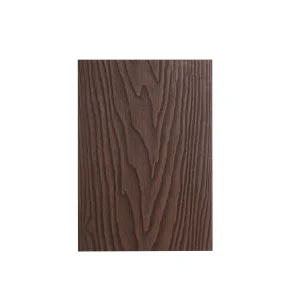
Moving beyond generic patterns, advanced 3D printing prints high-resolution natural timber visuals directly onto the composite base, rendering unique grain profiles with absolute zero pattern repetition.
With tightening ESG regulations, modern architectural blueprints actively mandate low-carbon, recycled, and non-toxic materials. Modern WPC formulations utilize up to 90% reclaimed fibers and post-consumer resins.
The interior design landscape is undergoing a paradigm shift towards materials that balance longevity with aesthetic purity. Wood Plastic Composite (WPC) material bridges this gap by merging the structural warmth of natural cellulose fibers with the resilient barrier properties of high-density thermoplastics. By optimizing the matrix bonding between recycled wood flour and thermoplastic polymers, modern WPC structures offer high resistance to ambient moisture, microbial degradation, and mechanical deformation.
From an acoustic and thermal perspective, WPC profiles engineered with hollow-core structures display superior sound-damping capabilities and low thermal conductivity, contributing directly to internal thermal envelope efficiency and building energy certification (such as LEED or BREEAM).
Leading the Path in Advanced Eco-Composite Manufacturing
For nearly a decade, Ningbo Yida Wood Plastic Technology Co., Ltd. has stood at the forefront of polymer-wood engineering. As a designated national high-tech enterprise, we specialize in the continuous research, development, and mass-scale extrusion of next-generation wood-plastic composite profiles.
Our proprietary brand, Yida, represents engineered performance. By sourcing high-grade post-industrial plastics and refined pine and hardwood flours, we produce composite solutions that exhibit exceptional physical characteristics:
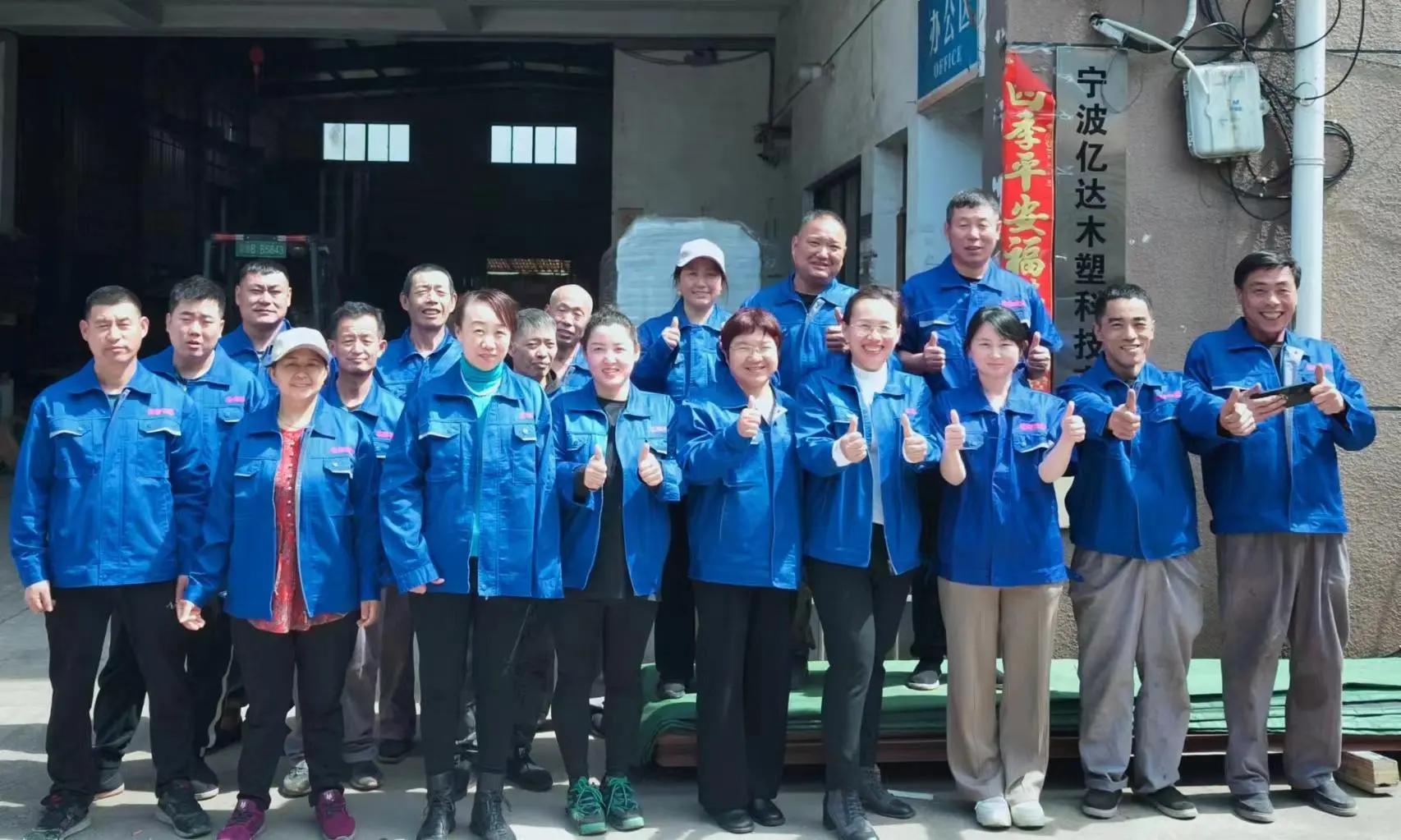
Understanding the operational and cost benefits of partnering directly with Ningbo Yida.
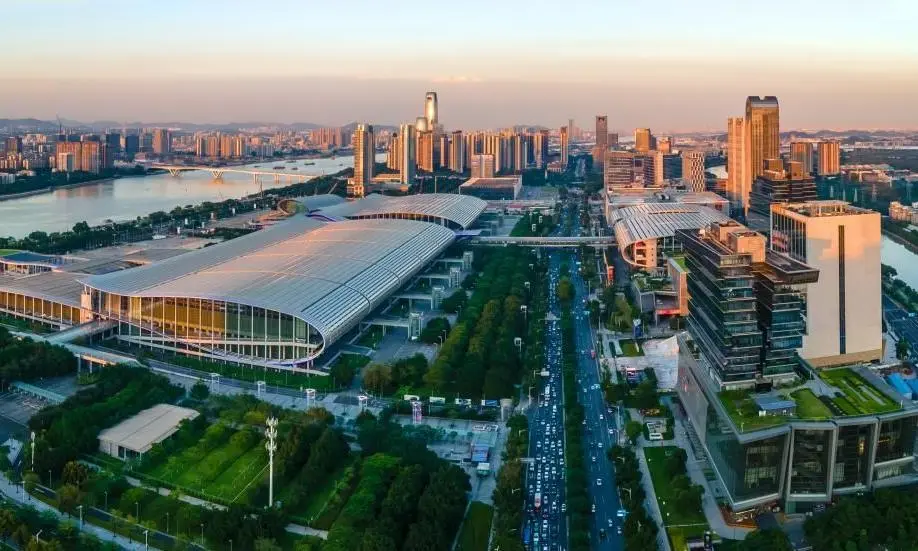
Operating out of Ningbo, China, one of the world's most consolidated shipping and logistics hubs, Ningbo Yida leverages a deeply integrated local supply chain. Direct access to base polymers, standardized chemical additives, and high-quality sustainable wood biomass allows us to maintain strict cost-efficiency without compromising structural integrity.
From healthcare and public spaces to luxury commercial structures, Yida WPC delivers performance that outlasts traditional materials.
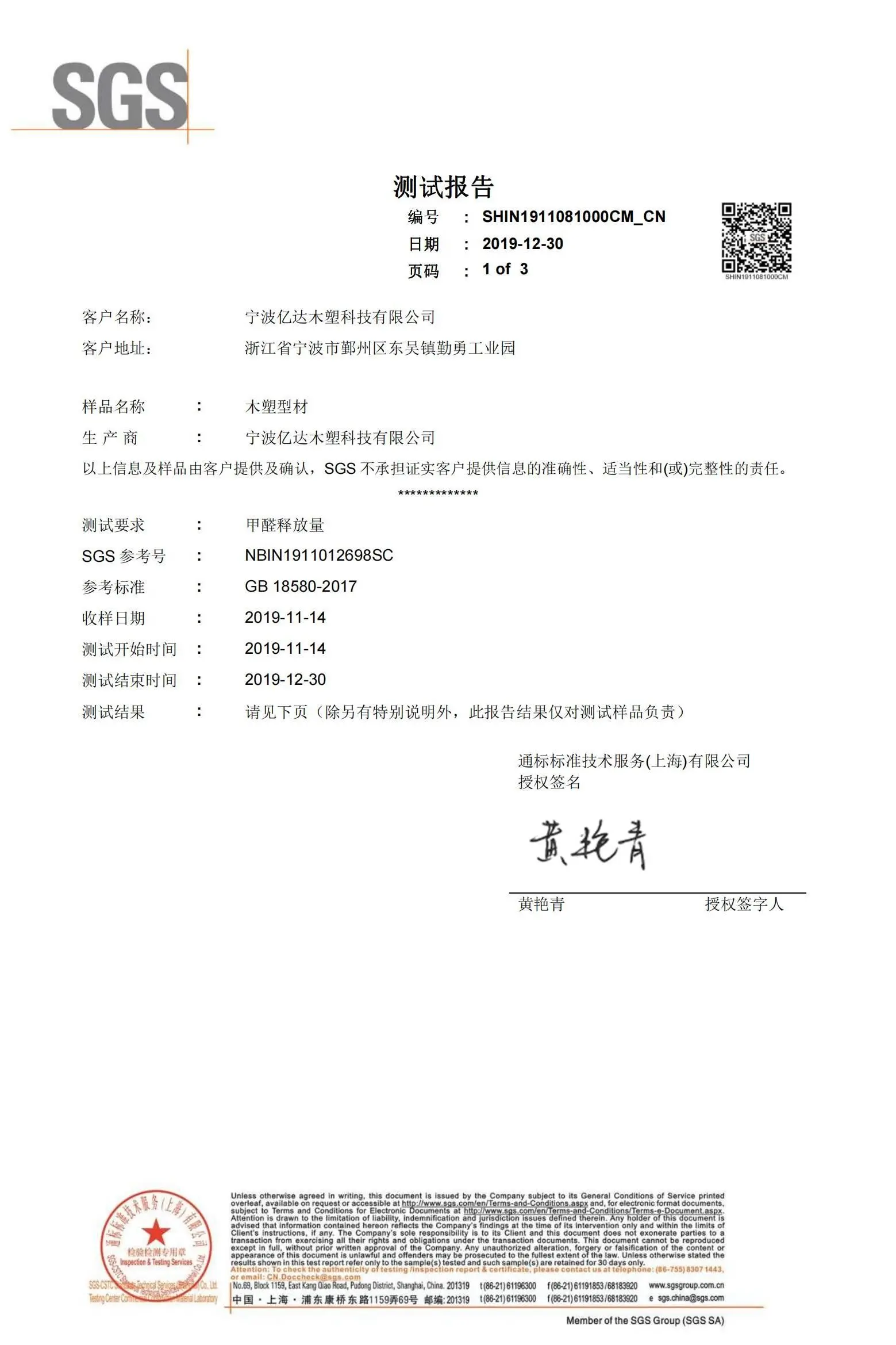
In classrooms, hospital wards, and hallways, material safety and hygiene are paramount. Yida WPC is formulated with ultra-low VOC emissions (complying with CARB Phase II standards) and is resistant to harsh chemical sterilizers and sanitizing agents, maintaining wall and cladding integrity over decades of washdowns.
Hotels, resorts, and flagship retail spaces require striking aesthetics that resist rapid wear and tear. Our 3D printed flooring and embossed wall cladding emulate exotic timbers while resisting indentation from high heels, heavy rolling suitcases, and liquid spills.
Designed for easy installation using tongue-and-groove or clip systems, our interior cladding cuts installation time by half. For residential developers, this directly translates to faster project handover times and a significant reduction in post-sale maintenance tickets.
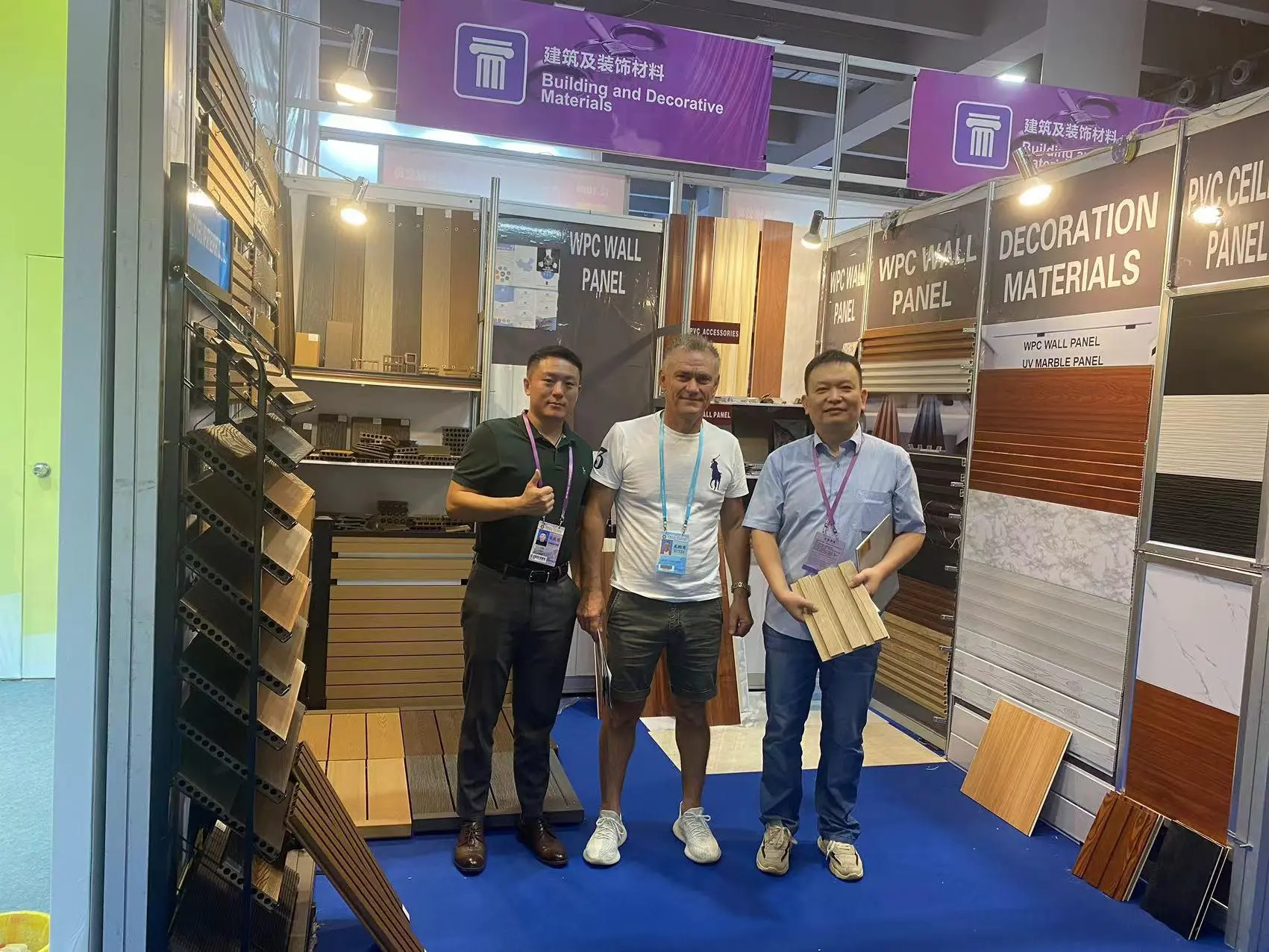
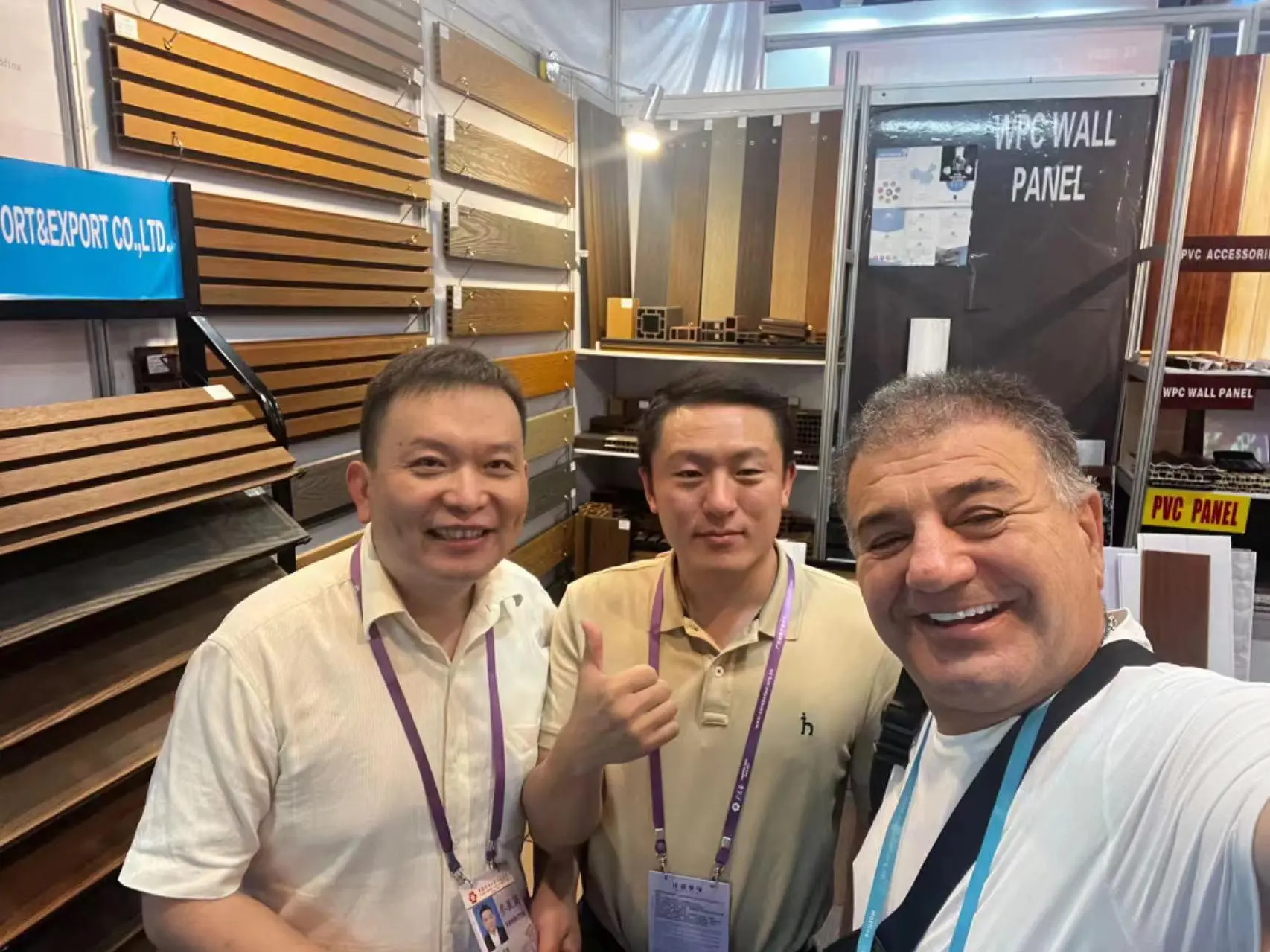
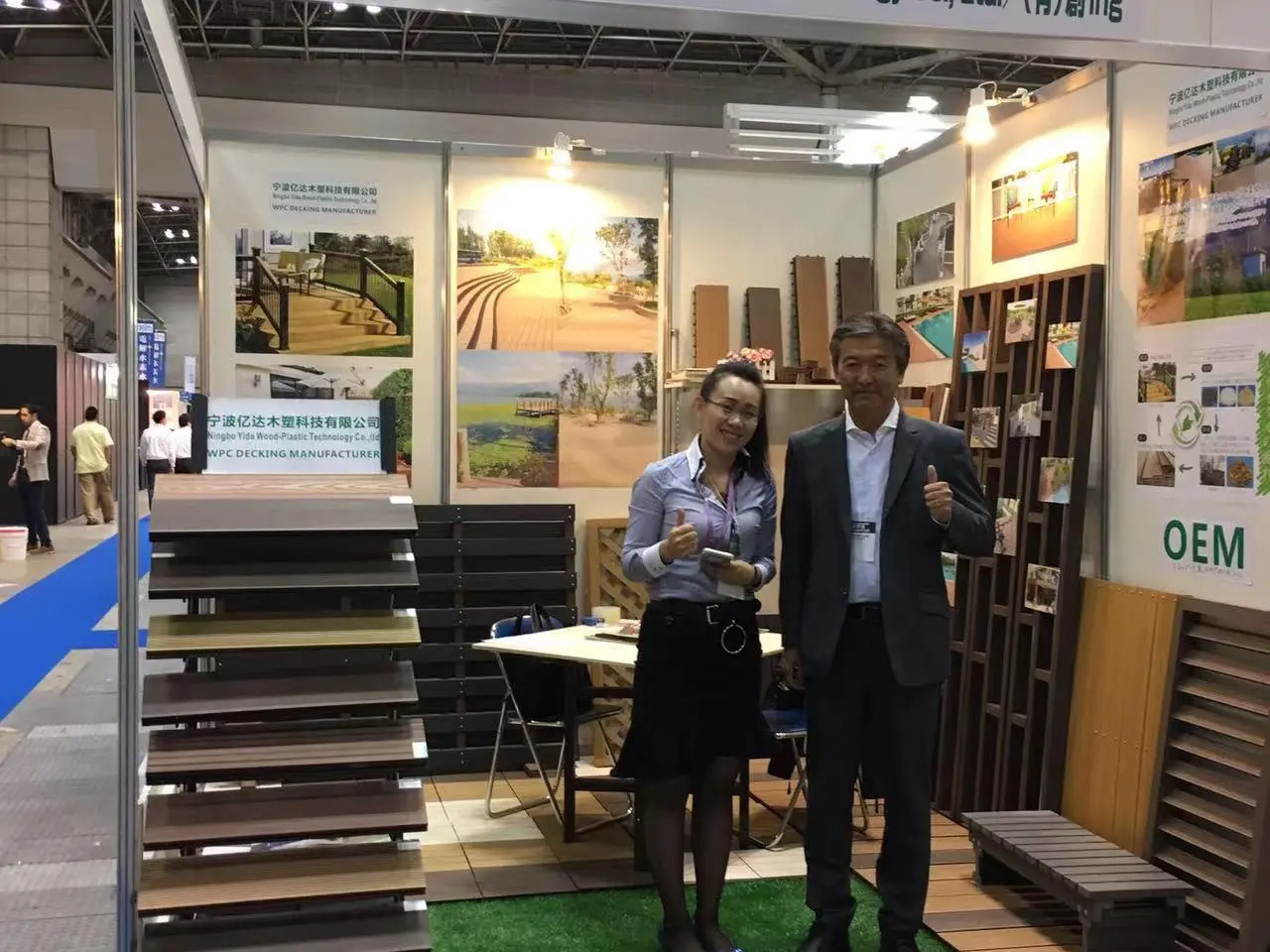
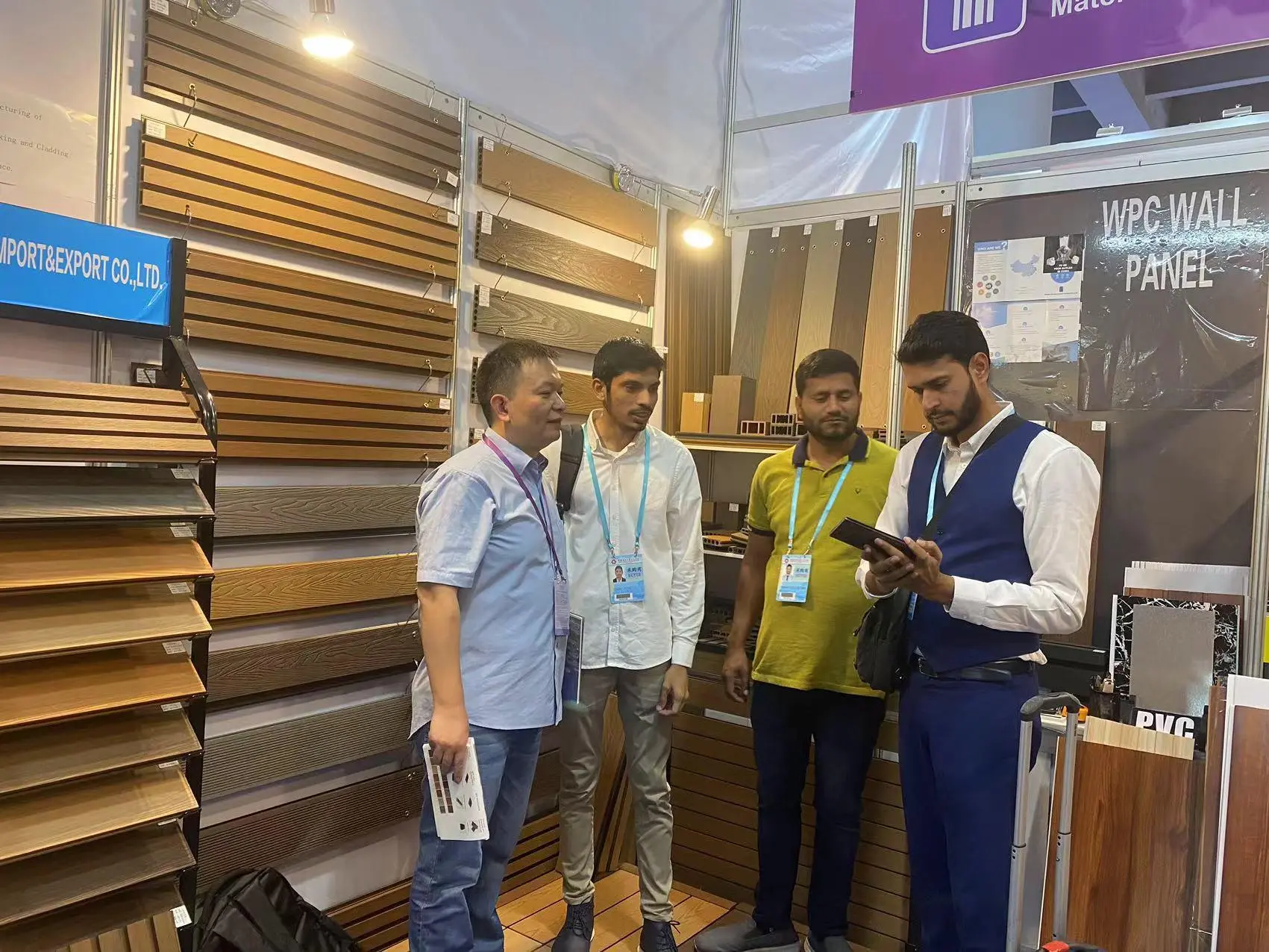
Ensuring absolute compliance with strict regional regulations and building codes across the Americas, European Union, and Australasia.
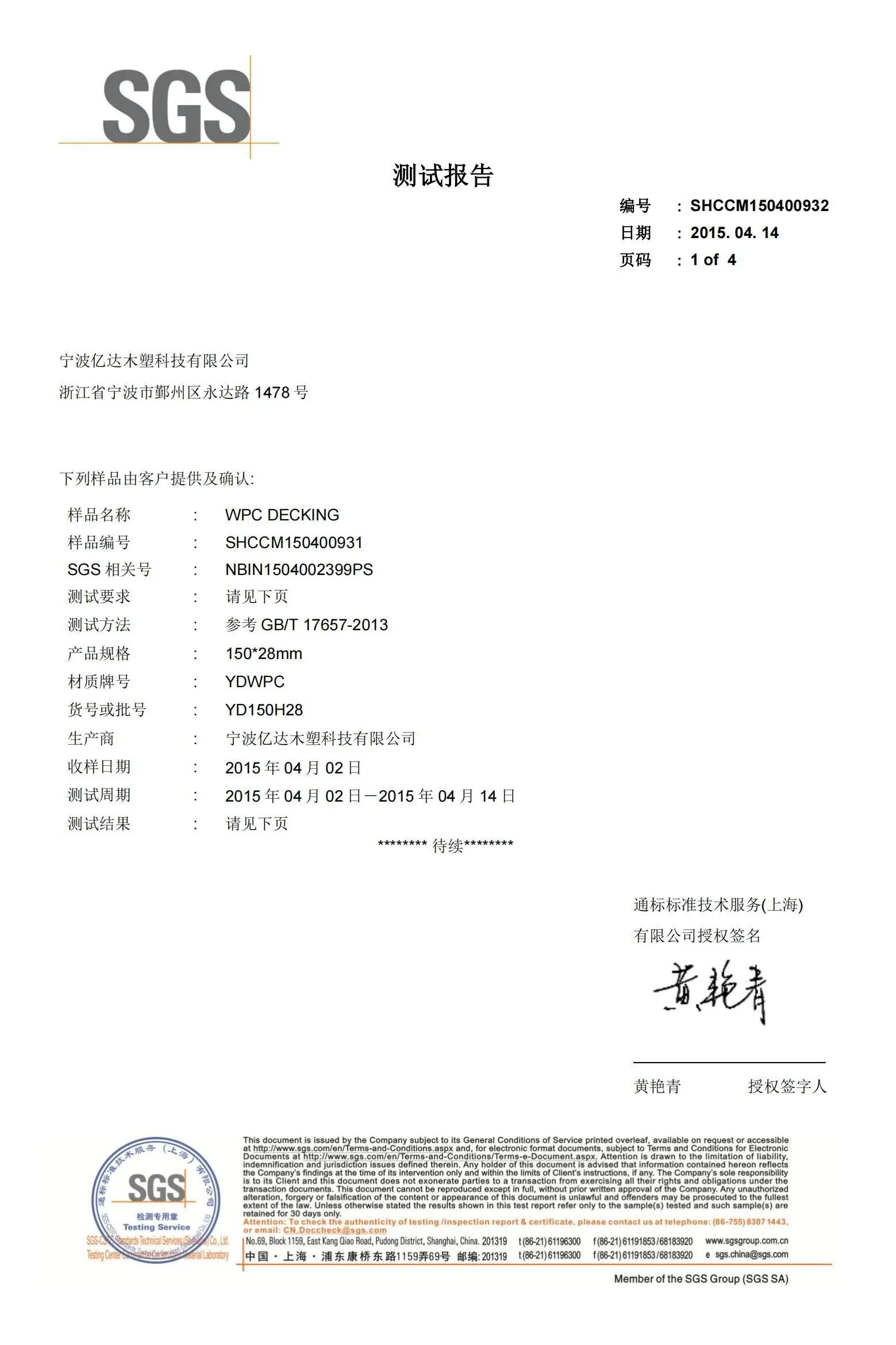
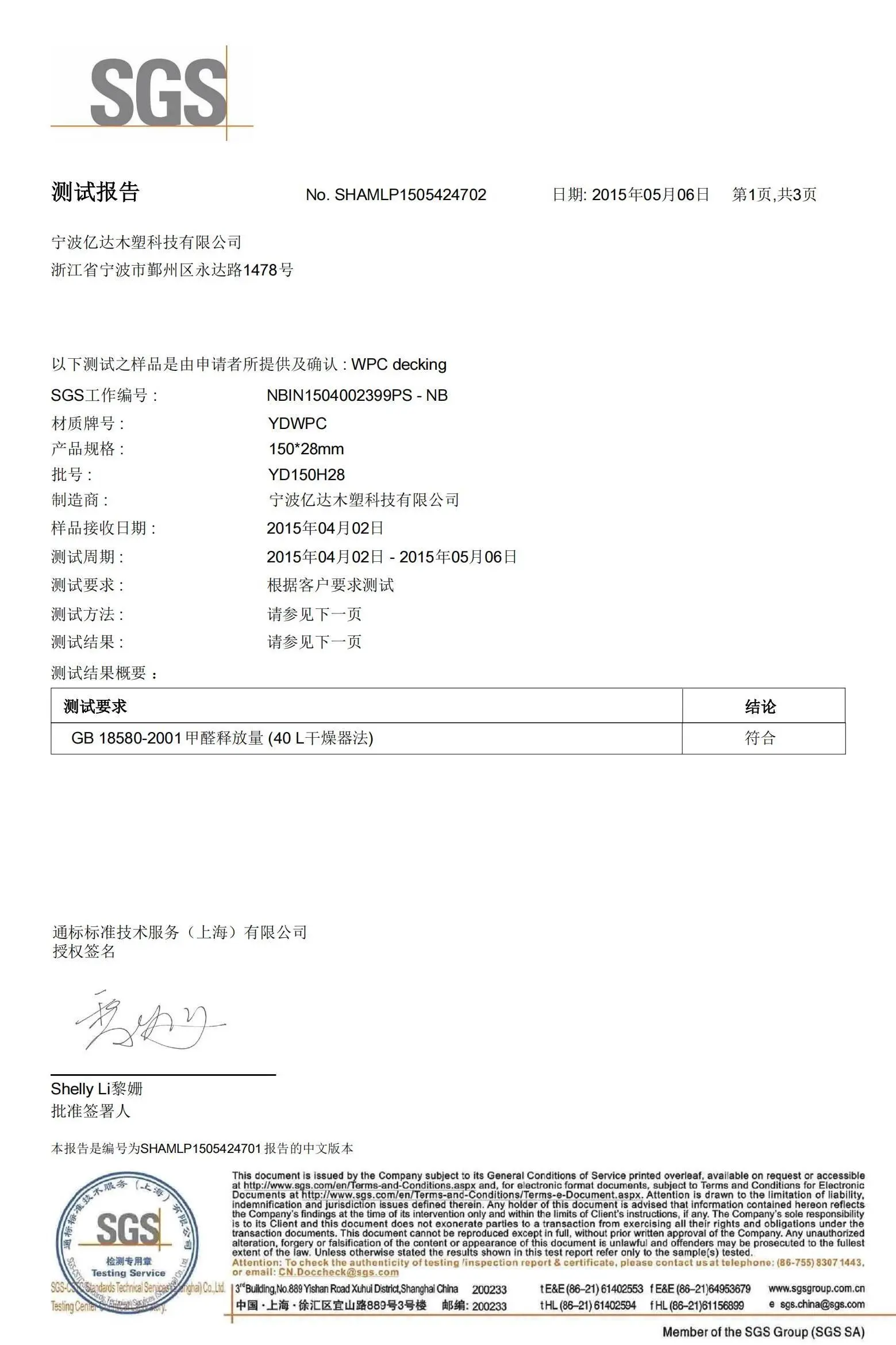
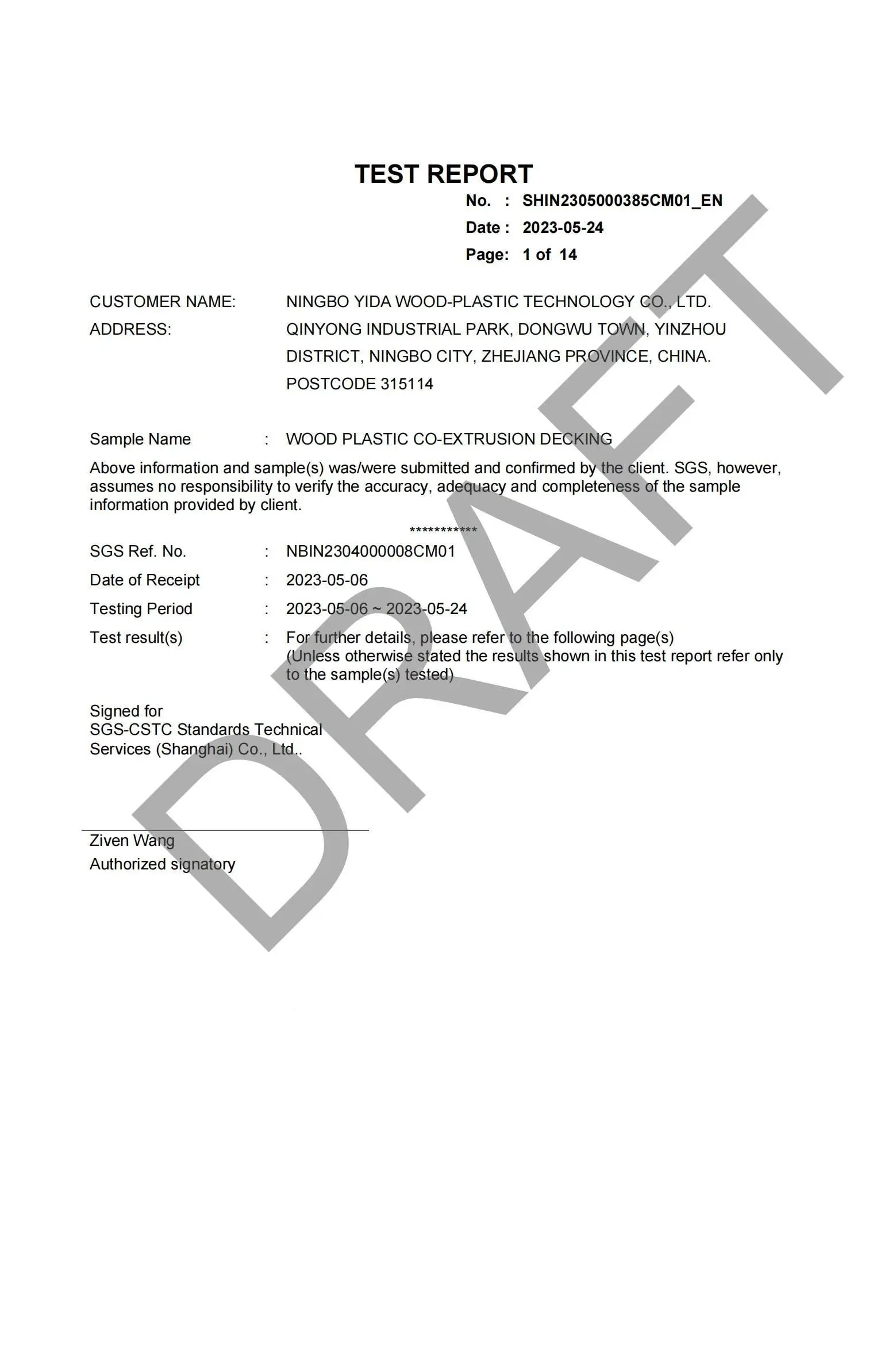
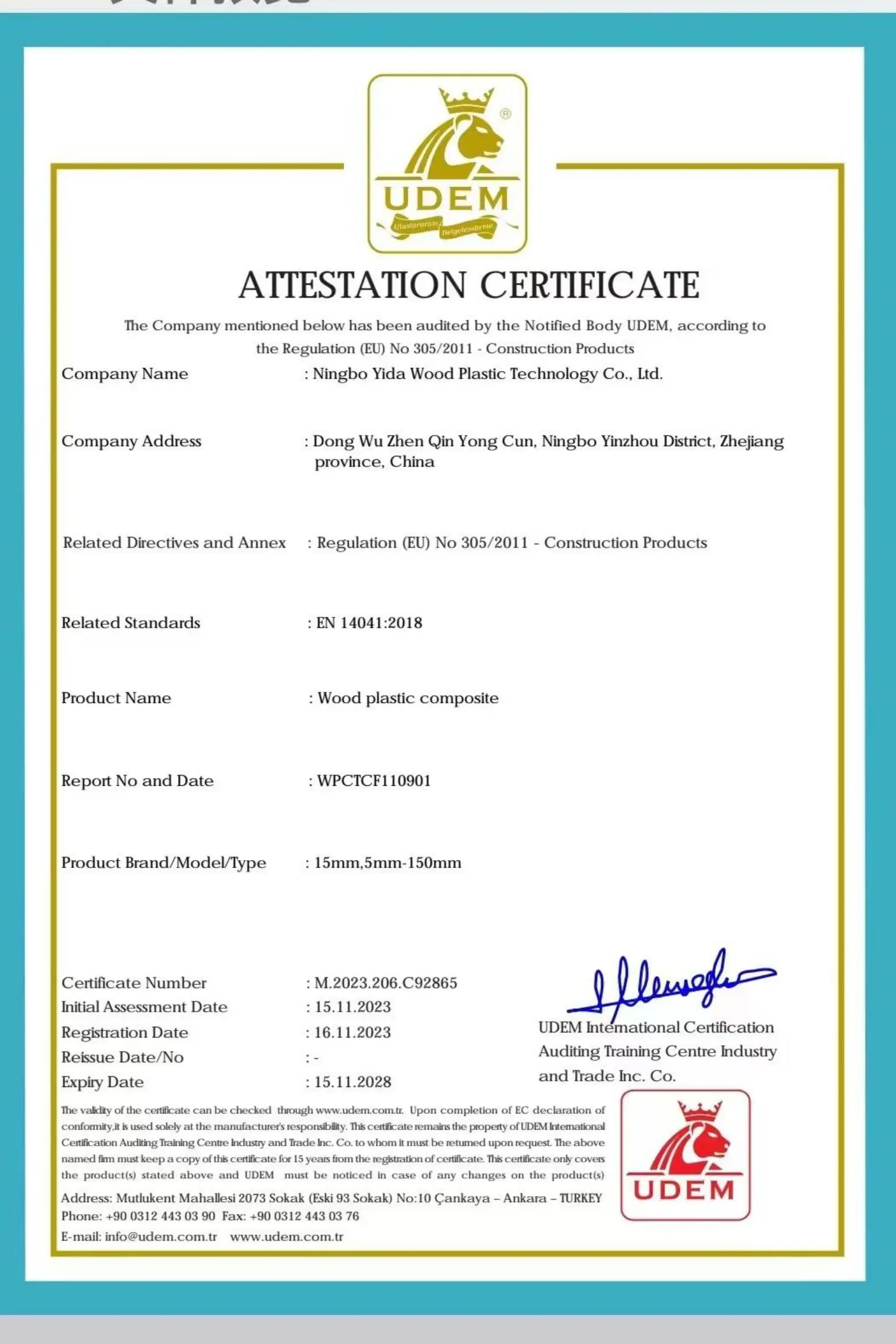
Global procurement teams must mitigate compliance risks. Ningbo Yida operates under strict ISO 9001 and ISO 14001 management protocols. Every batch of WPC profiles undergoes rigorous laboratory testing before export, ensuring conformance with international standards:
Our commitment to sustainability is backed by trace-auditable supply chains. We trace the origins of our wood feedstock to certified sustainably managed forests (FSC-certified partners) and industrial recycling plants, ensuring that the raw components of your building are as ethical as they are durable.
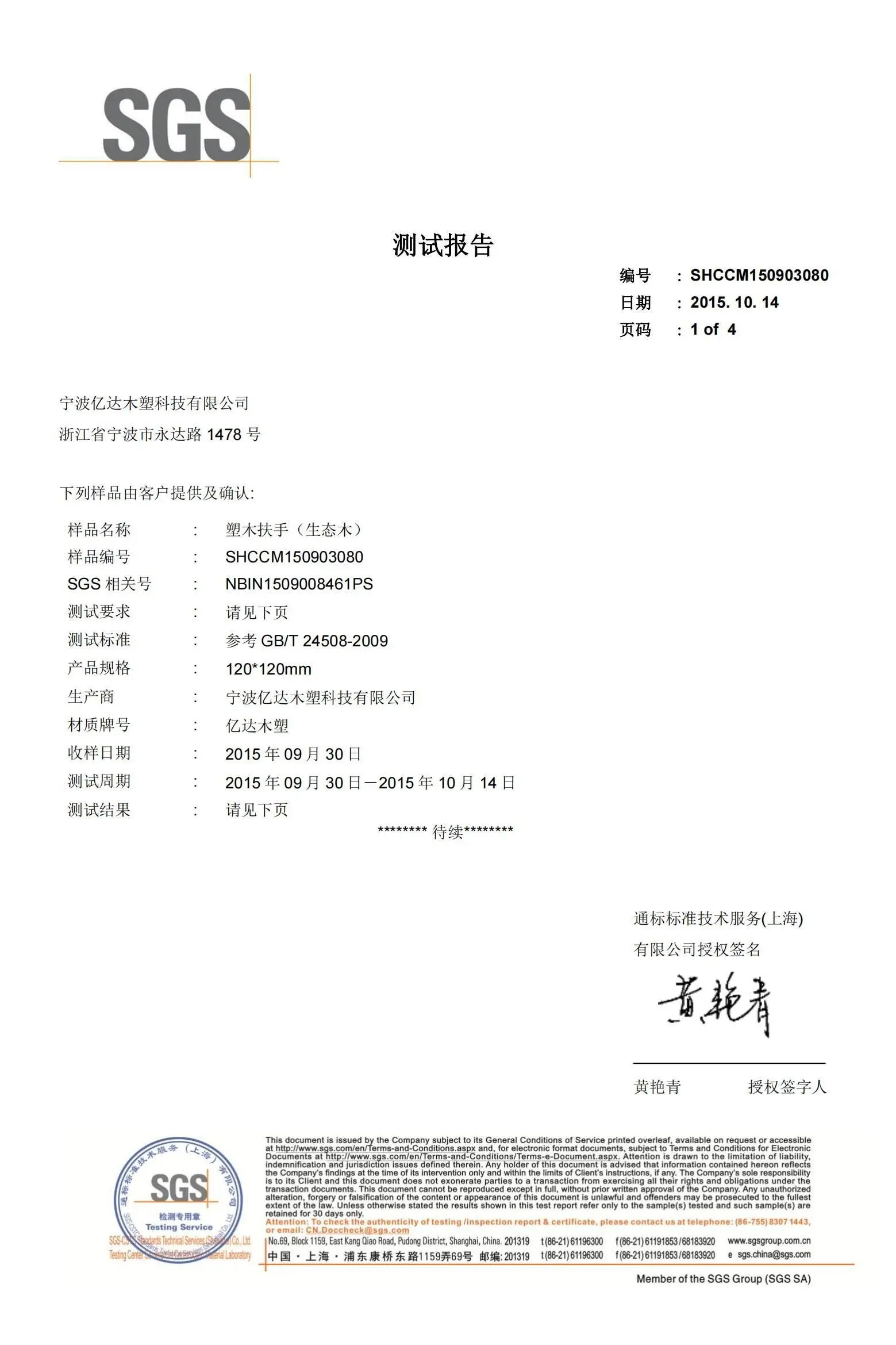
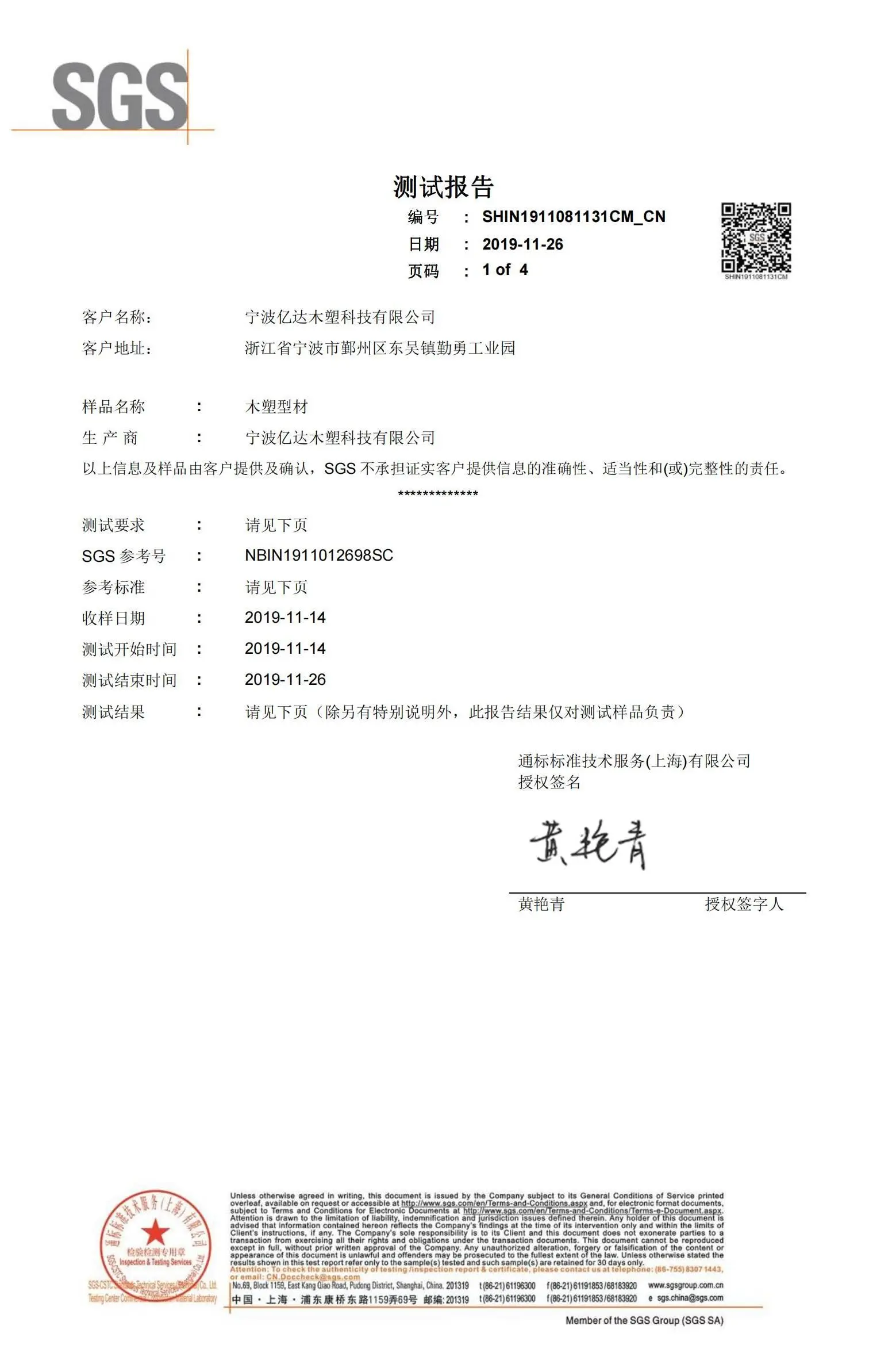
Answering high-intent B2B purchasing questions regarding material composition, fire resistance, structural loads, and deployment.
Yida Wood Plastic Composite (WPC) is composed of 60% wood fiber (derived from clean, industrial by-product wood flour), 30% recycled high-density polyethylene (HDPE), and 10% performance additives (including UV stabilizers, coupling agents, fire retardants, and inorganic pigments). This chemical structure optimizes structural matrix bonding, ensuring 100% recycling capability and zero tree-felling impact, qualifying it as a highly sustainable structural material.
Unlike pure PVC which often features a synthetic plastic appearance, WPC incorporates real wood fibers, delivering a warm, textured wood feel. From an engineering perspective, the wood fibers act as reinforcement, drastically reducing thermal expansion rates compared to pure plastics. Under high heat variations, WPC profiles maintain high dimensional stability, preventing buckling and clip failure.
Yes. Standard woodworking tools, including carbide-tipped saw blades and high-speed drills, can be used to cut, shape, and drill Yida WPC profiles on-site. Furthermore, as an ODM manufacturer, we design custom dies and tools for bespoke shapes, colors, and textures, tailored to architectural specifications.
Yida WPC is formulated to be hydrophobic. The natural wood fibers are fully encapsulated within the polymer matrix, which prevents water penetration. It exhibits negligible water absorption (<0.5% after 24 hours of immersion), making it completely resistant to rot, mildew, swelling, and structural decay in pools, steam baths, and coastal regions.
While all outdoor surfaces absorb solar radiation, Yida's composite formulations incorporate heat-reflective pigments that mitigate heat buildup. The profiles feature micro-textured, wood-grain patterns that provide excellent slip resistance (complying with DIN 51130 R11 ratings), even when wet, making them highly suitable for pool surrounds and wet-zone pathways.
Yida WPC does not require sanding, staining, painting, or chemical sealing. Its color is integrated throughout the extrusion profile. Under normal usage, our high-performance profiles carry a warranty ranging from 10 to 25 years against structural failure, insect destruction, and severe color fade.
Maintenance is low-effort. For routine cleanups, simply sweep away surface dirt and wash with a mild soap solution and a soft bristle brush. High-pressure washers can be used at low settings (maximum 1500 PSI) at a safe distance (minimum 30 cm). Avoid using strong chemical solvents, paint thinners, or highly abrasive tools.
Review our extended product lines, including specialized co-extruded cladding, 3D embossed surfaces, and high-durability fencing systems.
Request technical datasheets, certified test reports, structural design guides, and a custom quote tailored to your procurement volumes.
Contact Our Technical Sales Team Yida Wood