Explore our top-tier CE-certified Wood Plastic Composite products, engineered for superior acoustic dampening, flame retardancy, and sustainable interior design.
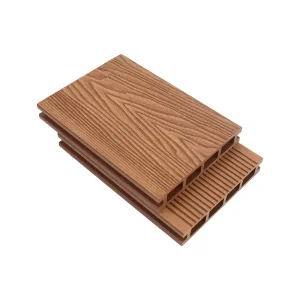
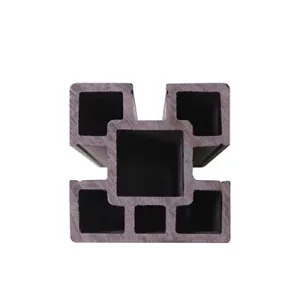
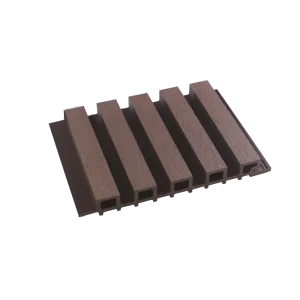
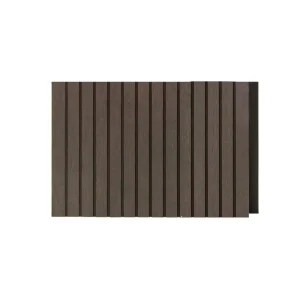
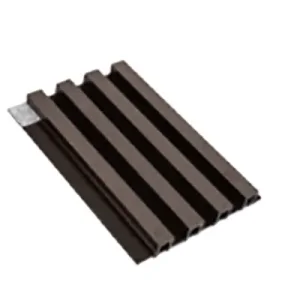
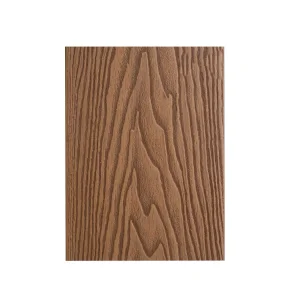
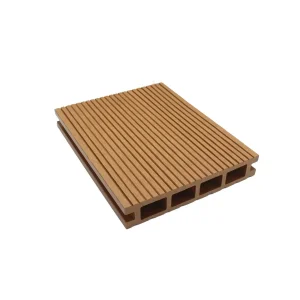
The global interior architectural sector is experiencing a paradigm shift towards high-performance bio-composite cladding materials. Indoor Wood Plastic Composite (WPC) wall panels represent the synthesis of natural timber aesthetics and modern polymer science. Engineered to mitigate the inherent flaws of solid timber—such as moisture absorption, rot, insect susceptibility, and high VOC emissions—indoor WPC wall systems have emerged as the gold standard for sustainable commercial and residential construction worldwide.
According to recent global material procurement data, the demand for CE-certified interior WPC cladding is expanding at a CAGR of 8.4% across Europe, North America, and the Middle East. Strict building safety directives, such as the European Union’s EN 13501-1 fire reaction requirements and EN 717-1 formaldehyde emission limits (E0 Class), have positioned certified manufacturers as critical partners for large-scale architectural projects.
Information Gain Insight: Modern interior designers and project procurement officers prioritize certified non-toxic, zero-maintenance wall systems that offer fast-track installation via interlocking groove-and-tongue channels, drastically reducing labor overhead by up to 40% compared to traditional plaster and drywall finishing.
Understanding the molecular integrity and rigorous certification benchmarks that guarantee safety, structural longevity, and eco-compliance.
Formulated with 60% ultra-refined hardwood fiber flour, 30% recycled high-density polyethylene (HDPE) or premium PVC, and 10% eco-friendly functional additives including UV stabilizers, flame retardants, and coupling agents.
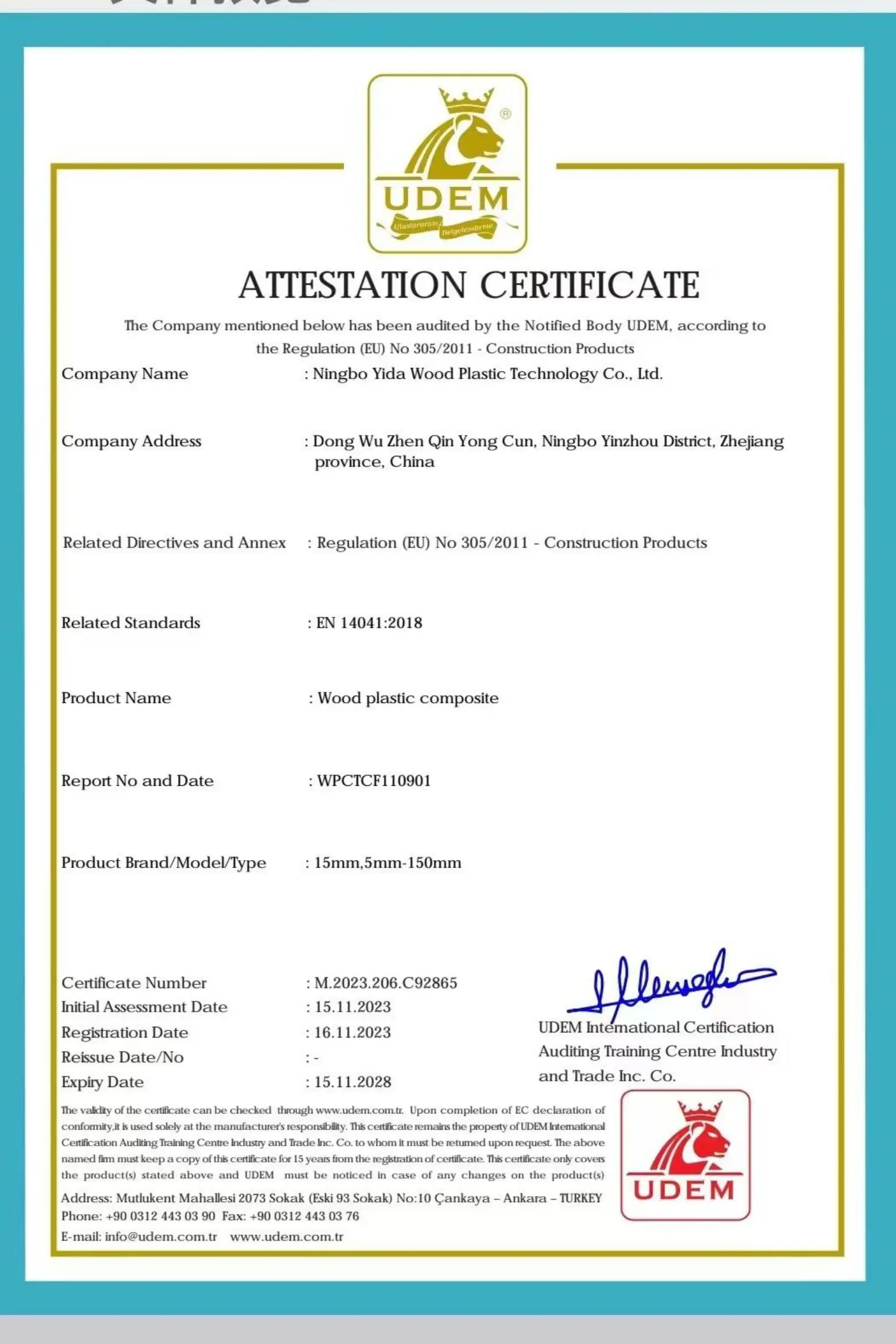
Fully verified under EU Construction Products Regulation (CPR) No 305/2011. Certified for flexural strength, dimensional stability, mechanical impact resistance, and zero hazardous substance leaching.
With a moisture absorption rate under 0.5%, our indoor wall panels eliminate swelling, warp, and mold proliferation, even when installed in humid commercial environments like indoor pools and saunas.
| Property Parameter | Test Standard Method | Ningbo Yida WPC Standard Value | Performance Advantage |
|---|---|---|---|
| Fire Reaction Rating | EN 13501-1 / GB 8624 | Class B-s1, d0 (Flame Retardant) | Self-extinguishing, low smoke generation, zero dripping |
| Formaldehyde Emission | EN 717-1 / ISO 16000 | E0 Grade (≤ 0.05 mg/m³) | Immediate occupancy post-installation; zero toxic off-gassing |
| Water Absorption Rate | EN 317 / ASTM D1037 | < 0.48% (24hr immersion) | 100% waterproof surface integrity; immune to humidity rot |
| Flexural Strength / Modulus | EN 310 / ISO 178 | ≥ 28.5 MPa / 3200 MPa | High mechanical resistance against wall impact and structural shear |
| Thermal Expansion Coeff. | ISO 11359-2 | < 35 x 10−&sup6; / K | Minimal expansion gap requirements across extreme temperature swings |
| Insect & Termite Resistance | ASTM E2149 / ISO 22196 | Rating 10 (Zero damage) | Impervious to wood-boring insects, white ants, and fungal decay |
Leveraging decades of specialized composite R&D, advanced automation, and strategic port proximity to deliver unrivaled cost-efficiencies and speed-to-market.

At Ningbo Yida Wood Plastic Technology Co., Ltd., we have established ourselves as a benchmark enterprise in the production and global distribution of next-generation wood-plastic composite materials. Combining natural wood aesthetics with industrial polymer stability, our manufacturing complex houses high-precision twin-screw extrusion lines, automated 3D embossing systems, and in-line quality testing laboratories.
In addition to supporting high-end commercial office developments and luxury residential estates, Ningbo Yida maintains dedicated technical teams servicing major public infrastructure projects across educational and medical sectors nationwide.
Our indoor WPC wall panels and acoustic column profiles are extensively installed in major national universities, research centers, and hospital complexes. In these specialized environments, hygiene, non-toxic air quality, impact resistance, and sound absorption are non-negotiable parameters.

From high-traffic institutional corridors to luxury residential acoustic feature walls, discover how WPC wall cladding transforms interior space aesthetics.
Hospitals and clinic hallways require walls that resist aggressive disinfectant scrub-downs while maintaining Zero VOC levels. WPC panels provide seamless, non-porous antibacterial surfaces compliant with healthcare sanitation codes.
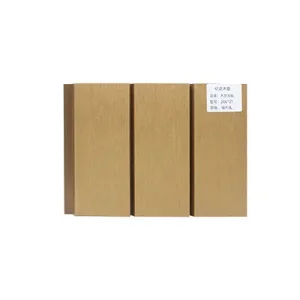
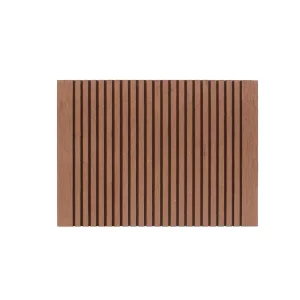
Educational lecture halls benefit from acoustic slat WPC wall cladding. The specialized fluted grooved design dissipates reverberation and sound reflections while offering high impact resistance against heavy student foot traffic.
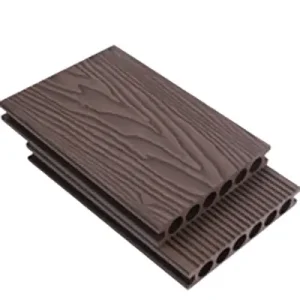
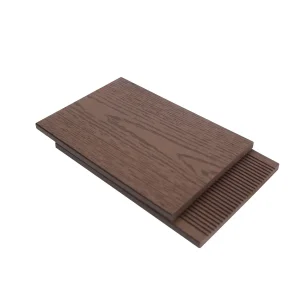
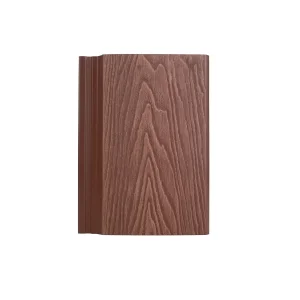
Hotels, luxury boutiques, and executive office lobbies demand sophisticated timber aesthetic without structural weight or fire hazards. 3D embossed WPC panels deliver authentic wood grains with Class B1 fire protection.
As global building codes push for net-zero carbon footprints, architects are abandoning traditional virgin timber wall paneling. WPC utilizes up to 90% recycled wood flour and reclaimed post-industrial polymers, qualifying projects for LEED (Leadership in Energy and Environmental Design) and BREEAM green building credits.
Modern open-plan offices and hospitality spaces face severe acoustic management challenges. The rapid shift toward acoustic fluted louvers and WPC grooved column systems allows seamless integration of sound-absorbing PET felt backing, achieving Noise Reduction Coefficients (NRC) up to 0.85.
First-generation composites often looked artificial. Next-generation co-extrusion technology applies an outer protective shield containing multi-tone color striations and tactile wood grain textures, visually indistinguishable from natural teak, oak, or walnut.
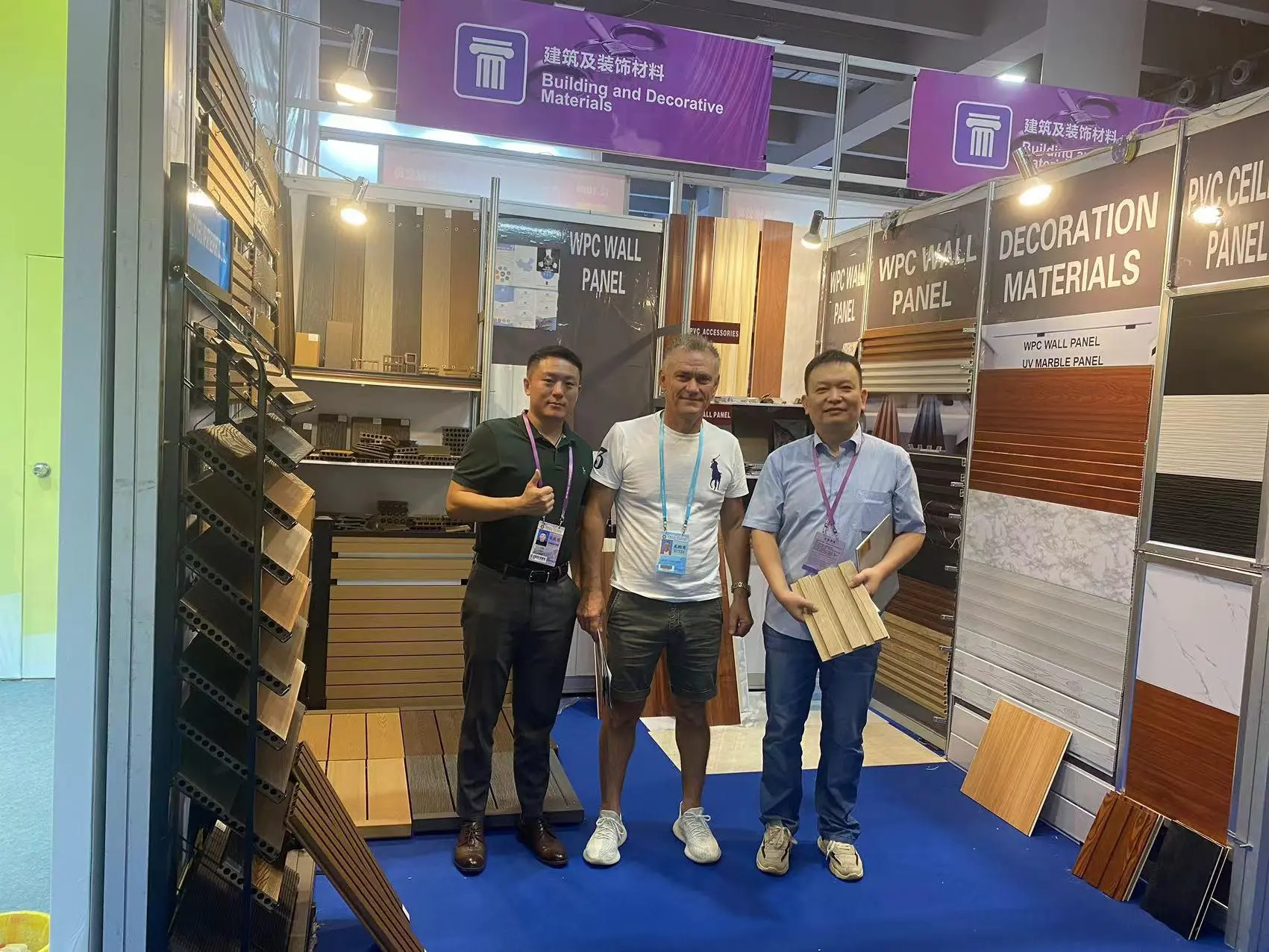
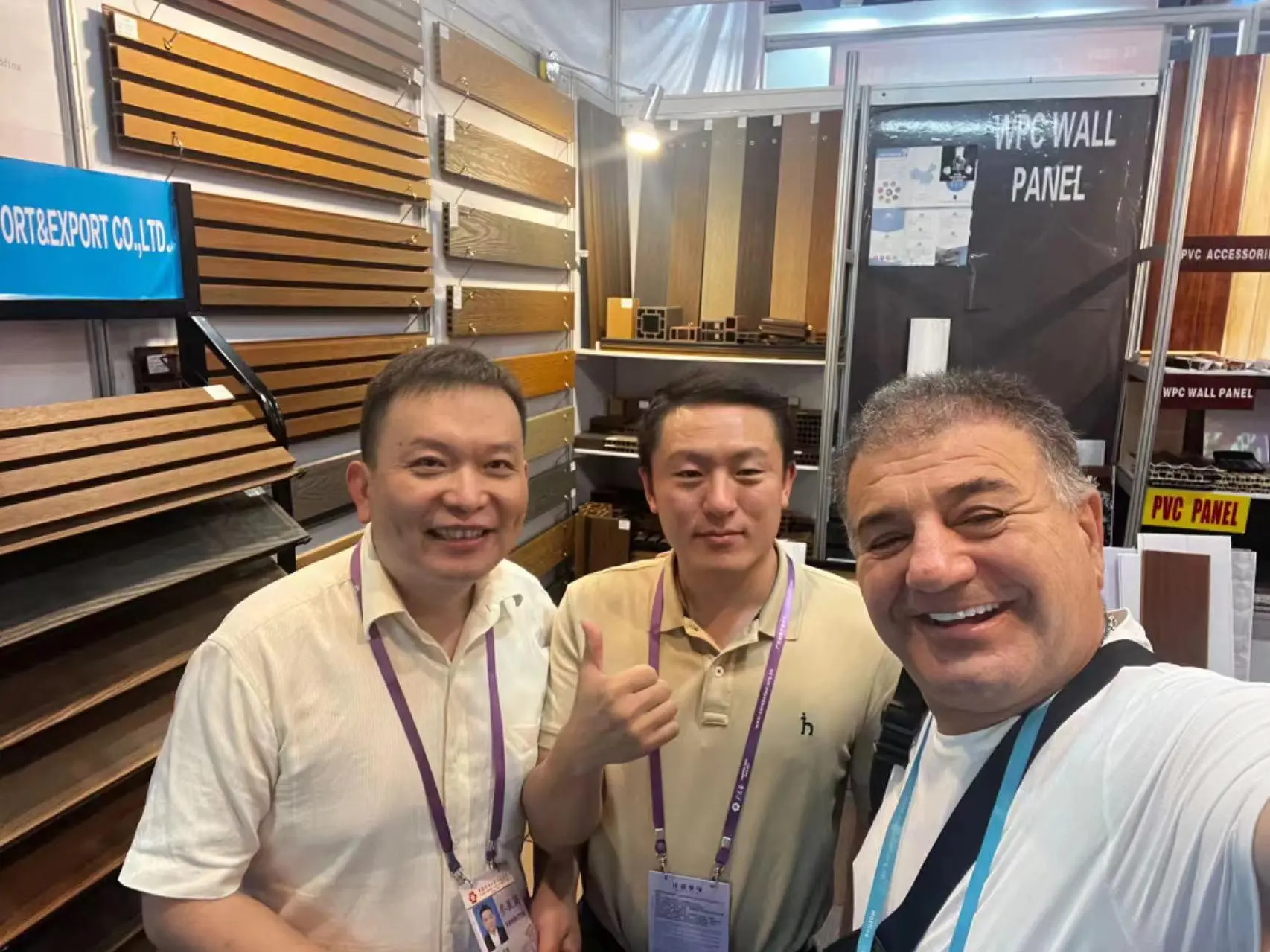
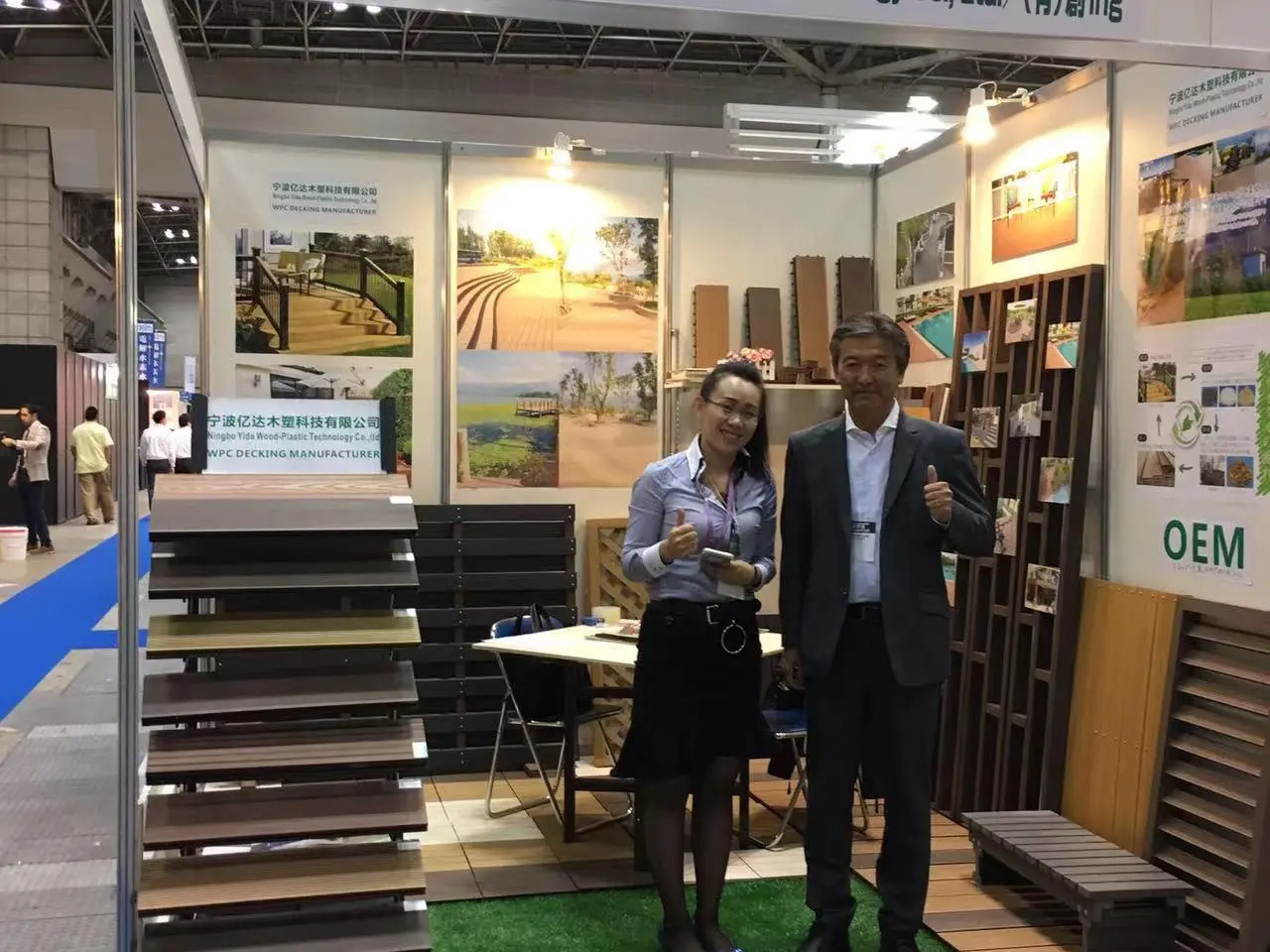
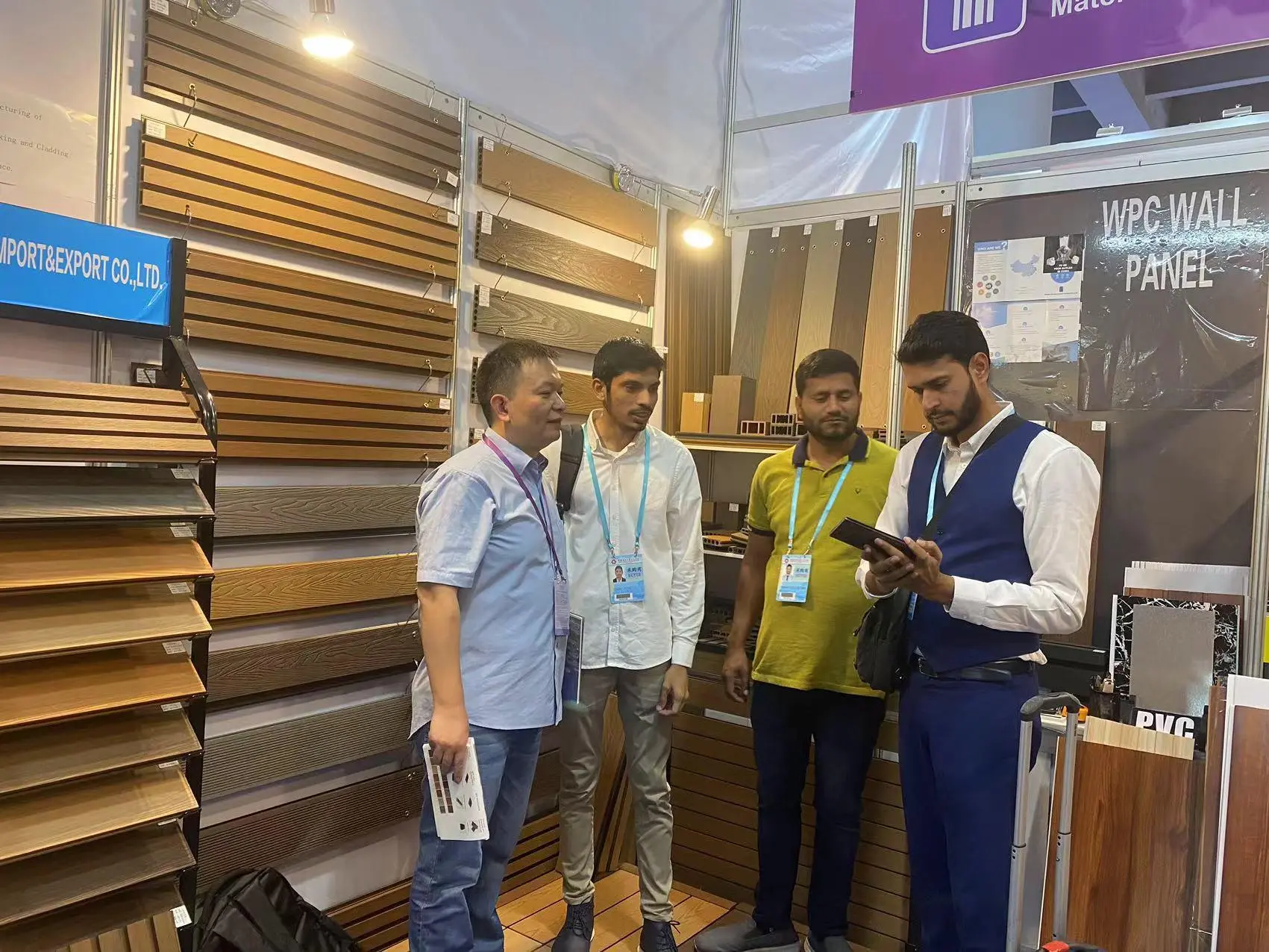
Key criteria for international project developers, general contractors, and distributors when evaluating WPC manufacturers in China.
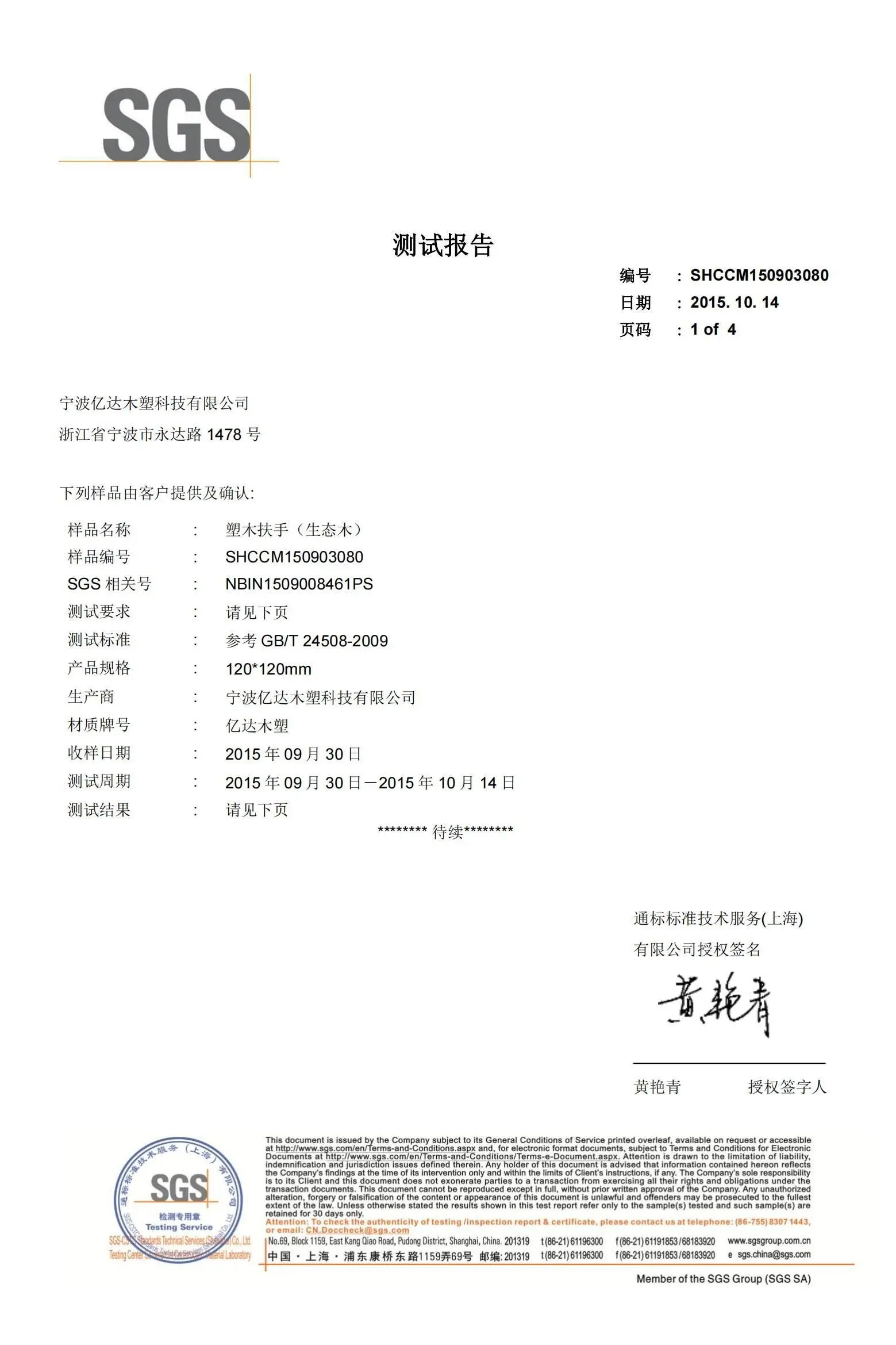
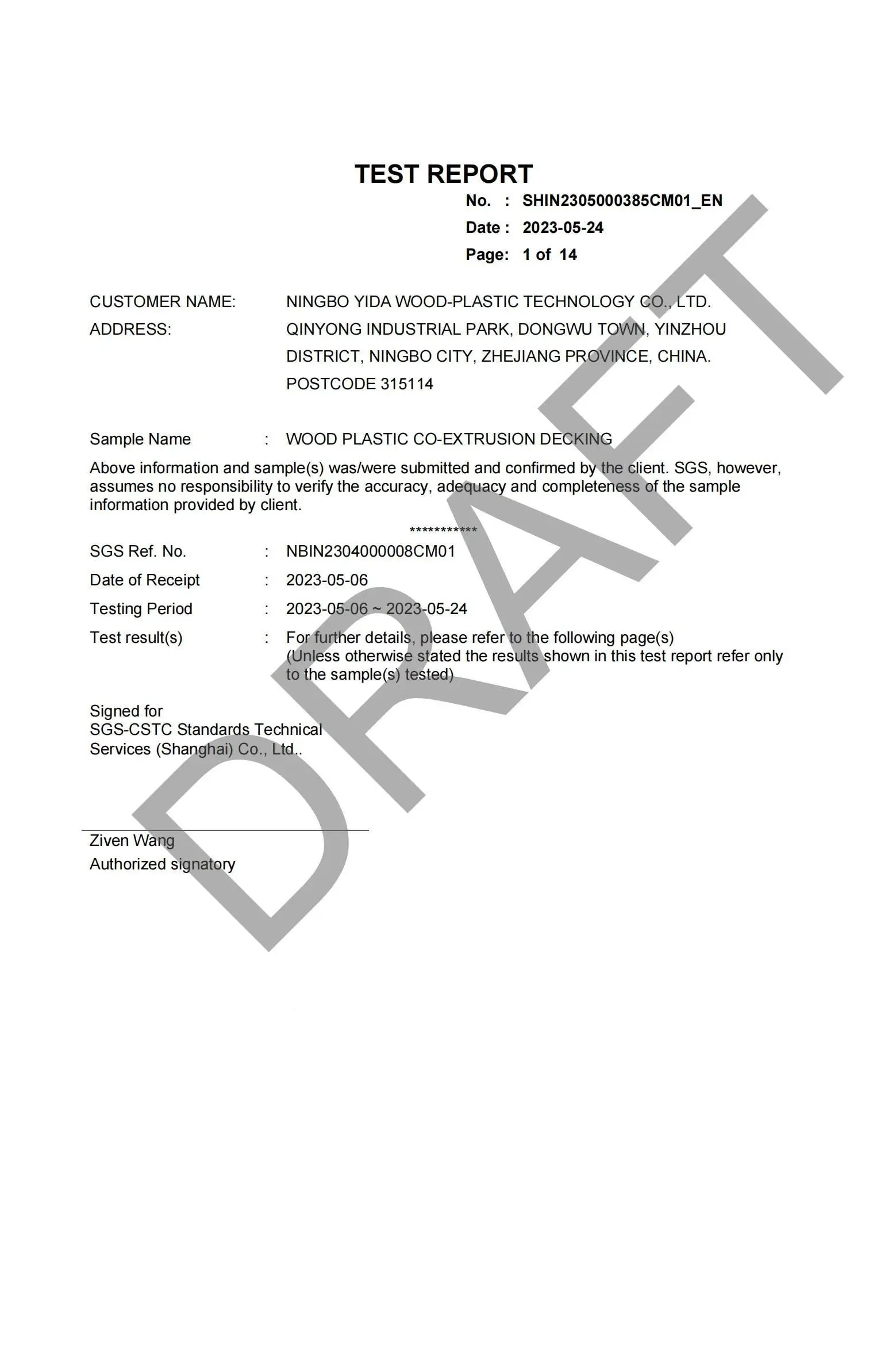
Ensure the supplier provides third-party laboratory test reports (SGS, TÜV, Intertek) validating EN 13501-1 reaction to fire, RoHS heavy metal testing, and VOC emission levels.
Check structural ribbing thickness and density (target ≥ 1.25 g/cm³). Higher polymer density ensures thermal dimensional stability under intensive indoor lighting and heating.
Inquire about export packaging standards. Panels should be protected with protective PE film wrapping, reinforced corner guards, and palletized bundle straps for safe sea transport.
Our products undergo rigorous international compliance checks to ensure compliance with global architectural standards.
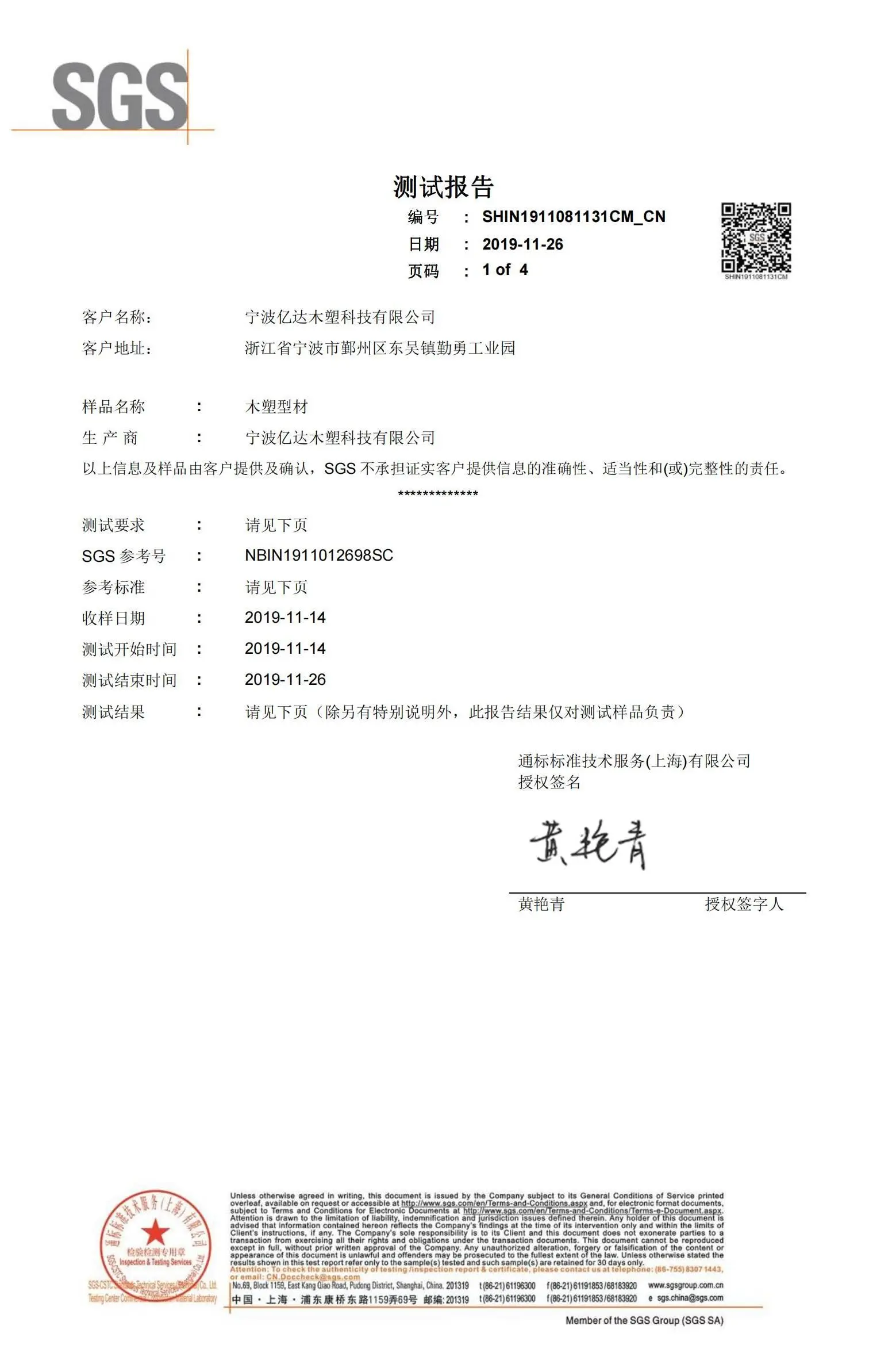
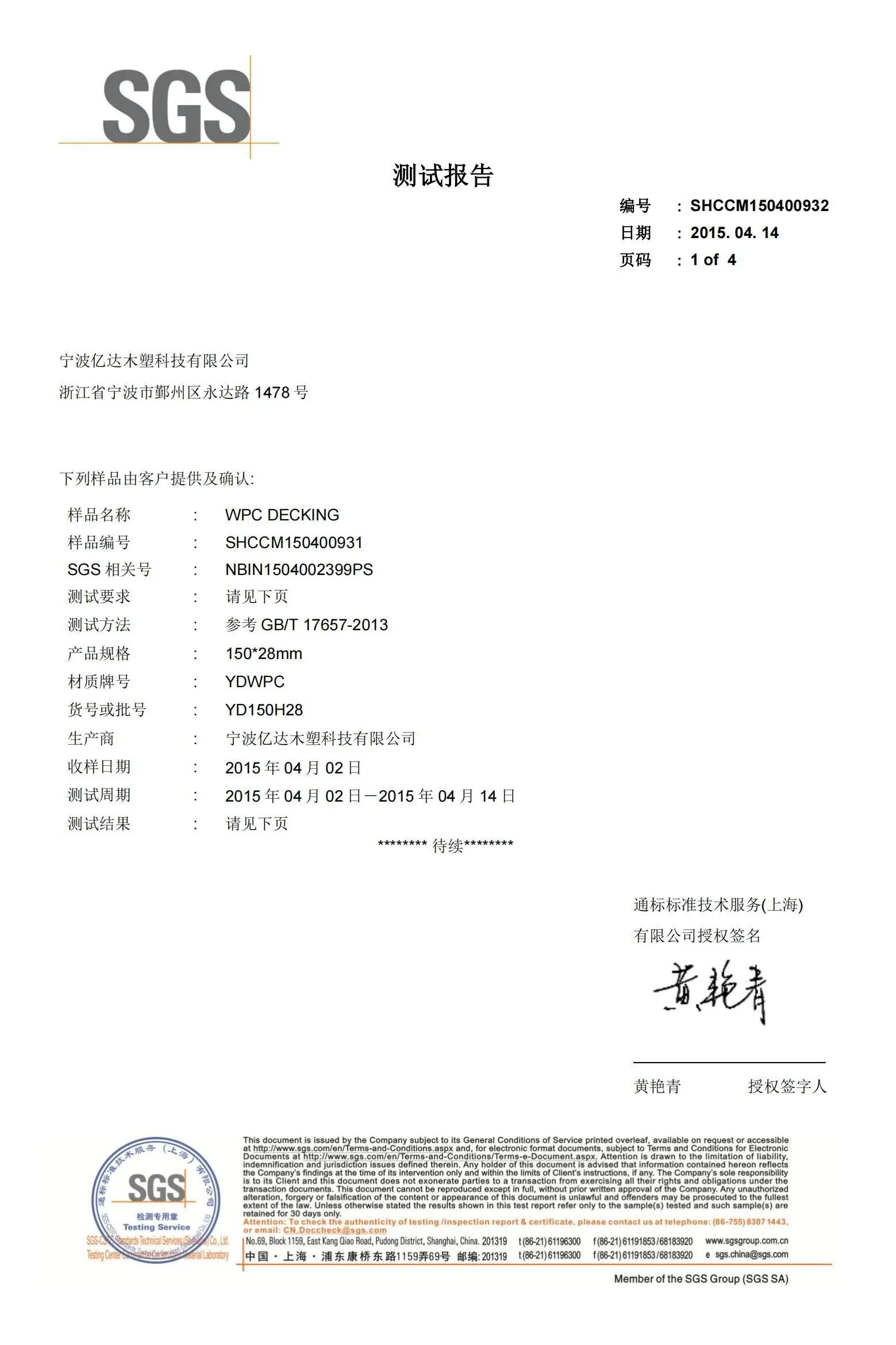
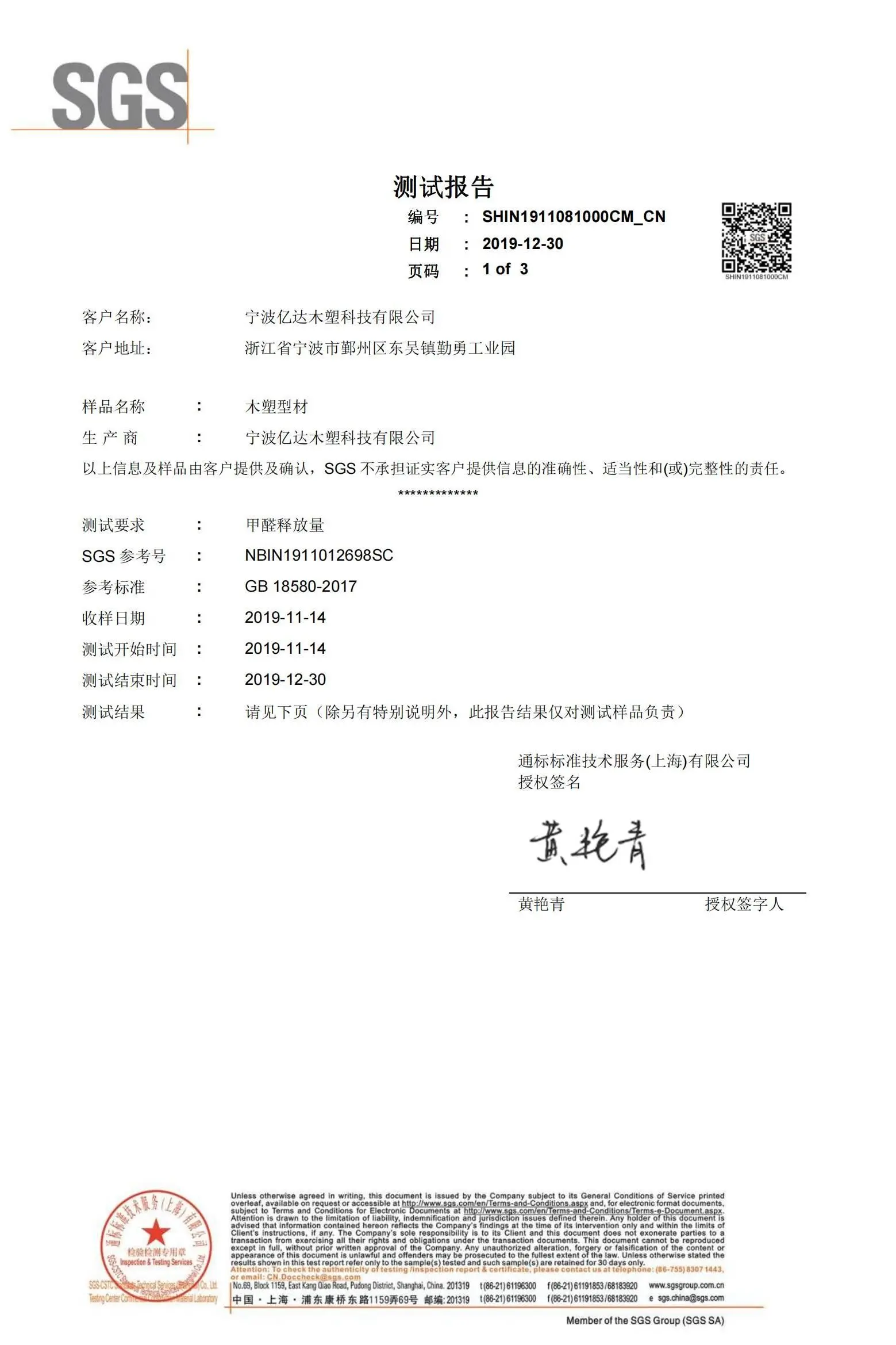
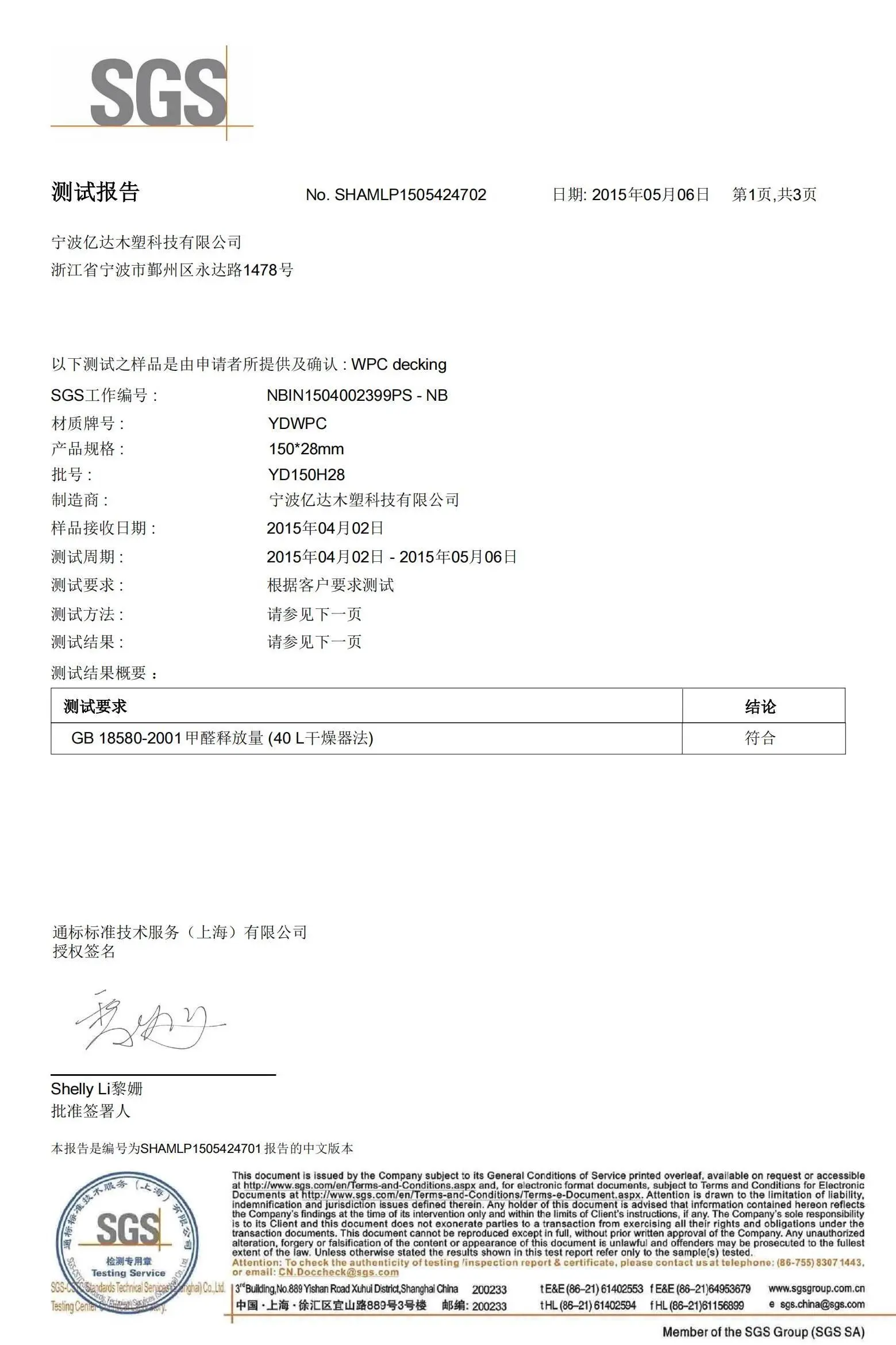
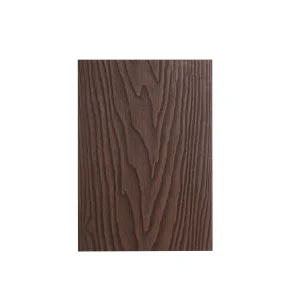
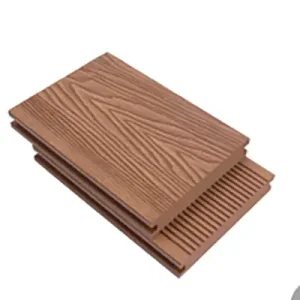
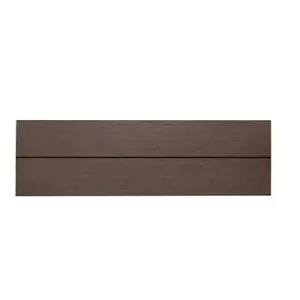
Discover our additional range of 3D embossed decks, groove columns, classic cladding profiles, and outdoor fencing solutions.
Comprehensive engineering responses regarding material science, installation dynamics, fire safety, and environmental certifications.
Q: What is WPC (Wood Plastic Composite)?
A: WPC stands for Wood Plastic Composite. It is an advanced eco-material engineered from a homogenously fused matrix of recycled wood flour/fibers and thermoplastics (such as PE or PVC), reinforced with specialized coupling agents. This blend combines the natural warmth and visual texture of wood with the structural stability, hydro-resistance, and long-term durability of polymers.
Q: Is Indoor WPC environmentally friendly and safe for immediate room occupancy?
A: Yes. Ningbo Yida WPC products utilize reclaimed post-industrial wood fiber waste and non-toxic polymers. By eliminating the need for timber harvesting and solvent-based varnishing, our panels achieve E0 formaldehyde emission standards (EN 717-1), allowing immediate occupancy post-installation without off-gassing toxic fumes.
Q: What is the main difference between indoor WPC and pure plastic (PVC) wall panels?
A: While pure plastic (PVC) panels exhibit a synthetic sheen and higher expansion rates, WPC contains up to 60% real wood flour. This gives WPC superior rigidity, higher impact strength, natural acoustic damping properties, and an authentic wood grain texture while maintaining 100% moisture resistance.
Q: Can WPC indoor wall panels be installed by DIY users or contractors?
A: Yes. Designed with engineered tongue-and-groove interlocking edge channels and hidden clip system fasteners, our WPC wall panels allow quick assembly directly onto aluminum studs or timber furring strips. For large commercial projects or complex curved layouts, professional installation is recommended.
Q: What is the CE Fire Reaction Performance rating of your indoor wall panels?
A: Ningbo Yida WPC panels achieve EN 13501-1 Class B-s1, d0 fire reaction performance. In the event of a fire, the material is self-extinguishing upon removal of the flame source, produces negligible smoke (s1), and prevents flaming droplets (d0), making it suitable for high-density public buildings, university auditoriums, and hospital corridors.
Q: Does indoor WPC warp, split, or rot in high-humidity areas like indoor pools or basements?
A: No. With a water absorption rate under 0.5%, WPC wall panels do not suffer from capillary absorption. They will not warp, splinter, swell, or cultivate toxic mold spores when subjected to steam, high humidity, or seasonal ambient changes.
Q: How do I clean and maintain indoor WPC wall panels over time?
A: Maintenance is minimal. Wipe surfaces with a soft damp microfiber cloth and mild neutral soap solution. Unlike natural timber, WPC wall cladding requires zero oiling, sanding, painting, or chemical sealants over its lifecycle.
Q: What is the expected service life and warranty coverage?
A: Our commercial and architectural-grade WPC products carry limited structural warranties ranging from 10 to 25 years against dimensional failure, cracking, splitting, and biological degradation.
Q: Can WPC panels be customized for specific project dimensions and finishes?
A: Yes. We offer comprehensive OEM/ODM manufacturing. Options include custom length extrusions (reducing on-site material waste), acoustic fluted patterns, 3D deep embossment textures, and exact match color tones (Teak, Walnut, Charcoal, Oak, Off-White).
Contact our technical team directly for project engineering support, sample kits, and direct container pricing.
 Yida Wood