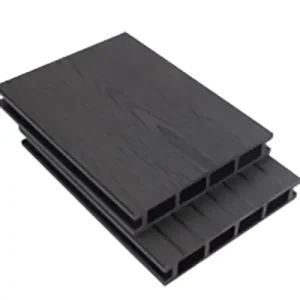
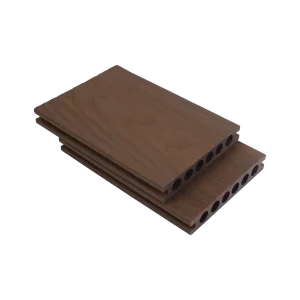
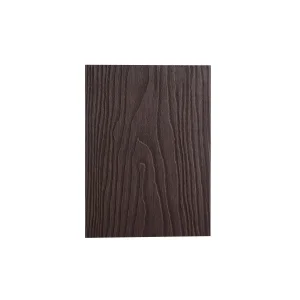
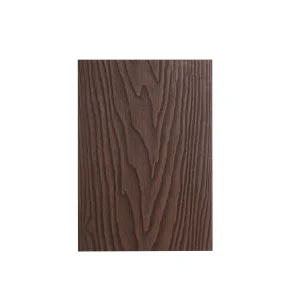
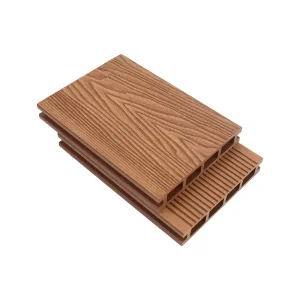
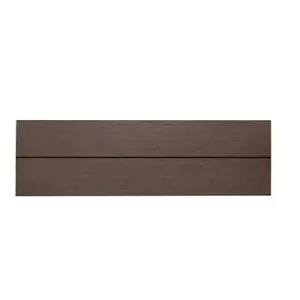
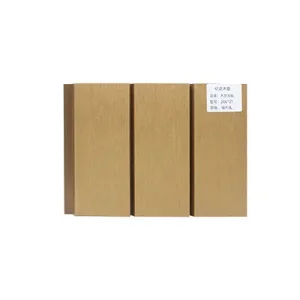
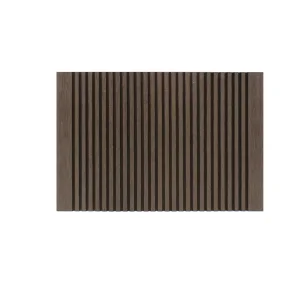
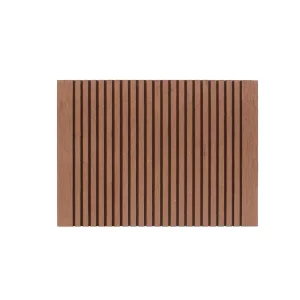
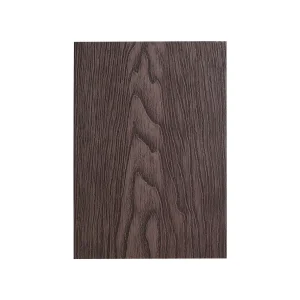
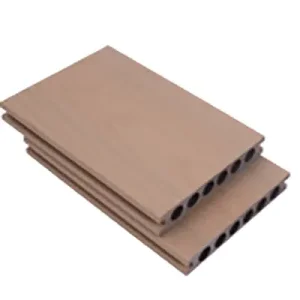
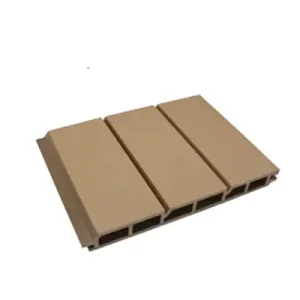
OEM Indoor WPC Wall Panel Manufacturer & Supplier

Next-Generation Architectural Linings, Precision Engineering, and Scalable Industrial Supply Chains for Global Developments.

About Ningbo Yida Wood Plastic Technology Co., Ltd.

A DECADE OF MANUFACTURING LEADERSHIP IN COMPOSITE ENGINEERING

Founded on the principles of environmental sustainability and material resilience, Ningbo Yida Wood Plastic Technology Co., Ltd. is proud to introduce our innovative wood plastic composite materials. By seamlessly combining the organic beauty of wood with the structural longevity of high-grade thermoplastics, we have pioneered architectural lining systems that outperform conventional solid timber. With nearly ten years of dedicated R&D, production, and sales experience, we have scaled our capacity to become a key manufacturer and exporter of new wood-plastic composite materials globally.

Our proprietary Yida Brand WPC formulations boast advanced resistance properties, including being completely waterproof, moisture-proof, mildew-proof, insect-proof, and split-resistant. This engineered security makes our catalog highly sought-after for complex outdoor architectural projects, expansive municipal landscape design, and demanding public infrastructure projects.
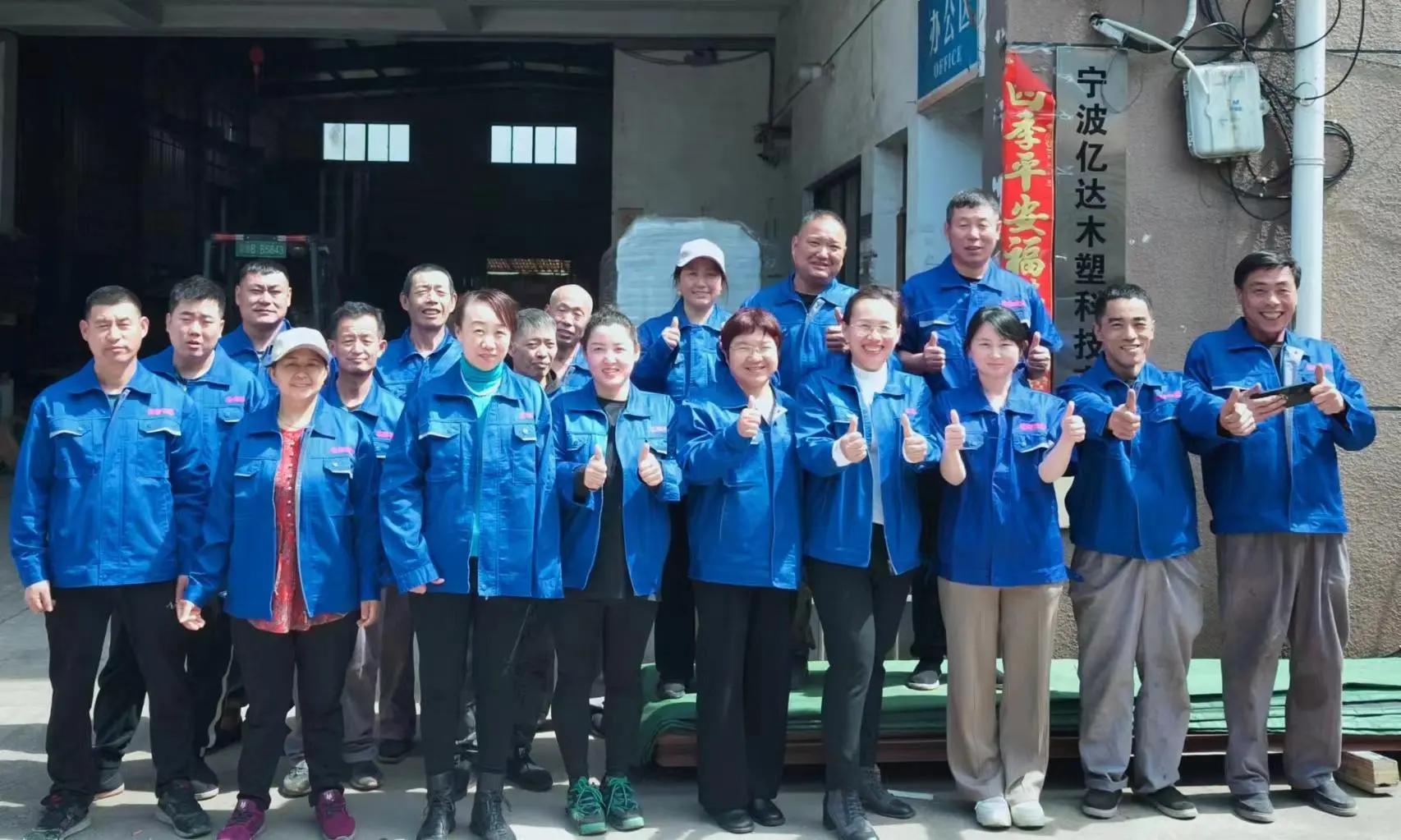
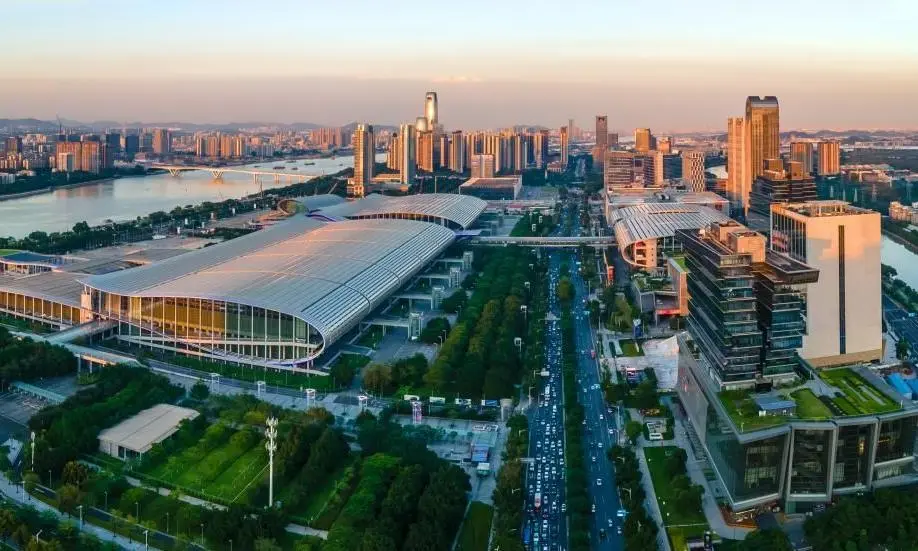
Ningbo Yida WPC Advanced Manufacturing Base

Scientific Matrix & Material Architecture

Understanding the molecular properties and benefits of next-generation interior cladding systems.

Polymer-Wood Matrix

Engineered via twin-screw hot extrusion. Consists of 60% ultra-refined lignocellulosic wood flour, 30% high-density polyethylene/PVC resins, and 10% structural coupling agents, UV inhibitors, and flame-retardant matrices.

Dimensional Stability

Virtually zero moisture absorption. WPC wall panels will not warp, cup, twist, or buckle in high-humidity zones (such as indoor pools, wellness centers, and coastal buildings) where real wood panels fail within seasons.

Acoustic & Fire Safety

Integrated acoustic hollow cavities reduce echo and sound propagation. Infused with Class B-s1-d0 fire retardants to meet strict commercial building codes globally (EN 13501-1 / ASTM E84 compliance).

Technical Parameter Testing Protocol Standard Performance Value Yida Engineering Advantage
Density ASTM D792 1.3 - 1.4 g/cm³ Optimized for high structural impact resistance
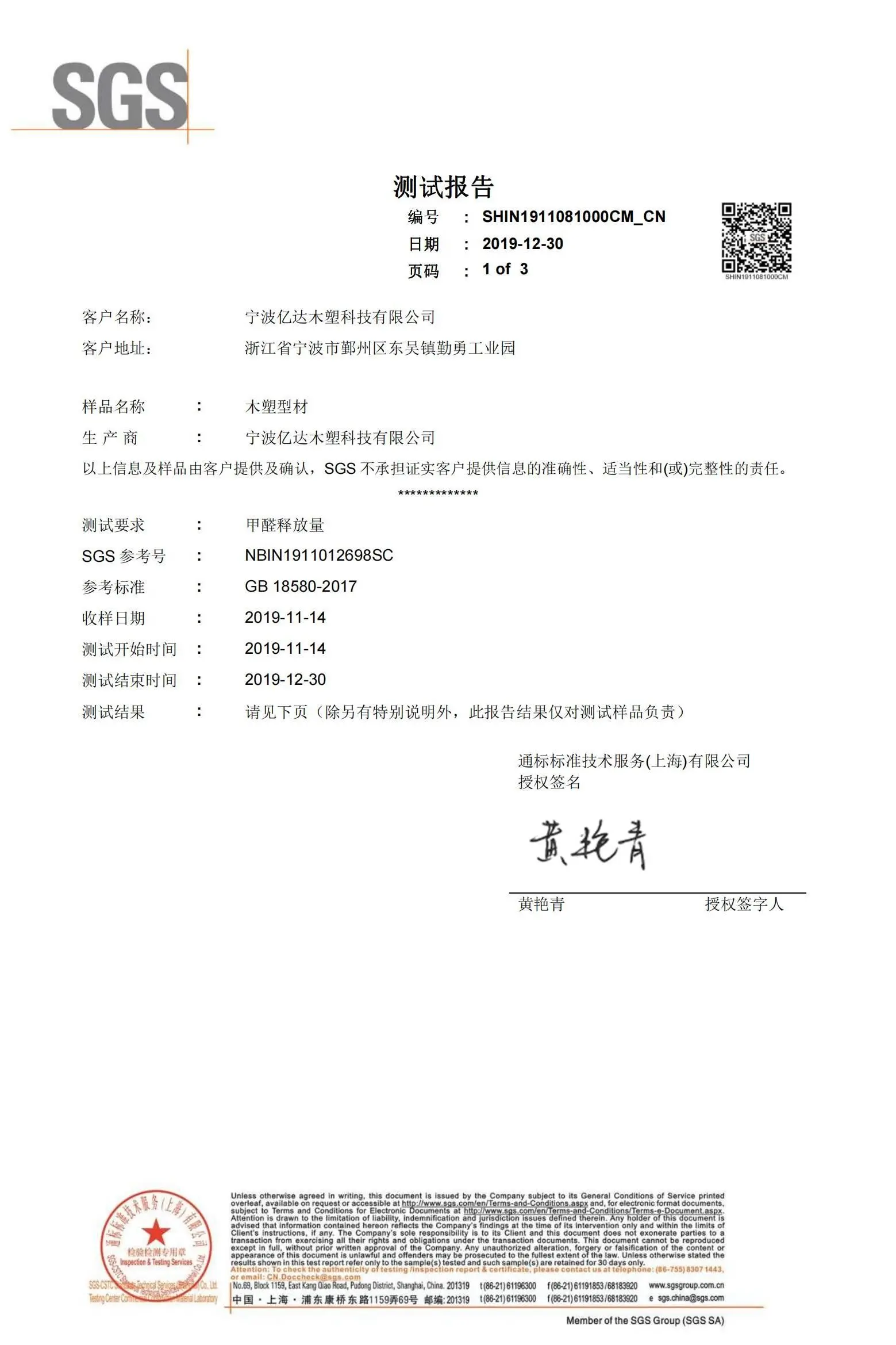
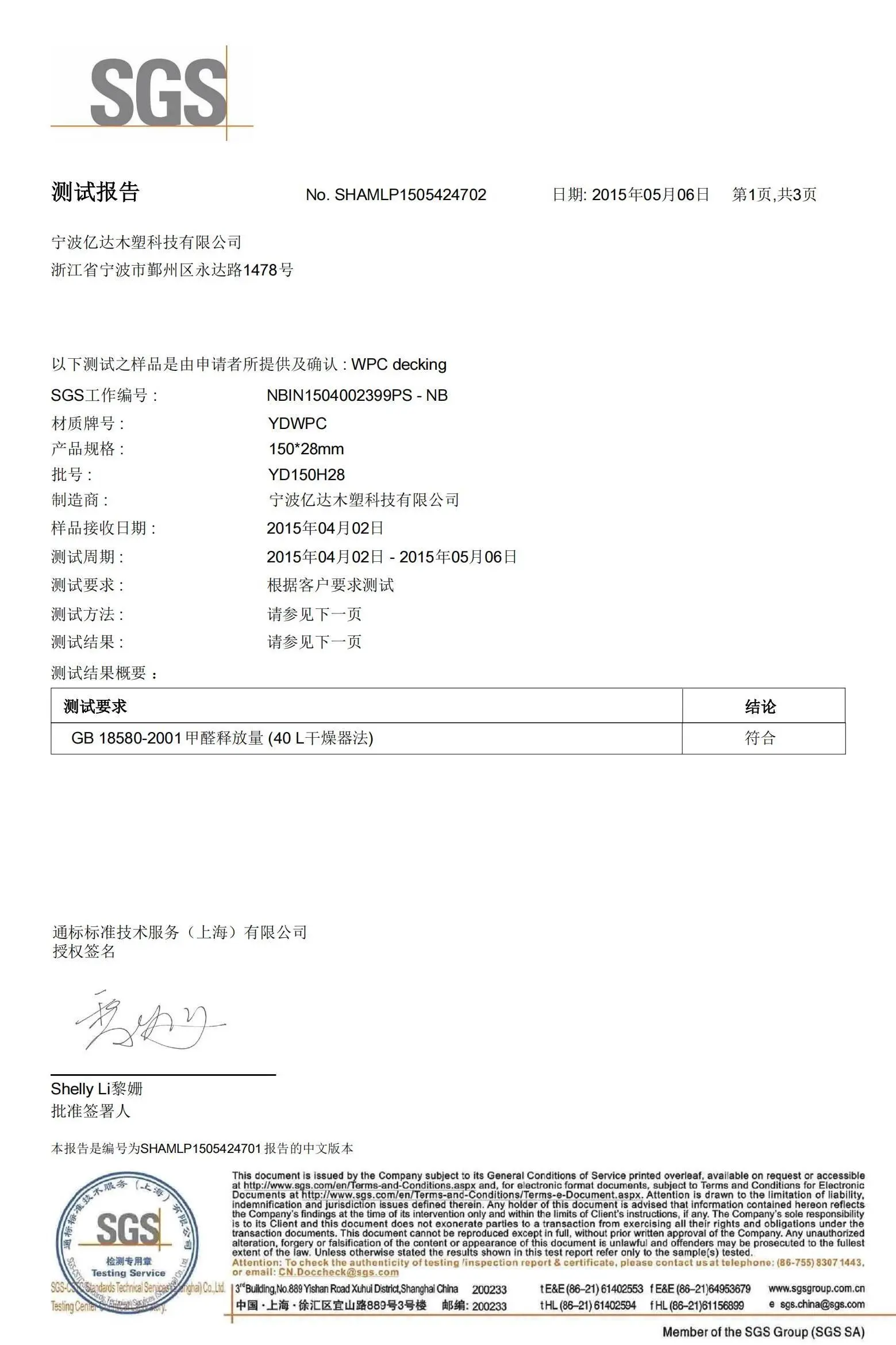
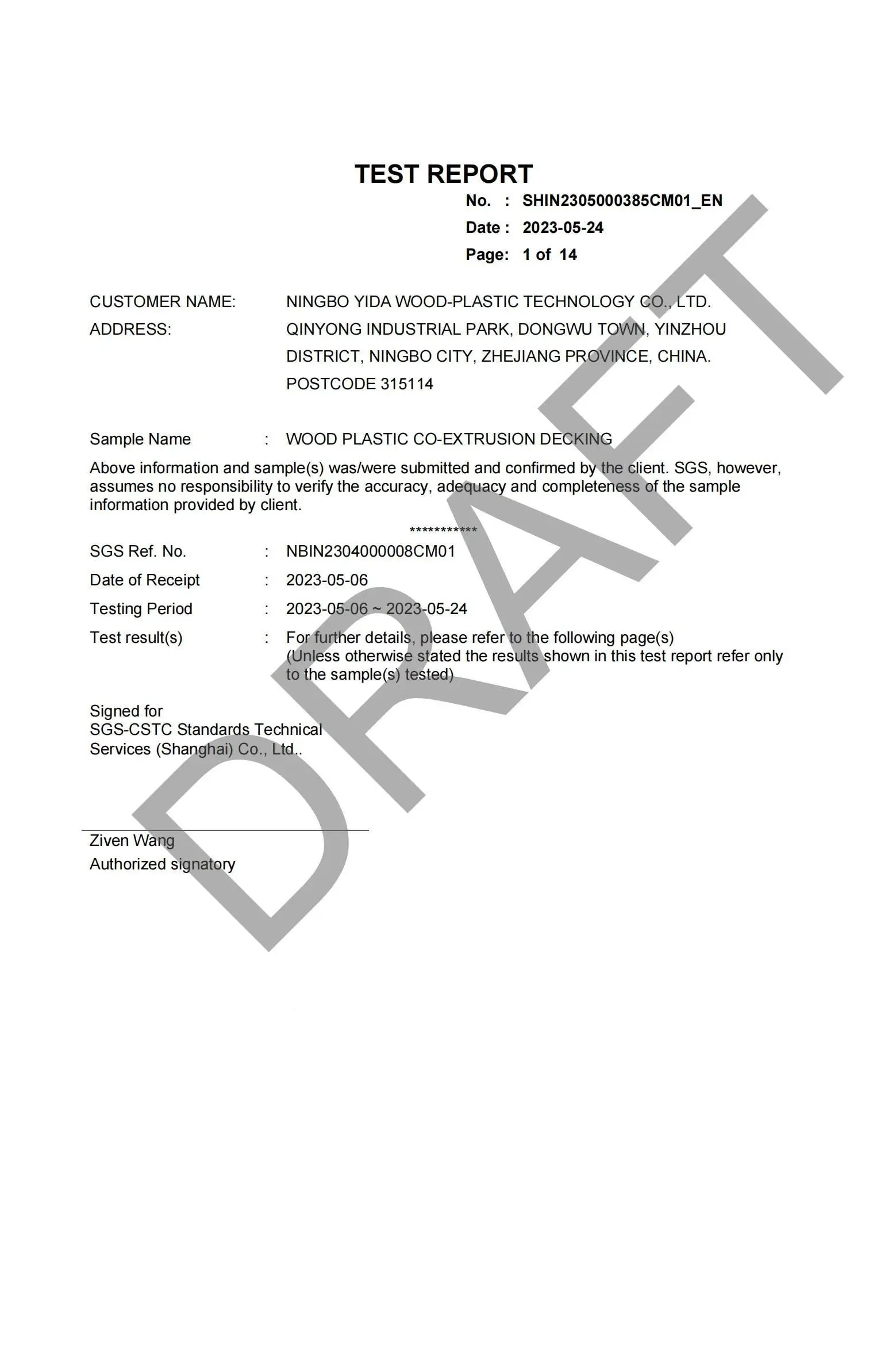
Formaldehyde Emission EN 717-1 ≤ 0.124 mg/m³ (E0 Standard) Non-toxic, safe for healthcare & school interiors
Flexural Modulus ASTM D7031 ≥ 2500 MPa Structural load compliance under stress
Linear Thermal Expansion ASTM D696 ≤ 4.0 x 10⁻⁵ mm/mm/°C Extremely stable transitions under temperature fluctuation
Water Absorption Rate EN 317 ≤ 0.5% (after 28 days immersion) Absolute protection against mold and wood rot
Ningbo Yida Large Scale Project Construction Site

Public Infrastructure & Commercial Capacity

MEETING HIGH-SPEC ARCHITECTURAL PROJECTS GLOBALLY

At Ningbo Yida, we have scaled our production lines and established a dedicated commercial service network. Our capabilities extend beyond standard residential supply chains to support heavy-traffic institutional zones.

We are a trusted supplier for major public infrastructure developments across the country, having designed, manufactured, and assisted in the construction of interior and exterior paneling for universities, large hospitals, and municipal transport hubs. Our dedicated public works division works alongside general contractors to deliver custom acoustic, antimicrobial, and fire-resistant lining configurations that withstand high foot traffic and aggressive cleaning protocols.

10+
Years R&D
500+
Global Projects
100%
Eco-Friendly

Targeted Global Applications & Case Studies

Adapting WPC panel systems to meet specific localized architectural requirements and regional building codes.

Commercial Office & Hospitality (North America)

Ideal for feature walls in premium corporate spaces and hotel lobbies. Class-A fire retardancy and dynamic timber aesthetics allow designers to achieve natural organic warmth while fully complying with standard North American interior fire safety frameworks (NFPA 286 / ASTM E84 Class A).

Sustainable Public Buildings (European Union)

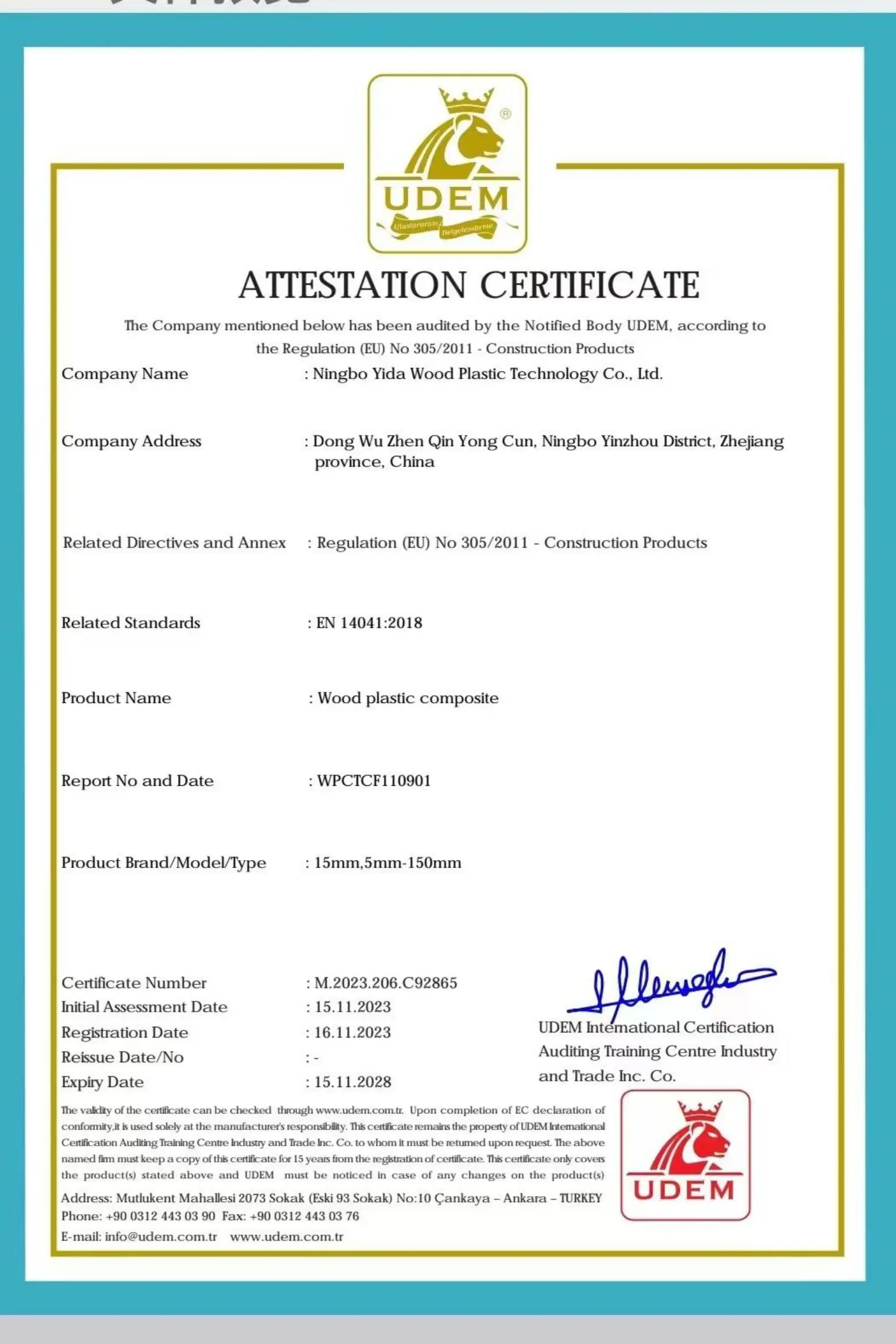
Supporting net-zero objectives, our WPC panels use reclaimed wood flour from certified regional suppliers and post-industrial polymers. Fully CE certified, matching European requirements for indoor air quality (low VOC emissions and formaldehyde-free formulations targeting BREEAM/LEED certifications).

High-Humidity Tropical Regions (APAC / Middle East)

Optimized for projects in high-temperature, high-humidity regions. With custom anti-fungal treatments integrated into the plastic composite profile during extrusion, the panels remain resistant to heavy condensation, mold growth, and insect infestation, preventing degradation over time.

China Supply Chain Resilience & Logistics Excellence

UNMATCHED CAPACITY, SECURE SHIPPINGS, NINGBO PORT PROXIMITY

As a leading Chinese WPC panel manufacturer, Ningbo Yida offers significant structural advantages that translate to security, efficiency, and cost reductions for our global client base:
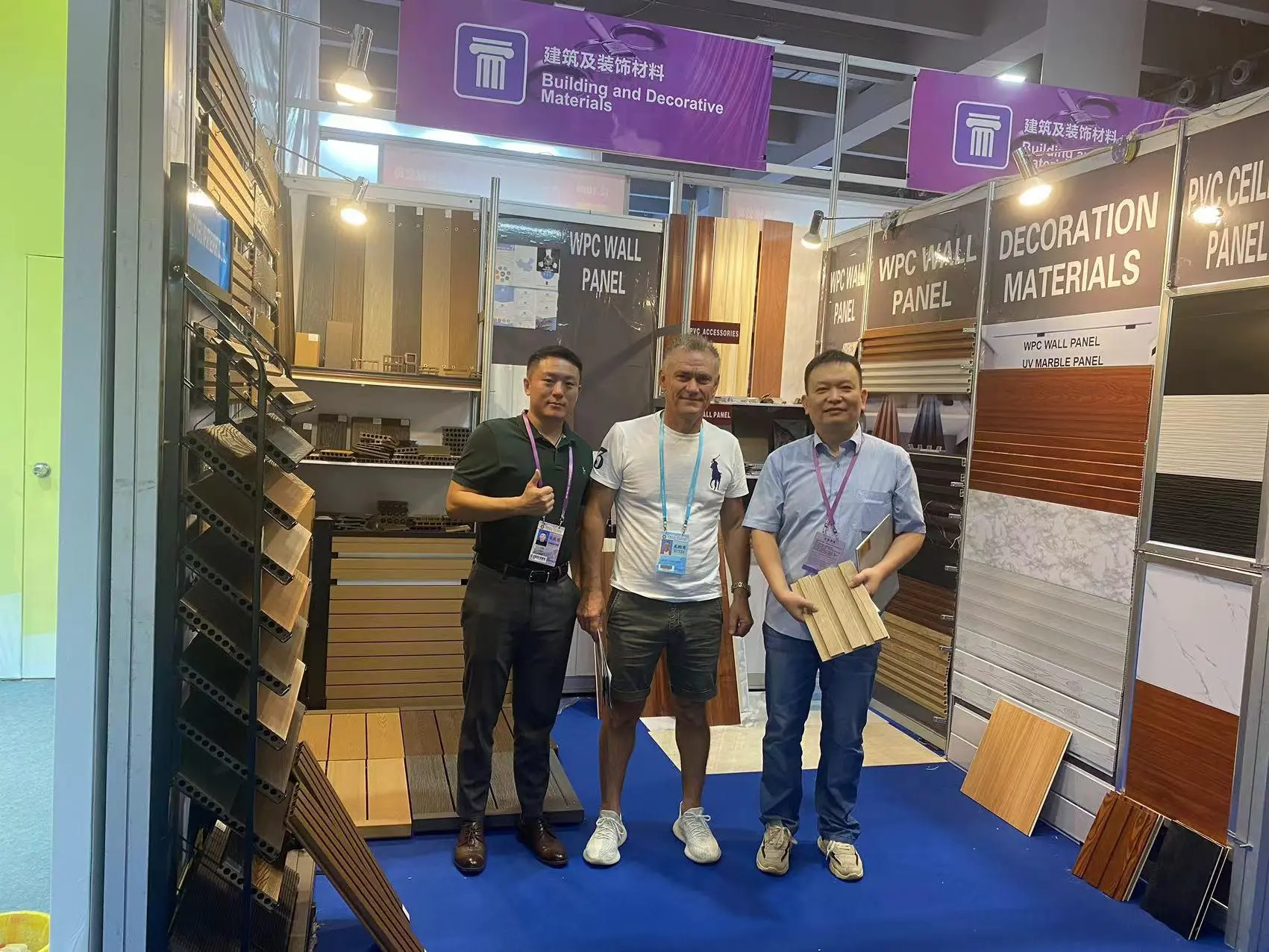
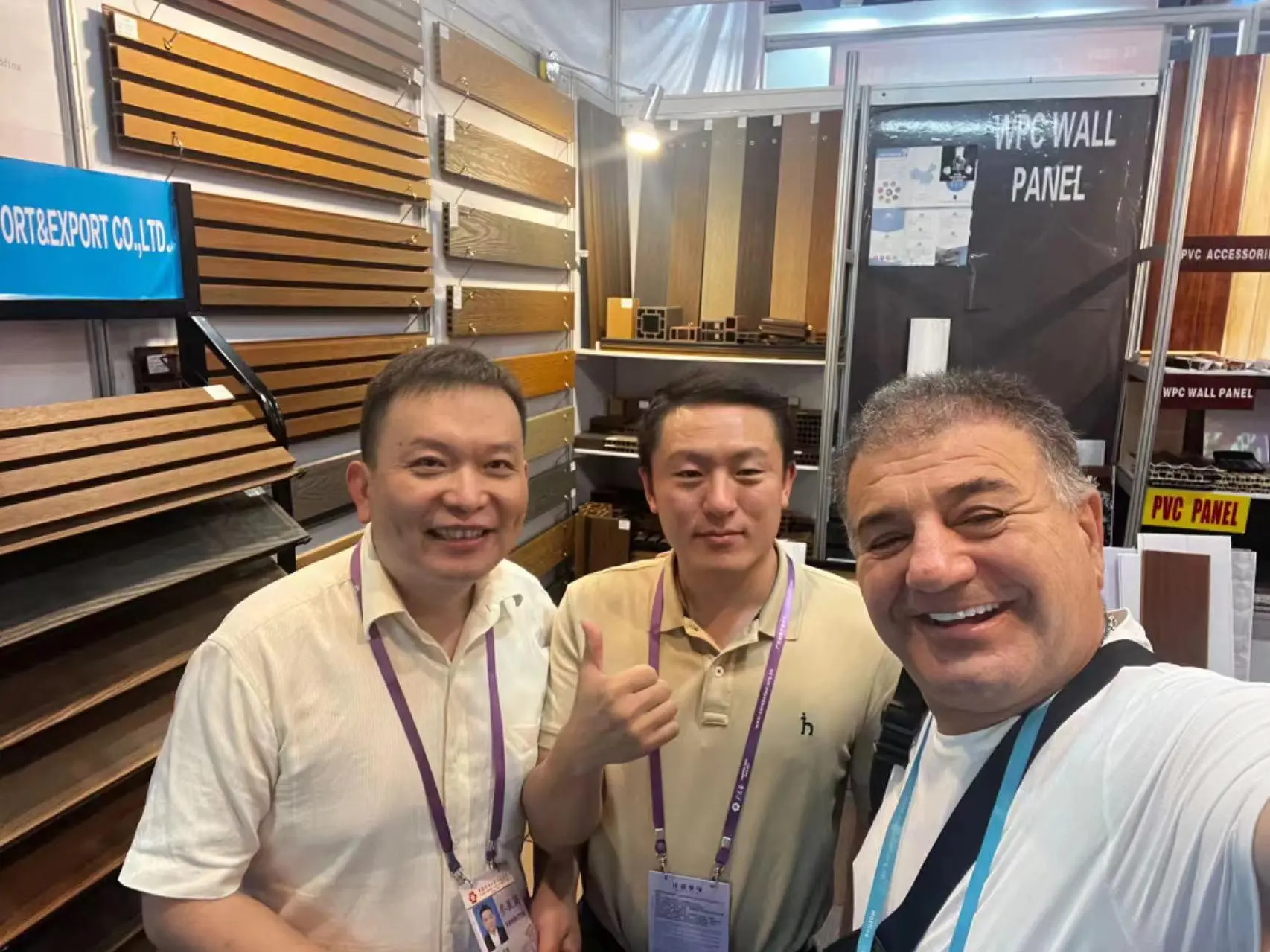
  • Vertical Integration: We control raw material sourcing, profile extrusion, surface treatment, and finishing in one localized zone to guarantee absolute batch-to-batch quality consistency.
  • Logistical Proximity: Located near Ningbo-Zhoushan Port, the largest port in the world by cargo throughput. We minimize overland transit risks, lower container shipping lead times, and optimize shipping freight rates for our global trade partners.
  • Ramp-Up Flexibility: Over 15 active high-capacity twin-screw extrusion lines ensure that large-scale institutional projects or volume distributor orders can be accommodated quickly without extending delivery timelines.
WPC Raw Material Mixing Phase
Extruded WPC Profiles
Cooling and Inspection Line
Finished WPC Storage and Delivery Ready

Technology Roadmap: WPC 3.0 & Future Cladding

Pioneering advancements in smart, bio-based architectural interior linings.

Phase 1: Bio-Resin Shift

Carbon-Negative Additives

Transitioning structural matrices from virgin polymer carriers to 100% post-use recycled agricultural polymers and bio-polyethylene resins, reducing upfront carbon emissions by up to 45%.

Phase 2: Tactile Replication

Precision Capped Textures

Deploying modern multi-head co-extrusion technology to mold hyper-realistic micro-grain textures onto panels. Offers natural timber optics without repeating pattern blocks.

Phase 3: Thermal & Acoustic Shield

Phase-Change Cores

Integrating phase-change additives into internal hollow structures. Improves heat absorption dynamically, supporting overall energy conservation inside buildings.

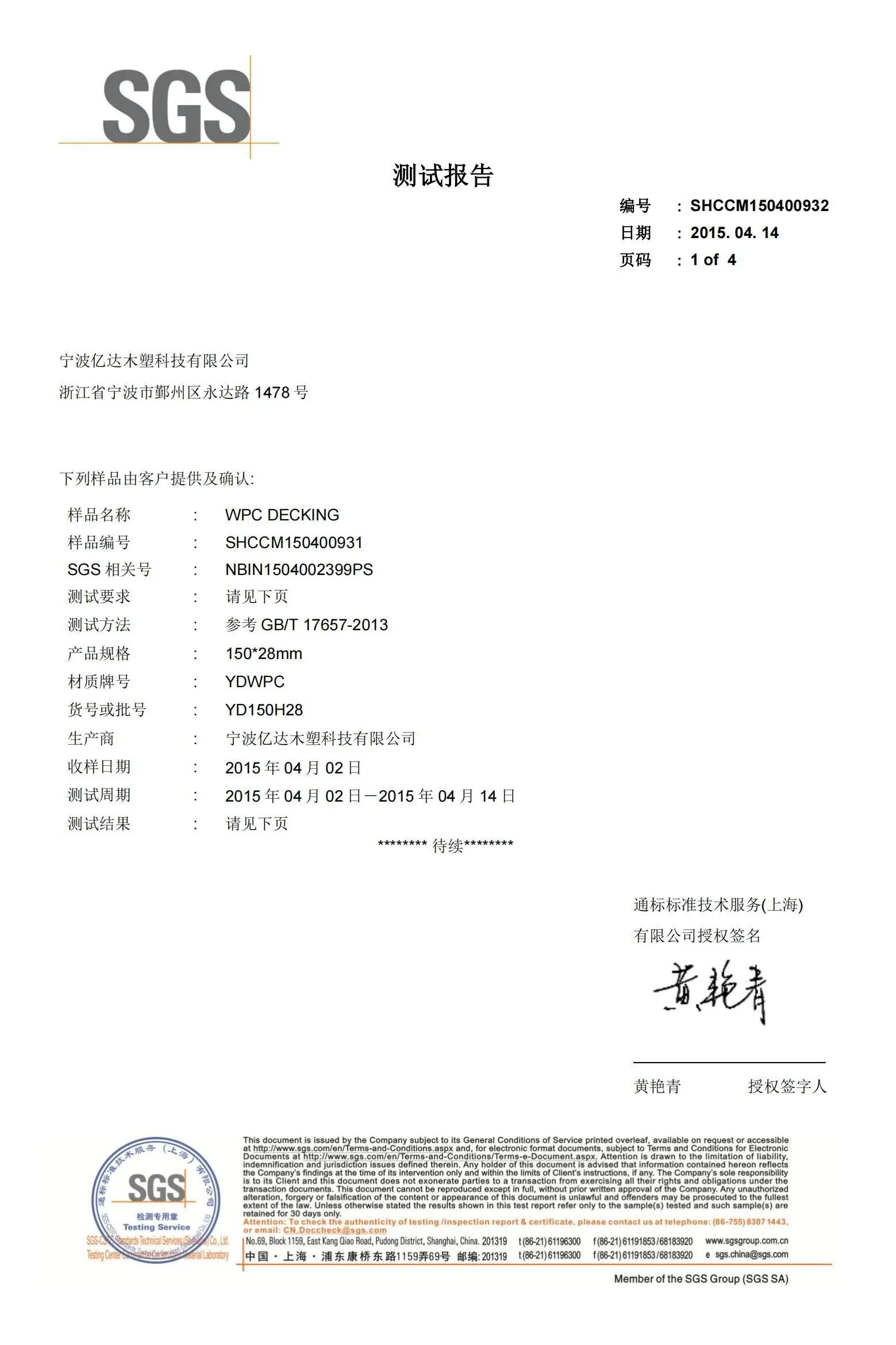
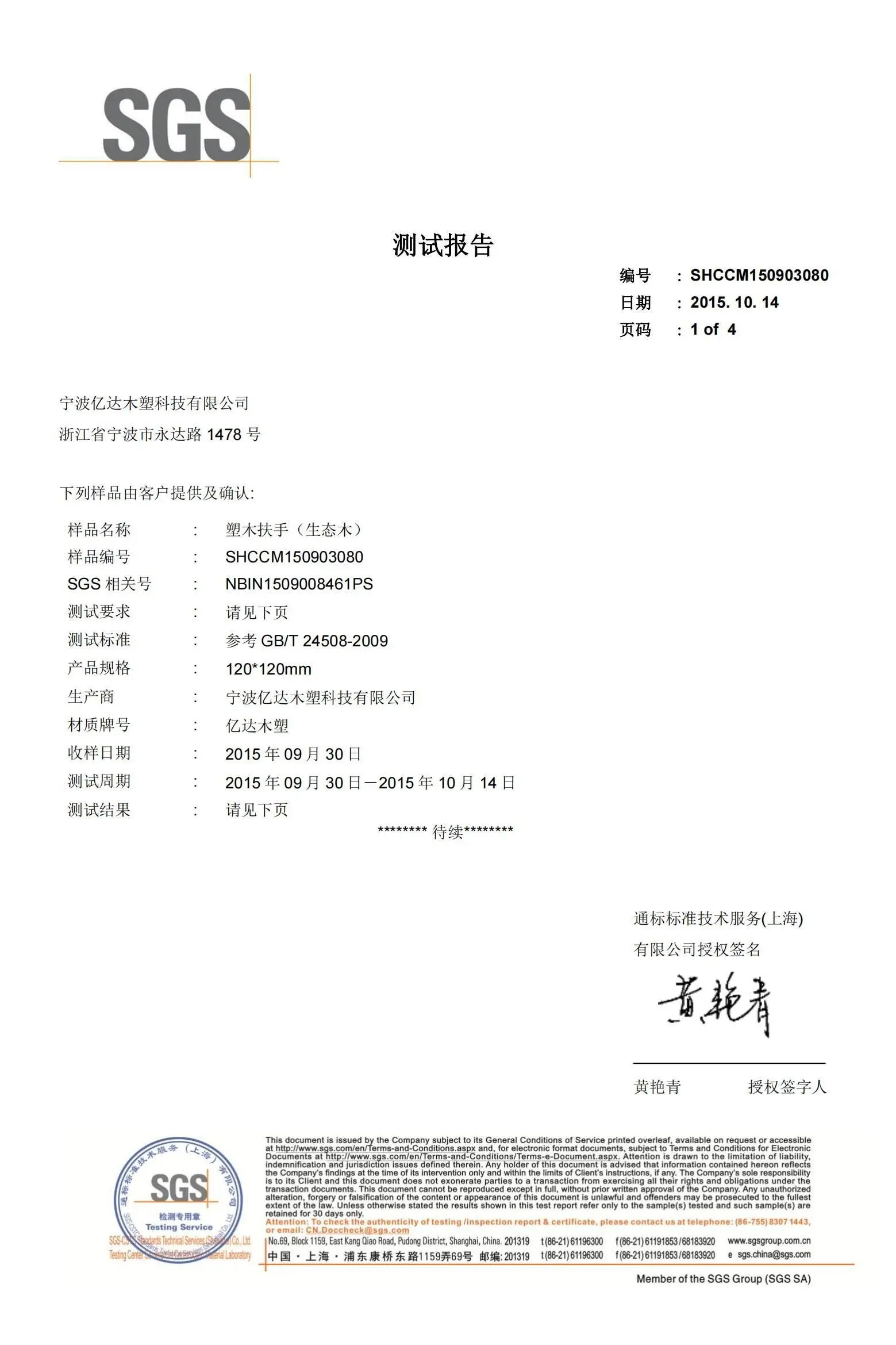
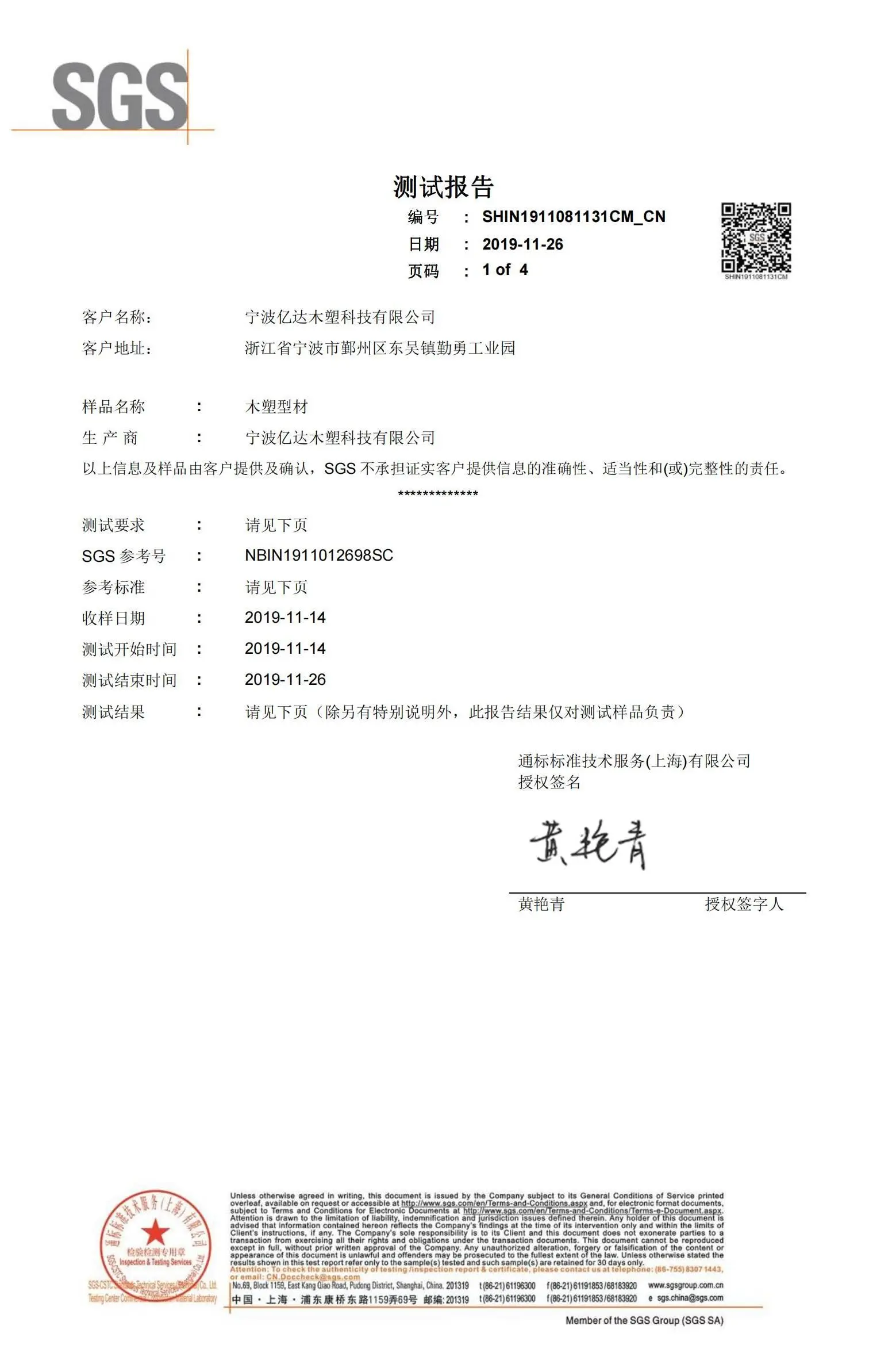
Certified Quality & Regulatory Compliance

Our WPC profiles are thoroughly evaluated by internationally recognized certification bodies to verify performance and structural safety.
Frequently Asked Questions (Technical Reference)

Detailed analysis of core materials, mechanical properties, structural limitations, and deployment practices.

Q: What exactly is Wood-Plastic Composite (WPC) material?
A: WPC stands for Wood Plastic Composite. It is an innovative, high-performance material produced from a homogeneous blend of recycled natural wood fibers/flour and thermoplastics (typically Polyethylene or PVC resins). By combining these components in a high-temperature extrusion matrix, we create a cladding profile featuring the rich, natural aesthetic of wood combined with the structural strength, chemical stability, and minimal maintenance requirements of polymers.
Q: Is WPC considered environmentally friendly?
A: Yes. Our WPC products are eco-friendly because they are primarily manufactured using reclaimed wood waste and recycled plastics. This redirects post-industrial waste away from landfills and reduces reliance on virgin timber extraction. In addition, their extended lifespan (often exceeding 15-25 years) and low maintenance profile (no need for chemical staining, painting, or oiling) significantly reduce their chemical and overall environmental footprint.
Q: What is the primary difference between WPC and pure plastic (PVC) panels?
A: While both materials offer excellent low-maintenance profiles, WPC incorporates a high proportion of natural wood fiber. This gives the material a matte finish, structural rigidity, and organic texture closer to real timber. In contrast, pure plastic (PVC) panels can look synthetic and have a higher expansion/contraction coefficient. WPC handles temperature swings better and offers higher structural impact resistance.
Q: Can WPC decking and wall panels be installed as a DIY project?
A: Yes. Many of our WPC products are engineered for fast installation using hidden tongue-and-groove profiles or stainless-steel clip systems. However, for complex commercial layouts, high-traffic corridors, or projects with strict building code inspections, we recommend partnering with professional installation teams. Always consult our step-by-step installation guides to secure your full warranty coverage.
Q: How does WPC handle exposure to intense heat and direct sunlight?
A: Like any building material, WPC will absorb heat under direct sunlight. However, our formulations use advanced reflective color pigments and capped co-extrusion technology to maximize heat dissipation and UV resistance, keeping the surface temperature lower than dark solid timber or basic plastics under similar conditions.
Q: Are Yida WPC products slip-resistant and suitable for wet applications?
A: Yes. Our WPC decking and wall profiles feature micro-textured, anti-slip surface designs that provide excellent traction even when wet. This makes them highly suitable for wet-area applications, including swimming pool surrounds, showers, spas, and coastal boardwalk installations.
Q: How do these panels perform in extreme weather conditions?
A: WPC is engineered to resist structural rot, moisture, and dimensional decay. In humid, tropical conditions, the material prevents mold growth, while in freezing environments, it resists cracking during freeze-thaw cycles. Ensuring proper spacing during installation for drainage and ventilation is key to maximizing performance.
Q: Will the material warp, split, crack, or splinter over time?
A: No. One of the main advantages of our composite engineering is its high dimensional stability. The polymer encapsulation protects the wood fibers, meaning the panels will not splinter, warp, or crack like natural timber when exposed to the elements.
Q: What are the maintenance protocols for keeping WPC panels looking new?
A: Maintenance is simple. Sweep away loose debris and wash the surface occasionally with a mild soap solution and a soft bristle brush. Unlike real wood, our composite material does not require sanding, sealing, painting, or protective chemical treatments throughout its service life.
Q: Is periodic sealing or staining required?
A: No. The color fastness of our profiles is locked in during production. The polymer coating encapsulates the fibers, meaning the panels will not require sanding, staining, painting, or oiling.
Q: What is the expected service life and warranty period of your WPC line?
A: Our WPC products are engineered for long-life performance. Depending on the specific application environment, our product lines carry a 10 to 25-year structural warranty against fading, structural staining, rot, and decay.
Q: Can WPC profiles be worked with standard wood tools?
A: Yes. You can cut, drill, sand, and shape our WPC panels using standard woodworking hand or power tools. We recommend using carbide-tipped saw blades to achieve clean, smooth cuts during installation.

Ready to Partner with a Global OEM WPC Expert?

Whether you are sourcing for high-volume distributorships, specifying public infrastructure projects, or requesting customized co-extrusion tooling profiles, our engineering team is here to support your procurement cycle.
Submit RFP Details Request Sample Kits