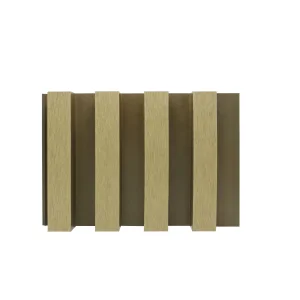
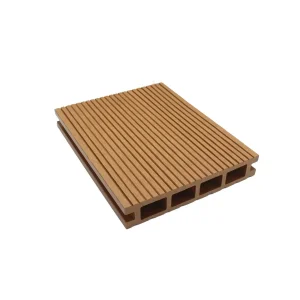
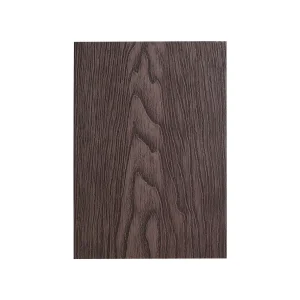
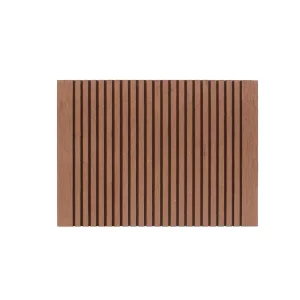
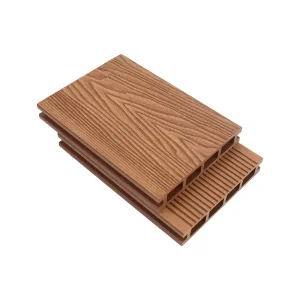
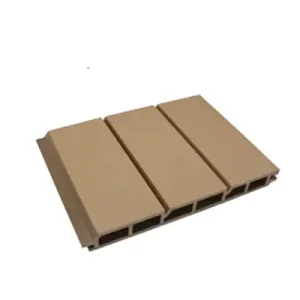
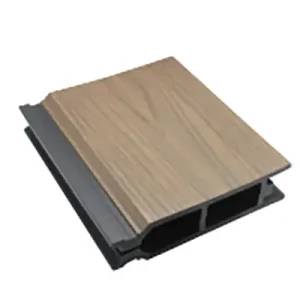
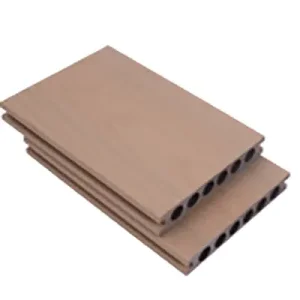
The global construction and outdoor living industry is undergoing a paradigm shift towards sustainability. Hollow WPC (Wood Plastic Composite) decking has emerged as the frontrunner in this revolution. As urban density increases and environmental regulations tighten, the demand for "Eco-friendly," "Low-maintenance," and "High-durability" materials has reached an all-time high. Currently, the global WPC market is valued at billions of USD, with a compound annual growth rate (CAGR) exceeding 10% in regions like North America, Europe, and Southeast Asia.
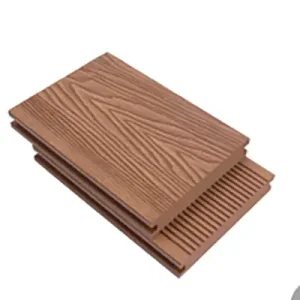
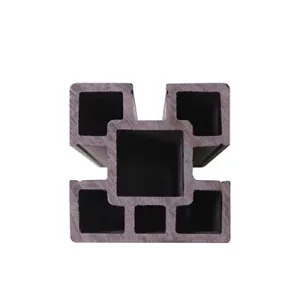
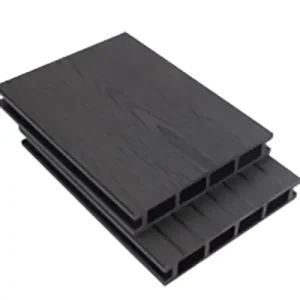
Industry leaders and OEM Hollow WPC Deckings factories are no longer just focused on aesthetics. The modern procurement standard emphasizes structural integrity and chemical stability. Hollow profiles, in particular, are favored for their lightweight nature, which reduces logistics costs and simplifies installation, without compromising the strength required for commercial foot traffic. From high-end resort boardwalks in the Maldives to residential patios in Norway, WPC technology is providing a reliable alternative to traditional timber, which is increasingly susceptible to deforestation bans and rising costs.
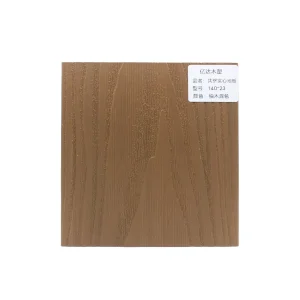
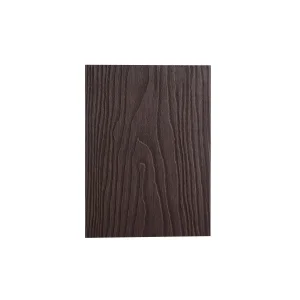
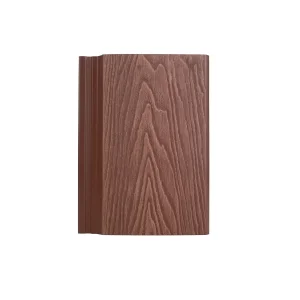
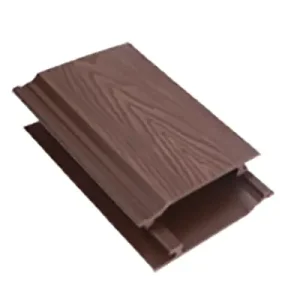
The industry is moving toward Co-extrusion technology. This advanced manufacturing process involves wrapping the WPC core in a protective polymer shell, significantly enhancing its resistance to UV rays, wine stains, and deep scratches. Furthermore, the integration of 3D Embossing provides a tactile experience that is indistinguishable from natural wood, meeting the luxury requirements of high-end architectural projects.
International buyers are increasingly looking for OEM/ODM capabilities from Chinese factories. The focus has shifted from "lowest price" to "total value." This includes supply chain transparency, carbon footprint certificates (EPD), and the ability to customize colors and profiles to match local architectural styles. Reliability in lead times and bulk shipping consistency are the core pillars of modern global sourcing.
WPC is not just for decks. We are seeing massive adoption in Municipal Engineering (public parks, city squares), Maritime Architecture (marinas, docks due to saltwater resistance), and Commercial Cladding. Its insect-proof and mold-resistant properties make it the perfect candidate for humid, tropical climates as well as sub-zero northern environments.
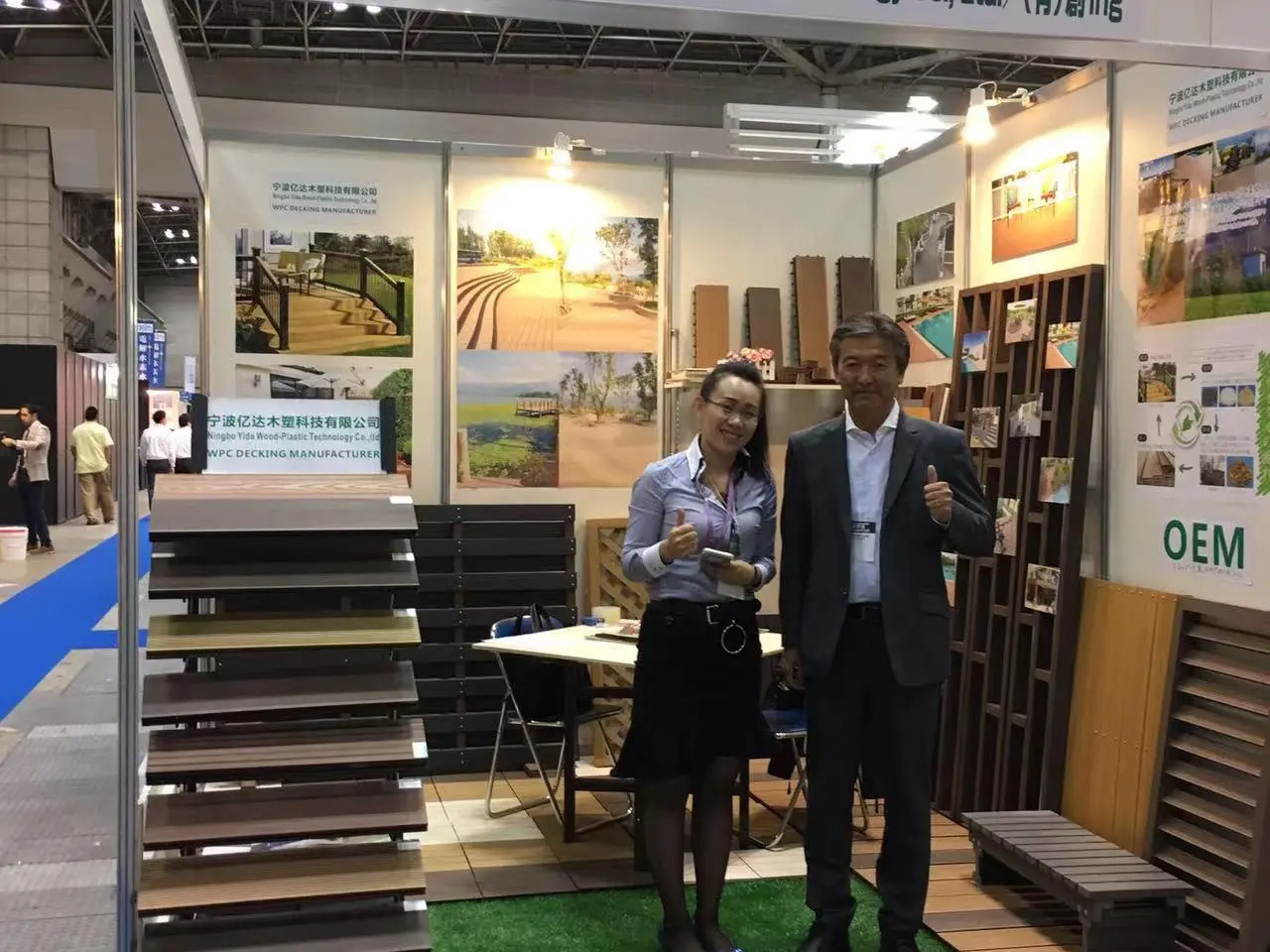
Ningbo Yida Wood Plastic Technology Co., Ltd. is proud to introduce our innovative wood plastic composite material that combines the natural beauty of wood with the durability of plastic profiles. With nearly ten years of R&D, production and sales experience, we have become a leading manufacturer and supplier of new wood-plastic composite materials.
Our Yida brand wood-plastic composite materials have excellent properties such as waterproof, moisture-proof, mildew-proof, insect-proof, black-proof, and crack-proof. This makes it ideal for a variety of applications, including outdoor architectural design, landscaping and municipal engineering projects. As an environmentally friendly material, it is in line with the country’s strong encouragement of sustainable development.
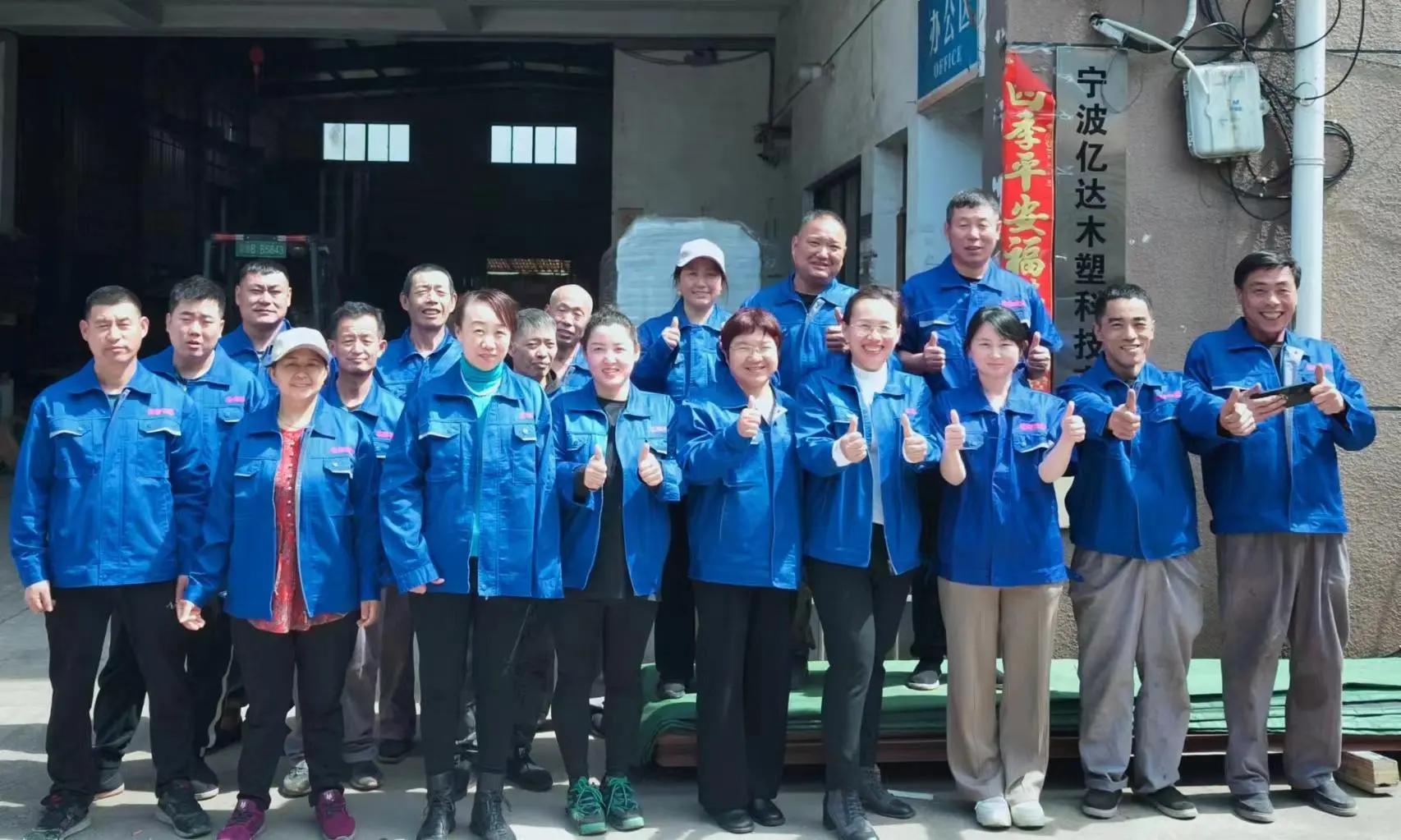
At Ningbo Yida, we have invested in advanced production technology and established a professional team dedicated to product research and development, manufacturing, sales, after-sales service and construction. This ensures that our wood plastic composites meet the highest quality and performance standards.
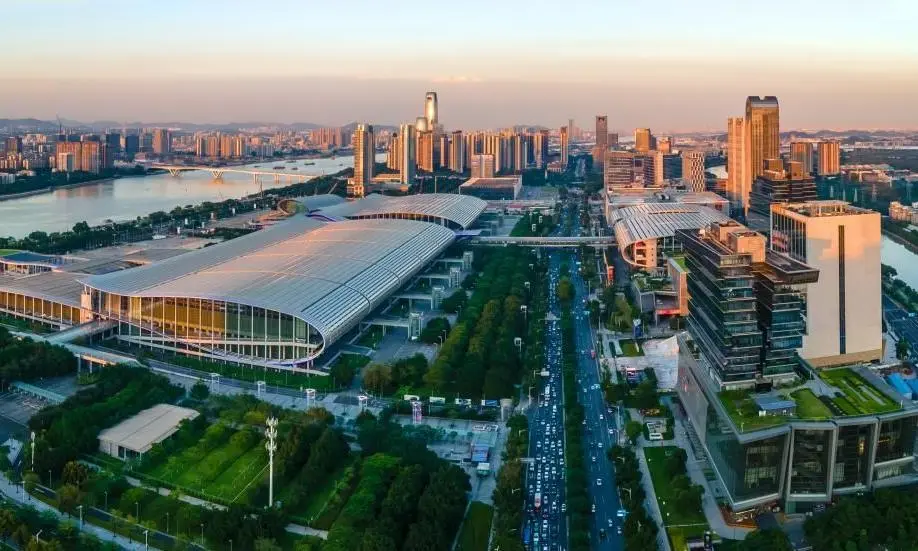
In addition to servicing commercial and residential projects, we have established dedicated service teams to support educational and medical institutions. Our products are widely recognized for their superior performance and aesthetic appeal across large-scale engineering projects.
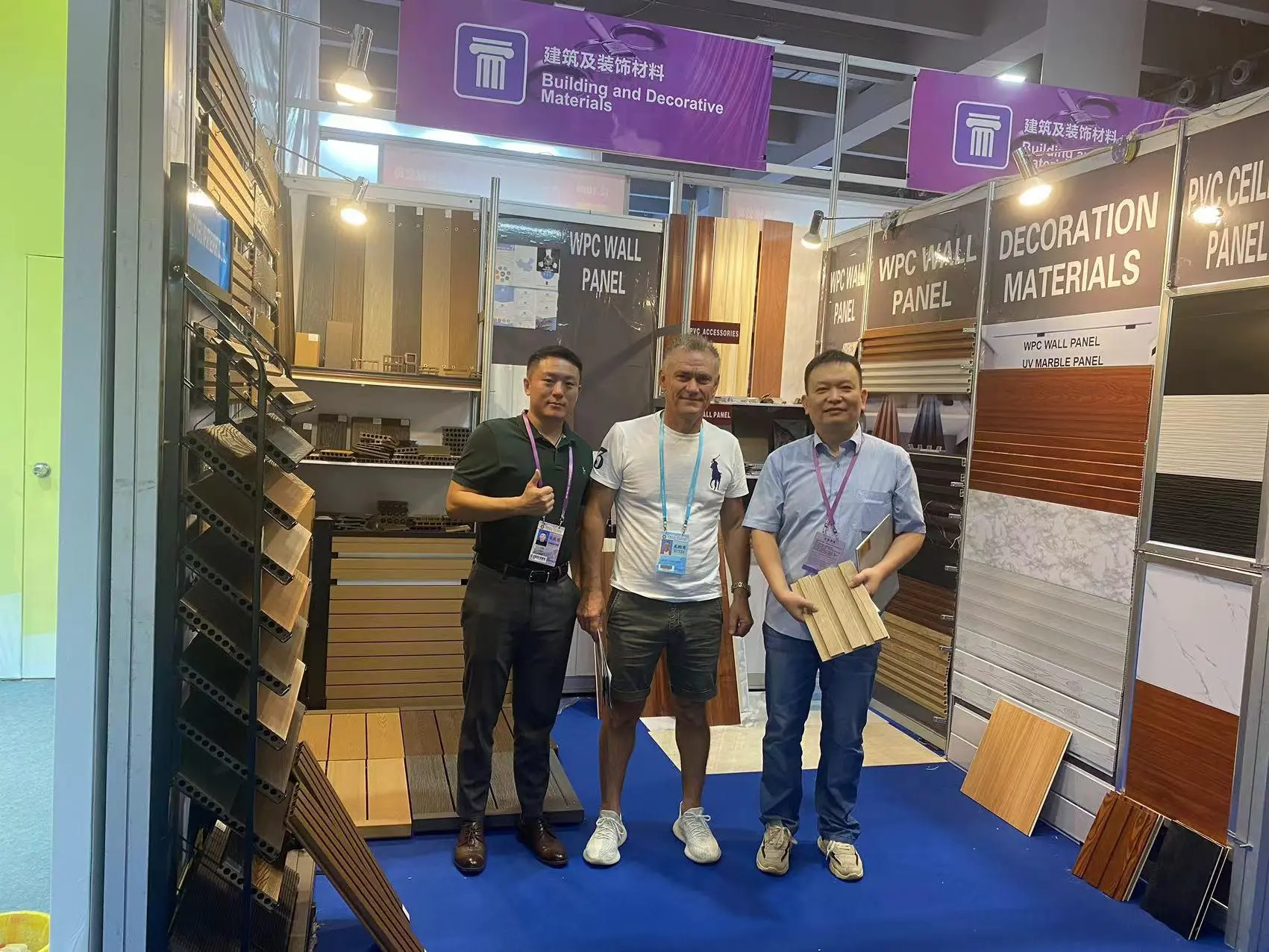
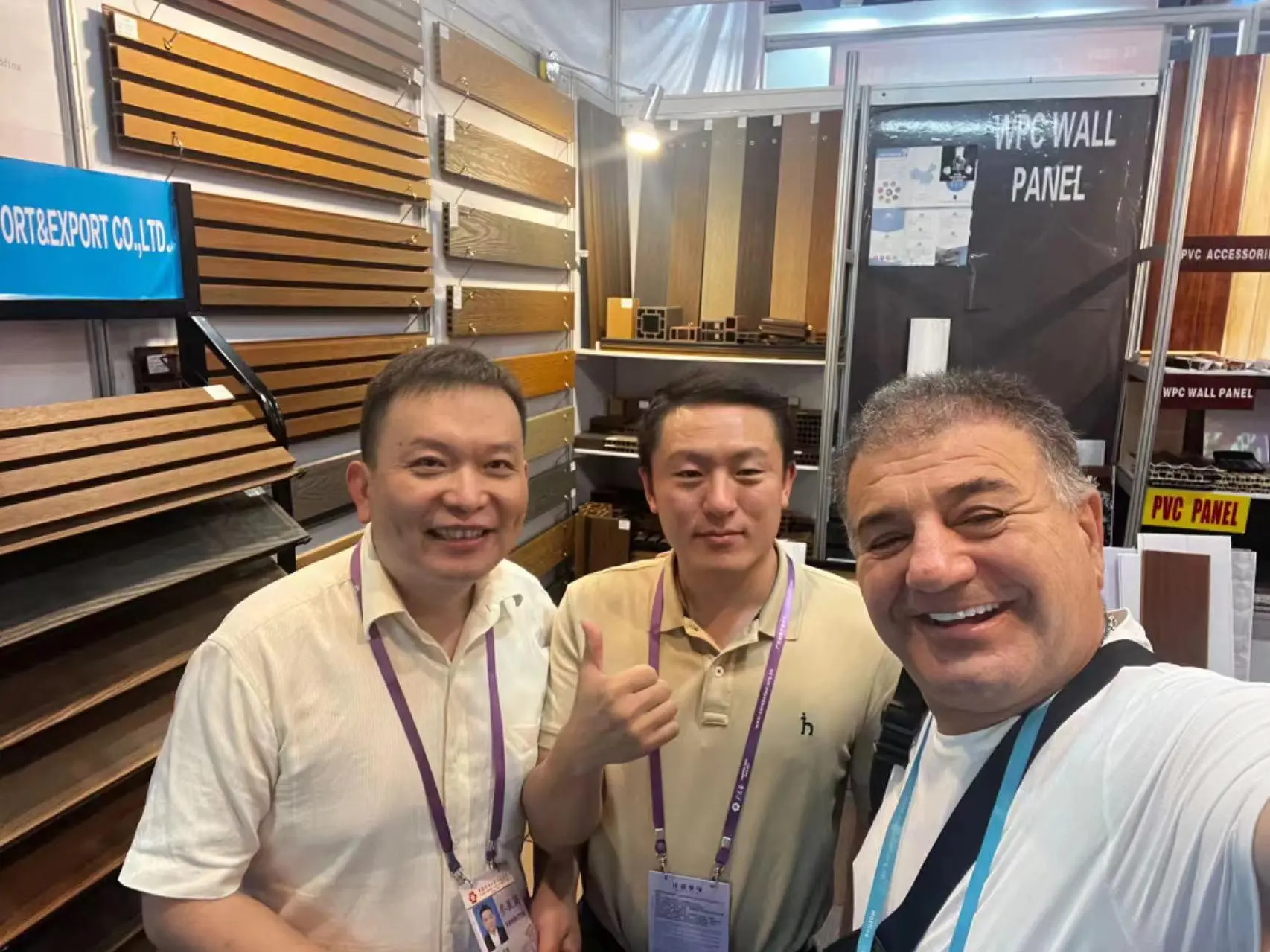
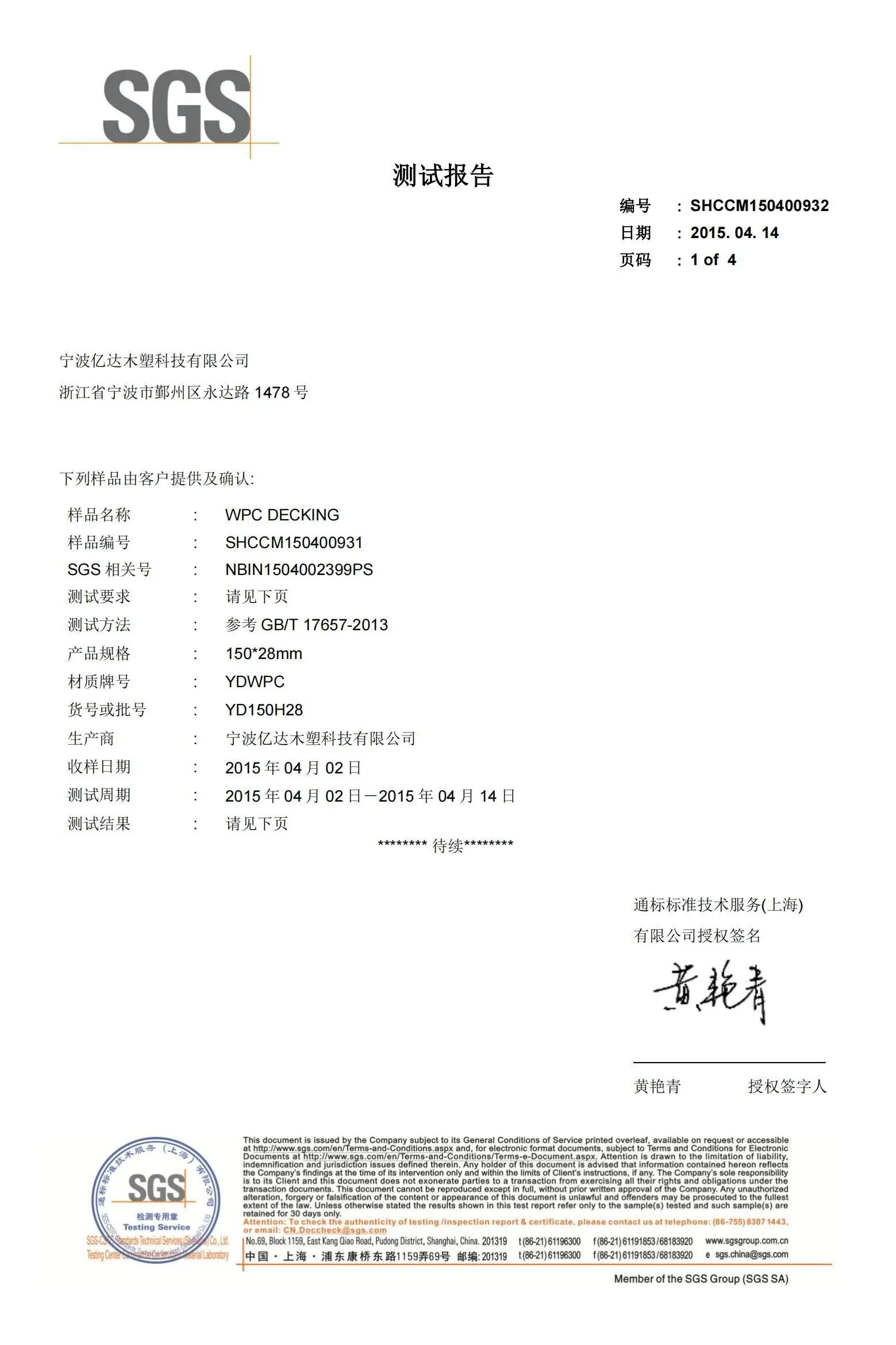
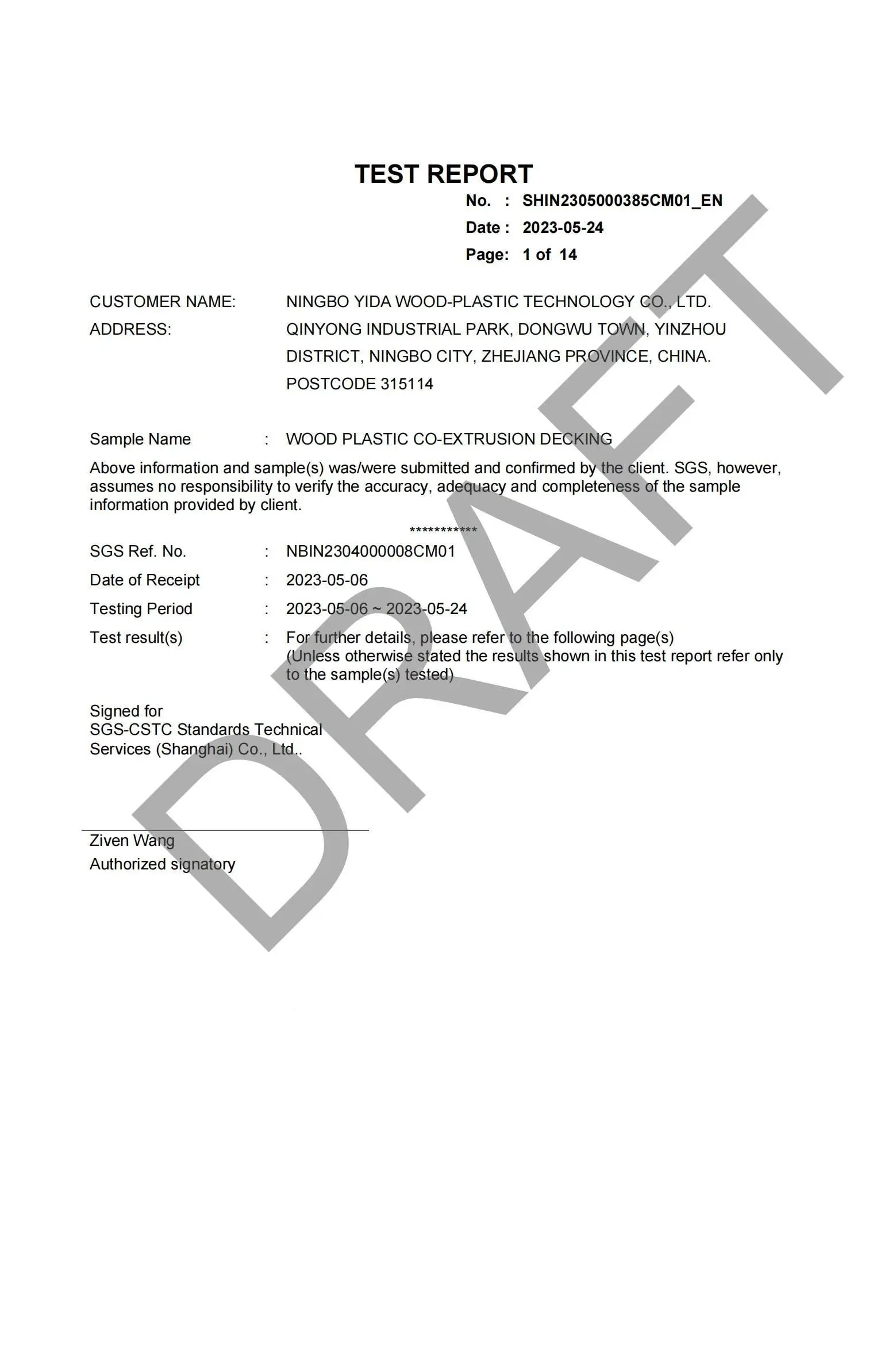
A: WPC (Wood Plastic Composite) is an innovative material made from a blend of recycled wood fibers/flour and thermoplastics (like PE). For OEM projects, it offers the perfect balance of wood's aesthetic and plastic's durability. It doesn't rot, warp, or require annual staining, making it a high-ROI choice for companies worldwide.
A: Absolutely. Our products are made from reclaimed wood waste and recycled plastics, reducing landfill waste and the need for virgin timber. Their long lifespan further minimizes environmental impact, aligning with LEED and other green building standards.
A: WPC is highly moisture-resistant and immune to rot and decay. It withstands freezing/thawing cycles without cracking or splintering. We use advanced stabilizers to ensure color consistency even under intense UV exposure in desert or tropical regions.
A: Maintenance is minimal. A simple wash with mild soap and water once or twice a year is sufficient. No sanding, sealing, or painting is ever required, saving thousands in long-term maintenance costs for commercial operators.
A: Yes, as an OEM/ODM factory, we provide full customization services, including mold development for unique profiles, color matching, and private labeling to help your brand stand out in the local market.
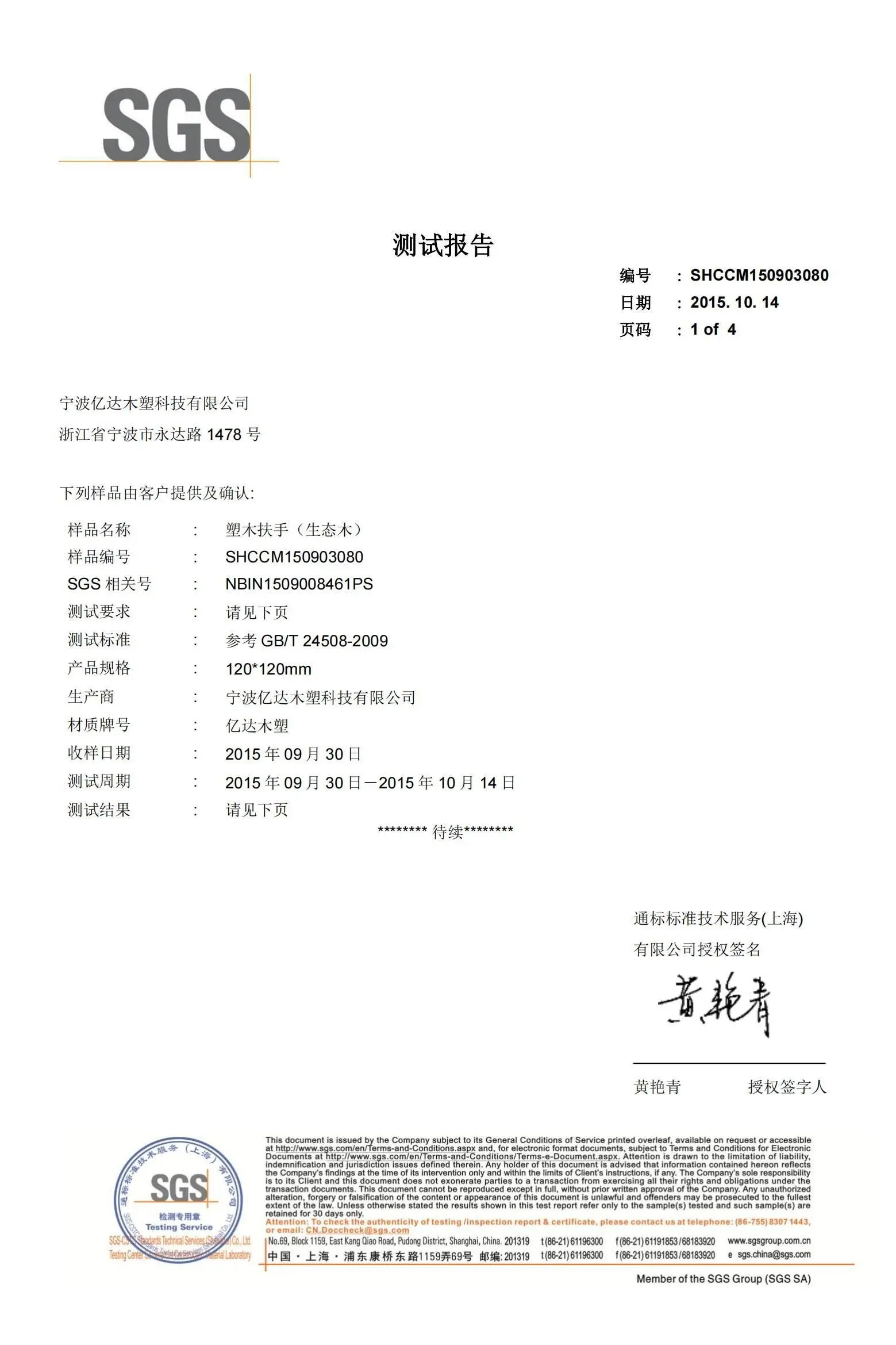
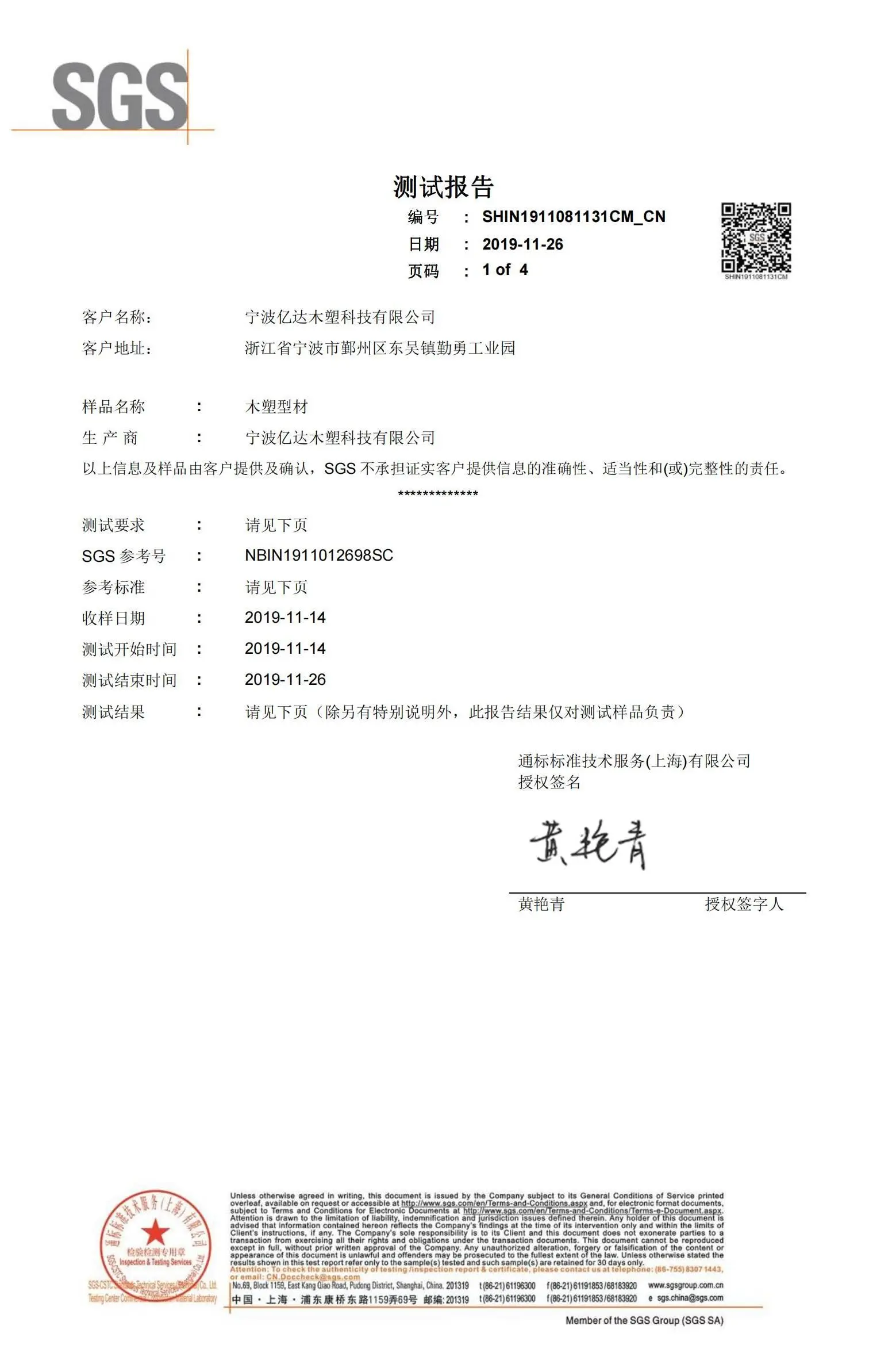
Choosing an OEM Hollow WPC Deckings Factory requires more than just checking prices. It requires a partner with deep technical knowledge. Hollow deckings, while efficient, must be engineered with precise wall thicknesses and internal rib structures to ensure they don't collapse under point loads. Our factory uses German-standard extrusion technology and premium-grade PE resins to ensure every board exceeds international safety standards.
In the current industrial landscape, reliability is synonymous with expertise. Our team provides comprehensive support—from the initial CAD design of your project to the final installation guidance. Whether you are a large-scale distributor in Europe or a construction firm in Australia, our commitment to Professionalism, Authority, and Trustworthiness (E-A-T) ensures your project’s success. Join us in building a greener, more durable future with Yida Wood Plastic Composite solutions.
 Yida Wood