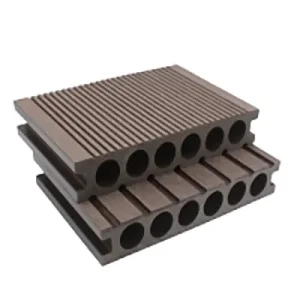
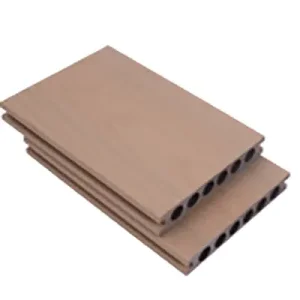
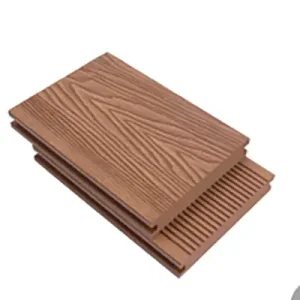
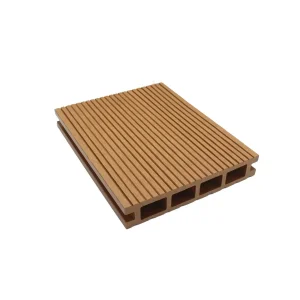
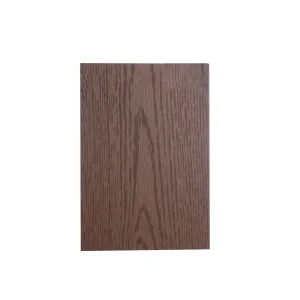
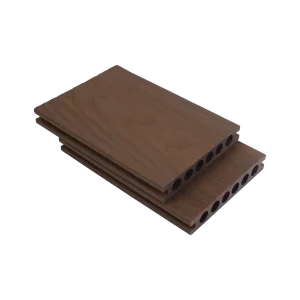
The global construction and landscaping industries are undergoing a paradigm shift towards sustainability. Extrusion WPC (Wood Plastic Composite) has emerged as the premier alternative to traditional timber, addressing the critical challenges of deforestation and plastic waste. As a leading China Extrusion WPCs manufacturer, we are at the forefront of this revolution.
Currently, the global WPC market is projected to grow significantly, driven by the demand for low-maintenance, durable, and eco-friendly building materials. From North American residential decks to European public boardwalks and Asian urban landscaping, WPC is the material of choice for architects and developers worldwide.

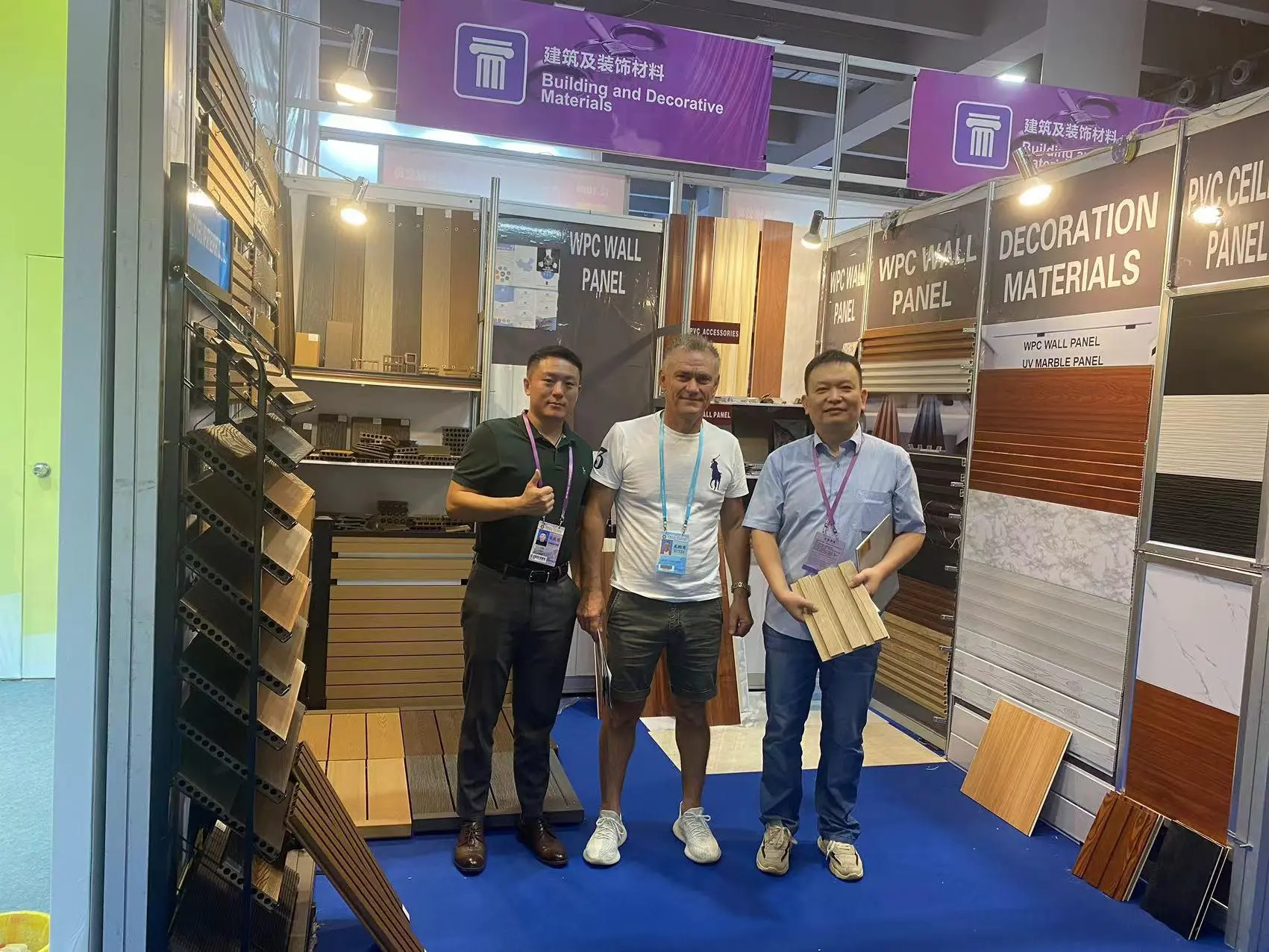
Ningbo Yida Wood Plastic Technology Co., Ltd. is proud to introduce our innovative wood plastic composite material that combines the natural beauty of wood with the durability of plastic profiles. With nearly ten years of R&D, production and sales experience, we have become a leading manufacturer and supplier of new wood-plastic composite materials.
Our Yida brand wood-plastic composite materials have excellent properties such as waterproof, moisture-proof, mildew-proof, insect-proof, black-proof, and crack-proof. This makes it ideal for a variety of applications, including outdoor architectural design, landscaping and municipal engineering projects. As an environmentally friendly material, it is in line with the country’s strong encouragement of sustainable development.
The industry is moving towards "Capped" or Co-extruded WPC. This involves an extra protective layer that enhances UV resistance and stain protection, ensuring the decking looks new for decades.
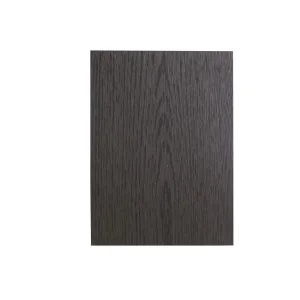
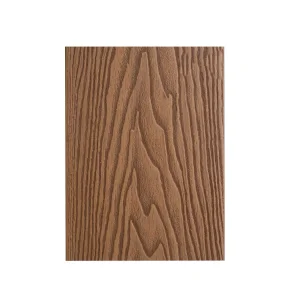
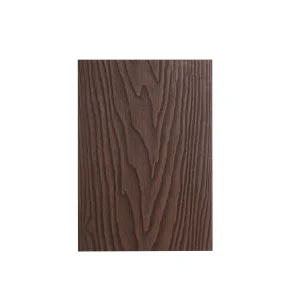
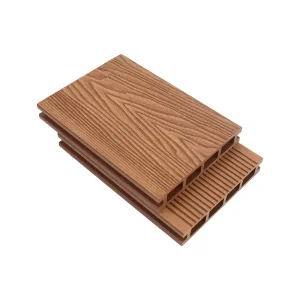
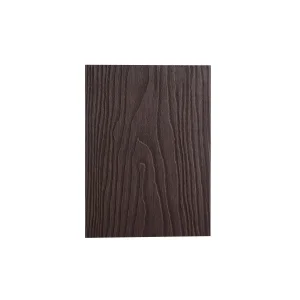
Modern procurement demands a more realistic wood texture. Our 3D embossing technology mimics the grain of exotic hardwoods without the environmental cost.
We utilize AI-monitored extrusion lines to ensure consistent density and color across every batch, minimizing waste and maximizing structural integrity.
Global enterprises today require more than just a product; they need a partner who understands localized application scenarios. Whether it's the high-humidity environments of Southeast Asia, the extreme temperature fluctuations of Northern Europe, or the intense UV exposure in Australia, our extrusion WPC is engineered to perform.
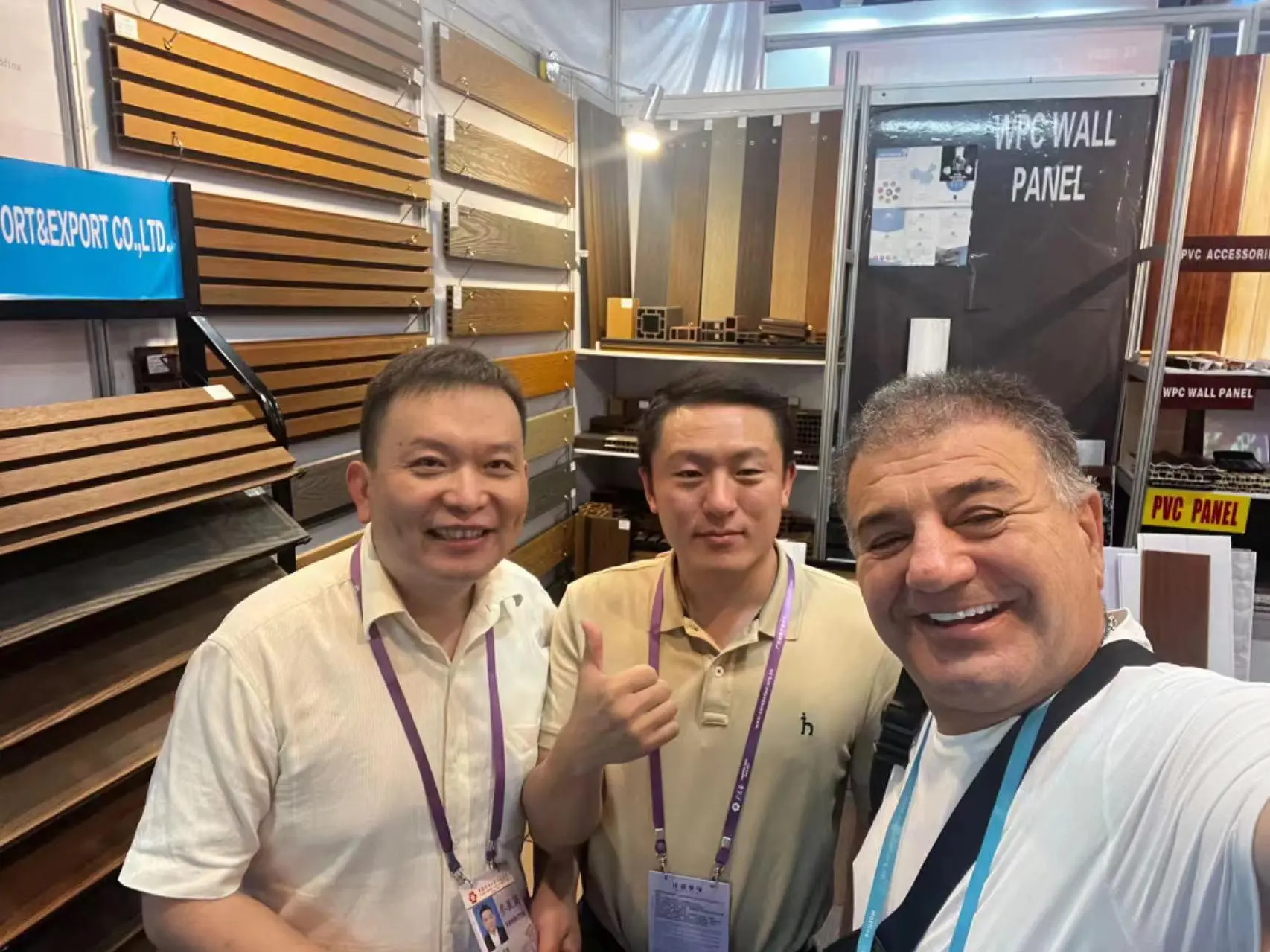

At Ningbo Yida, we have invested in advanced production technology and established a professional team dedicated to product research and development, manufacturing, sales, after-sales service and construction. This ensures that our wood plastic composites meet the highest quality and performance standards.
In addition to servicing commercial and residential projects, we have established dedicated service teams to support educational and medical institutions across the country. Our commitment to providing professional services and construction to major universities and hospitals reflects our commitment to contributing to important public infrastructure.
We are proud to have successfully completed numerous large-scale engineering projects, demonstrating the reliability and versatility of our wood plastic composite materials. Our products are widely recognized for their superior performance and aesthetic appeal.
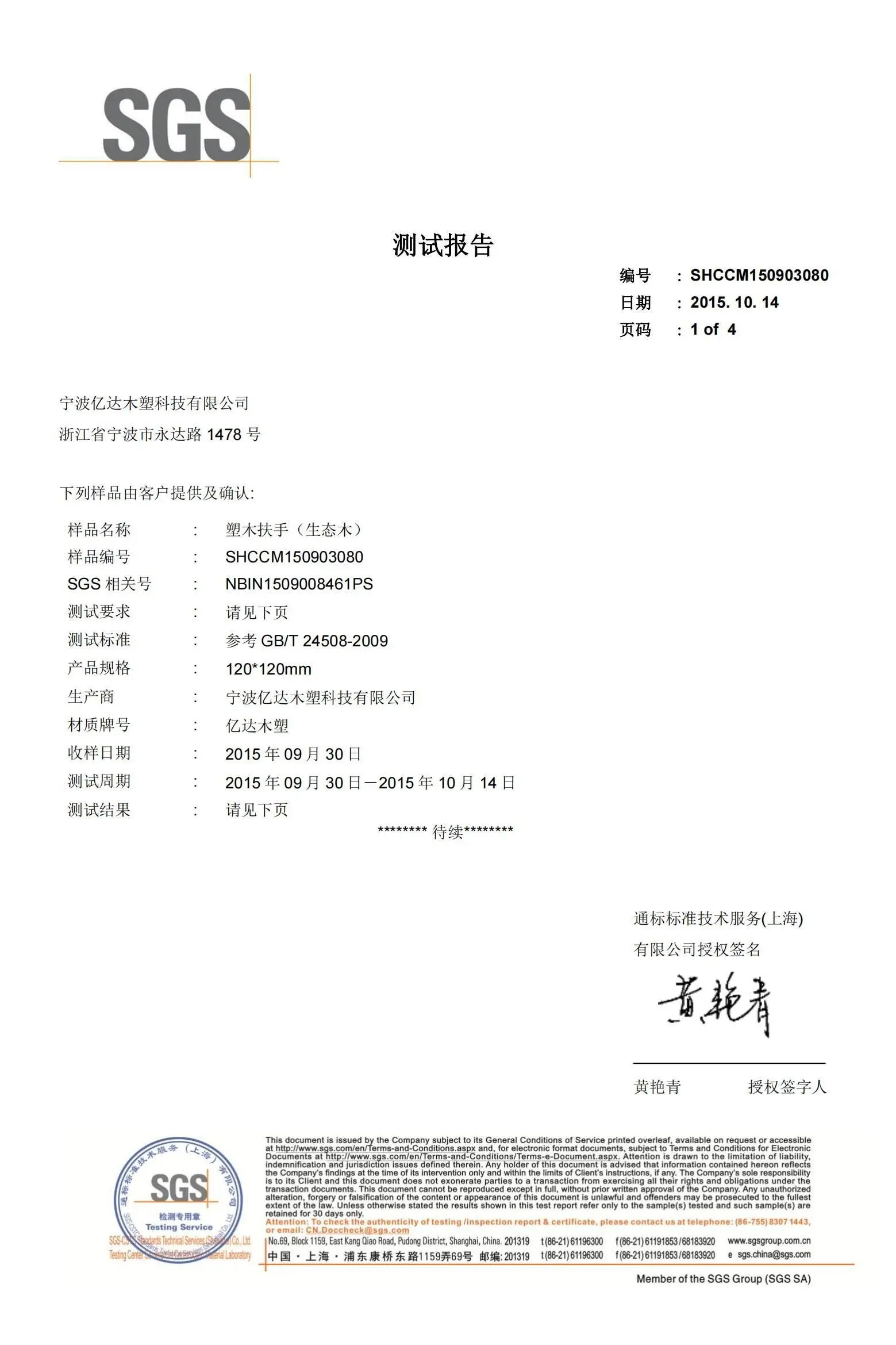
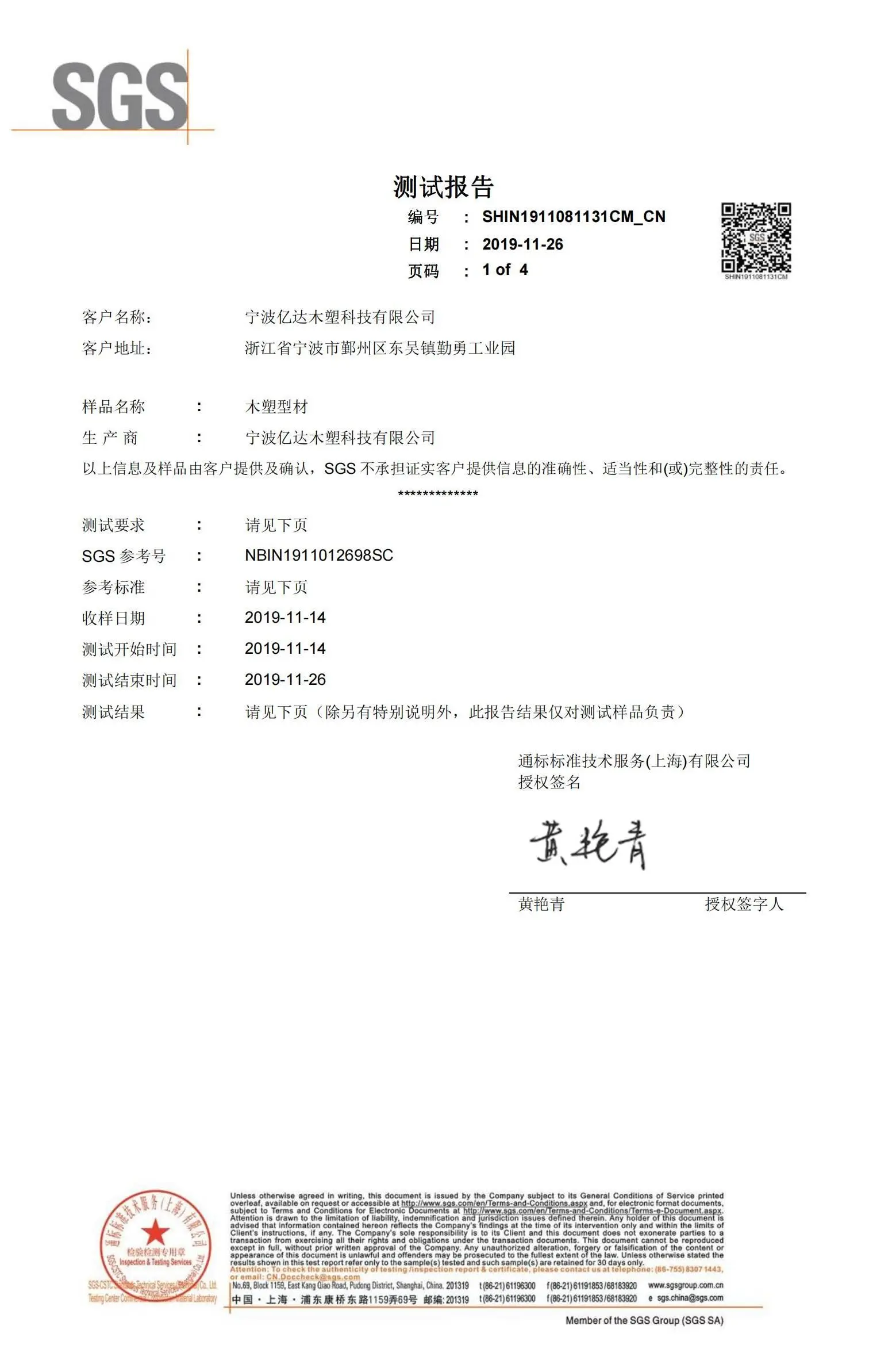
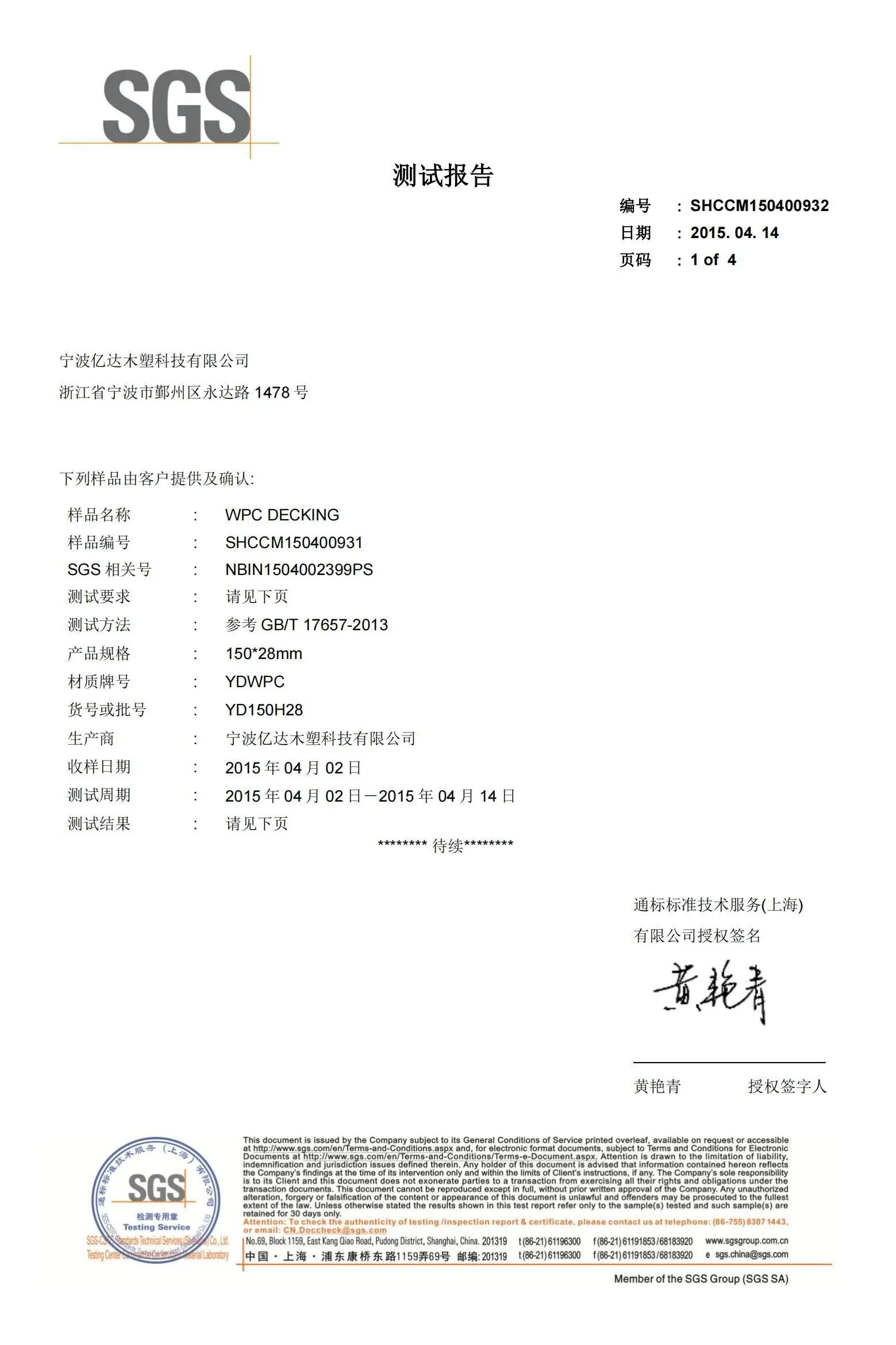
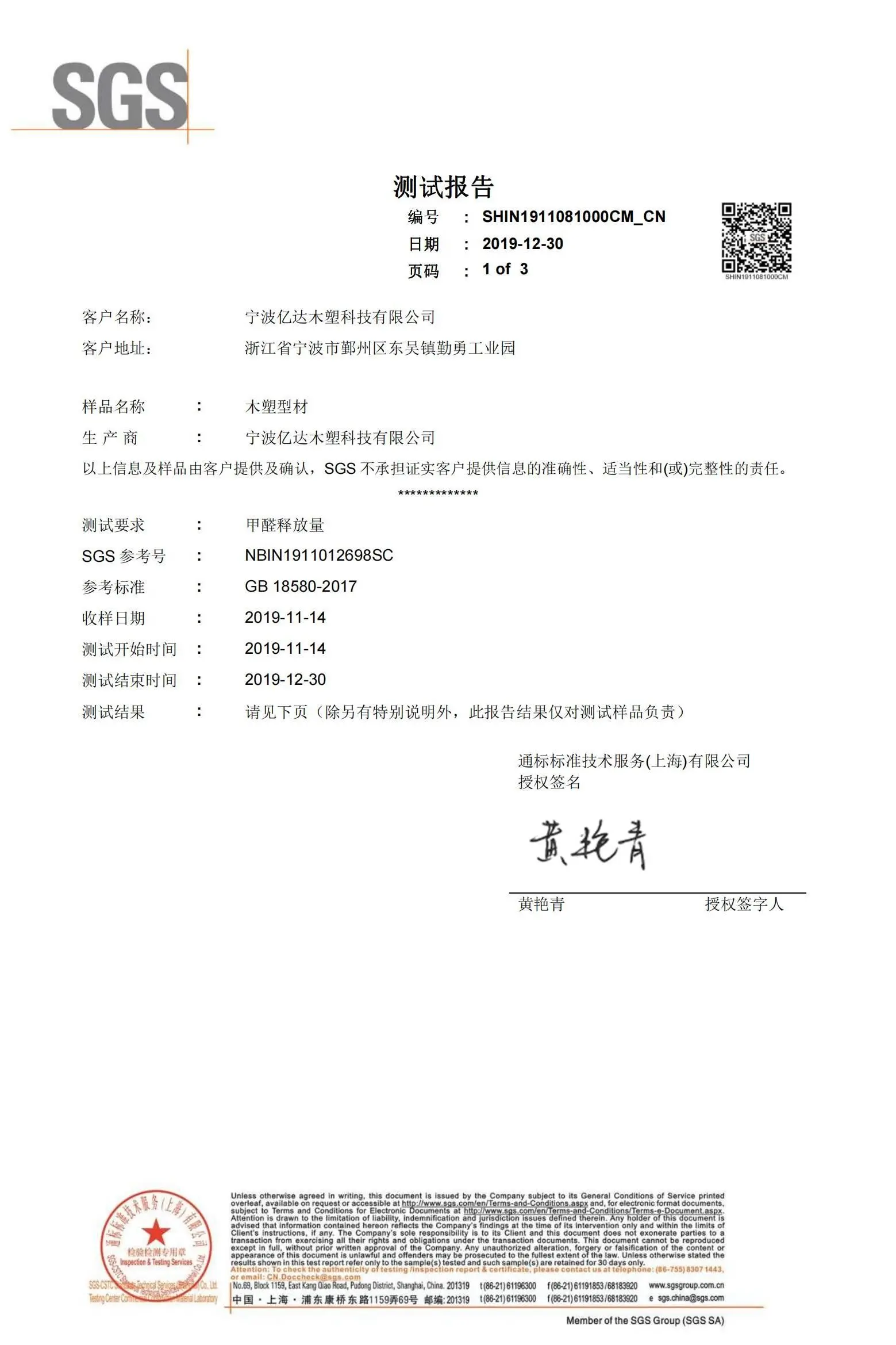
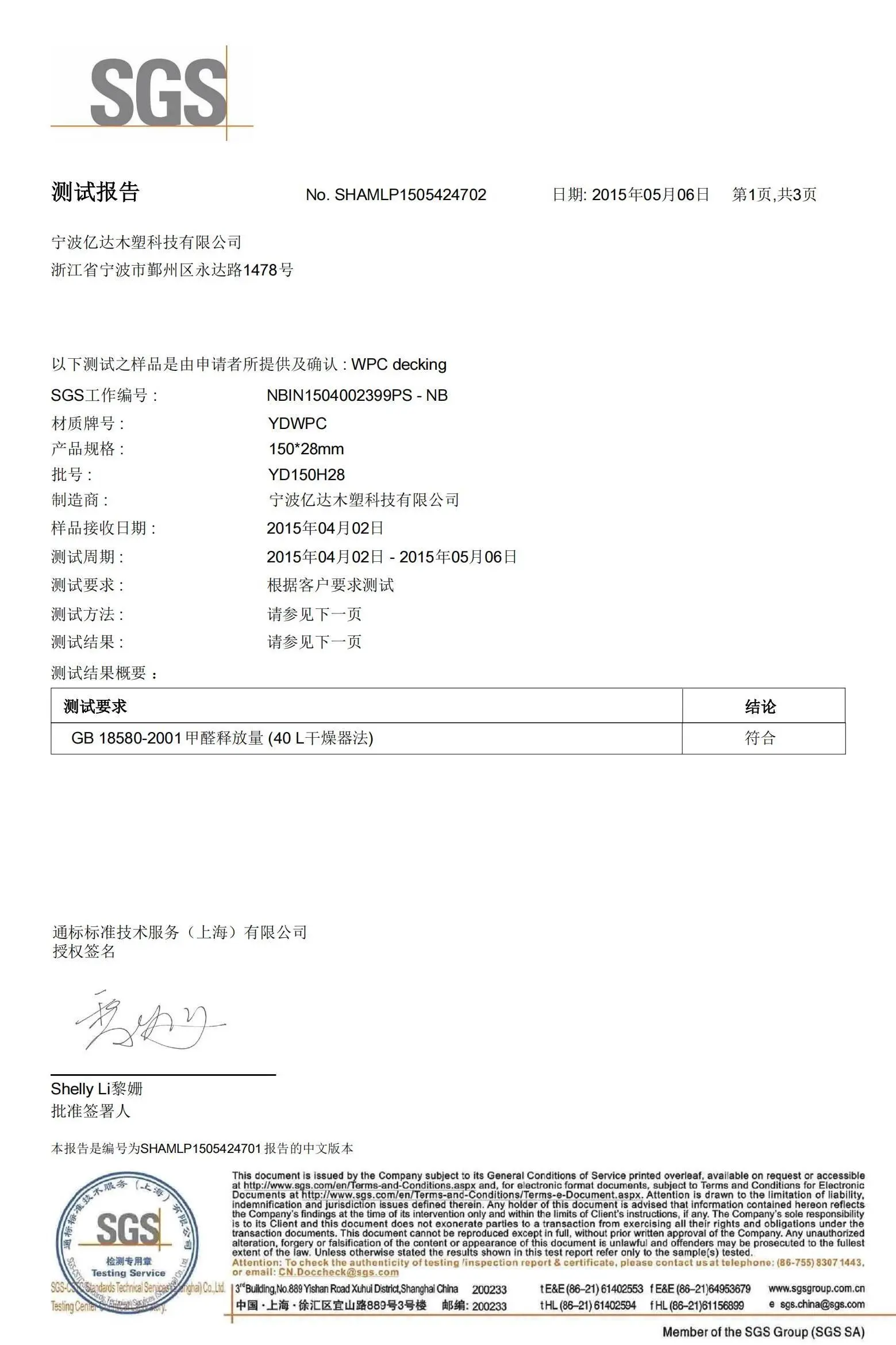
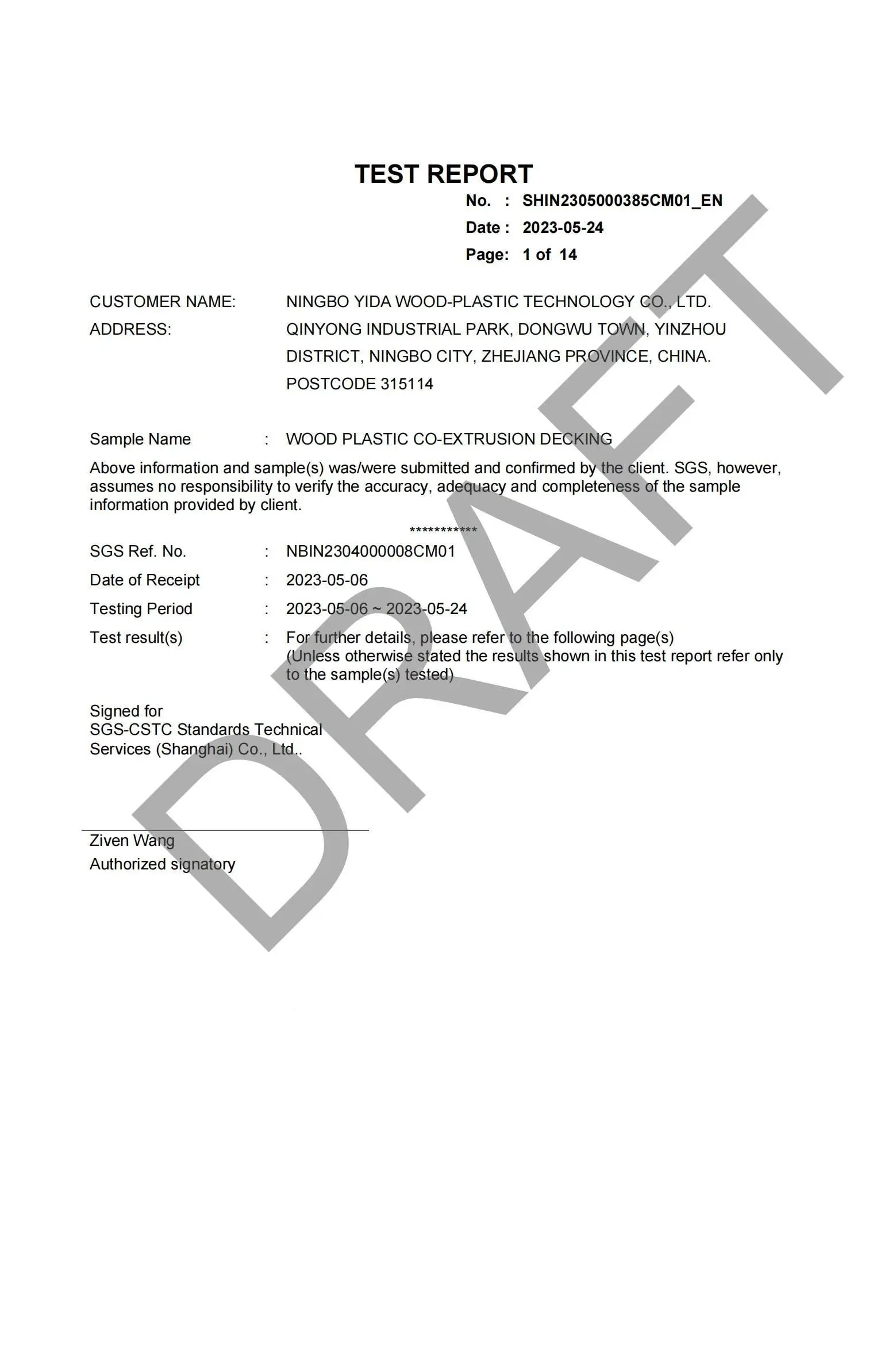
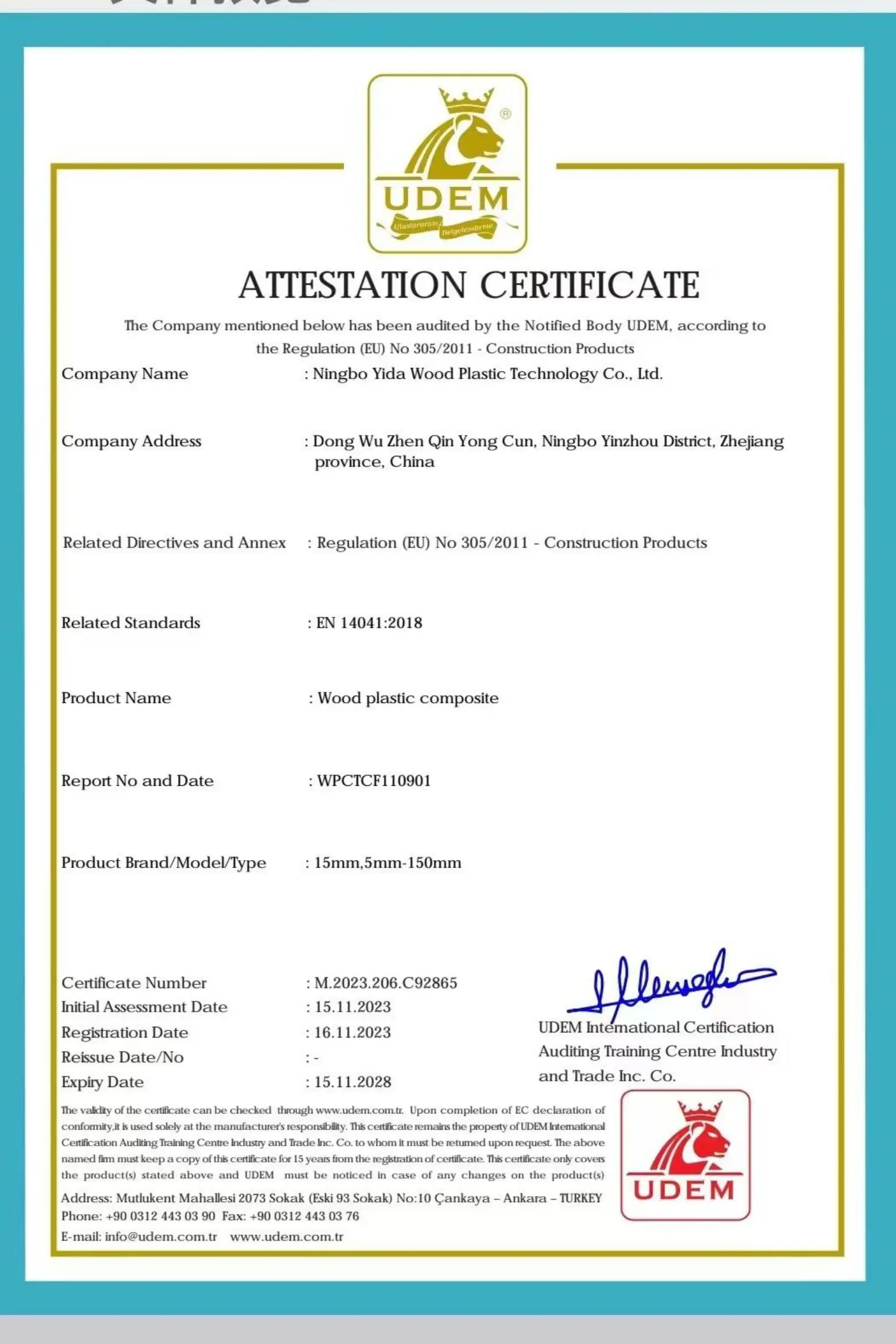
WPC stands for Wood Plastic Composite. It is an innovative material made from a blend of recycled wood fibers/flour and thermoplastics (like PE). This creates a product that has the natural beauty of wood with enhanced durability and minimal maintenance.
Yes. Our WPC products are considered eco-friendly because they are primarily made from recycled materials—reclaimed wood waste and recycled plastics. This reduces landfill waste and the need for virgin timber.
Yes. Our WPC decking and fencing profiles are designed with textured surfaces that provide excellent slip resistance, even when wet. This makes them a safer choice for areas around pools, patios, and walkways.
Our WPC products are engineered for long-life performance. They typically come with warranties ranging from 10 to 25 years against fading, staining, and structural defects, depending on the product line.
Yes. You can use standard woodworking tools (saws, drills) to cut and shape WPC. We recommend using carbide-tipped blades for the cleanest cut.
 Yida Wood