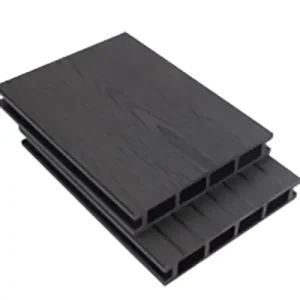
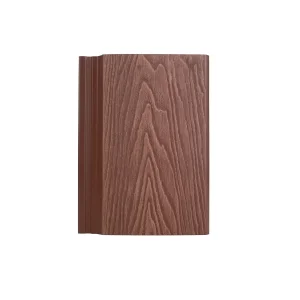
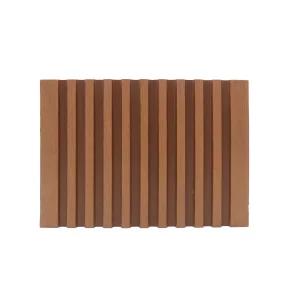
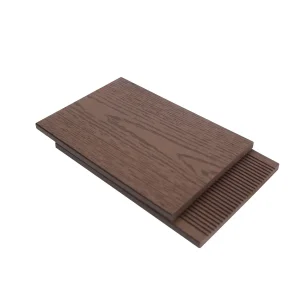
The global Wood Plastic Composite (WPC) market is experiencing an unprecedented surge, driven by the construction industry's shift toward sustainable materials. From North America to Southeast Asia, WPC is replacing traditional timber in residential and commercial projects due to its superior longevity and eco-friendly profile.
Modern "Cheap Composite Wpcs Factory" models are no longer just about low cost; they are about high efficiency in recycling. The industry trend is moving toward a circular economy, where 90% of raw materials are sourced from reclaimed wood fibers and recycled high-density polyethylene (HDPE).
Global procurement needs have shifted. Large-scale municipal projects in Europe and the Middle East now mandate materials that resist extreme UV radiation and moisture. WPC has become the standard for boardwalks, public parks, and urban cladding systems.
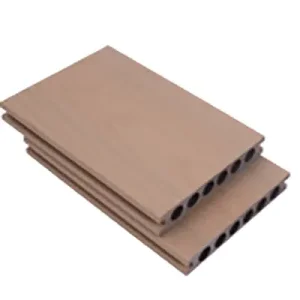
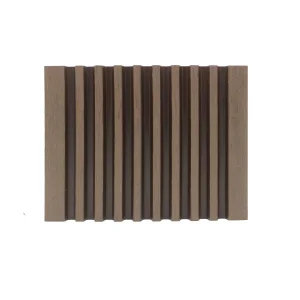
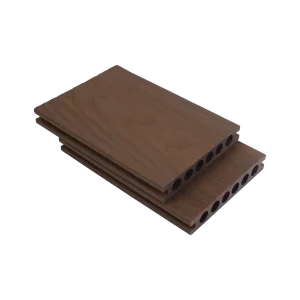
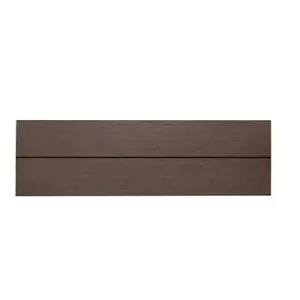
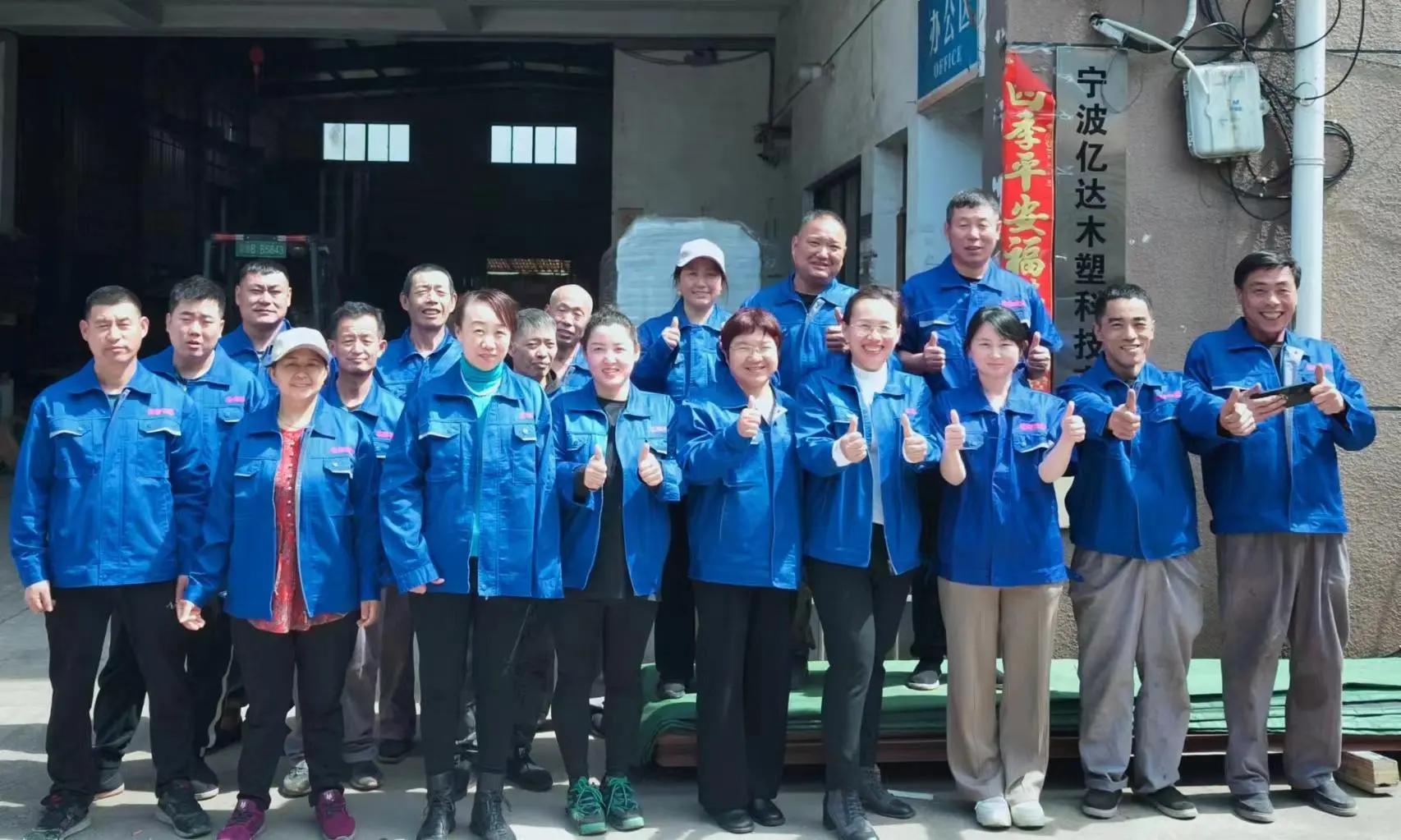
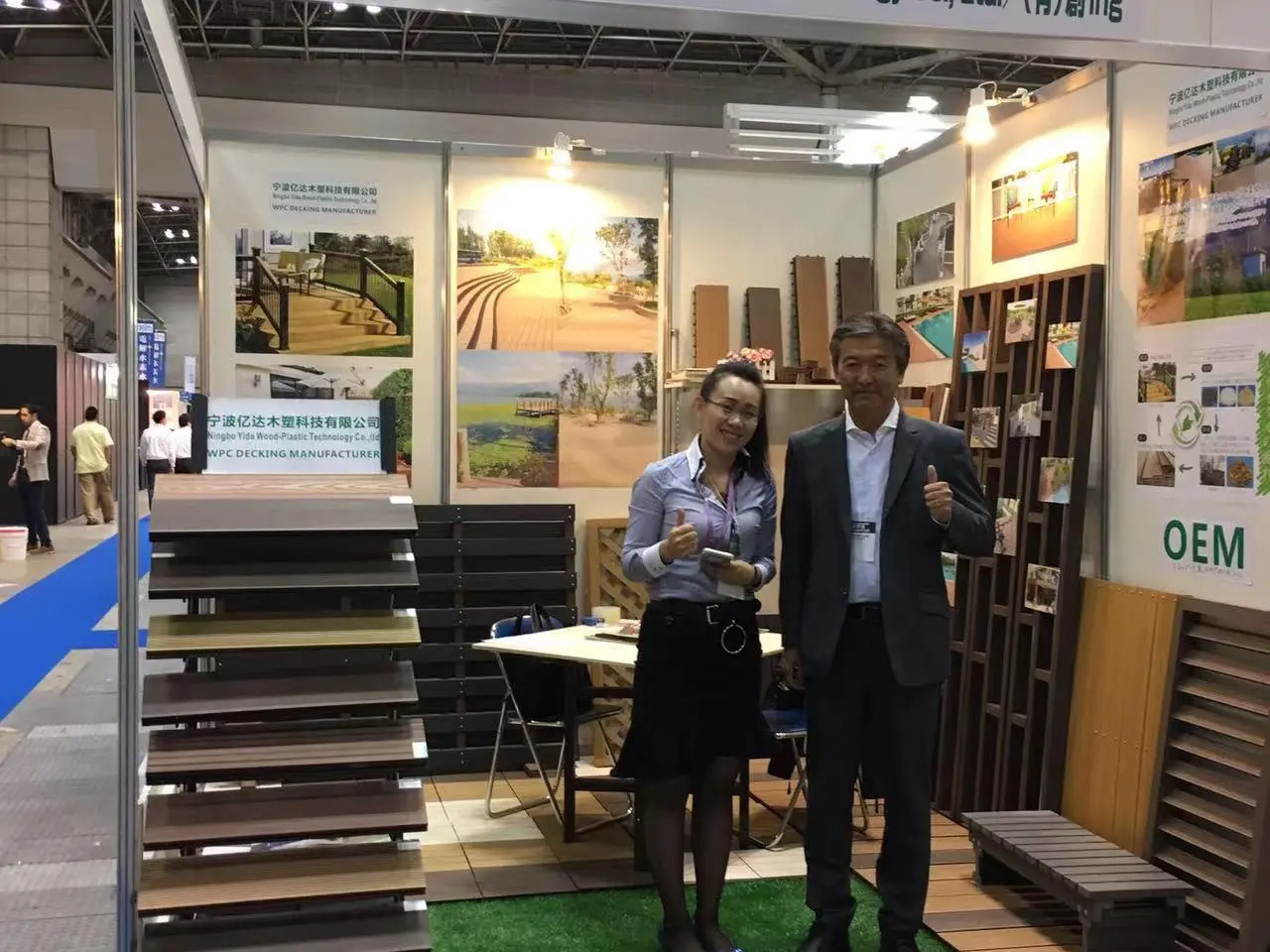
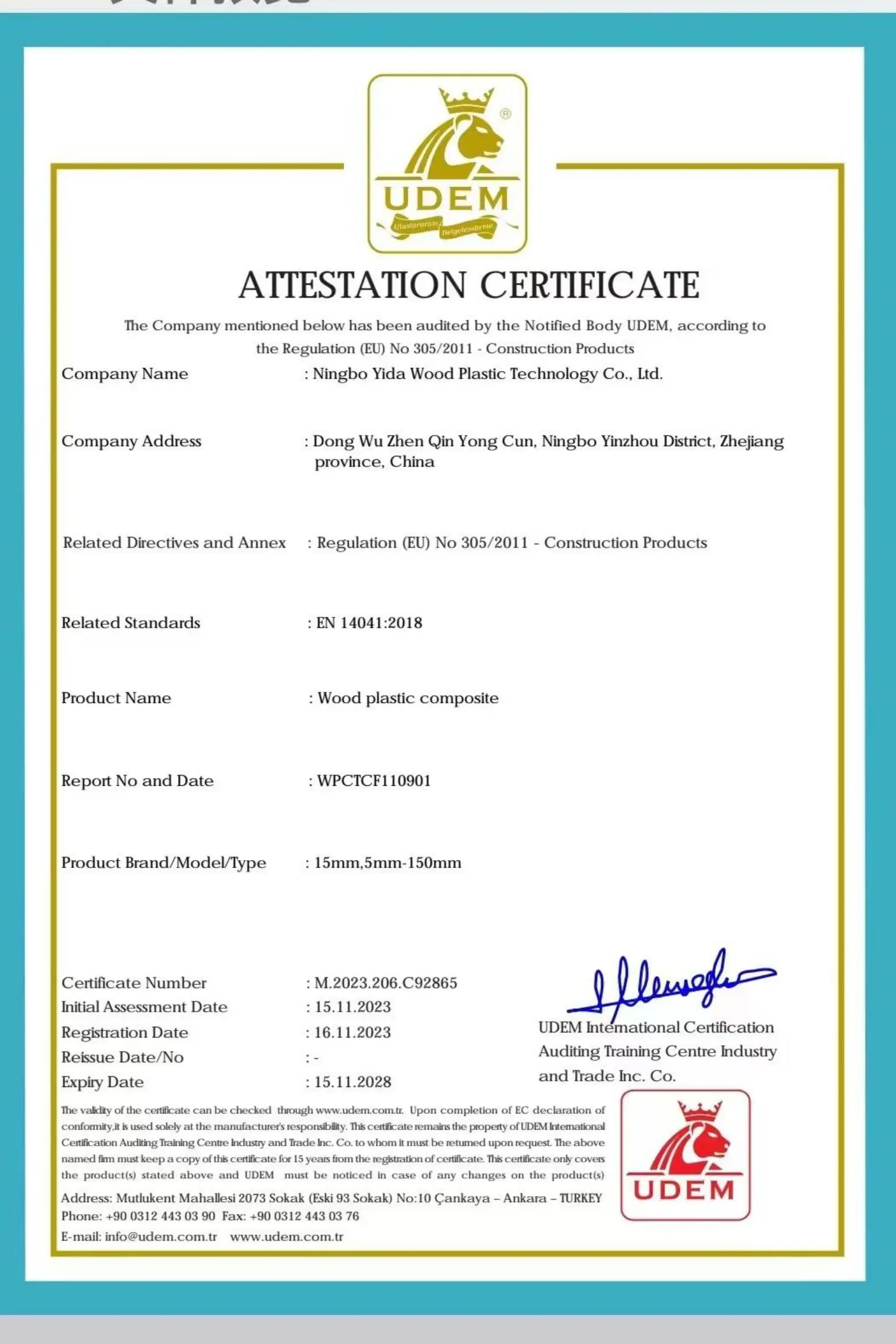
Ningbo Yida Wood Plastic Technology Co., Ltd. is proud to introduce our innovative wood plastic composite material that combines the natural beauty of wood with the durability of plastic profiles. With nearly ten years of R&D, production and sales experience, we have become a leading manufacturer and supplier of new wood-plastic composite materials.
Our Yida brand wood-plastic composite materials have excellent properties such as waterproof, moisture-proof, mildew-proof, insect-proof, black-proof, and crack-proof. This makes it ideal for a variety of applications, including outdoor architectural design, landscaping and municipal engineering projects.
The latest trend in WPC manufacturing is 360-degree capped co-extrusion. This technology provides an extra layer of protection against fading and scratches, ensuring that "cheap" products do not compromise on long-term aesthetic value.
As a tech-forward factory, we utilize automated monitoring systems to ensure consistent density and color matching across batches. This precision is what separates professional companies from standard suppliers.
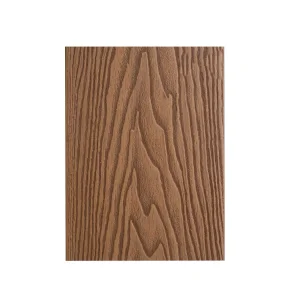
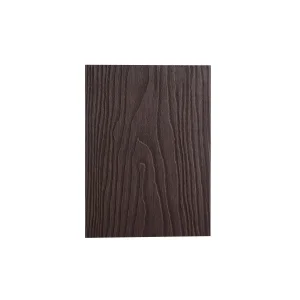
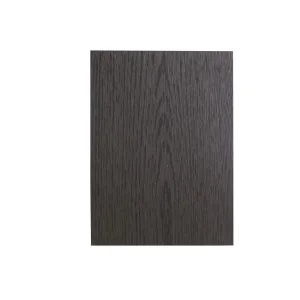
Market demand is leaning toward "Deep Grain" textures. Our 3D embossing techniques replicate the tactile feel of exotic hardwoods like Teak and Ipe without the environmental cost of deforestation.
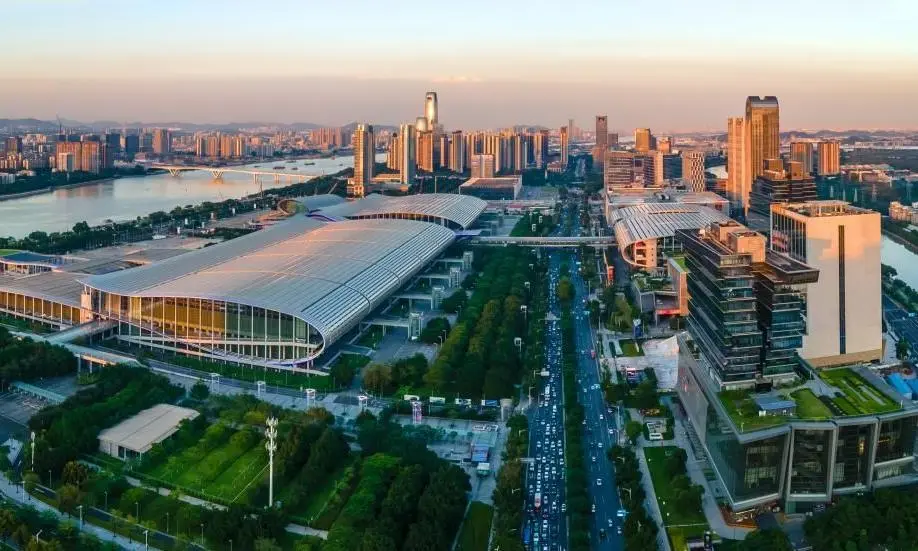
At Ningbo Yida, we have invested in advanced production technology and established a professional team dedicated to product research and development, manufacturing, sales, after-sales service and construction. This ensures that our wood plastic composites meet the highest quality and performance standards.
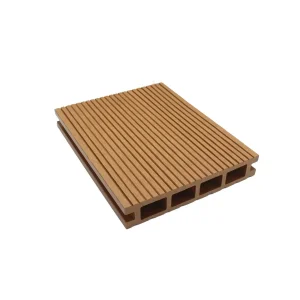
In high-salinity environments, traditional wood rots within years. Our WPC decking is salt-resistant and waterproof, making it the perfect choice for seaside resorts, marinas, and beachfront walkways.
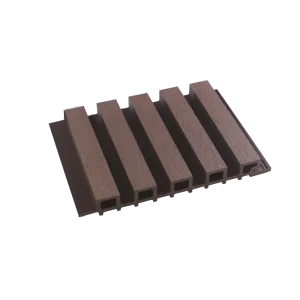
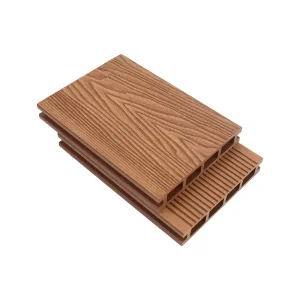
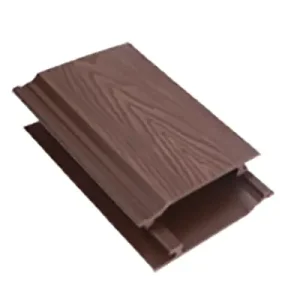
For modern homes, our 3D embossed cladding and decking provide a high-end look with zero maintenance. No more annual staining or sealing—just simple cleaning with soap and water.
From hospital courtyards to university campuses, our materials provide slip-resistant, durable surfaces that withstand heavy foot traffic and various weather conditions.
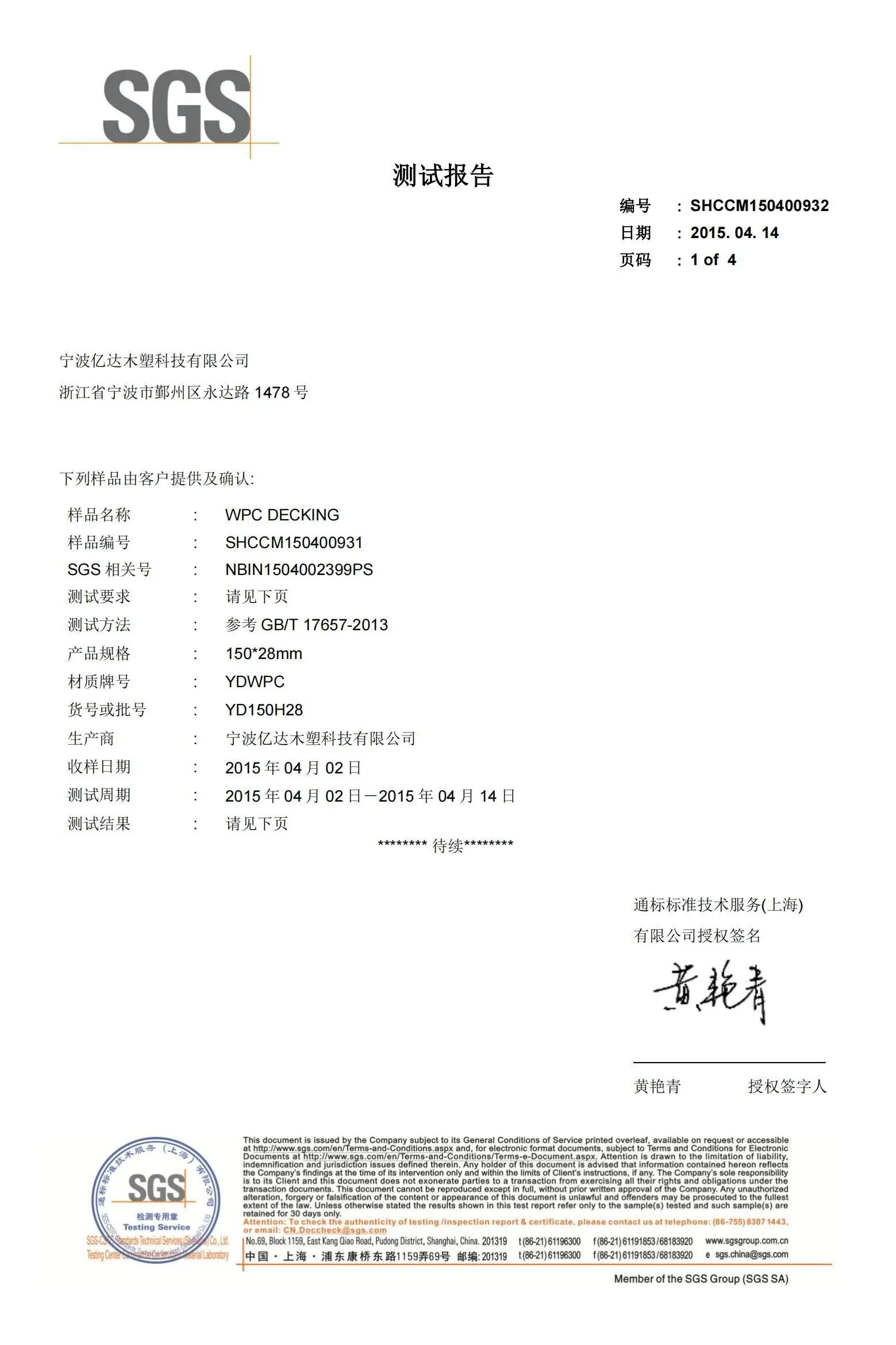
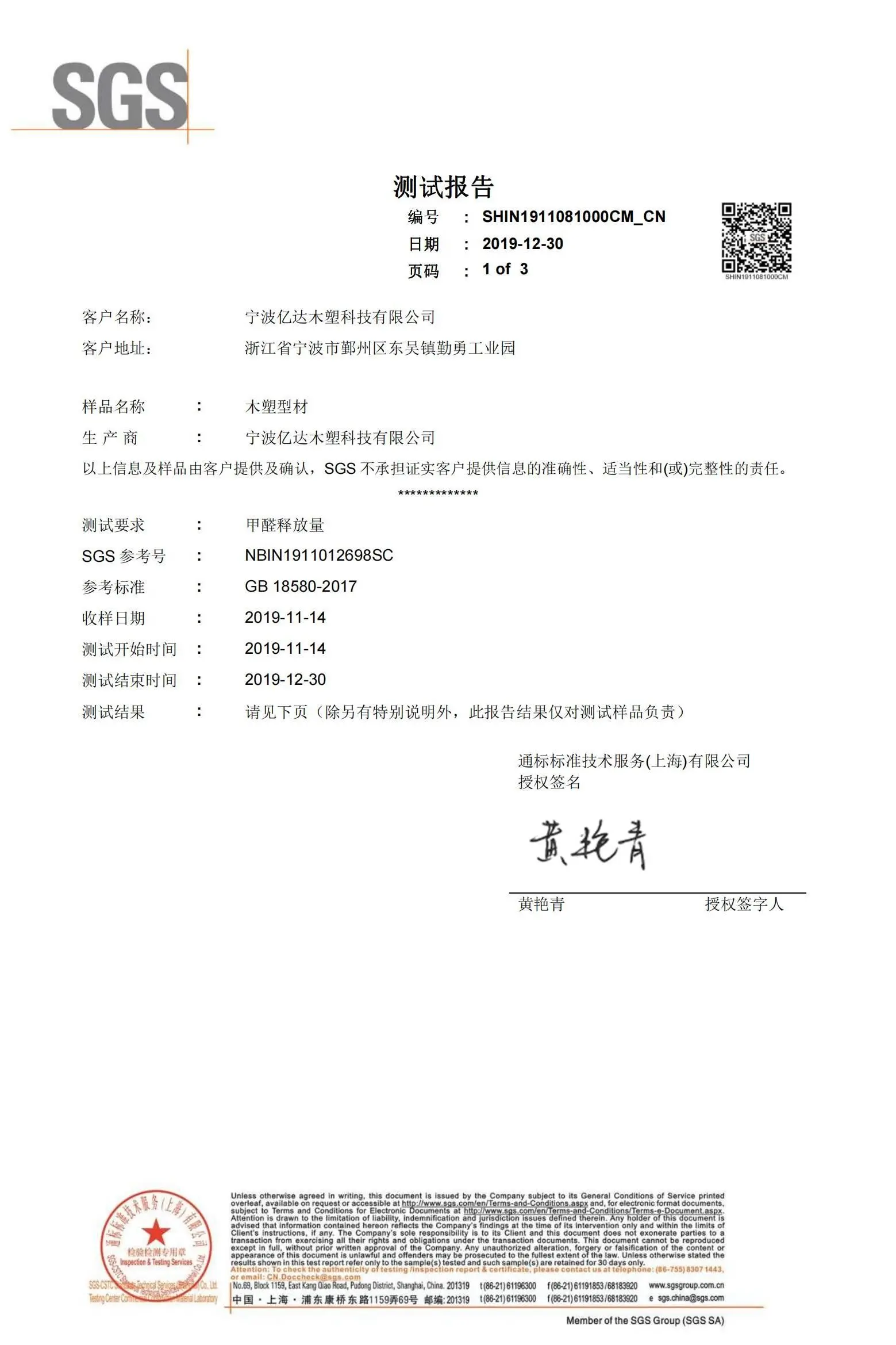
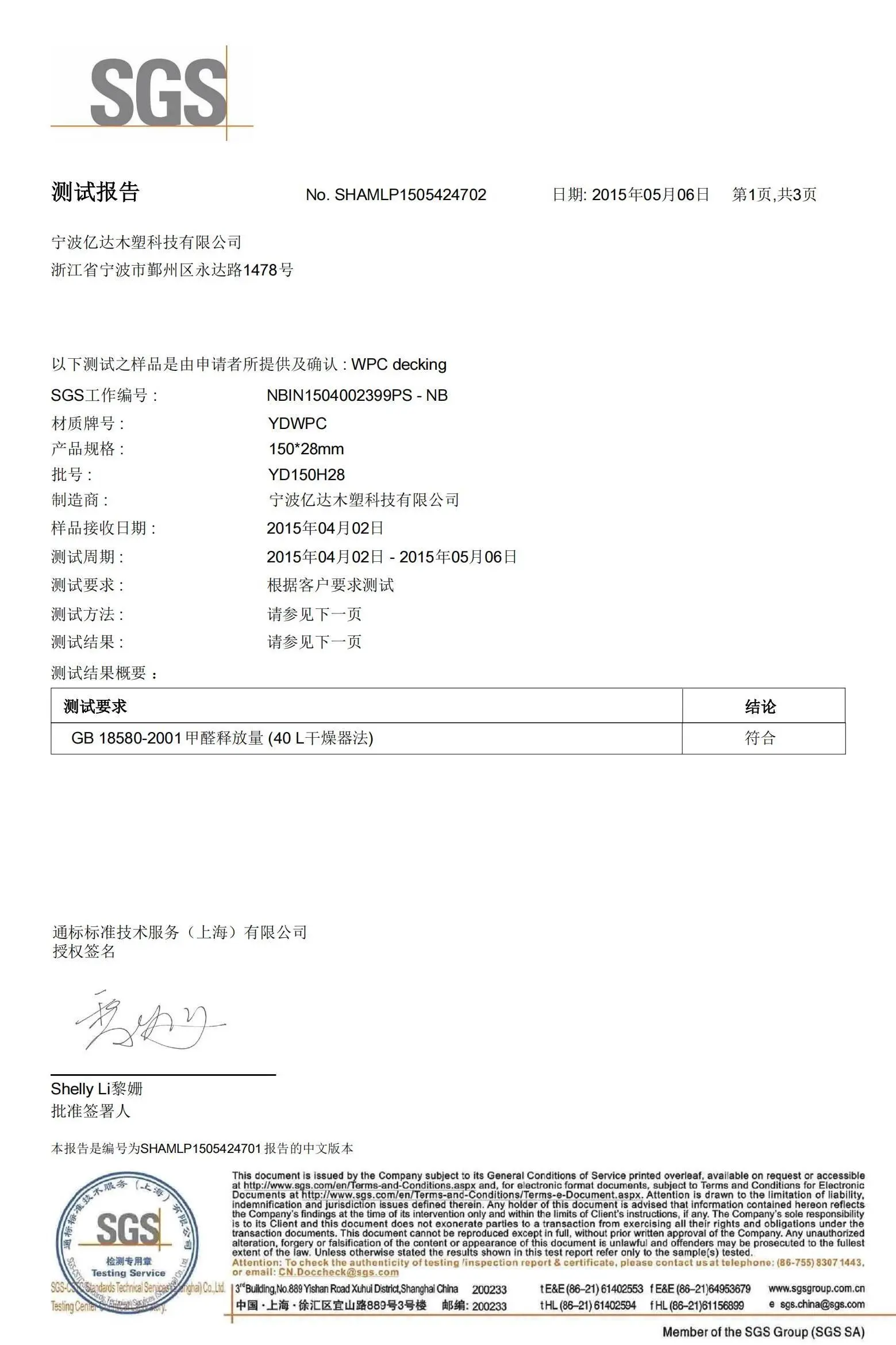
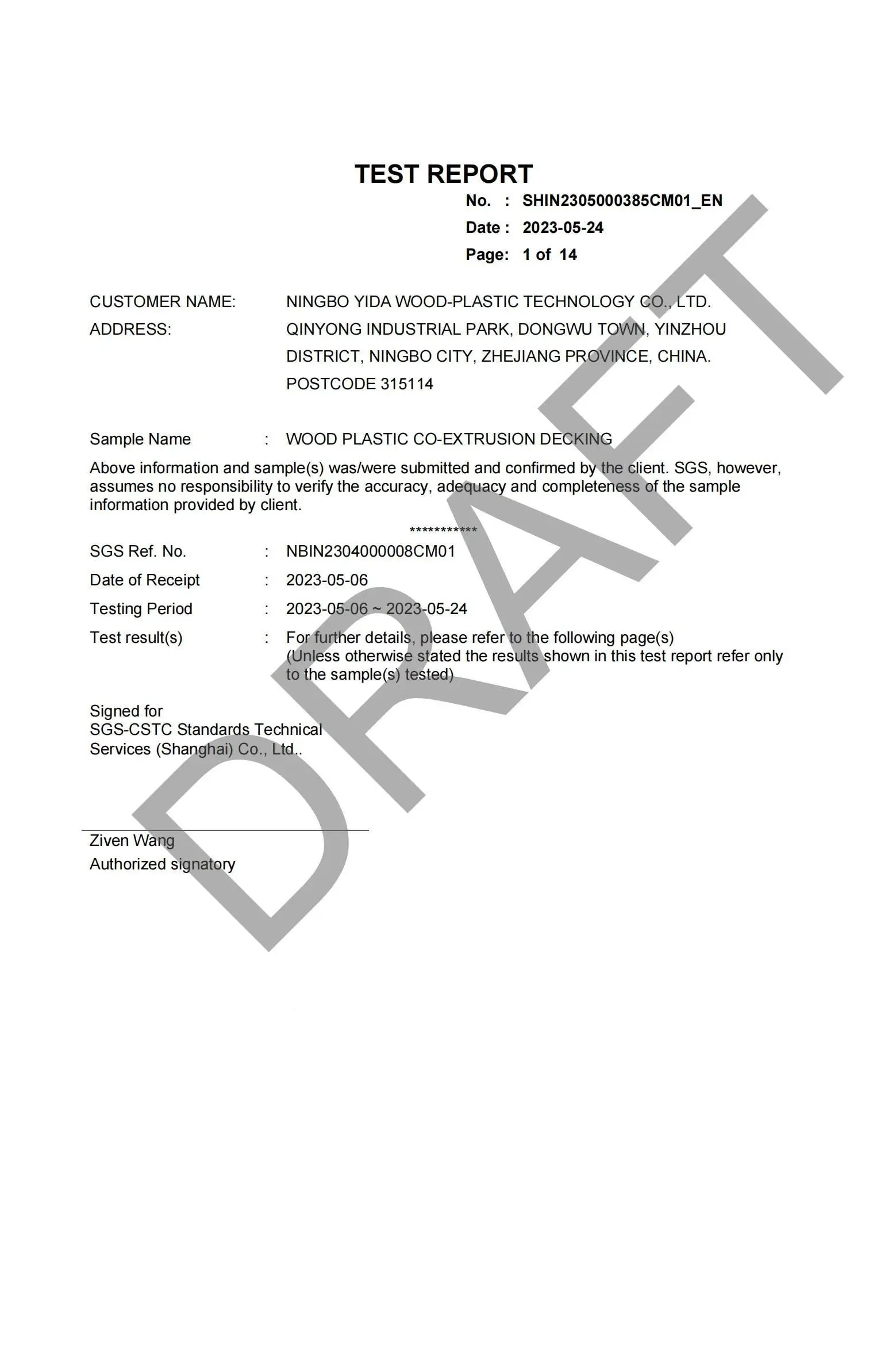
A: WPC stands for Wood Plastic Composite. It is an innovative material made from a blend of recycled wood fibers and thermoplastics (like PE). This creates a product that has the natural beauty of wood with enhanced durability and minimal maintenance. Unlike wood, it won't rot, warp, or attract termites.
A: Yes. Our WPC products are eco-friendly because they are primarily made from recycled materials—reclaimed wood waste and recycled plastics. This reduces landfill waste and the need for virgin timber. Additionally, their long lifespan reduces the cycle of replacement.
A: WPC is highly resistant to moisture, rot, and decay, making it ideal for rainy and humid climates. It is also resistant to freezing and thawing cycles, so it won't crack or splinter in frosty conditions. Our products are formulated with UV inhibitors to prevent fading in intense sun.
A: Maintenance is incredibly easy. For routine cleaning, simply sweep away debris and occasionally wash with a mild soap solution and a soft brush. Unlike natural wood, WPC products never require sanding, staining, or sealing.
A: Absolutely. We offer a wide range of colors and wood-grain textures. You can use standard woodworking tools (saws, drills) to cut and shape WPC just like wood, allowing for complete design freedom.
Have More Questions? Contact Us! Our experts are happy to help you with your project.
 Yida Wood