What is WPC Panels for Interior Walls Benefits and Uses?

Time:2026-06-19 Author:Sienna
0%

WPC panels for interior walls offer a modern solution for interior design. These panels combine wood fiber and plastic, resulting in a durable material. Homeowners and designers increasingly favor WPC panels due to their versatility and aesthetic appeal.

These panels can mimic natural wood while providing moisture resistance and ease of maintenance. They come in various colors and textures, allowing creativity in design. However, the quality can vary, and not all products are created equal. It's essential to choose reliable manufacturers to ensure longevity and performance.

While WPC panels have numerous benefits, potential buyers should be cautious. Some panels might fade over time or warp under extreme conditions. Researching and selecting the right brand is key to maximizing durability. Overall, WPC panels for interior walls are an innovative way to enhance any space, but careful consideration is necessary to achieve the best results.
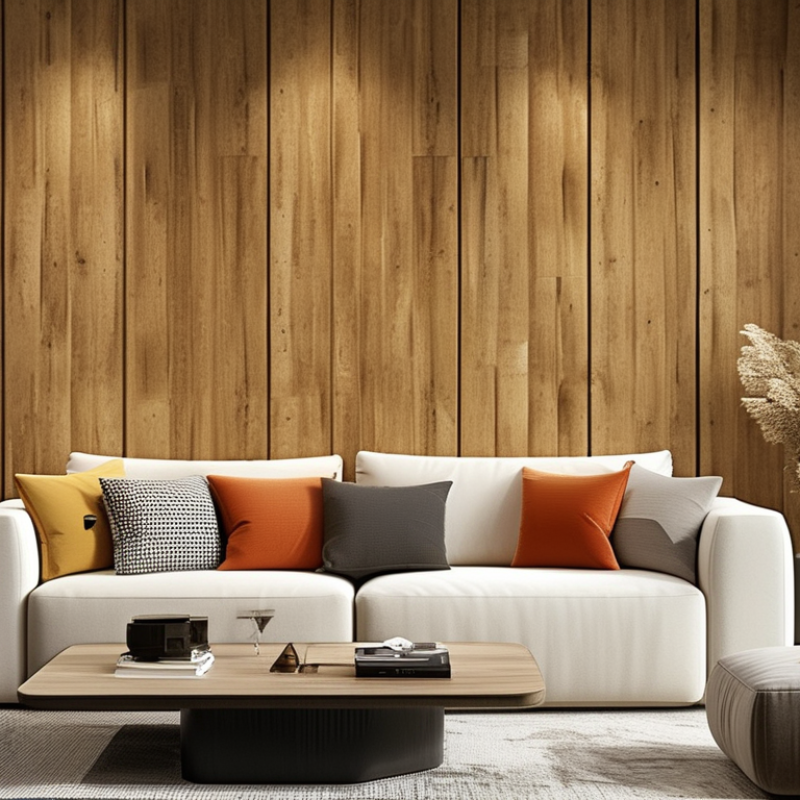
What is WPC Panels for Interior Walls Benefits and Uses?

Definition and Overview of WPC Panels for Interior Walls

WPC panels, or Wood-Plastic Composite panels, offer an innovative solution for interior wall applications. This composite material combines wood fibers and plastic. As a result, it presents a durable, water-resistant option suitable for various environments. WPC panels are often lightweight, making them easier to install compared to traditional materials. Their versatility allows for a range of finishes, from sleek modern looks to rustic appearances.

In addition to aesthetics, WPC panels provide excellent insulation properties. This can lead to reduced energy costs. However, one must consider potential limitations. While WPC is water-resistant, prolonged exposure to moisture may cause issues over time. Proper installation and maintenance are crucial for longevity. New users often overlook these factors, resulting in subpar performance. Awareness and education on care are essential for maximizing the benefits of WPC panels in interior design.

Key Benefits of Using WPC Panels in Interior Design

WPC panels, or Wood Plastic Composite panels, are gaining popularity in interior design. They offer impressive benefits. They are lightweight yet durable, making them easy to handle and install. The panels resist moisture, which is essential in high-humidity areas like kitchens and bathrooms. This makes WPC a reliable choice for long-lasting interior walls.

The aesthetic appeal of WPC panels is noteworthy. They come in various textures and finishes. From a sleek modern look to a rustic feel, there's a design to fit any style. They can mimic natural wood without the associated maintenance issues.

Tips: When choosing WPC panels, consider the room's size and lighting. Lighter colors can make a small space feel larger. Always check for proper installation techniques. If installed poorly, even high-quality panels may warp or peel. Another point to reflect on is the environmental impact. While WPC uses recycled materials, it’s vital to ensure that sourcing is sustainable. This awareness can influence your design choices significantly.

Common Applications of WPC Panels in Residential Spaces

WPC panels are becoming popular in residential interiors. They offer a blend of wood and plastic, making them durable and easy to maintain. One common application is in living rooms. These panels can create striking accent walls. They add warmth and texture. Homeowners often appreciate their versatility.

Another area where WPC panels excel is in kitchens and bathrooms. Their moisture resistance makes them an ideal choice for these spaces. Unlike traditional wood, they don’t warp or swell in humid conditions. Many people find this feature appealing. However, installation often requires careful planning. Misalignment can lead to visible gaps.

WPC panels are also used in corridors and home offices. They provide sound insulation, enhancing privacy. This is especially beneficial in busy households. Yet, not all designs suit every decor style. Finding the right color and texture is vital. Each choice affects the overall atmosphere. Thoughtful selection can transform a home.

Comparison of WPC Panels with Traditional Wall Materials

WPC panels have gained traction as an alternative to traditional wall materials. These panels, made from wood-plastic composite, offer distinct advantages. They are lightweight, making installation easier. Traditional materials, like drywall, can be heavy and challenging to manage. According to industry reports, WPC panels can save up to 30% on labor costs due to quicker installation times.

When comparing durability, WPC panels outshine many traditional options. They resist moisture and insects, which often compromise wood and drywall. In fact, data shows that WPC panels can last 2-3 times longer than standard wood products in humid environments. However, it is crucial to note that while they are durable, the aesthetic appeal might not match that of natural wood. This discrepancy can be a significant consideration for homeowners focused on design.

In terms of maintenance, WPC panels are nearly hassle-free. They require less upkeep compared to painted or wallpapered walls. However, certain WPC panels may fade or discolor with prolonged sun exposure. This means homeowners should weigh the long-term consequences of installation. In some cases, traditional materials may provide a more timeless look, despite requiring more maintenance. Each choice comes with its own benefits and limitations, urging careful consideration before deciding.

Maintenance and Care Tips for WPC Panels Used Indoors

WPC panels, made from wood plastic composite, are increasingly popular in interior design. They offer aesthetic appeal and practicality. However, their care requires attention. To maintain their beauty, keep them clean and dry.

Dust and dirt can build up on the surface. Use a soft cloth for daily cleaning. Avoid harsh chemicals as they might damage the finish. Instead, mix mild soap with water for tougher stains. Rinse with clean water and wipe dry. This helps preserve their vibrant color and texture.

WPC panels are resistant to moisture but not waterproof. Avoid excessive water exposure. If spills occur, clean them immediately to prevent warping. Inspect panels regularly for scratches or damage. Address any issues promptly to maintain their integrity. Remember, even durable materials need care to look their best.

FAQS

: What are WPC panels?

: WPC panels are wood-plastic composite materials used as an alternative to traditional wall materials.

Why are WPC panels considered lightweight?

They are designed to be easier to handle, which simplifies the installation process.

How do WPC panels compare in durability?

WPC panels resist moisture and insects, lasting longer than many traditional options.

What maintenance do WPC panels require?

They need cleaning with a soft cloth and mild soap. Avoid harsh chemicals.

Can WPC panels fade over time?

Yes, prolonged sun exposure may cause some panels to discolor.

Are WPC panels waterproof?

No, they resist moisture but are not waterproof. Clean spills immediately.

How do WPC panels affect installation costs?

Quicker installation of WPC panels can save up to 30% on labor costs.

Do WPC panels match the look of natural wood?

No, their aesthetic appeal may not be as attractive as natural wood alternatives.

Should I regularly inspect WPC panels?

Yes, check for scratches or damage and address issues promptly to maintain integrity.

Is maintenance of WPC panels time-consuming?

No, they require less upkeep compared to painted or wallpapered walls.

Conclusion

WPC Panels for Interior Walls are a modern alternative in interior design, combining wood and plastic composites to create efficient wall solutions. These panels offer key benefits such as durability, moisture resistance, and a wide range of aesthetic options that can enhance any space. Their lightweight nature makes installation easier compared to traditional wall materials, and they can significantly reduce maintenance work.

Common applications of WPC Panels in residential settings include living rooms, kitchens, and bathrooms, where both style and function are important. Compared to traditional materials like drywall or wood, WPC Panels stand out due to their resilience and versatility. When properly maintained, they require minimal care, making them an ideal choice for homeowners looking for both practicality and elegance in their interior design.


Sienna

Sienna

Sienna is a skilled marketing professional with a deep expertise in our company’s core products and services. With a passion for innovation and detail, she plays a pivotal role in crafting insightful blog posts that not only highlight the unique features of our offerings but also provide valuable......