In the evolving world of interior design, selecting the right materials is crucial. WPC Panels, known for their durability and aesthetic appeal, have become a popular choice for many homeowners. According to industry expert, Thomas Reynolds, “WPC Panels blend beauty and practicality seamlessly.” This insight reflects the growing trend of utilizing composite materials in modern construction.
The choices available can be overwhelming. With so many brands and styles, finding the ideal WPC Panel requires careful consideration. Each panel offers unique features that cater to different needs. Durability, moisture resistance, and design variety are just a few factors to weigh. Homeowners often overlook the long-term benefits of investing in quality panels.
While price is essential, it shouldn’t be the only consideration. A cheaper panel might save money upfront but could lead to repairs or replacements later. Reflecting on these factors can help ensure the right decision is made. Choosing the best WPC Panel not only enhances the space but also reflects practicality and style.
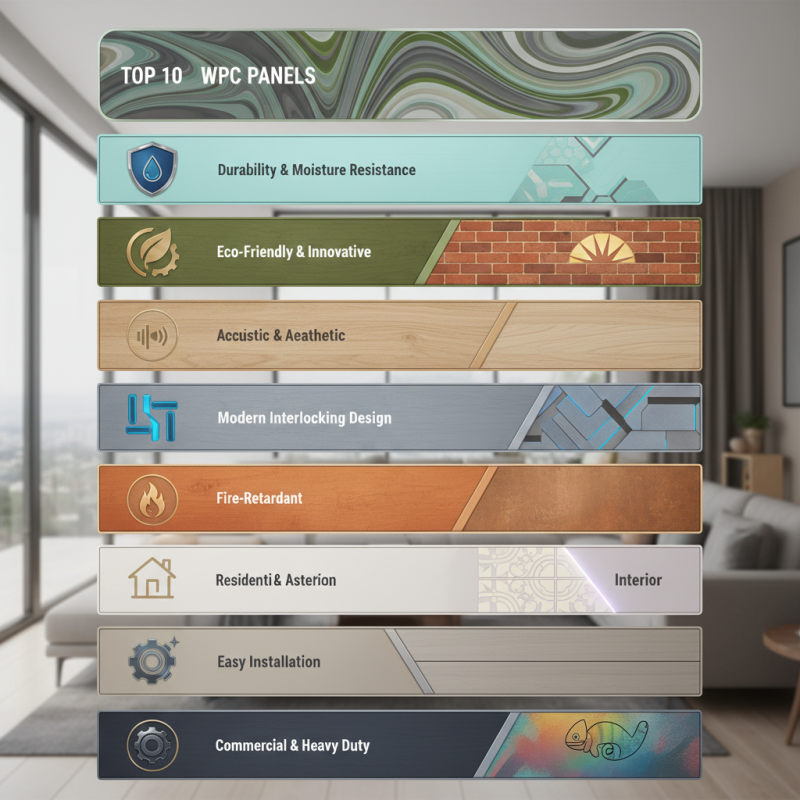
WPC panels, or Wood-Plastic Composites, are innovative materials combining wood fibers and plastic. This fusion results in durable, eco-friendly products. The composition offers many benefits, making them attractive for various applications.
One key advantage of WPC panels is their resistance to moisture and insects. Traditional wood can warp or rot, but WPC panels remain stable in humid conditions. This quality makes them ideal for outdoor settings. They require less maintenance compared to regular wood. Simply cleaning them with soap and water can keep them looking new.
Even with these benefits, it’s important to consider potential drawbacks. Some users report that WPC panels can discolor over time. The initial cost may also be higher than traditional materials. These factors should be assessed before making a purchase. Understanding the balance between costs and benefits is crucial.
When selecting WPC (Wood-Plastic Composite) panels, various key factors come into play. Durability is crucial. WPC panels are designed to withstand the elements, but not all are equal. Look for specific certifications or test results that indicate resistance to warping, cracking, or fading. It might be helpful to compare the lifespan of different products to ensure long-term value.
Aesthetic appeal often drives choice as well. These panels come in various textures and colors. Consider how they will match the overall design of your project. It’s good to see samples in person before making a decision. Sometimes, digital images can be misleading. Texture and finish can greatly influence the appearance and feel.
Sustainability is another vital factor. Many buyers look for eco-friendly options. Verify if the panels are made from recycled materials or are recyclable themselves. This information can impact your choice significantly. However, there can be some confusion around this topic. Not every product marketed as green is truly sustainable. Researching the manufacturing process can shed light on this aspect. While choosing WPC panels can be straightforward, it’s essential to weigh these factors carefully for a successful outcome.
When choosing WPC panels, understanding their features is essential. These panels blend wood and plastic, providing durability and weather resistance. They come in various textures and colors, allowing for customizable designs. Many panels are resistant to mold and fungi, making them ideal for humid environments.
Among the options, some panels feature UV protection. This prevents fading and damage from sunlight. Others boast a high density, enhancing strength and performance. Find panels with non-slip surfaces for safety, especially in outdoor settings. It's important to consider installation ease; some panels offer tongue-and-groove designs, simplifying the process.
While many WPC panels promise longevity, quality can vary. Some cheaper options might warp or deteriorate faster under pressure. Evaluate the warranty offerings from manufacturers to ensure lasting satisfaction. Relying on user reviews can provide real-world insights into a panel's performance. Taking the time to research helps avoid disappointment with your choice.
| Panel Name | Thickness (mm) | Width (mm) | Length (mm) | Weight (kg/m2) | Water Resistance | Fire Rating | UV Resistance |
|---|---|---|---|---|---|---|---|
| Panel A | 12 | 200 | 3000 | 8.5 | Yes | B1 | High |
| Panel B | 15 | 250 | 3000 | 9.0 | Yes | B2 | Medium |
| Panel C | 18 | 300 | 4000 | 10.5 | Yes | B1 | High |
| Panel D | 20 | 320 | 2500 | 11.0 | Yes | B3 | Medium |
| Panel E | 12 | 250 | 3000 | 8.0 | No | B1 | High |
| Panel F | 15 | 230 | 4000 | 9.5 | Yes | B2 | Medium |
| Panel G | 18 | 280 | 2500 | 10.0 | Yes | B1 | High |
| Panel H | 12 | 300 | 3000 | 8.5 | No | B2 | Medium |
| Panel I | 15 | 290 | 4000 | 9.0 | Yes | B3 | High |
| Panel J | 20 | 320 | 3500 | 11.5 | No | B2 | Medium |
When selecting WPC panels, three key factors emerge: price, durability, and .
Price often determines the initial decision. Affordable options may seem tempting but can compromise overall quality.
Examine material composition closely. In contrast, higher-priced panels often promise greater longevity and resistance to wear and tear.
Durability is crucial for long-term investment.
Panels that withstand weather changes and resist insects are beneficial. However, not all expensive options guarantee durability.
Conduct thorough research to seek independent reviews. Take time to assess panel ratings and customer feedback.
A beautiful panel can elevate your space, but its performance holds equal significance.
Tips: Always check warranty details. A solid warranty indicates manufacturer confidence.
Look for UV resistance features; they prolong the panel's appearance. Don’t overlook maintenance needs.
Some panels may appear stunning but require regular upkeep. Balance aesthetics with practicality for a wise purchase.
When installing WPC panels, precision is key. Ensure your tools are ready. You should have a level, measuring tape, and a saw. Proper measurements prevent unpleasant surprises later. Always check for a level surface before starting. Uneven ground can lead to a poor fit and instability. Take your time with the cutting process. Rushing may cause uneven edges and misalignments.
Maintenance of WPC panels is straightforward but essential. Regular cleaning extends the lifespan. A simple soap and water solution works well. Avoid harsh chemicals that can damage the surface. Inspect the panels periodically for any signs of wear. Look for scratches or fading. Addressing issues early can prevent bigger problems down the line.
Experience shows that proactive care leads to better performance. While WPC panels are resilient, they need attention. Over time, dirt and debris can accumulate, making cleaning more challenging. Ensuring proper drainage during installation can help maintain cleanliness. Be mindful that exposure to harsh weather can affect color and texture. Incorporating protective measures can enhance durability and aesthetics.
: WPC panels are materials made from wood fibers combined with plastic. They are durable and eco-friendly.
They resist moisture and insects, which keeps them stable outdoors. They're low maintenance and easy to clean.
Yes, they may discolor over time. The initial cost can be higher than traditional materials, which needs consideration.
Consider price, durability, and aesthetic appeal. Affordable options may lack quality, while pricey panels might not guarantee longevity.
Use a level surface, measuring tape, and saw. Proper measurements and cutting prevent misalignments and instability.
Clean them with soap and water regularly. Avoid harsh chemicals, and check for wear signs like scratches or fading.
Regular care and inspection are essential. Address issues early to prevent bigger problems later.
Yes, exposure to harsh weather can affect color and texture. Implementing protective measures enhances their durability.
WPC panels, or Wood-Plastic Composites, offer a versatile solution for various construction and landscaping projects due to their unique blend of wood fibers and plastic, providing excellent durability and aesthetic appeal. When considering WPC panels for your next purchase, it’s essential to understand their benefits, such as resistance to moisture and insects, as well as the key factors that impact your choice, including environmental considerations and installation requirements.
The article outlines the top 10 recommended WPC panels based on features and specifications, allowing for a comprehensive comparison of price, durability, and design. Additionally, it provides valuable installation tips and maintenance practices to ensure the longevity and performance of your WPC panels, helping you make an informed decision that meets your project needs effectively.
Yida Wood