Choosing the right waterproof floor can be overwhelming. With so many options available, buyers need to understand what suits their needs best. Waterproof flooring is essential in areas prone to moisture, such as kitchens, bathrooms, and basements. Here, we explore the top 10 waterproof flooring options for global buyers. Each option has unique features and benefits.
Waterproof floors can enhance both functionality and aesthetics. Buyers should consider durability and maintenance requirements. For instance, luxury vinyl tiles offer great style and are easy to clean. However, some may not know that cheaper options might wear out quickly. Researching different materials ensures you make the right investment.
Understanding the pros and cons of each flooring type is crucial. Some materials may be more expensive upfront but save money in the long run. Others might look appealing but require frequent replacements. In the ever-evolving flooring market, it is vital to remain informed. Making a choice based on reliable information is key to achieving lasting satisfaction with your waterproof flooring.
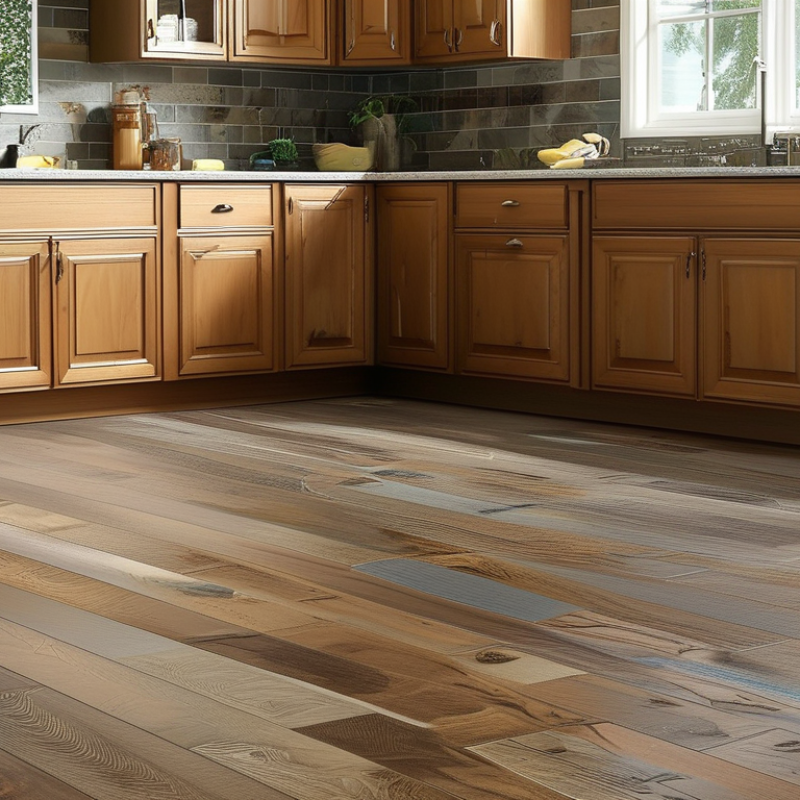
Top Waterproof Flooring Options: An Overview for Global Market Trends
Waterproof flooring is becoming increasingly essential for homeowners and businesses alike. It provides a practical solution for areas prone to moisture, such as kitchens and bathrooms. Buyers in the global market are seeking durable and stylish options that can withstand wear and tear. The versatility of waterproof materials is significant. They can mimic the appearance of wood, tile, or stone, giving buyers aesthetic choices without sacrificing functionality.
Trends indicate a strong demand for sustainable materials. More consumers are prioritizing eco-friendly options that do not compromise on quality. However, navigating the vast array of choices can be overwhelming. It is important to consider the specific needs of a space, including foot traffic and exposure to water. Each flooring type may have its advantages and drawbacks. For instance, some may be highly resistant to scratches but less so to UV damage. Educating oneself on these factors can lead to more informed decisions.
Understanding the maintenance requirements is also crucial. While many waterproof options are easy to clean, some may need specialized products. It's essential to weigh convenience against long-term care. By reflecting on these aspects, buyers can align their choices with both aesthetic desires and practical needs.
Understanding Waterproof Flooring Materials: Types and Properties
When exploring waterproof flooring options, it's essential to understand various materials and their unique properties. Common materials include luxury vinyl, tile, and laminate. Luxury vinyl offers a realistic look with a thick wear layer for added durability. It’s flexible and can handle moisture well, making it perfect for kitchens and bathrooms.
Tile is another robust choice. It comes in a variety of designs and textures, providing a stylish finish to any space. It’s also resilient against water damage, but installation can be labor-intensive. Laminate, while affordable, typically requires careful maintenance to prevent warping from exposure to water.
**Tips:** Prioritize flooring that has a high resistance rating for water. Look for products with warranties that cover water damage. Visualize how each material will complement your home’s style and your lifestyle needs. Consider testing samples before making a choice. Investing in quality materials can save future repair costs. Always keep in mind that even waterproof options require proper care to maximize their lifespan.
Top 10 Waterproof Flooring Options for Global Buyers
| Flooring Type |
Material Properties |
Durability |
Cost Range (per sqft) |
Installation Type |
| Vinyl Plank |
Flexible, easy to maintain |
High |
$2 - $5 |
Click-lock or glue-down |
| Laminate |
Multi-layer synthetic material |
Moderate |
$1 - $4 |
Click-lock |
| Tile (Ceramic/Porcelain) |
Hard, heavy, water-resistant |
Very High |
$3 - $10 |
Thin-set |
| Luxury Vinyl Tile (LVT) |
Stylish, versatile, durable |
High |
$3 - $6 |
Glue-down or click-lock |
| Engineered Hardwood |
Real wood veneer layer over plywood |
Moderate |
$4 - $12 |
Nail-down or glue-down |
| Bamboo |
Renewable, eco-friendly |
High |
$3 - $8 |
Nail-down or glue-down |
| Rubber |
Flexible, anti-slip |
Very High |
$5 - $12 |
Roll or tile |
| Cork |
Sustainable, sound reducing |
Moderate |
$3 - $7 |
Glue-down |
| Glass |
Elegant, modern look |
Moderate to High |
$10 - $25 |
Custom installation |
Comparative Analysis of Waterproof Flooring Durability and Cost-effectiveness
Waterproof flooring has gained popularity for its durability and functionality. When assessing various options, both longevity and cost-effectiveness emerge as critical factors. Vinyl planks are often hailed for their resilience. They resist scratches and moisture, making them suitable for high-traffic areas. However, installation costs can be higher compared to other materials.
Laminate flooring, on the other hand, provides a different balance. It offers a waterproof layer, but its durability might vary based on the quality. Many buyers appreciate its lower price. Yet, some regret choosing cheaper options that did not last long. It's crucial to weigh immediate savings against potential long-term expenses.
Ceramic tiles are another strong contender. They excel in water resistance and last for years. Nevertheless, installation can be labor-intensive, leading to higher upfront costs. Homeowners often face the dilemma of whether the investment in tiles will pay off in the long run. This variance in quality and durability raises questions when making a decision. It’s essential to evaluate different flooring options thoroughly before committing.
Consumer Preferences: Global Insights on Waterproof Flooring Selection
Waterproof flooring has gained significant traction among global consumers, driven by rising concerns about moisture damage. According to a report from Market Research Future, the waterproof flooring market is projected to grow at a compound annual growth rate (CAGR) of over 9% by 2027. This growth reflects consumers' increased demand for durable and maintenance-free options for homes and businesses.
Recent surveys reveal that 45% of homeowners prioritize water resistance when choosing flooring types. Neutral colors remain a favorite, appealing to over 60% of buyers for their versatility. Eco-friendly materials are also on the rise, with 33% of consumers indicating they'd pay more for sustainable options. This shift mirrors broader trends in consumer behavior, where environmental responsibility is increasingly critical.
Despite these preferences, many buyers struggle with a lack of knowledge regarding installation and maintenance requirements. In fact, 27% of consumers express frustration over the complexity of selecting the right waterproof flooring. They desire clear guidelines and better resources to make informed decisions. This gap highlights the need for more accessible information in the market, allowing consumers to confidently navigate their choices.
Innovations in Waterproof Flooring Technology: Future Industry Predictions
Waterproof flooring technology is evolving rapidly. Recent studies suggest that the waterproof flooring market is expected to reach USD 20 billion by 2027, driven by rising consumer demands for durability and aesthetic appeal. Innovations in materials, such as rigid core technology and enhanced surface treatments, play a pivotal role. These advancements improve resistance to moisture and scratches, making them more suitable for diverse environments.
One significant trend is the increase in eco-friendly waterproof options. Sustainable materials are gaining traction, responding to consumer preferences for environmentally friendly choices. However, this shift requires careful consideration of sourcing and manufacturing processes. Transparency in these areas can significantly enhance consumer trust.
Tips: Look for flooring with a warranty that covers waterproof features. Consider how the flooring will be used in your space, as some options suit specific environments better than others. Be aware that not all products labeled as waterproof offer the same level of protection, leading to potential issues later on.
Top 10 Waterproof Flooring Options
Conclusion
The article "Top 10 Waterproof Flooring Options for Global Buyers" provides a comprehensive overview of the current trends in the global waterproof flooring market. It delves into various types and properties of waterproof flooring materials, highlighting their suitability for diverse environments. A comparative analysis sheds light on the durability and cost-effectiveness of different options, aiding consumers in making informed choices.
Furthermore, the article examines consumer preferences worldwide, offering insights into how different markets prioritize features in their selection of waterproof floors. Innovations in flooring technology are also discussed, indicating potential future developments that may enhance performance and sustainability. This summary encapsulates the key aspects for anyone considering waterproof flooring solutions, ensuring they can navigate the options available effectively.

 Yida Wood