China’s WPC plank flooring industry has become an important part of modern resilient flooring supply. Manufacturers now serve residential, commercial, hospitality, and renovation projects worldwide. Their products often combine wood fiber, polymer resin, stabilizers, and decorative films.
Industry reports support this growing interest. Grand View Research identifies construction as a major application for wood-plastic composites. Its market analysis also indicates steady global growth through the decade. The Freedonia Group similarly highlights increasing demand for durable, low-maintenance composite building products. However, market boundaries differ between reports. Some include decking, wall panels, and automotive components. Others focus only on flooring. Comparisons require care.
This guide examines China’s leading WPC Plank Flooring manufacturers through practical purchasing criteria. These include production capacity, core formulation, surface wear resistance, dimensional stability, waterproof performance, and quality-control systems. Certifications matter too. ISO 9001, CE documentation, and relevant test reports can provide useful evidence. They do not replace independent verification.
Real-world details often reveal more than promotional claims. A reliable supplier should explain plank thickness, click-lock tolerances, abrasion ratings, and carton specifications. Factory photographs help, but audited records are stronger. Sample testing remains essential.
The ranking is not absolute. Pricing, export experience, and customization ability can change by project. Some manufacturers have excellent products but limited public information. That limitation deserves attention. Buyers should request current samples, technical datasheets, and recent inspection results before making a final decision.
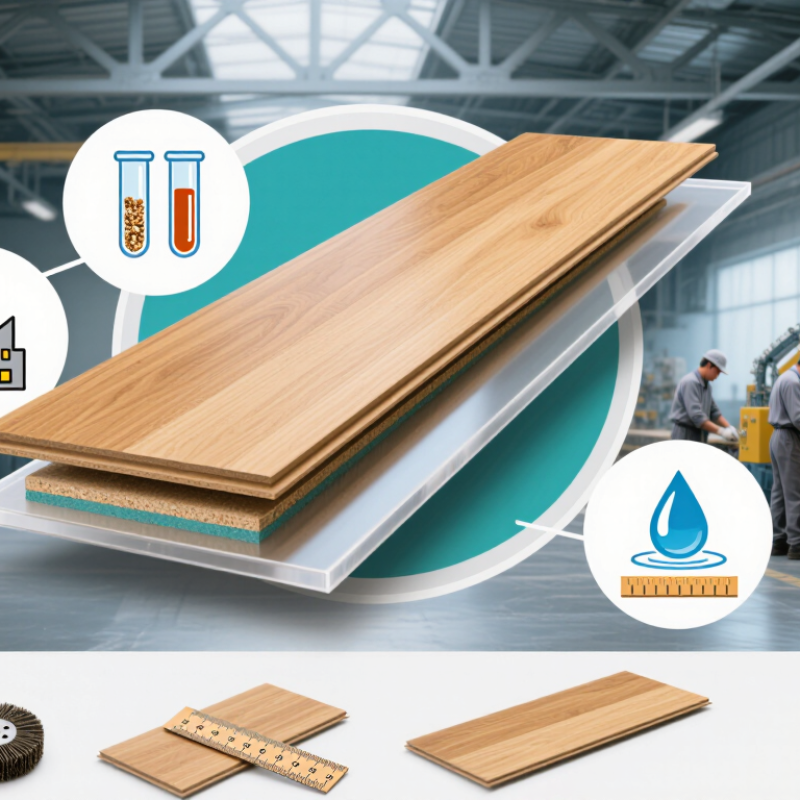
WPC plank flooring means wood plastic composite flooring with a resilient vinyl surface. Its rigid core usually combines wood flour, polymer, calcium carbonate, and processing additives. Manufacturers mix these ingredients under controlled heat. The compound is then pressed into boards, cooled, trimmed, and fitted with click-lock edges. A printed film creates wood grain. A transparent wear layer protects the image from scratches and stains. An attached underlayment may improve sound and comfort.
Grand View Research reported that the global luxury vinyl tile market reached about US$31.37 billion in 2023. It also forecast continued growth through 2030. WPC planks represent one rigid-core segment, not the entire LVT market. This distinction matters. Product claims often sound broader than the available data. In practical installations, WPC feels warmer and quieter than many stone-polymer cores. However, excessive heat, uneven subfloors, or poor expansion gaps can still cause movement. That weakness deserves more attention.
Tips: Check the technical datasheet before buying. Confirm the core thickness, wear-layer rating, dimensional tolerance, and moisture limits. ASTM flooring standards can help compare performance, but they do not replace installation instructions. Leave the required perimeter gap near walls and heavy cabinets. Measure room humidity before installation. A small mistake there can become a visible joint later. EPA indoor-air guidance also supports choosing products with verified emissions testing, rather than trusting vague “eco-friendly” wording.
When comparing China’s top 10 WPC plank flooring manufacturers, product samples should not be your only evidence. A reliable evaluation begins with factory experience and measurable production controls. Inspect the mixing process, core density, plank thickness, and locking profile. Use a caliper to check several boards from different cartons. Small differences can create visible gaps during installation.
Ask for recent test reports covering dimensional stability, wear resistance, slip performance, and indoor emissions. Confirm whether testing applies to the current product, not an older collection. Visit the factory if possible. Look for clean storage areas, labeled raw materials, and documented inspection points. A stable supplier should explain batch traceability, packaging protection, lead times, and complaint handling without vague promises.
Samples should face practical testing. Place planks in a warm, humid room, then inspect curling, edge lifting, and color changes. Check the click system after repeated assembly. It should connect firmly without excessive force. I once trusted a beautiful sample and ignored carton compression; several boards arrived with damaged corners. That mistake changed my checklist. Warranty terms also deserve close reading, especially exclusions for moisture, installation, and subfloor conditions. Strong manufacturers provide clear technical guidance, consistent communication, and evidence that their quality process works beyond a showroom display.
China’s Top 10 WPC Plank Flooring Manufacturers are often judged by more than catalog size. Reliable suppliers usually operate extrusion lines, aging rooms, and controlled inspection areas. Their plants should show consistent plank thickness, stable locking profiles, and clean surface embossing.
During factory evaluations, buyers should request production samples from different batches. A good plank feels firm under pressure and keeps its dimensions after heat exposure. Testing should cover wear resistance, water absorption, slip performance, and formaldehyde emissions. Certifications matter, but test dates matter more. Old certificates can create false confidence.
The strongest manufacturers offer several core densities, realistic wood textures, and matching trims. They can explain production tolerances without hiding behind technical language. Packaging also deserves attention. Strong corner protection prevents broken edges during long-distance shipping.
Some factories respond quickly but lack detailed quality records. Others have excellent equipment but slow communication. That weakness is easy to overlook. Rankings can change every year. A careful buyer should compare factory evidence, sample performance, and after-sales response before choosing a supplier.
Assessing China’s top ten WPC plank flooring manufacturers requires more than comparing catalogue photos. Product ranges commonly include click-lock planks, dry-back options, stone and timber visuals, embossed surfaces, and attached acoustic underlays. Professional suppliers can adjust thickness, wear layers, bevels, dimensions, and packaging for different projects. Samples should be checked under daylight, not only showroom lighting. Small details matter.
Production capability reveals whether a factory can support stable volume. Look for automated extrusion lines, calibrated milling, multi-colour printing, and controlled lamination. A capable manufacturer should explain daily output, minimum order quantities, lead times, and batch traceability. Export-ready packing should protect corners during long-distance shipping. Factory visits can also reveal storage conditions, cleanliness, and material handling. Photographs are useful, but limited.
Certifications help verify quality rather than replace it. Relevant evidence may include ISO 9001 for quality management, ISO 14001 for environmental systems, and independent reports for abrasion, slip resistance, formaldehyde emissions, and fire performance. Requirements vary by market, so certificates must match the actual product and current production site. Ask for test dates, laboratory details, and model numbers. A polished brochure can still hide inconsistent colour batches. No factory is perfect. The strongest suppliers acknowledge production risks, document corrective actions, and improve after customer feedback.
| Rank | Manufacturer Profile | Main WPC Product Range | Typical Plank Specifications | Indicative Annual Capacity | OEM/ODM Capabilities | Commonly Documented Certifications and Tests |
|---|---|---|---|---|---|---|
| 1 | Large-scale integrated WPC flooring producer | SPC/WPC hybrid planks, click-lock flooring, commercial flooring, matching skirting | 4–8 mm overall thickness; 0.3–0.7 mm wear layer; embossed or wood-grain surface | More than 3 million m² per year | Custom dimensions, colors, embossing, packaging, private labels, and click profiles | ISO 9001; CE-related product documentation; SGS or Intertek testing; formaldehyde and heavy-metal testing |
| 2 | Export-oriented rigid-flooring manufacturer | Water-resistant WPC planks, stone-look flooring, residential and retail collections | 4–6.5 mm thickness; 0.3–0.5 mm wear layer; standard click-lock formats | 2–3 million m² per year | Color matching, sample development, carton design, palletization, and container loading | ISO 9001; CE documentation where applicable; SGS/Intertek abrasion, dimensional-stability, and slip-resistance reports |
| 3 | Decorative-surface WPC flooring specialist | Wood-effect planks, registered embossing, synchronised texture, acoustic underlay options | 5–8 mm thickness; 0.5–0.7 mm wear layer; bevelled-edge options | 1.5–2.5 million m² per year | Custom decorative films, embossing patterns, bevels, underlays, and collection development | ISO 9001; product safety and emissions testing; abrasion, stain, fire, and slip-performance reports |
| 4 | High-volume private-label flooring factory | WPC click planks, apartment flooring, hotel flooring, project-grade collections | 4–7 mm thickness; 0.3–0.55 mm wear layer; multiple plank widths | 1.5–2 million m² per year | OEM packaging, multilingual labels, project specifications, and mixed-design container orders | ISO 9001; CE-related technical files; SGS/third-party testing for formaldehyde, wear, and dimensional stability |
| 5 | Waterproof residential-flooring manufacturer | Water-resistant WPC planks, kitchen and bathroom flooring, residential renovation products | 4–6 mm thickness; 0.3–0.5 mm wear layer; underlay-integrated options | 1–1.8 million m² per year | Private-label colors, edge profiles, underlay combinations, and retail-ready packaging | ISO 9001; water-resistance, slip-resistance, stain-resistance, and chemical-resistance test reports |
| 6 | Cost-efficient WPC and SPC flooring producer | Entry-level WPC flooring, rigid-core planks, wood and stone decorative series | 3.5–6 mm thickness; 0.2–0.5 mm wear layer; standard and micro-bevel edges | 800,000–1.5 million m² per year | Basic color matching, carton printing, specification adjustments, and mixed-SKU orders | ISO 9001 or equivalent quality systems; third-party tests for abrasion, emissions, and dimensional change |
| 7 | Commercial-project WPC flooring supplier | Retail, office, hospitality, and light-commercial WPC plank collections | 5–8 mm thickness; 0.5–0.7 mm wear layer; higher-abrasion commercial options | 800,000–1.3 million m² per year | Project-specific wear layers, fire-performance documentation, custom colors, and installation accessories | ISO 9001; fire, slip, abrasion, stain, and dimensional-stability reports; project compliance documentation |
| 8 | Design-led flooring manufacturer | Premium oak-look planks, chevron designs, wide planks, and textured surfaces | 5–8 mm thickness; 0.3–0.7 mm wear layer; wide and chevron formats | 600,000–1.2 million m² per year | Custom design libraries, decorative-film development, bevels, textures, and retail sample boards | ISO 9001; emissions and chemical-resistance testing; abrasion and surface-performance reports |
| 9 | Integrated extrusion-and-finishing plant | Extruded WPC core planks, click systems, embossed finishes, and accessory profiles | 4–7 mm thickness; 0.3–0.55 mm wear layer; multiple locking-system options | 500,000–1 million m² per year | Core formulation adjustment, profile tooling, private-label packaging, and technical sampling | ISO 9001; dimensional, density, water-resistance, and formaldehyde-emission test reports |
| 10 | Flexible-batch WPC flooring manufacturer | Small and medium project orders, decorative WPC planks, renovation flooring, and accessories | 4–6 mm thickness; 0.3–0.5 mm wear layer; standard plank and tile formats | 300,000–800,000 m² per year | Low minimum order quantities, sample customization, carton artwork, and mixed-design production | Quality-management documentation; SGS or equivalent third-party tests for wear, emissions, slip, and dimensional stability |
| Note: Capacity figures are indicative market-screening ranges rather than audited company disclosures. Certification availability depends on the specific factory, product construction, target market, and shipment batch; buyers should request current certificates and test reports before placing an order. | ||||||
China’s WPC plank flooring sector offers many capable manufacturers, but supplier selection needs more than a “top 10” list. Grand View Research estimates the global wood-plastic composites market will grow at about 7% annually through 2030. This expansion attracts new factories, trading companies, and inexperienced exporters. Verify the actual production site before discussing prices.
Request recent test reports for dimensional stability, slip resistance, wear resistance, and formaldehyde emissions. Compare the test method, laboratory date, and product batch. ISO 10582 is commonly used for resilient floor covering performance, while ASTM and EN standards may apply in different markets. A reliable Chinese supplier should explain these differences clearly. Silence is a warning sign.
Inspect the extrusion line, surface coating area, and packaging process through a live video call or independent audit. Ask for plank thickness, locking tolerance, core density, and installation temperature ranges. The 2024 report from Grand View Research identifies construction growth as a major demand driver, but residential projects still punish inconsistent quality. One warped carton can damage an entire room.
Check production capacity against your forecast. A factory promising 100,000 square meters monthly may lack evidence during peak season. Request invoices, batch records, and references from comparable projects, without relying only on edited photographs. I would also order samples from separate production runs. Samples can be perfect. Bulk goods may not be. A written specification, approved sample, inspection plan, and realistic warranty create stronger protection than attractive catalog language.
WPC flooring combines wood flour, polymer, calcium carbonate, and processing additives. A resilient vinyl surface covers the rigid core. A printed film creates timber or stone patterns. A clear wear layer helps resist scratches and stains.
Manufacturers blend the ingredients under controlled heat. The compound is pressed into boards, cooled, trimmed, and fitted with click-lock edges. Some planks include attached underlayment for sound reduction and comfort.
Review the core thickness, wear-layer rating, dimensional tolerance, and moisture limits. Check the technical datasheet. Confirm installation temperature ranges and required expansion gaps. Small errors matter.
WPC handles many residential applications, but conditions still matter. Excessive heat, uneven subfloors, or narrow expansion gaps can cause movement. Avoid guessing. Measure room humidity before installation.
Compare product samples, test reports, production capacity, lead times, and minimum order quantities. Inspect samples under daylight. Showroom lighting can hide colour differences and surface defects.
Look for extrusion lines, calibrated milling, multi-colour printing, and controlled lamination. Ask how the factory tracks batches. Packaging should protect plank corners during long-distance shipping. Pictures help, but only partly.
Relevant evidence may include ISO 9001, ISO 14001, and independent performance reports. Check abrasion, slip resistance, formaldehyde emissions, fire performance, and dimensional stability. Verify test dates, laboratories, product models, and production sites. A certificate alone proves little.
Request a live factory video call, independent audit, batch records, and comparable project references. Compare promised monthly output with peak-season evidence. Order samples from separate production runs. Samples can be perfect. Bulk goods may not be.
Use a written specification, approved sample, inspection plan, packaging requirement, and realistic warranty. Include plank thickness, locking tolerance, core density, and colour limits. Attractive catalogue language is not enough. I would still recheck everything.
Wpc Plank Flooring is a modern composite flooring solution made by combining wood fibers or wood flour with polymer materials, stabilizers, colorants, and performance additives. The material is formed through mixing, extrusion, surface treatment, and precision cutting, creating planks that offer water resistance, dimensional stability, easy maintenance, and a natural wood-like appearance. This article explains the main factors used to evaluate Chinese manufacturers, including raw material quality, production technology, product consistency, design options, quality control, export experience, and after-sales support.
It also presents ten leading categories of Chinese WPC flooring manufacturers based on their production capabilities, product ranges, certifications, customization services, and ability to meet different project requirements. Buyers can compare indoor and outdoor applications, plank sizes, surface finishes, wear resistance, environmental standards, and delivery capacity. The final section provides practical guidance for selecting a suitable supplier by checking samples, factory qualifications, testing reports, communication efficiency, pricing transparency, and long-term service reliability.

Yida Wood