As homeowners seek practical and durable solutions for fencing, WPC fences are gaining attention. According to the "Wood Plastic Composites Market Report 2023," the WPC market is projected to reach $7.5 billion by 2026. This growth highlights the increasing preference for WPC materials due to their resilience and low maintenance needs.
A key aspect of selecting a WPC fence involves understanding specific requirements. Different projects necessitate different features. Consider factors like water resistance, UV stability, and longevity. Reports indicate that WPC fences can last up to 25 years, a significant advantage over traditional wood. However, choosing the wrong type can lead to dissatisfaction.
While WPC fences offer durability, they come with considerations. Not all WPC products are created equal. Some may have lower quality materials, affecting performance over time. Consumers are urged to research brands and seek expert opinions. Balancing cost and quality is crucial for a successful investment in a WPC fence.
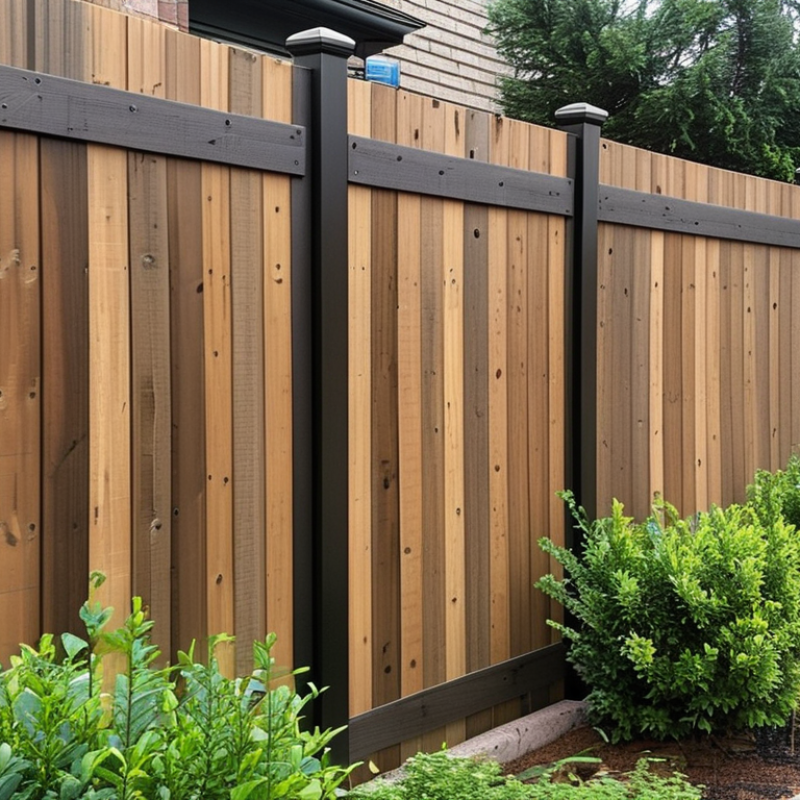
Understanding WPC Fencing: What is it and Why Choose It?
WPC, or Wood-Plastic Composite, is an innovative material for fencing. It combines the best of wood and plastic. This blend provides durability and resistance to weather and pests. WPC fencing does not warp or splinter like traditional wood. It maintains its appearance over time, requiring less maintenance.
Choosing WPC fencing can be beneficial for homeowners. It is available in various colors and styles. This flexibility allows for customization to fit your outdoor design. Unlike wood, WPC does not need staining or sealing every year. However, it's essential to select high-quality options to avoid lower durability. Some products may fade or warp, leading to dissatisfaction.
Consider the environment when choosing WPC fencing. While some options are eco-friendly, others may not use sustainable materials. Researching manufacturers helps ensure responsible choices. Consult with experts or local contractors for insights. They can guide you in selecting the right fencing that meets your specific needs and preferences.
Understanding WPC Fencing: Popular Features and Benefits
Key Factors to Consider When Selecting a WPC Fence
When selecting a WPC fence, several key factors demand your attention. One critical aspect is durability. WPC, or wood-plastic composite, offers resistance to rot and insects. This makes it a suitable choice for outdoor environments and varying weather conditions. However, not all materials are equal. Researching specific material compositions ensures you get the best options available.
Aesthetics also play a vital role in your decision. The available color and texture options can significantly influence the overall look of your property. Ensure that the selected fence complements your home’s architecture. Some products may look great in pictures but may not translate well in real life. Visiting local installations can provide a better impression.
Lastly, consider the installation process. Some WPC fences require professional installation, increasing your overall costs. Others are designed for easy setup, making them a viable DIY project. Reflect on your skill level and available time.
Balancing aesthetics, durability, and ease of installation will lead you to a fence that satisfies both your functional and visual needs.
Comparing WPC Fences: Durability, Aesthetics, and Price
When selecting a WPC fence, several factors come into play: durability, aesthetics, and price. WPC, or wood-plastic composite, combines the best of both worlds. It is known for its strength and longevity. According to industry reports, WPC fences can last over 25 years with minimal maintenance. This durability makes them a popular choice for homeowners looking for a long-term investment.
Aesthetically, WPC fences offer a wide range of styles and colors. They mimic the natural look of wood while avoiding many issues like splintering or warping. Reports indicate that around 75% of consumers prefer WPC for its visual appeal. However, matching the fence with your home’s design can be challenging. Pick a color and style that complements your landscape.
Tips for choosing the right WPC fence: consider your local climate. Areas with high humidity may cause some WPC materials to swell. Also, weigh your budget. Prices for WPC fencing can vary significantly. Expect an average cost of $20 to $30 per linear foot. Reflect on your needs before making a decision, as each fence material has unique advantages and drawbacks.
Installation and Maintenance Tips for WPC Fencing
When considering WPC (Wood-Plastic Composite) fencing, installation and maintenance are key.
Proper installation ensures longevity and performance. According to industry reports, an average WPC fence can last 25 to 30 years, outperforming traditional wood in durability.
Ensuring a solid foundation is vital; it prevents warping and reduces wear. Secure the panels tightly, avoiding gaps, to minimize exposure to moisture and pests.
Maintenance, while generally low, requires attention.
Cleaning the surface regularly enhances appearance and prevents mold growth. Use gentler cleaning solutions to avoid damaging the WPC material.
Research indicates that approximately 15% of homeowners overlook routine upkeep, leading to premature deterioration.
A simple wash with soap and water twice a year can significantly prolong the fence's life.
During installation, sunny days are preferable. Extreme temperatures may affect the material's expansion.
Avoid installation during heavy rains, which can complicate the foundation work. Remember, each site and climate poses unique challenges.
Taking these factors into account leads to better outcomes and fewer regrets later on.
Environmental Impact and Sustainability of WPC Materials
When considering WPC (Wood-Plastic Composite) fences, it’s essential to address their environmental impact. WPC materials often utilize recycled plastic, reducing the demand for virgin materials. This creates less waste in landfills. However, not all WPC products are created equal. Some may contain harmful additives, which can negate sustainability benefits.
Selecting the right WPC fence can significantly impact your property’s ecosystem. Look for products made from sustainably sourced wood fibers and high-quality recycled plastics. Certifications can guide your choice, ensuring the material meets environmental standards. This isn’t always easy, as misleading labels may exist.
Tips: Investigate the manufacturing process of WPC materials. Assess their carbon footprint and longevity. Choose a product with minimal environmental impact. Evaluate your local recycling capabilities as well. Consider if the fence will require maintenance or replacement. An informed decision can enhance both your outdoor space and sustainability efforts.
2026 How to Choose the Best Wpc Fence for Your Needs? - Environmental Impact and Sustainability of WPC Materials
| Feature |
WPC Material |
Environmental Impact |
Sustainability Rating |
| Durability |
High |
Low emissions during production |
A+ |
| Maintenance |
Low |
Recyclable materials |
A |
| Cost |
Moderate |
Less deforestation compared to wood |
B+ |
| Aesthetic Options |
Variety of colors and textures |
Lower impact on biodiversity |
A |
| Weather Resistance |
Excellent |
Reduced carbon footprint |
A+ |
FAQS
: Look for resistance to rot and insects. Research material compositions for the best options.
Review available colors and textures. Visit local installations for a better impression.
Some require professional help, while others are DIY-friendly. Reflect on your skill level before deciding.
WPC fences typically last over 25 years with minimal maintenance.
Prices range from $20 to $30 per linear foot. Weigh your budget before choosing.
Yes, high humidity may cause some materials to swell. Consider your local climate when selecting.
Some products may look great in pictures but not in reality. Be cautious about your selections.
Pick colors and designs that complement your landscaping. It can be challenging but is important.
Minimal maintenance is needed, but it's vital to check for issues over time.
Yes, due to durability and low maintenance costs, it offers good value over time.
Conclusion
When considering a WPC fence for your property, it's essential to understand what WPC (Wood-Plastic Composite) fencing is and its benefits, such as enhanced durability and resistance to weathering. Factors to consider include the material's longevity, aesthetic appeal, and cost-effectiveness. Comparing different WPC fences involves assessing these attributes to find the ideal match for your needs.
Installation and maintenance of WPC fencing can be straightforward, with proper guidelines ensuring longevity. Additionally, it's important to evaluate the environmental impact and sustainability of WPC materials, as they provide a more eco-friendly fencing solution compared to traditional wood. By considering these aspects, you can choose a WPC fence that meets your specific requirements while contributing positively to the environment.

 Yida Wood