Choosing the right WPC wall panels can significantly impact your project’s outcome. According to a report by Grand View Research, the global WPC market is projected to reach $10.2 billion by 2027, highlighting its growing popularity. This growth reflects the increasing demand for sustainable building materials that offer durability and aesthetic appeal.
Expert David Johnson, a well-known figure in the WPC industry, emphasizes the importance of quality: "Choosing the right WPC wall panels can transform a mundane space into something remarkable." When embarking on your selection journey, consider factors such as material composition, texture, and warranty. Many options exist, but not all offer equal performance or appeal.
Reflecting on the balance between cost and quality is crucial. Some panels appear attractive but may not withstand environmental factors. Thorough research can reveal hidden advantages. The right choice can enhance both the beauty and longevity of your project, making WPC wall panels a versatile solution for various applications.
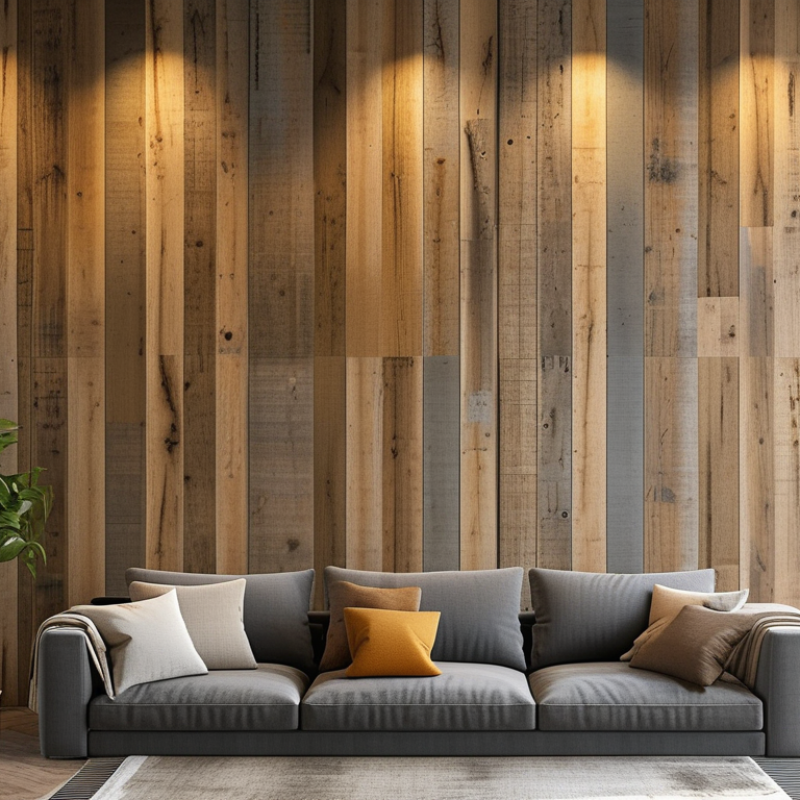
Understanding WPC Wall Panels: Material Composition and Benefits
WPC wall panels, or Wood-Plastic Composite panels, are a modern choice for many construction projects. They combine wood fibers and plastic material, offering durability and aesthetic appeal. This blend results in a product that is resistant to moisture and pests. It is ideal for both indoor and outdoor use, making it versatile for various applications.
The benefits of WPC wall panels are notable. They require less maintenance compared to traditional wood, reducing long-term costs. Installation is often straightforward, saving time on project timelines. However, it is essential to consider the quality of the panels. Not all WPC materials are created equal. Some may warp or fade more quickly than others. Researching suppliers and manufacturers can help ensure you choose a product that will stand the test of time.
While WPC wall panels offer many advantages, they are not without drawbacks. In extreme temperatures, the expansion can be an issue. It’s important to account for this during installation. Additionally, aesthetic preferences vary, and finding a style that suits your project might take time. Balancing these factors is key to making the best choice for your needs.
How to Choose the Best WPC Wall Panels for Your Project?
| Material Composition |
Benefits |
Ideal Application |
Durability |
Cost Range ($/sq ft) |
| Wood Plastic Composite |
Water-resistant, UV resistant, Low maintenance |
Interior and exterior walls, commercial and residential projects |
10-25 years depending on climate |
2.50 - 5.00 |
| High-density polyethylene |
Recyclable, Resistant to mold and mildew |
Outdoor applications, fences, and wall cladding |
15-30 years |
3.00 - 6.00 |
| Bamboo Fiber Composite |
Sustainable, Natural appearance, Easy installation |
Eco-friendly buildings, Interiors |
10-20 years |
4.00 - 7.00 |
Assessing Project Requirements: Size, Location, and Aesthetic Goals
Assessing the project requirements is crucial when selecting WPC wall panels.
Size is a primary consideration. You need to measure your wall dimensions accurately. Panels must fit your space perfectly. Oversized panels can create gaps, while undersized ones may leave unsightly edges. Always double-check your measurements.
Location plays a vital role in your choice. For exterior projects, consider weather resistance. Some panels perform better in humid or rainy areas. For interior projects, aesthetics is essential. Wall panels can enhance a room’s appeal. Consider the color, texture, and finish. Choose something that complements your existing decor.
Aesthetic goals guide your decisions as well. Think about the overall design theme. Contemporary styles may require sleek finishes, while rustic designs benefit from textured surfaces. Don't overlook the harmony between panels and other materials in the area. Experimentation might reveal options you hadn’t considered. Be open to adjusting your vision for the best outcome.
Evaluating WPC Panel Types: Surface Finish, Thickness, and Color Options
When selecting WPC wall panels, surface finish, thickness, and color options are crucial. The surface finish can dramatically impact the aesthetic and durability of the panels. You might prefer a matte finish for a modern look, while a gloss finish can offer a more vibrant appearance. Each finish presents its pros and cons, affecting both maintenance and appearance over time.
Thickness is another key factor to consider. Thicker panels generally provide better insulation and durability. However, they might also be heavier and more challenging to install. Balancing weight and performance is important for any project. Additionally, consider the color options available. Light colors can open up a space, while darker shades bring warmth. Your choice should reflect the overall design of the area.
Your choice should reflect the overall design of the area.
While it’s tempting to focus on visual aspects, remember that practical considerations matter too. Conducting proper research is essential. The right WPC wall panels enhance aesthetic appeal but may require regular maintenance. Evaluate the long-term implications of your choices. Reflect on how each factor aligns with your project’s goals, ensuring a well-rounded decision.
Considering Environmental Factors: Durability and Weather Resistance
When selecting WPC wall panels, weather resistance is crucial. These panels must endure various environmental factors. UV exposure can cause fading, while moisture can lead to mold growth. High-quality WPC panels have additives that enhance their resilience. They repel water and resist extreme temperatures.
Durability is another essential consideration. Many products claim to be durable but may not withstand harsh conditions. Researching the manufacturing process and material quality is vital. Look for panels tested under different weather scenarios. Consider how they perform in your local climate. Regular maintenance can prolong their life, but some products require less upkeep than others.
While aesthetic appeal is important, it shouldn't overshadow practical considerations. A beautiful panel that warps easily isn't a reliable choice. Engage with professionals to get insights based on experiences, and don’t hesitate to seek testimonials. Sometimes, the best choice isn’t the most popular one. Reflect on your specific needs and environment before making a final decision.
Budgeting for Your Project: Cost Analysis and Long-Term Value
When budgeting for WPC wall panels, understanding the cost dynamics is crucial. Recent industry reports indicate that WPC panels can range from $3 to $7 per square foot, depending on quality and features. It’s advisable to account for not just the upfront costs but also potential long-term value. For instance, WPC panels generally offer greater durability compared to traditional materials. This durability can lead to reduced maintenance costs over time.
Consider the lifecycle cost of your project. Studies show that choosing WPC can minimize replacement frequency by up to 25%. This is significant for budget-conscious projects. Although the initial investment might be higher than older alternatives, it tends to pay off. Engaging in a thorough cost analysis not only helps in understanding immediate expenses but also emphasizes future savings. Gathering data and analyzing potential returns on investment is vital.
You're not just buying materials; you’re investing in longevity. However, be mindful of sourcing. Selecting low-quality panels may lead to costly repairs later. Research indicates that homeowners often overlook this, leading to financial strain. Striking the right balance between cost and quality is essential. Prioritize products with proven performance records.
FAQS
: WPC wall panels combine wood fibers and plastic. This mixture offers durability and aesthetic appeal.
WPC panels require less maintenance and resist moisture. They are suitable for indoor and outdoor applications.
No, not all WPC panels are equal. Some may warp or fade faster than others, affecting their longevity.
Research suppliers and manufacturers. Look for customer reviews and detailed product specifications for guidance.
Panels can expand in extreme temperatures. Plan for this during installation to avoid future issues.
Yes, surface finish affects both aesthetic appeal and durability. Matte and gloss finishes have different maintenance needs.
Thicker panels offer better insulation but may be heavier. Balancing weight with performance is crucial during installation.
Color choices influence the overall design. Light colors brighten spaces, while darker shades add warmth.
Proper research helps align choices with project goals. Consider long-term maintenance and aesthetics for the best results.
Finding a style that fits your project can take time. Aesthetic preferences vary, so be prepared to explore options.
Conclusion
When selecting WPC wall panels for your project, it's essential to thoroughly understand their material composition and the various benefits they offer, such as durability and resistance to moisture. Begin by assessing your project requirements, including the size, location, and specific aesthetic goals you aim to achieve. This foundational knowledge will guide you in evaluating the different types of WPC panels available, paying attention to surface finishes, thickness, and color options that align with your vision.
Additionally, consider environmental factors that influence the longevity of WPC wall panels, such as durability and weather resistance, which are vital for outdoor applications. Finally, budgeting for your project involves a careful cost analysis, ensuring that you achieve long-term value without compromising on quality. By evaluating these aspects, you can make an informed choice that meets both your functional and aesthetic needs.

 Yida Wood