Choosing the right WPC waterproof solutions is crucial for any construction project. John Smith, a leading expert in the WPC waterproof industry, states, "Selecting the best material is key to longevity and performance." His insights underline the importance of informed choices when it comes to WPC waterproof options.
WPC stands for Wood Plastic Composite, known for its durability and resistance to moisture. When evaluating your needs, consider the specific environment where the material will be used. An informed decision can save time and resources in the long run. Many overlook the subtleties of quality versus cost.
The variety of products available today can be overwhelming. It's essential to assess factors like material composition, maintenance requirements, and aesthetic appeal. Not every solution will fit every project. Reflecting on these details can lead to better outcomes, ensuring that your choice meets both functional and visual demands.
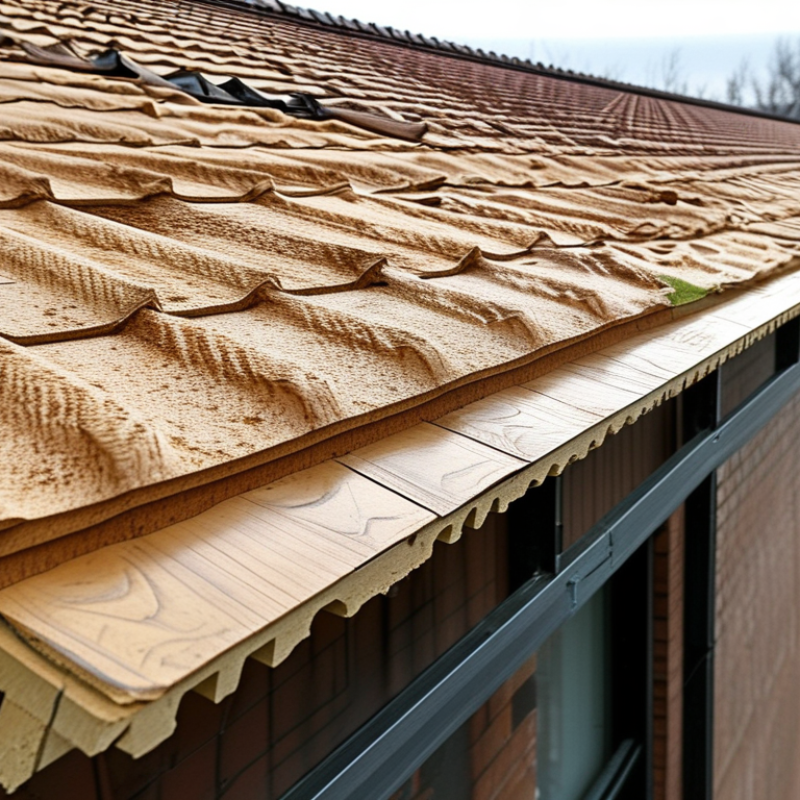
Understanding WPC (Wood Plastic Composite) Materials
WPC, or Wood Plastic Composite, combines wood fibers with plastic materials. This blend offers durability and resistance to moisture. Many homeowners appreciate these qualities for outdoor applications. The texture often mimics traditional wood, providing aesthetic appeal. However, not all WPC products are created equal, and differences can greatly impact performance.
When selecting WPC materials, consider the specific properties that address your needs. Check for water resistance ratings. Some composites may claim waterproofing but may not hold up under extreme conditions. Also, examine the manufacturing process. A reputable manufacturer will ensure quality and longevity. Researching the ingredients used can reveal more about the product’s reliability.
While WPC might be the ideal solution for some, others may find limitations. The surface can scratch more easily than solid wood. Over time, fading may occur, especially in direct sunlight. It’s essential to balance the advantages with potential drawbacks. Reflect on your environment and usage. This reflection will guide you toward making a well-informed choice.
Key Waterproof Features to Look for in WPC Solutions
When selecting WPC waterproof solutions, several key features stand out. One crucial factor is water resistance. Data indicates that high-quality WPC products can resist moisture penetration and swelling. The best solutions can maintain their integrity even in humid environments, making them suitable for outdoor applications.
Another important consideration is durability. Research shows that WPC materials have a lifespan exceeding 25 years when properly maintained. They are engineered to withstand heavy foot traffic and harsh weather conditions. Look for WPC options with a high density and low water absorption rate, as these attributes contribute to long-term performance.
Additionally, check for UV stability. A significant percentage of WPC users reported fading within the first year due to sunlight exposure. Reliable solutions incorporate UV inhibitors, which prolong color retention. This is essential for maintaining aesthetic appeal. Assessing these features ensures your WPC choice meets both functional and visual expectations.
Evaluating the Durability and Maintenance of WPC Products
When evaluating the durability of WPC (Wood Plastic Composite) products, consider both their composition and application. WPC combines wood fibers and plastic to create a material that resists moisture, warping, and fading. This makes it appealing for outdoor use. However, not all products are made equally; some may have a lower proportion of wood, compromising their strength.
Maintaining WPC products is manageable but requires attention. Regular cleaning with mild detergent helps prevent mold and discoloration. Some users find that excessive exposure to harsh chemicals can degrade the material over time. It’s worth reflecting on your local climate conditions, as extreme temperatures can affect performance. Understanding the environment where WPC will be used is crucial for long-term satisfaction.
Lastly, warranties can provide insight into a product’s durability. A manufacturer’s confidence can often reflect the quality of their materials. Look for warranties that cover fade protection and structural integrity. However, don’t solely rely on these guarantees. Real-world usage and personal experiences play significant roles in determining how well WPC will meet your needs.
How to Choose the Best WPC Waterproof Solutions for Your Needs? - Evaluating the Durability and Maintenance of WPC Products
| Product Type |
Durability (years) |
Water Resistance |
Maintenance Level |
Cost per Sq Ft (USD) |
| WPC Decking |
25 |
High |
Low |
$6.00 |
| WPC Fencing |
20 |
Very High |
Medium |
$9.00 |
| WPC Siding |
30 |
High |
Low |
$7.50 |
| WPC Flooring |
15 |
Moderate |
High |
$5.50 |
| WPC Railings |
20 |
High |
Medium |
$8.00 |
Comparing Different Brands and Manufacturers of WPC Solutions
Choosing the right WPC (Wood Plastic Composite) waterproof solution requires careful consideration of various brands and manufacturers. Several industry reports highlight a notable disparity in the quality and performance of these products. For instance, a recent study indicated that up to 30% of WPC solutions fell short of expected durability standards. This raises questions about the reliability of certain brands. It's essential to evaluate the raw materials and manufacturing processes involved in creating these solutions, as these factors heavily influence overall performance.
Another report from an environmental organization revealed that some manufacturers use subpar plastic resins, which can lead to lower resistance against moisture. This could compromise functionality in outdoor settings. Testing the warranty offers can also provide insight; brands that stand behind their products typically have greater confidence in their durability. However, it's not enough to rely solely on brand reputation. User reviews and independent testing results often shed light on real-world application and satisfaction levels.
While choosing WPC solutions, look for specific performance metrics, like slip resistance and UV stability. Not all products will meet the stringent standards required for outdoor environments. Gathering data on multiple options allows for a more informed decision. The market’s diversity means that consumers need to remain vigilant, as some may oversell their advantages while not delivering in actual usage.
Comparison of WPC Waterproof Solutions
Assessing Cost vs. Value in Your WPC Waterproof Selection
When choosing WPC waterproof solutions, balancing cost and value is crucial. Many options present themselves, but not all are equal. Cheaper products may seem appealing, yet they can compromise durability and effectiveness. Consider the long-term effects of moisture damage, which can lead to costly repairs. Investing in higher-quality WPC solutions often pays off in the long run.
It's essential to explore various options. Understand the materials used in the WPC. Some may contain recycled wood or plastic, which affects longevity. While eco-friendly products are great, they may fluctuate in price. Ask yourself: is the higher cost justified? Look at warranties and guarantees. These can indicate manufacturer confidence in their solutions.
Reflecting on personal experience can also guide your choice. How have previous materials held up? Were there unexpected costs? It’s okay if you aren't sure. You may learn about the importance of customer reviews and expert advice. Utilize these insights to gauge the real value of products, not just their price tags. A smart purchase should provide peace of mind and withstand the test of time.
Conclusion
When selecting WPC waterproof solutions, it's essential to understand the materials involved, primarily Wood Plastic Composite (WPC), which combines wood fibers and plastic for improved durability and water resistance. Key features to consider include the level of waterproofing, as different products may offer varying degrees of protection against moisture and leaks.
Evaluating the durability and maintenance requirements of these products is crucial to ensure they withstand wear over time while minimizing upkeep. Comparing various brands and manufacturers can provide insights into performance and reliability, helping you make an informed decision. Finally, assessing the cost versus value is vital to ensure that the selected WPC waterproof solution meets your budget while satisfying your specific needs for quality and longevity.

 Yida Wood