WPC Panel Outdoor is becoming a popular choice for many construction projects. Its unique blend of durability and aesthetics makes it stand out. WPC, or wood-plastic composite, combines the best of both materials. This innovative solution offers resistance to weather and pests, making it perfect for outdoor use.
Many people are unaware of the long-term benefits of using WPC Panel Outdoor. Unlike traditional wood, these panels require less maintenance. This can save you time and money in the long run. Additionally, they come in various designs and finishes. This allows for personalization to match your project’s style.
Choosing WPC Panel Outdoor does come with its challenges. It’s essential to source your panels from a reputable supplier. Not all panels are created equal; quality can vary significantly. Therefore, research and careful selection are crucial. Ultimately, understanding these factors will help you make an informed decision.
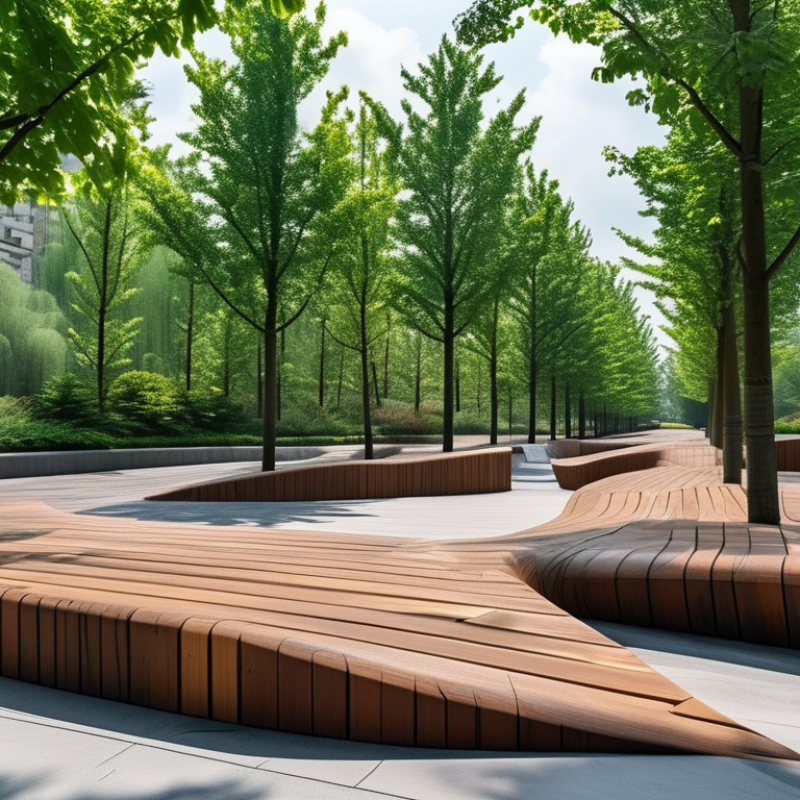
WPC (wood-plastic composite) panels are a smart choice for outdoor projects. They combine the durability of plastic with the aesthetic appeal of wood. This material is resistant to weather, insects, and decay. In fact, recent industry reports indicate that WPC panels can last two to three times longer than traditional wood. This longevity makes them a cost-effective solution in the long run.
Additionally, WPC panels require significantly less maintenance. Unlike wood, they do not need regular sealing or painting. Data shows that maintenance costs for WPC can be reduced by up to 50%. This is especially beneficial for outdoor structures like decks and fences that are exposed to harsh elements. While some may worry about WPC panels fading over time, many modern options include UV protection, enhancing their color retention.
However, challenges exist with WPC panels. They can be pricier upfront compared to standard materials. Some builders report difficulty in cutting and joining the boards. It's crucial to review installation practices to avoid potential issues. With proper technique, many find the benefits outweigh these concerns, ultimately leading to a satisfying and resilient project outcome.
WPC panels are known for their exceptional durability and weather resistance. Made from a blend of wood fibers and plastic, they deliver strength without compromising aesthetics. These panels resist cracking and warping, which are common issues with traditional materials. In outdoor applications, they stand strong against rain, snow, and UV rays. This means less maintenance and longer-lasting beauty.
When considering your next project, think about the diverse climates they can withstand. WPC panels perform well in both hot and cold environments. This versatility makes them suitable for outdoor decking, fences, or wall coverings. However, it’s essential to remember that while they are durable, not all WPC panels are created equal. Some may require proper installation for optimal performance.
In terms of reliability, WPC panels offer peace of mind. They eliminate the worries associated with decay or pest damage, which can plague wood structures. Yet, some users may encounter fading over time. Regular cleaning and maintenance can mitigate this, ensuring your investment remains functional and appealing. Embracing these materials invites a modern touch to your outdoor spaces, combining practicality with style.
WPC panels offer remarkable design versatility, making them an excellent choice for outdoor projects. These panels come in various colors, textures, and finishes, allowing designers to create unique aesthetics. Whether you prefer a modern look or a classic style, WPC panels can cater to your vision. Their ability to mimic natural materials adds a warm touch to outdoor spaces. Imagine a cozy patio adorned with rich, wood-like textures that are easy to maintain.
Customization is a significant advantage of WPC panels. They can be cut and shaped to fit any design requirement. This adaptability allows for creative applications, from elegant fences to eye-catching garden features. However, achieving the perfect look can take time. It may require multiple iterations to find the right combination of color and texture that suits your overall design. Experimenting with different styles is essential to achieving the desired effect.
While WPC panels are visually appealing, potential challenges exist. Maintaining the panels' aesthetic quality requires regular cleaning and care. Sun exposure can fade colors over time, so considering color retention is vital during the selection process. Balancing beauty and practicality is key. Thoughtful planning will ensure the project reflects your vision while standing the test of time.
WPC (Wood-Plastic Composite) materials offer a sustainable solution for outdoor projects. These panels combine recycled wood fibers with plastic, reducing the reliance on virgin materials. The use of WPC helps divert waste from landfills and minimizes deforestation. However, the production process still raises questions about energy consumption and emissions.
Using WPC panels contributes to a greener environment. They are resistant to moisture, insects, and decay, which prolongs their lifespan. This durability means less frequent replacements. Yet, it is essential to consider the sources of the plastic used in these composites. Not all plastics are equally sustainable, and the recycling rates of certain plastics can vary widely.
Another aspect to ponder is the end-of-life options for WPC materials. While some components are recyclable, others may not be easily disposed of. Awareness about local recycling programs is crucial. This understanding encourages responsible consumer behavior and promotes eco-friendly decisions within the building industry. Ultimately, while WPC panels have many benefits, ongoing evaluation of their environmental impact is necessary.
WPC panels present a compelling cost-effective option for outdoor projects compared to traditional materials. Research from industry experts suggests that WPC panels can reduce costs by up to 20% compared to wood or PVC. This savings comes from their durability and low maintenance requirements. While the initial investment may seem high, the long-term costs are significantly less.
Consider the lifespan of WPC panels. Reports show they can last over 25 years when installed correctly. In comparison, traditional wood might need replacement or significant upkeep every 10 to 15 years. This advantage highlights a crucial aspect of cost-effectiveness. It encourages project managers to evaluate not just immediate expenses but also the total cost over time.
Using WPC can also lead to resource savings. Manufacturing processes for traditional materials often result in waste. Reports indicate that using WPC can eliminate up to 60% of wood waste, promoting sustainability. As the industry shifts towards greener practices, this factor enhances the overall value proposition for using WPC. Balancing initial costs with longevity and environmental impact presents a worthwhile consideration for your next outdoor project.
| Material Type | Initial Cost ($/sq ft) | Lifespan (Years) | Maintenance Cost ($/Year) | Eco-Friendliness |
|---|---|---|---|---|
| WPC Panel | 3.50 | 25 | 50 | Yes |
| Wood | 5.00 | 15 | 100 | No |
| Vinyl | 4.00 | 20 | 70 | No |
| Aluminum | 6.00 | 30 | 30 | Yes |
| Steel | 7.00 | 40 | 50 | No |
: WPC panels are wood-plastic composite panels that combine wood's look with plastic's durability.
WPC panels can last two to three times longer than traditional wood, making them cost-effective over time.
WPC panels need less maintenance than wood. No regular sealing or painting is necessary, reducing maintenance costs significantly.
Yes, WPC panels come in various colors, textures, and finishes, allowing for many design possibilities.
Yes, sun exposure can fade colors. However, modern options often include UV protection for better color retention.
Challenges include higher upfront costs and potential difficulties with cutting and joining the panels.
Experimenting with colors and textures is essential. Iterating your design can help achieve the desired aesthetic.
Yes, regular cleaning is necessary to maintain their aesthetic quality and prolong their lifespan.
Many find the long-term benefits and reduced maintenance costs justify the initial investment, though it requires careful planning.
Yes, WPC panels can be cut and shaped to fit various design needs, allowing for creative and unique applications.
WPC Panel Outdoor is an excellent choice for various outdoor projects due to its numerous benefits. These panels are known for their durability and weather resistance, making them ideal for environments with fluctuating weather conditions. Their impressive aesthetic options allow for versatile designs, enabling homeowners and builders to create visually appealing spaces without compromising on functionality.
Moreover, WPC materials are environmentally friendly, as they often incorporate recycled components, reducing the overall environmental impact. When comparing costs, WPC Panel Outdoor proves to be a cost-effective alternative to traditional materials, offering long-term savings on maintenance and replacement. Overall, WPC Panel Outdoor combines practicality, sustainability, and design flexibility, making it a smart choice for your next project.

Yida Wood