In recent years, WPC Hollow Decking has gained immense popularity within the construction industry. This material is eco-friendly, durable, and cost-effective. According to a report by the Global Decking Market, the demand for WPC products has surged by 25% annually, reflecting its growing acceptance among builders and homeowners alike. Experts predict that this trend will continue as more people prioritize sustainable options.
Mark Thomas, a leading expert in the decking industry, emphasizes, “WPC Hollow Decking not only enhances the aesthetic appeal but also withstands various environmental conditions.” His insights highlight the material’s versatility. WPC Hollow Decking offers a unique balance of strength and lightweight design, making it easier to install. Many projects are turning to this innovative solution for outdoor spaces.
However, the rise of WPC Hollow Decking is not without its challenges. Many builders still question its long-term durability compared to traditional materials. Addressing such concerns is crucial for widespread adoption. Yet, this innovative material presents an opportunity for projects aiming for sustainability and modern aesthetics. As the industry evolves, WPC Hollow Decking stands poised to play a significant role in the future of outdoor design.
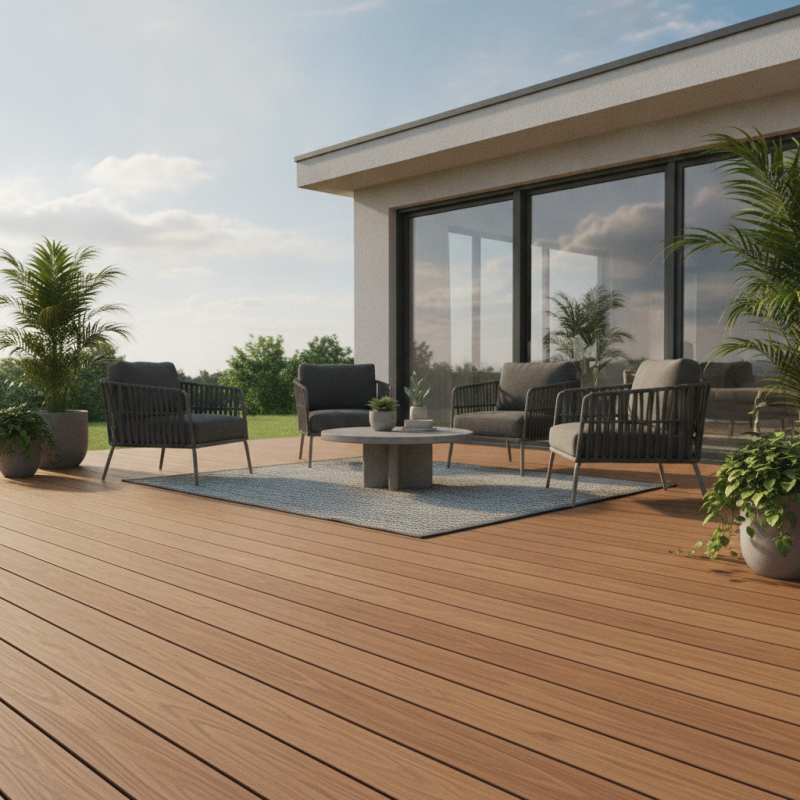
Benefits of WPC Hollow Decking Compared to Traditional Materials
WPC (Wood Plastic Composite) hollow decking is increasingly popular in modern construction. It offers numerous benefits over traditional materials like wood and concrete. For one, WPC hollow decking is lightweight yet durable. It resists splintering and rotting, making it safer and more appealing for outdoor use. The material is also designed to withstand the elements, including rain and UV exposure.
In addition to its durability, WPC hollow decking is low-maintenance. Unlike wood, it doesn't require regular sealing or staining. A simple rinse with water keeps it clean and visually appealing. This advantage saves both time and maintenance costs. Moreover, the eco-friendly aspect of WPC is noteworthy. It uses recycled materials, reducing waste and environmental impact.
However, there are considerations to keep in mind. Some users worry about the rigidity of WPC hollow decking compared to solid wood. It may not provide the same traditional feel underfoot, which some prefer. Additionally, while installation is straightforward, proper knowledge is vital. Improper installation may lead to issues down the road.
Durability and Resistance: Why WPC Hollow Decking Lasts Longer
WPC hollow decking is increasingly popular due to its remarkable durability and resistance. Studies show that these composite materials can last up to 25 years with proper care. Unlike traditional wood, WPC does not warp, crack, or splinter easily. This means fewer replacements and less maintenance over time, translating to cost savings.
One significant advantage of WPC hollow decking is its ability to withstand harsh weather conditions. According to industry reports, materials like wood can deteriorate after just a few years of exposure. In contrast, WPC resists moisture, UV rays, and extreme temperatures. These features make it suitable for various climates. However, some users report issues with fading over time, indicating the need for protective coatings.
Consumer preferences highlight the importance of sustainability. Many WPC products are made from recycled materials, reducing environmental impact. Yet, some consumers remain skeptical about its recyclability after use. The durability of WPC hollow decking is clear, but continuous education on its lifecycle remains essential for wider acceptance.
Why Choose WPC Hollow Decking for Your Next Project?
| Dimension |
WPC Hollow Decking |
Traditional Wood Decking |
| Durability (Years) |
25+ |
10-15 |
| Rot Resistance |
Excellent |
Poor |
| Maintenance |
Low |
High |
| Resistance to Splitting |
High |
Low |
| Environmental Impact |
Recycled Materials |
Deforestation Concerns |
Sustainability and Eco-Friendliness of WPC Hollow Decking Products
WPC hollow decking is an innovative solution for eco-conscious builders. Made from recycled wood and plastic, it reduces environmental impact. The materials used in this decking type not only negate the need for new timber but also minimize waste. Choosing WPC hollow decking means supporting sustainability, as it utilizes resources that would otherwise go to landfills.
One key aspect is its durability. Unlike traditional wood, WPC hollow decking withstands harsh weather conditions without warping or rotting. This longevity means fewer replacements and less waste over time. However, it’s vital to ensure proper installation and maintenance to truly realize these benefits. Some installations may require care to prevent issues like moisture retention.
Additionally, WPC decking can provide energy savings. Its UV-resistant properties reduce heat absorption, leading to cooler outdoor spaces. This aspect may lower energy costs for cooling systems in homes surrounded by decking. Still, the initial cost can deter some builders, leading to a reflection on budget versus long-term savings. The right choice hinges on balancing upfront investment with environmental benefits.
Cost Efficiency: Understanding the Value of WPC Hollow Decking
WPC hollow decking is becoming a popular choice for many outdoor projects. One reason is its cost efficiency. When compared to traditional wood decking, WPC offers a longer lifespan without the constant maintenance. This can lead to substantial savings over time.
The initial investment might seem higher for WPC hollow decking. However, its durability often offsets those costs. Unlike wood, it doesn’t warp or splinter easily. You save money on repairs and replacement as the years go by. Additionally, its installation can be quicker, reducing labor costs.
It's essential to consider the environmental impact as well. WPC decking is often made from recycled materials, aligning with sustainable practices. While it may not be the ultimate eco-solution, it presents a more responsible option than virgin wood. Yet, this area can still inspire discussion. Are there better eco-friendly materials available? More exploration into that could lead to even greater cost savings and environmental benefits in future applications.
Design Versatility and Aesthetic Appeal of WPC Hollow Decking
WPC hollow decking presents a unique solution for those seeking design versatility. Its ability to mimic the look of traditional wood while remaining lightweight is appealing. This means your outdoor areas can be both stylish and functional. Additionally, it comes in various colors and textures. You can easily create a customized look that aligns with your vision.
The aesthetic appeal of WPC hollow decking is hard to ignore. It transforms dull spaces into inviting retreats. You can mix and match styles for a personalized touch. Using this material allows for creative deck layouts that enhance any outdoor space. However, achieving a cohesive design may require extra planning. Make sure to consider elements like landscaping and furniture.
It's essential to reflect on your design choices when using WPC hollow decking. While it offers many options, too many contrasting elements can feel overwhelming. Balance is key. Aim for harmony in your design to ensure that the end result is both attractive and comfortable. This can take time and thought, but it is worth the effort for a stunning outdoor area.
FAQS
: WPC hollow decking is a lightweight, durable material made from wood and plastic composites, ideal for outdoor use.
It is more resistant to splintering and rotting, making it safer for outdoor projects.
Yes, it requires little upkeep. A simple water rinse keeps it looking good without sealing or staining.
Absolutely. It is designed to resist rain and UV exposure without warping or rotting.
It uses recycled materials, reduces waste, and supports sustainability by lessening the need for new timber.
Some users find it lacks the traditional feel of solid wood. Installation must also be done carefully to avoid issues.
Yes, its UV resistance reduces heat absorption, potentially lowering cooling costs in nearby homes.
It can be higher initially, but long-term savings on repairs and maintenance often make it worthwhile.
Installation can be quicker than traditional wood, which may help save on labor costs.
Yes, it's worth exploring options. There may be alternative materials that offer better environmental benefits and savings.
Conclusion
WPC Hollow Decking offers numerous advantages over traditional materials, making it a compelling choice for various projects. One of its key benefits is its exceptional durability and resistance, which allows it to withstand harsh weather conditions and resist wear over time. Additionally, WPC Hollow Decking is constructed with sustainability in mind, using eco-friendly materials that help reduce environmental impact while still providing a high-quality product.
Cost efficiency is another significant factor, as WPC Hollow Decking provides long-lasting value with lower maintenance requirements compared to conventional decking materials. Furthermore, its design versatility and aesthetic appeal allow homeowners and builders to achieve a wide range of looks and styles, enhancing the overall visual appeal of their outdoor spaces. Overall, choosing WPC Hollow Decking is a smart investment that balances performance, sustainability, and style.

 Yida Wood