Choosing the right flooring for outdoor spaces is crucial. Outdoor floors not only enhance the aesthetic appeal but also influence the functionality of an area. According to a 2022 industry report by Grand View Research, the global outdoor flooring market is expected to reach $12.3 billion by 2027. This statistic highlights the growing demand for durable and stylish outdoor floor solutions.
Outdoor floors come in various materials, including wood, stone, and composite options. Each material offers unique benefits and challenges. For instance, while wood provides a natural look, it may require regular maintenance. On the other hand, composite materials are known for their resilience but may lack the rustic charm of natural options. Understanding these differences is essential for making an informed decision.
Moreover, investing in outdoor flooring can lead to increased property value. A report from the National Association of Realtors indicates that well-designed outdoor spaces can boost home value by up to 20%. However, homeowners should reflect on their specific needs and climate considerations before selecting an outdoor floor solution. These factors will ultimately influence both the aesthetic and practical aspects of outdoor environments.
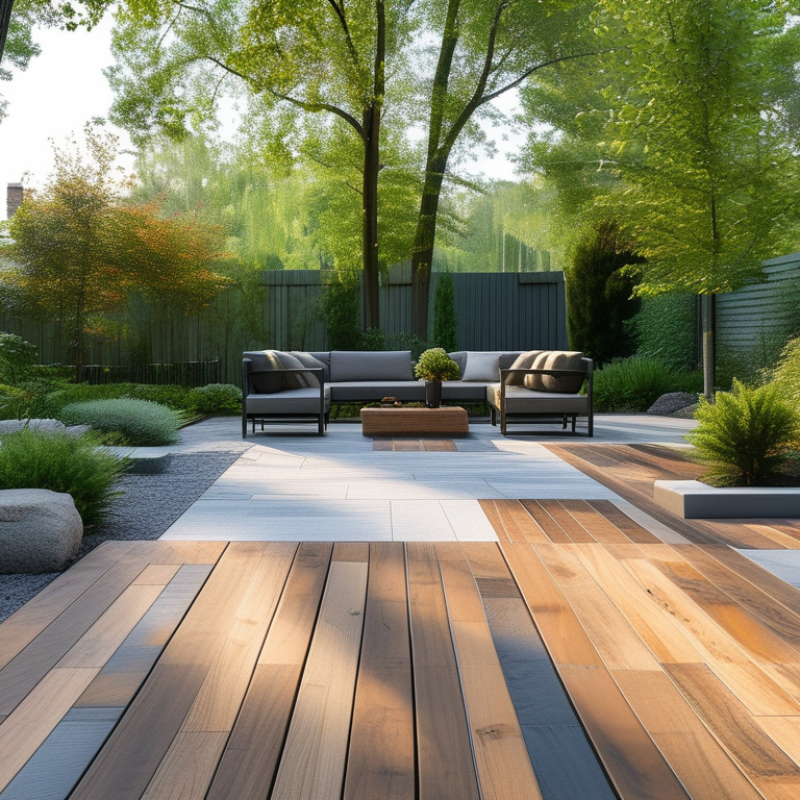
Benefits of Outdoor Flooring Solutions for Residential Spaces
When considering outdoor flooring for residential spaces, durability is key. According to a report by IBISWorld, the outdoor flooring market has seen growth due to homeowners seeking sustainable options. High-quality outdoor materials, like composite decking, can last over 25 years with minimal maintenance. This longevity makes them a wise investment for homeowners.
Choosing the right flooring type also enhances safety. A study from the National Association of Home Builders highlighted that textured surfaces significantly reduce slip risks. This feature is especially important in wet areas, ensuring families can enjoy their outdoor spaces without worry.
Beyond function, aesthetic appeal cannot be overlooked. Peer-reviewed research indicates that well-designed outdoor spaces can increase property values by up to 15%. Different color options and textures can transform a simple patio into a vibrant gathering area. Investing in outdoor flooring solutions does not just enhance usability; it creates inviting environments for relaxation and entertainment.
Durability and Maintenance: Key Factors in Outdoor Flooring Selection
When selecting outdoor flooring, durability and maintenance must be top considerations. Homeowners often overlook the long-term costs associated with flooring choices. Research from the National Association of Home Builders highlights that choosing lower-maintenance materials can save up to 30% in maintenance costs over a decade. This means investing in quality outdoor flooring now can lead to significant savings in the future.
Consider the materials you choose. Stone and composite options typically require less upkeep than traditional wood. For example, a 2021 report by the International Floor Covering Association notes that composite decking can last 25% longer with minimal maintenance compared to wood. Keep in mind, though, that extreme weather can affect durability. Areas with high moisture or intense sunlight can deteriorate certain materials faster.
Tips: Regular cleaning can extend the life of your outdoor flooring. Use a gentle soap and water solution to remove debris. Always check for wear and tear. You might need to replace sections, rather than the entire area. This approach saves money and ensures your space stays beautiful and functional.
Why Choose Outdoor Floor Solutions for Your Space?
| Flooring Type |
Durability (Years) |
Maintenance Level |
Cost per Sq Ft |
Water Resistance |
| Composite Decking |
25 |
Low |
$5 - $10 |
Yes |
| Natural Stone |
50 |
Moderate |
$10 - $20 |
Depends on sealing |
| Porcelain Tiles |
40 |
Low |
$4 - $15 |
Yes |
| Concrete |
30 |
Moderate |
$3 - $10 |
Yes |
| Wood |
20 |
High |
$5 - $15 |
Depends on treatment |
Comparative Costs: Outdoor Flooring vs. Traditional Materials
When choosing outdoor flooring, cost considerations play a significant role. Outdoor flooring options often vary widely in price compared to traditional materials like concrete or wood. While you might find concrete to be cheaper on the surface, its installation can add hidden costs. Maintenance of traditional surfaces usually escalates over time, while outdoor flooring tends to require less upkeep, saving money in the long run.
With outdoor flooring solutions, such as composite materials or pavers, you often get better durability. These options withstand weather changes and do not warp like wood or crack like concrete. However, initial costs might seem higher. Homeowners should assess how long they plan to stay in their space. If they’re seeking a temporary solution, traditional materials might be cheaper initially.
Not every outdoor flooring choice is perfect for every situation. Some materials may fade over time or retain heat, making them uncomfortable during summer. Weighing the long-term savings against upfront expenses is critical. Each option has its pros and cons, necessitating a careful evaluation to meet individual needs and expectations.
Sustainability: Eco-Friendly Options for Outdoor Floor Solutions
When selecting outdoor floor solutions, sustainability becomes a crucial consideration. Eco-friendly materials reduce environmental impact while providing durable options. Research shows that sustainable flooring can cut carbon footprints by up to 30%. Many homeowners are now leaning toward materials like reclaimed wood, bamboo, and recycled composites.
Bamboo is an appealing choice. It grows rapidly and absorbs more carbon dioxide than conventional trees. Reports indicate that it can regenerate in just three to five years. However, not all bamboo products are created equal. It is essential to verify the source and ensure it adheres to sustainable harvesting practices. Some products may claim to be eco-friendly but lack transparency in their supply chain.
Recycled composite decking, made from plastics and wood fibers, also presents a sustainable option. This material generally lasts longer than traditional wood, reducing waste. A study found that using composite can decrease the environmental impact by up to 60% compared to conventional materials. Moreover, some consider the aesthetic of these composites less desirable. Balancing appearance with eco-responsibility often requires careful consideration. Exploring these eco-friendly options allows for stylish, sustainable outdoor spaces.
Design Versatility: Enhancing Aesthetic Appeal with Outdoor Flooring
Outdoor flooring solutions offer remarkable design versatility, enhancing the aesthetic appeal of various spaces. According to a report from the International Tile and Stone Association, more than 70% of homeowners prioritize outdoor aesthetics in home renovations. Choosing the right outdoor flooring can transform patios, decks, and gardens into inviting environments. Materials like wood composite, porcelain tiles, and natural stone provide distinct looks and textures, catering to diverse design preferences.
When selecting outdoor flooring, consider the climate and intended use. For instance, slip-resistant options are crucial in wet areas. The National Safety Council states that 80% of outdoor accidents occur due to slip hazards. Installing textured tiles can significantly reduce these risks while improving visual interest. Look for options that blend durability with style to create a safe yet appealing space.
Tips: Incorporate greenery around flooring to soften hard surfaces. Use vibrant colors or seasonal plants to enhance the design further. Mixing materials can create a unique look, but ensure they complement each other. Balancing texture and color will add depth and character to your outdoor environment.
FAQS
: Durability affects long-term costs and performance. Quality materials save money on maintenance over time.
Stone and composite options usually need less upkeep than traditional wood. They last longer with minimal effort.
Extreme weather can deteriorate certain materials quickly. Moisture and sunlight may affect durability significantly.
Regular cleaning with gentle soap and water can extend its life. Check for wear to replace sections as needed.
Initial costs may be higher, but less maintenance could lead to long-term savings. Evaluate your staying plans.
Yes, some may lose color or retain heat, which can be uncomfortable. Evaluate material performance before choosing.
Conclusion
Outdoor floor solutions offer numerous benefits for residential spaces, making them an increasingly popular choice among homeowners. These flooring options are designed to endure varying weather conditions, ensuring durability over time while requiring minimal maintenance. Additionally, when compared to traditional materials, outdoor floor solutions can often provide a more cost-effective investment in the long run.
Sustainability is another critical factor, as many outdoor flooring options are eco-friendly, contributing to a greener environment. Moreover, the design versatility of outdoor floors can significantly enhance the aesthetic appeal of any outdoor area, allowing homeowners to create beautiful, functional spaces that reflect their style while enjoying nature. Overall, selecting the right outdoor floor can transform residential areas into inviting extensions of the home.

 Yida Wood