China’s Wpc Fluted Wall Panels industry has moved beyond simple decorative cladding. Manufacturers now combine wood fiber, polymer resin, precision extrusion, and textured embossing. The results can resemble natural timber while offering easier cleaning and steadier dimensions. Still, appearance alone cannot prove quality.
Dr. Mohini Sain, a respected biocomposites researcher, has stated, “A bio-based material must perform before it can be sustainable.” This principle fits Wpc Fluted Wall Panels closely. Reliable suppliers should explain their fiber content, resin formulation, surface coating, and testing procedures. They should also provide practical data on moisture resistance, color stability, impact strength, and installation tolerances. Factory photographs help, but independent testing deserves greater attention.
This guide examines China’s top ten WPC fluted wall panel manufacturers through a practical, evidence-based lens. It considers production capacity, export experience, design flexibility, quality control, certifications, and after-sales support. Details matter. A panel may look impressive under showroom lighting, yet reveal uneven grooves after installation. A low price may also hide thinner boards, weaker locking systems, or inconsistent batches. These points are easy to overlook.
The ranking is not absolute. Buyer priorities differ by project, climate, budget, and building use. Some manufacturers excel at hotel interiors. Others suit commercial walls, residential renovations, or large export orders. Readers should verify current certificates, samples, warranties, and technical claims before purchasing. The market changes quickly, and even experienced buyers can misjudge a supplier. That uncertainty deserves honest consideration.
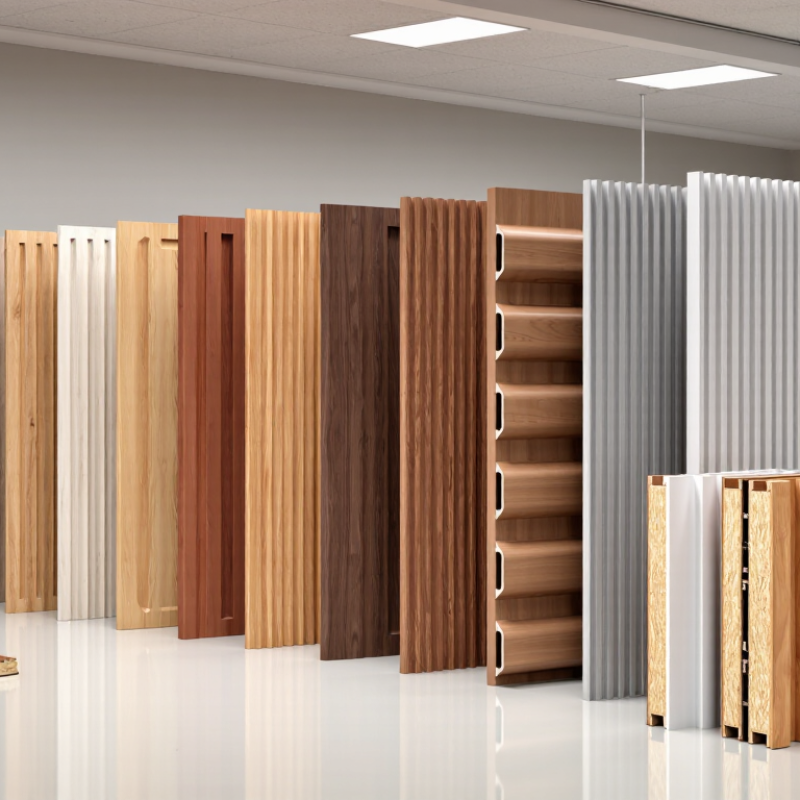
WPC fluted wall panels combine wood fiber, polymer resin, and stabilizing additives. A grooved surface creates regular shadows and a warmer architectural appearance than plain plastic panels. They are usually produced by extrusion, then cut, brushed, or laminated for indoor and outdoor use.
The market is expanding, although estimates differ by report scope. Grand View Research projects a 7.2% compound annual growth rate for the global WPC market from 2024 to 2030. Fortune Business Insights valued the market at about USD 7.12 billion in 2023 and expects continued growth through 2032. These figures suggest stronger demand for low-maintenance decorative materials. They do not guarantee equal performance in every climate.
WPC fluted panels resist moisture, insects, and surface cracking better than untreated wood. They also require less repainting. A living room wall can gain depth through narrow vertical grooves, while hotel corridors benefit from quick cleaning and impact resistance. Outdoor applications need UV protection, ventilation, and expansion gaps. Heat can make long panels move noticeably. Installation details matter.
The weak point is often overlooked. WPC is not completely maintenance-free. Dust settles inside the flutes, and dark finishes may absorb substantial heat. Field experience shows that poor substructure alignment can create visible waves. Buyers should verify fire performance, formaldehyde emissions, slip-free handling, and recyclability through current test documents. Performance claims need evidence.
Ranking Chinese WPC fluted wall panel manufacturers requires more than comparing catalog prices. In practice, I examine core density, flute accuracy, surface adhesion, and panel flatness after conditioning. A useful supplier provides samples from regular production, not a specially prepared display piece. Small details matter. I measure profile width with calipers and check whether edges chip during cutting. Manufacturers with documented process controls deserve more weight than factories relying on visual claims.
Technical credibility also depends on material transparency. Suppliers should disclose resin type, wood-fiber content, additives, and recycled content where applicable. Independent laboratory reports should cover moisture resistance, dimensional stability, fire behavior, and restricted substances. Test methods and report dates must be clear. Evidence matters. One report cannot represent every color, thickness, or production batch. A serious manufacturer links batch numbers to production records and retains samples for investigation.
Reliability is visible in delivery discipline, packaging, technical support, and corrective action. I compare lead-time records, carton protection, replacement procedures, and responses to installation questions. A factory visit can reveal more than polished photographs. Clean mixing areas, calibrated equipment, and workers checking grooves under consistent lighting are meaningful signs. Financial capacity and export documentation also reduce supply risk. Yet no ranking is perfect. Seasonal material changes and rushed orders can expose weaknesses.
China’s top 10 WPC fluted wall panel manufacturers are best assessed through production evidence, not attractive catalog images. Reliable suppliers usually operate extrusion lines, controlled mixing systems, and stable surface-finishing processes. Buyers should review factory capacity, production records, and material test reports before comparing prices.
Small details matter. Panel thickness, groove depth, backing structure, and color consistency directly affect installation quality.
From practical sourcing experience, strong manufacturers normally explain their wood-plastic ratio, resin type, moisture resistance, and thermal expansion data clearly. They should provide samples with measured dimensions, rather than selecting only attractive showroom pieces.
Factory audits can reveal dust control, storage conditions, and packing methods. These factors influence whether panels arrive clean, straight, and undamaged.
Independent testing for formaldehyde emissions, fire performance, and weather resistance also improves purchasing confidence.
However, no ranking is perfect. A large manufacturer may offer impressive capacity but slower communication or less flexible customization. A smaller factory may respond quickly, yet lack consistent batch control.
This is where many “top 10” lists become too simple. Buyers should compare warranty terms, replacement procedures, lead times, and installation guidance together.
Mock-up testing remains useful, especially for projects exposed to humidity, sunlight, or frequent cleaning. Even experienced purchasers can overlook color variation between production batches.
China’s leading WPC fluted wall panel manufacturers differ in product range, production scale, and quality control. Most offer interior panels, exterior cladding, ceiling systems, corner trims, and matching accessories. Some produce narrow acoustic slats, while others focus on wide decorative boards for commercial projects. Surface options commonly include wood grain, matte colors, brushed textures, and co-extruded protective layers.
Manufacturing capacity deserves close inspection. A factory with multiple extrusion lines can support large orders and stable delivery schedules. However, installed equipment does not always equal real output. Buyers should review monthly production records, line utilization, drying systems, and warehouse practices. Details matter. A reliable supplier checks panel thickness, density, color consistency, groove depth, and moisture resistance during each batch. Sample testing should include dimensional stability and surface adhesion, not only visual appearance.
Quality comparisons often reveal small but costly differences. Better panels usually have cleaner edges, sharper flutes, and fewer color changes between batches. Packaging also matters because damaged corners can increase installation waste. I have found that factory samples sometimes look excellent, while bulk production appears slightly different. This is a weakness worth acknowledging. Independent inspections, retained samples, batch records, and clear technical specifications improve purchasing confidence. Buyers should also compare warranty terms, tooling experience, export documentation, and response speed before selecting a manufacturer.
China Top 10 WPC Fluted Wall Panel Manufacturers
How to Choose a Reliable Chinese WPC Fluted Wall Panel Manufacturer
Choosing a Chinese WPC fluted wall panel manufacturer requires more than comparing online prices. Review the factory’s production history, export experience, and quality control process. Ask for recent factory videos, not only polished catalog images. A reliable supplier should explain wood-plastic ratios, panel density, surface coating, and moisture resistance clearly. Vague answers deserve caution.
Request physical samples from different production batches. Check flute spacing, edge accuracy, color consistency, and surface hardness under normal lighting. Test how easily the panel scratches. Place samples in a humid area for several days. Warping may appear later. Ask for test reports covering fire performance, formaldehyde emissions, and weather resistance. Confirm that reports match the actual product and relevant project standards.
Inspect the packaging before placing a large order. Strong corner protection and moisture barriers can prevent expensive damage during shipping. Confirm minimum order quantities, lead times, replacement policies, and inspection rights in writing. Factory audits or third-party inspections add useful evidence. Customer references can reveal delayed replies or inconsistent batches. My early mistake was trusting attractive samples too quickly. Samples represent possibilities, not always routine production. A dependable manufacturer welcomes detailed questions and accepts reasonable verification. That's a good sign.
This illustrative procurement framework assigns a 100-point evaluation weight to the main factors buyers should verify when selecting a Chinese WPC fluted wall panel manufacturer. Product quality, material compliance, production capability, export experience, and quality control should be assessed together rather than relying on price alone.
They combine wood fiber, polymer resin, and stabilizing additives. Regular grooves create depth, shadows, and a warmer appearance. Panels are commonly made by extrusion. They may be cut, brushed, or laminated.
They suit living rooms, hotel corridors, offices, and selected outdoor walls. Vertical grooves can make a plain wall feel taller. Corridors benefit from easier cleaning and impact resistance. Outdoor use needs careful detailing.
No. Dust can collect inside the grooves. Dark surfaces may absorb strong heat. Occasional cleaning remains necessary. That detail is easy to overlook.
They generally resist moisture, insects, and surface cracking better than untreated wood. Outdoor panels still need UV protection and ventilation. Expansion gaps allow movement during temperature changes. Long panels may shift noticeably in hot weather.
Check panel density, flute spacing, edge accuracy, surface adhesion, and flatness. Use calipers when possible. Cut an edge and watch for chipping. A clean sample does not prove routine production quality.
Request current reports for moisture resistance and dimensional stability. Also review fire performance, emissions, weather resistance, and restricted substances. Check report dates and test methods. One report may not cover every color or batch.
Request samples from several normal production batches. Compare color consistency, surface hardness, scratching, and groove alignment. Ask about resin type, wood-fiber content, additives, and recycled content. Clear technical answers are important.
Confirm minimum quantities, lead times, packaging, replacement policies, and inspection rights in writing. Inspect corner protection and moisture barriers. Factory audits can reveal practical weaknesses. I once trusted attractive samples too quickly. That was not enough.
This article provides a practical overview of Wpc Fluted Wall Panels, including their structure, decorative appeal, durability, moisture resistance, and common applications in residential, commercial, hospitality, and interior renovation projects. It explains how these panels combine wood-like aesthetics with polymer-based performance, making them suitable for feature walls, ceilings, partitions, and other decorative surfaces.
The article also introduces key criteria for evaluating Chinese manufacturers, such as product range, raw material selection, production capacity, quality control, customization services, certifications, delivery capability, and after-sales support. A comparative review of leading manufacturers highlights differences in panel designs, surface finishes, technical specifications, and manufacturing resources. Finally, readers will find practical guidance for choosing a reliable supplier, verifying product consistency, requesting samples, assessing communication, and confirming that the manufacturer can meet project requirements while maintaining stable quality and responsible business practices.

Yida Wood