When enhancing your outdoor space, choosing the right fencing can make a huge difference. A WPC fence combines beauty and durability. It’s an excellent material that offers the natural look of wood while resisting the elements. Many homeowners are discovering its benefits.
With various styles and colors, a WPC fence can suit any landscape. Whether you seek privacy or decoration, there’s a design for you. Imagine a sleek modern look or a traditional wooden appearance. The choice is yours.
However, it’s important to think carefully. Each design has its pros and cons. Make sure your choice fits your needs and complements your space. A well-planned selection can enhance your garden’s appeal and provide the privacy you desire.
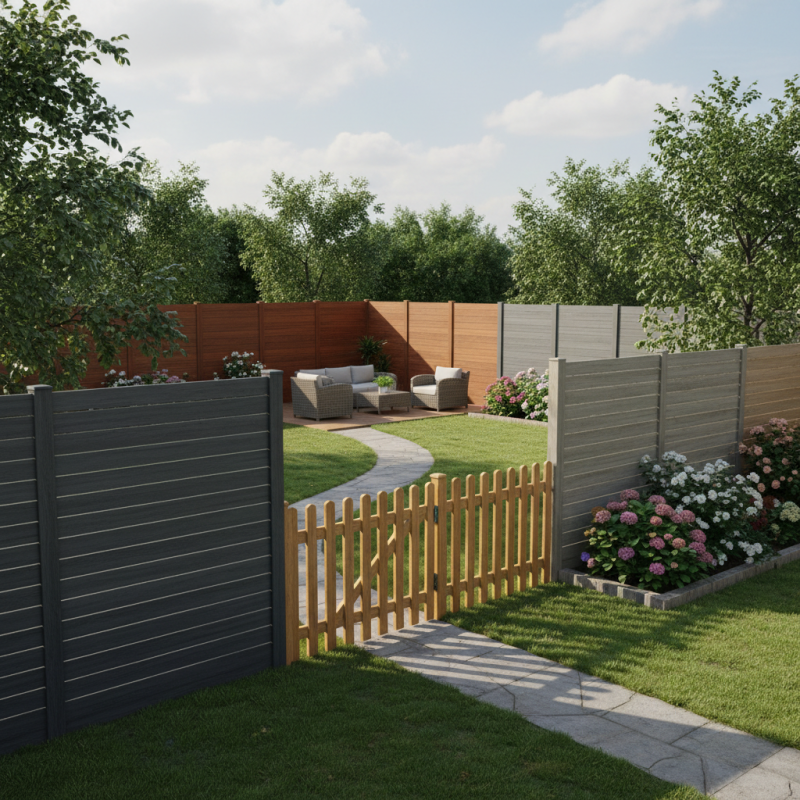
WPC, or wood-plastic composite, is becoming a popular choice for fencing. This material combines wood fibers and plastic, creating a unique blend that offers several advantages. It is durable and resistant to harsh weather conditions. Many people appreciate its low maintenance requirements compared to traditional wood fencing.
The appeal of WPC fencing lies in its aesthetic versatility. It is available in various colors and textures that mimic natural wood. This feature allows homeowners to choose styles that fit their outdoor spaces. Additionally, WPC does not warp or splinter, which can be a concern with real wood. However, some users note that the initial cost can be higher, prompting a need for careful budgeting.
While WPC fencing is eco-friendly and made from recycled materials, not all products may meet the same environmental standards. It's important to research and understand the materials used in specific WPC products. This discussion leads to an essential reflection: ensuring products align with sustainability goals without compromising quality. Making informed choices about WPC fencing can enhance any outdoor environment while contributing to environmental well-being.
WPC (Wood Plastic Composite) fencing offers significant advantages for outdoor spaces. It combines wood fibers and plastic materials, resulting in a durable and versatile fencing solution. According to industry reports, WPC fencing can last up to 25 years with minimal maintenance. This longevity makes it a popular choice among homeowners and landscapers alike.
One major benefit of WPC fencing is its resistance to various environmental factors. Unlike traditional wood, WPC does not warp or splinter. It is also resistant to moisture and insects. This durability reduces the need for frequent replacements, saving both time and money. A survey by the American Institute of Architects indicates that nearly 70% of architects consider WPC to be eco-friendly, as it utilizes recycled materials.
Moreover, WPC fencing is available in various styles and colors, making it suitable for any outdoor aesthetic. However, installation can be challenging without proper tools or expertise. Some homeowners may feel overwhelmed by the options available. It is important to conduct thorough research before making a decision. As WPC technology evolves, its application in outdoor designs continues to grow, offering a sustainable and stylish way to enhance outdoor areas.
| Feature | Advantages | Ideal Uses | Maintenance |
|---|---|---|---|
| Durability | Resistant to rot and insects | Home gardens, parks | Low maintenance, occasional cleaning |
| Aesthetic Variety | Available in various colors and styles | Residential backyards, commercial spaces | Clean with soap and water if necessary |
| Eco-Friendly | Made from recycled materials | Eco-conscious landscaping | Minimal environmental impact |
| Customizable | Can be cut and shaped to fit any design | Unique fencing solutions | Personalization for specific designs |
| Cost-Effective | Lower long-term costs due to durability | Budget-friendly projects | Long lasting = Less frequent replacements |
When thinking about WPC (Wood Plastic Composite) fences, creativity can turn your outdoor space into a stunning retreat. These fences are not only durable but also versatile, allowing for various design inspirations. For instance, consider a staggered panel design that creates visual interest. It breaks the monotony of vertical lines while allowing some light and air to filter through. A simple color mix, perhaps with lighter and darker shades, can enhance the overall aesthetic.
Incorporating decorative elements can also elevate your WPC fence design. A trellis integrated into the fence can support climbing plants, bringing life and greenery, softening the fence's appearance. You might explore unique shapes or curves instead of traditional straight lines. These approaches contribute to a playful yet modern outdoor atmosphere.
Reflecting on functionality is just as important. While aesthetics matter, ensure your fence provides the required privacy and security. A closed panel design works well for secluded spaces, while open fences suit gardens requiring a breeze. Each choice should reflect both your style and practical needs. Always remember that the best designs often stem from thoughtful considerations and occasional mistakes. Each element should resonate with who you are.
Maintaining your WPC fence is essential for durability and appearance. Regular cleaning is vital. Use a soft brush and mild soap. This prevents dirt buildup. Stains can happen, but they are manageable. For tougher stains, a mixture of vinegar and water does wonders. Always test on a small area first.
Inspect your fence periodically for any signs of wear. Look for cracks or fading. Early detection saves time and money. If you notice issues, address them immediately. Apply a sealant once a year to protect against moisture. It’s crucial to ensure longevity, but don’t rush; take your time.
Weather can be unpredictable. Sun exposure may cause fading, while rain can lead to mold. Consider providing shade or using a protective coating. These suggestions help maintain visual appeal. Remember, a bit of effort goes a long way in preserving the beauty of your outdoor space.
WPC (Wood-Plastic Composite) fencing is gaining popularity as an alternative to traditional wood and vinyl options.
One major benefit of WPC fencing is its durability.
A recent industry report shows that WPC fences can last up to 25 years with minimal maintenance.
This durability significantly reduces the long-term costs associated with traditional wood, which may require frequent repairs and replacements.
In contrast, traditional wood fencing is prone to rotting, warping,
and insect damage. It generally needs to be treated regularly to maintain its appearance and integrity.
Vinyl fencing, while resistant to some damage, can become discolored over time and may crack in extreme temperatures.
A study from a leading construction analysis firm indicates that homeowners can save up to 30%
on maintenance costs over a 10-year period by choosing WPC fencing over traditional options.
WPC fencing is also environmentally friendly, containing recycled materials.
This aligns with the growing demand for sustainable building materials.
However, some users express concerns about the aesthetics of WPC compared to natural wood, citing that it may lack the warmth of traditional fencing.
Balancing these considerations is essential for making an informed decision.
: WPC fencing combines wood fibers and plastic, creating a durable material. It's resistant to harsh weather.
It requires low maintenance, won't warp or splinter, and mimics the look of natural wood.
Regularly clean with a soft brush and mild soap. This prevents dirt buildup and keeps it looking great.
Use a vinegar and water mixture for tough stains. Always test on a small area before applying.
Periodic inspections help catch wear early. Look for cracks or fading to save time and money later.
WPC is often made from recycled materials, but check specific products for environmental standards.
Sun exposure can lead to fading. Protecting your fence with shade or coatings is a good idea.
Applying a sealant yearly protects against moisture. Take your time to ensure thorough application.
Initial costs can be higher. It’s important to budget carefully before making a purchase.
Choose styles and colors that complement your landscape. This alignment can significantly boost visual appeal.
WPC fence, made from wood-plastic composites, offers a modern solution for outdoor spaces that require both functionality and aesthetics. This type of fencing combines the natural appeal of wood with the durability of plastic, making it a popular choice for gardens and backyards. The advantages of using WPC fencing include low maintenance requirements, resistance to weathering, and a variety of design options that allow homeowners to personalize their outdoor environments.
To ensure the longevity and appearance of a WPC fence, regular maintenance tips include cleaning with mild soap and water, avoiding harsh chemicals, and inspecting for any signs of wear. When comparing WPC fencing to traditional wood and vinyl options, it stands out for its sustainability and unmatched resilience, making it an excellent investment for enhancing any outdoor area.

Yida Wood