In recent years, the demand for WPC decking outdoor solutions has seen substantial growth. According to reports by MarketsandMarkets, the global wood-plastic composites market is projected to reach USD 9.5 billion by 2025, with a CAGR of 11.3%. This trend reflects a significant shift towards sustainable building materials in various regions. WPC decking outdoor not only enhances aesthetic appeal but also offers durability and resistance against weather elements.
Many buyers are now focusing on the benefits of WPC decking. The material combines the advantages of wood and plastic, resulting in products that are low-maintenance and resistant to termites and decay. However, it’s crucial to choose high-quality options from reputable manufacturers to avoid inferior products. This can often lead to unsatisfactory experiences.
Despite its advantages, some challenges remain. Consumers frequently encounter misinformation about WPC decking outdoor products. Misunderstandings regarding pricing and longevity may tarnish its reputation. A more informed decision-making process is essential for maximizing the benefits of WPC decking. It emphasizes the need for reliable sources and expert insights in this evolving market.
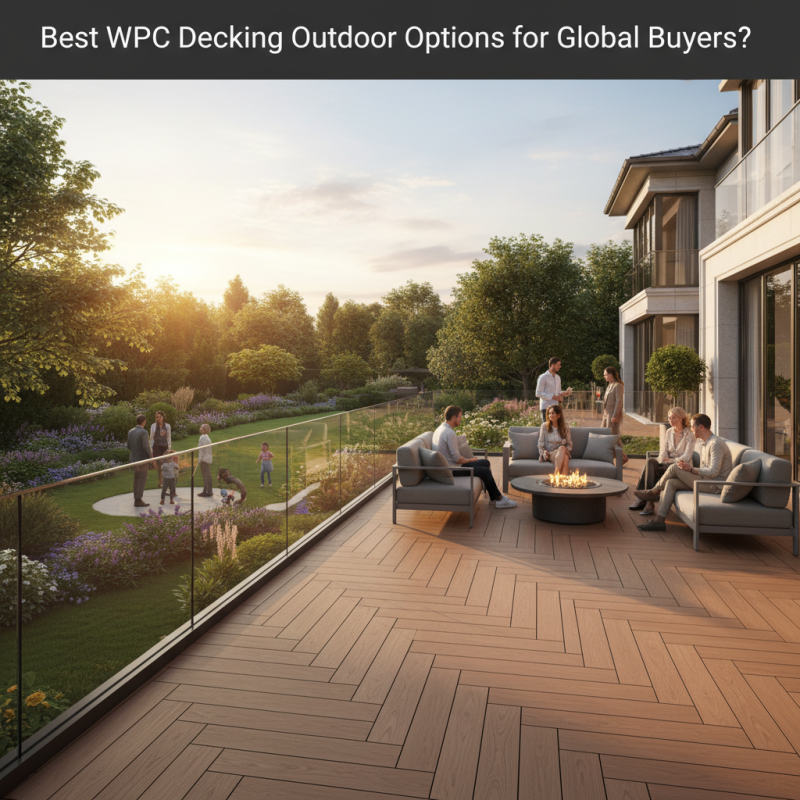
Global Overview of WPC Decking and Its Benefits
WPC decking, or wood-plastic composite, has gained popularity worldwide for its unique blend of durability and aesthetics. This material combines recycled wood fibers and plastic, creating an eco-friendly alternative to traditional wood decking. As homeowners seek solutions that resist rot, mold, and fading, WPC offers a reliable choice for outdoor spaces.
One notable benefit of WPC decking is its low maintenance requirements. Unlike natural wood, which demands regular sealing and painting, WPC only needs occasional cleaning. This makes it appealing for busy homeowners. Additionally, WPC decking comes in various colors and textures, allowing for diverse design options. However, its initial cost can be a drawback, causing some buyers to hesitate.
Another point to reflect on is the environmental impact of WPC production. While it uses recycled materials, the plastic component raises concerns. Is the sustainability sufficient? Balancing aesthetics, functionality, and ecological responsibility remains a challenge. Buyers should weigh these factors carefully before making a decision. Carefully chosen WPC decking can enhance outdoor living while minimizing long-term impact.
Key Factors to Consider When Choosing WPC Decking
When selecting WPC decking, consider several key factors. First, durability is crucial. WPC, or wood-plastic composite, is known for its resistance to rotting and moisture. It can withstand harsh weather conditions, making it ideal for outdoor use. Look for products that offer a blend of wood fibers and recycled plastics. This mixture enhances strength while remaining eco-friendly.
Another vital aspect is maintenance. Some WPC options require minimal upkeep. However, others may need regular cleaning to prevent staining or mold growth. Assess the cleaning techniques suggested by manufacturers. Easy maintenance can save time and effort. Color retention is also important. Choose colors that can resist fading from UV rays. This ensures your deck remains appealing for years.
Budget considerations cannot be overlooked. WPC decking varies widely in price. Higher costs often correlate with better quality and longevity. Yet, be wary of low-cost products. They might compromise durability or aesthetic appeal. Research customer reviews to gauge satisfaction levels. This can help identify the best options available. Consider all these factors to make an informed choice.
Top WPC Decking Brands and Products for Global Consumers
When considering WPC decking for outdoor spaces, global consumers should explore various top brands and products. WPC, or wood-plastic composite, combines plastic and wood fibers. This blend creates a durable and attractive decking option. Users often appreciate its resistance to moisture and insects, making it suitable for various climates.
Many brands offer diverse colors and styles to fit outdoor aesthetics. Some products mimic natural wood while providing enhanced durability. There’s a growing trend for eco-friendly options, appealing to environmentally conscious buyers. Yet, it is crucial to read reviews and understand warranties before making a decision. Each product varies in texture, feel, and price.
Despite the many advantages, challenges exist. Some decks may fade faster than others, leading to unsightly appearances. Consumers must consider maintenance requirements as well. Regular cleaning and occasional sealing are essential for longevity. Buyers should weigh these factors carefully. Researching different brands and talking to other users can provide valuable insights.
Sustainable Practices in the WPC Decking Industry
The WPC decking industry is increasingly emphasizing sustainable practices. Wood-plastic composites, consisting of recycled wood fibers and plastics, provide an eco-friendly alternative to traditional decking. According to a report by the American Wood Council, using recycled materials can cut down carbon emissions by up to 30%. This practice not only conserves resources but also supports a circular economy.
However, challenges remain. Not all WPC products are created equal. Some brands may prioritize cost over sustainability, leading to varying levels of recycled content. A study published by the Journal of Polymers highlights that only 40% of WPC decking on the market meets stringent sustainability criteria. Buyers must conduct thorough research to ensure their choices align with eco-friendly standards.
Investing in sustainably sourced WPC decking offers long-term environmental benefits. Yet, the industry needs to address transparency in sourcing and production practices. This is crucial for consumers who prioritize ethical considerations in their buying decisions. As demands for greener products grow, the WPC decking industry must adapt, ensuring accountability while providing quality alternatives.
Best WPC Decking Outdoor Options for Global Buyers
| Option Type |
Material Composition (%) |
Sustainability Rating |
UV Resistance |
Average Lifespan (Years) |
Maintenance Level |
| Premium WPC Decking |
60% Wood Fiber, 30% Recycled Plastic, 10% Additives |
A+ |
Excellent |
25 |
Low |
| Standard WPC Decking |
50% Wood Fiber, 40% Recycled Plastic, 10% Additives |
B |
Good |
20 |
Moderate |
| Budget WPC Decking |
40% Wood Fiber, 50% Recycled Plastic, 10% Additives |
C |
Fair |
15 |
High |
| Eco-Friendly WPC Decking |
70% Recycled Wood, 20% Recycled Plastic, 10% Additives |
A |
Excellent |
30 |
Low |
| Luxury Composite Decking |
55% Wood Fiber, 35% Recycled Plastic, 10% Additives |
A+ |
Excellent |
40 |
Very Low |
Installation and Maintenance Tips for WPC Decking Solutions
When investing in WPC decking, proper installation and maintenance are essential. According to industry reports, over 70% of decking failures arise from improper installation. Ensuring a solid foundation is critical. The deck should be installed on a level surface to prevent warping. Use a proper spacing between boards to allow for expansion and contraction, which typically occurs with temperature changes. The recommended gap is around 1/8 inch.
Maintenance of WPC decking is relatively simple but often overlooked. Routine cleaning helps prevent mold and mildew. A gentle soap solution and a soft brush can work wonders. Avoid harsh chemicals, as they may damage the surface. In fact, studies show that using mild cleaning agents can extend the life of the deck by up to 50%. It's crucial to be vigilant for any signs of damage. Scratches or cracks should be addressed immediately to prevent water infiltration.
Regular inspections can help identify potential issues before they escalate. Pay attention to boards that flex too much or feel loose. These can indicate deeper structural issues. Keeping up with maintenance can often deter costly repairs in the future. Embracing these practices will maximize the longevity and performance of your WPC decking.
Best WPC Decking Outdoor Options for Global Buyers
This chart illustrates various metrics related to WPC decking options, showcasing their cost-effectiveness, durability, maintenance, installation time, and eco-friendliness. Understanding these dimensions can help global buyers make informed decisions on their decking solutions.
Conclusion
WPC decking outdoor solutions have gained significant popularity worldwide due to their durability and aesthetic appeal. This article explores the global overview of WPC decking, highlighting its numerous benefits, such as resistance to weather, low maintenance requirements, and eco-friendliness. When selecting WPC decking outdoor products, consumers should consider key factors like material quality, design options, and sustainability practices offered by various manufacturers.
The article also discusses leading brands and products available to global buyers, emphasizing the importance of sustainable practices within the WPC decking industry. Additionally, it provides valuable installation and maintenance tips to ensure longevity and optimal performance of WPC decking outdoor solutions. By considering these aspects, consumers can make informed decisions when enhancing their outdoor spaces with WPC decking.

 Yida Wood