In recent years, WPC Decking Flooring has gained immense popularity among homeowners and builders. The combination of wood and plastic materials offers durability and aesthetic appeal, making it a preferred choice for outdoor spaces. Expert John Mitchell, a well-regarded figure in the WPC industry, states, “WPC Decking Flooring not only enhances the beauty of a space but also stands the test of time.”
As global buyers seek the best options for their decking projects, understanding the key features of WPC Decking Flooring becomes essential. This innovative material provides resistance against moisture, termites, and fading, which are common concerns in outdoor environments. However, not all WPC products are created equal. Buyers need to consider factors such as manufacturing processes and eco-friendliness.
Moreover, while WPC Decking Flooring has many advantages, it also comes with challenges. Inconsistent product quality and the potential for fading are issues that require careful thought. By being informed, buyers can make better choices, investing in high-quality WPC products that truly meet their needs.
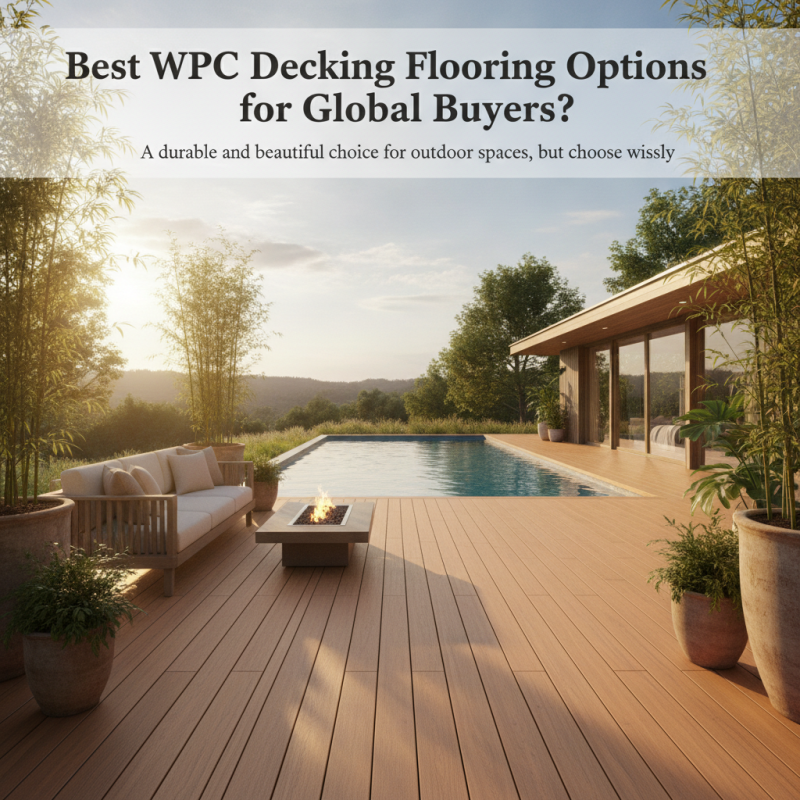
Understanding WPC Decking: Composition and Benefits
WPC decking, or wood-plastic composite, combines wood fibers and plastic polymers. This blend offers a unique solution for outdoor flooring. The composition creates a durable surface that resists moisture and pests. Its weather-resistant qualities make it popular in various climates.
One significant benefit of WPC decking is its low maintenance requirement. Unlike traditional wood, it does not need regular sealing or painting. This aspect appeals to busy homeowners. However, some users report that the initial installation can be more complex. It may require specific tools and techniques to ensure a proper fit.
While WPC decking is durable, it is essential to consider potential fading over time. Some users express concerns about color retention. Regular cleaning can mitigate dirt build-up, maintaining its appearance. Balancing aesthetics with functionality is crucial for buyers. Understanding these factors leads to better choices for long-term satisfaction.
Global Market Overview for WPC Decking Products
The global market for WPC (Wood Plastic Composite) decking products has seen significant growth in recent years. According to a recent report by Grand View Research, the WPC decking market is expected to reach over $7 billion by 2027, with a compound annual growth rate (CAGR) of around 11%. This surge can be attributed to the increasing demand for sustainable building materials. WPC products blend wood fibers and recycled plastics, offering an eco-friendly alternative to traditional decking materials.
In various regions, the adoption of WPC decking is influenced by local climate conditions and consumer preferences. For instance, North America proves to be a major market, accounting for nearly 40% of the total share. However, the European and Asia-Pacific markets are rapidly catching up. A challenge noted by industry experts is the inconsistency in quality. Various manufacturers produce WPC with different performance standards, making it crucial for buyers to conduct thorough research before purchasing.
Moreover, consumer awareness regarding the benefits of WPC is evolving. Many homeowners appreciate its low maintenance and long lifespan. Yet, some still question its durability compared to natural wood. According to data from the Freedonia Group, while WPC decking may be initially more expensive, it often pays off in the long run. Overall, the WPC decking market exhibits promising potential, but potential buyers should remain vigilant about quality and product variations.
Best WPC Decking Flooring Options for Global Buyers - Global Market Overview for WPC Decking Products
| Region |
Market Share (%) |
Popular Applications |
Growth Rate (CAGR) |
Price Range (USD/Sq Ft) |
| North America |
30% |
Residential Decking, Commercial Spaces |
5.5% |
$3.50 - $8.00 |
| Europe |
25% |
Landscaping, Outdoor Furniture |
4.8% |
$4.00 - $9.00 |
| Asia Pacific |
20% |
Construction, Building Facades |
6.1% |
$3.00 - $7.00 |
| Latin America |
15% |
Outdoor Decking, Pool Areas |
4.0% |
$2.50 - $6.00 |
| Middle East & Africa |
10% |
Government Projects, Residential Areas |
3.5% |
$4.50 - $8.50 |
Key Factors to Consider When Choosing WPC Decking
Choosing the right WPC decking requires careful thought. One key factor is material durability. WPC, or wood-plastic composite, often combines wooden fibers with plastic. This blend impacts how long the decking lasts. Buyers should seek options that resist warping, cracking, and fading. Weather resistance is crucial in areas with extreme temperatures.
Another factor is maintenance. WPC decking typically demands less upkeep than traditional wood. However, some options may require periodic cleaning or sealing. Homeowners should consider how much time they're willing to invest. A product that appears low-maintenance might need attention over time. Reflect on your lifestyle and outdoor usage patterns as you decide.
Aesthetics also play a role. Colors and textures vary widely, allowing buyers to match their decking with their home. However, it’s vital to understand how these finishes wear under sun and moisture. The initial appeal might not last. Always ask for samples and evaluate them in your environment before making a choice.
Top Manufacturers and Suppliers of WPC Decking Flooring
When considering WPC decking flooring, selecting the right manufacturer or supplier is crucial. Many companies offer a variety of options, but not all meet necessary quality standards. Trusted manufacturers typically provide detailed product specifications and information about the materials used in their WPC products. They should also have reliable customer service to assist clients with inquiries.
Reputable suppliers often have a proven track record in the industry. They should showcase customer reviews and project case studies on their websites. This transparency fosters trust. Additionally, good manufacturers may offer warranties on their products, ensuring durability over time.
However, buyers should reflect on their local environmental conditions. Not all WPC decking may perform well in high-humidity or extreme temperatures. Testing samples before making a large purchase is wise. A responsible choice can lead to a stunning and functional outdoor space.
Sustainability and Environmental Impact of WPC Decking
WPC decking has gained popularity as a choice for outdoor spaces. Its composition of wood fibers and plastic offers an attractive, durable surface. However, the sustainability of WPC material raises important questions. Although it claims to reduce deforestation, the environmental impact cannot be overlooked.
The production of WPC decking involves using plastic, which may come from fossil fuels. This creates a cycle of dependence on non-renewable resources. Additionally, recycling options for WPC are limited. Once discarded, it can contribute to landfill waste. This contradiction challenges the notion of being eco-friendly.
It's essential to consider the life cycle of WPC products. Are they genuinely sustainable, or do they merely shift environmental burdens? Buyers should seek transparency in production methods. Assessing the carbon footprint of WPC decking materials can help. Ultimately, understanding these factors leads to more informed decisions.
FAQS
: WPC stands for Wood Plastic Composite. It combines wood fibers and recycled plastics.
Its eco-friendly nature appeals to homeowners seeking sustainable building materials.
The market is expected to exceed $7 billion by 2027 with an 11% CAGR.
Local climates and consumer preferences significantly influence the choice of decking materials.
Buyers should research quality variations between manufacturers and test samples.
Some consumers question its durability compared to natural wood, despite long-term benefits.
Trusted manufacturers should provide detailed specifications and maintain reliable customer service.
Reviews build trust and help gauge the manufacturer's reliability and product quality.
Yes, testing samples ensures the material meets local environmental conditions.
Yes, they often provide warranties, ensuring product durability over time.
Conclusion
WPC decking flooring has emerged as a popular choice for various global buyers due to its unique composition and numerous benefits. This material combines wood fibers and plastic to create a durable and low-maintenance option that resists rotting, splintering, and fading. As the global market for WPC decking continues to grow, potential buyers must consider crucial factors such as design preferences, climate compatibility, and cost to make informed decisions.
Additionally, the sustainability aspect of WPC decking flooring is increasingly important. Many consumers are seeking eco-friendly products, and WPC decking often uses recycled materials, reducing its environmental impact. Understanding these elements can help buyers choose the most suitable WPC decking solution to meet their needs while contributing positively to the environment.

 Yida Wood