WPC tile flooring is gaining popularity among global buyers. This innovative flooring solution offers a unique combination of durability and aesthetic appeal. It is made from wood-plastic composite, making it suitable for various environments. Many homeowners and businesses are drawn to its ability to withstand moisture and heavy foot traffic.
The top ten benefits of WPC tile flooring are diverse. They range from easy installation to minimal maintenance. This type of flooring mimics the look of natural wood and stone. It provides a warm, inviting atmosphere without the high costs. Additionally, its eco-friendly materials appeal to environmentally conscious consumers.
However, buyers should consider their specific needs. WPC tile flooring may not be suitable for every setting. Some may find it less durable when exposed to extreme temperatures. Understanding both its advantages and limitations is crucial. This introspection will lead to more informed purchasing decisions.
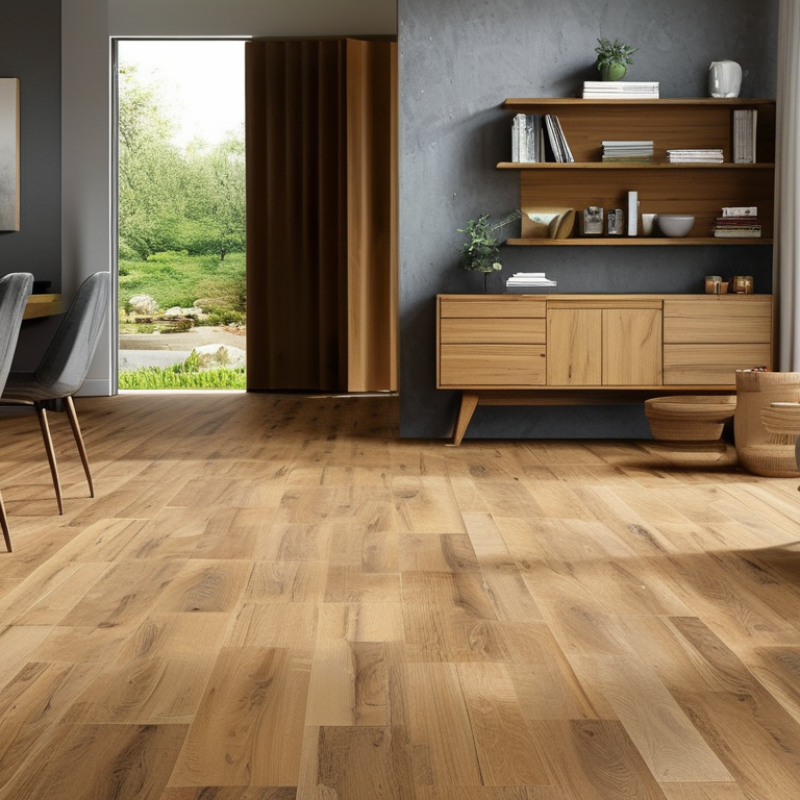
WPC tile flooring has gained immense popularity around the world. This composite material, made from wood-plastic composites, offers a unique blend of aesthetics and practicality. It mimics the look of natural wood or stone while providing enhanced durability. Many global buyers appreciate its ability to resist moisture, making it ideal for various climates.
In homes and commercial spaces, WPC tiles provide a versatile solution. They fit well in bathrooms, kitchens, and living areas. The ease of installation is another lure for buyers. Many choose it for their DIY projects. However, there are still considerations to keep in mind. While the tiles may be durable, they can scratch under heavy furniture. Regular maintenance is essential for long-term performance.
The aesthetic appeal of WPC tile flooring cannot be understated. It comes in numerous designs and colors. Buyers often find it difficult to choose the right style for their space. The right flooring can enhance the overall ambiance of a room. However, trends evolve, and what looks great today might not in a few years. This uncertainty can lead to regret after the purchase.
WPC (Wood Plastic Composite) tile flooring offers remarkable durability and longevity, pertinent for global buyers. Studies show that WPC flooring can withstand heavy foot traffic and resist wear. This makes it ideal for both residential and commercial spaces. According to a recent industry report by Freedonia Group, WPC flooring is projected to grow at a rate of 10% annually due to its rising popularity.
WPC tiles are crafted from a blend of wood fibers and plastic polymers, giving them superior resistance to moisture and mold. These attributes ensure a longer lifespan than traditional wood flooring. Research indicates that WPC tiles can last up to 25 years with proper maintenance. Their layered structure provides added impact resistance, reducing the likelihood of damage from furniture or heavy objects.
However, not all WPC tiles are created equal. Some low-end products may claim durability but can fail under prolonged exposure to harsh conditions. Buyers should be vigilant and select reputable sources. A well-informed choice ensures the desired longevity and performance of WPC flooring. The material has its pros and cons, making research essential before purchasing.
WPC flooring, a blend of wood and plastic, offers remarkable cost-effectiveness for homeowners and businesses. It combines durability with affordability, making it a popular choice worldwide. The initial investment may seem significant, but WPC tiles pay off in the long run. They are less prone to damage, reducing repair costs over time.
Tip: Consider the long-term savings when choosing your flooring. Analyze maintenance costs and potential replacements.
Installing WPC flooring is often simpler than traditional options. This ease can reduce installation costs significantly. Many users find they can DIY the project, which enhances their savings. However, the learning curve can be steep for first-timers.
Tip: Research installation techniques online or consult with professionals. A well-informed installation can save both time and money.
Lastly, WPC tiles require minimal upkeep. Their resistance to moisture and stains means less frequent cleaning products and repairs. This simplicity translates to savings on both cleaning supplies and time. Keep in mind that choosing the wrong maintenance products can lead to unexpected costs.
Tip: Always use compatible cleaning agents to maintain the flooring warranty and longevity.
WPC tiles are gaining popularity for their aesthetic versatility. These tiles can mimic wood, stone, or even ceramic finishes, allowing for creative designs. They are suitable for diverse spaces, from cozy homes to modern offices. The variety in colors and textures makes it easy to match any interior style.
When designing a room, consider the lighting. Natural light can enhance the beauty of WPC tiles, bringing out their colors. Pairing WPC tiles with complementary decor can create a harmonious atmosphere. Mixing different textures can add depth and interest.
One tip is to use larger tiles in open areas. This can make the space look more expansive. In smaller rooms, opt for smaller tiles to create a cozy feel. Always think about how the tile layout can influence the overall design perspective. Remember, the choice of grout color can dramatically change the tile's appearance.
While WPC tiles are durable, they aren’t scratch-proof. It's essential to be mindful of heavy furniture. Regularly inspect your flooring to maintain its beauty. It’s worth reflecting on how your flooring choice interacts with other design elements in your space.
WPC (Wood-Plastic Composites) flooring is gaining popularity for its sustainability. Environmentally conscious buyers appreciate its eco-friendly nature. WPC flooring combines recycled wood fibers and plastic materials. This reduces waste and supports sustainable forestry.
Choosing WPC flooring benefits the environment. Its production requires fewer natural resources compared to traditional hardwood. It emits lower levels of volatile organic compounds (VOCs). This translates to better indoor air quality. Homeowners often overlook these advantages while making flooring choices.
Tip: When selecting flooring, consider its entire lifecycle. Ask about the sourcing of materials and production methods. Also, ensure your choice meets eco-certification standards. Understanding these factors helps consumers make informed decisions.
Sustainability doesn't imply perfection. While WPC is better than some options, not all products are equal. Some may still involve harmful chemicals. Researching brands and their practices is crucial.
Tip: Visit manufacturer websites for transparency. Look for third-party certifications. These can guide you toward safer and more sustainable options. The choices we make are impactful, both for ourselves and the planet.
: WPC tile flooring is made from wood-plastic composites. It resembles natural wood or stone, offering durability.
These tiles are versatile. They suit bathrooms, kitchens, and living areas well.
WPC flooring resists moisture. This makes it ideal for various climates without damage.
Yes, many buyers choose WPC for DIY projects. The installation process is straightforward.
Regular maintenance is essential. They may scratch under heavy furniture if not cared for properly.
Yes, WPC flooring is eco-friendly. It uses recycled materials, reducing waste and supporting sustainable practices.
Consider your room's ambiance. Trends change, so what looks good now might not in the future.
Not necessarily. Some may contain harmful chemicals, so research is important before purchasing.
Look for certifications. Visit manufacturer websites for transparency in sourcing and production methods.
Think about the entire lifecycle. Ask about material sourcing and eco-certification standards for informed choices.
WPC Tile Flooring has gained significant global appeal due to its numerous benefits. This innovative flooring solution offers exceptional durability and longevity, making it a reliable choice for a variety of settings. Additionally, WPC tiles are cost-effective, providing financial advantages without compromising on quality. Their aesthetic versatility allows homeowners and designers to create beautiful and functional spaces, catering to diverse style preferences.
Moreover, WPC Tile Flooring is an environmentally sustainable option, as it is often made from recycled materials, reducing its ecological footprint. As global buyers seek flooring solutions that combine style, durability, and eco-friendliness, WPC tiles stand out as an attractive alternative that meets these demands effectively.

Yida Wood