In the world of modern architecture, WPC Louver Panels stand out for their multifaceted benefits. These panels are made from wood-plastic composites, combining aesthetics with functionality. Global buyers are increasingly recognizing the advantages of these innovative materials.
WPC Louver Panels offer durability and resilience against harsh weather. Their unique composition ensures longevity while requiring minimal maintenance. This can be especially appealing to architects and builders looking for sustainable solutions. Moreover, they provide excellent ventilation and light control, making spaces more livable and comfortable.
However, it is essential to consider the potential drawbacks. Some buyers may face challenges regarding initial costs or sourcing reliable suppliers. Balancing these factors is crucial for making informed decisions. Ultimately, understanding the full spectrum of benefits and limitations can guide global buyers in their quest for optimal design solutions.
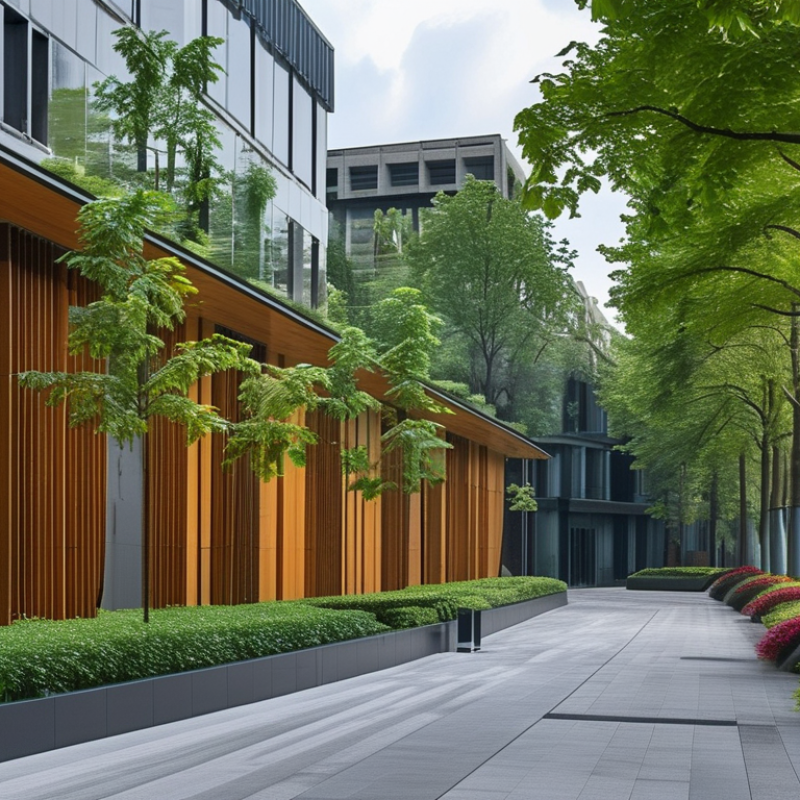
Benefits of WPC Louver Panels in Outdoor Design and Architecture
WPC louver panels are revolutionizing outdoor design and architecture. These panels combine wood’s warmth with plastic’s durability. This makes them ideal for use in various climates. According to a recent industry report, the demand for WPC products has increased by 25% in just three years. This rise reflects their growing popularity in the architectural community.
They provide excellent ventilation while blocking harmful UV rays. Many designers appreciate that these panels help maintain a cooler environment. Often, outdoor spaces become unbearable due to heat. The right WPC louver panels can mitigate that, creating a pleasant atmosphere. Additionally, they require less maintenance than traditional wood options. However, some may find the initial cost to be a concern.
Despite these advantages, there are challenges. The long-term environmental impact of WPC materials requires more research. Professionals are also examining the specific lifespan of various brands. Understanding these factors is essential for making informed decisions. Architects and builders should weigh aesthetics against performance. This balance is crucial for successful outdoor projects.
Enhanced Durability and Weather Resistance of WPC Materials
WPC louver panels are gaining attention for their enhanced durability and weather resistance. These panels combine wood and plastic, creating a strong and resilient material. This unique composition allows them to withstand harsh weather conditions, making them ideal for various environments. They resist rot, warping, and insect damage, which is a common issue with traditional wood. This durability ensures a longer lifespan, reducing the need for frequent replacements.
Moreover, the low maintenance requirement of WPC louver panels makes them appealing. They do not need regular painting or staining. Cleaning them is simple; a wash with soap and water typically suffices. However, some users may find that, over time, they require a degree of care to maintain their appearance. They can fade or discolor with prolonged sun exposure. This is a factor that potential buyers should consider.
WPC materials often provide excellent thermal insulation. This can result in lower energy costs for heating and cooling. In addition, they are eco-friendly alternatives to traditional materials. They utilize recycled products, aligning with sustainable building practices. However, buyers should be aware of varying quality levels among manufacturers. It's essential to research and ensure the sourced panels meet required standards.
Sustainability and Eco-Friendliness of WPC Louver Panels
The rise of WPC (Wood Plastic Composite) louver panels marks a significant shift towards sustainability. These panels are made from recycled wood fibers and plastic, reducing the reliance on virgin materials. Industry data shows that using WPC can cut CO2 emissions by approximately 30% compared to traditional materials. This aligns with global sustainability goals, especially in construction and architecture.
Moreover, WPC louver panels contribute to energy efficiency. Their design allows for proper airflow, reducing the need for artificial cooling. Studies have indicated that buildings incorporating such materials can save up to 25% in energy costs. This compelling statistic underscores the eco-friendliness of WPC products while also appealing to cost-conscious buyers.
However, while the benefits are clear, some challenges remain. The long-term durability of WPC panels can vary based on usage and environmental exposure. It's crucial for buyers to consider these factors when choosing their materials. Not all WPC is created equal; research into the specific types used is essential. Ultimately, WPC louver panels present a promising option for eco-conscious projects, but careful selection is necessary to maximize their benefits and sustainability claims.
Design Versatility: Customization Options for Global Markets
In the realm of architectural design, WPC louver panels offer remarkable customization options for global markets. The versatility of these panels allows architects to tailor their designs to meet specific aesthetic and functional needs. With a variety of colors, textures, and finishes available, WPC louver panels can seamlessly blend with diverse architectural styles. According to the Global Modular Construction Market report, the demand for innovative building materials is projected to grow by 7% annually through 2027. This growth highlights a broader trend towards customization in construction, making WPC panels an attractive choice.
Moreover, the adaptability of WPC louver panels includes their potential for sustainable design. Made from wood-plastic composites, these panels not only reduce waste but also offer durability in various climates. Recent studies indicate that nearly 60% of consumers prefer eco-friendly building materials. However, the shift to using WPC louver panels isn’t without its challenges. Sourcing high-quality materials can vary significantly by region, impacting the overall durability.
Customization also means that manufacturers must continually innovate. Balancing aesthetic appeal with structural integrity is crucial. As designers experiment with forms and functionalities, the need for rigorous testing and quality assurance becomes evident. Ensuring that these panels perform effectively under diverse environmental conditions requires ongoing research and adaptation.
Top 10 Benefits of WPC Louver Panels for Global Buyers
Cost-Effectiveness and Long-Term Value of WPC Louver Solutions
WPC louver panels are gaining attention globally for their remarkable cost-effectiveness. These panels offer durability at a lower price. They last longer than traditional materials, saving money over time. This makes them an attractive option for buyers. When investing in construction or renovation, WPC panels reduce overall costs. Their resilience against weather elements lowers maintenance expenses significantly.
The long-term value of WPC louver solutions cannot be overstated. These panels require minimal upkeep, which can be a huge advantage for property owners. Frequent replacements lead to increased costs, something WPC panels help avoid. With sustainable raw materials, they appeal to environmentally conscious buyers. The ability to customize these panels adds to their practicality. Buyers should consider not only the initial costs but also the long-term savings. Reflecting on these advantages is essential for making informed decisions.
Top 10 Benefits of WPC Louver Panels for Global Buyers
| Benefit |
Description |
Long-Term Value |
Cost-Effectiveness |
| Durability |
WPC louver panels resist weathering and wear. |
Lasts longer than traditional materials. |
Reduces replacement costs over time. |
| Low Maintenance |
Requires minimal upkeep and cleaning. |
Saves on maintenance expenses. |
Lower labor costs for upkeep. |
| Eco-Friendly |
Made from recycled materials and sustainable resources. |
Appeals to environmentally-conscious buyers. |
May qualify for eco-friendly incentives. |
| Aesthetic Appeal |
Available in various colors and finishes. |
Enhances property value. |
Increases attractiveness for resale. |
| Customizability |
Can be tailored to meet specific project needs. |
Adds unique character to installations. |
Minimizes waste in production. |
| Thermal Insulation |
Provides insulation properties to regulate temperatures. |
Lowers energy bills and improves comfort. |
Reduces HVAC system strain. |
| Resistance to Pests |
Non-porous material deters insects and rodents. |
Lowers pest control costs. |
Increases lifespan of structures. |
| Lightweight |
Easier to transport and install. |
Saves on shipping and handling expenses. |
Reduced labor costs during installation. |
| Versatility |
Applicable in various settings and projects. |
Strong market appeal and application potential. |
Widens scope for business opportunities. |
FAQS
: WPC louver panels are made from recycled wood fibers and plastic, reducing reliance on virgin materials.
They cut CO2 emissions by about 30%, aligning with global sustainability goals in construction.
Buildings using WPC panels can save up to 25% in energy costs due to improved airflow.
Buyers need to assess the long-term durability and environmental exposure of the panels.
They offer various colors, textures, and finishes to suit different architectural styles.
The quality of WPC materials can vary significantly by region, affecting durability.
WPC panels are more cost-effective, requiring less maintenance and lasting longer than traditional materials.
Balancing aesthetic appeal with structural integrity is crucial for effective performance.
Customization requires ongoing innovation and quality assurance testing to ensure reliability.
Consider both initial costs and long-term savings when deciding to invest in WPC louver panels.
Conclusion
WPC Louver Panels offer numerous benefits that make them an appealing choice for global buyers in outdoor design and architecture. Their enhanced durability and weather resistance ensure that they can withstand various environmental conditions, making them ideal for long-term use. Additionally, WPC materials are known for their sustainability and eco-friendliness, providing an environmentally responsible option for construction projects.
The design versatility of WPC Louver Panels allows for extensive customization, catering to the diverse aesthetic requirements of global markets. Furthermore, these panels are cost-effective and provide long-term value, as they require minimal maintenance while delivering excellent performance over time. In summary, WPC Louver Panels combine style, sustainability, and durability, making them a smart investment for outdoor applications.

 Yida Wood